

Listening to each other in the present to imagine possible futures: 15th AWID International Forum
“This space is important for us to listen to each other, to express ourselves, to cry and to laugh together,” said an activist at the 15th AWID International Forum. The global event brought together more than 2,700 feminists, trans feminists, activists, human rights defenders, artists, LGBTQ+ individuals, and funders from around the world.


Share

THAILAND, special correspondent.
“This space is important for us to listen to each other, to express ourselves, to cry and to laugh together,” said an activist at the 15th AWID International Forum . The global event brought together more than 2,700 feminists, trans feminists, activists, human rights defenders, artists, LGBTQ+ individuals, and funders from around the world.
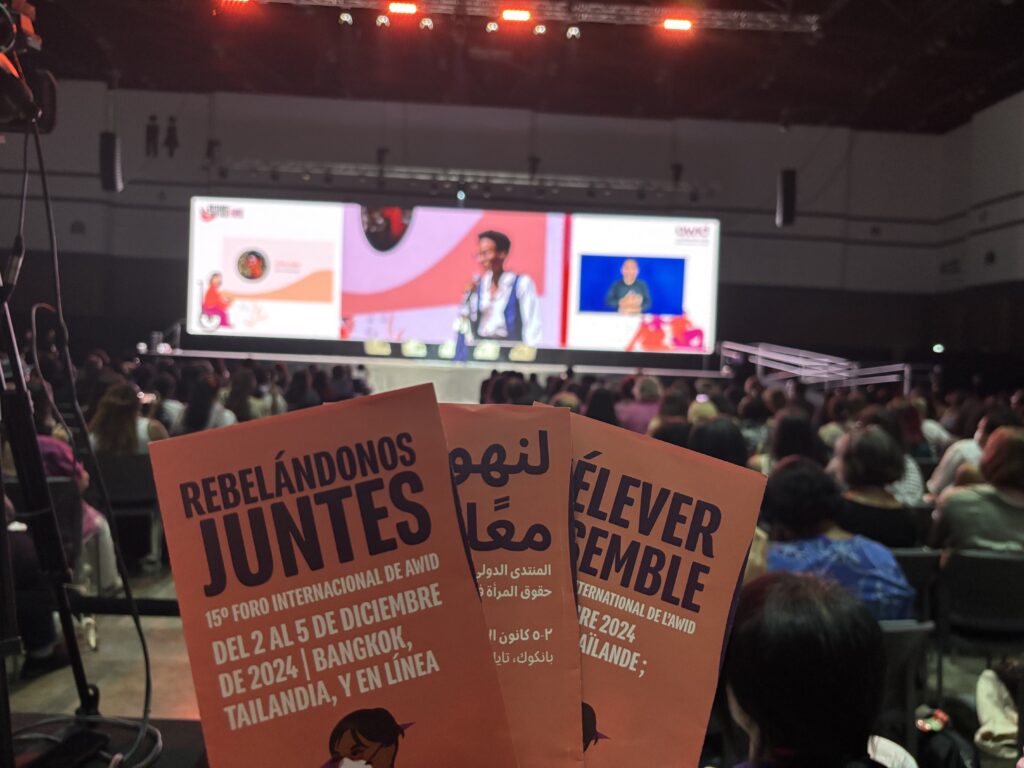
AWID (Association for Women's Rights in Development) is an international organization that promotes women's rights, gender justice, and social equity. During the forum held in Thailand, the organization fostered an intersectional encounter, providing a space for local struggles to connect with global ones and to build an inclusive feminism. Diversity was not just rhetoric; it was at the heart of the gathering. Participants included sex workers, domestic workers, people with disabilities, and migrants, from Indigenous territories to island nations threatened by climate change.
“We are here, many territories intertwined and connecting through this land, flourishing collectively,” said an Afro-Caribbean participant as hundreds of workshops and talks took place in a giant venue.
Tensions for building
This diverse gathering did not shy away from the internal tensions within feminist movements. It challenged white and trans-exclusionary feminism by incorporating diverse voices and building bridges between generations, territories, and identities.
It was a four-day hybrid event, with virtual sessions and venues on different continents. Each room was a microcosm where similar, yet distinct, stories resonated and provided a space to express their narratives, questions, strategies, and ideas. Workshops and dialogue sessions were vital for discussing topics such as "Solidarity Care," "Ancestral Knowledge for Reproductive Autonomy," "Challenges to Face the Climate Crisis from an Afro-Feminist Approach in the Caribbean," and "Disabilities Justice Space," among others.
The forum also provided a space for reflection on funding and the organizations that support women defenders and their organizations. Participants engaged in dialogues and one-on-one meetings with activists. Meanwhile, in another room, a "Sex, Drugs, and HIV Karaoke" session was taking place, and in yet another, discussions focused on the future of technology and biodiversity, digital security and rights, labor rights, and many other topics.
The discussion of topics was very broad, but priority was given to listening to situated, complex experiences and developing strategies to combat violence, discrimination and stigma.
International solidarity was also shown towards countries currently experiencing armed conflict, occupation, and war. “What is disappointing is not only the Israeli attacks, which we expected, but how quickly those we considered allies turned their backs on us.”
Mental health
Community care and mental health were also central to the forum. “We grew up in a world where there is no justice, and we had no space to imagine it,” reflected one participant. Spaces for collective healing were essential for envisioning sustainable movements. “Prioritizing community care and mental health is at the heart of social justice,” concluded a facilitator of a community-building space.
The lack of representation of Roma women and the neoliberal approach were among the other ideas that resonated in the hallways. Another participant mentioned, “What we learned in this edition is that we need to learn to create space for our wounds. It shouldn't just be about sharing new projects and ways to fund ourselves, while so many people are going through extremely difficult times. We need to know how to support each other and make space for this as well.”
A thought-provoking ending
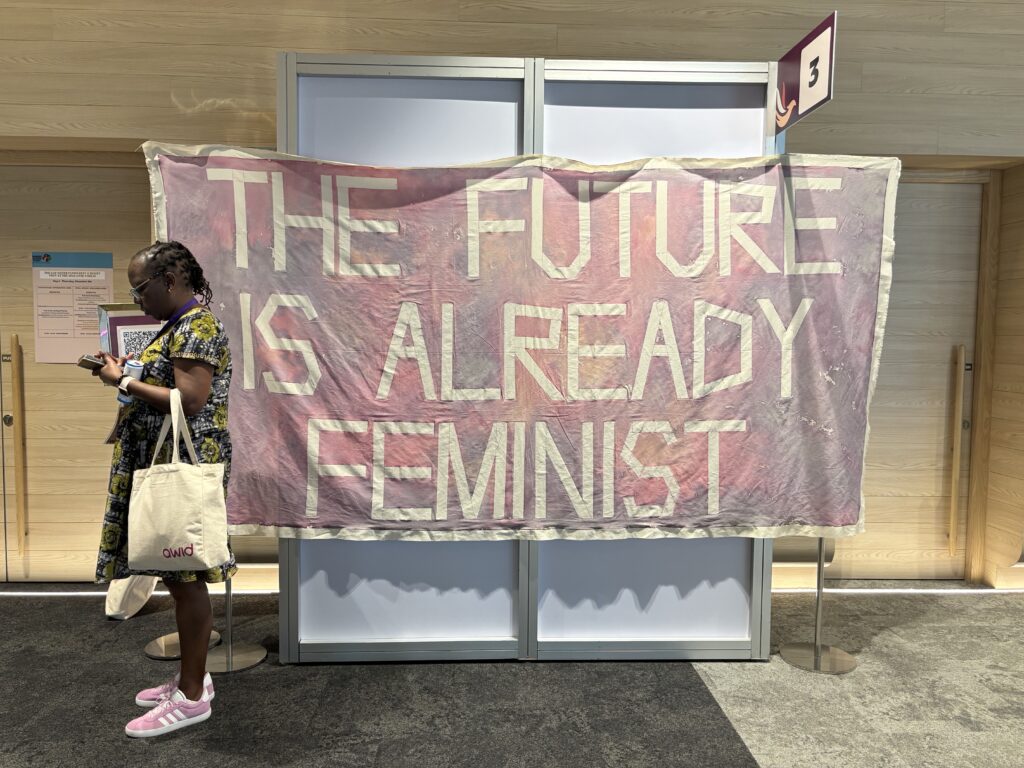
The dynamics of meeting, dialogue, games, artistic creations, ballroom, drag, food, expressions, fashions and more, were spaces to challenge the extractive logics that have permeated even within social movements.
The forum closed with open questions: How brave are we, and how much braver can we be if we hold hands? How possible is your love for what is possible?
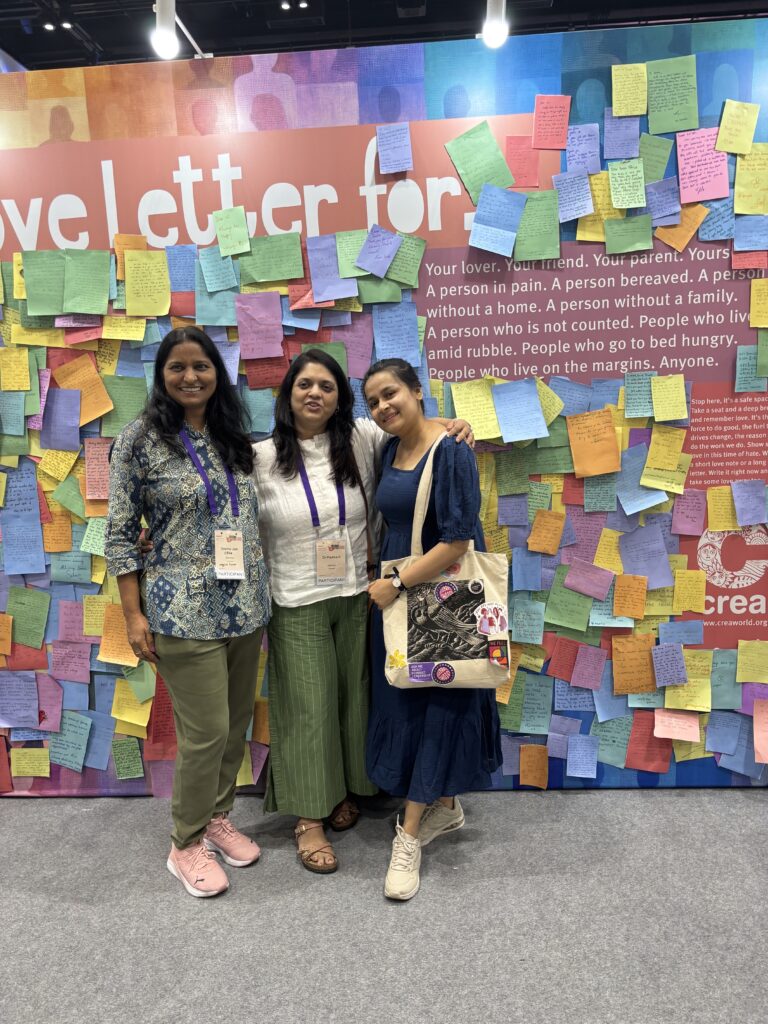
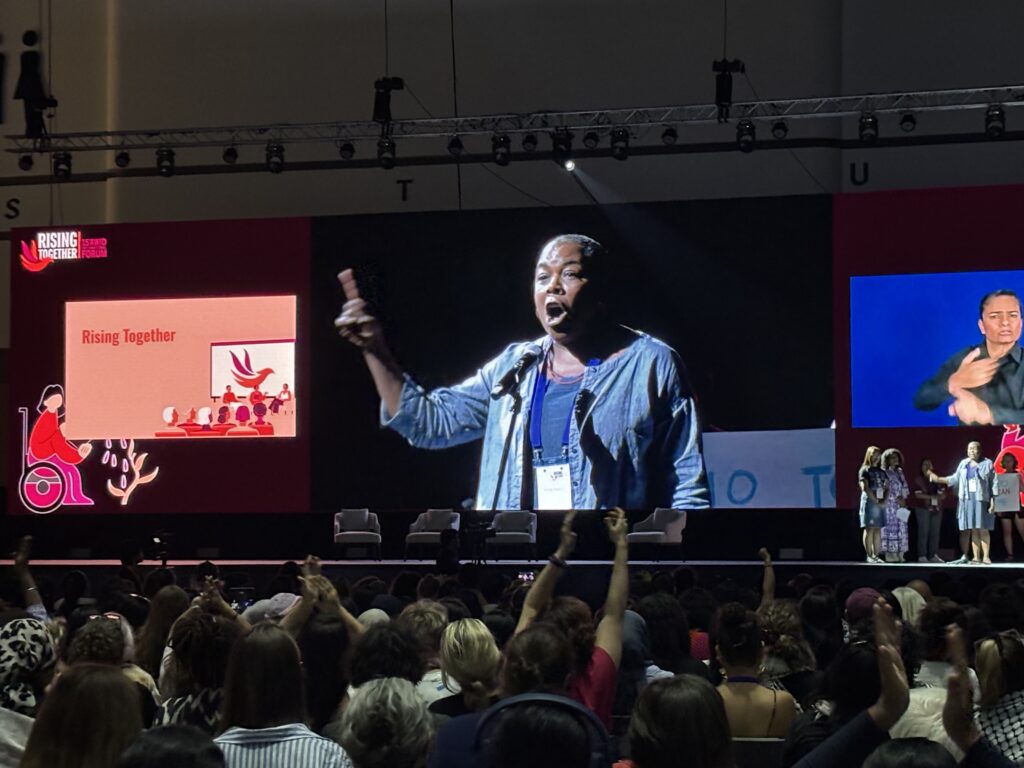
Each participating group had the opportunity to give a closing performance; among them, Moira Millán spoke and sang for the more than 2,700 people in attendance. It was an invitation to continue the work and imagine a feminism that can confront power structures and its own contradictions.
It was a forum logistically designed for all participants, where accessibility was key. And the warmth and care shown by all the Thai people made us feel welcomed and cared for.
“Each of us is at the center of the space,” said another participant. The 15th AWID International Forum sowed questions and practices to flourish in future movements.
This coverage was made possible thanks to Astrea's invitation to join future conversations.
We are present
We are committed to journalism that delves into the territories and conducts thorough investigations, combined with new technologies and narrative formats. We want the protagonists, their stories, and their struggles to be present.
SUPPORT US

FOLLOW US
Related notes

We are present
This and other stories are not usually on the media agenda. Together we can bring them to light.