

LGBT Pride March in Buenos Aires: Celebration and protests against violence and austerity policies
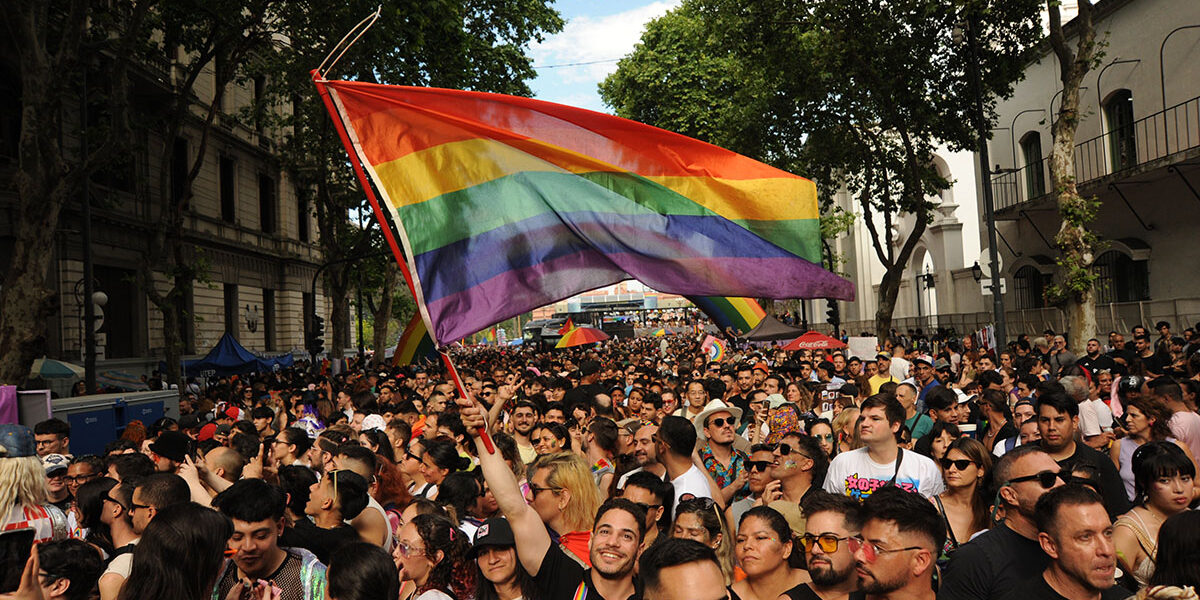
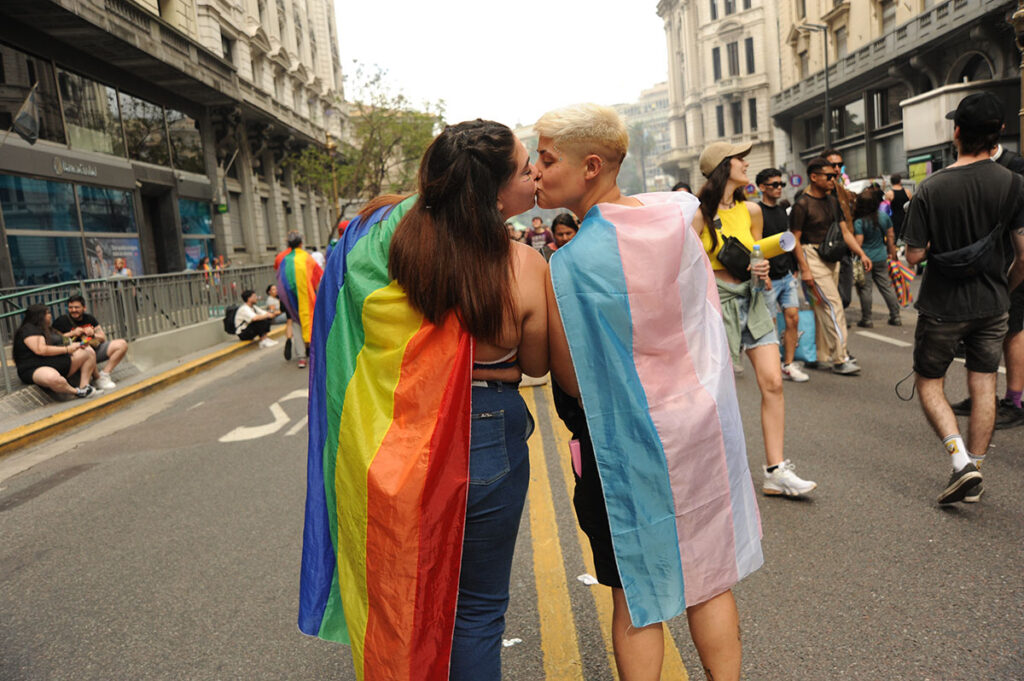
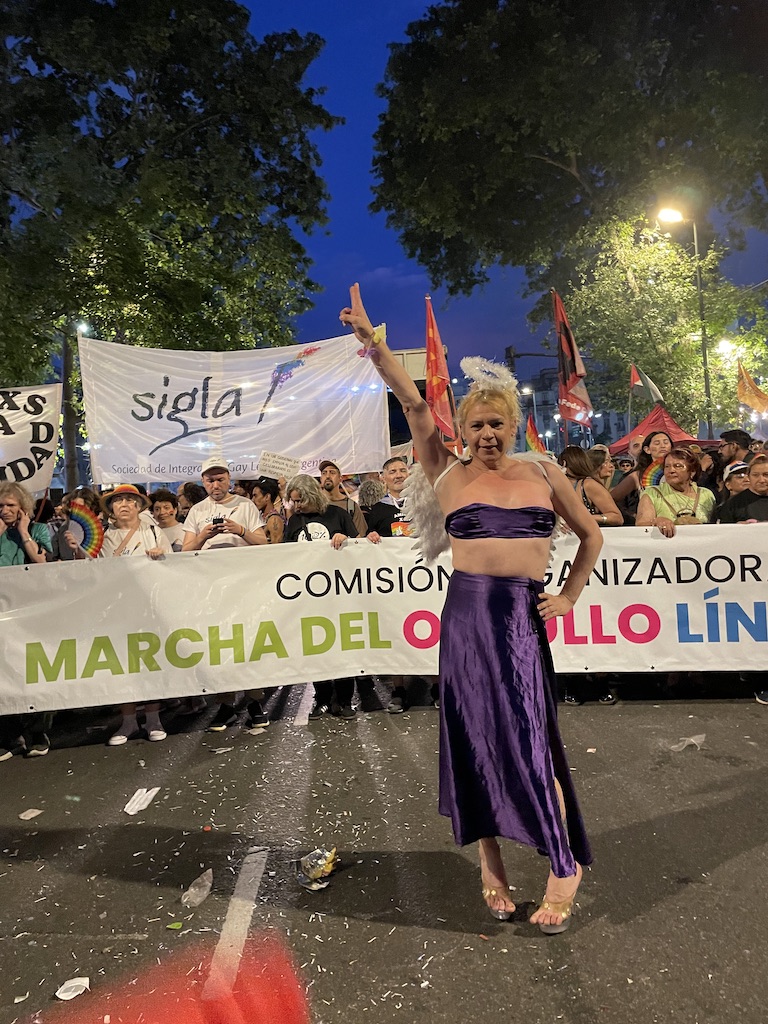
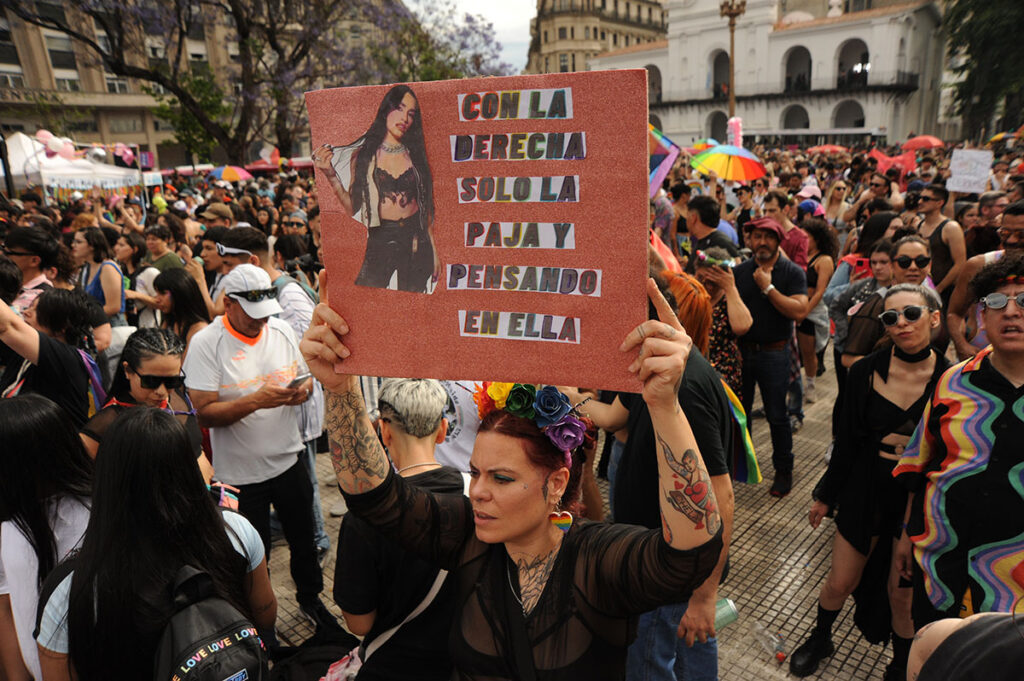
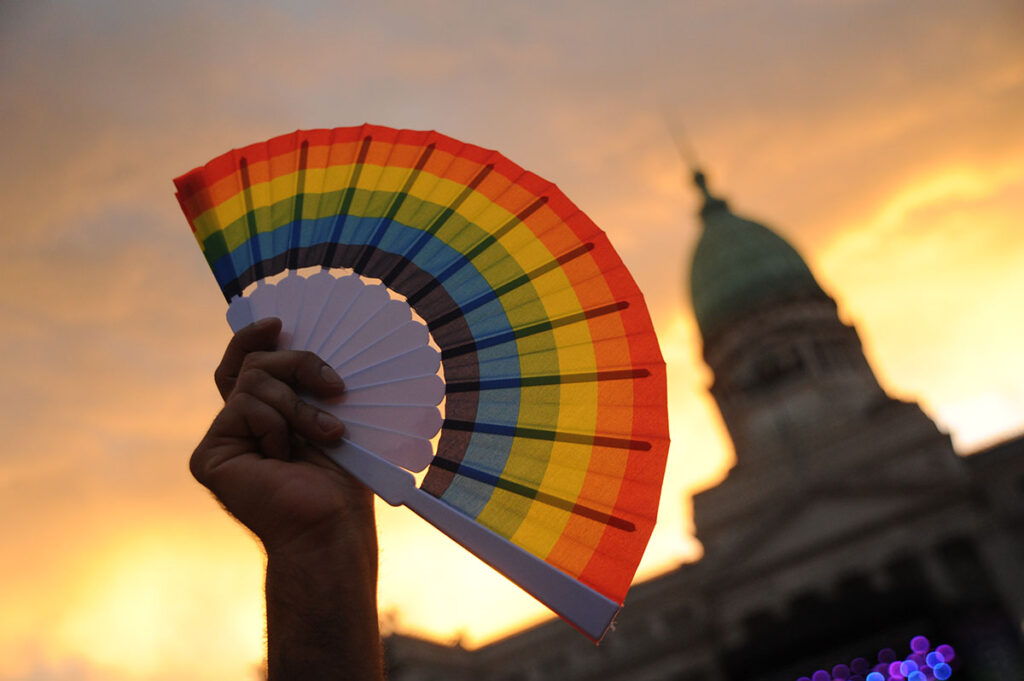
The 33rd Pride March in Buenos Aires, and the first during Milei's administration, was a massive event. Shows, waving green scarves, political slogans, and powerful speeches defined one of the largest demonstrations of the year.


Share

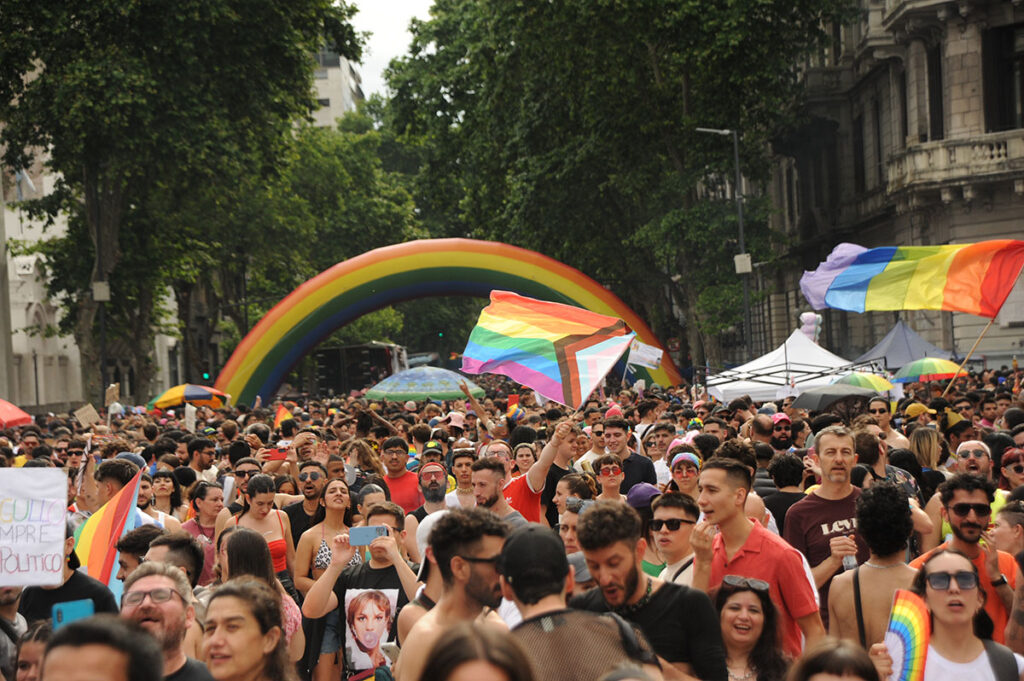
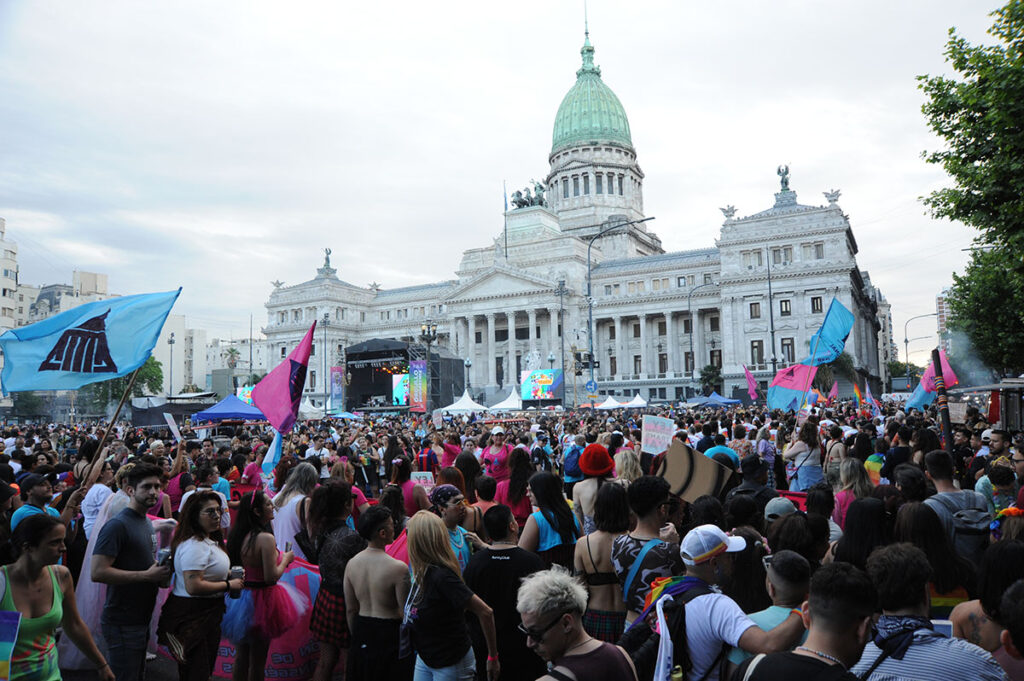
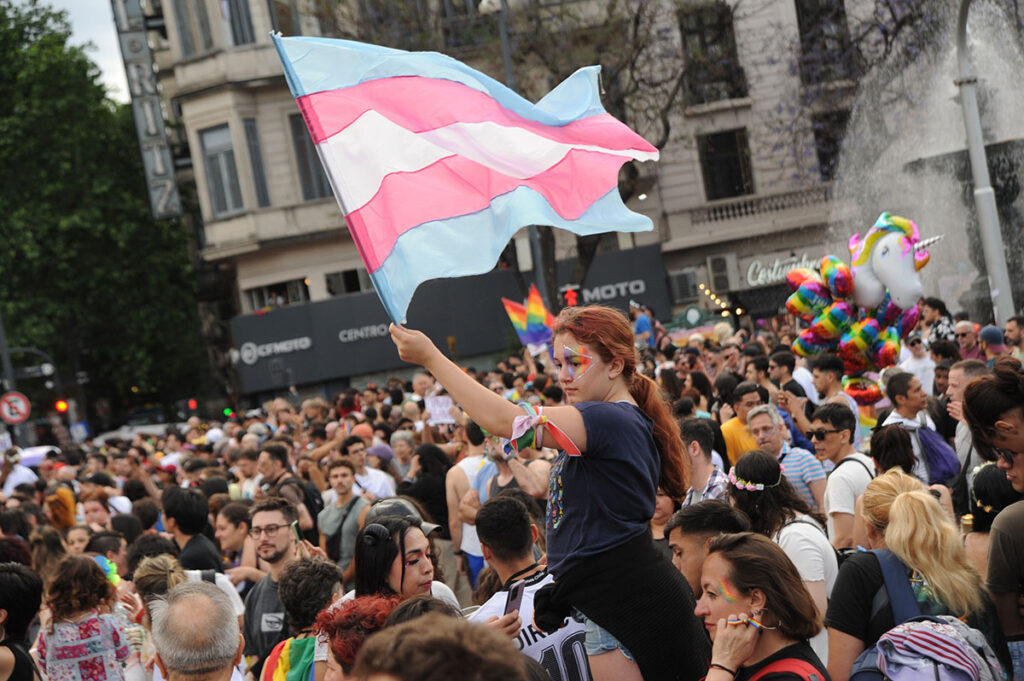
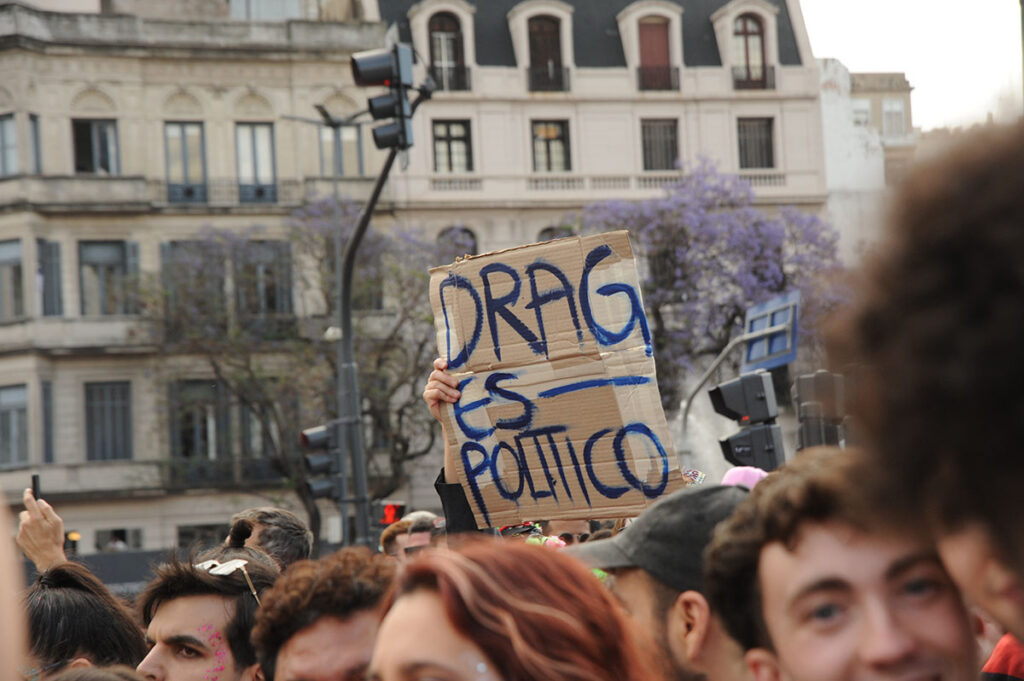
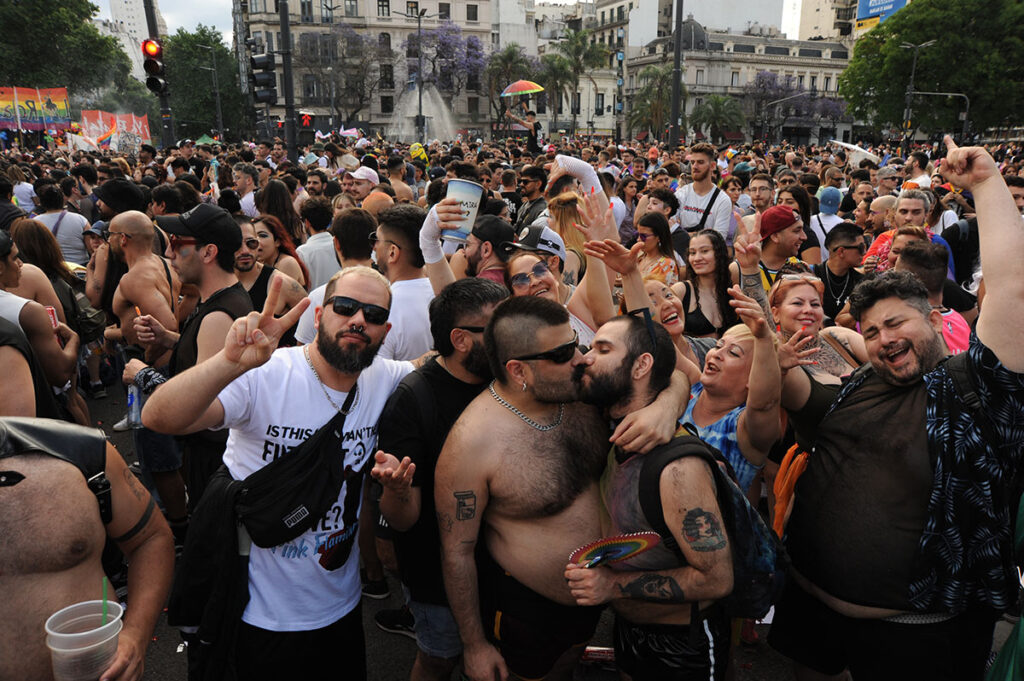
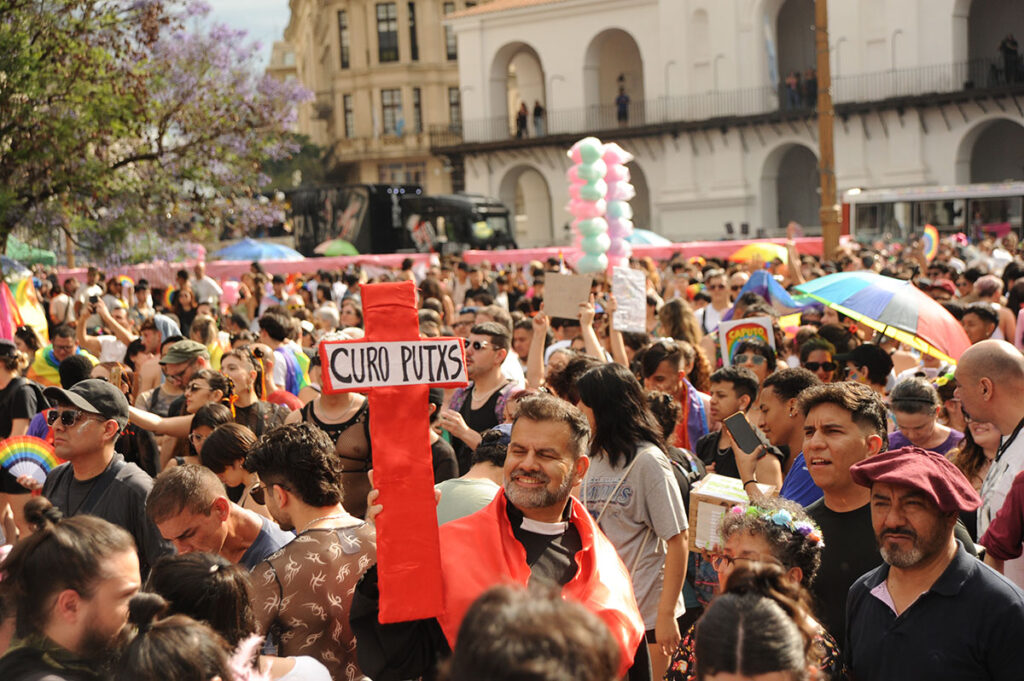
BUENOS AIRES, Argentina. Thousands of people participated in the 33rd LGBTIQ+ Pride March in Buenos Aires , in a massive demonstration that filled city blocks with people. The slogans focused on the libertarian government's attacks on LGBTQ+ rights, hate speech, the withdrawal of the state, and austerity measures.
From 10 a.m., activists, families, and ordinary people began arriving at Plaza de Mayo. There, one of the main stages was set up, along with the traditional row of stands for the fair, as well as stalls selling vegan food and choripán (sausage sandwiches).
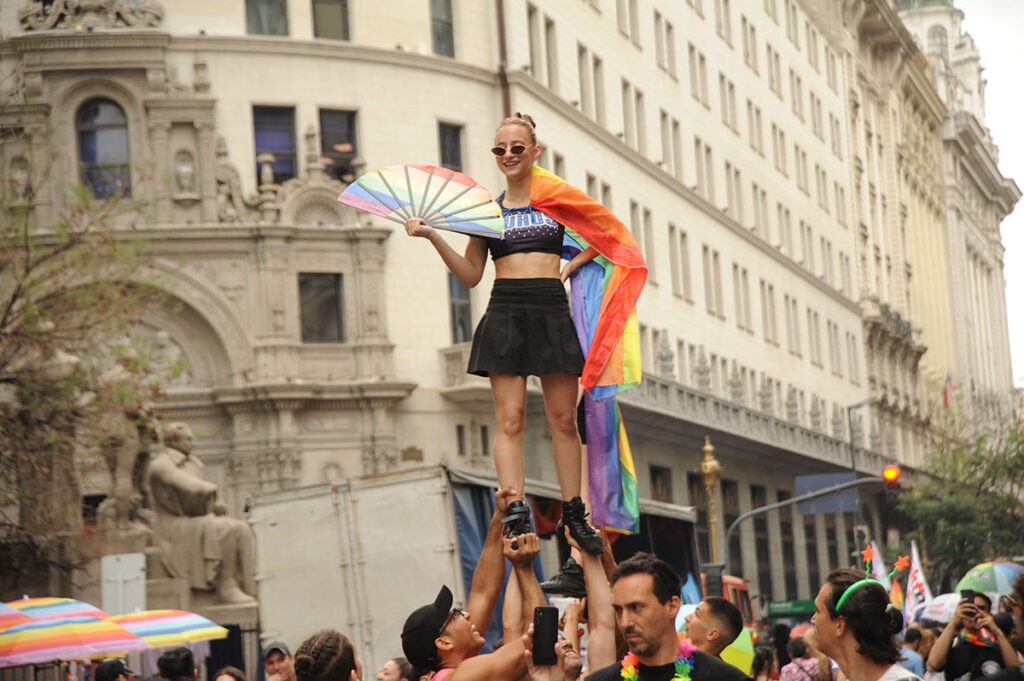
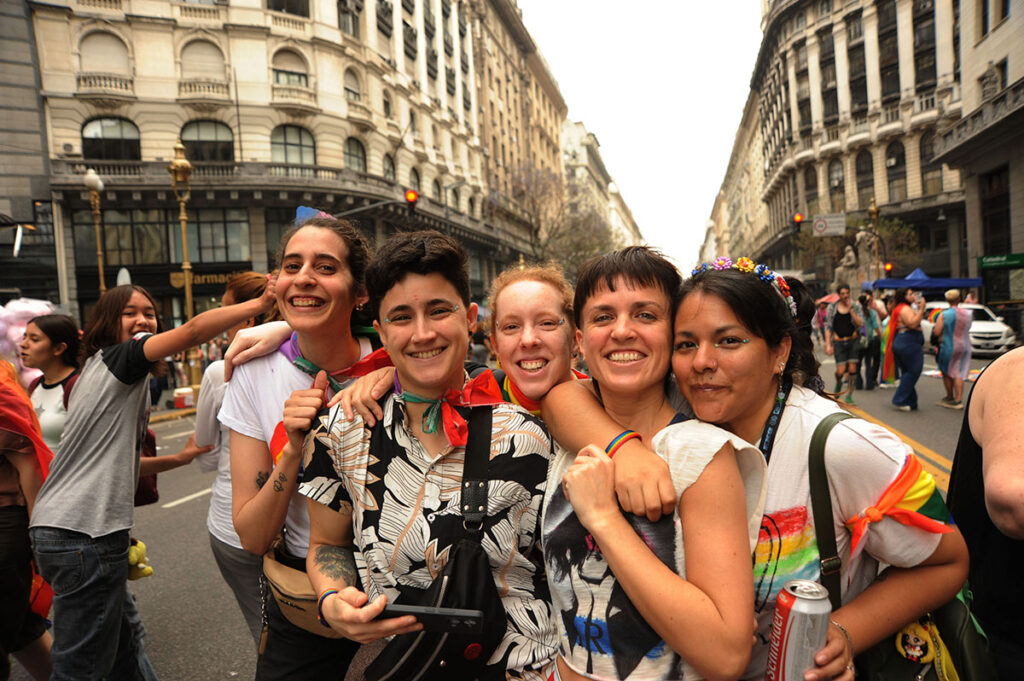
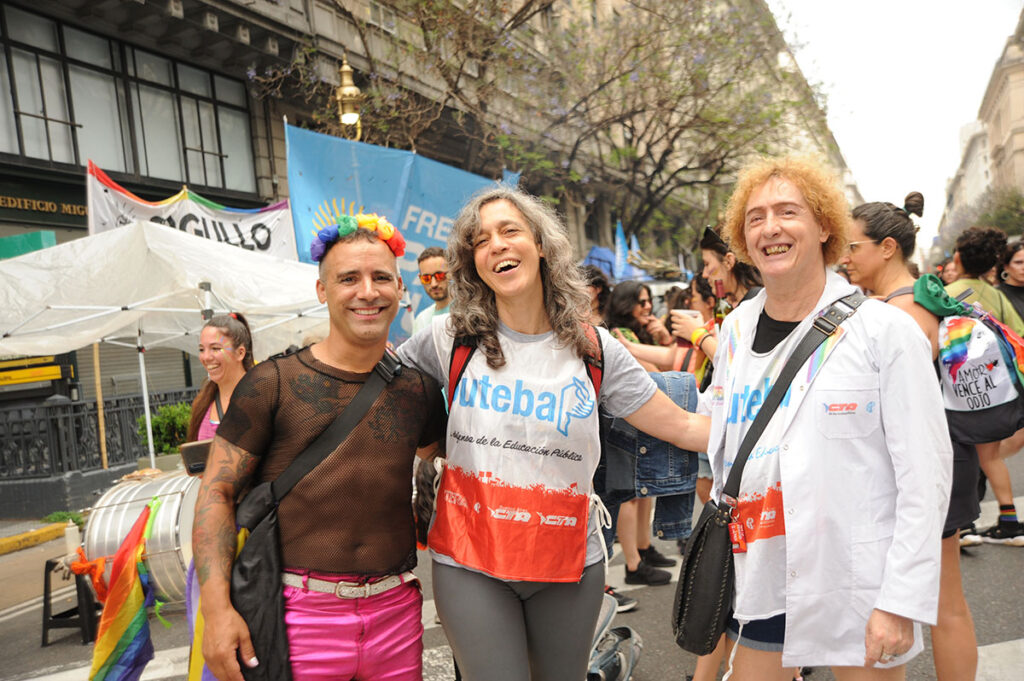
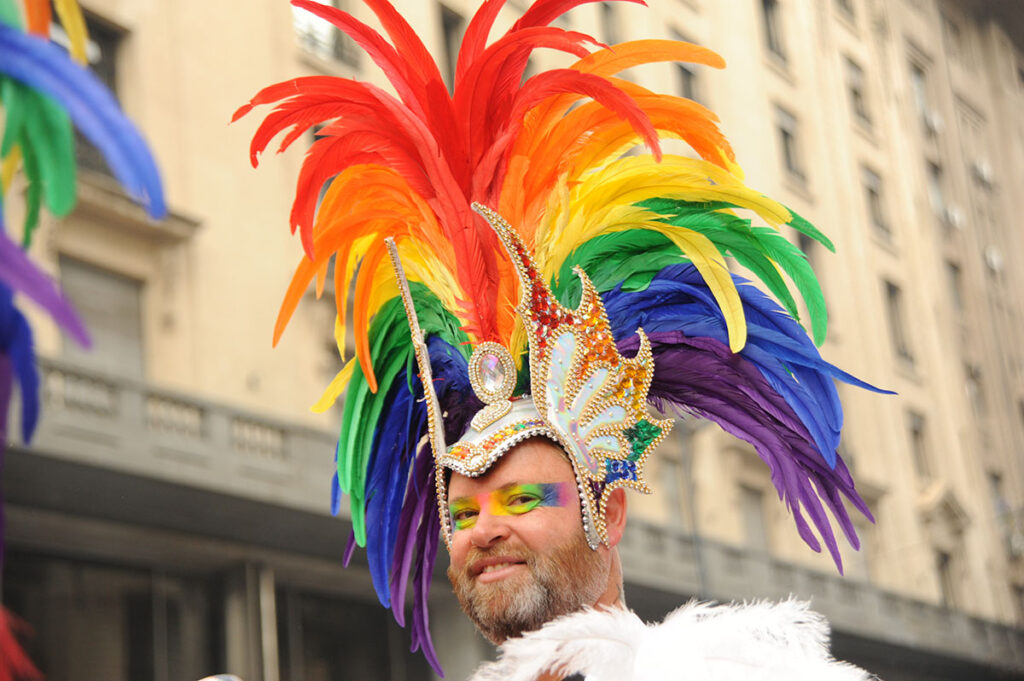
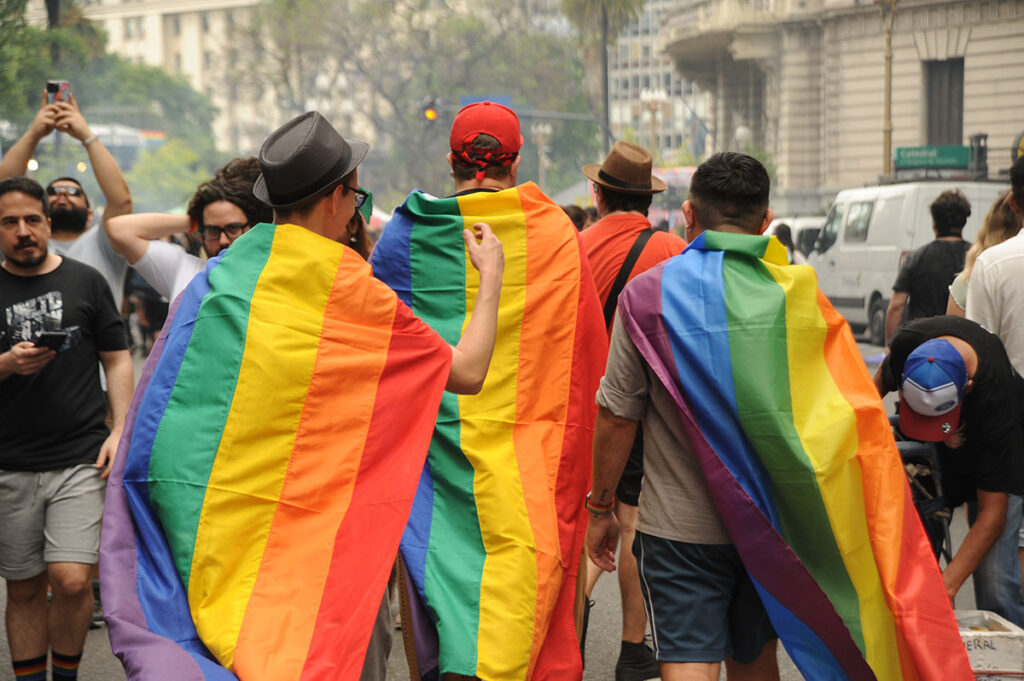
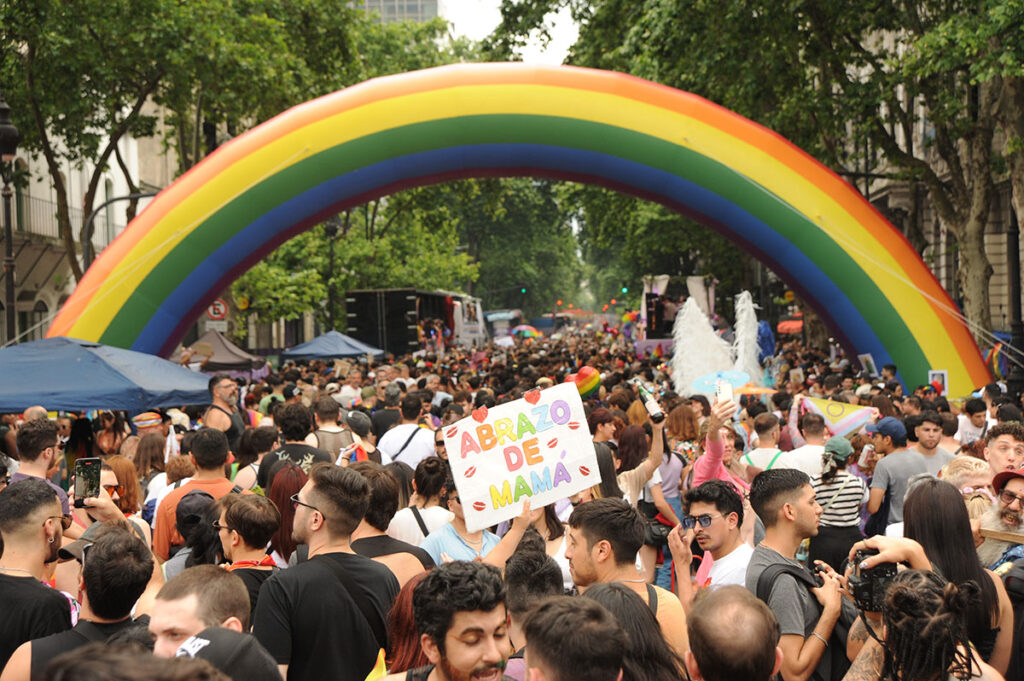
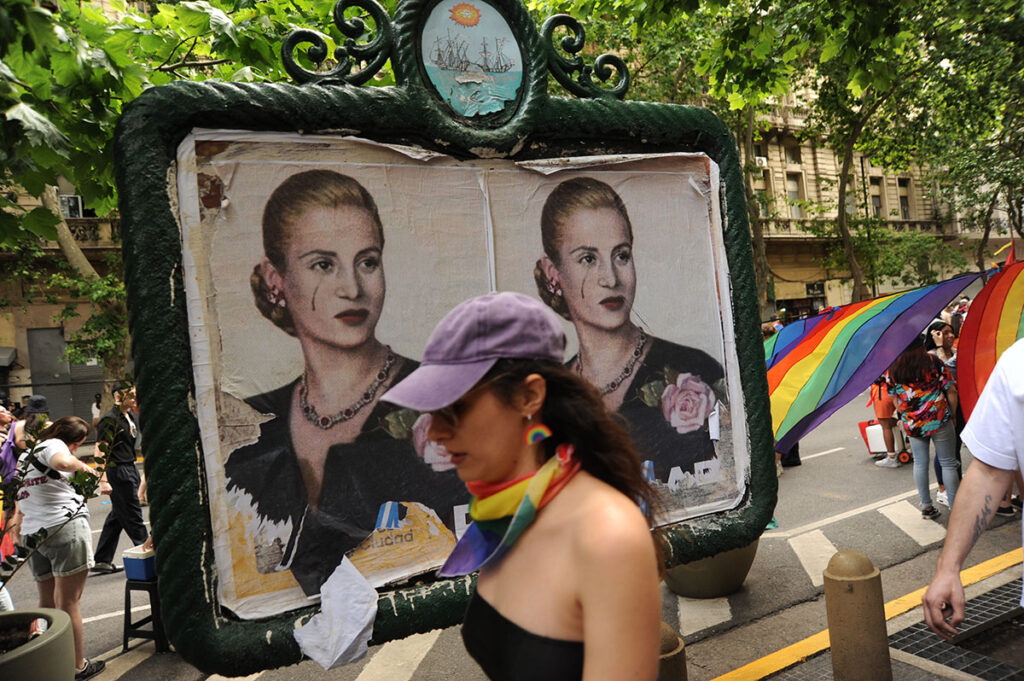
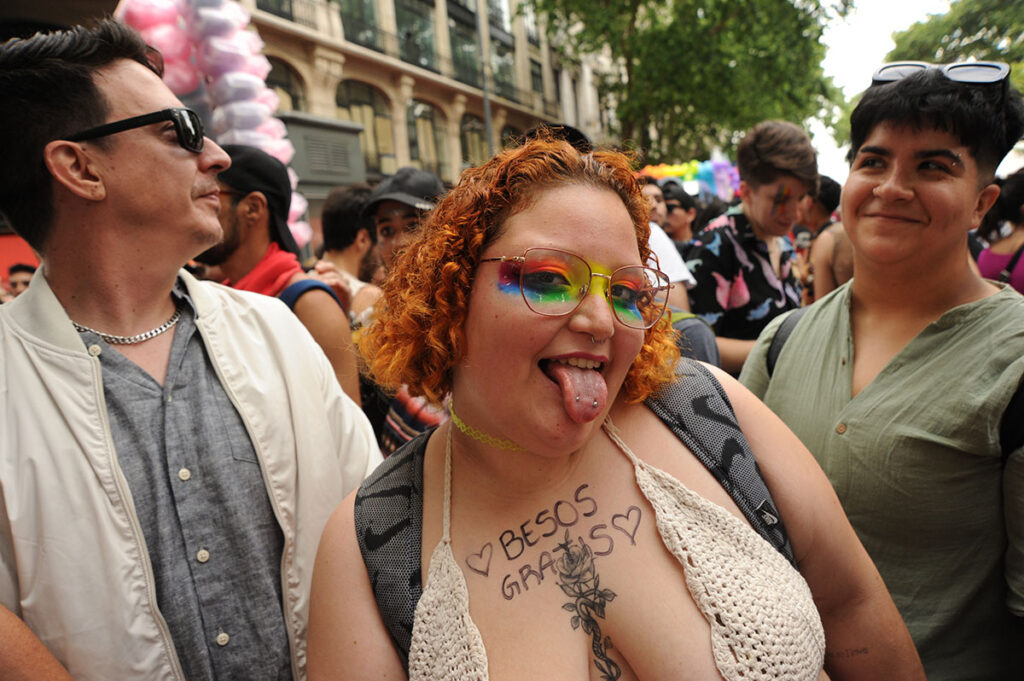
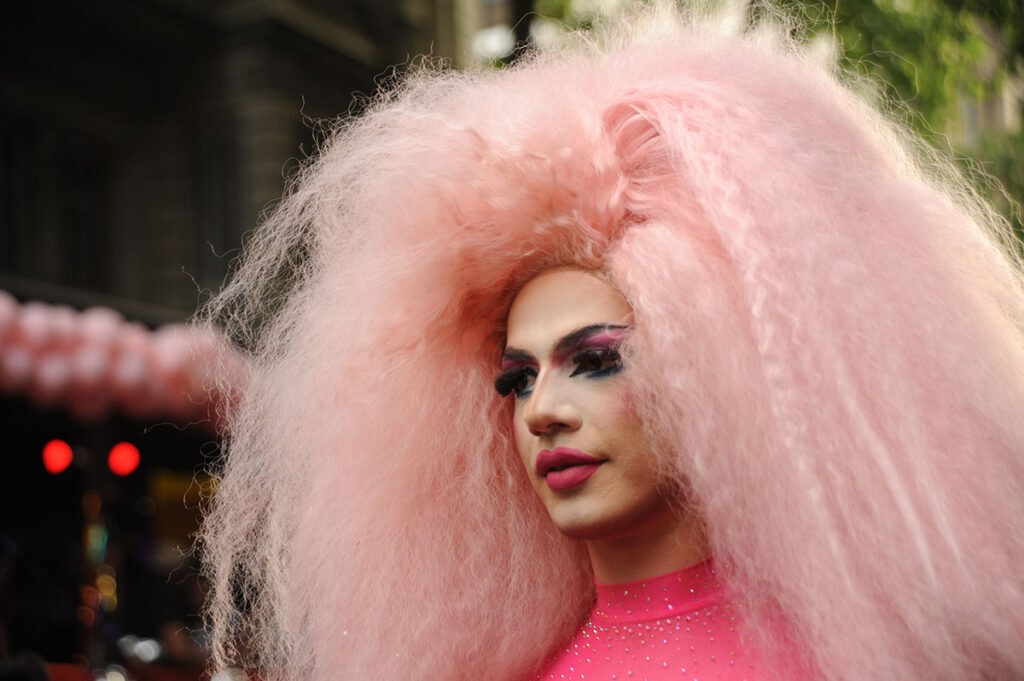
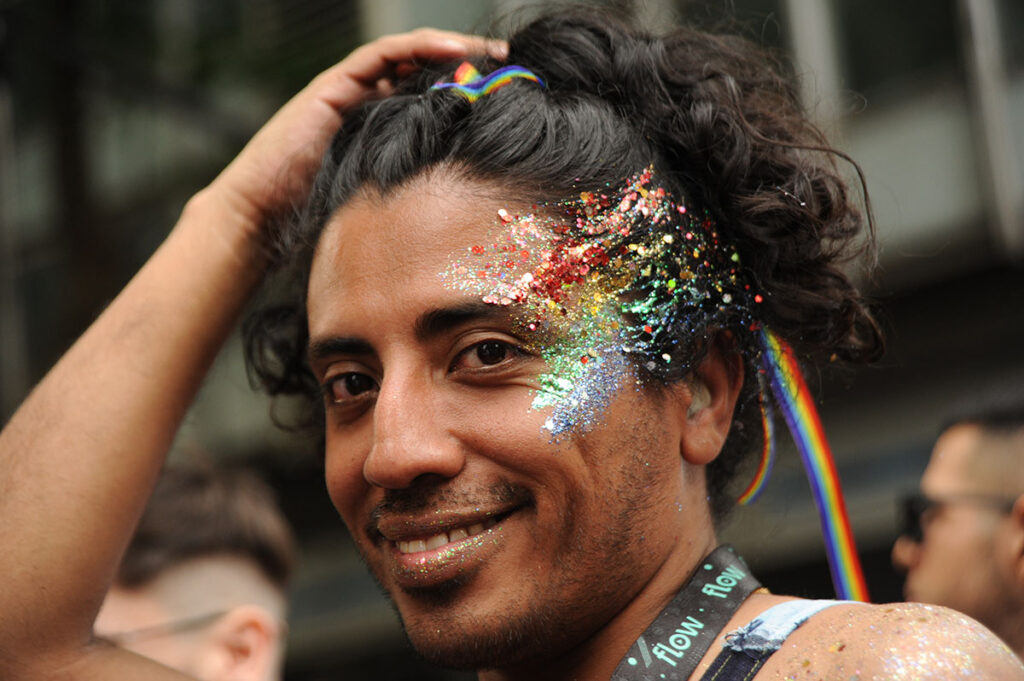
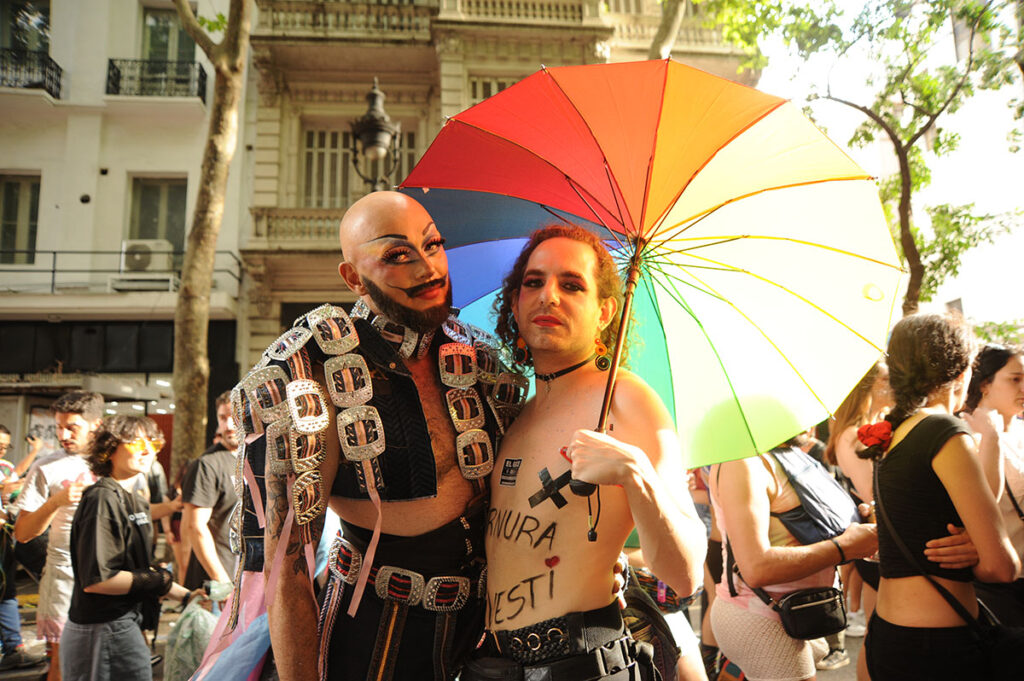
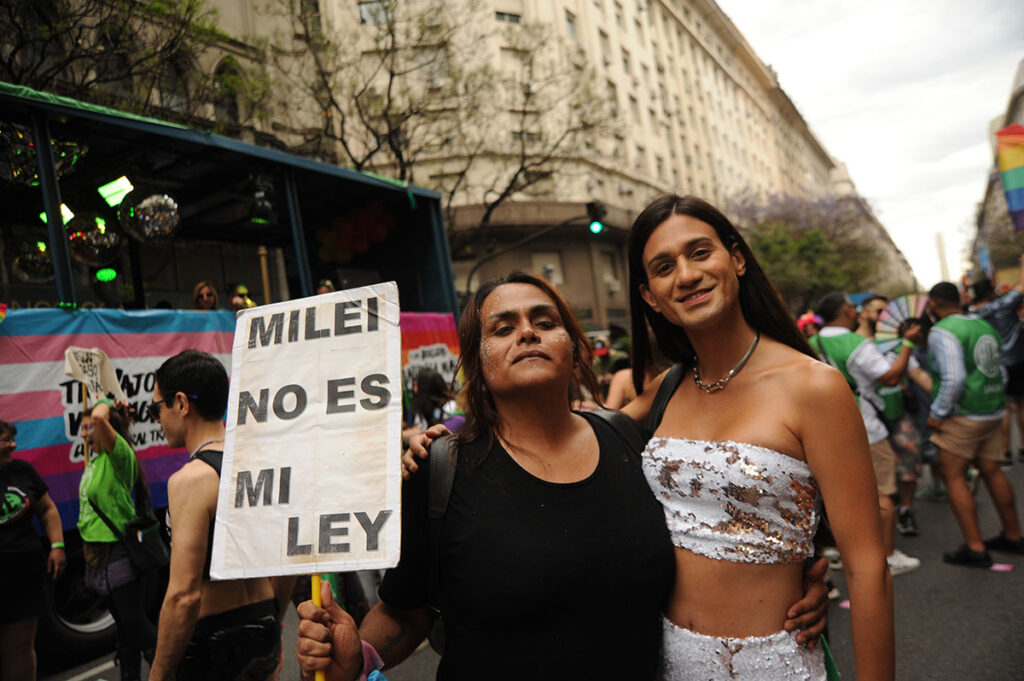
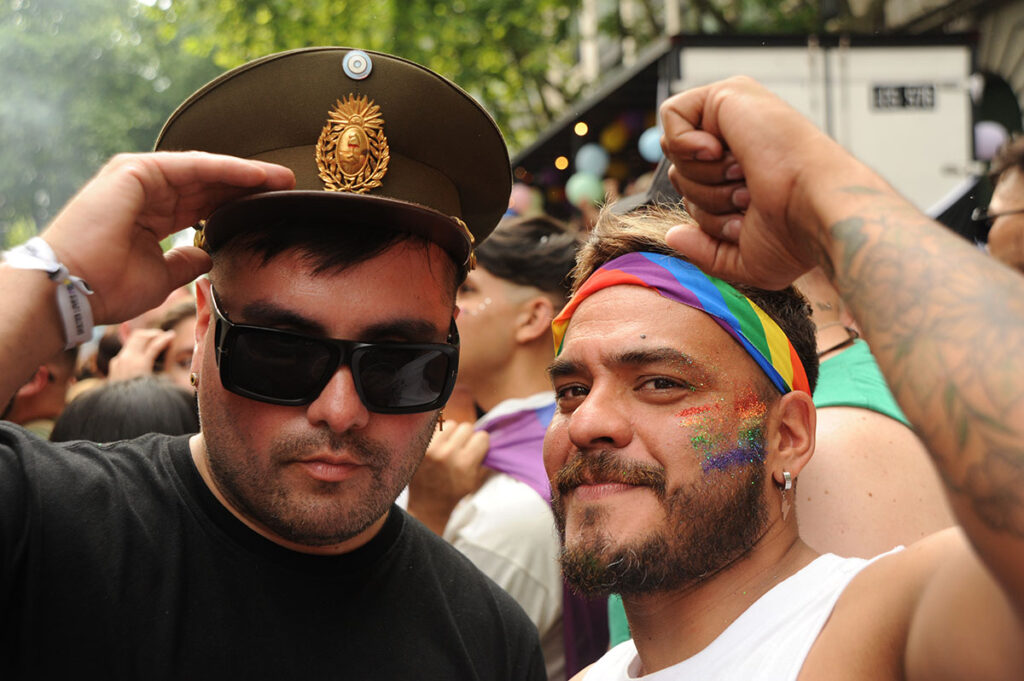
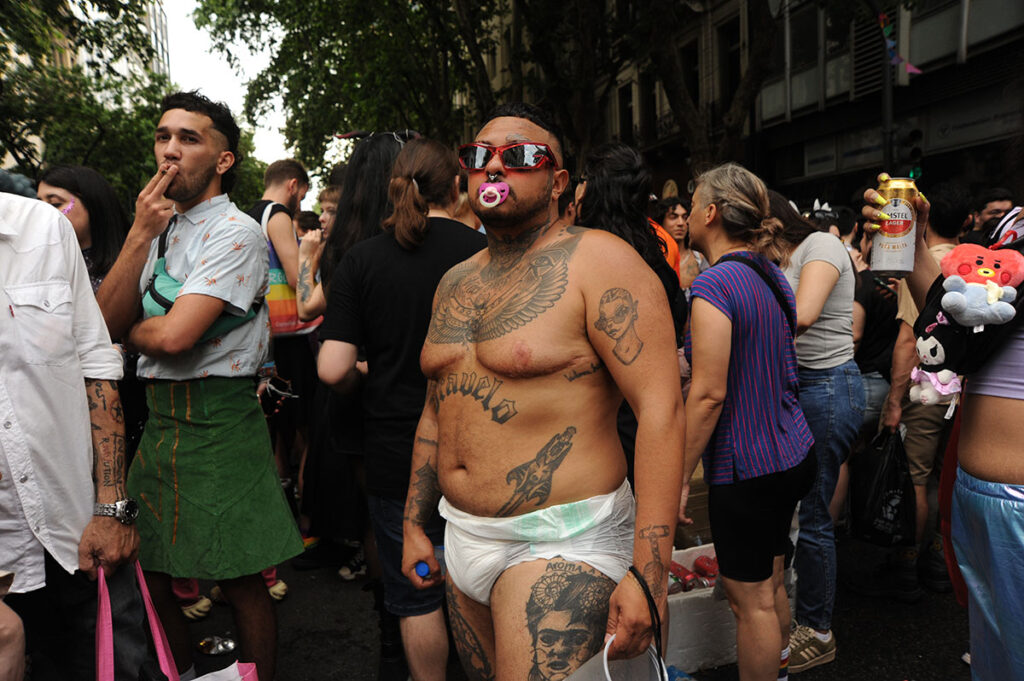
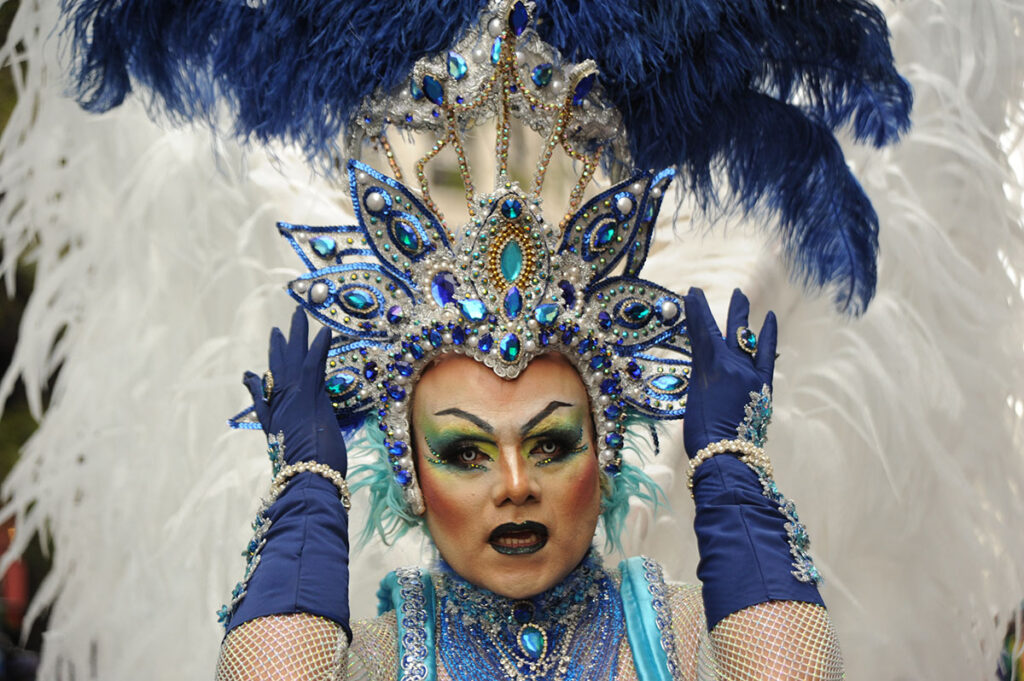
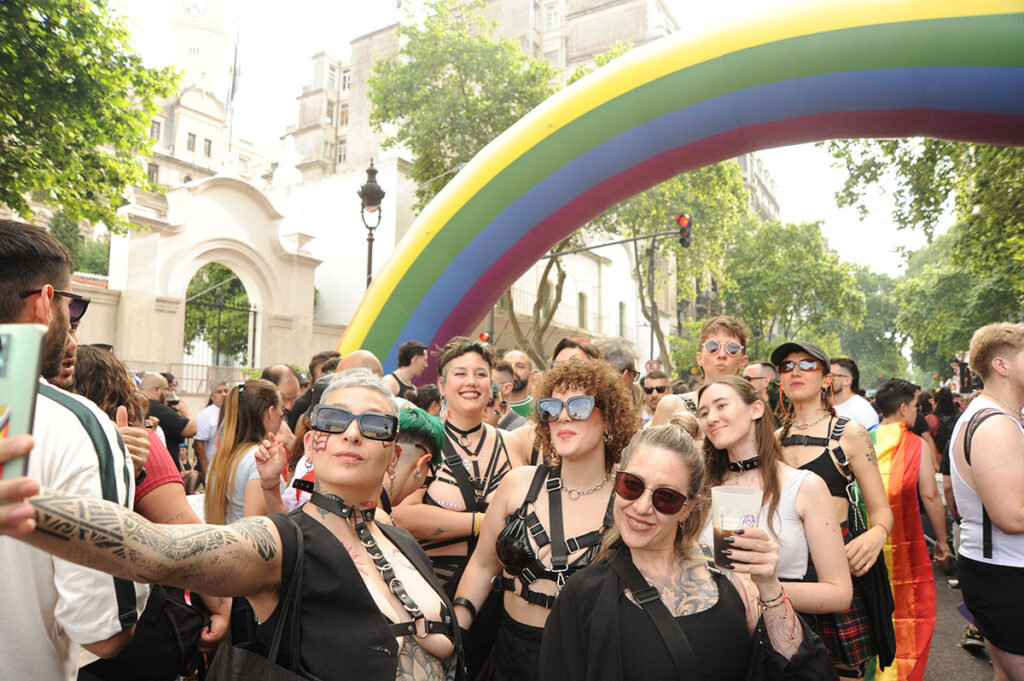
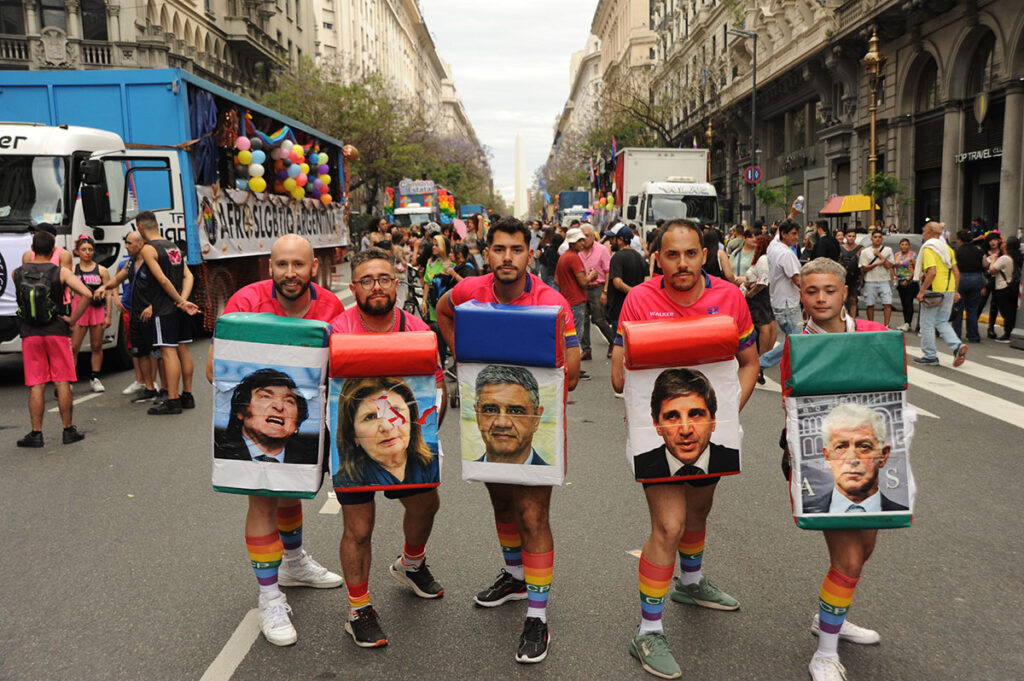
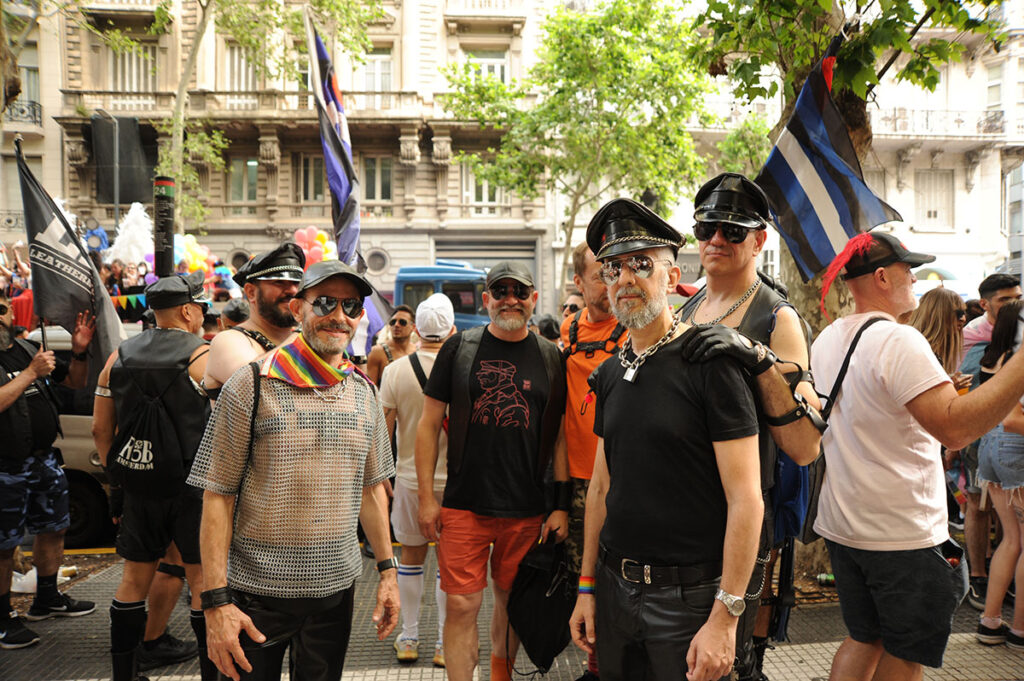
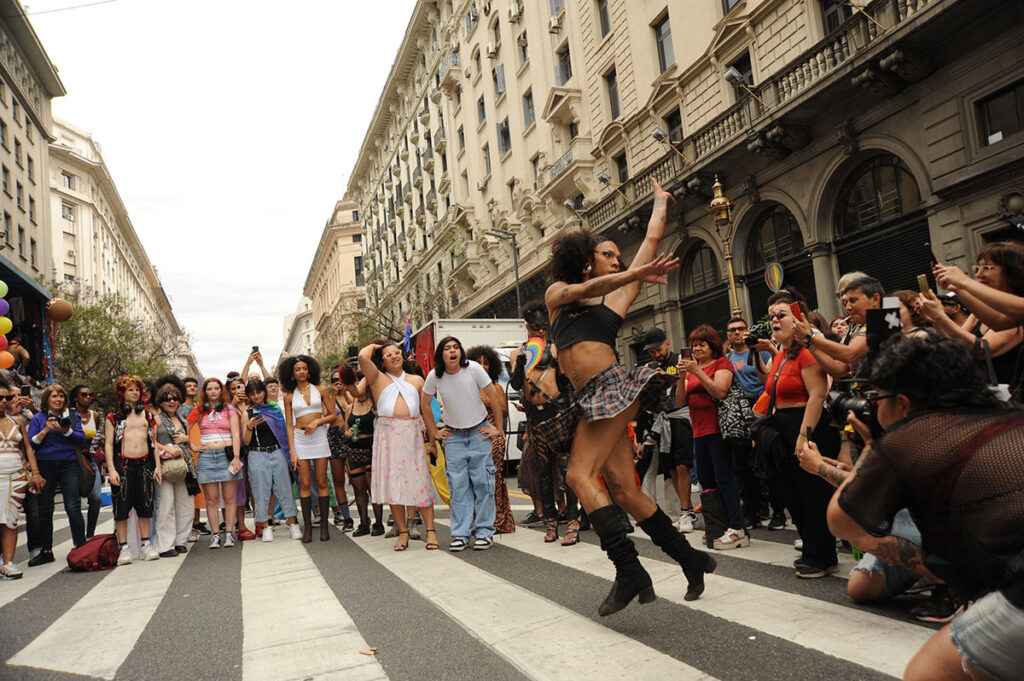
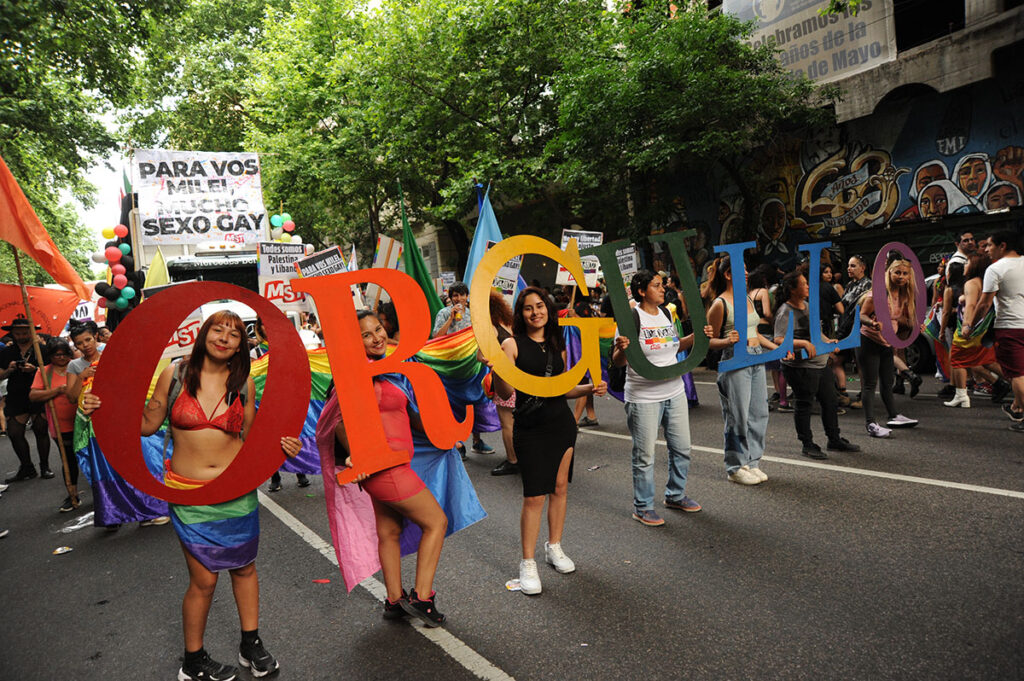
The day, which is estimated to have drawn over 1.5 million people, was marked by the community's joy, with shows and music throughout. It was also, and especially, marked by a political message, taking place within the context of the first march since Javier Milei's government took office and amidst attacks on diversity and feminism.
Pride and celebration in defense of hard-won rights
“Every year we celebrate on our day. But this time we are protesting to defend our rights, the ones that are being taken away from us and that cost us so much to obtain,” Valeria del Mar Ramírez, a trans woman, sex worker and activist in AMMAR, Presentes
Valeria is a survivor of the last civic-military dictatorship. She is also the first trans plaintiff to testify in a trial for crimes against humanity. In March of this year, the Federal Oral Court No. 1 of La Plata recognized her as a victim of state terrorism . For the first time, perpetrators were convicted of the crimes of unlawful deprivation of liberty, torture, sexual abuse, and enslavement of trans people.
Last Thursday, AMMAR's general secretary, Georgina Orellano, and her colleague, Daniela Reyes, were violently arrested by the City Police. “We're back to the era when I worked and we had to hide behind cars and the police would throw us to the ground. The same thing that happened to Georgina happened to us during the military dictatorship. Thank God our colleagues are okay,” Ramírez shared.
“For a democratic agreement against hate speech” was one of the slogans promoted by the Organizing Committee of the Pride March – Historical Line . Around 4 p.m., they held a demonstration for Memory, Truth, and Justice at the intersection of Diagonal Norte and Florida streets.
"They haven't defeated us"
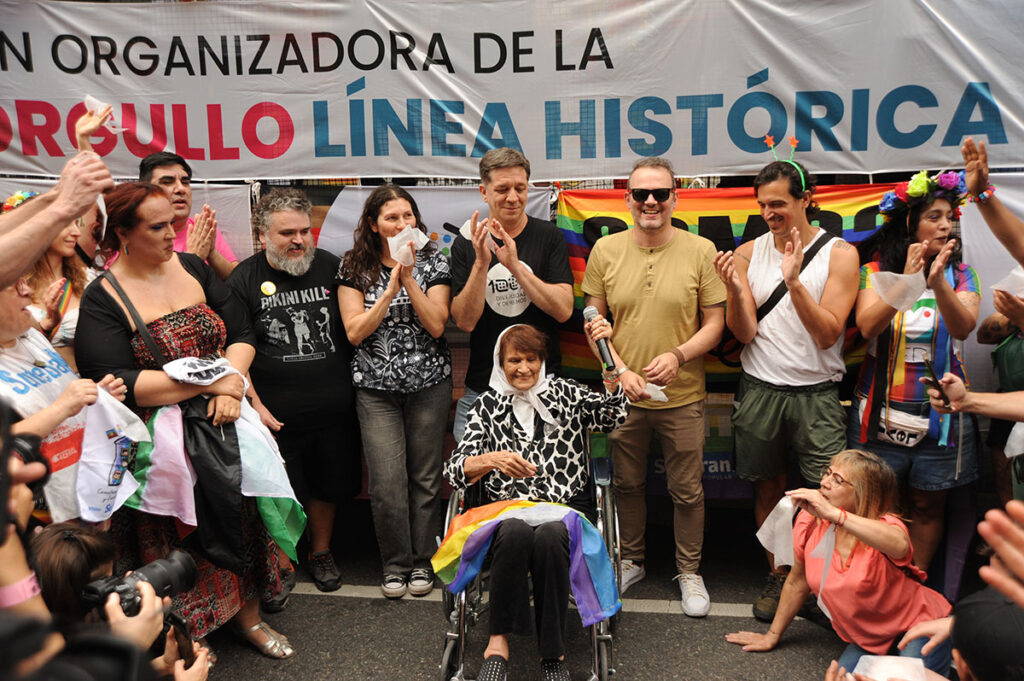
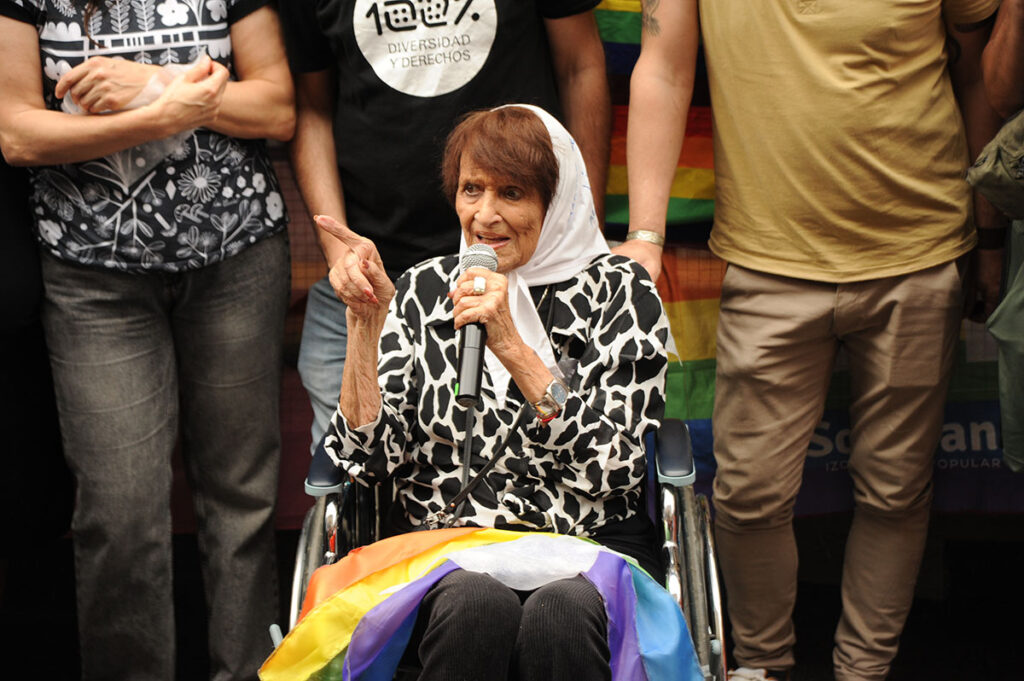
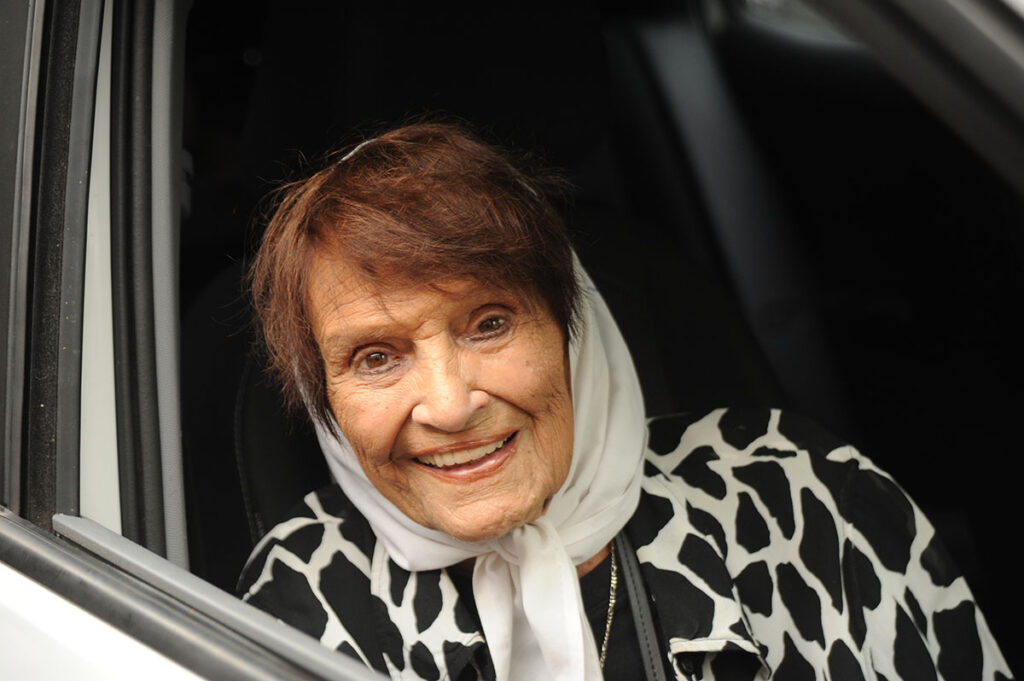
“It’s so important that we all continue to march every year. We have to show (Javier) Milei and company that they haven’t defeated us,” shared Taty Almeida, of Mothers of Plaza de Mayo Founding Line, with a pride flag in her lap.
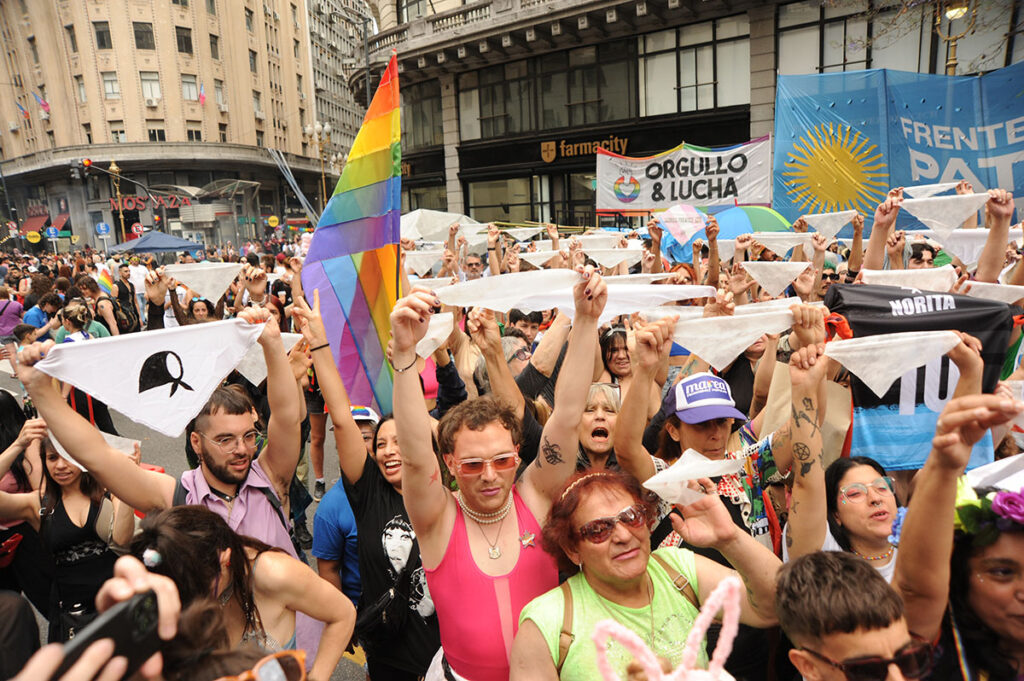
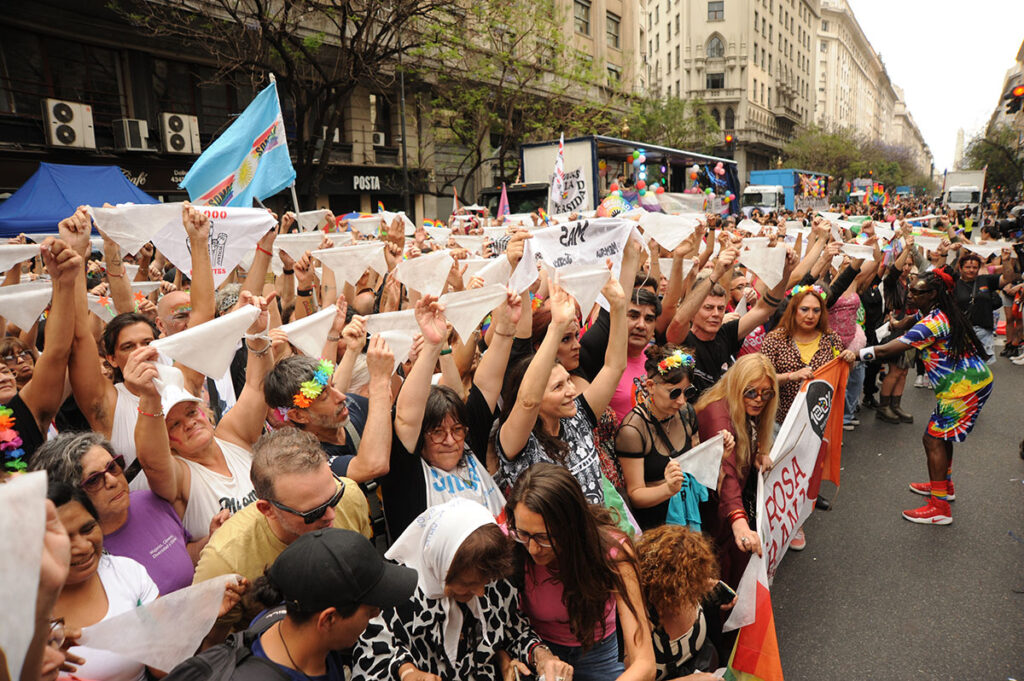
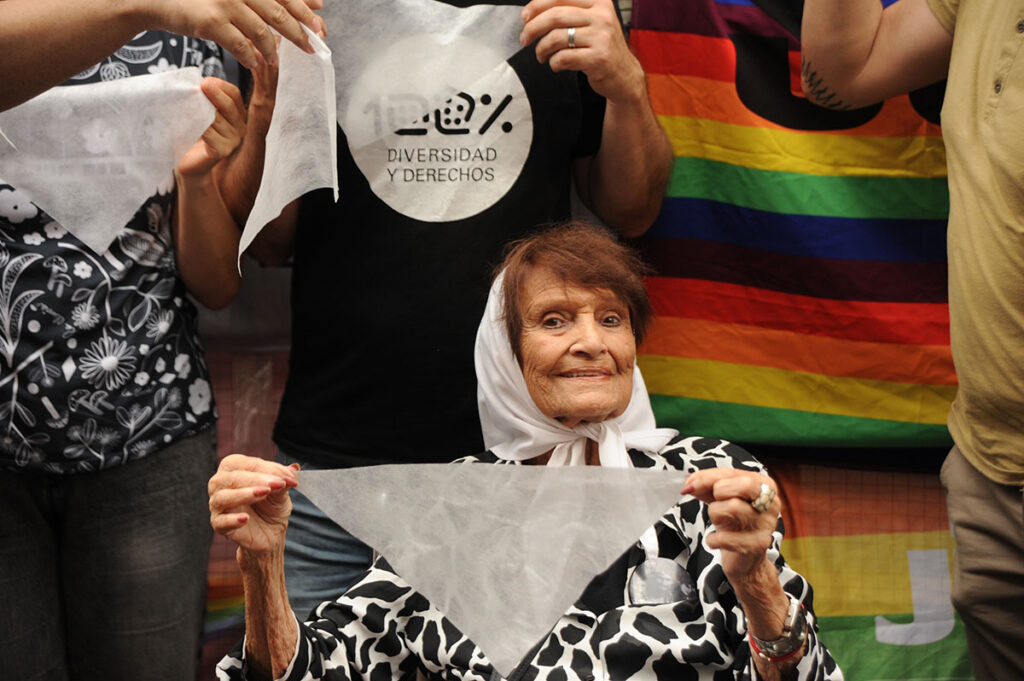
“Because we will never go back to the closet of collective amnesia,” was another of the slogans at the Pañuelazo (Green Scarf Protest), in which Charly Pisoni of HIJXS also participated. He remembered LGBT activists like Néstor Perlongher—poet, writer, and crucial activist during the years of the dictatorship—and Carlos Jaúregui, among others. “We have a government that doesn’t want dissident identities. But we will continue to stand firm, as the Mothers and Grandmothers taught us.”
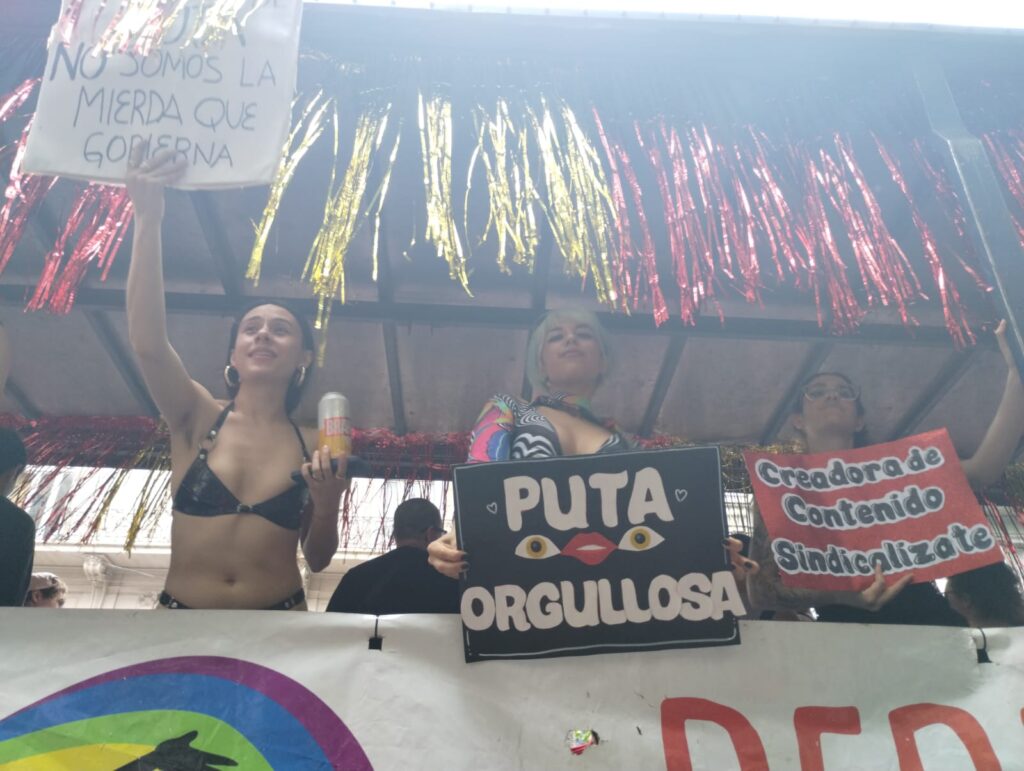
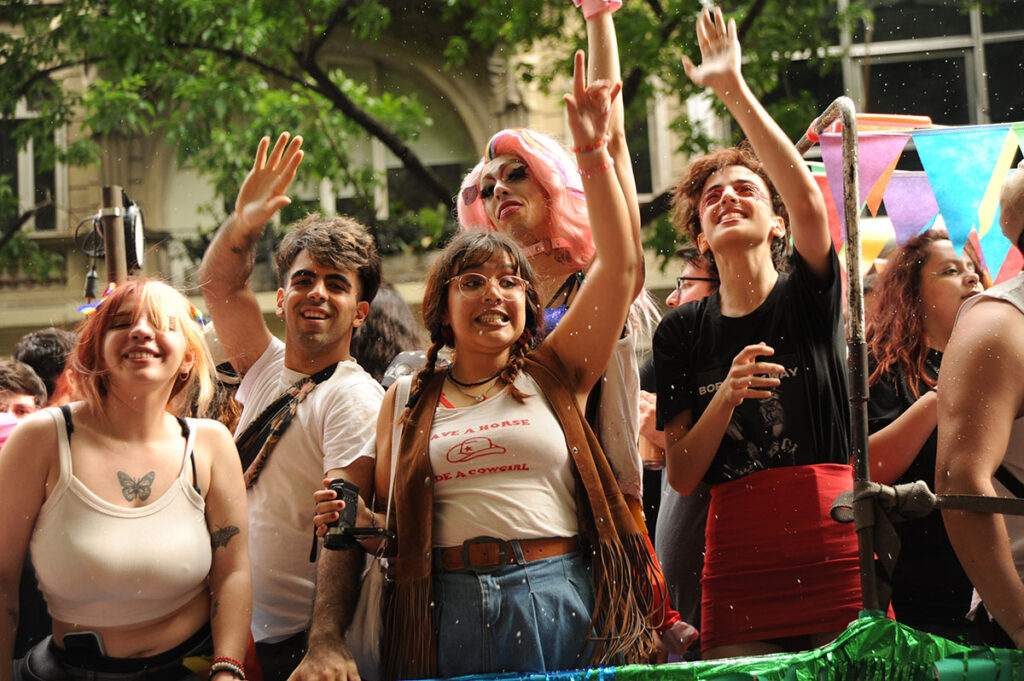
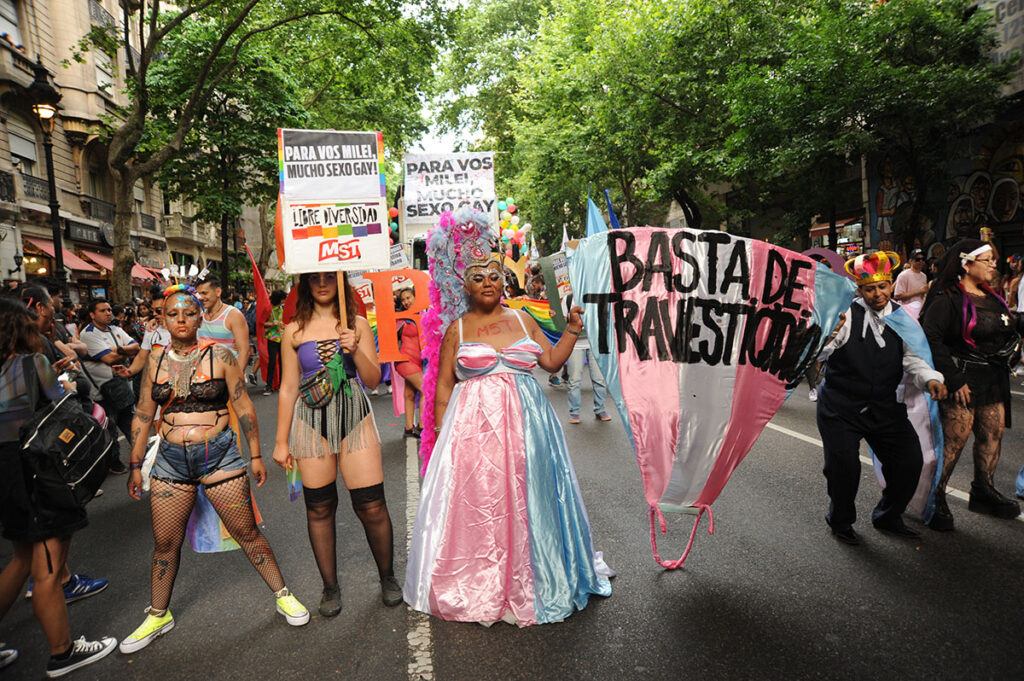
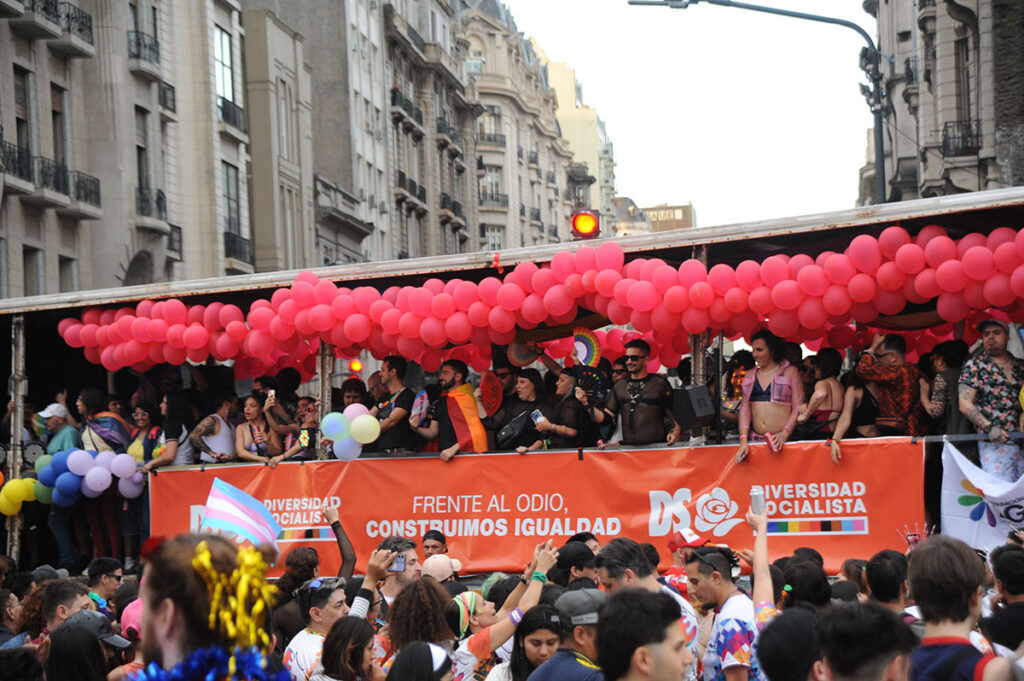
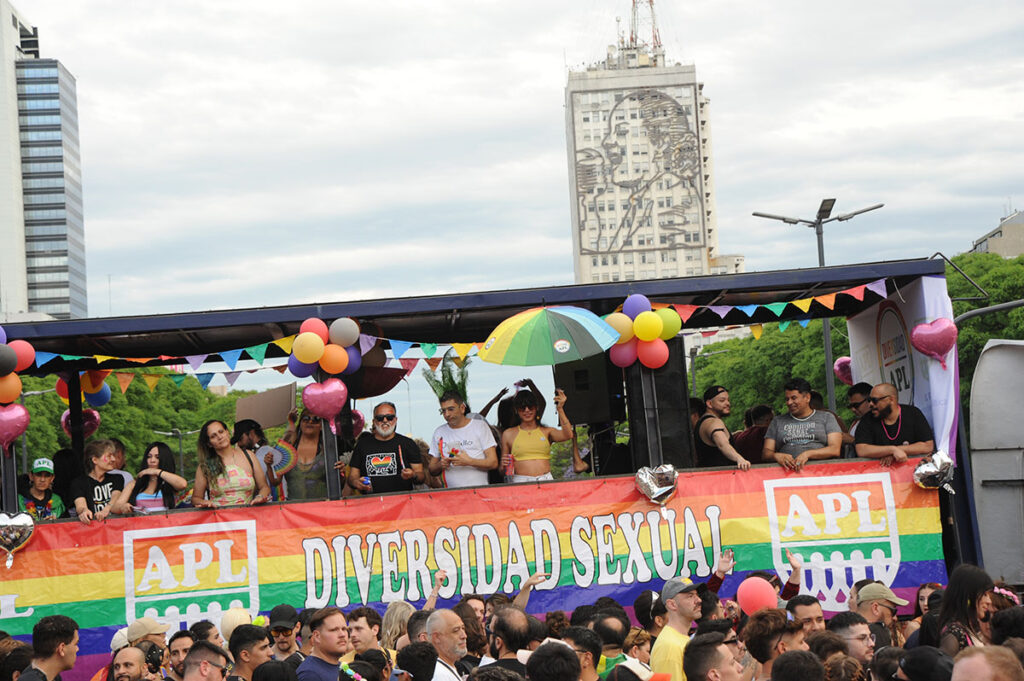
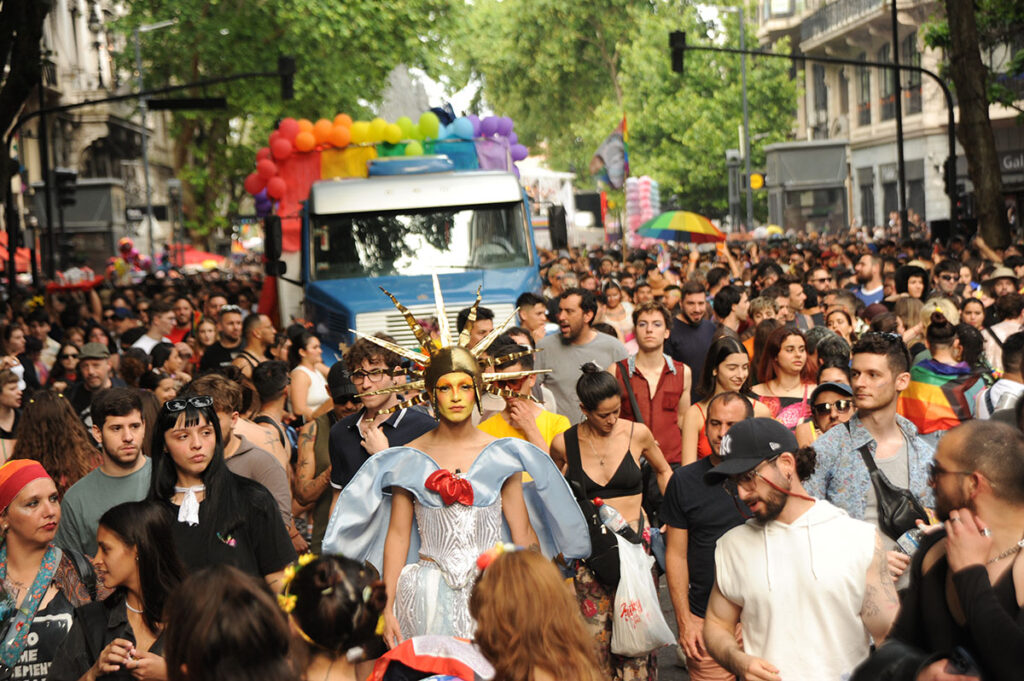
Dozens of floats were parked along the iconic Avenida de Mayo, from which people of all backgrounds, dressed in their best outfits for the occasion, danced to the rhythm of pop, RKT, and Argentine rock music. Trucks from various organizations, such as Fundación Igualdad , La Fulana , Mala Junta , Las Históricas , as well as brands like Jean Paul Gaultier, participated.
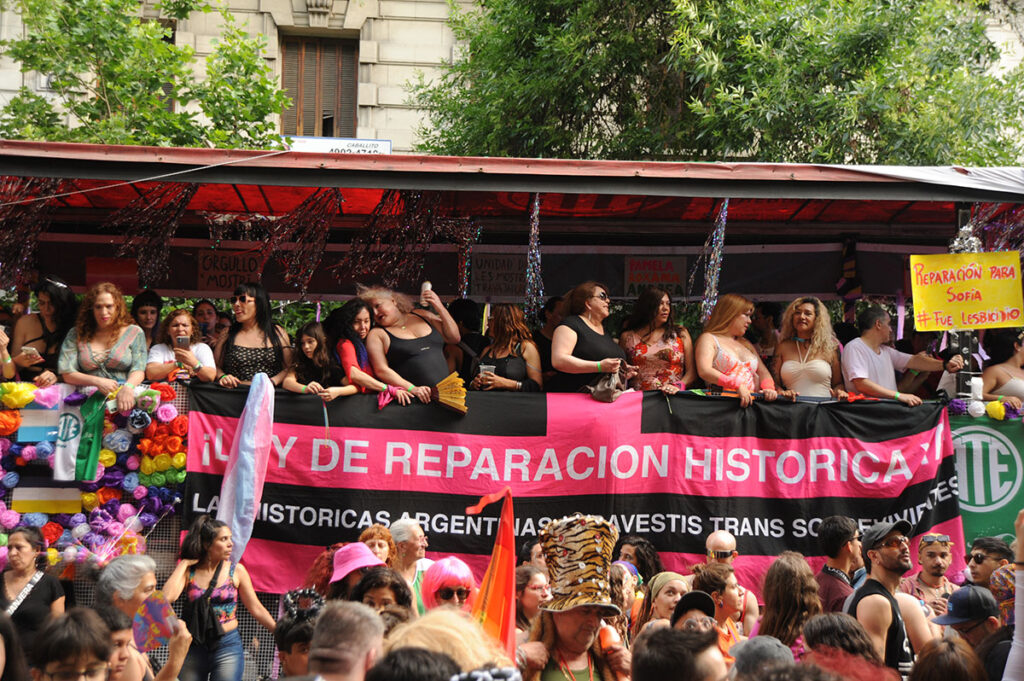
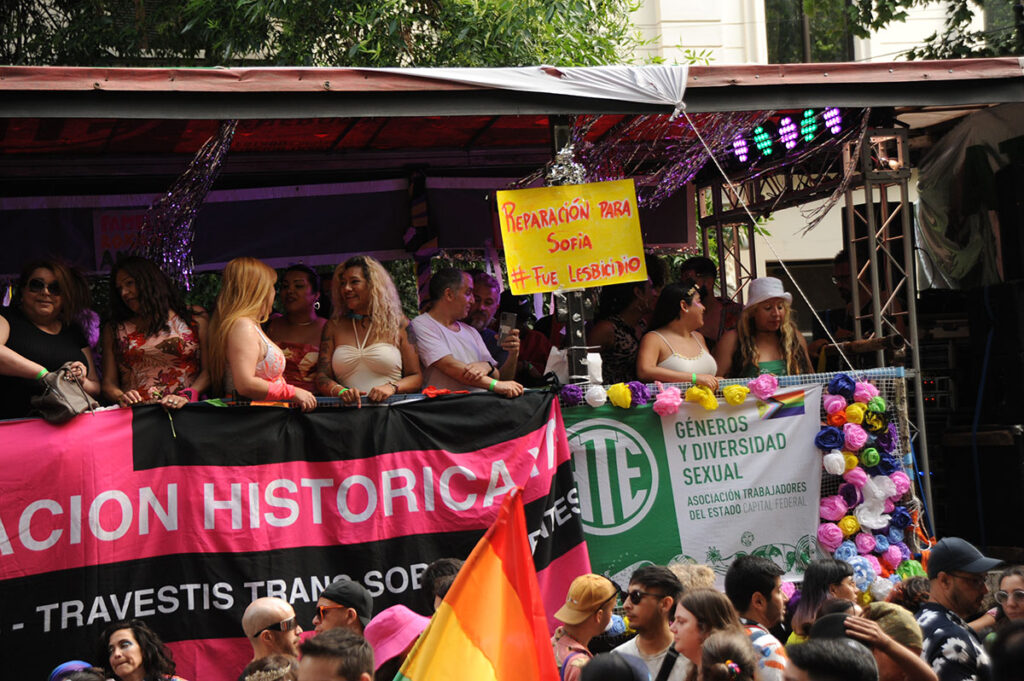
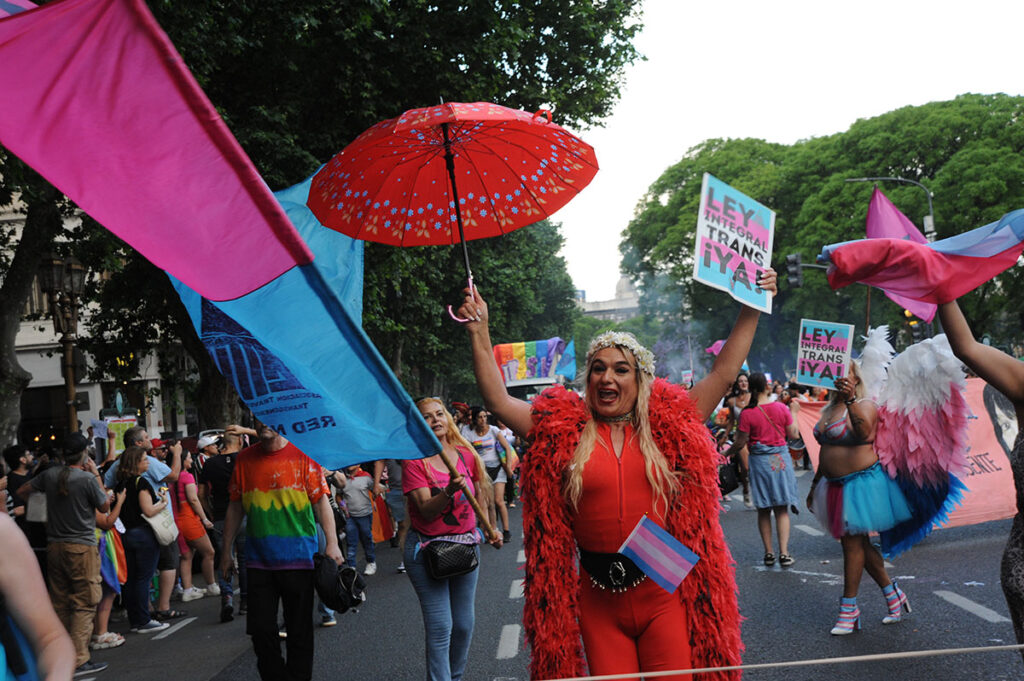
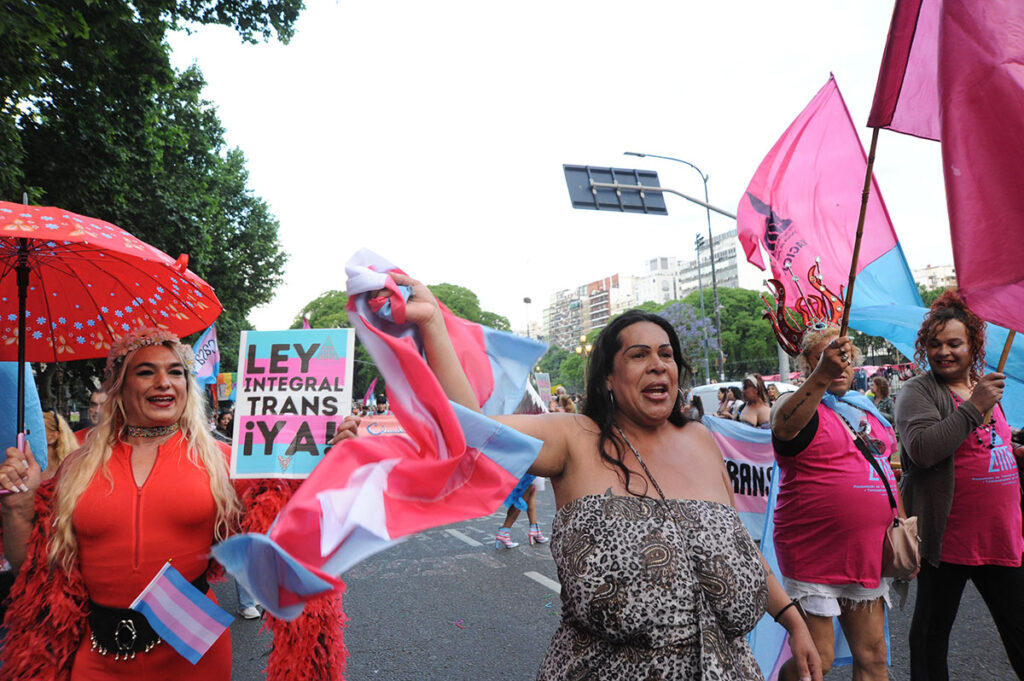
With a rosette amidst a rainbow flag, the float of Las Históricas (The Historical Women) demanded a “Historical Reparations Law now.” Among the activists on board were Say Sacayán and Patricia Rivas. Below, Marlene Wayar, a prominent figure, carried a sign with the slogan demanding reparations. She asked passersby for a photo to help raise awareness of the cause.
“We demand reparations for our old age and that Argentina always takes to the streets,” Marlene told Presentes , referring to the need for a law that symbolically and economically recognizes transvestite and trans people who are older victims and survivors of institutional violence.
Fight for rights, always.
Further along the route on Avenida de Mayo toward Congress, about forty people carried a banner together that read “Space for trans children, adolescents, and their families.” Behind them, a truck was carrying white, pink, and light blue balloons.
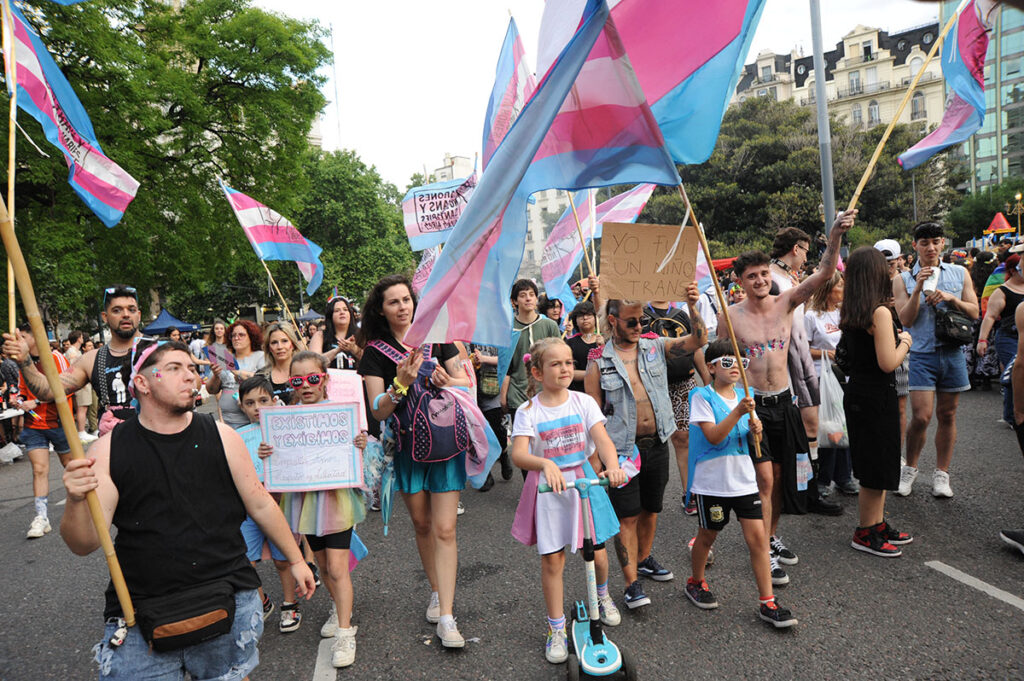
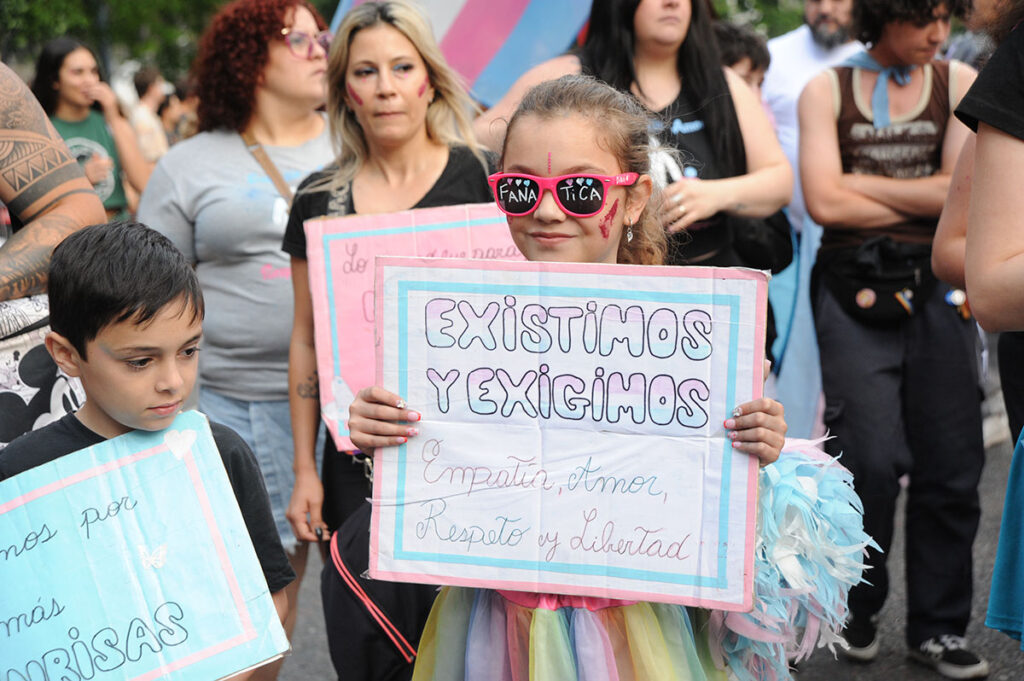
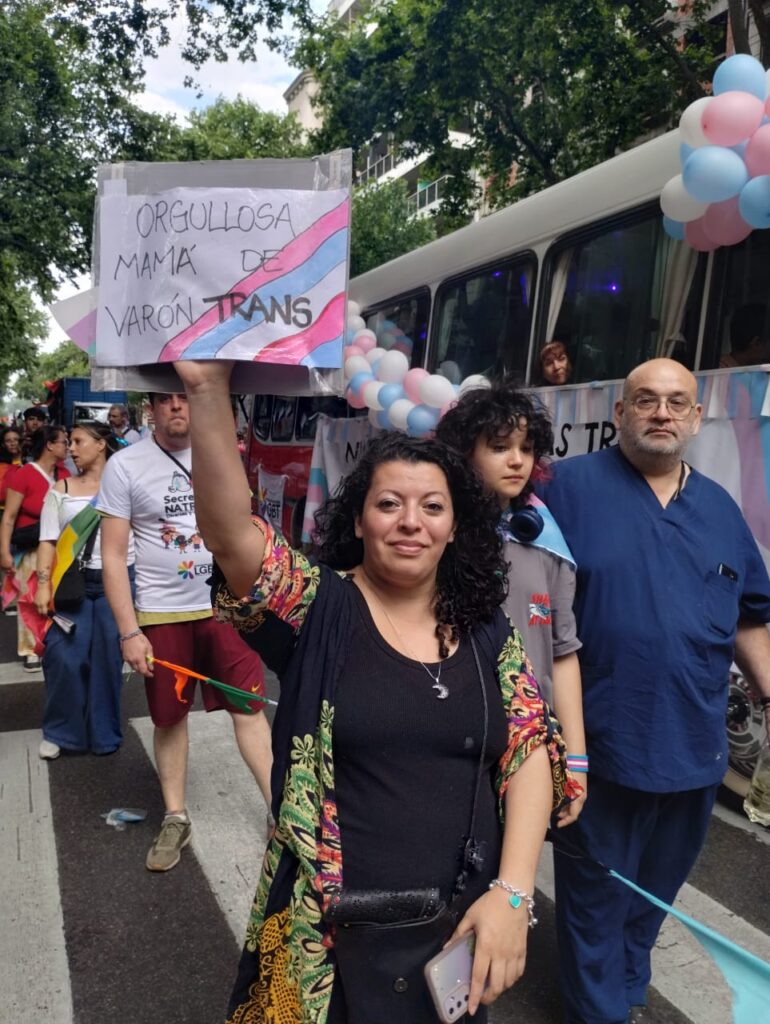
Andrea Ávila, a 41-year-old teacher, held a sign aloft that read "Proud mother of a trans man." This time, she decided to attend for the first time with her 20-year-old son, traveling from the town of Wilde in Buenos Aires province.
“I come to represent the families who are fighting every day for the rights of trans children, because I am the mother of a trans boy, I am a teacher, I respect identities, and because I demand that this needs to be made visible by the State,” she shared with this media outlet.
In another section of the march, Gustavo, a 20-year-old trans man, had come from Florencio Varela. He marched for pride, to recognize his identity and the fight for rights. “None of the rights we've achieved are guaranteed, and this government isn't helping much with that. That's why I'm marching,” he told Presentes .
"Hate is no one's way out"
“Today I march for recognition, because there is still no equality,” Benito Cerati told Presentes. “This year it’s important to stand up against the erosion of our rights and the abuse of power.”
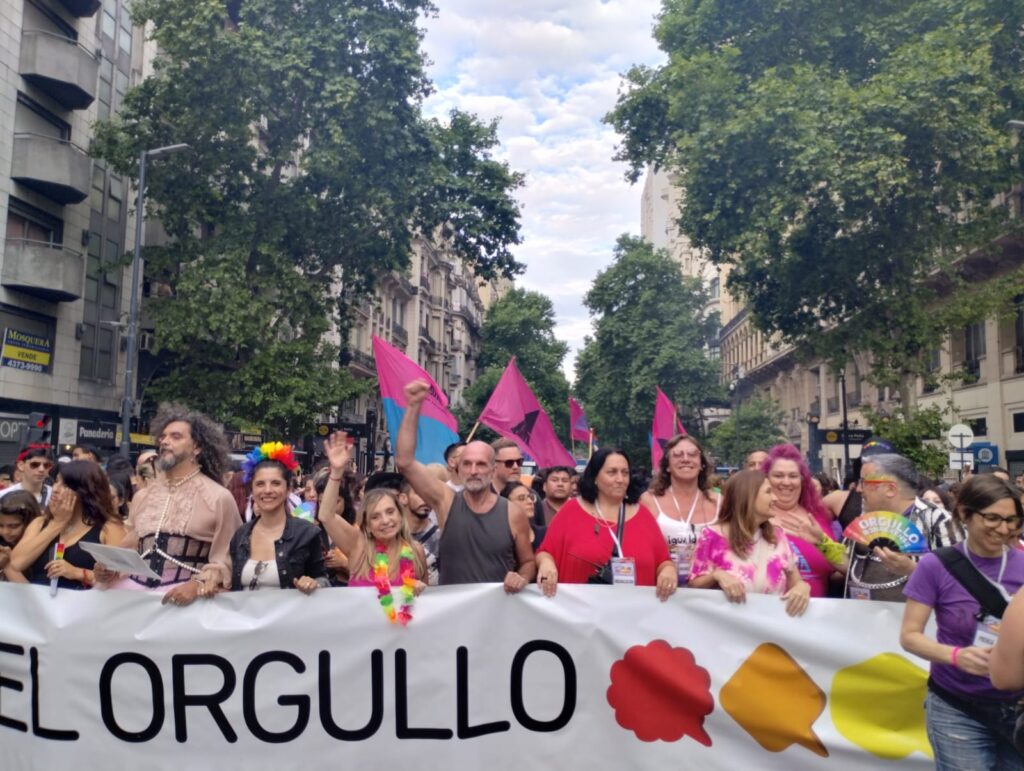
Among the messages repeated throughout the mobilization, one stood out for its insistence: the triple lesbian murder in Barracas . Near the head of the march, someone shouted, “Don’t forget the lesbians.” It was Jesica, from Lesbianxs Autoconvocadxs de Barracas (Self-Organized Lesbians of Barracas).
“We came here today because it’s unbelievable that three of our lesbian comrades were killed with two Molotov cocktails with a savagery we can’t believe. The lines have been crossed, and they continue to foment hatred. We believe that hatred is no one’s solution. In this far-right context, both nationally and internationally, it’s crucial that we continue to occupy the streets. They want us to be afraid so they can dismantle all the strength we have,” she told this agency.
From the stage set up in Plaza de Mayo, the Assembly received recognition. Through their organization, they achieved what the State failed to do: provide reparations to the families of the victims of this massacre, including Sofía Castro Riglos, the sole survivor. Several of them, including Sofía, participated in this year's march.
A powerful march
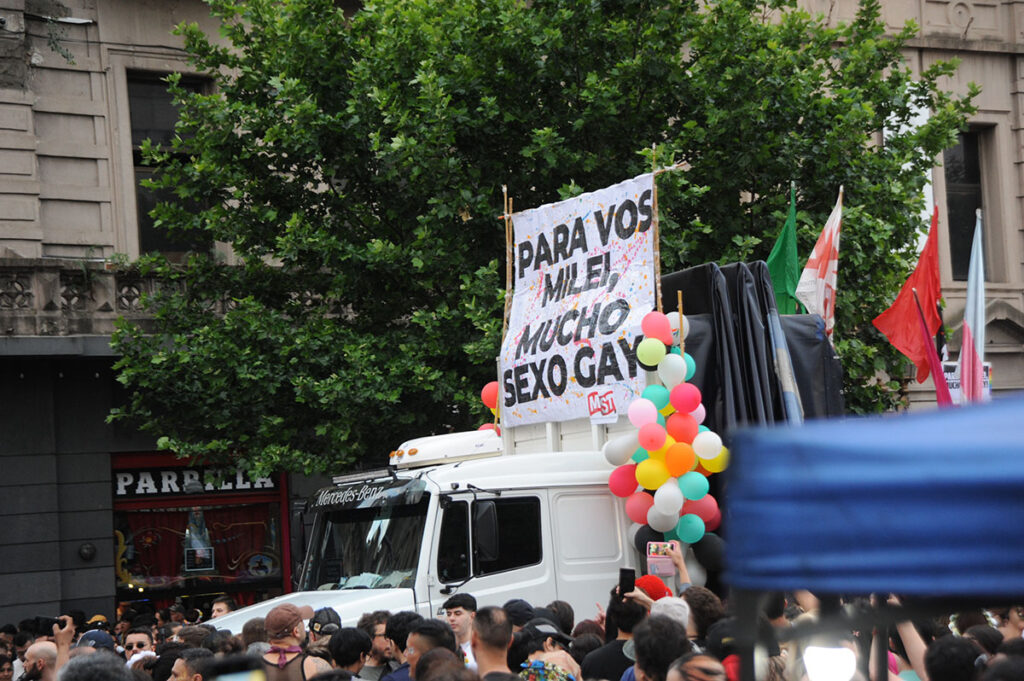
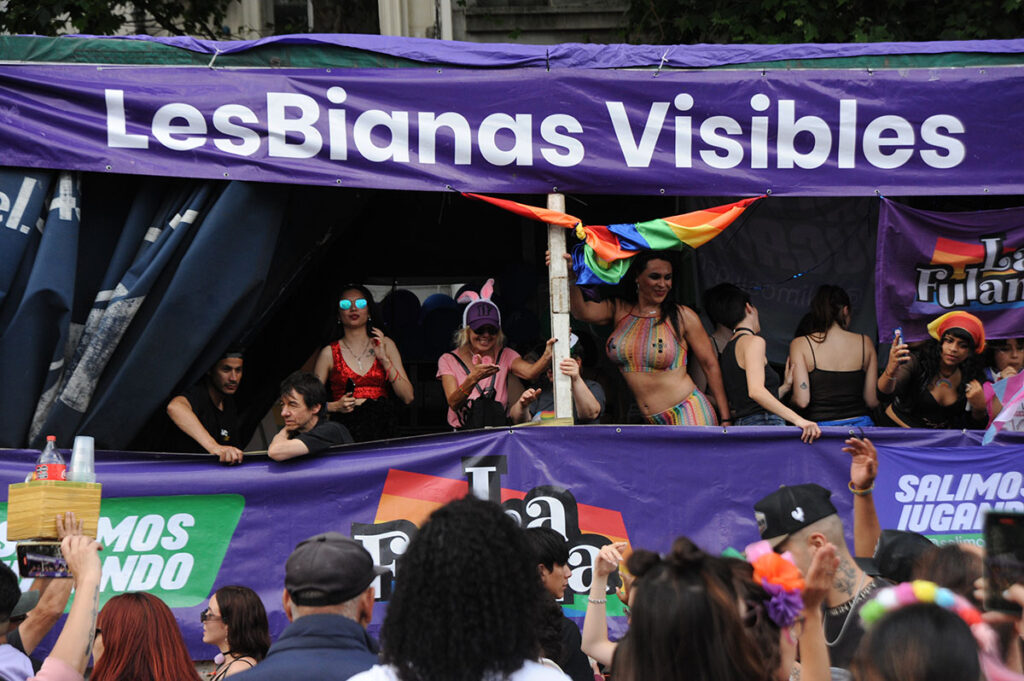
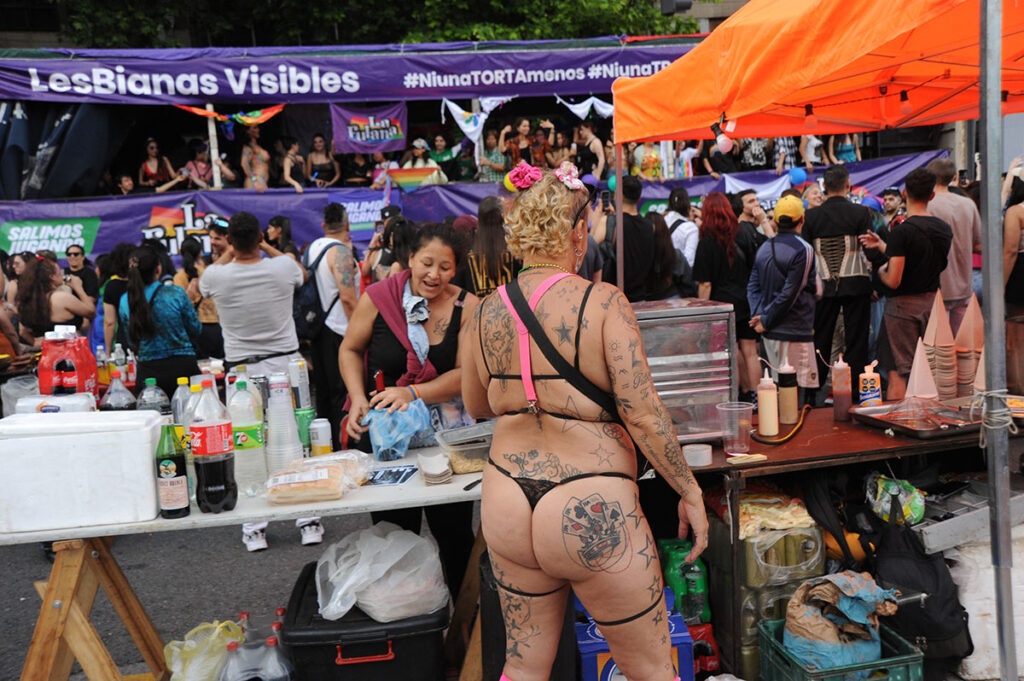
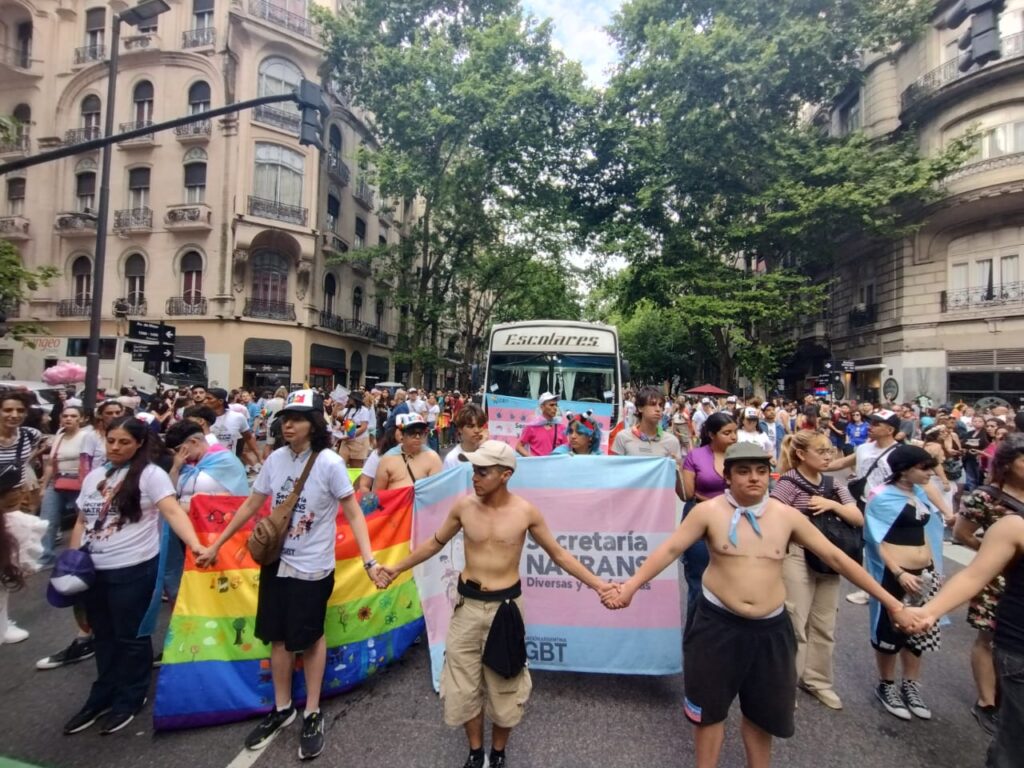
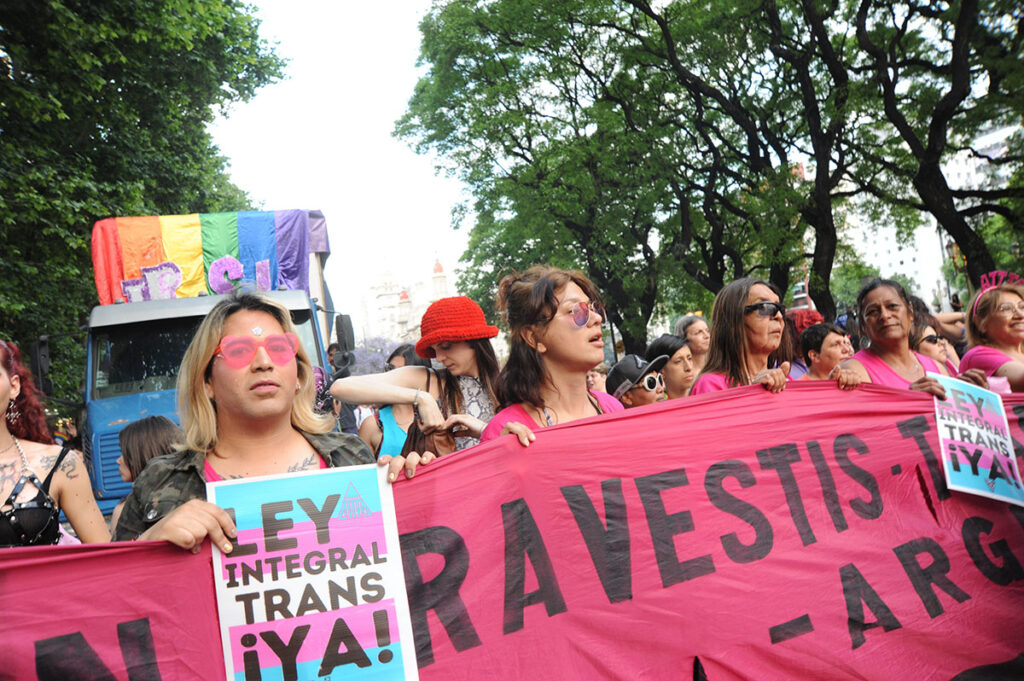
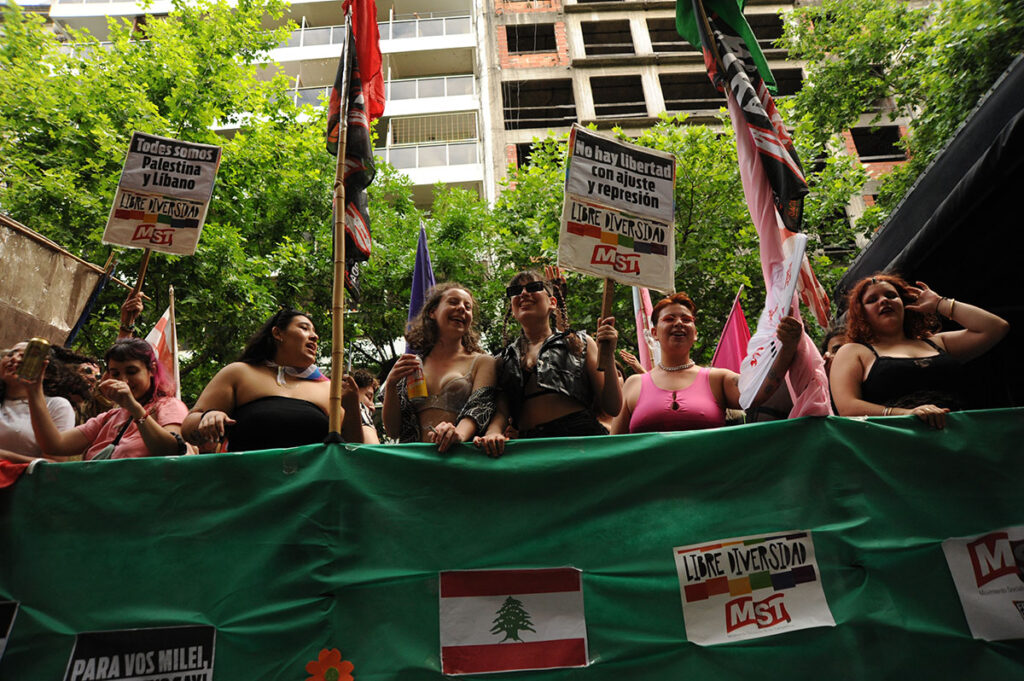
From the Organizing Committee of the Pride March (COMO), the central slogans were “There is no freedom without rights or public policies”, “There is no freedom with austerity and repression” and “Comprehensive Trans Law and Anti-Discrimination Law now!”.
“The march is huge, powerful. A lot of people took to the streets to support diversity. This was a message: we are not going to accept any more setbacks and we are going to rebuild everything they destroyed ,” shared lesbian activist Maria Rachid, a member of COMO and the Argentine LGBT Federation (FALGBT).
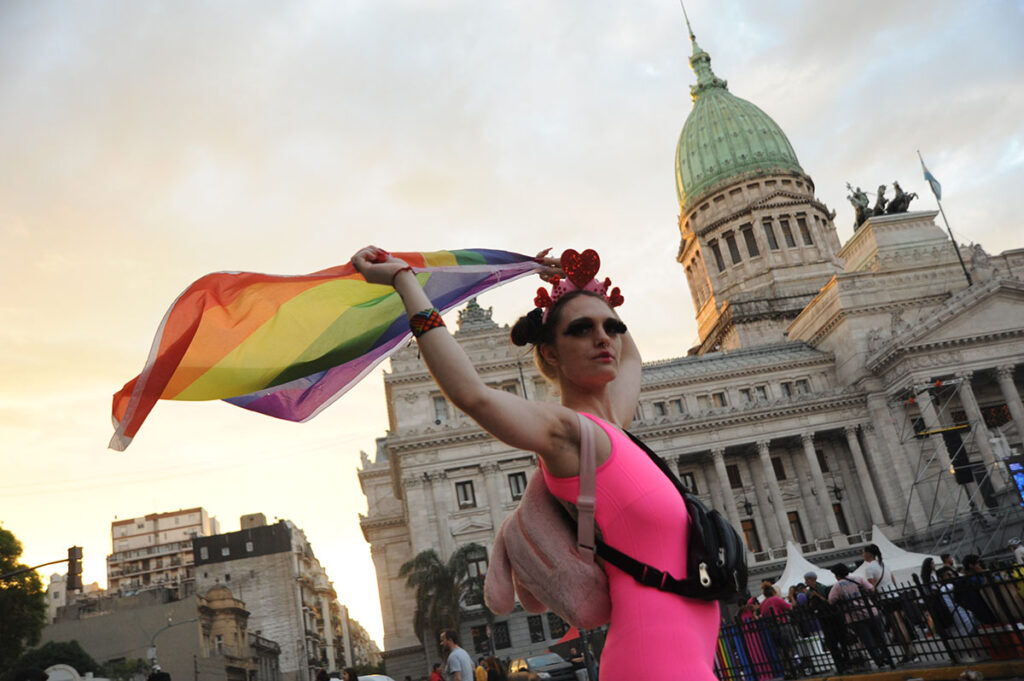
The speech, agreed upon by 60 organizations and read on the stage at Plaza de los Dos Congresos, began by highlighting the main slogan: “There is no freedom without rights or public policies.”
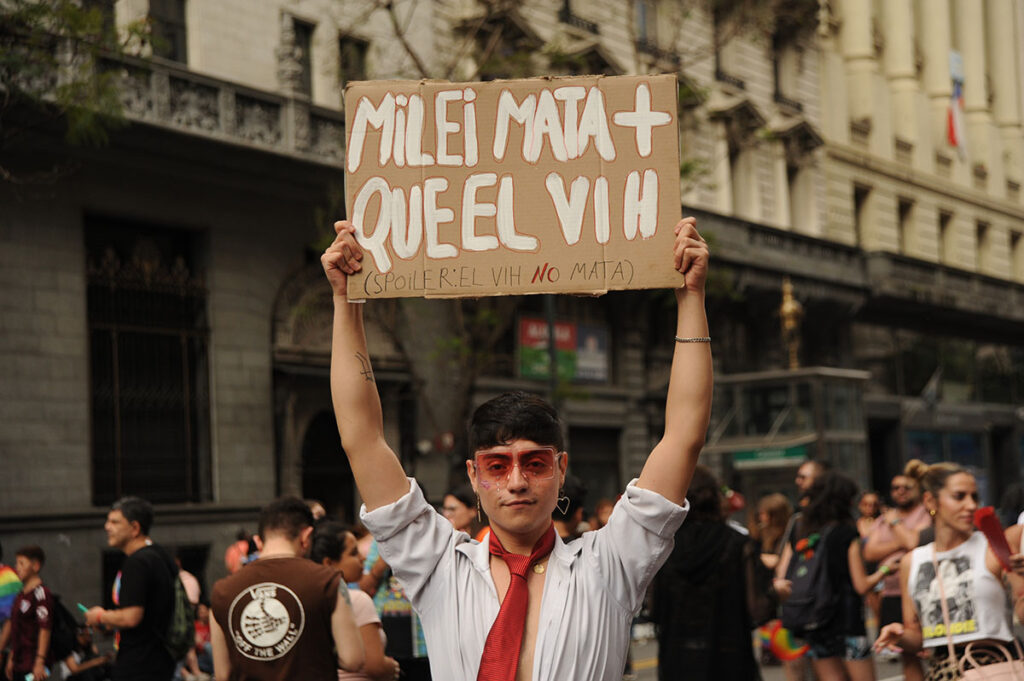
The government shouts “Long live freedom, damn it!” only to defend the free market, the law of the strongest, the freedom to oppress, discriminate, exploit, the freedom to take away our rights. This is not the freedom we have been fighting for for years. Years of visibility, of organizing, of marches that grew to be enormous,” they asserted. They also emphasized the setbacks that resulted from the closure of INADI ( National Institute Against Discrimination, Xenophobia and Racism), the closure of all state-run diversity offices, the layoffs, and the non-compliance with the Transgender Employment Quota Law.
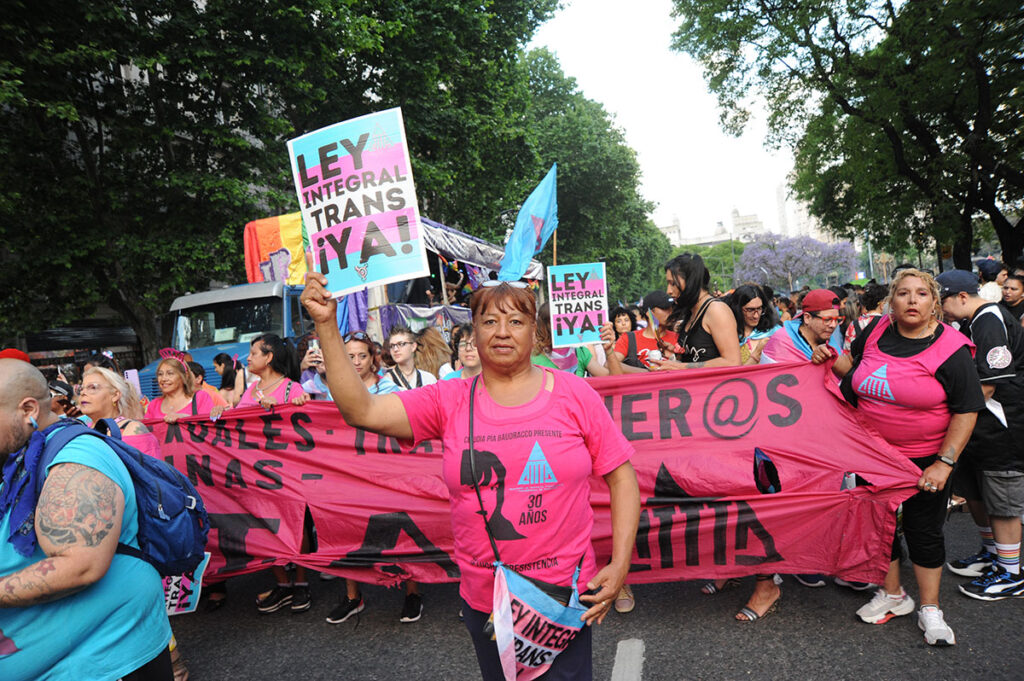
“Hate speech at the national level is legitimizing discrimination and violence against our community. I believe that society does not share that view, regardless of Milei's victory. Society does not support hate speech and setbacks. That is why we are marching ,” Rachid concluded.
The Pride march, part of our identity
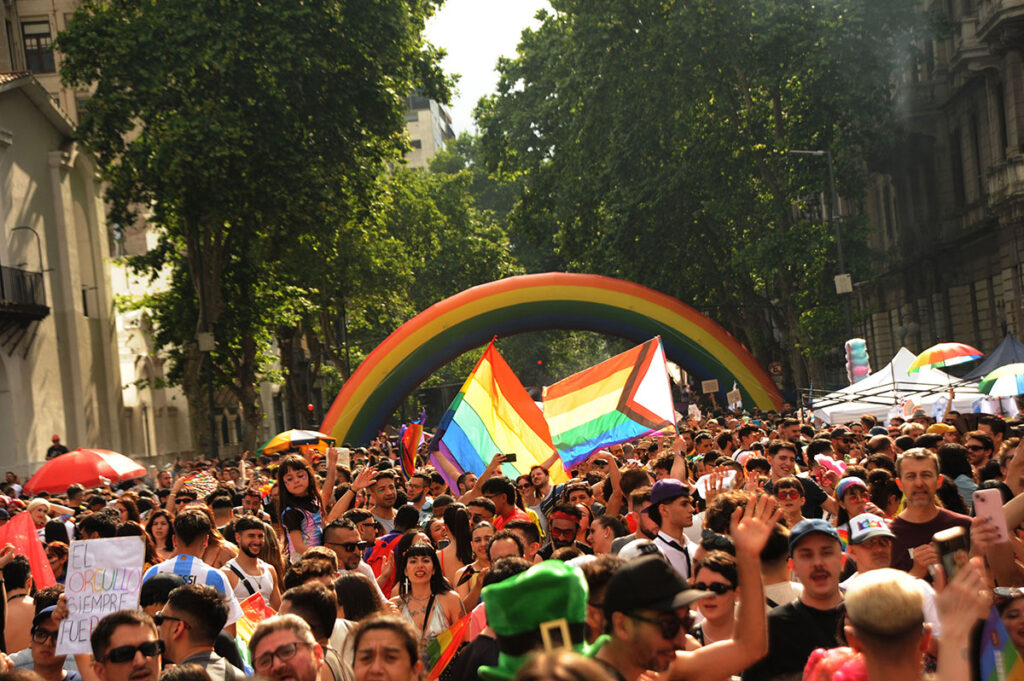
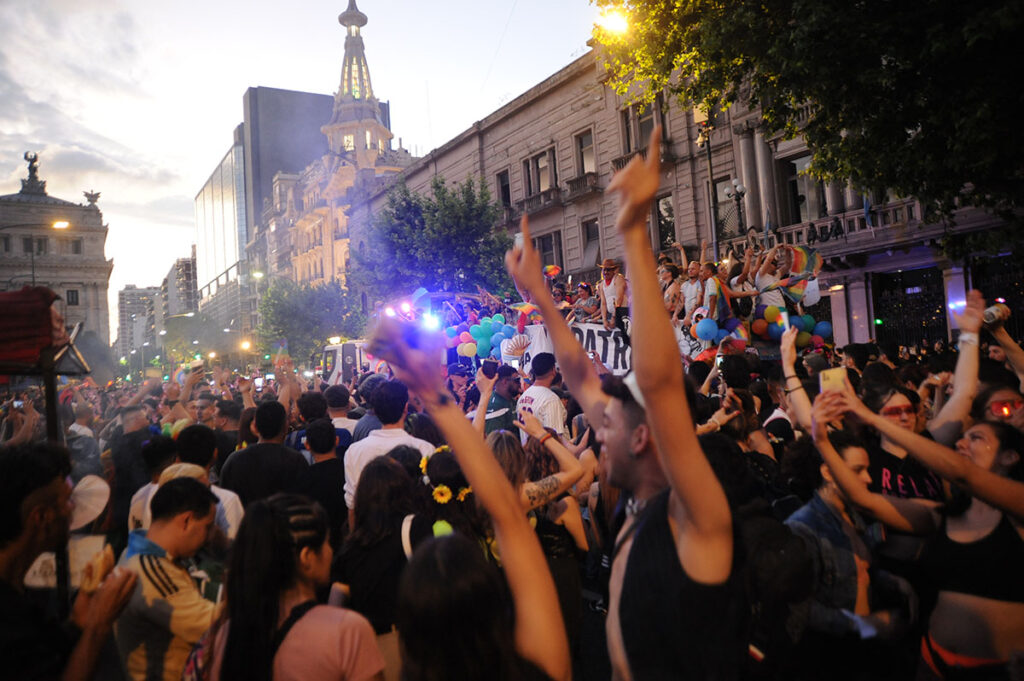
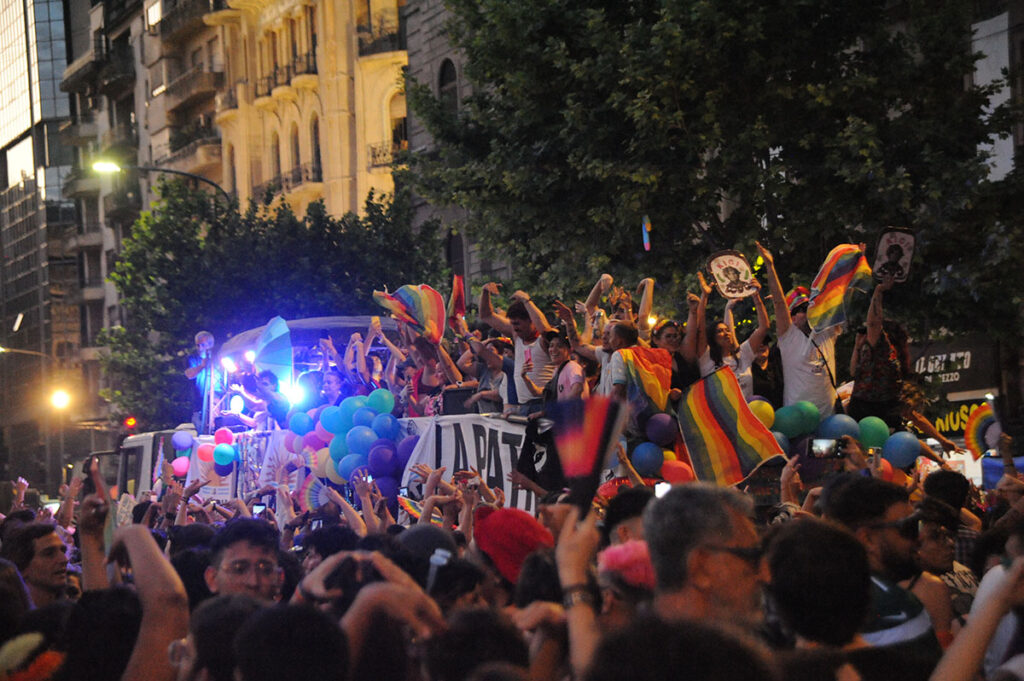
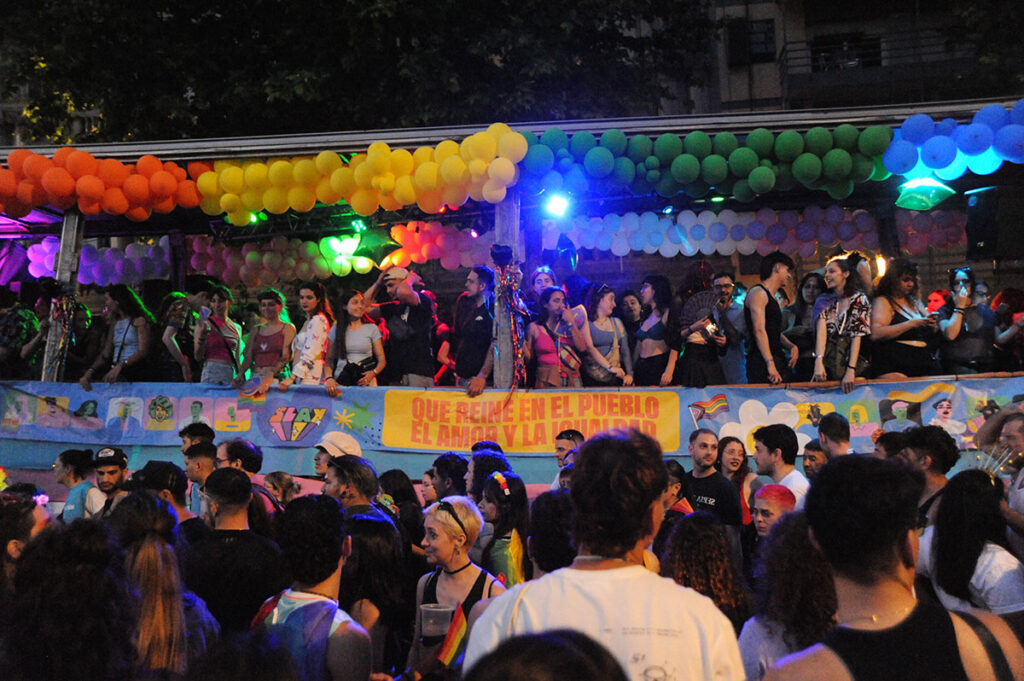
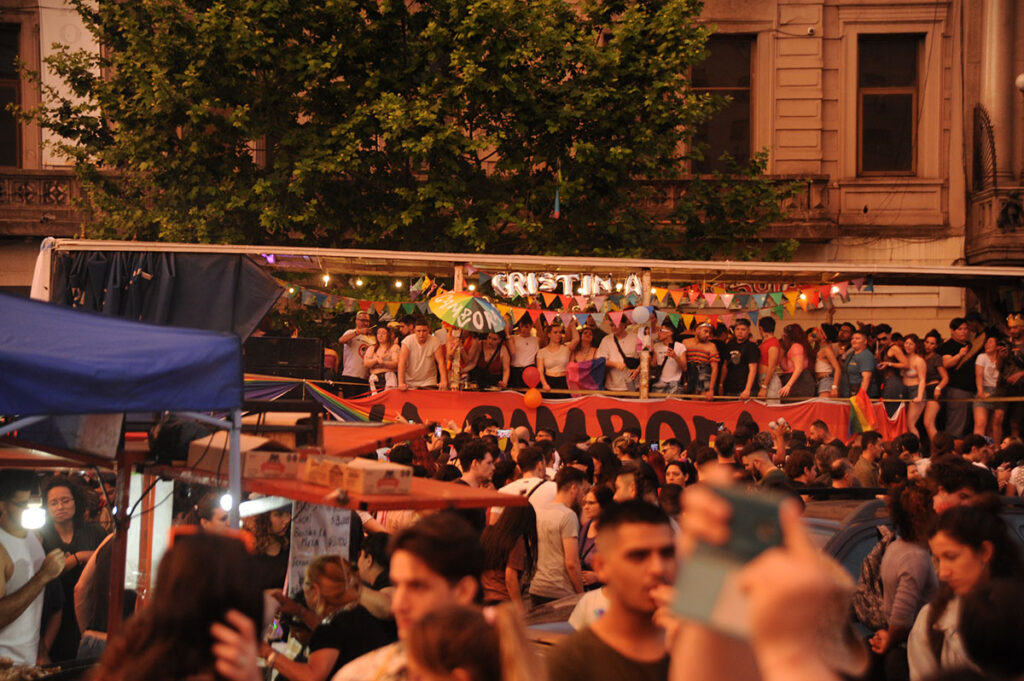
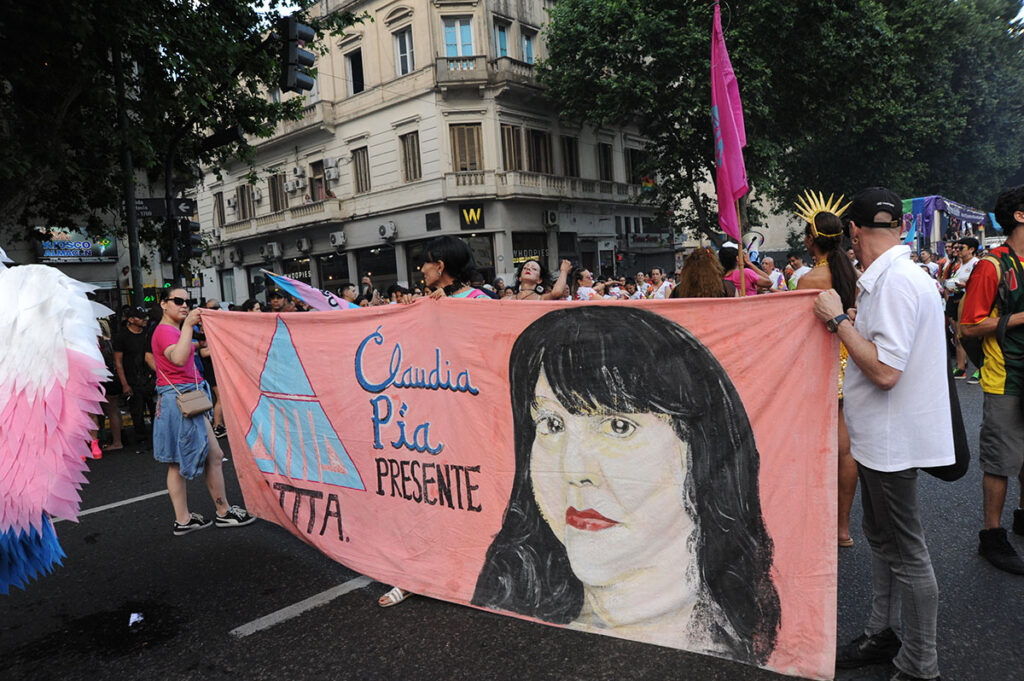
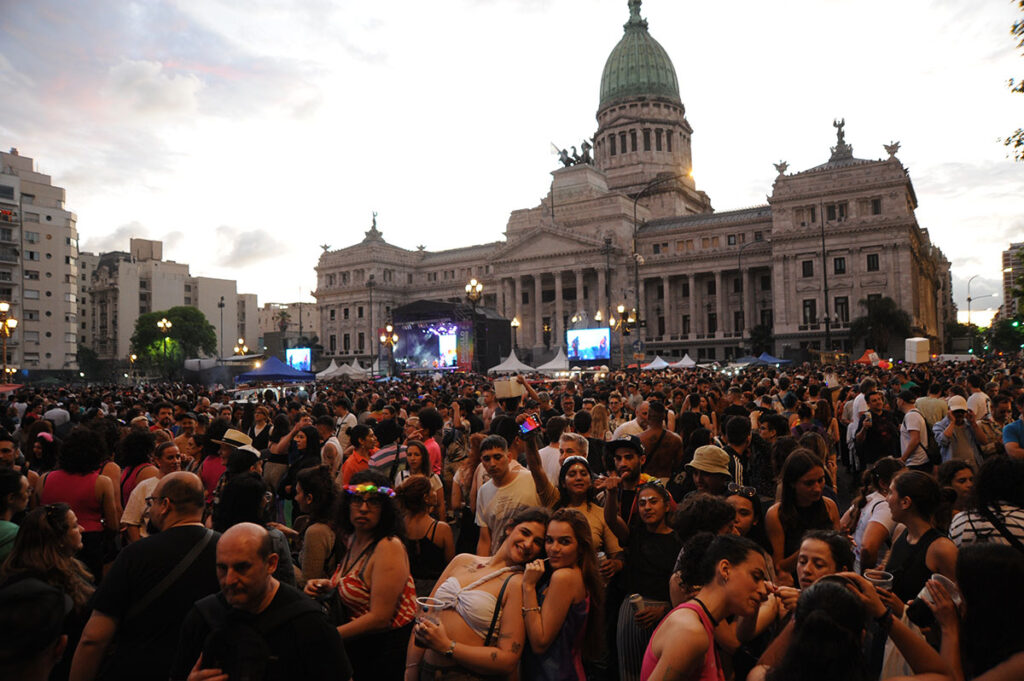
The parade along Avenida de Mayo lasted several hours, at least from five in the afternoon until after nine at night, and they were still moving towards Plaza del Congreso.
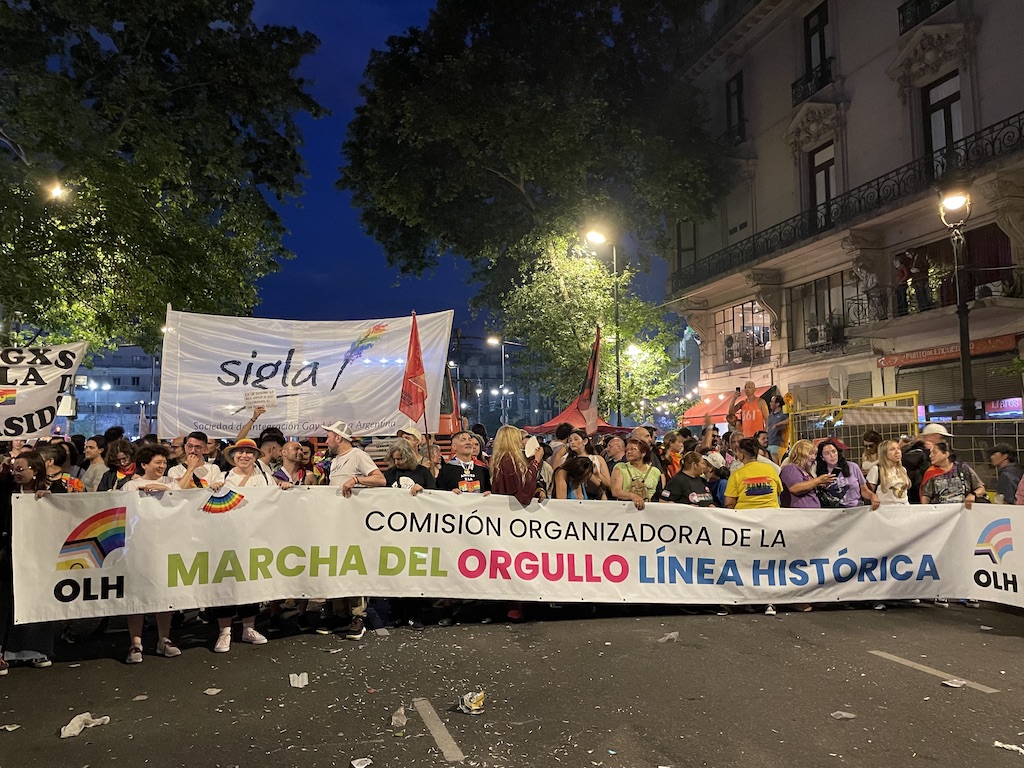
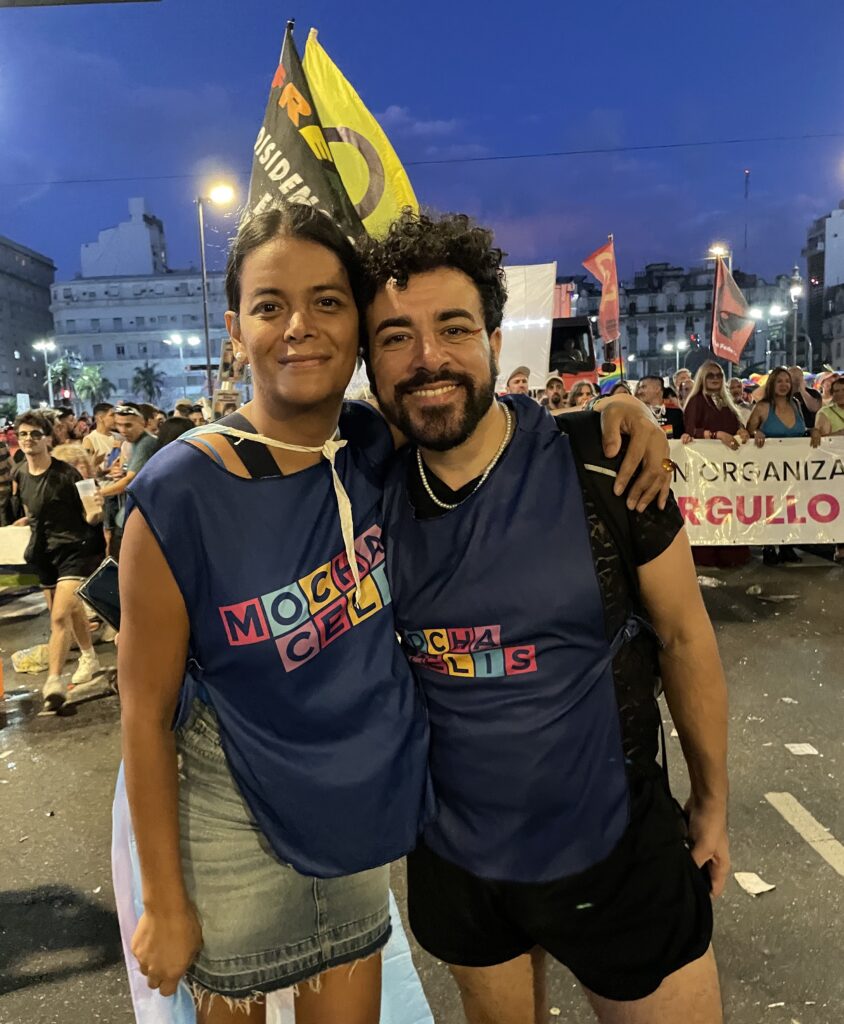
From the column of the Historical Line March, where Normas Nahuelcura, Tehuel's mother, marched, Ricardo Vallarino—of 100% Diversity and Rights—told Presentes that they had counted more than 50 floats. "We see more and more people participating individually, and this year there was greater involvement from companies and brands. The march is now part of the identity of the City and of Argentina. And it's a demonstration that our community will not be intimidated by discrimination or violence, perpetrated from the highest levels of political power," he said.
The official closing of the day was on the Congress stage with pure music, with several bands, a song by Lali and the final closing by Valeria Lynch.
We are present
We are committed to journalism that delves into the territories and conducts thorough investigations, combined with new technologies and narrative formats. We want the protagonists, their stories, and their struggles to be present.
SUPPORT US

FOLLOW US
Related notes

We are present
This and other stories are not usually on the media agenda. Together we can bring them to light.