

What will Argentina's biggest LGBT Pride March be like?
The 33rd LGBTIQ Pride March in the City of Buenos Aires calls for celebrating diversity and protesting against the regressive policies and austerity measures of Javier Milei's government.


Share

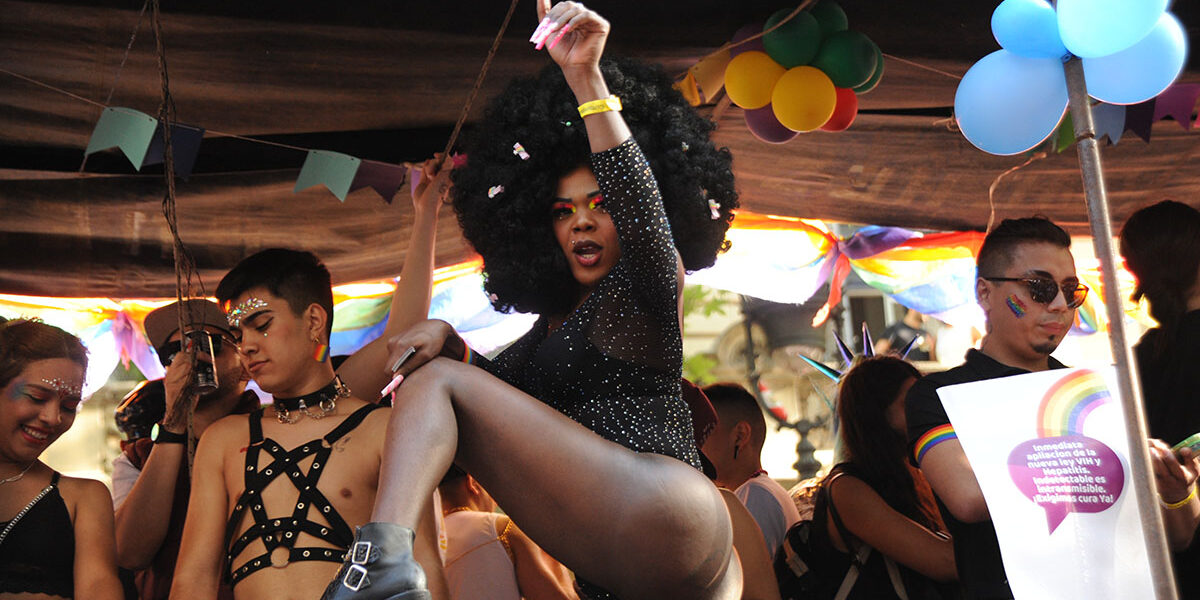
BUENOS AIRES, Argentina. The 33rd LGBTIQ+ Pride March will begin early this Saturday. It is expected to be a massive and impressive event in the City of Buenos Aires. It will also be the first since Javier Milei took office as president and will not receive funding from the national government. In contrast, the embassies of 29 countries in Argentina have expressed their solidarity with the community.
“In my opinion, there hasn’t been a more important and urgent march in recent decades. More than ever, committed LGBTQ+ people must form a powerful force, strong in its non-violence and reaffirmed in its demands. I’m sure it will be impressive,” journalist and activist Franco Torchia , co-host of the event along with journalist Alejandra Malem Presentes on the main stage of Congress.
As every year, the day will begin at 10 a.m. in Plaza de Mayo with a fair featuring entrepreneurs, shows, and music. At 4 p.m., the march will begin, both on foot and from the floats, making its way to the National Congress.
“We are going to demand the public policies that were taken away from us.”
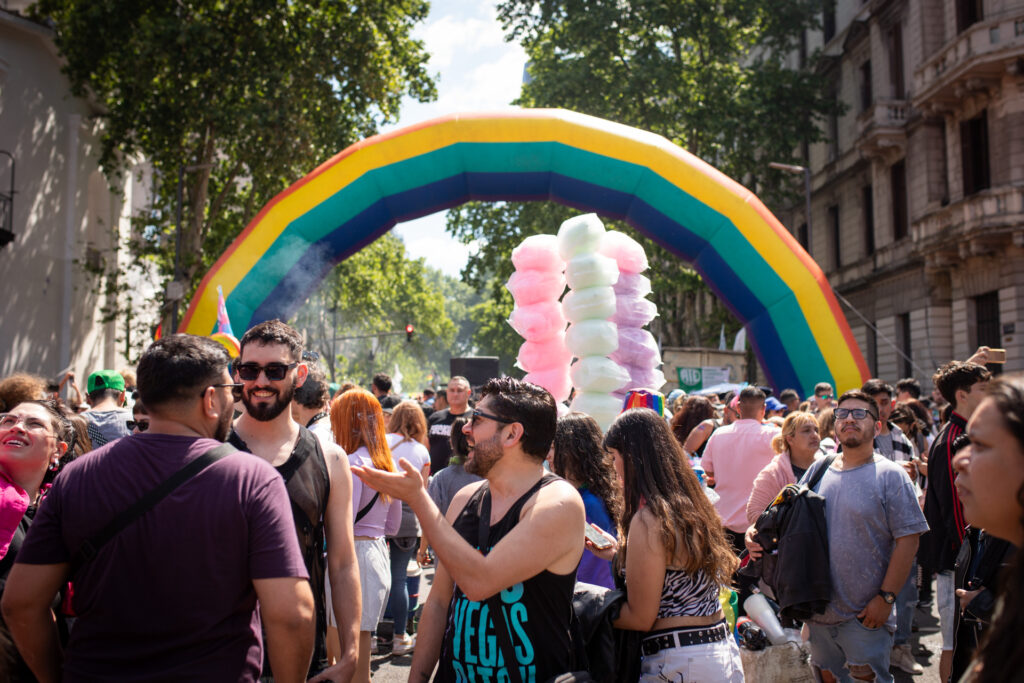
“This year more than ever, we must take to the streets to prevent any further setbacks. Let us celebrate diversity by firmly declaring that we will not allow any further cuts to our rights. We will demand the public policies that were taken from us,” María Rachid, a member of the Pride March Organizing Committee (COMO) and the Argentine LGBT Federation ( FALGBT ), shared with this publication.
The central slogans of the mobilization organized by COMO will be “There is no freedom without rights or public policies”, “There is no freedom with austerity and repression” and “Comprehensive Trans Law and Anti-Discrimination Law now!”.
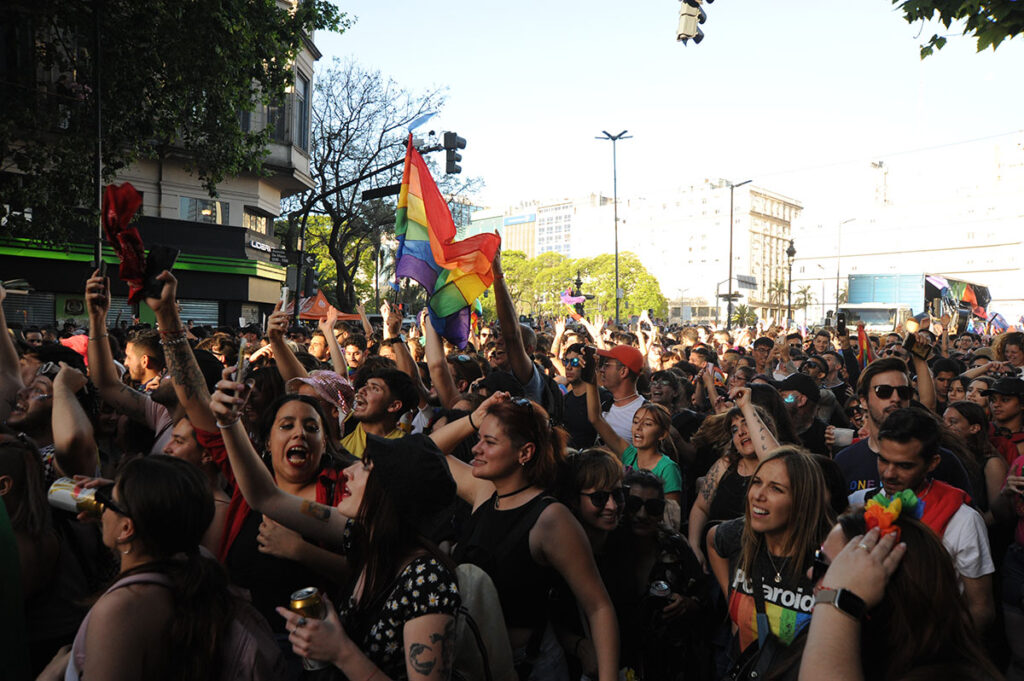
This year, the Pride March will not receive funding from the national government. “We haven't been able to reach any of the national agencies we've historically worked with to organize the march, nor have they responded, granted us a meeting, or engaged in any kind of dialogue. Unfortunately, they have withdrawn all support for the Pride March, just as they have closed all avenues and public policies related to diversity. This March is a historic, massive event for society as a whole. More than 1.5 million people from across the country and the world participate. It should have the full support of the government,” Rachid emphasized.
Meanwhile, the event is supported by the Government of the City of Buenos Aires; the Buenos Aires City Undersecretariat of Human Rights; the Government of the Province of Buenos Aires; the Ministry of Women, Gender Policies and Sexual Diversity and the Ministry of Health of Buenos Aires Province; the Buenos Aires City Legislature and the Senate of the Province of Buenos Aires; the Joint United Nations Programme on HIV/AIDS (UNAIDS); the United Nations Population Fund (UNFPA); the embassies of the United States, Germany and France; the Spanish Cultural Center in Buenos Aires; and companies.
International support
Days before the March, the embassies of 30 countries in Argentina, together with the European Union Delegation, issued a joint statement in support of and solidarity with the LGBTIQ+ community in Argentina and around the world. This initiative, a historic event, stems from the Coalition for Equal Rights created at the Global LGBTI Human Rights Conference held in Montevideo in 2016 .
“Numerous communities and individuals around the world are increasingly suffering the consequences of rising hostility, misinformation and phobia directed against them – online or in person – because of their sexual orientation, gender identity and expression or sex characteristics,” they said in the statement.
Furthermore, they emphasized: “The power of our solidarity and our shared commitment to the rights of LGBTIQ+ people is more important than ever. Our governments will continue to work together to safeguard these rights in our societies and to champion equality and inclusion for the benefit of all.”
The list of signatory embassies includes Germany, Australia, Austria, Belgium, Brazil, Canada, Chile, Colombia, Spain, the United States, France, Mexico, New Zealand, the United Kingdom, Sweden, Switzerland and other European and American countries, along with the delegation of the European Union.
For effective equality of rights
The Pride March Commission – Historical Line has called for a gathering at 3 PM at the intersection of Diagonal Norte and Florida to march towards Congress. This Commission is calling on representatives and social, union, and political leaders to build a democratic pact that promotes respect for pluralism and human rights, fostering public debate and action that respects human rights and democratic coexistence in a context of attacks against LGBTIQNB+ people and other vulnerable groups.
There will be a demonstration at 3:30 pm against denialism and hate speech, with the presence of human rights leaders.
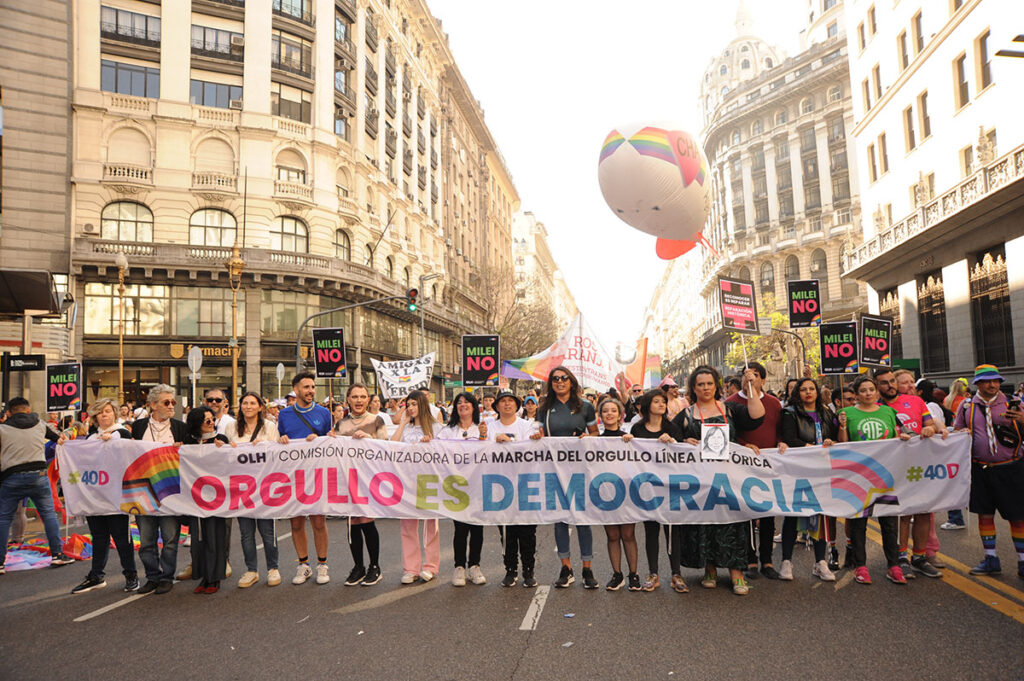
“This year’s march will be very important. Javier Milei’s government dismantled all the policies that sought to strengthen the LGBTI+ community and protect it from the violence and discrimination it suffers. Furthermore, it subjected us to constant attacks,” Ricardo Vallarino, president of 100% Diversity and Rights Presentes .
Regarding the economic crisis and the adjustment promoted by the national government, she added: “Our community, especially trans people, suffers in a differentiated and deeper way from the lack of employment, low wages and the increase in poverty.”
“We invite everyone committed to a future of equal rights, respect for and celebration of differences, and the protection of human rights for all people to join us in the march. It is an opportunity to come together again,” he concluded.
The three main slogans promoted by the Historical Line are “Pride is not for sale, it is made visible and defended”, “Stop hunger and persecution” and “For a democratic agreement against hate speech”.
A festive closing
On the stage that will be set up in Plaza de Mayo, organized by COMO, the artists Alan Faboulus, Gatika, Cumbia Dick, Lichi, Natalie Perez and Taichu will be present.
At the Congress, will participate in the show . The renowned singer Valeria Lynch will close the celebration.
Throughout the day, speeches will be read and various personalities committed to the LGBTIQ+ struggle will be recognized, with sign language interpreters on both stages.
In addition, the program “ Patria y Familia ” on Luzu TV will broadcast live all day from Plaza de Mayo, traveling along Avenida de Mayo to the Congress.
We are present
We are committed to journalism that delves into the territories and conducts thorough investigations, combined with new technologies and narrative formats. We want the protagonists, their stories, and their struggles to be present.
SUPPORT US

FOLLOW US
Related notes



We are present
This and other stories are not usually on the media agenda. Together we can bring them to light.