

Women and diverse groups debate the advance of the right wing at the Plurinational Meeting of Jujuy
Thousands of women and LGBTQ+ people gathered at the 37th Plurinational Meeting. On the first day, the March Against Transphobic Murders took place.


Share

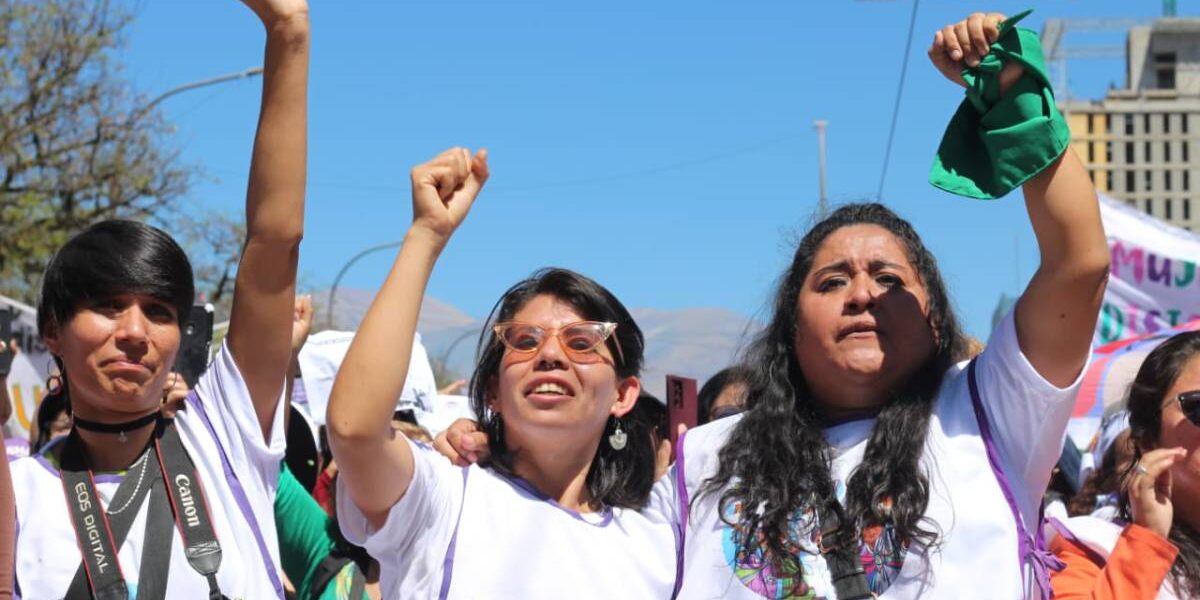
SAN SALVADOR DE JUJUY, Argentina (Special Correspondent) The opening ceremony of the 37th Meeting of Women, Lesbians, Transvestites, Transgender, Bisexual, Intersex, and Non-Binary People smelled of grass and burnt flowers. On the morning of October 11, the sun in San Salvador de Jujuy beat down on the faces of hundreds of women. They all arrived singing, “What a moment! Despite everything, we will hold the meeting!”
The opening ceremony of the most important political event of the year unfolds in the middle of the Plaza de la Avenida 19 de Abril. This is the same place where some 100 people were arrested in 2023. They were protesters against the constitutional reform of the province of Jujuy, which was being carried out by the former Radical governor, Gerardo Morales.
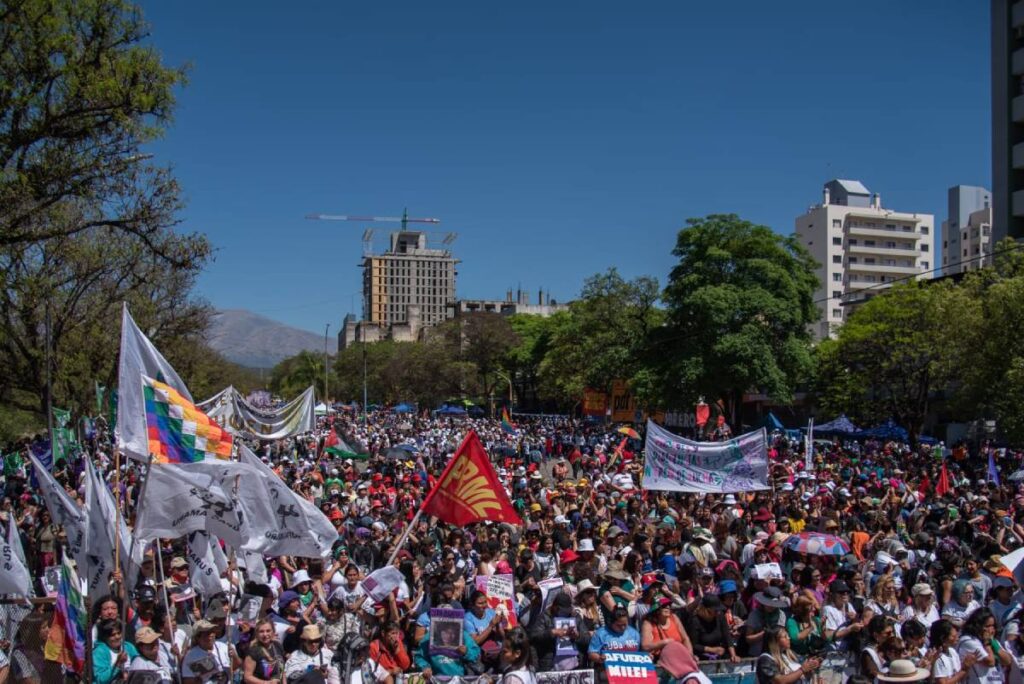
Not without first asking permission from the ancestors, representatives of the Indigenous communities and trans-feminist activists burned rue, coca, palo santo, and chamomile to purify and cleanse the area of any negative energies that might interfere with the start of the Gathering. One by one, those present allowed themselves to be enveloped by the smoke of the offered incense, while the struggle of the unionized workers who had come to San Salvador de Jujuy from the most remote places—from Río Turbio to Misiones, from Tucumán to Buenos Aires, from Chubut to Córdoba—was celebrated.
This is not the first time the Encuentro has been held in Jujuy. In 2006, the same group gathered to demand justice for Romina Tejerina, who was imprisoned in the Jujuy Women's Prison. And before that, in 1995, when it was still simply the Encuentro de Mujeres (Women's Meeting), that province also hosted the event.
Diversity at the heart of the day
The first day of the Women and Diversity Meeting featured 102 workshops where different topics were discussed. These ranged from community work and the problems faced by indigenous peoples in relation to Javier Milei's extractive policies, to the debate surrounding the management of public health and education.
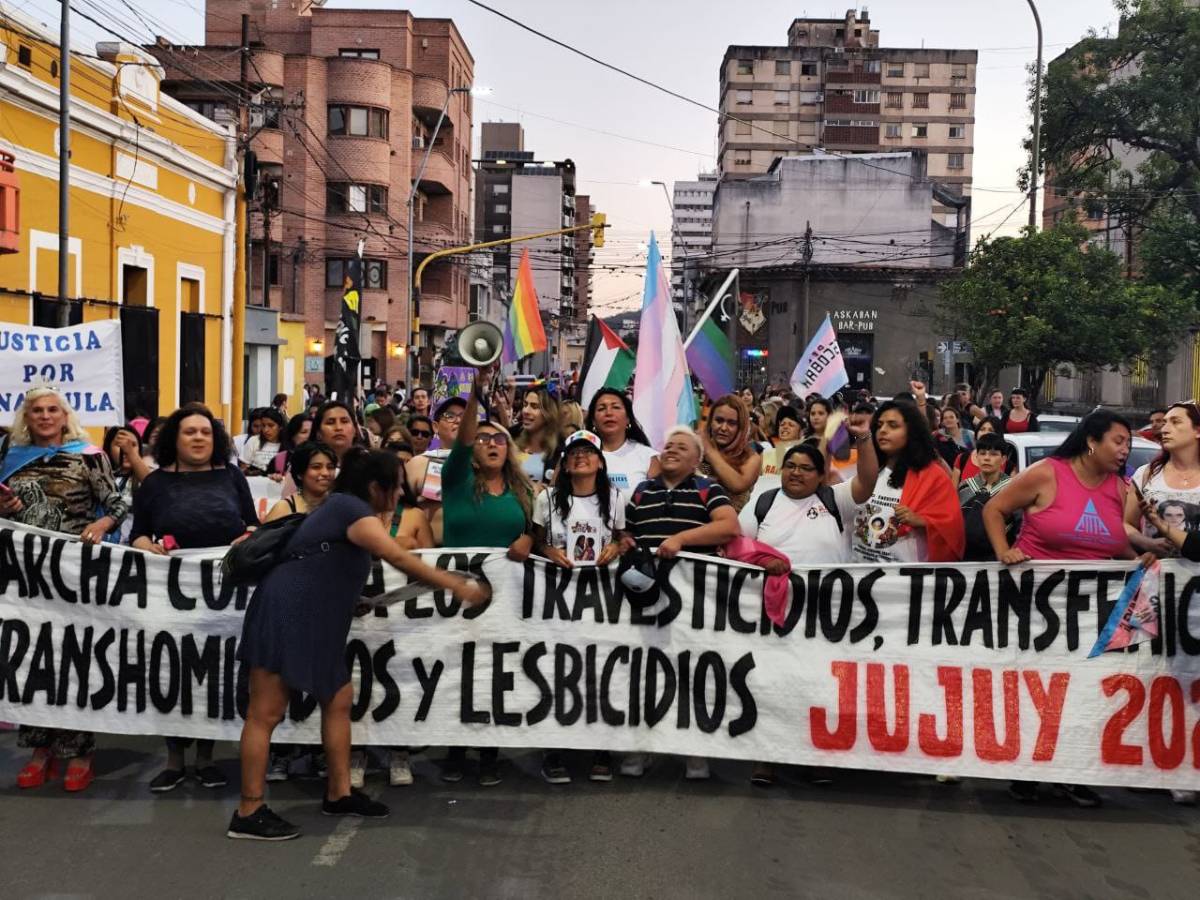
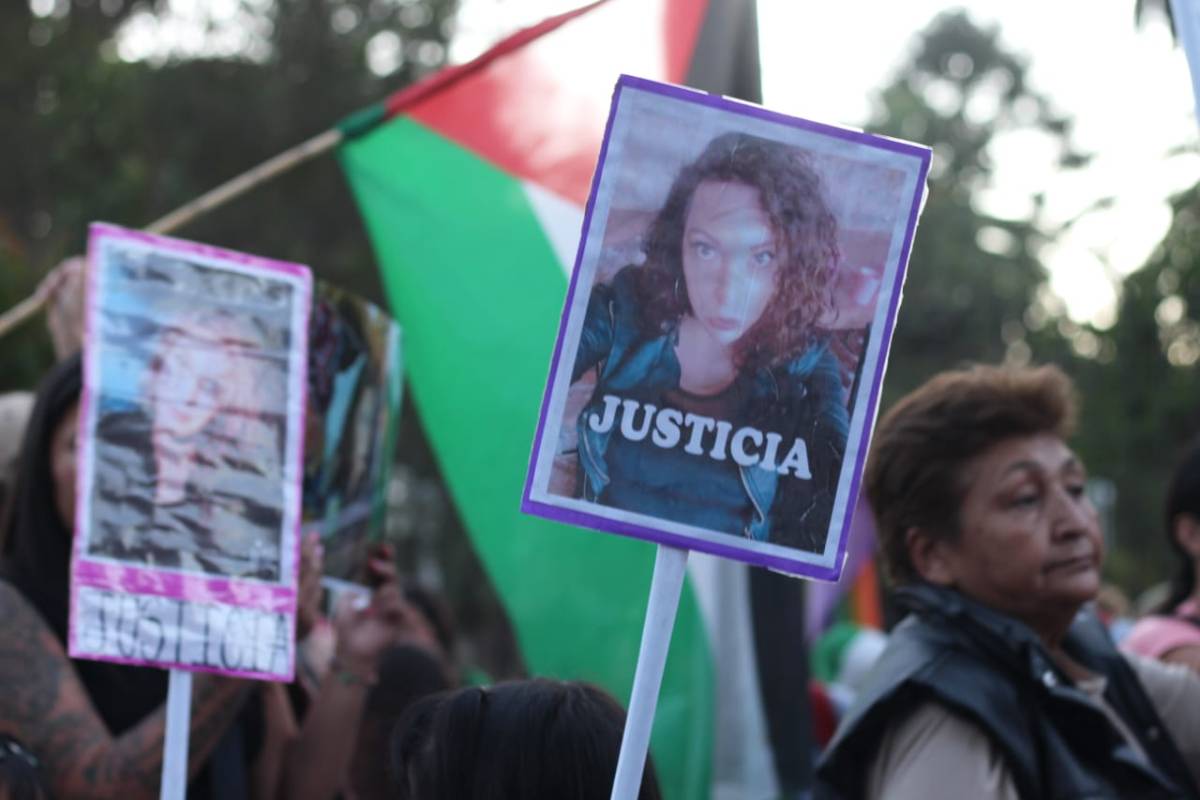
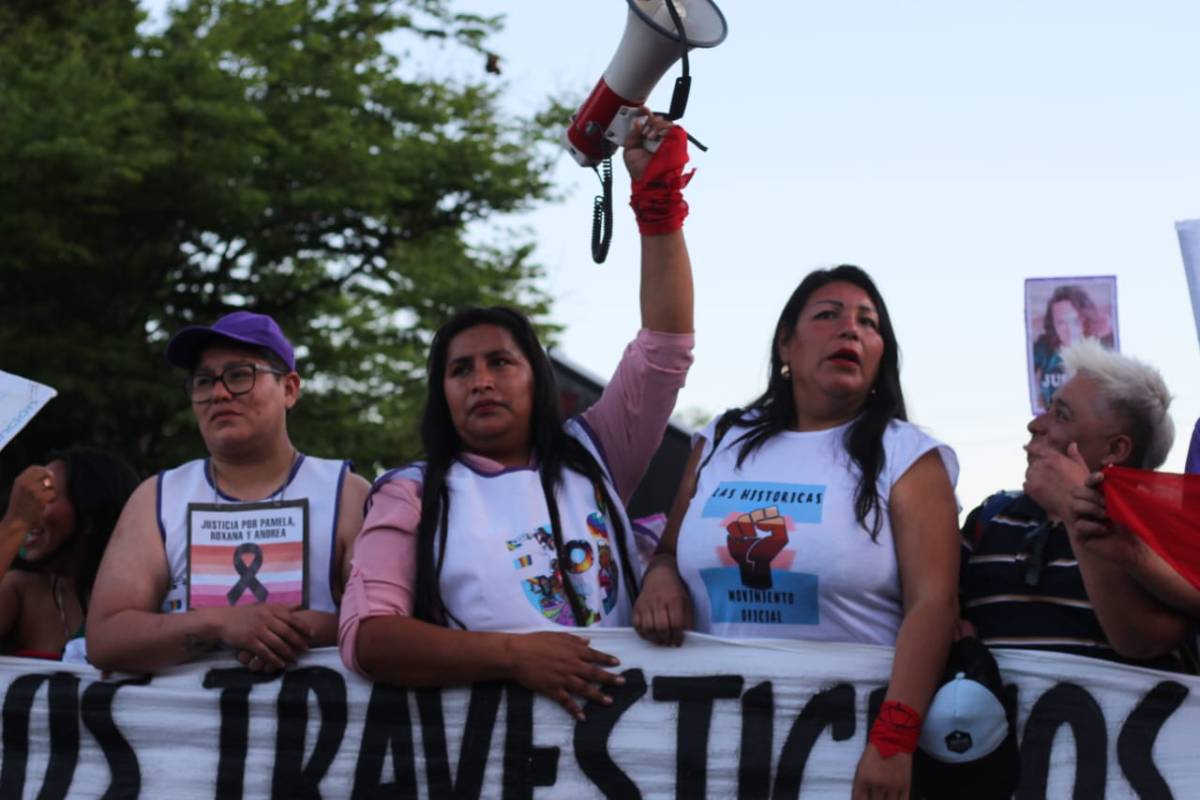
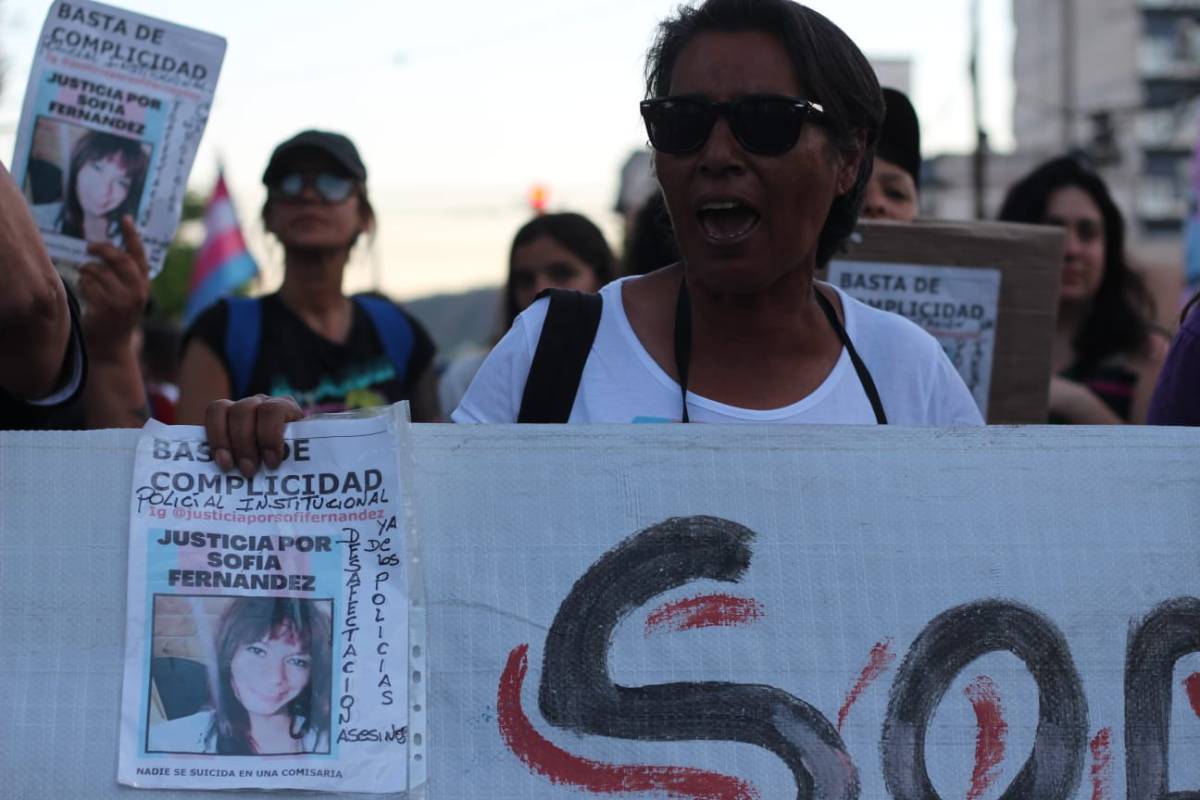
The most well-attended event of the first day was the March Against Transfemicides, Travesticides, and Lesbicides. It highlighted the importance of raising awareness about hate crimes based on gender, such as the disappearance of Tehuel de la Torre and the triple lesbicide in the Buenos Aires neighborhood of Barracas.
Lisa, who identifies as a lesbian, reflected on the case. “We need to bring attention to the triple femicide in Barracas; we need to demand justice because, so far, it hasn't been considered a hate crime.”
And she emphasized: “We have changed many things through social struggle, as was the case with Higui and Marian Gómez. We know that activism is the only way forward, especially now, with such a hostile government that violates us in so many ways. We must stand firm and fight.”
Lisa expressed that, as a lesbian, she is experiencing Javier Milei's government "with considerable fear" but "without backing down." "We are convinced, as Norma Plá said, that we are more the people than the military. We will be able to survive this and then celebrate when he's gone."
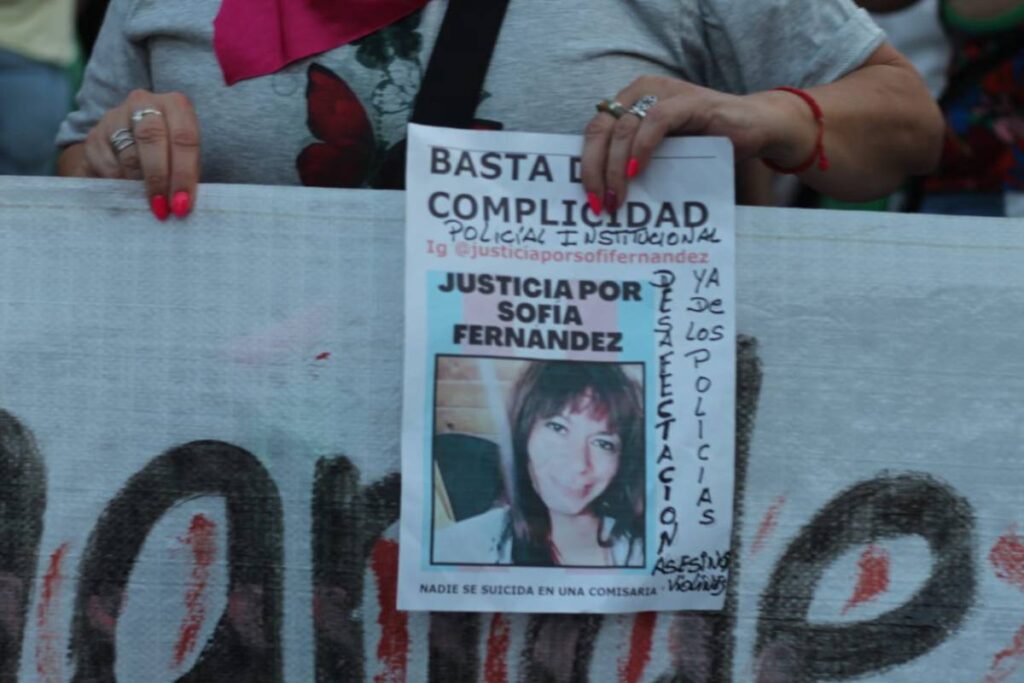
“We are here to defend our rights”
Dalex Galloso, a prominent figure in Chaco and a surgical instrument technician for 28 years, said: “We are here to defend our rights, which this right-wing government is taking away, so that we can continue to maintain what we have achieved in the past. Our community is the hardest hit because there is no real inclusion in the labor market.”
Lali Vargas also reflected on the job market for transgender people. In her case, she was able to access formal employment through the Buenos Aires provincial government under Mayra Mendoza's administration. However, a profound grief compelled her to attend the march: “I come from the transphobic murder of my aunt Liliana Varoli, on June 10, 2023. She was 64 years old and was killed by a homophobe.” Lali explained that she also marched to ensure that rights such as access to education are not lost. She was able to complete her secondary studies at a school in Quilmes: “We must continue to strengthen and defend public policies.”
Similarly, Diana Ortiz, a member of the AMMAR union, reflected on their organization as workers: “People are now listening to us firsthand. We earn our living by the sweat of our brow.”
She further explained: “It’s important to raise our voices because we are killed every 24 hours and people look the other way. We want a state that is present, that sees our cases, that judges trans murders the same way they judge femicides… we don’t feel that the condemnation is the same when a trans woman is killed as when a cis woman is killed.”
A transfeminist ceremony
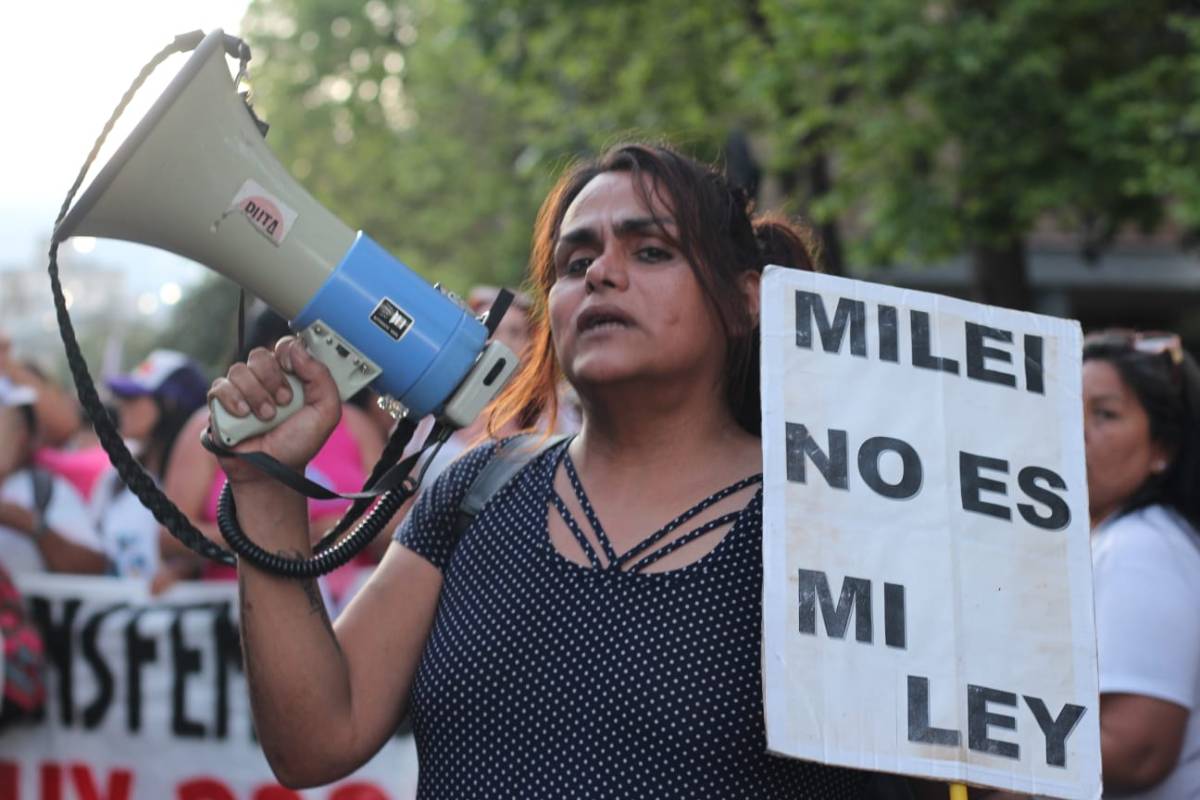
During the first day, the union between women and dissidents was reflected in the diversity of bodies that paraded: grandmothers, young people, transvestites, natives and the youngest who painted a versatile panorama… the signs gave more context: “Brown, Indian, lesbian and anti-racist”, said one.
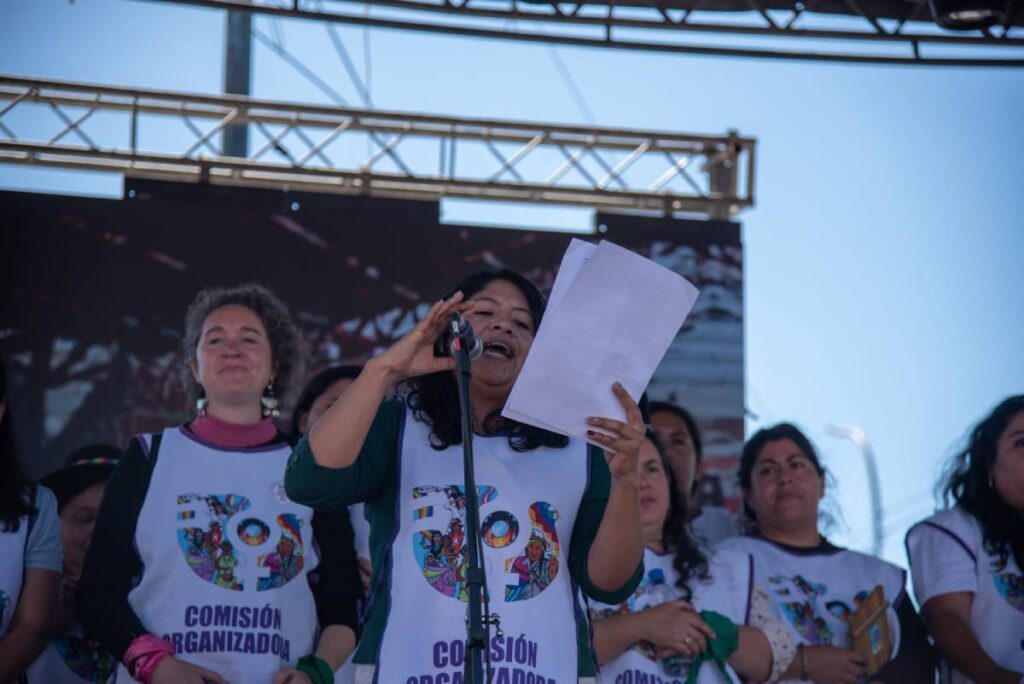
“Five centuries of resistance, five centuries of courage,” chanted the trans-feminist wave embraced by the Jujuy organizing committee. The organizers themselves denounced: “Jujuy has been the laboratory for the repressive and anti-popular model that reigns throughout the country today. In recent years, brutal evictions have been carried out, along with the constant attempts to implement an anti-protest protocol, which we managed to dismantle during the mobilization of March 8, 2023, where we were also repressed.”
And, in the same vein, they expressed their repudiation of Morales's constitutional reform, which they considered "plundering and illegitimate" because it was approved "secretly and behind the people's backs, with bullets and illegal arrests." In response to these statements, the wave of women and dissidents chanted: "Morales, you are a thief, you have lied, you have deceived the people. Morales, you cat, the whole town shouts."
Women in struggle
At the opening ceremony of the Encuentro, she also invoked the names of Cecilia “Chechu” Corregidor and Marisol and Alcira Zuñiga. All three were illegally detained in the town of San Pedro and, thanks to the tireless struggle of their comrades, were released. Another name that resonated strongly was that of Milagro Sala, who has been imprisoned for eight years following political persecution against the Tupac Amaru movement. This movement provided housing solutions for thousands of people in vulnerable neighborhoods.
It was Lidia, Milagro's comrade in the struggle, who told Presentes y Tiempo : “We are demanding Milagro's release. She has been imprisoned for eight years and is still being harassed; even with her illness, she continues to fight every day. We want to tell all the comrades who came from different places that we are here to demand her release.”
Governments change, but the situation doesn't improve for Milagro Sala, who remains under the control of Gerardo Morales, aligned with the policies of President Javier Milei. The province faces the sale of its lands through the Large Investment Incentive Regime (RIGI), which aims to expropriate Indigenous communities from their territories. This has already happened with Radio Estación Tilcara, Caspalá, Los Nogales, Finca el Pongo, and La Esperanza; clearly for the extraction of minerals like copper and lithium, also known as "white gold."
From the stage of the Encounter, they expressed in contrast: “Jujuy is a land of anti-colonial struggle. Where the fight for independence against the Spanish empire was embodied, where Belgrano's sky blue and white flag flew together in the Jujuy Exodus and the Wiphala.”
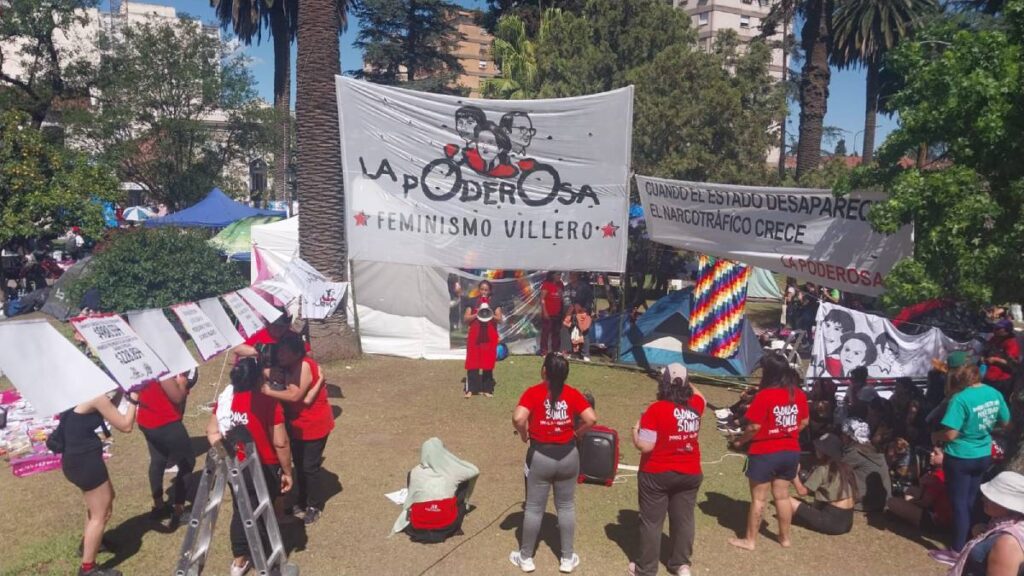
Women's Slum Feminism Round took place , an activity organized by La Garganta Poderosa. The women gathered to discuss "Community work as a brake on drug trafficking (the fight in the time of Milei)."
The veto on rights
The central theme of the 2024 Meeting is undoubtedly the defunding of public policies that improved the lives of women and LGBTQ+ people. One example is the ENIA Plan for the prevention of child pregnancy—which reduced these cases by 50%. Other examples include the Acompañar Program , aimed at women and the LGBTQ+ population in vulnerable situations; and the Access to Justice Centers, which are becoming increasingly scarce across the country.
One of the concerns was the disappearance of the Ministry of Women, Gender and Diversity , and the dissolution of the Undersecretariat for Protection against Gender Violence. Jujuy is the province with the most femicides so far in 2024.
Mónica Cunchilla, a member of Madres de Dolor (Mothers of Pain) and mother of Iara Rueda (murdered in 2020), denounced the privileges enjoyed by her daughter's killer in the province. She told Presentes y Tiempo that her only hope lies in collective action: “I learned about the Encuentros (Meetings) after my daughter's murder. I was on the other side until she was killed in 2020,” she said, adding, “I learned along the way and met wonderful people.”
Regarding the street protests, Cunchilla stated, “The marches we’ve been holding every Tuesday in front of the Government House since my daughter was murdered have been a great help. All we want is to be heard and for our rights to be respected.” And, regarding the defunding policies implemented by Javier Milei, she said, “I don’t see a solution; on the contrary… I see that femicides have increased. And in these cases, it’s worse because there are mothers who leave behind five children; there’s no remedy for that, like opening or closing a government office.”
This weekend, San Salvador de Jujuy became the historic epicenter of activism and struggle for the trans and travesti community, who took to the streets with a single demand: to not take a single step backward in the fight for their hard-won rights. Saturday's events will culminate in the massive march that takes place at every edition of the Encuentros (Meetings).
This article was produced jointly with Tiempo Argentino.
We are present
We are committed to journalism that delves into the territories and conducts thorough investigations, combined with new technologies and narrative formats. We want the protagonists, their stories, and their struggles to be present.
SUPPORT US

FOLLOW US
Related notes
We are present
This and other stories are not usually on the media agenda. Together we can bring them to light.