

What are the main challenges that Claudia Sheinbaum, the first female president of Mexico, will face?
What are the main "second floor" challenges that Claudia Sheinbaum faces as she assumes the presidency of Mexico's first female president? Here's what activists and experts told us.


Share

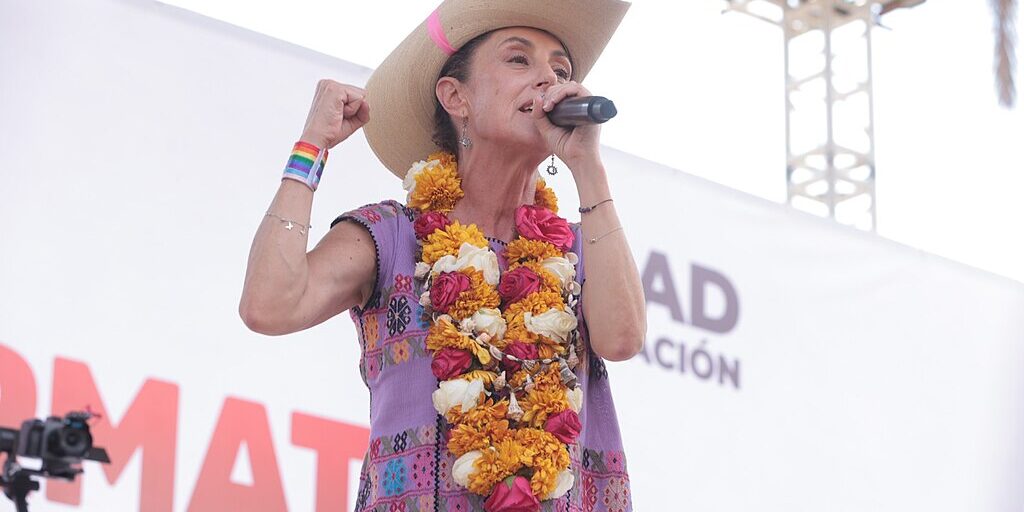
MEXICO CITY . A human rights crisis, military occupation of civilian tasks, hotspots of violence and vulnerable groups such as transgender people, shortcomings in addressing diversity, a strained relationship with feminism, deficient systems for collecting data for public policy, violence against journalists, shortages of medicines, and an insufficient tax collection policy for large taxpayers. These are some of the elements that shape the scenario in which Claudia Sheinbaum Pardo , the first woman in Mexico's democratic history and the most voted-for woman in the country's history, will occupy the Presidential Chair.
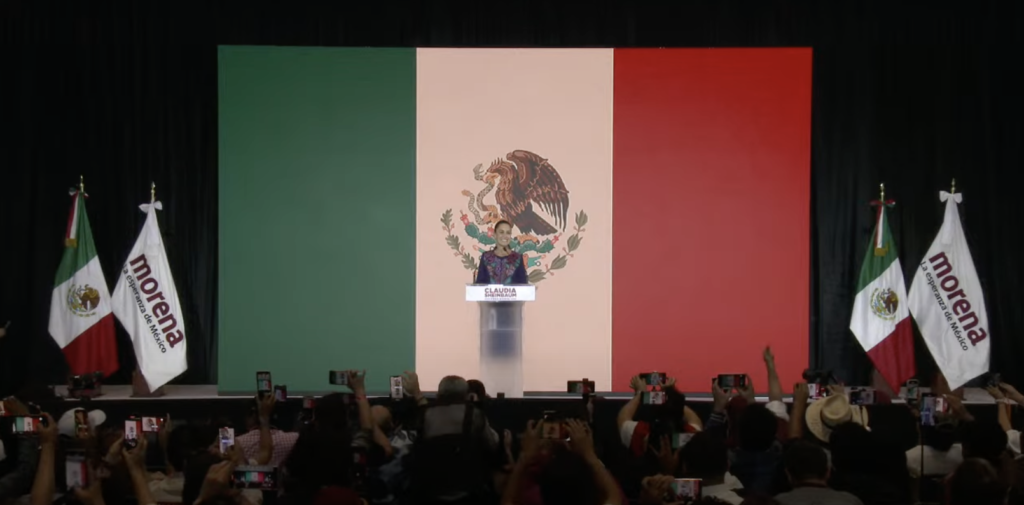
What are the main challenges that the new president of Mexico is about to face?
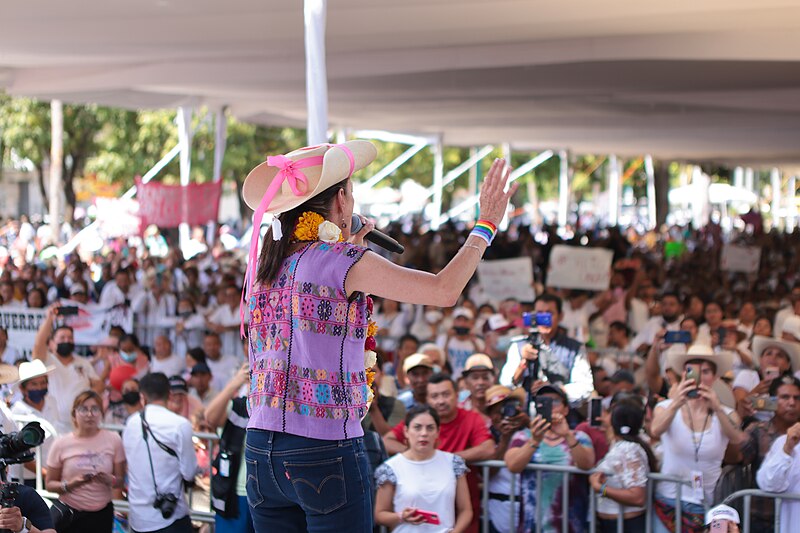
Presentes spoke with feminist and LGBTQ+ activists, as well as academics, to gain a comprehensive understanding of the issues. These ranged from the debts owed to the LGBTQ+ community to the most essential fundraising needs and the government's responsibility to feminist and LGBTQ+ movements—a principle the president herself emphasized in her victory speech . "We will respect and ensure respect for political, social, cultural, gender, and sexual diversity. We will continue fighting against all forms of discrimination , she affirmed at the Hilton Hotel in Mexico City.
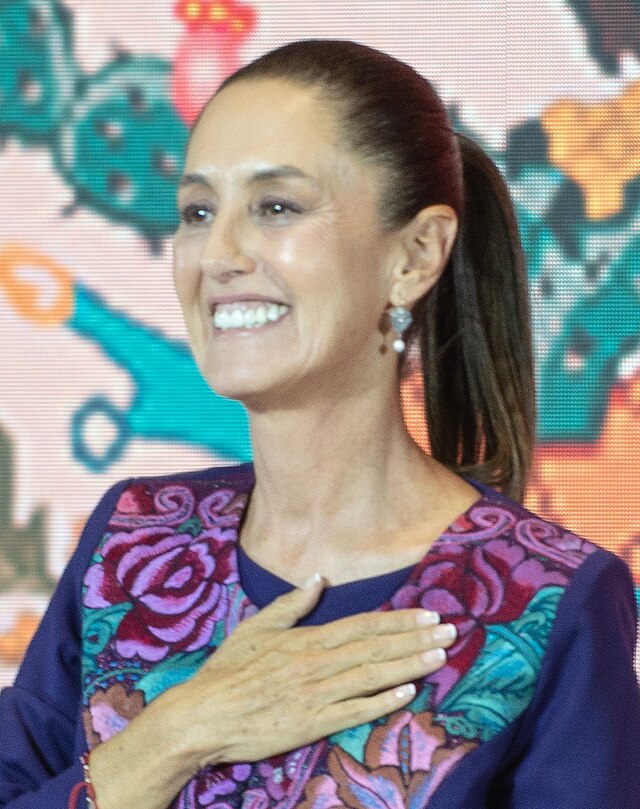
Photo: Wikimedia Commons, Eneas Mx.
Mario Bustamante, a representative of the Mexico City Pride March, asserts that the main issue the new president will inherit is the proper antiretroviral treatment for people living with HIV . “As long as someone doesn't have medication, there will be a shortage,” he says. The activist's words come from the period of the COVID-19 pandemic, when health authorities decided close services for people living with HIV in order to provide services to COVID-19 victims.
Bustamante asserted that issues such as the possibility of registering as a non-binary person in official documentation and in procedures such as the voter ID or passport, for the activist, have much room for improvement.
The reality that Mario Bustamante describes coincides with that of Frida from Nosotrx . The organization where she collaborates as head of the health and wellness cause is dedicated to collecting data on medications. They also support patients in managing their prescriptions so they don't have to stop filling them.
Nosotrxs' concern points to mismanagement where Birmex's concentration of power in the supply chain disrupts the supply to people and complicates the effectiveness of treatments for diseases requiring high precision. This concern is further fueled by the fact that even state institutions have had to intervene to compel the state-owned company Birmex to make its supply reports .
“Birmex will be in charge of the entire supply chain for medicines, vaccines, and medical supplies. And it's the one behind the megapharmacy. To date, it hasn't delivered the desired results. We're concerned that the challenge will be too much for them logistically. And we'll face shortages because they haven't succeeded so far,” says Frida Romay.

Between hugs and gunshots
Following the approval of the integration of National Guard (GN) elements into the ranks of the Armed Forces or Military Forces, it is essential to analyze the impact it will have on people's daily lives, says Lilian Chapa Coloffón, former member of the World Justice Project (WJP) and security expert.
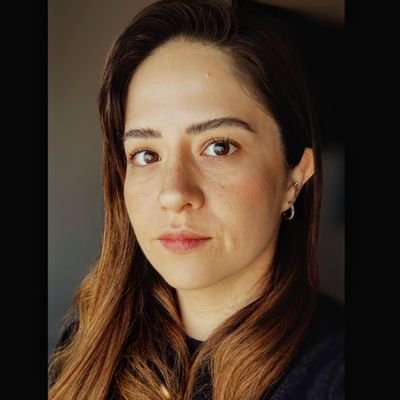
“Yes, we need the National Guard on the streets, but in a transparent and community-oriented way,” he explains. One of the most relevant issues Chapa Coloffón analyzes is the use of the Armed Forces in high-conflict zones and the conditions under which these defense forces operate. For example, the type of ballistics used by the National Guard is sometimes insufficient to confront organized crime groups. Another issue is the working conditions of these National Guard members, who often have to work without strategic criminal prosecution, action from the Financial Intelligence Units (FIUs), or job security.
“In Culiacán, and many other areas in Tierra Caliente, where there are situations similar to an armed conflict and an almost total absence of authorities, I do believe that they may feel at least temporarily safer. Obviously, it depends on the context; it generates different reactions,” he explains.
Worrying indicators
Regarding the security conditions under which the new president will take office, the expert believes Claudia Sheinbaum will assume the presidency in a country with worrying indicators. This is primarily because, despite a decrease in the number of intentional homicides, 15,082 homicides were recorded in Mexico from January to June 2023. The rate was 12 homicides per 100,000 inhabitants nationwide, according to the National Institute of Statistics and Geography ( INEGI ). This figure, being so high, should be of great concern to the authorities .
“I believe that, whether we like it or not, one of the main indicators (for measuring security) is the number of homicide investigations opened. If we can say that part of the country's security can be measured by knowing the number of intentional homicides (…) I think that no one can be satisfied with the number or figure of homicides that this administration closes,” he comments.
Diversities, another challenge that can be observed from afar
So far in 2024, at least 50 transgender women have been victims of femicide in Mexico. This is according to figures compiled by the National Trans and Non-Binary Assembly and the Transcontingenta collective. The data also concerns the Inter-American Commission on Human Rights (IACHR), which expressed this concern in a statement.
The Morena administration is not only ending its term with a problem of violence stemming from organized crime. These indicators already reveal a direct impact on the LGBTQ+ population. This year, 2024, is becoming one of the most violent for Mexican trans women.
An attack on journalists every 14 hours
Another problem to be addressed is the violence perpetrated against journalists and media workers. According to Leopoldo Maldonado, director of Article 19, there is one attack on the press every 14 hours . This issue, according to the expert, should be considered a top priority for the new administration. “The situation is very serious. The patterns of violence against the press, which skyrocketed practically from the beginning of the war on drugs under Felipe Calderón, have not been reversed,” he says.

The great challenge facing the new administration will be to curb violence and manage a healthier relationship between economic, political, and social power and those who work in the media..
Even before taking office as president, Claudia Sheinbaum, a member of the Morena party, was criticized by civil society organizations for selecting Renata Turrent as head of Canal 11. This was due to the broadcast of a program called El Aquelarre de Capital 21, in which guests made transphobic comments.
Leopoldo Maldonado emphasizes that another major challenge for the new president will be the transparent allocation of the official advertising . He also mentions the decentralization of the radio spectrum and the implementation of measures to include community broadcasters in public media programs .
Nearshoring and the battle for decent work
“The battle is not easy,” says Samuel Rosado-Zaidi, a professor of Geography and an economist at the National Autonomous University of Mexico (UNAM). This is due, he says, to the country’s many economic shortcomings, primarily regarding resource management and its relationship to people’s well-being.
The academic is particularly concerned about two elements of national finances. The first relates to how we will manage abroad . That is, the outsourcing of cheap labor (in countries with weak labor laws) to reduce the cost of supply chains. The second point of analysis for the academic and environmentalist is budget management and the idea of republican austerity .
“There is a certain inertia when it comes to industrial economic policies. For example, regarding the use of what is called nearshoring , its emergence also implies that public policy on investment or industry is geared towards productive integration in those sectors. Instead of generating productive linkages and integrating sectors within the Mexican economy, foreign investment is prioritized ,” he asserts.
And the problem, for Rosado-Zaidi, is not foreign investment or the export economy. It's the impact those same companies have on society .
It is important to mention that all the people interviewed also acknowledged the progress in the country and emphasized the need to establish dialogue among all people who build collective processes that promote the improvement of life under conditions of equality.

Along the same lines, we at Presentes asked experts for their opinions on what they consider the most urgent issues to address once Claudia Sheinbaum assumes the Presidency. Here's what they responded:
- Leopoldo Maldonado, freedom of expression and the media (Article 19):
"The most urgent thing, for me, is to tone down the confrontation and virulence against the press in my discourse, being clear that this is not the absolute solution but it would help a lot to find it."
- Mario Bustamante, Sexual Diversity (LGBTTIQ+ Pride March):
“If I were to become president tomorrow, I would train the entire government on the rights of the LGBTQ+ community . It is urgent to raise awareness in the states where the community experiences the most violence.”
- Frida Romay Hidalgo, Health and Wellbeing (Us):
“For me, the most important thing would be to have a well-built, standardized open health data information system. And for all institutions to share it. Currently, decisions are made without a clear understanding of where we stand. No institution really knows how many resources or supplies it has. This would truly strengthen the Health System.”
Ramuel Rosado-Zaidi, economic policy (UNAM):
“At the very least, a public program for industrial planning that manages to consolidate sectors in strategic positions, without causing environmental or civilizational collapse . Programs like this are already underway in the European Union. For example, the Sentiero project in Italy, which seeks to document, through science, the impacts of economic deregulation of businesses. I would start there, with a redesign of industrial policy.”
- Lilian Chapa Koloffon, Homeland Security (WJP):
"If I were to become President, I would undertake a profound reform, if not a complete overhaul or refounding of the country's public prosecutor's offices and the legal framework for criminal investigation."
We are present
We are committed to journalism that delves into the territories and conducts thorough investigations, combined with new technologies and narrative formats. We want the protagonists, their stories, and their struggles to be present.
SUPPORT US

FOLLOW US
Related notes


We are present
This and other stories are not usually on the media agenda. Together we can bring them to light.