

Peru: An intersex person demands recognition of their identity from the Constitutional Court
For the first time, and with legal support from the NGO Promsex, Eidan, an intersex person, is demanding recognition of their rights. They are requesting a change of sex and name on their official documents and access to healthcare. The Constitutional Court will make a decisive decision.


Share

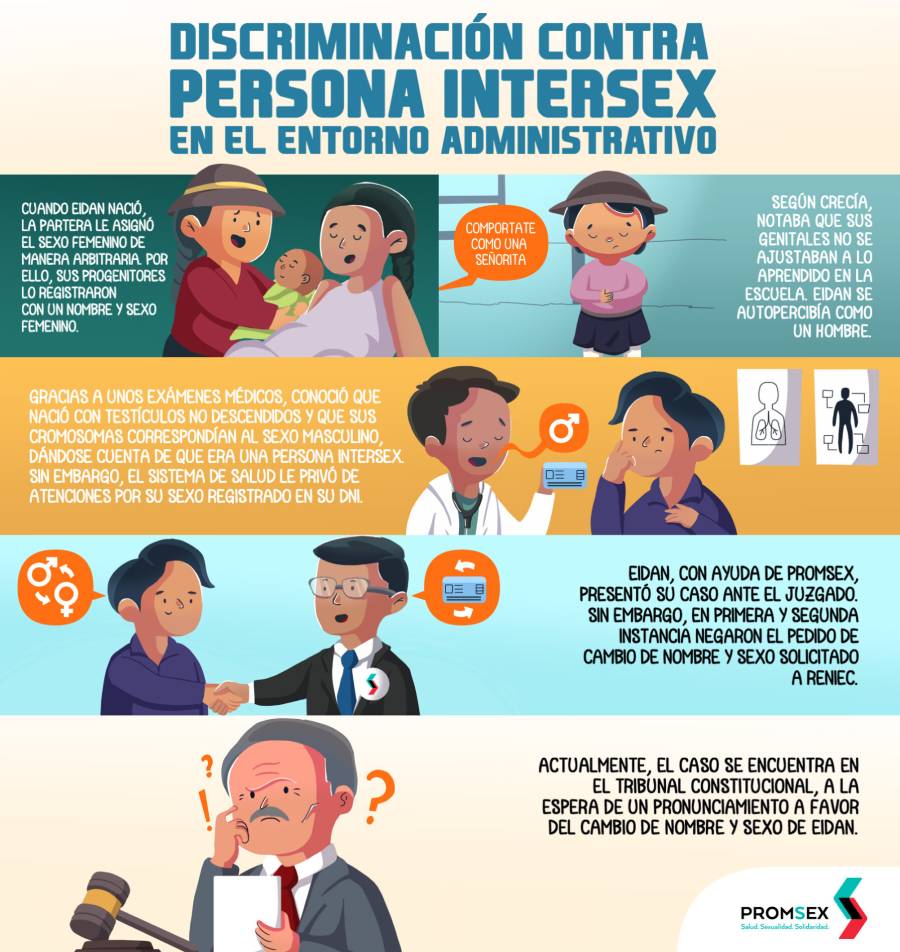
LIMA, Peru. Forty-three years ago, in Huánuco, in the Peruvian highlands, Eidan was born at his parents' home. After a quick examination, the midwife arbitrarily determined that he was a girl. Thus, his parents registered him with a female sex and name. Eidan, his name, was chosen by him later, because he identified as a man. Throughout his childhood and adolescence, he was treated as a girl, despite his aversion to dressing and following roles historically assigned to the female sex.
According to the lawsuit filed by the NGO Promsex , which Agencia Presentes had access to, as he grew up he noticed that his genitals did not conform to the morphology of “a female body.” Eidan preferred to play soccer with boys and wear loose clothing, which was frowned upon by his parents and his community.
When he finished school, tired of enduring discrimination and violence, he ran away from home. He moved to Lima and studied obstetrics at the National University of San Marcos. Once he gained his independence, he began to adopt a masculine gender expression and called himself Eidan.
In 2017, thanks to the knowledge he had gained in his profession, and in order to find an explanation for what was happening to him, Eidan underwent medical examinations. He learned that he was born with undescended testicles, other intersex physical characteristics, and XY chromosomes, which are considered male sex chromosomes. He learned that he was intersex.
For some time now, Eidan has been fighting for his rights: to identity and to health. The Constitutional Court is the body that must decide his future and that of intersex people in that country.
Intersex: a form of bodily diversity
According to the Office of the United Nations High Commissioner for Human Rights (OHCHR), “intersex people are born with sex characteristics (such as sexual anatomy, reproductive organs, hormonal and/or chromosomal patterns) that do not fit typical binary concepts of male and female bodies.” Meanwhile, the NGO Planned Parenthood Global emphasizes that “being intersex simply means you were born with a variation that occurs naturally in humans.”
The United Nations (UN) estimates that 1.7% of the world's population is born with intersex characteristics.
Through their lawsuit, Eidan, together with Promsex, seeks respect for the bodily diversity of intersex people and the urgent need to guarantee fundamental rights, such as gender identity, equality, and health. They also denounce the lack of internal procedures and public policies that address the specific needs of this invisible and vulnerable community.
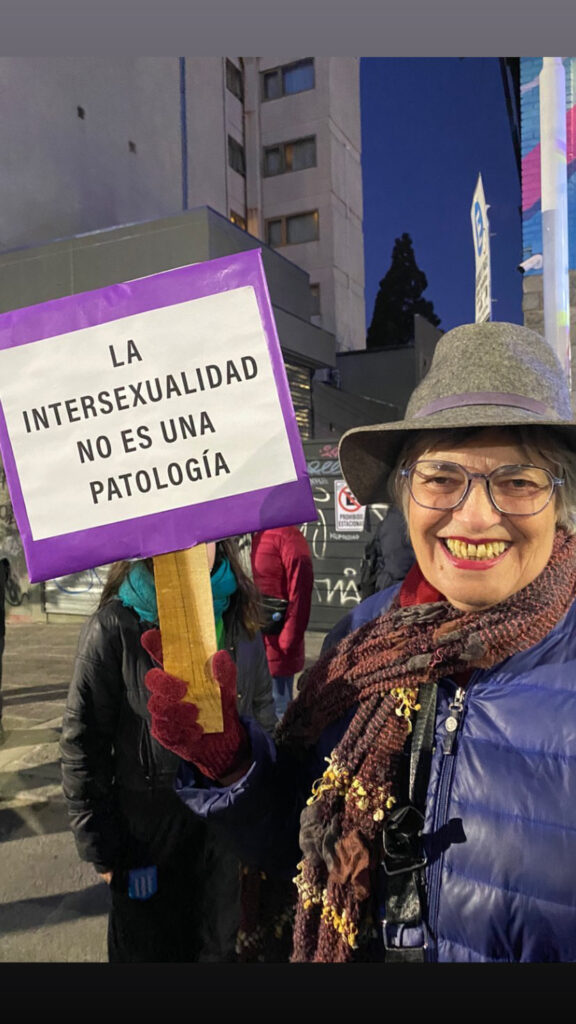
Intersexuality is not a pathology, as the Peruvian state continues to consider it. “Intersexuality is not an illness. International intersex activism emphasizes that if intersex people have any health problems, they are not related to the appearance of their genitals. Therefore, non-consensual genital surgeries must stop,” Marina Elichiry, an Argentine doctor and ally of the intersex movement, told Presentes . The main demand of the intersex movement worldwide is an end to mutilating surgeries on the genitals of intersex babies, which the UN has classified as torture.
In this context, Peruvian authorities should be aware of a piece of news that has gone largely unnoticed in our country. On April 4th, the UN Human Rights Council adopted a landmark resolution in support of the rights of intersex people. It calls on countries to end discrimination, violence, and harmful practices against this community.
Repeated humiliation
On May 30, 2018, Eidan, with the support of Promsex, filed a writ of amparo (a constitutional protection action). The main request ordered the National Registry of Identification and Civil Status (Reniec) and the municipality where he was born to modify his birth certificate and National Identity Document (DNI) to reflect his sex as "male" and his name as "Eidan Kaletb".
Edith Arenaza, legal advisor for Promsex, tells Presentes that her client's rights are constantly violated in every aspect of his life. One of the main reasons is that his gender identity is not respected on his identity documents. “At work, for example—Eidan works for the government as an obstetrician—for any internal communication, at the health center level, he receives letters with his legal gender name. These letters pass through various hands, and his colleagues start talking about them, which creates a very painful situation for him,” she explains.
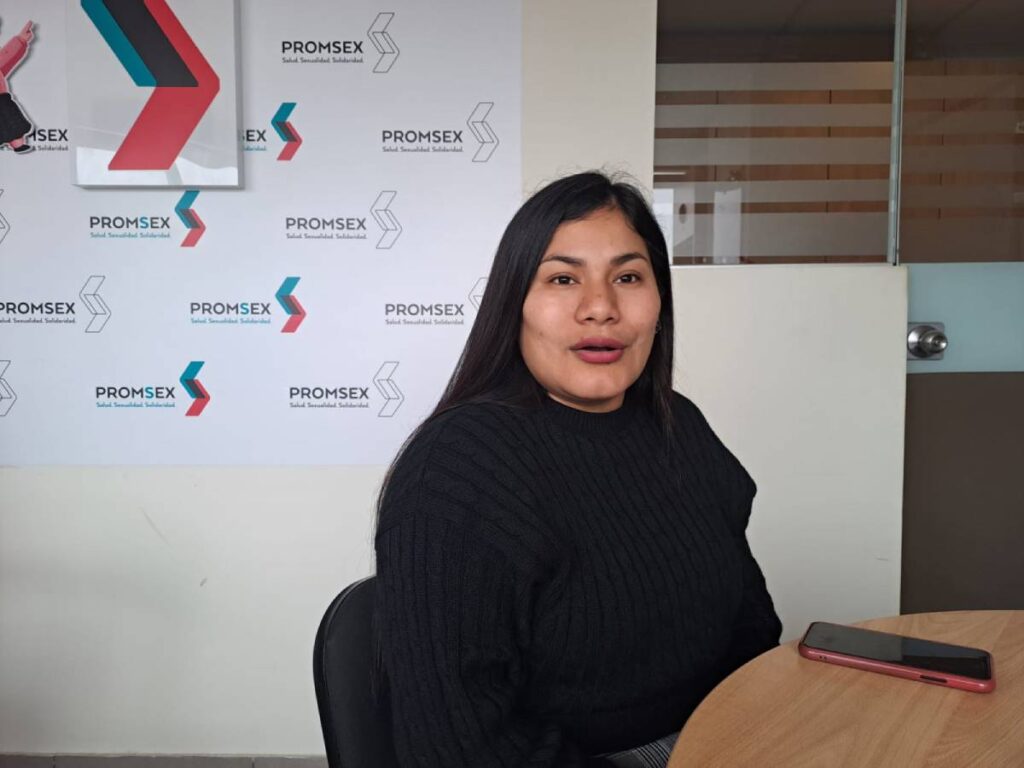
Photo: Melissa Goytizolo.
The court that heard the case denied the request in both the first and second instances. It stated that "jurisprudence has established that requests for name and gender changes are processed through a summary procedure." Promsex filed an appeal for constitutional review, and the case is now before the Constitutional Court (TC) awaiting a ruling.
On July 24, a public hearing was held at the Constitutional Court regarding Eidan's case. A representative from the Reniec public prosecutor's office made it clear that their institution does not agree with the change of sex and name for Eidan on his identity documents.
Intersex community health at risk
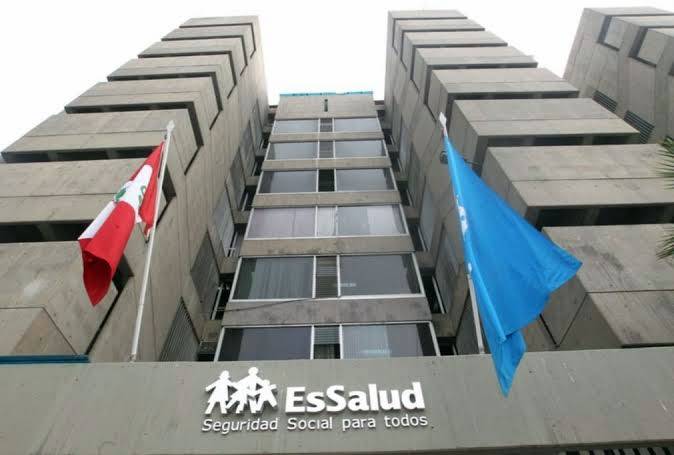
Eidan contacted Promsex more than six years ago because his life was at risk. As an insured member of the Social Health Insurance (EsSalud), he faced barriers to accessing healthcare services. The reason was that he was registered in the system as female. According to Promsex, his karyotype test (a test to examine chromosomes in a cell sample) was not recorded because it did not correspond to the patient's registered sex. Consequently, he was unable to access the necessary complementary tests and specialized care, despite experiencing severe pain and a risk of testicular cancer.
“According to the programming of the Hospital Management System software in effect at the hospital where he received care (Eidan) – and in all those belonging to EsSalud – those requests were authorized only for legally male individuals. Thus, his care was contingent upon the legal sex assigned in his identity documents ,” the NGO states.
In this regard, Edith Arenaza explains that one of the fundamental objectives of this litigation is for the Constitutional Court to declare the limitation of healthcare services to individuals based on the sex assigned in their national identity documents, rather than on their health needs, to be an “unconstitutional state of affairs .” “What is happening to Eidan is also happening to other people, such as intersex individuals. If the Constitutional Court declares this right violated, these practices will be declared unconstitutional,” she asserts.
No access
Intersex people are not the only ones harmed by this Hospital Management System software; trans people are also affected. “If I am a trans man and my ID has already been changed to reflect my male gender, but I still have a uterus, I will need a gynecological appointment. If this system continues as it is, even if I have changed my ID, I still wouldn't be able to access this service,” Brenda Álvarez, a lawyer with Proyecta Igualdad Presentes
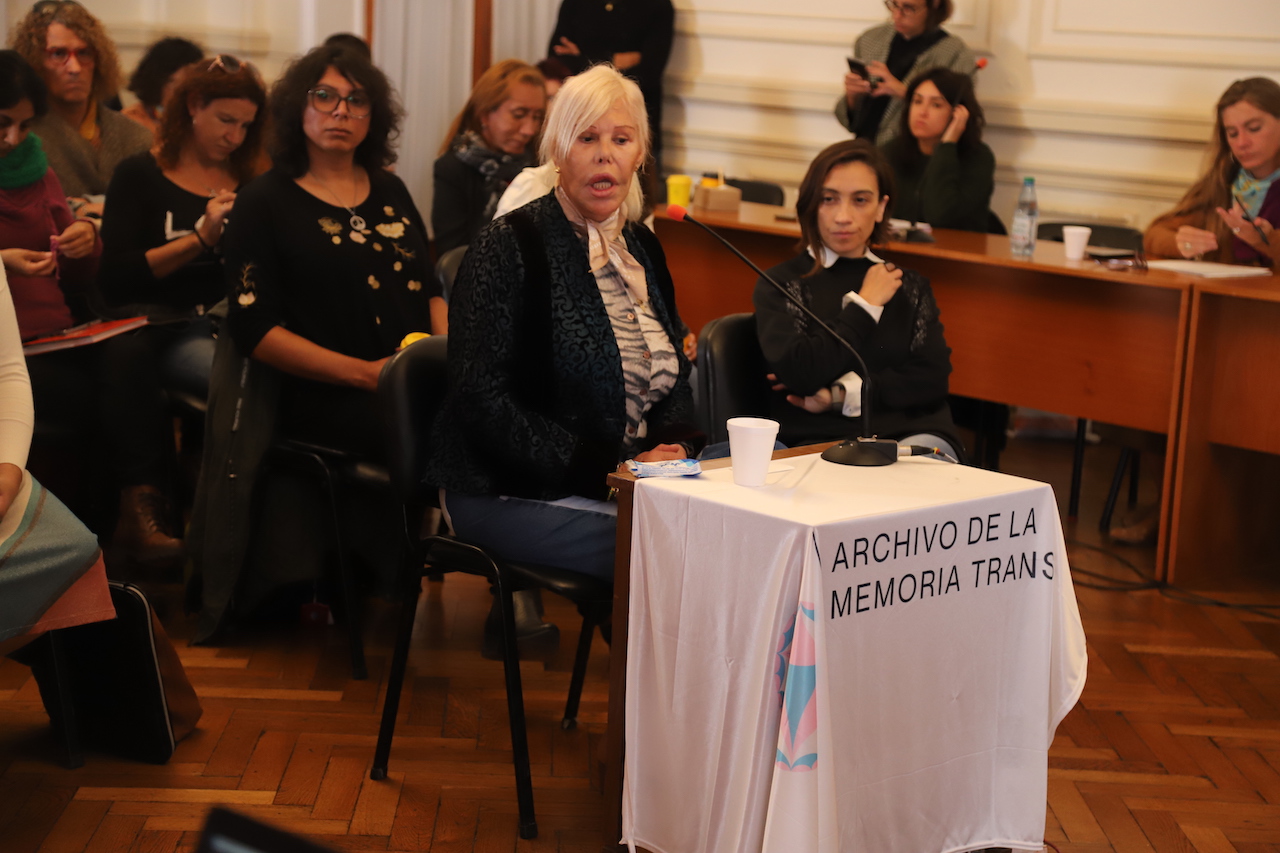
The medical expert handling Eidan's case for this litigation is Dr. Marina Elichiry, a specialist in Gender and Sexuality. She compiled her medical report using Eidan's medical records from the institution where he always received treatment, and through interviews with him.
Elichiry tells Presentes that for many years Eidan was at high risk of testicular cancer. He was only able to have surgery in 2018 thanks to the intervention of Promsex. She also notes that, to date, she has confirmed that Eidan does not have annual checkups of his testicles. He also does not have annual hormone tests to monitor his testicular function. She says this situation is due to three reasons: the gender-based restrictions of the EsSalud system, the systematic mistreatment he has received due to the lack of understanding from the staff who attended him, and the lack of specialized intersex teams that could provide him with reliable information about the risks he faces and the tests he needs to undergo periodically.
“We are talking about an adult whose right to health and identity is being severely violated, with the risk of endangering their life,” the expert says.
“EsSalud would be failing to fulfill its obligation”
The initial ruling by the court that heard the case declared the situation "unconstitutional." It ordered EsSalud to update the software of its Hospital Management System within a maximum of two months. However, EsSalud appealed and won on appeal.
In its defense, in August 2020, EsSalud stated that its system is interconnected with the National Registry of Identification and Civil Status (Reniec). Therefore, they claim, it cannot make any modifications to the information provided by this institution. It also maintained that “due to the interoperability of public entities, the Hospital Management System works with the information it extracts from the system. And that this information would change if the plaintiff were to modify their data using the appropriate legal channels.”
Brenda Álvarez, who was also Eidan's lawyer, argues that EsSalud is failing in its obligation to guarantee the right to health for all people, without discrimination. “ What EsSalud is proposing, simply put, is that to ensure access to healthcare for people in situations similar to Eidan's, Reniec or the Judiciary must first adjust the sex indicators. A process that can take six years or more, if we're lucky. This delays access to healthcare services,” she explains. Álvarez emphasizes that this situation violates the right to health established in the General Health Law , which guarantees priority and timely access to medical services.
Insurance that excludes
In its defense, EsSalud also states that Eidan's right to health has not been violated, because the National Superintendency of Health (Susalud) indicates in a report that the hospital where the plaintiff was treated fulfilled its obligation to provide access to healthcare despite the IT barrier. It also affirms that it continues to attend to the plaintiff's needs because "during 2019, five instances of the insured's care were registered in the EsSalud Information System."
Álvarez explains that these services were provided after Eidan was able to obtain legal counsel (from Promsex) and the intervention of the Ombudsman's Office. “Not everyone in Eidan's situation has a lawyer and can get the Ombudsman's Office to intervene to access healthcare. It's absolutely unreasonable,” she states.
For her part, Edith Arenaza points out that, to date, due to the rotation of the hospital where Eidan is assigned because of his work as an obstetrician (he works in different parts of Peru), in order to access medical care, “he has to give a whole explanation to the administrative and health staff. This situation even makes him give up on going to the care he requires ,” and she emphasizes that “until EsSalud modifies (its system), people's lives will be at risk.”
Presentes contacted EsSalud to request an interview regarding the violation of Eidan's health rights and those of intersex people. We waited many days, but received no response.
A cruel process
Eidan and Promsex are also requesting that the Constitutional Court declare the lack of an administrative procedure for intersex and transgender people in Peru to change their names and gender to an “unconstitutional state of affairs.” Edith Arenaza explains that currently, this process must be carried out through the courts, which takes years and requires hiring a lawyer. This constitutes a barrier to exercising and enjoying the right to gender identity and the free development of one's personality.

Photo: Peruvian Constitutional Court website.
The initial ruling by the court that heard the case declared the current situation unconstitutional and ordered Reniec, within a maximum of one year, to implement an administrative procedure. However, Reniec appealed and won on appeal. “We urge the Constitutional Court to issue a ruling that guarantees respect for the identity of all intersex people, free from discrimination, and that ensures equality in all spheres of life,” states Promsex. The justices who will issue the ruling shortly must not forget that they are obligated to protect and guarantee the rights of all citizens.
We are present
We are committed to journalism that delves into the territories and conducts thorough investigations, combined with new technologies and narrative formats. We want the protagonists, their stories, and their struggles to be present.
SUPPORT US

FOLLOW US
Related notes
We are present
This and other stories are not usually on the media agenda. Together we can bring them to light.