

Peru: Reports of punishment of "effeminate" boys in an indigenous community in the Amazon
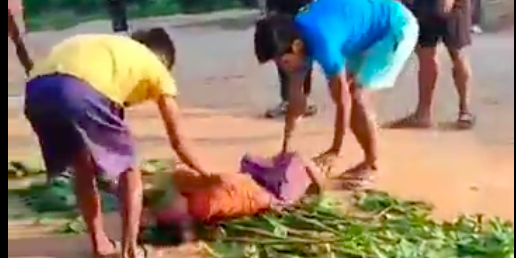
A video has gone viral showing an indigenous community in Bagua, Amazonas department, where children are tortured with nettle plants.


Share

A video sparked outrage from the Peruvian LGBTI+ community after showing two children being punished for "feminine behavior" in an indigenous community in the province of Bagua, in the department of Amazonas.
In the images, the children scream and cry in pain after being subjected to physical contact with nettles, plants that have stinging hairs on their stems and leaf edges. These hairs cause burning, itching, and inflammation that lasts for several days.
"These severe punishments are supposedly exemplary. They do this to boys who exhibit effeminate behavior. The parents or members of the community assume that because of this behavior, these boys are already homosexual, and that's why they shouldn't exist. What they want is for these boys to be more 'manly,'" denounces Euner Kajekui, a gay activist of Awajún origin, who published the video to raise awareness of the torture that children receive in that part of Peru.
Euner points out that since ancient times there have been gay or trans people among indigenous communities who have not received this type of punishment. Therefore, he sees this practice as an influence of current politics, which at different levels has shown itself to be against the LGBTI population.
Likewise, religious beliefs lead them to see them as human beings who deserve to be punished because they personify the evil of humanity.
"They see us as sinners, the main cause of evil, since for them homosexuals are children of the devil, and that we will never be good for society. They spread the idea that there should be no homosexual people in indigenous communities," Euner points out.
Talks to "restore the original design"
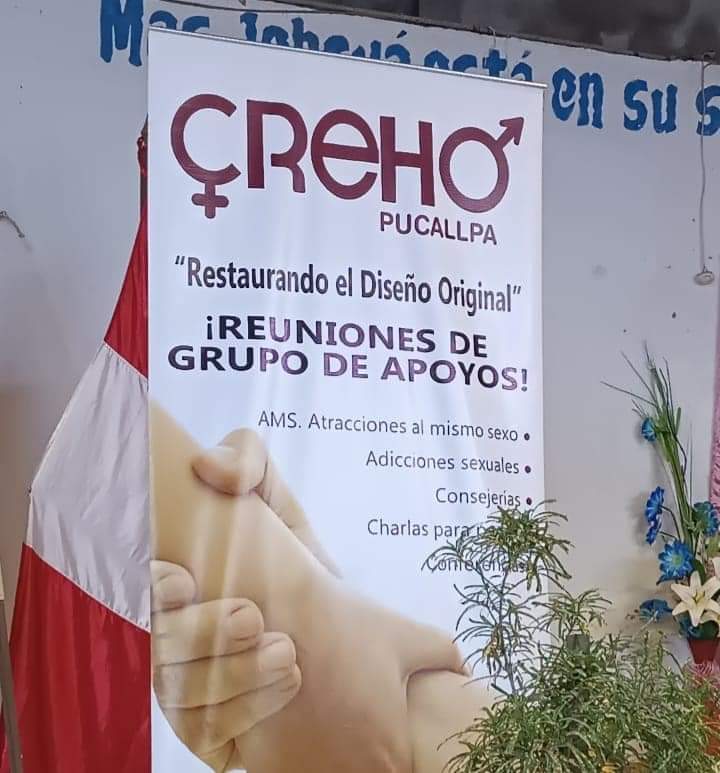
This case of torture of the two children comes on top of a complaint filed a few months ago against an evangelical organization, also in the Peruvian jungle. There, talks and conferences are offered to address same-sex attraction and sexual addiction through faith.
It should be noted that "conversion" practices can involve physical violence, but also psychological violence where the aim is to make the victim feel guilty for having a sexual orientation other than heterosexual, as well as a dissident gender identity and expression.
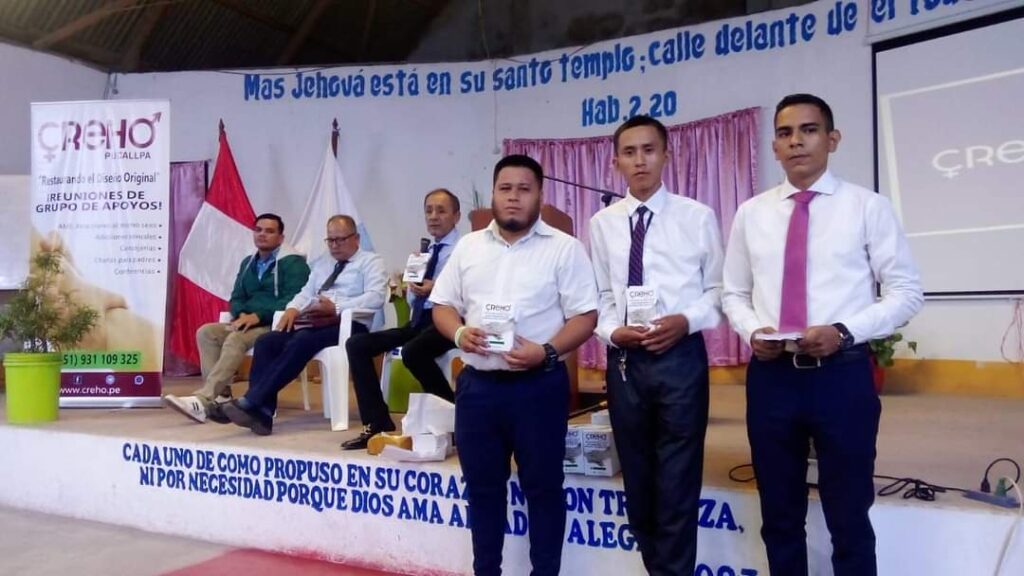
A 2020 United Nations report detailed three types of so-called “conversion therapies”: psychotherapeutic interventions based on the belief that sexual or gender diversity originates from abnormal upbringing or experience; medical practices based on the idea that LGBTI people have an illness; and faith-based interventions, which operate under the premise that there is something intrinsically evil about these people.
Response from the Peruvian State
After the complaint went viral, the Peruvian government issued a statement through its official social media channels. The Ministry of Women and Vulnerable Populations condemned all forms of violence against children and adolescents.
🔴 We reject all forms of violence against our children and adolescents | The Ministry of Women and Vulnerable Populations (MIMP) has obtained a video circulating on social media showing children being physically punished in an indigenous community in our country. We are taking measures to… pic.twitter.com/2uNjtbExGE
— Ministry of Women and Vulnerable Populations (@MimpPeru) August 31, 2024
“The Ministry of Women and Vulnerable Populations (MIMP) has obtained a video circulating on social media showing the physical punishment of children in an indigenous community in our country. We are taking steps to identify the location of the incident and any potential victims, in order to intervene and contribute to their protection,” the Ministry of Women and Vulnerable Populations posted on X.
For its part, the Ministry of Culture published a thread along the same lines as the MIMP.
The Ministry of Culture categorically rejects any form of physical violence towards girls, boys and adolescents and any act that violates their fundamental rights and dignity.
— Ministry of Culture (@MinCulturaPe) August 31, 2024
“The Ministry of Culture has obtained a video circulating on social media that shows the mistreatment of children from an Awajún indigenous community, an act we strongly condemn. The Ministry of Culture categorically rejects any form of physical violence against children and adolescents and any act that violates their fundamental rights and dignity,” they stated.
Furthermore, they specified that they were coordinating with the MIMP actions to guarantee the protection of children, ensuring that all actions are carried out with cultural appropriateness.
LGBTI activists and collectives in Peru are already organizing to take action to protect and safeguard the abused children, especially since their parents are the ones who agreed to punish them in such an abhorrent way.
We are present
We are committed to journalism that delves into the territories and conducts thorough investigations, combined with new technologies and narrative formats. We want the protagonists, their stories, and their struggles to be present.
SUPPORT US

FOLLOW US
Related notes
We are present
This and other stories are not usually on the media agenda. Together we can bring them to light.