

Mexico: What do the more than 50 transfemicides so far in 2024 tell us?
At least 50 trans women have been victims of transfemicide in Mexico so far in 2024, a high number compared to previous years. How should we interpret this urgent data to stop the violence? What does the context reveal about the inequalities that permeate the lives of trans women?


Share

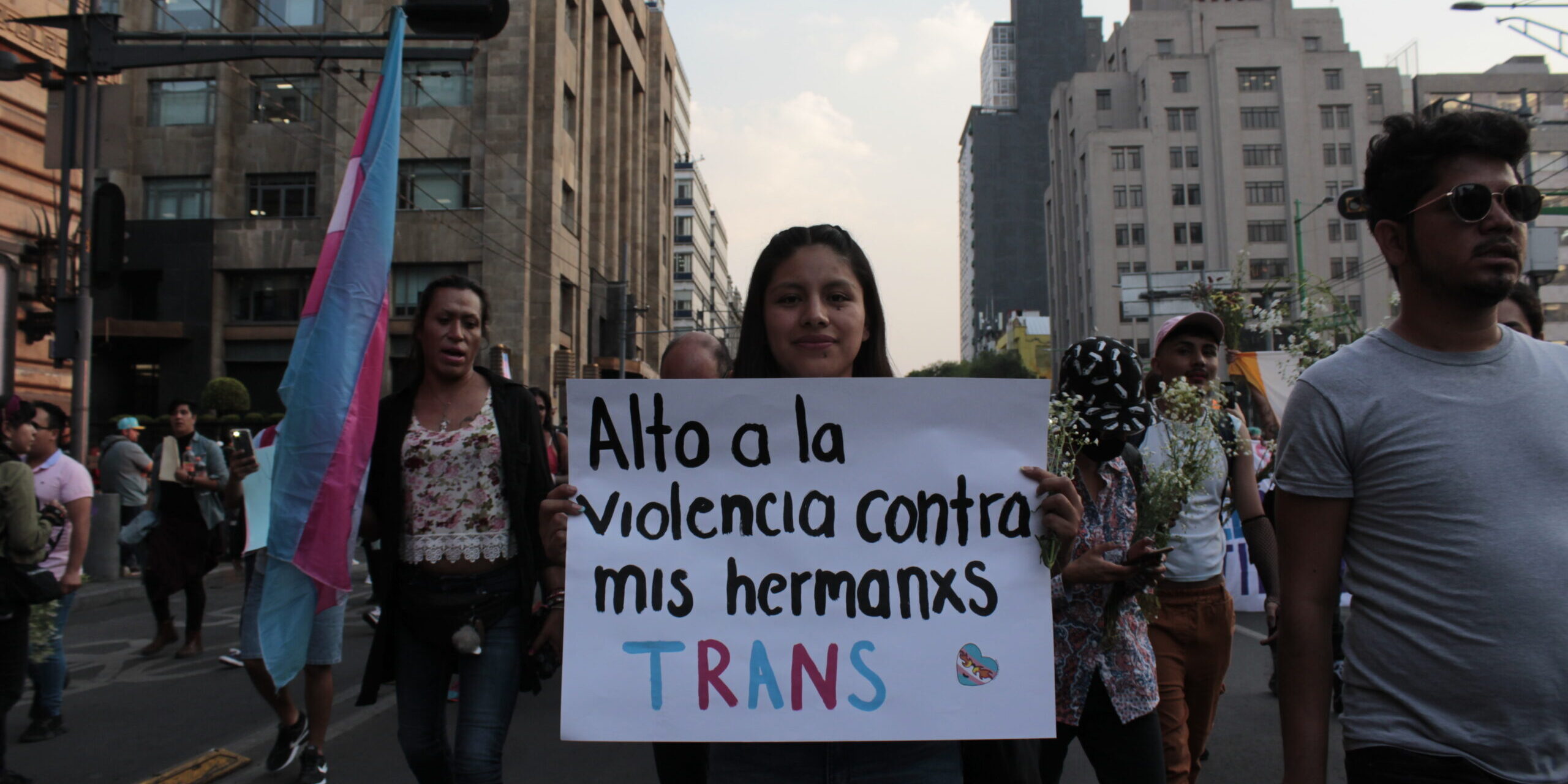
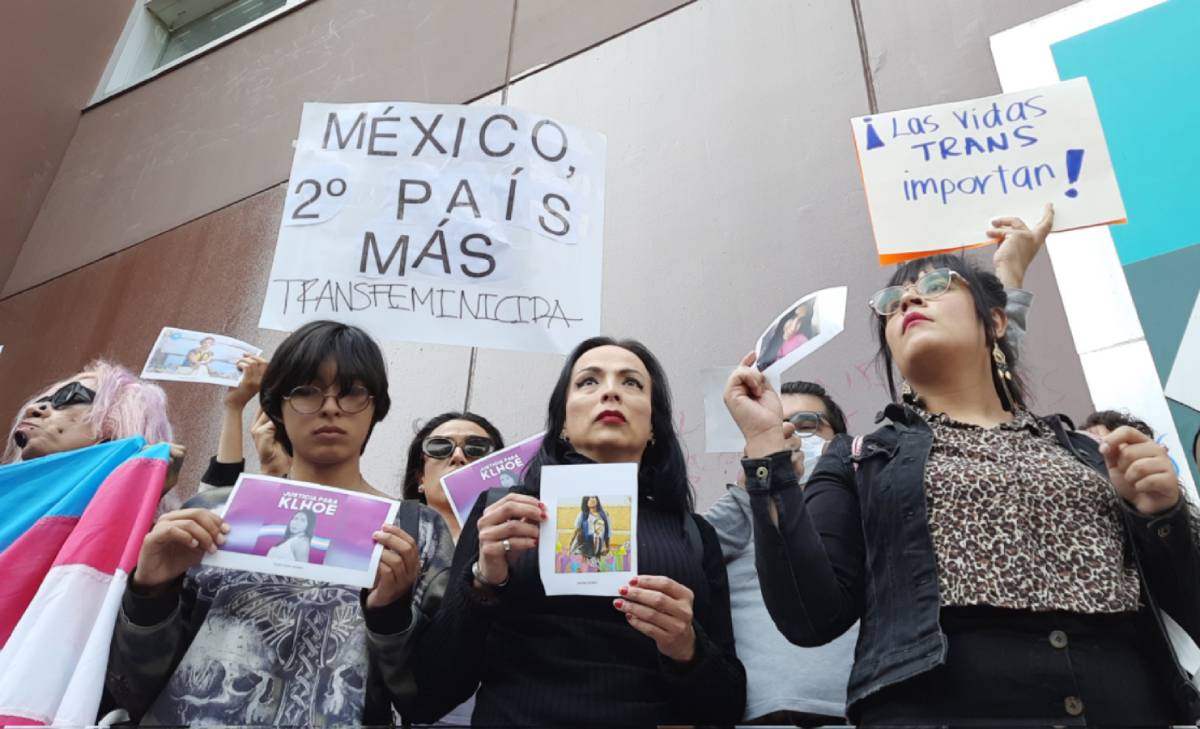
Mexico City, Mexico. So far in 2024, at least 50 transgender women have been victims of femicide in Mexico, according to data compiled by the National Trans and Non-Binary Assembly and the Transcontingenta collective. This is a high number compared to previous years. The Inter-American Commission on Human Rights (IACHR) has already expressed its concern regarding these figures.
To put this into perspective, it's important to mention that in 2023, the organization Letra S documented 43 trans femicides . These represented 65% of the total number of violent deaths against LGBT people in Mexico. In less than nine months of 2024, the National Trans Non-Binary Assembly has already documented 50 trans femicides. This data suggests that this year is becoming one of the most violent for Mexican trans women.
The forms of violence are intertwined
The Center for Support of Trans Identities (CAIT) has been maintaining its own databases since 2007. Its director, Rocío Suárez, says: “It’s no longer enough to name one, two, three, nine, fifteen murdered women. Although it’s important, there’s a risk of turning death into a spectacle. We’ve had to reflect on this because we used to do it, but I think it’s now important to name these deaths from other perspectives and other social phenomena and contexts that are shaping violence against trans women .”
Suárez explains that other crucial information emerges within the data collection process. “The intersectional issues we are seeing today are necessary. Because topics such as the victims' ages during their productive years, disappearances, migration contexts, the presence of organized crime, and the increased use of firearms appear,” among other indicators of violence.
Most of the victims were sex workers and lived in vulnerable situations. But there were also others who were politicians seeking public office, such as Samantha Fonseca and Miriam Ríos , who were murdered in the context of this year's elections .
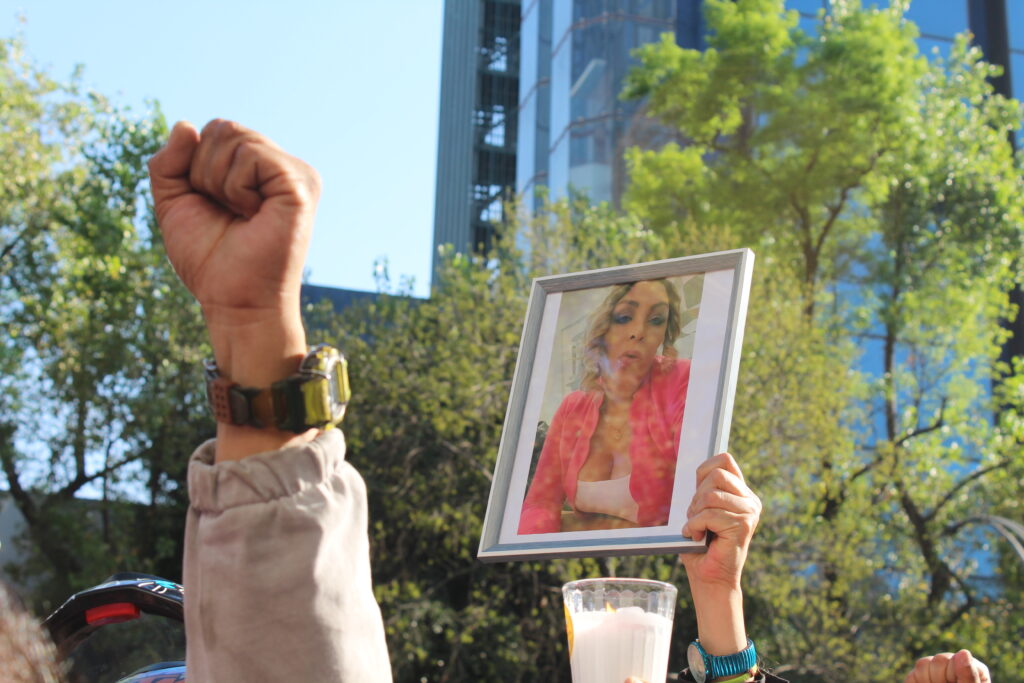
Recently, the case of Emma, a 16-year-old girl murdered in Mexico City, the state with the highest number of trans femicides this year, was also reported. There are also victims who had lived past the age of 35, such as Reyna Hernández , 54.
This year there were also those who were victims of disappearance and transfemicide, like Arantza Castillo . And trans women in contexts of mobility, like Estrella, a migrant woman of Honduran origin murdered in Chihuahua .
“Firearms are prevalent in transfemicides in a militarized country”
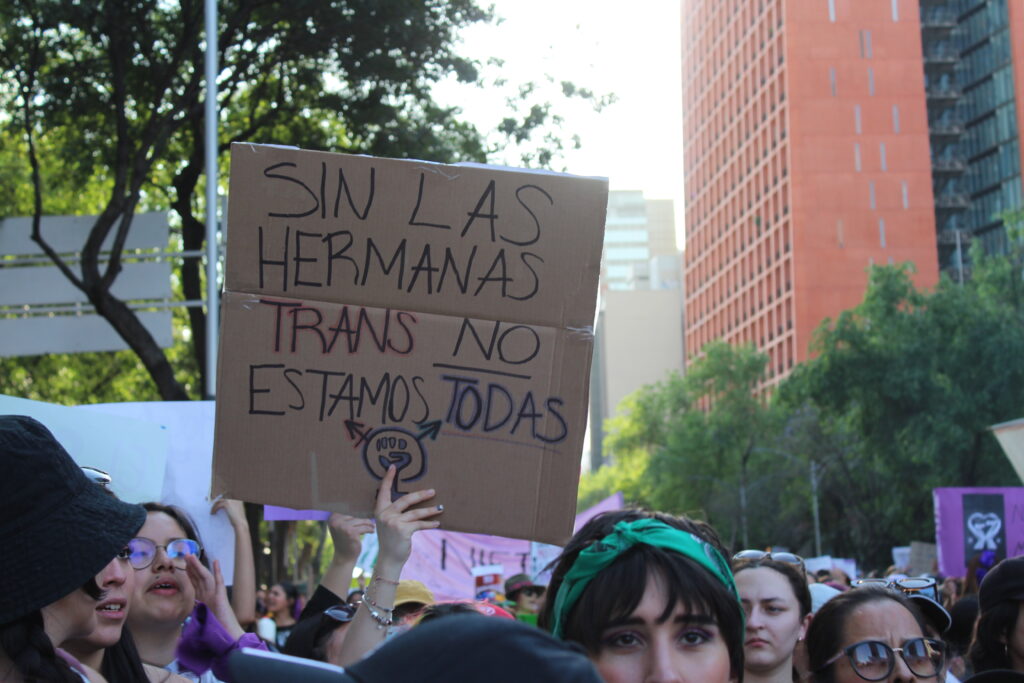
Of the 50 documented transfeminicides, firearms were used in 27 of them.
Jey Fernández, an activist from Baja California who contributes to the Assembly's repository, commented in an interview that firearms stand out among other lethal weapons used in this year's trans femicides . However, their use does not preclude the cruelty, forms of torture, and sexual violence inflicted upon trans women at the time of their murders.
“Gender-based violence against trans women is twice as violent compared to femicide (against cisgender women) because the cruelty, the sexual violence, the methods of killing are different, but also the ways in which the firearm is literally emptied against the victims. What we are seeing in 2024 is that we are facing a social cleansing,” Fernandez adds.
Rocío Suárez explains that the increased use of firearms in trans femicides is directly related to the country's gun policy. This, in turn, is linked to widespread violence and the public security policy implemented since 2007, when the "war on drugs" was declared, militarizing the country.
Their analysis coincides with what Intersecta and other civil organizations documented in the report Gender Violence with Firearms in Mexico (2021): 5 out of 10 trans women had their lives taken with a firearm.
Victims in vulnerable and displaced situations
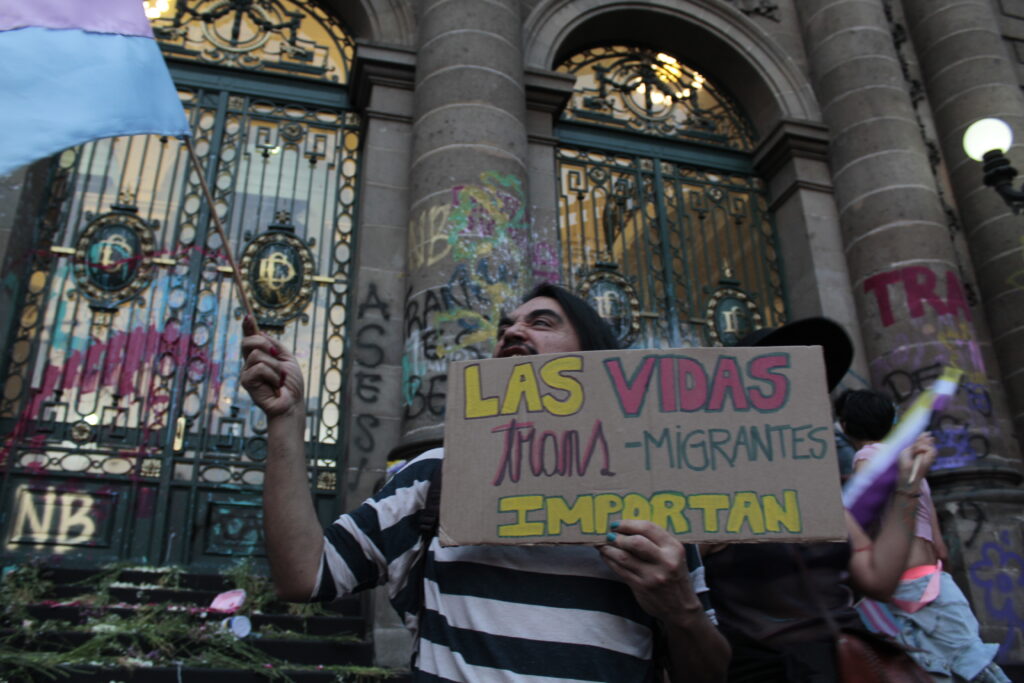
Most of the victims of transfemicide were sex workers. And of the 50 documented cases, 11 occurred in Mexico City. Most of the victims there had come from other places and lived in vulnerable situations.
Rocío Suárez points out that historically, cases in Mexico City and other large cities—Guadalajara, Monterrey—or border cities like Ciudad Juárez involve women originally from other states who have experienced forced displacement. Or simply a situation of mobility “because there is a rights gap in the country.”
“There are women who are being left behind. The recognition of their gender identity isn't enough for them, nor is the existence of an office for sexual diversity. A law that criminalizes transfemicides isn't enough either. There's a rights gap that's causing many women to migrate, primarily to Mexico City, where their rights to work, housing, and life aren't guaranteed. We also need to consider this in how we document these deaths .”
IACHR condemns trans-feminicidal violence in Mexico and impunity
The increase in documented gender-based violence against transgender women over the past eight months has alarmed the Inter-American Commission on Human Rights (IACHR). On August 29, the Commission expressed its concern, condemning the violence suffered by this population in Mexico and the prevailing impunity.
The IACHR calls for Mexican authorities to be monitored in their actions and implementation of the National Protocol for Action on LGBTI+ Issues , which aims to guarantee access to justice for these populations. It also warns authorities of the need to “redouble efforts to prevent and punish acts of violence against transgender people.” And it mentions that “the lack of a thorough investigation can lead to an alarming situation of impunity.”
In most of the transfeminicides documented this year, the perpetrators are unknown and there are no arrests.
Rocío Suárez notes that of the eleven cases in Mexico City, only three are being investigated under the femicide protocol. This is despite the fact that it is the only prosecutor's office in the country with a sub-unit dedicated to investigating transfemicides and that, along with the state of Colima, the crime of transfemicide was recently codified
Given this situation, Suárez mentions, “ The criminalization of transfeminicide is not a prevention model, and the State insists that this is the way forward . But there is also a constant push to create this type of crime from activist groups, and this responds, in part, to the logic of large international funding sources that are directed toward political advocacy projects and not toward supporting the strengthening of community networks. From within the activist movement, we are not generating a more community-based perspective that could transcend into strengthening our sisters and the paths to preventing this violence .
We are present
We are committed to journalism that delves into the territories and conducts thorough investigations, combined with new technologies and narrative formats. We want the protagonists, their stories, and their struggles to be present.
SUPPORT US

FOLLOW US
Related notes

We are present
This and other stories are not usually on the media agenda. Together we can bring them to light.