

Disappearances in Mexico: “Impunity is almost absolute”
The crisis of enforced disappearance in Mexico is a complex and multidimensional problem that has seriously affected human rights in the country.


Share

In Mexico, more than 115,000 people are missing, according to the official figures from the National Registry of Missing and Unlocated Persons (RNPDNO). The crisis of enforced disappearance in Mexico is a complex and multidimensional problem that has severely impacted human rights in the country. Despite legislative efforts, challenges remain in guaranteeing truth, justice, and reparations. And it is the families of the victims who continue to be a crucial driving force in the struggle for real improvements in the justice and forensic systems in order to find their loved ones.
August 30th is the International Day of the Victims of Enforced Disappearances. In Mexico, this human rights violation is not recent, but it has changed, increased, and become more complex over the last two decades.
From 1960 onward, enforced disappearances were a method of political repression used by government officials and the armed forces against social groups that opposed the Institutional Revolutionary Party (PRI) regime. Since 2006, enforced disappearances have different perpetrators, and the victims can now be anyone.
The forensic crisis in Mexico is a direct consequence of the crisis of enforced disappearances. The investigation " Forensic Crisis," conducted by the media outlet " Where Do the Disappeared Go?" , revealed that the forensic system in Mexico is overwhelmed and resources for identifying missing persons are insufficient. The lack of adequate infrastructure and standardized protocols within the forensic system has also been criticized by both international organizations and the victims' families themselves.
This has led to thousands of bodies remaining unidentified in clandestine graves, in forensic medical services (SEMEFO), or donated to medical schools and then taken to mass graves. This additional problem exacerbates the prolonged agony and uncertainty of thousands of families.
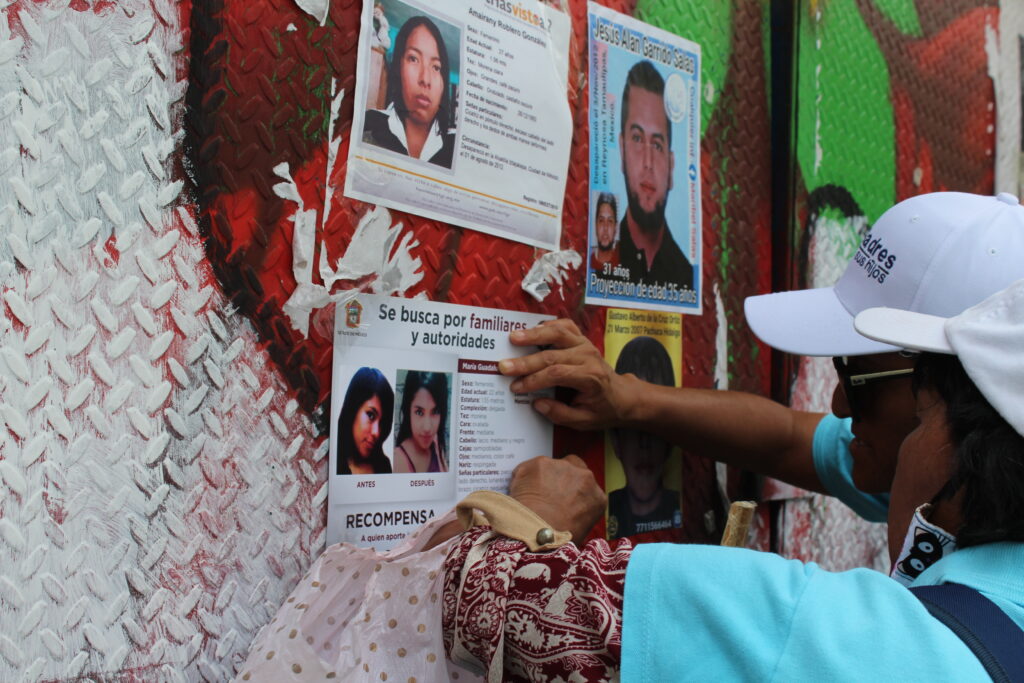
Today, according to official data, 115,572 people are missing. There are more than 5,600 clandestine graves and more than 52,000 unidentified deceased individuals.
*These are the most recent data consulted on August 29, 2024.
Security strategy and human rights
The human rights crisis in Mexico has been going on for decades, but it began to become more visible and profound from 2007 onwards. That was when former President Felipe Calderón declared the “war on drugs” under a failed public security strategy in which the army and armed forces left their barracks and began to perform security tasks in the streets.
Little by little, a word began to gain popularity that would help describe the horror of disappearance: “levantón” (abduction). It can happen to anyone. Leaving home, going to a party, on the road. Meanwhile, the authorities and the media revictimized everyone it happened to. “They were probably up to something,” they said.
According to public data from the National Human Rights Commission (CNDH), complaints against the armed forces have increased since 2007. This includes complaints against the National Guard (a militarized police force created by the government of Andrés Manuel López Obrador, which is also part of the public security strategy) for its involvement in serious human rights violations such as torture, disappearances, arbitrary detentions, and extrajudicial killings.
Despite this evidence, the current Obrador government maintains the same failed public security strategy and has also strengthened the armed forces with economic resources and recently with powers in constitutional reforms .
The new government, which will begin on December 1st under the leadership of President-elect Claudia Sheinbaum, has not expressed a different stance; on the contrary, it has stated its intention to strengthen the army, the National Guard, and maintain the militarization of the country .
“There is almost absolute impunity and revictimization.”
International organizations such as the United Nations Committee against Enforced Disappearances (CED), during its first visit in November 2021, documented and condemned that the escalation of violence between drug cartels and military intervention contribute to the exponential increase in the number of missing persons and violations of other human rights in Mexico.
Furthermore, it ordered the Mexican government to create a National Policy for the Prevention and Eradication of Disappearances . In September 2023, the CED stated in a report that the Mexican State continues to fail to implement these recommendations and prevent the disappearance of persons.
“The Committee reiterates its deep concern that a widespread situation of disappearances persists, in the face of almost absolute impunity and revictimization (…) In order for disappearance to cease being the paradigm of the perfect crime in Mexico, prevention must be at the center of the national policy for the eradication of enforced disappearances,” reads the CED report
An example of recent history and the prevailing impunity is the emblematic case of the disappearance of 43 students from the Raúl Isidro Burgos rural school in Ayotzinapa, Guerrero, committed on September 26, 2014. In ten years there has been no justice.
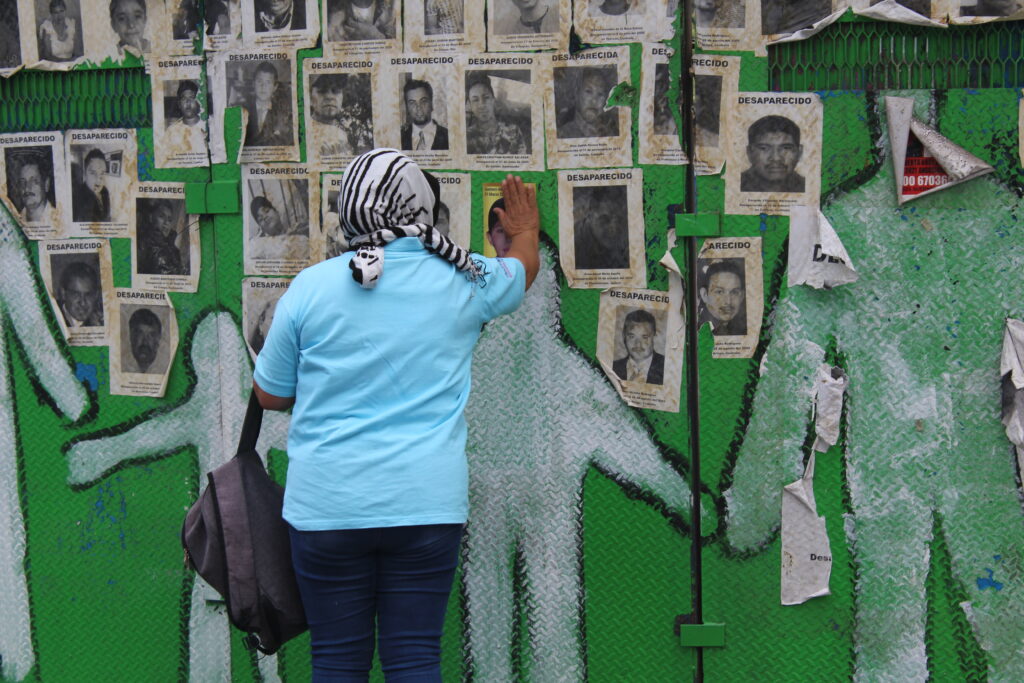
During Peña Nieto's administration, authorities fabricated a false narrative to close the case, known as " the historical truth ," in which no member of the armed forces or officials at any level of government were investigated. The current administration, which resumed the investigation, promised truth and justice to the students' families but failed to deliver. When the investigations touched on the military , dialogue and progress in the investigation were obstructed.
The intervention of organizations like the Interdisciplinary Group of Independent Experts (GIEI) revealed the inability of the governments (of Peña Nieto and López Obrador) to provide justice and truth to the families, and to investigate the armed forces involved in the students' disappearance. It also exposed the role of the armed forces in concealing information , which they have yet to make public.
The role of women and family networks
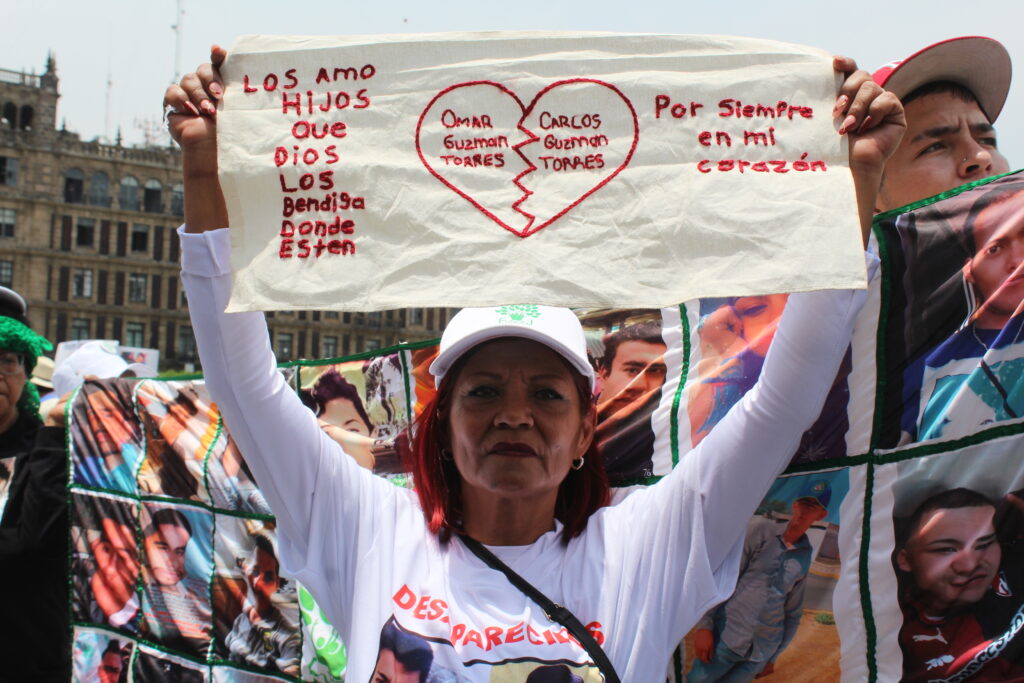
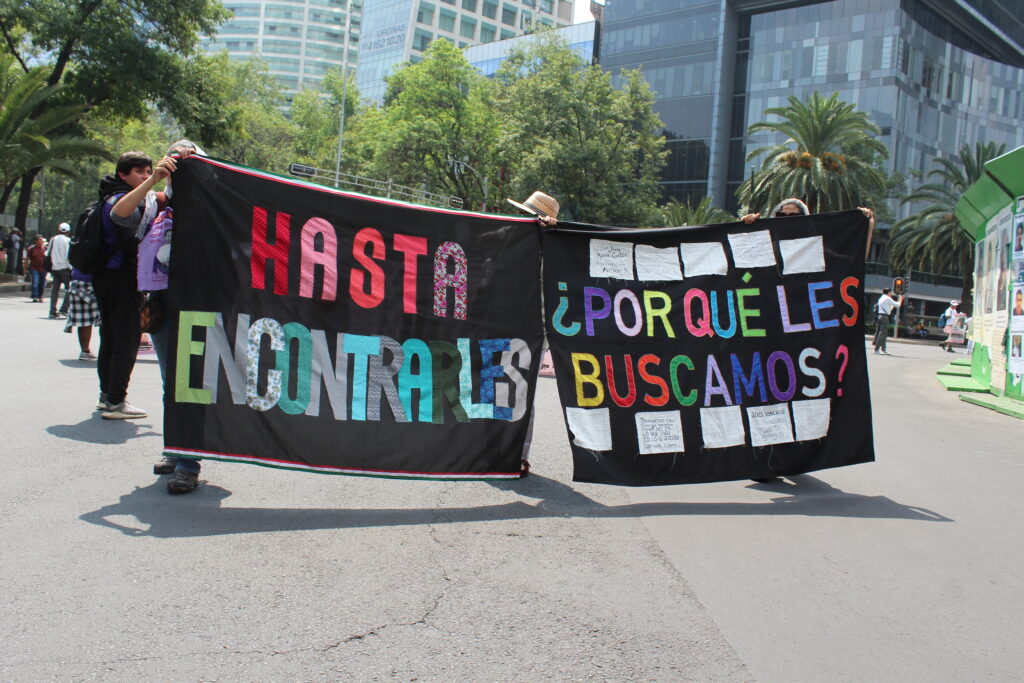
The International Day of the Victims of Enforced Disappearances cannot be understood without acknowledging the role of the families searching for their loved ones and the mothers who search for them . They are fundamental to the fight against disappearances in this country. And faced with an absent, impunity-ridden state that revictimizes those who search, they have become experts at scouring the hills, navigating the waterways, filling out missing persons reports, and identifying and finding remains in clandestine graves.
But searching in this country has also meant threats, attacks, disappearances, and murder. Furthermore, security incidents have forced some searchers to flee their homes. From 2010 to the present, at least 21 people have been murdered for searching for their loved ones. Their murders remain unpunished . The majority of these victims are women. Fifteen of these murders occurred during the current administration of López Obrador (2018-2024).
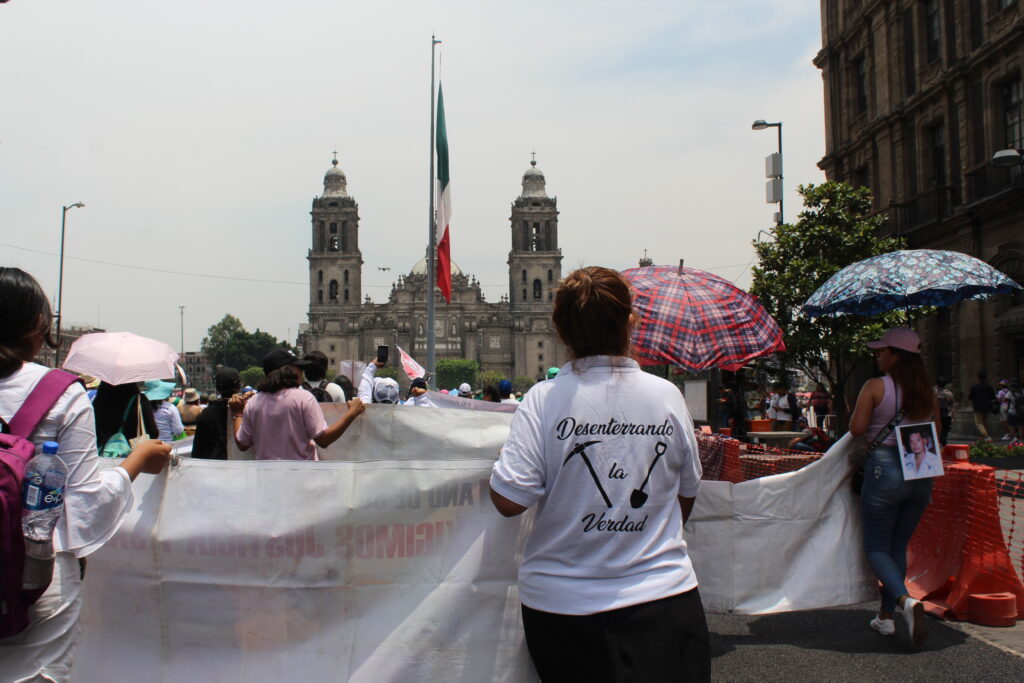
The role of search networks, primarily composed of women, has been crucial in creating laws and protocols for the search for missing persons. They have driven the transformation of state structures through concrete demands regarding these human rights violations, and under the slogan "no without the families," they stood firm in the face of official indifference. They succeeded in having this violence named and classified in the Federal Penal Code, and they also created the General Law on Disappearance, approved in November 2017, and the National Search System.
Since June 2023, President Andrés Manuel López Obrador has refused to meet with various collectives and groups of families and mothers searching for their missing children in Mexico.
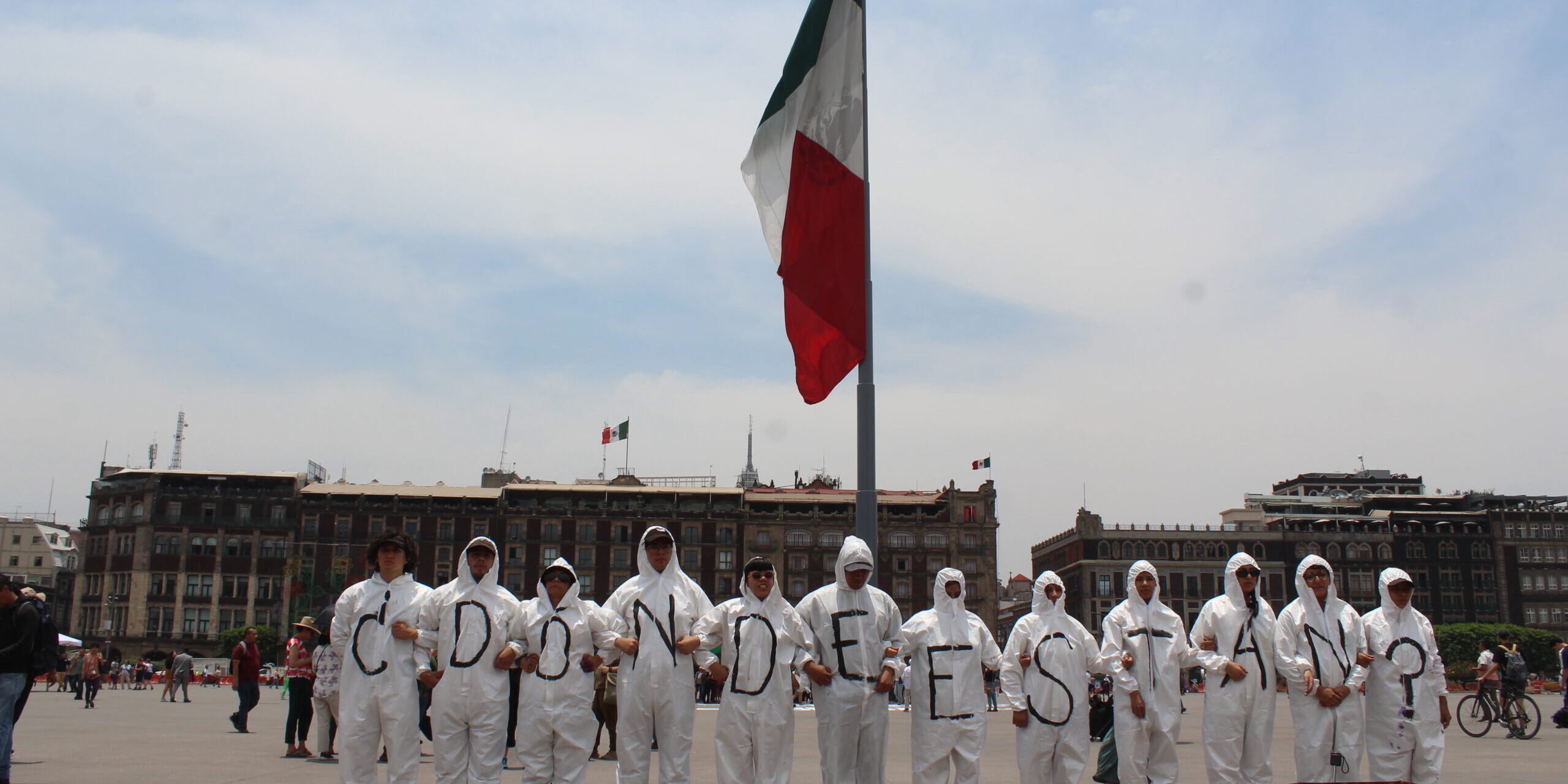
Just over a week before the International Day of the Victims of Enforced Disappearances, mothers searching for their missing loved ones have gathered at the flagpole in Mexico City's Zócalo, across from the president's residence. Their peaceful protest is to remind the government of its debt to the victims of enforced disappearance and the families who continue to search for them.
We are present
We are committed to journalism that delves into the territories and conducts thorough investigations, combined with new technologies and narrative formats. We want the protagonists, their stories, and their struggles to be present.
SUPPORT US

FOLLOW US
Related notes


We are present
This and other stories are not usually on the media agenda. Together we can bring them to light.