

How the first community dining hall managed and staffed by trans people works
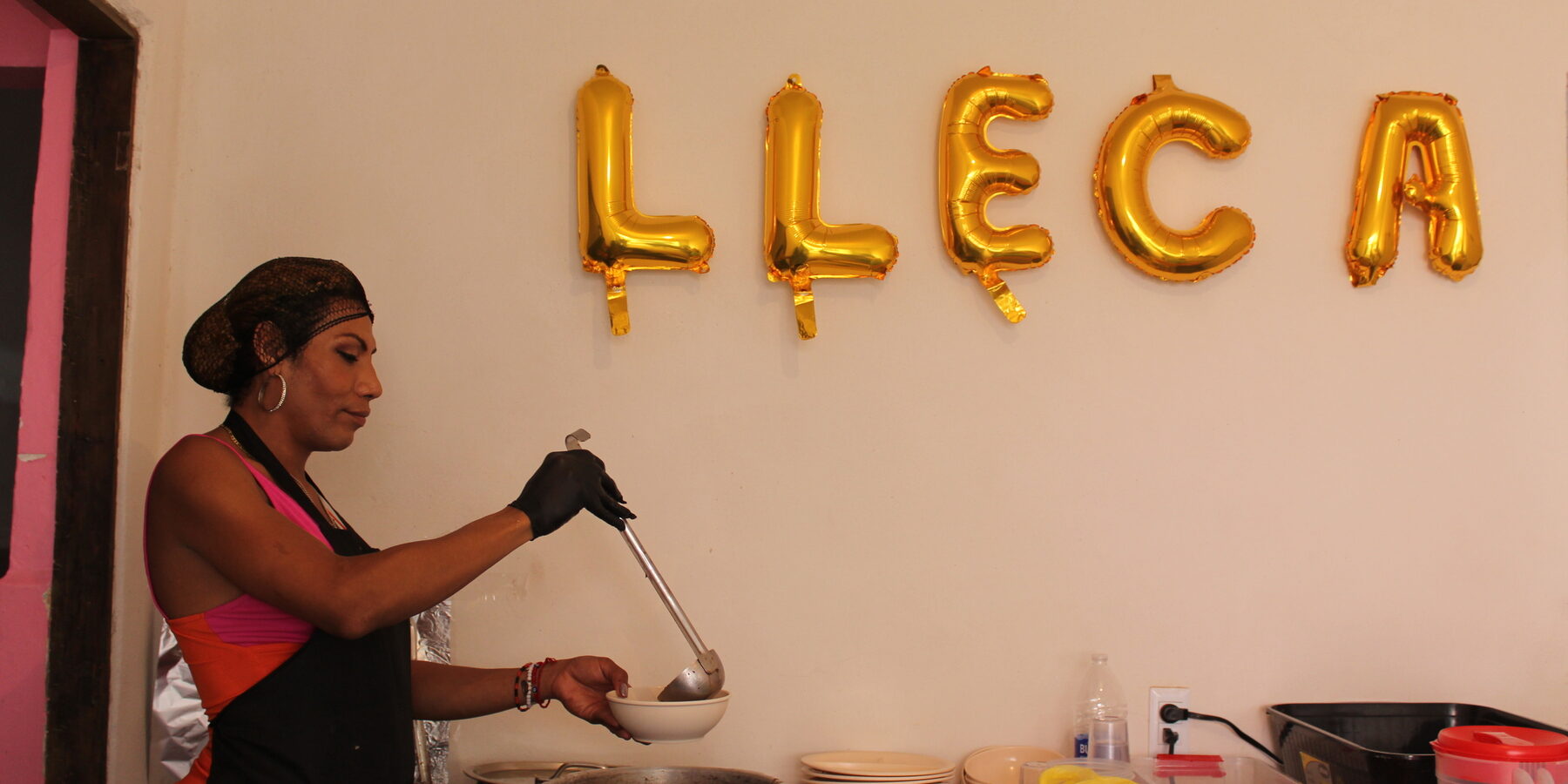
Lleca opened its doors a year ago in Mexico City. "This soup kitchen is a community response to the lack of care provided by the State to our communities.".


Share

MEXICO CITY. Trans women are self-employed, serving meals and welcoming those in need of a hot meal. They come from vulnerable backgrounds and run a new community kitchen, where a three-course meal costs eleven pesos.
At 2 Rossini Street in the Peralvillo neighborhood of Mexico City, those who arrive at the soup kitchen run by the organization Casa Lleca greet the young women who serve them and sign up on forms. These forms are used to record who requests the service, how many meals are served each day—so far, the community kitchen has served one hundred meals—and to keep track of the collection fee.
Community response to inequality in care
“This soup kitchen is a community response to the lack of care the State provides for our communities . During the elections, politicians talked about the national care system. But none of these policies are focused on our communities or their needs. We are the ones who make these proposals, which come from collective care . And while this soup kitchen originated from a government program, we are the ones who give it this focus through the community work we've been doing because the government is falling short in terms of public policies for LGBT people and people experiencing homelessness ,” says Victoria Sámano, founder of Lleca, in an interview.
This community kitchen is a project spearheaded by Lleca, a community organization that listens to the streets . The organization emerged four years ago when human rights defender and sex worker Victoria Sámano opened her apartment to provide shelter for LGBT+ people. These were primarily gay men and trans women experiencing homelessness, who were more vulnerable to the pandemic once hotels closed and the displacement of young people due to family exclusion increased .
Lleca opened its doors a year ago in the Peralvillo neighborhood. It is the first soup kitchen run entirely by trans women who are also self-employed.
In Mexico City there is also Manos Amigues , a community kitchen that was born during the Covid-19 crisis to deal with the specific violence experienced by some LGBT+ people, especially youth and sex workers.
Casa Lleca, the shelter that drives the soup kitchen
Casa Lleca is the first shelter for LGBT+ people experiencing homelessness or risk, and it was created in response to the lack of safe spaces for the LGBT population. There are eight shelters run by the Secretariat of Inclusion and Social Welfare (Sibiso), but they lack awareness and training, and LGBT+ people experience violence from both staff and other residents in these shelters.
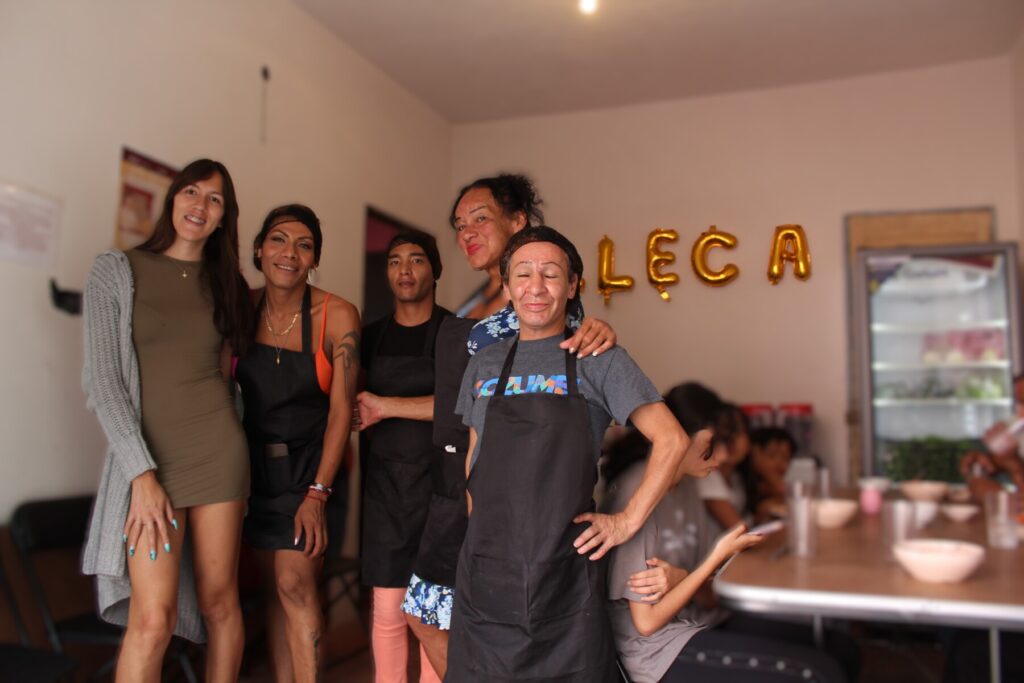
It has provided refuge to up to ten people, and today five trans women live there. The youngest is 25 years old and the oldest is 57. Each one faces particular situations and needs: sex work, substance abuse, migration, internal displacement, social reintegration, unemployment, access to healthcare, living with HIV, etc.
“At Casa Lleca, we cover the most basic needs: shelter, food, and hygiene. And we're organizing ourselves to address physical and mental health issues, as well as the prevention and treatment of violence. But there was one thing that was beyond our control, and that was employment. Some of them go out looking for work, and we notice how difficult it is because of the rejection they face due to their gender identity, because they live in a shelter, because of their age, and even because they don't have a birth certificate. So, we decided to join Sibiso's community kitchen program with the goal of creating something we can manage ourselves and, above all, to provide employment for our members,” Victoria explains.
Five trans women are self-employed
Victoria explains that the process for opening the community kitchen was through a call for proposals from Sibiso, which requires meeting certain criteria . It took Sibiso a year to approve Lleca's proposal. The expenses for gas, plumbing, and water installations, as well as the purchase of tables, chairs, and pots, were not covered by the government, but rather by the members of Casa Lleca. Some of them work as sex workers.
Today, the five trans women who live at Casa Lleca run the community kitchen and receive a token payment, not a salary. They cook, waitress, cashier, and receptionist. And they serve a set meal (usually rice or beans, a stew, tortillas, salad, and a glass of water).
At the inauguration of the Lleca community kitchen, Oaxacan mole was served, a traditional, emblematic dish with great celebratory value in the country. It was prepared by Carolina, a resident, coordinator of Casa Lleca, and head cook for this project.
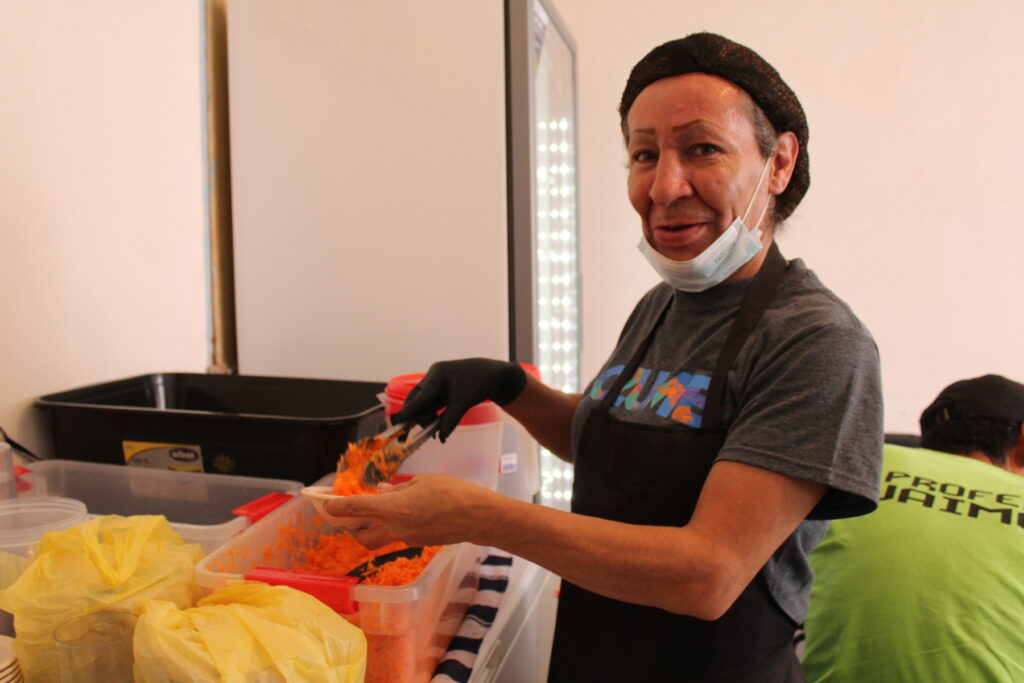
“I feel so happy, and truly proud of the house and the dining room where I now work. And of being the head cook. I'm the one who gives the food its magic touch because I'm from Oaxaca and I have my own special touch. Being self-employed is an opportunity and it's very satisfying. After having had nothing, here we not only have a place to sleep but also a place to work. It's a symbolic income, but it means a lot to all of us,” Carolina says in an interview with Presentes.
“We have the audacity to care”
Outside the dining room, a line of people is registering and paying eleven pesos for a meal. At the back of Casa Lleca, on one of the sofas, we ask Victoria Sámano how she learned to care for others. “My maternal grandmother and great-grandmother were the first to teach me care. They knew who I was from childhood and always made sure to take care of me. I felt very safe. Later, other trans women taught me about caregiving .”
“ My way of caring is by cooking with love because love is what I found in this shelter . Love for my companions, love for myself, and for Victoria, who has been a turning point in my life because here I received tools that the government didn't provide, since it forced me into sex work and onto the streets,” says Carolina.
“I believe that caregiving always originates from trans people due to the lack of a state that protects us. We are always the answer. Despite all the adversities that trans people face, we still have the courage to care,” Victoria reflects. “Knowing how to care doesn’t come from nowhere; it’s knowledge that is passed down . Probably when I’m gone, someone else will take over as caretaker, and that’s how new community leaders emerge.”
Where is it located and what are the hours for food service?
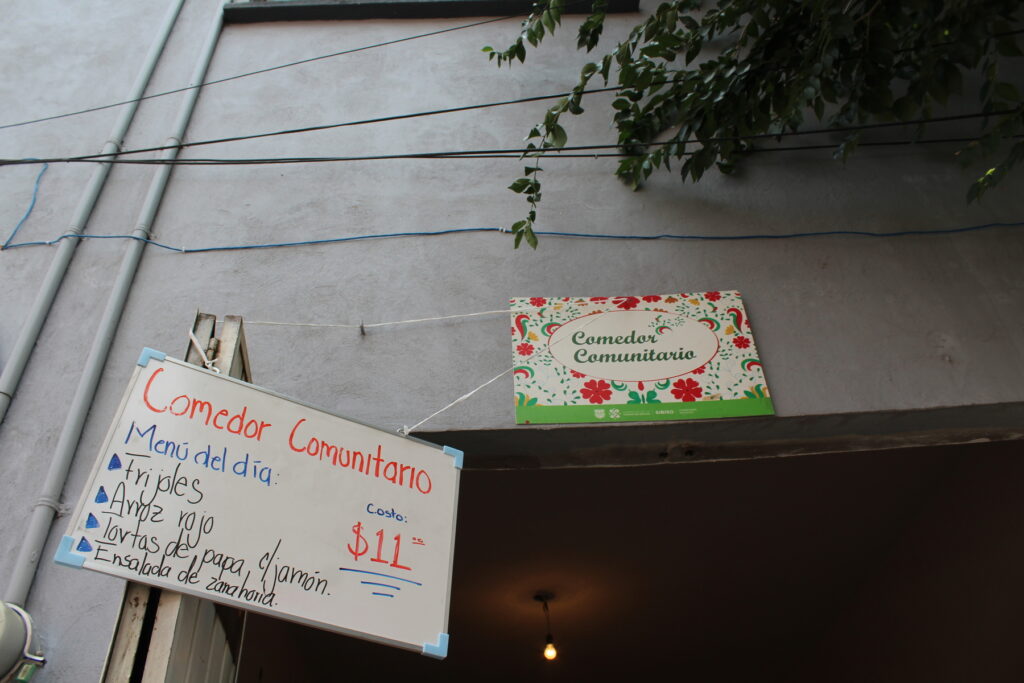
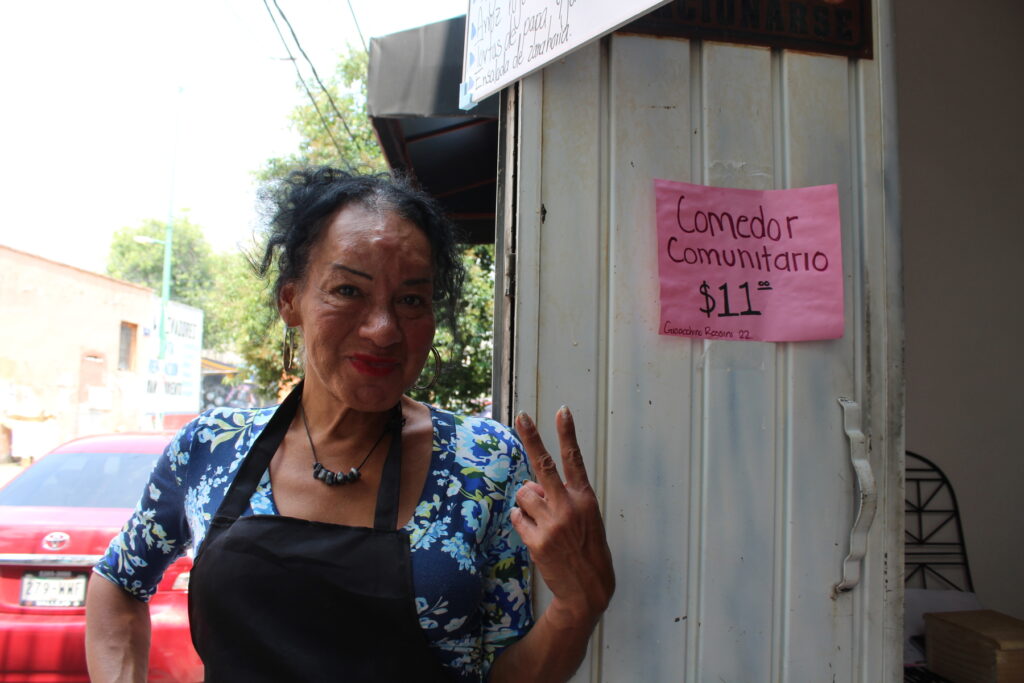
The Lleva soup kitchen is located at Rossini 22 in the Peralvillo neighborhood, Cuauhtémoc borough. They serve meals for a nominal fee of eleven pesos, from 1:00 PM to 4:00 PM.
Share
We are present
We are committed to journalism that delves into the territories and conducts thorough investigations, combined with new technologies and narrative formats. We want the protagonists, their stories, and their struggles to be present.
SUPPORT US

FOLLOW US
We are present
This and other stories are not usually on the media agenda. Together we can bring them to light.