

Transvesticide of Sofía Fernández: demands for justice in front of the Pilar police station where she was killed
Family members and activists marched to the 5th police station in Derqui (Pilar, Buenos Aires province), where Sofía Fernández, a trans teacher, was tortured and murdered in April 2023, according to the autopsy. Ten police officers were charged, but the judge released nine, even though forensic evidence indicates that more than two people were involved. The judge also dropped the hate crime charge.


Share

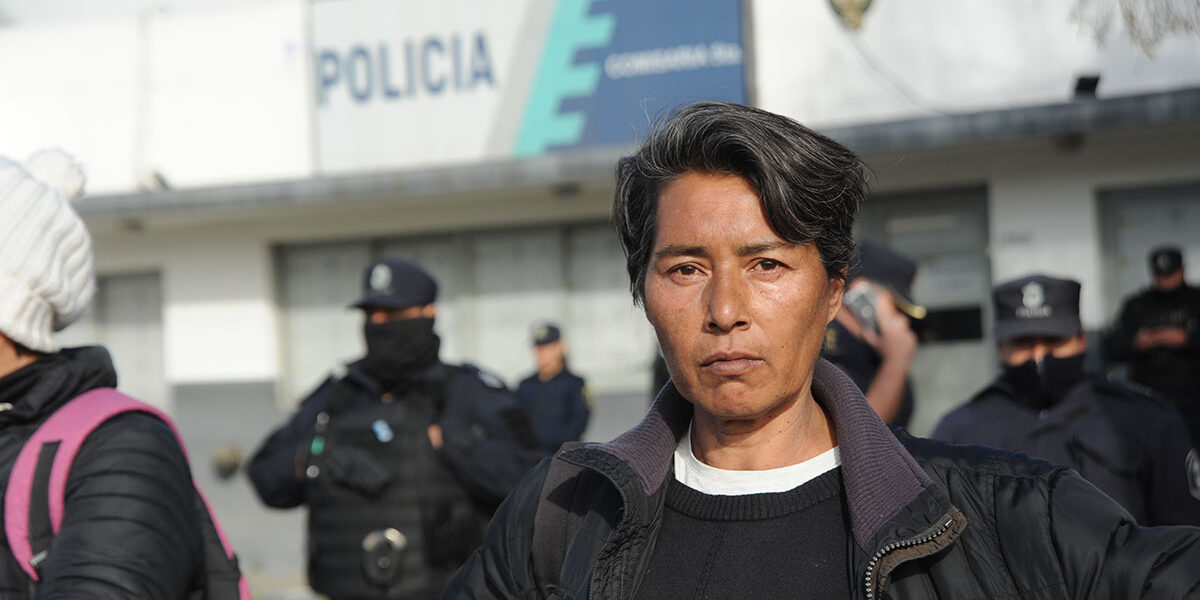
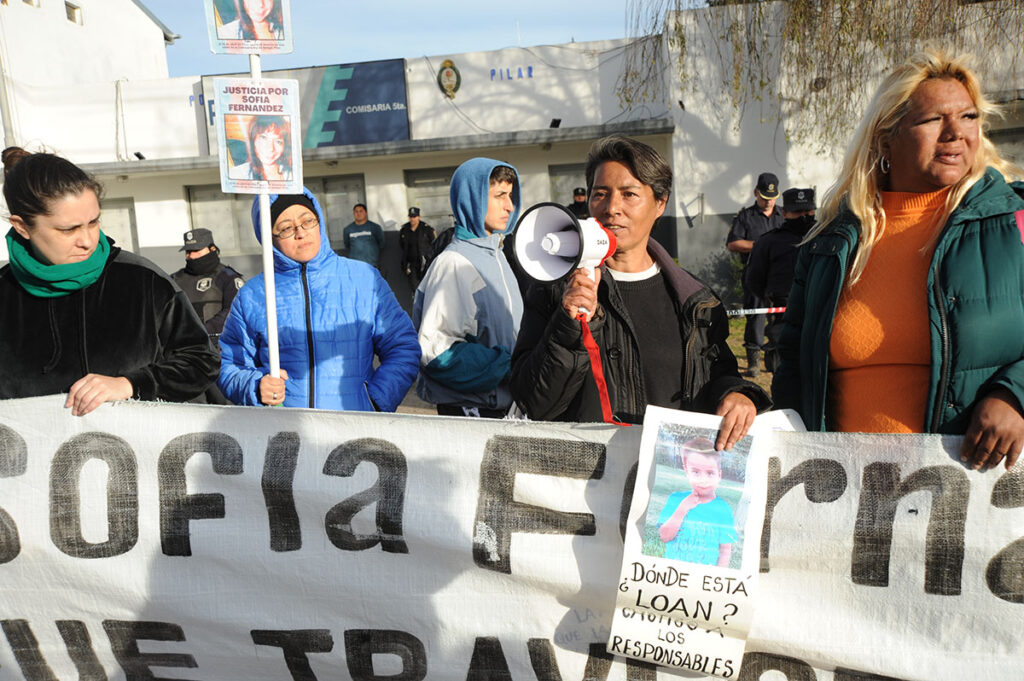
Fifteen months after Sofía Fernández “appeared” dead in a cell of the 5th police station in Derqui, in the Buenos Aires district of Pilar, her sister Mabel Valdez, along with activists, organizations and self-organized people, marched to that police station.
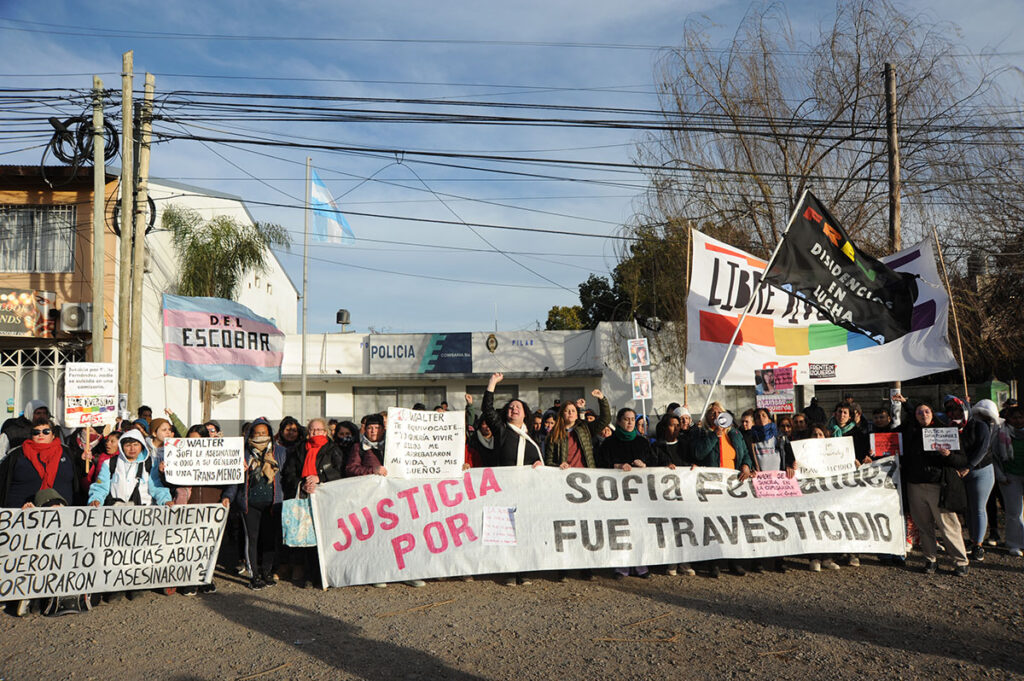
“No one commits suicide in a police station.” “I knew it, I knew it, that the police killed Sofía.” “Wherever they go, we’ll find them.” With these chants, about seventy people left the gas station at the corner of Route 8 and Las Magnolias and marched about 300 meters to the police station.
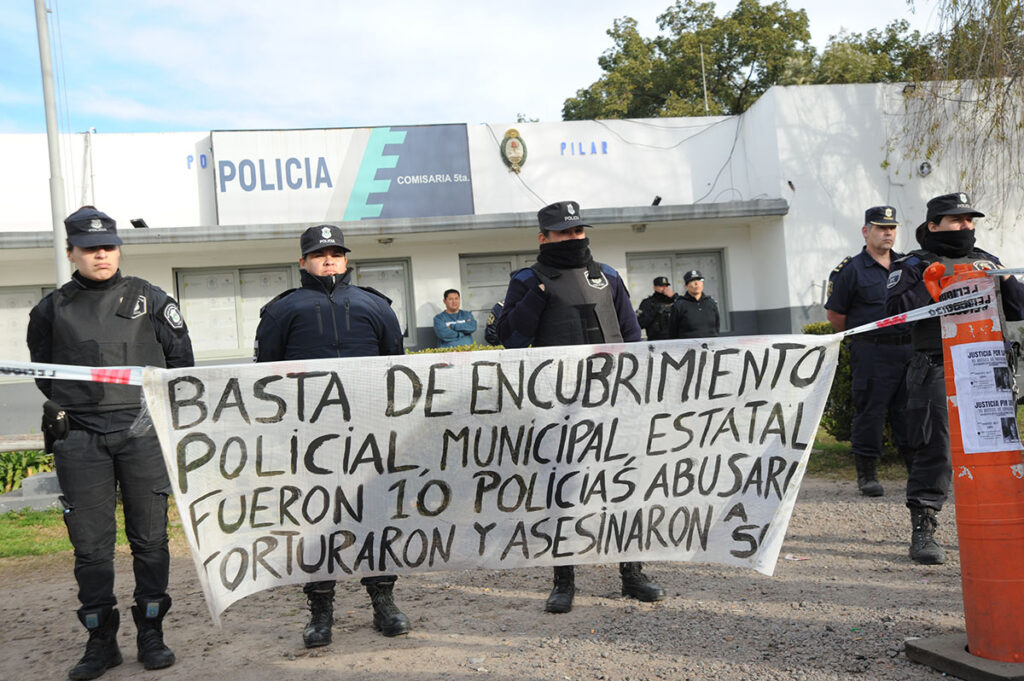
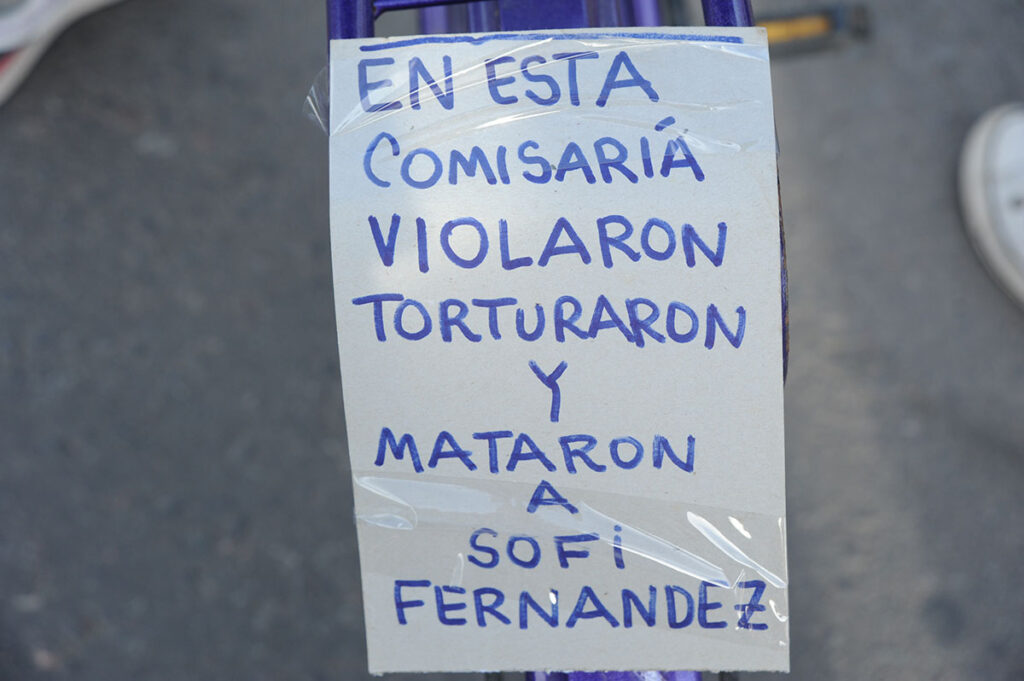
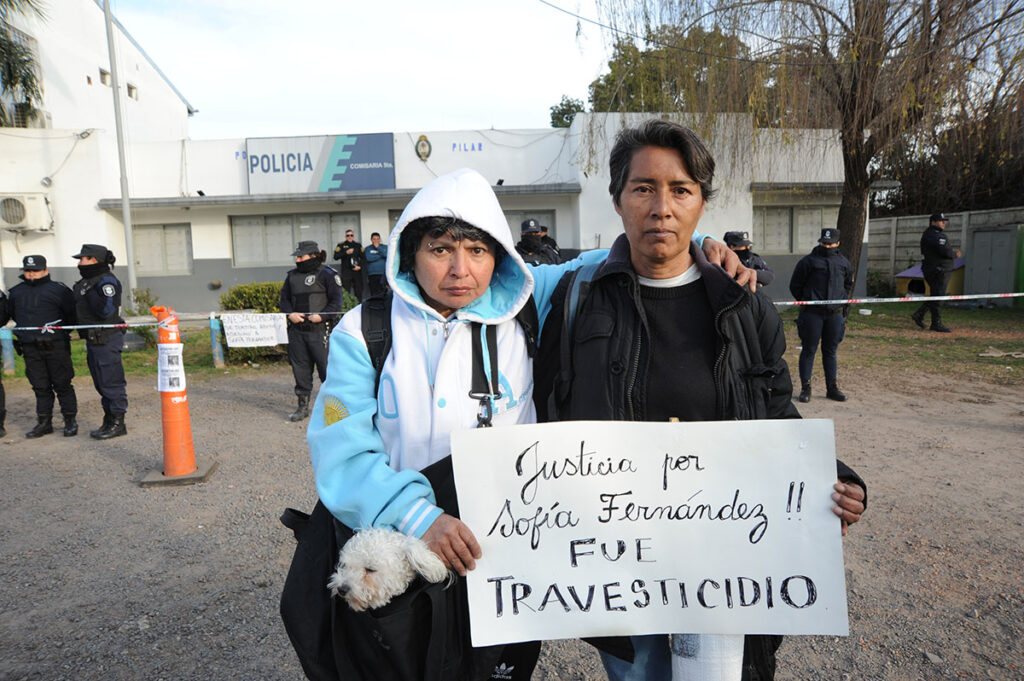
At the front of the march, Mabel held a banner that read: Justice for Sofía Fernández, it was a transphobic murder. She was accompanied by Higui de Jesús—who came from San Miguel with her dog Tita—trans and travesti activists, and representatives of gender, political, and social organizations from various parts of Greater Buenos Aires. The demonstration was organized by the Justice for Sofi Commission.
What happened to Sofia?
Sofia was a language teacher who suffered discrimination as an educator and was about to begin her nursing studies. She was arrested in what is presumed to be a fabricated case by municipal police officers, who accused her of robbery.
She entered the Derqui police station on April 8, 2023. Her family went to see her, but they were not allowed in. On April 11, members of the Gendarmerie informed them that Sofía had died in a cell. The autopsy revealed that she died of asphyxiation . She had a pair of underwear and a piece of mattress obstructing her airway. She had been beaten, tortured, and abused.
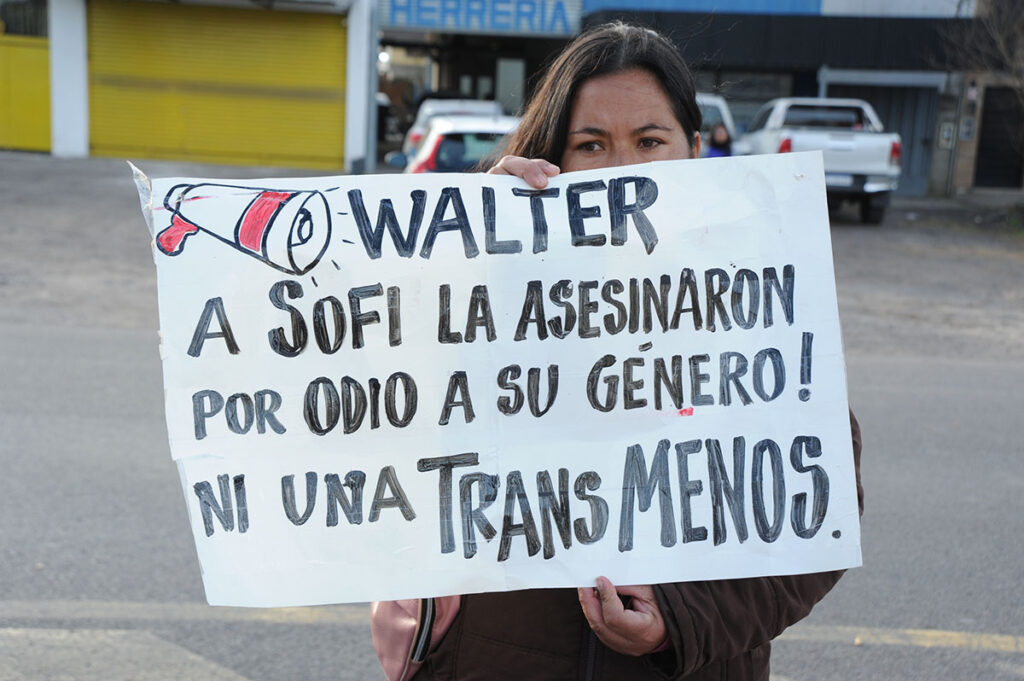
Ten police officers were charged, five with homicide and five with obstruction of justice. They were imprisoned but were eventually released by Judge Walter Saetone of the Pilar Municipal Court of Guarantees No. 7 due to lack of evidence, with the exception of one, Assistant Officer Carlos Rodríguez. However, forensic evidence indicated that more than two people were needed to kill her.
What is being claimed?
Several demands are driving the march: protesting the release of nine of the ten accused police officers and the appointment of expert witnesses to defend them, under the purview of the Ministry of Security. They are also demanding that the Ministry provide protection measures for the victim's family (which the courts have rejected) and cover travel expenses for court appearances and other legal proceedings, which they cannot afford. Sofía's sister is also requesting a meeting with the provincial Minister of Security, Javier Alonso, to convey these demands to him personally.
Presentes contacted the Buenos Aires Ministry of Security, but they declined to comment, arguing that it was an ongoing investigation involving police officers and that the matter should be handled by the Justice system.
Tension on Route 8
There were tense moments with traffic, which, with no one to direct the flow of vehicles, showed no mercy to the protesters. Drivers were prepared to run them over, although after a few meters the march agreed to clear one lane.
The police themselves blocked Route 8 when the demonstration reached the police station, which was surrounded by a dozen officers, many with their faces covered. Sofia's sister approached the police tape surrounding the station and looked the officers in the eye, saying, “The time will come when everyone pays. It's only a matter of time before my sister gets justice. Sofi can't rest in peace because her murderers are free. I can't rest either.”.
Mabel asked them, “How many of you have seen a woman’s body after she’d been dead for several days? How many of you have a trans person in your family?” And she recalled, “ Sofía walked into this damned police station and left on a stretcher, lifeless, because of you . It was my first time; I had to see her. I couldn’t bear to see my sister in pieces, the way they handed her to me. May my sister’s death not ease your consciences.”
“This is a corporate defense”
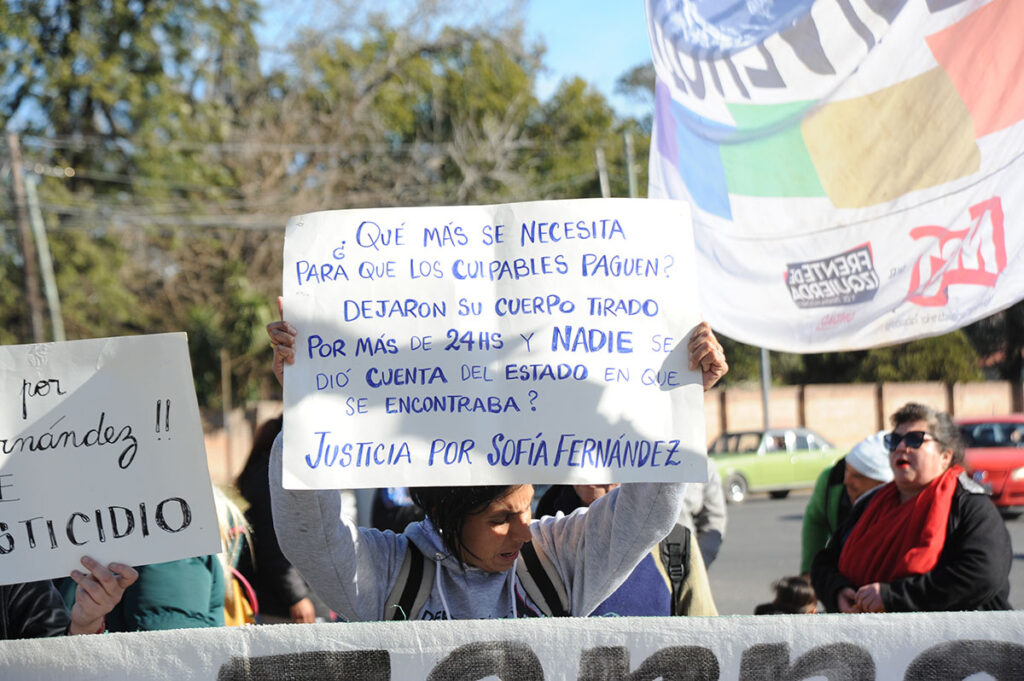
With the megaphone open, activists and self-organized women took the floor. Among them was Higui de Jesús, acquitted in a trial for defending herself against a “corrective” rape by a gang of men. “When we enter a police station, they take photos of our entire bodies, like what happened to me when I was imprisoned for eight months and there wasn't a drop of blood from those who raped me,” she told them. “I would like to see those photos of you, murderers and accomplices, of how you tortured our comrade.”
Quimey Ramos, a trans activist for human rights and a teacher, stated: “This is a corporate defense. Not one person has stepped forward to say, ‘ This was a crime, I’m not going to be a part of it .’ On the other hand, the entire structure, both outside and above the police station, is dedicated to protecting them. They already have four defense lawyers from the Provincial Security Ministry. And they were granted access to expert witnesses who will use their professional knowledge to justify their actions—active police officers,” she emphasized.
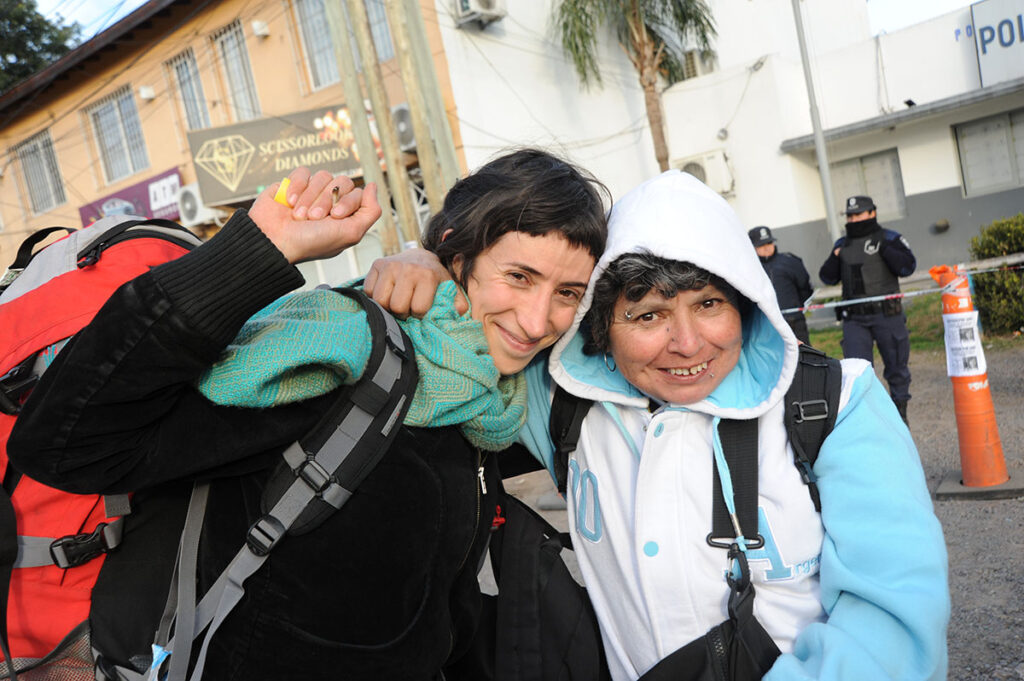
Quimey linked the police actions to a structural context. “ If we think it’s just a matter of malice, we end up believing it’s an individual matter. It’s not about good or bad.” And turning to look at the police officers, he said: “You think you’re doing your job. But the difference is the place we occupy in the world. You, too, have come from humble families, for the most part. The problem is structural: being the arm that shoots at the poor. This system creates unemployment, poverty, and vulnerable lives, and the only way to sustain it amidst so much austerity is by keeping you in power, preventing you from questioning that you, too, are complicit.”
“The case of Sofía Fernández must not go unpunished. Let’s fight together!” exclaimed trans activist Mónica Aguirre, a leading figure in Libre Diversidad, from the microphone. Fernanda Ludueña, from the Gender Advocacy group, Feminismo Clasista por la Autodefensa (Classist Feminism for Self-Defense), added her voice to the call for justice for Loan, “a victim of corrupt police officers.”.
“Mabel, listen, your fight is our fight,” chanted those present as they embraced Sofía's sister. Last Friday, Mabel accompanied Tehuel's family to the final hearing of the trial and marched alongside other mothers who are victims of violence.
The judge removed the hate crime aggravating factor
The homicide investigation is being handled by the Prosecutor's Office. This team includes Esteban Álvarez, prosecutor for illicit drug investigations in San Isidro; Manuel Cayuela, from the Gender Unit; and assistant prosecutor Victoria Santamaría. The Prosecutor's Office, explained plaintiff's lawyer Ignacio Fernández Camillo to Radio Semilla today, had requested the inclusion of the aggravating circumstance of hate based on gender identity and also the participation of two or more people. However, Judge Saetone, "by releasing nine police officers for lack of evidence, based on their statements, also removed the participation of two or more people and the hate crime aggravating circumstance, something essential for the course of the investigation," Camillo pointed out.
The lawyer explained that the police officers' statements "offer nothing that sheds light on how Sofía died." He added, "However, the statements from the head of the Lomas de Zamora morgue and the forensic expert indicate that it was not a suicide and that more than two people were involved.".
We are present
We are committed to journalism that delves into the territories and conducts thorough investigations, combined with new technologies and narrative formats. We want the protagonists, their stories, and their struggles to be present.
SUPPORT US

FOLLOW US
Related notes
We are present
This and other stories are not usually on the media agenda. Together we can bring them to light.