

Mexico: Three trans women murdered in Nuevo León in less than a week
The victims of transfeminicide are: Arantza Castillo, 23 years old, Jaqueline alias "Española" and a third woman whose identity is unknown at this time.


Share

Activists denounced three trans femicides in less than a week in the state of Nuevo León, in northern Mexico. Arantza Castillo, 23, was reported missing on July 7. Her body was found on July 29, bearing signs of violence. Jaqueline, known as "Española," was murdered in the early hours of Tuesday, July 30, while working as a sex worker. On June 27, it was reported that a young trans woman had been murdered in a motel; her identity remains unknown. The Nuevo León Attorney General's Office has not yet released any information on any of the cases.
Local activists are seeking to pressure the justice system to implement protocols for investigating with a gender perspective.
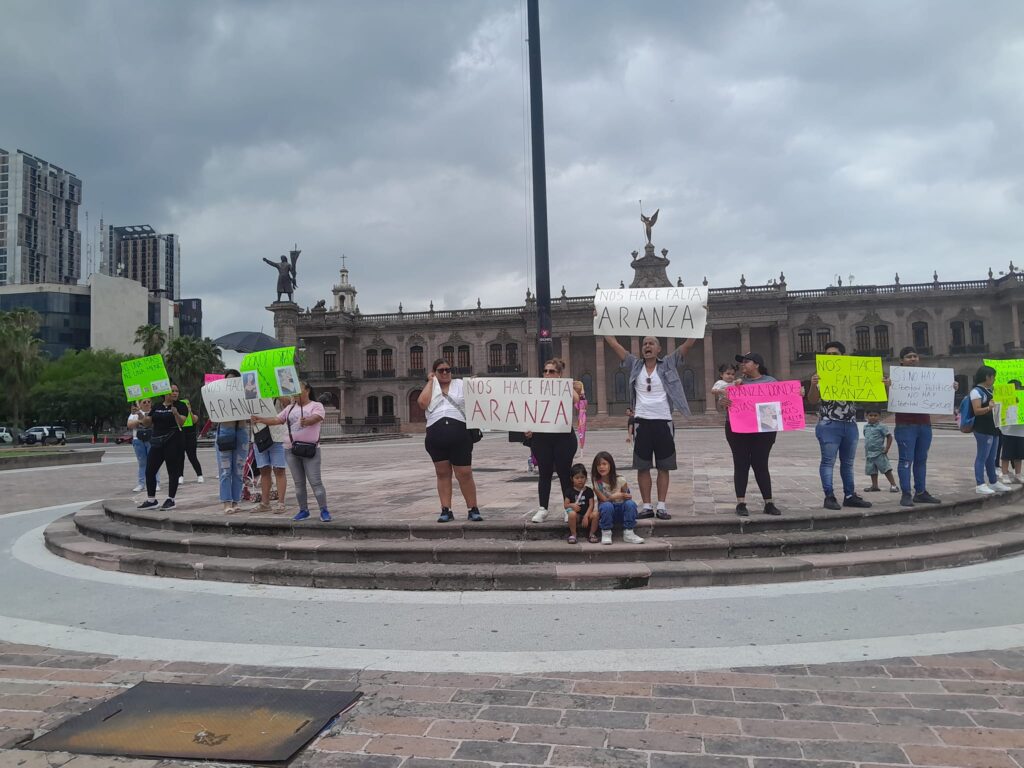
“These crimes send a message to the entire trans population. There are those who don't want us to exist. Transfeminicide is a message from trans-haters to the entire community, a message that also comes from other sectors of religious conservatism and anti-rights groups ,” says Sylvia Pérez, a human rights defender and member of the Trans Collective Monterrey, in an interview.
So far in 2024 in Mexico, at least 36 trans women have been victims of transfemicide, according to the National Trans Non-Binary Assembly. In Nuevo León alone, at least four trans women have been victims of femicide this year.
Arantza was a victim of disappearance and transfemicide
Arantza was a 23-year-old transgender woman. According to her mother, she left home on the afternoon of Sunday, July 7, and her whereabouts have been unknown since. The family reported her disappearance to the Nuevo León Attorney General's Office, and the Immediate Search Group issued a missing person alert.
The Immediate Search Group generated the search form with Arantza's data using her registered name, her chosen name, and highlighting in the gender section that she was a trans woman.
According to the Standardized Protocol for the Search for Missing and Unlocated Persons , from the moment of the complaint until the search process, the gender perspective must be applied.

The document mentions that when dealing with women belonging to the sexual diversity, the context analysis must be done in which the search line considers other forms of gender violence "such as sexual violence, family violence, human trafficking, femicides, transfemicides, or any other crime (...) that may have differentiated effects due to the gender condition of the victim."
From the first day of her disappearance, her mother, family, friends, activists and supportive LGBT people took to the streets to hand out flyers and demonstrate at the government palace for the search for Arantza alive.
According to several press reports , Arantz's body was found in a vacant lot. The reports state that forensic investigators confirmed through DNA testing that it was indeed the young woman. However, the Attorney General's Office has not yet released any official statement regarding the crime or the investigation.
“My little girl, they left me incomplete. I love you so much, daughter, I don’t know how I’m going to do this. God, give me strength because they broke my heart,” wrote Arantza’s mother on social media, who also confirmed the discovery of her daughter’s lifeless body.
Jaqueline “left an indelible mark on our lives”
Little is known about the transfemicide of Jaqueline. According to activist Sylvia Pérez, it was trans women sex workers who reported finding Jaqueline's lifeless body inside an apartment.
“Española, as she called herself, was violently murdered while working as a sex worker. We have details from the testimonies of fellow sex workers who reported the crime, but we don't want to hinder due process. It is the Prosecutor's Office that should provide information about it,” the activist told this media outlet.
Jaqueline also worked on HIV and STI prevention campaigns. “She left an indelible mark on our lives and communities. Her struggle and her love for justice will continue to inspire us. Let us not forget her legacy and let us continue to raise our voices against violence,” the Trans Collective of Monterrey posted on social media in memory of Jaqueline.
At least 23 LGBT people disappeared in 2024
The lack of disaggregated data when the disappearance of an LGBT person is reported continues to be a point of contention for activists. They independently maintain a registry of disappearance cases within the National Observatory of Hate Crimes against LGBTI+ people.
In the first half of the year alone, the Observatory has registered at least 23 missing LGBT individuals. The most visible victims are gay men and trans women.
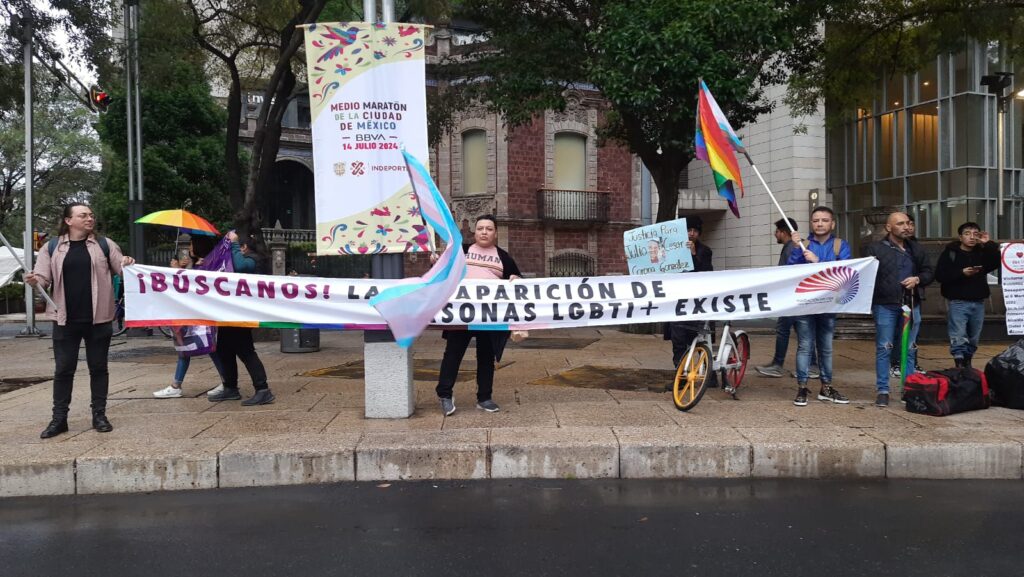
Data from the National Registry of Missing and Unlocated Persons ( RNPDNO ) lists 63 LGBT+ people as missing between 1962 and July 31, 2024. However, their gender identity and sexual orientation are unknown.
“The lack of information about missing LGBTI people is the result of a complete lack of attention and political will. It's not being addressed, and it's increasing year after year. Thinking about the disappearance of LGBT people in Mexico is almost impossible when this reality is made invisible,” denounced activist Raúl Martínez. He is a member of the National Observatory of Hate Crimes against LGBTI+ people.
We are present
We are committed to journalism that delves into the territories and conducts thorough investigations, combined with new technologies and narrative formats. We want the protagonists, their stories, and their struggles to be present.
SUPPORT US

FOLLOW US
Related notes


We are present
This and other stories are not usually on the media agenda. Together we can bring them to light.