

Buenos Aires: A 29-year-old trans woman died in the street while waiting her turn at a shelter
Carolina Machado was 29 years old, had migrated from Ecuador, and was homeless. She worked as a sex worker in the Constitución neighborhood. There are reports of more people experiencing homelessness, fewer public policies, and increased police harassment.
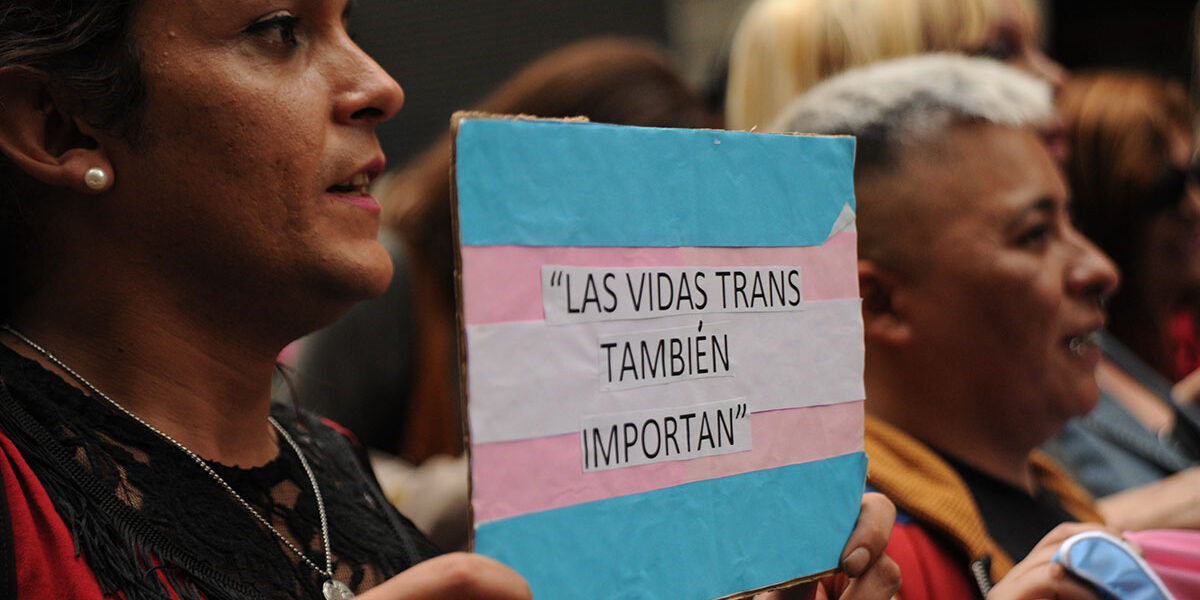


Share

BUENOS AIRES, Argentina . On Monday at noon, Carolina Machado Abad, a trans woman who had migrated from Ecuador, died homeless during a polar vortex in Buenos Aires. She would have turned 30 on August 30.
“She had a reservation at a shelter in her pocket,” Georgina Orellano, director of Casa Roja and general secretary of the Association of Sex Workers of Argentina (AMMAR), told Presentes. Carolina worked as a sex worker and had come to Casa Roja , in the Constitución neighborhood, where they helped her begin the immigration process. She had obtained temporary residency and was waiting for her national identity document.
During the last month, Carolina spent some nights at the Uspallata shelter, run by the City of Buenos Aires government. Police found her body in the plaza across from Muñiz Hospital in Parque Patricios.
“She was hospitalized at Ramos Mejía Hospital for a long time. When she was discharged, she found herself in a state of absolute destitution, unable to receive assistance from state policies, which are already very limited. One of the requirements to receive any subsidy is to have regularized immigration status,” Orellano explained.
The last time her friends saw her was Friday, July 5th. She went to Casa Roja asking to be admitted to a shelter. “ We called several facilities, and they were all overwhelmed. The social workers at the different centers told us they had no vacancies. There was no space; there was a waiting list. They gave her an appointment to come in on July 16th ,” said Orellano, who is organizing Carolina's farewell at Casa Roja. They have already contacted her family and are waiting to repatriate her body.
Fewer policies, more homeless people
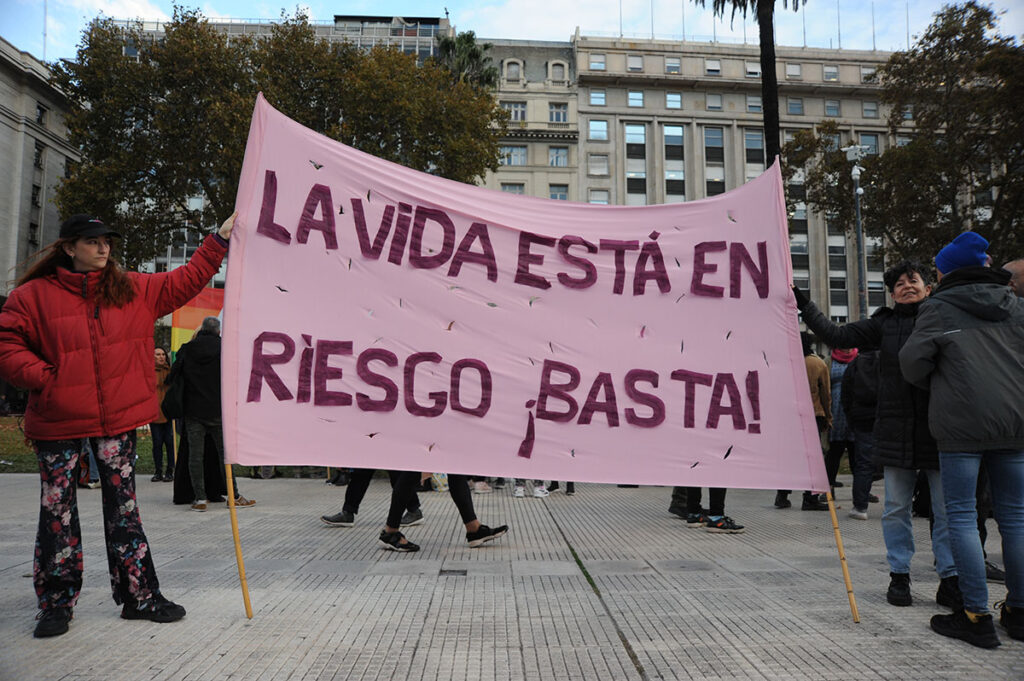
Carolina's death coincided with statements made by the Secretary of Security of the City of Buenos Aires, Diego Kravetz, who, on Radio Futurock, uttered the controversial phrase: "If, as a neighbor, you give a bowl of hot soup to a person living on the street, you're keeping them in poverty." Kravetz's remarks come as at least seven deaths of homeless people have been recorded in the City of Buenos Aires in the last two weeks.
The organizations believe these deaths are linked to the dismantling of housing policies and the intensification of discrimination and violence by the City Government against people experiencing homelessness. According to figures from April, there are 3,560 people experiencing homelessness in the capital. This represents a 14% increase compared to last year. However, civil society organizations report 8,028 people experiencing homelessness, according to this report by the fact-checking organization Chequeado.
From No tan Distintes (NTD), an organization that works with women and LGBTI+ people in situations of social vulnerability, they denounce that the problem has worsened since Jorge Macri took office as Head of Government.
“Jorge Macri said that homeless people are dangerous and that the entire approach needed to change. They created a mental health protocol that allows people to be taken to psychiatric wards involuntarily. This has been denounced by the Borda Hospital. The government said they are opening new shelters, but for months now, every time you call the 108 hotline, there are no vacancies,” Paula Migilone of NTD told Presentes. She added: “They are underreporting the number of homeless people. Everything worsened with the elimination of specific public policies for women and LGBTQ+ people. They are implementing a policy of displacement; they don't want them to be seen. And that won't last, because people are dying, and now these policies are reaching the media.”
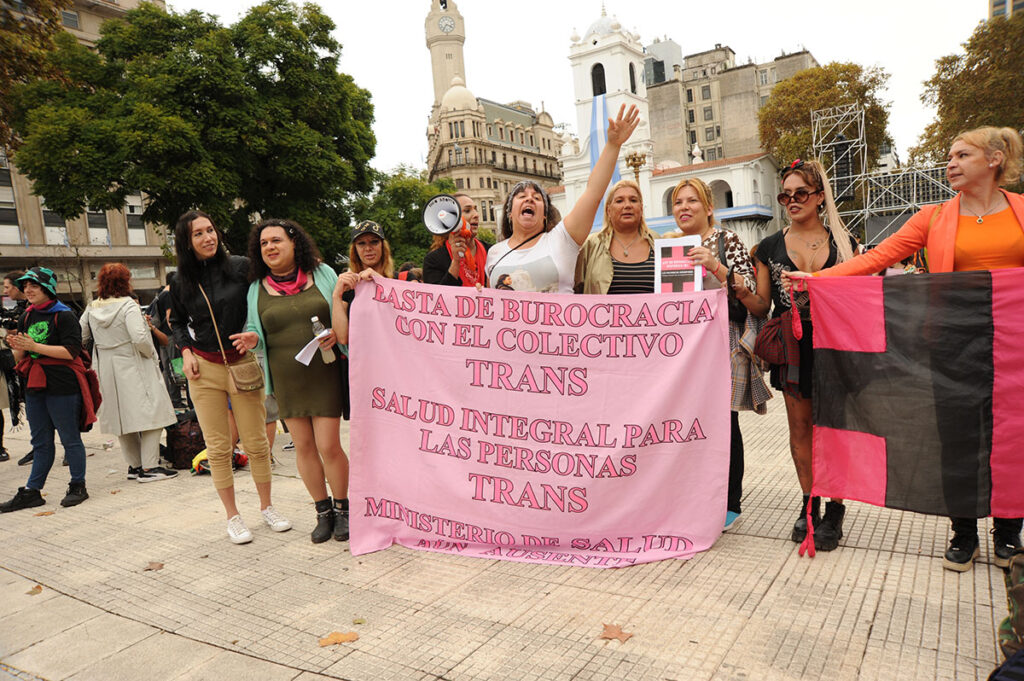
“More and more of our female colleagues are sleeping in the square”
Orellano also confirms the displacement, specifically denouncing the situation in the Constitución neighborhood. This area is home to many sex workers, transgender people, and migrants, and housing prices have skyrocketed there.
“Renting a room by the day costs between 19,000 and 22,000 pesos. By the month, it's between 170,000 and 250,000 pesos. The conditions offered by hotels, boarding houses, and hostels are overcrowded, unsanitary, and precarious. So, we're seeing more and more women like Carolina sleeping in the plaza. When they don't have money to pay for a room by the day, they're in makeshift shelters, wandering around Constitución, also experiencing a lot of police violence. So, they're becoming increasingly displaced. There are women sleeping on the side of the highway,” says Orellano.
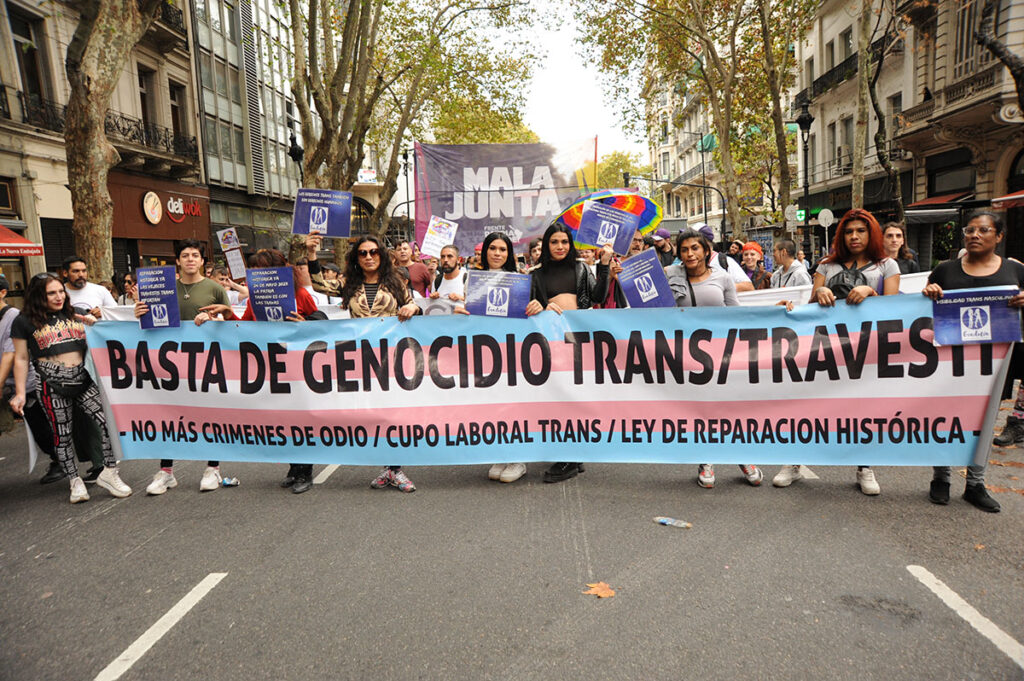
Police violence increased
The group "Not So Different" also focuses on the increase in police violence. "They violently confiscate their belongings and evict them from public spaces."
Every year on August 19, the International Day of the Struggle Against Homelessness, the Assembly for People Experiencing Homelessness and the Psychology Faculty's "Sociability on the Margins" program publish a report documenting and analyzing these forms of violence, which, they add, often go unnoticed and are intersectional. "For example," they explain, "there is significant underreporting of violence against LGBTQ+ people. Many use strategies to hide their sexual orientation or gender identity to avoid further violence, which is exacerbated within LGBTQ+ communities."
We are present
We are committed to journalism that delves into the territories and conducts thorough investigations, combined with new technologies and narrative formats. We want the protagonists, their stories, and their struggles to be present.
SUPPORT US

FOLLOW US
Related notes



We are present
This and other stories are not usually on the media agenda. Together we can bring them to light.