

Why it is historic to recognize trans and transvestite people as victims of State Terrorism
In March, the courts recognized that crimes against transvestites and transgender people were part of state terrorism. Now, the grounds for a ruling that is "unique and unprecedented in the world" have been released. Ana Oberlin, assistant prosecutor, explains its significance.


Share

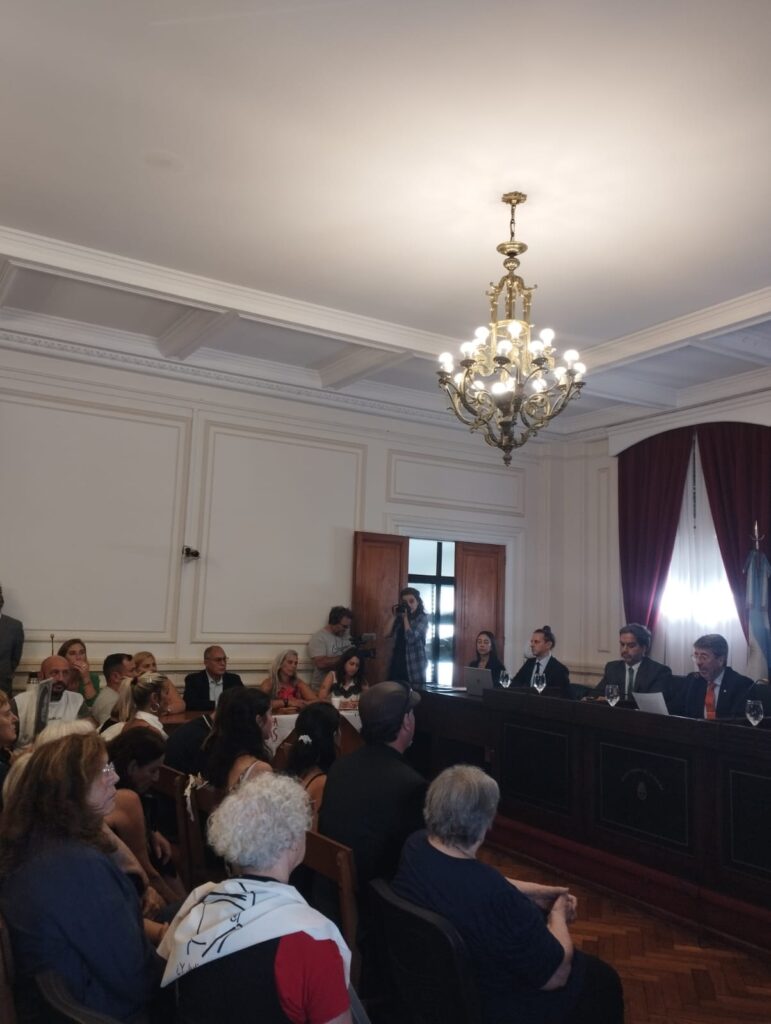
BUENOS AIRES, Argentina . “It’s a unique ruling, unprecedented in the world,” Assistant Prosecutor Ana Oberlin told Presentes after learning the grounds for the Brigadas trial. In it, for the first time, eight transgender and transvestite women were legally recognized as victims of state terrorism. On July 5, the Court released the grounds for the sentence handed down by Federal Oral Court No. 1 of La Plata , which on March 26 convicted 11 defendants of crimes against humanity committed during the State Terrorism era. Ten of them received life sentences.
“ The arbitrary and illegal detentions, sexual violence, torture, cruel, inhuman, and degrading treatment, and forced labor” suffered by these eight trans women and transvestites “at the hands of police and military personnel, fall within the scope of the attack suffered by the civilian population in Argentina during the period under investigation, and consequently, such events should be classified as crimes against humanity ,” concludes the section of the legal reasoning dedicated to crimes against the trans community. The sentence was handed down by Judges Ricardo Basílico, Walter Venditti, and Esteban Rodríguez Eggers.
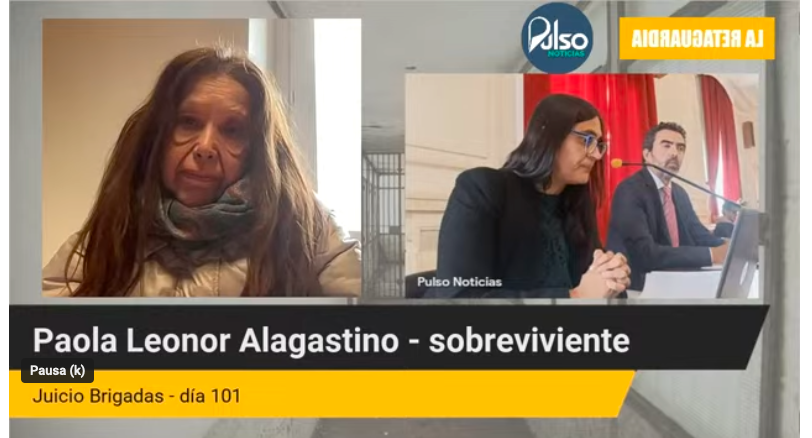
The trans and travesti victims in this trial, the largest in the region, were Valeria del Mar Ramírez, Julieta Alejandra González, Claudia, Judith Lagarde, Analía Velázquez, Paola Leonor Alagastino, Carla Fabiana Gutiérrez, and Marcela Viegas Pedro. Crimes against 610 victims were investigated. Among them were 23 pregnant women, 10 grandchildren who had been illegally abducted (7 of whom recovered their identities) , activists, students from the Night of the Pencils , and a mother kidnapped along with her child.
The crimes being tried were committed during the last military dictatorship in the clandestine detention centers Pozo de Banfield; Pozo de Quilmes; El Infierno (Lanús, Avellaneda); and at the San Justo Investigations Brigade, in the province of Buenos Aires. In the case of the eight transvestite and transgender victims, the crimes took place at Pozo de Banfield.
“This was the first time a trial for crimes against humanity analyzed what happened to trans women during those years. Furthermore, these cases were presented by the prosecution not as isolated, individual incidents, but as part of the systematic state violence against them, which intensified during the dictatorship,” explained Assistant Prosecutor Ana Oberlin, a lawyer specializing in Human Rights, Gender, and Criminal Law, with a doctorate in Law and Social Sciences and a relative of the disappeared.
Crimes against transvestites and trans people were part of State Terrorism
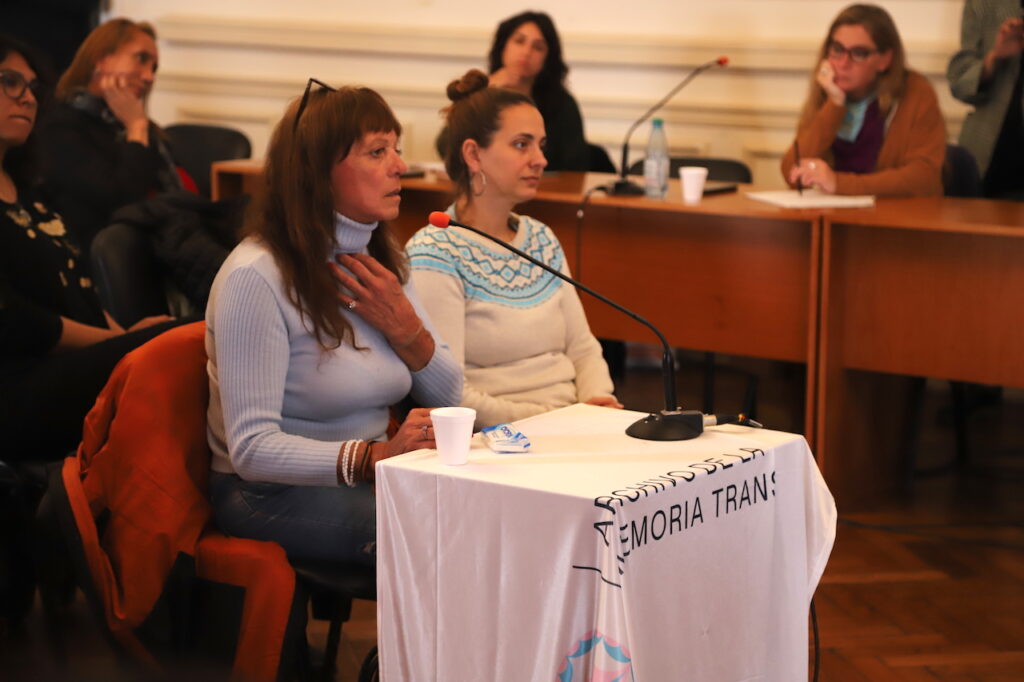
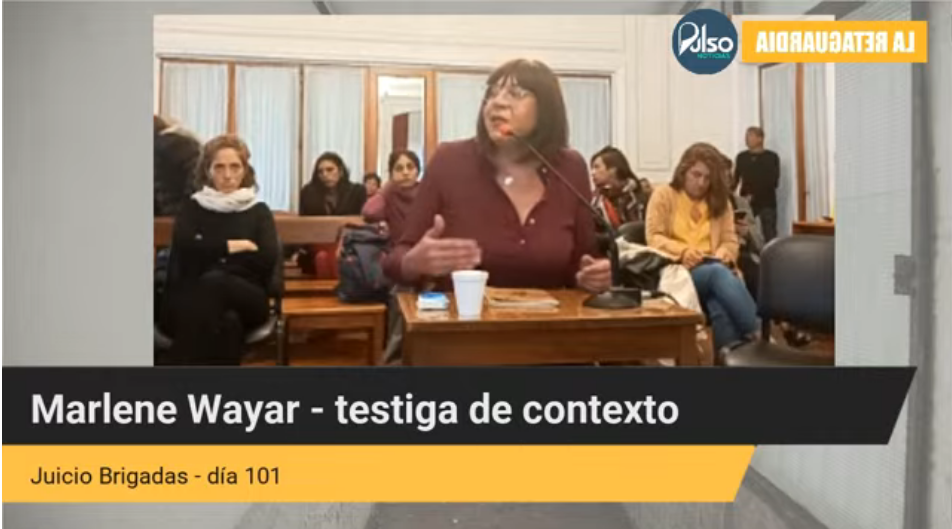
“It was already a milestone that five of them, survivors, testified at the hearing on April 18. Valeria del Mar testified , and that Marlene (Wayar) was called as an expert witness, as were others who contributed in the same way,” Oberlin shared with Presentes. The Court considered in its verdict and reasoning “ something fundamental: that these crimes were also crimes against humanity, they formed part of State Terrorism ,” Oberlin explained.
For years, the Prosecutor's Office has insisted that while there were minor offenses under which transvestite and transgender people were detained, these were not legal detentions. "The violence they were subjected to is exactly the same as that suffered by all people in clandestine detention centers during the State Terrorism," they argued.
Along these lines, Flavio Rapisardi, PhD in Communication and activist for LGBT+ rights, emphasized during the trial: “These communities were marked before and after, but during the coup they suffered systematic persecution.”
Gender identity, an enemy of the dictatorship
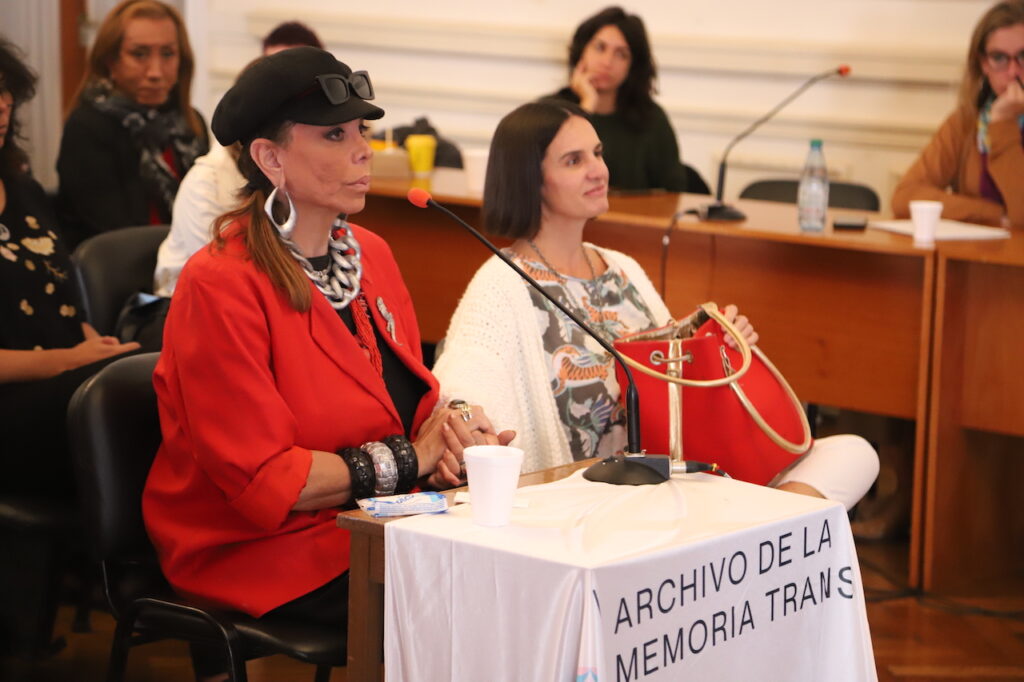
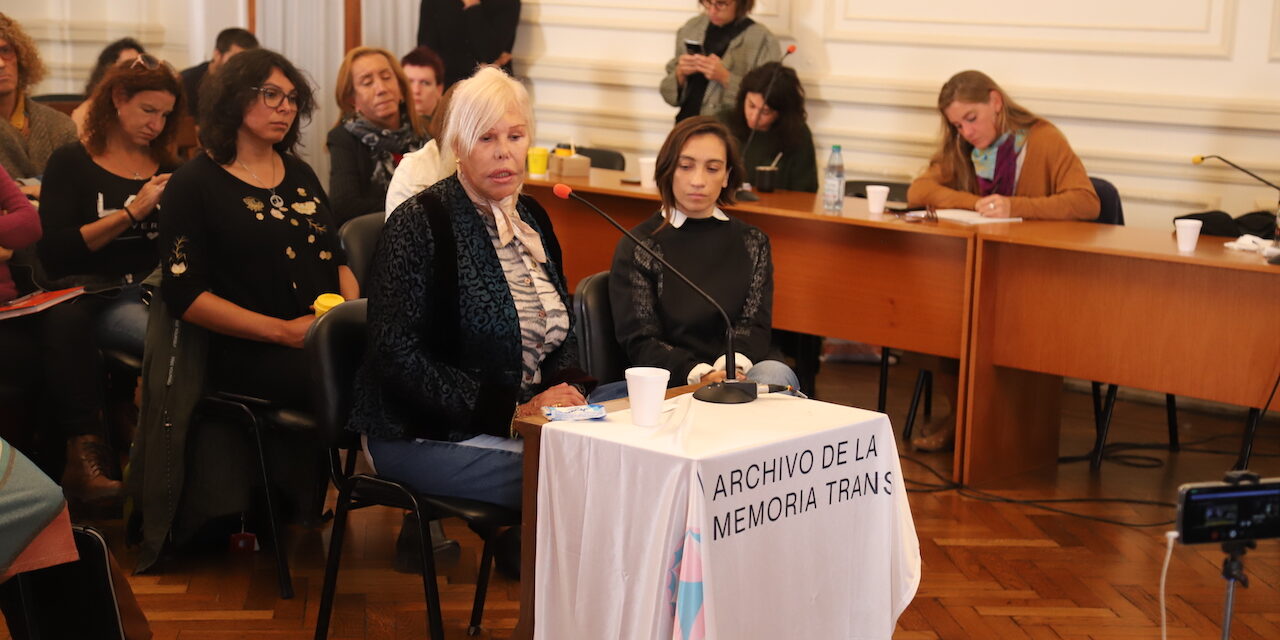
Photo: Trans Memory Archive
The court's reasoning echoes the argument presented by Oberlin. According to the prosecution and the judges, the gender identity of these victims was included "within the binary framework that eliminated anything presented as dissenting to the oppressor's worldview ." Oberlin argued that trans women were considered enemies by the State Terrorism regime because they did not conform to the "Western and Christian" gender-sex model that the dictatorship sought to enforce. In this sense, they were considered subversive because of their gender identity and were targeted for extermination.
Furthermore, they were used instrumentally, through intelligence activities, with the aim of obtaining information from them. This "reinforces the fact that they were part of the targets to be pursued," the ruling states.
The judges' reasoning serves a pedagogical function by explaining the concepts of "cisnormativity" and "heteronormativity," while also arguing why the dictatorship relied on them in the social and cultural model it sought to reinforce and implement.
A ruling that addresses cisnormativity and heteronormativity
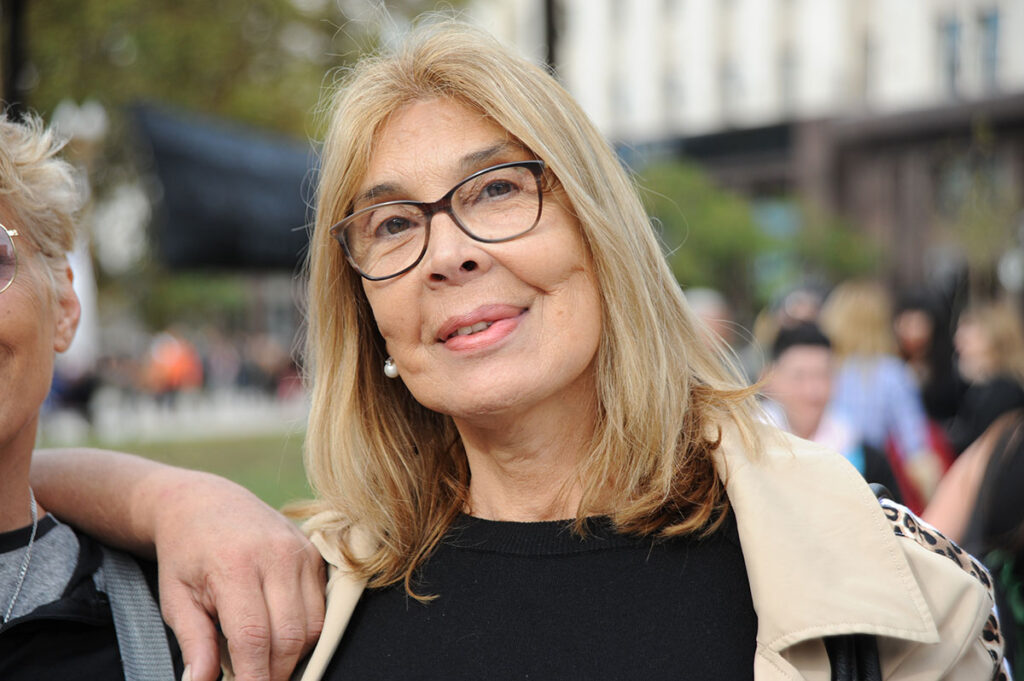
The Court found it “clearly and conclusively” that “ State Terrorism guaranteed a hegemonic gender model, in which the roles of (cis) women and (cis) men were assigned, respectively, to the domestic and public spheres, in a purely patriarchal-Western culture ,” as stated in the document.
They relied on the concept of “cisnormativity” recognized by the Inter-American Commission on Human Rights: “the expectation that all people are cisgender, that those assigned male at birth always grow up to be men and those assigned female at birth always grow up to be women.” At the same time, they explained that “heteronormativity” refers to the “cultural bias in favor of heterosexual relationships, according to which such relationships are considered 'normal, natural, and ideal' and are preferred over same-sex or same-gender relationships.”
Furthermore, they considered that it was demonstrated that “women -cis and trans- suffered to a much greater extent than men, rapes and abuses in their captivity, and other specific violences ,” echoing Oberlin’s words.
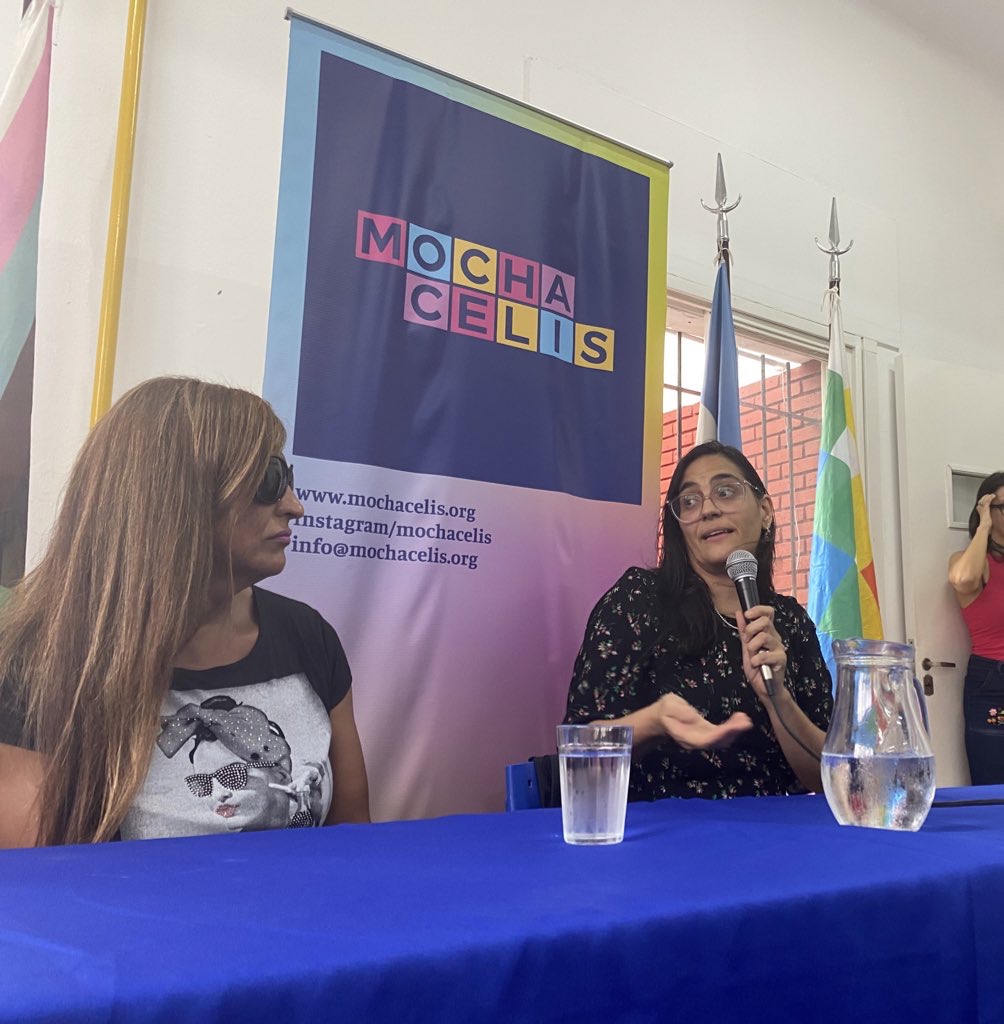
Sexual violence crimes
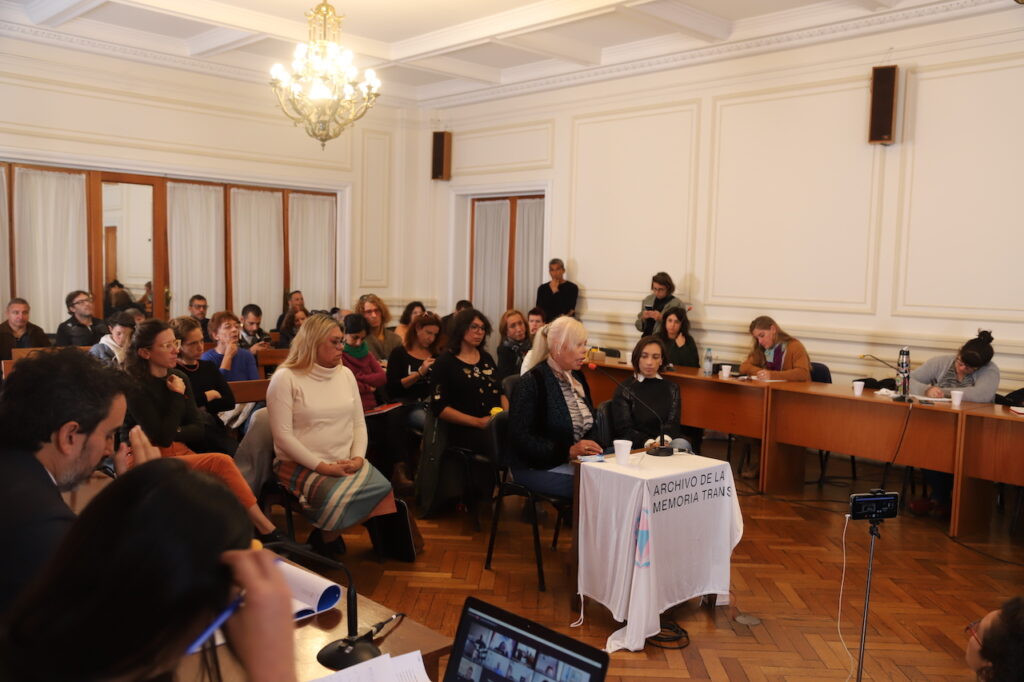
The crimes committed against this group included aggravated unlawful deprivation of liberty, aggravated torture, aggravated sexual abuse, and enslavement. The judges specified that these were mostly crimes of sexual violence. They explained that these “constitute crimes against humanity, as do the other crimes evaluated in this trial (unlawful deprivation of liberty, torture, enslavement, and homicide), and are therefore not subject to any statute of limitations.”
The grounds for the ruling list international jurisprudence such as the Rome Statute and the precedent set by the Inter-American Court of Human Rights in the “Vicky Hernández v. Honduras” case , which declared the State of Honduras responsible for the murder of Vicky Hernández , a trans woman, sex worker, and human rights defender. It also cites national jurisprudence, including the “Martel” ruling by the Supreme Court of Justice of the Nation in May 2022, which overturned a sentence that excluded the crimes of rape and indecent assault for those convicted of crimes against humanity. The ruling held that the prosecution of these crimes must be conducted with a gender perspective.
The Court gave special consideration to the testimonies provided by the victims during the trial . “In various passages, they pointed out the constant harassment and criminalization suffered structurally and historically by gender and sexual minorities, which, as has been verified in this trial, reached higher levels of intensity and systematicity at the time the events occurred,” they explained.
The judges finally acknowledged that the analysis of crimes against the trans community in this trial “ revealed blatant discrimination . To date, this has not been formally addressed in an oral trial for crimes against humanity .” Furthermore, they emphasized that such crimes “are not isolated incidents but must be framed within a context of historical and structural discrimination .”
We are present
We are committed to journalism that delves into the territories and conducts thorough investigations, combined with new technologies and narrative formats. We want the protagonists, their stories, and their struggles to be present.
SUPPORT US

FOLLOW US
Related notes


We are present
This and other stories are not usually on the media agenda. Together we can bring them to light.