

Farewell Ilse Fuskova: pioneer of lesbian visibility and LGBTI+ rights in Argentina
Ilse was the first openly lesbian woman on Argentine television and one of the organizers of the country's first gay and lesbian pride march. She died Thursday night, just hours before International LGBTI+ Pride Day, at the age of 95.


Share

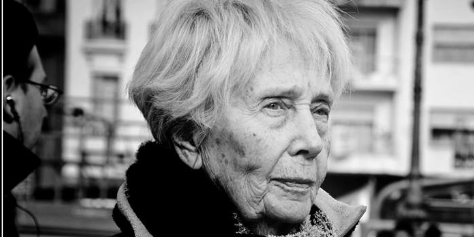
How many Ilse Fuskovas can fit into 95 years? Born in Buenos Aires in 1929 to a German father and a Czechoslovakian mother, Ilse was a photojournalist, poet, photographer, and flight attendant. She was also married to a man and had three children. It's hard to imagine when we picture a short-haired Ilse in a yellow sweater embracing Mirtha Legrand . At the time, that was the highest- rated midday television program in Argentina, and there, in front of the cameras and a national audience, she proudly proclaimed herself a lesbian. And she broke the mold.
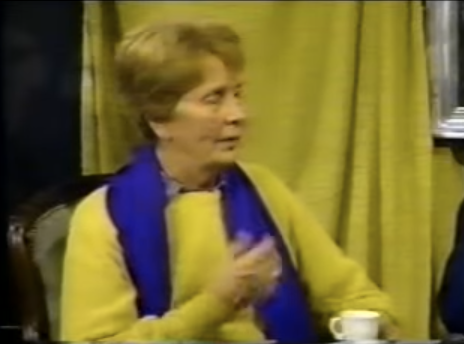
“I think it’s incredibly painful not being able to say it openly because it’s like having a divided life: one for the outside world and another for the inside, which is the private part. I think it’s very damaging to have to live under those conditions ,” she explained that day. From that day forward, many lesbians came out en masse. Among them was Claudina Marek, a teacher from Entre Ríos, who decided to send her a letter. Thus began a love story that would last 22 years, until Marek’s death.
“Ilse understood, even before Monique Wittig, that there was something in lesbian language where our poetic, political, and sexual existences were conjured and combined,” says Gabi Borrelli, a lesbian activist, poet, and cultural manager. Poetry was a love they both shared. “She experienced much of the intensity of democracy in our country, and she imbued that intensity with an almost poetic rhythm through her tone of voice and her way of speaking.” Being openly lesbian in an era when secrecy was the norm brought important decisions into her life and reaffirmed an unwavering commitment to the lesbian-feminist movement.
“Passionately lesbian”
Several things had to happen before Ilse could sit at the table of that television program that hosted thousands of celebrities, but very few lesbians. First, she had to separate from her husband and begin to be active in the feminist movement, eventually becoming part of the lesbian-feminist movement.
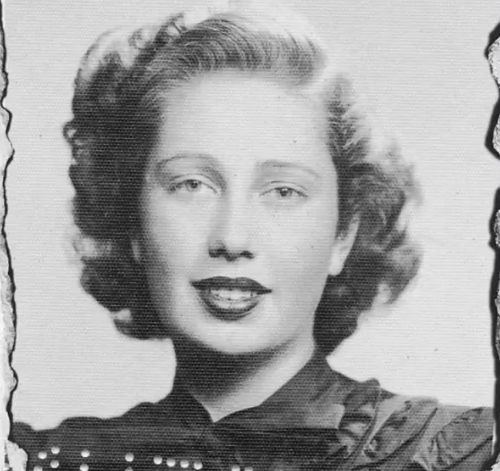
Ilse was over 50 when she realized it was possible to want everything in life. Perhaps for that very reason, and until her final years, she maintained an active and curious attitude. This is how María Luisa Peralta remembers her on her social media, where she shares her surprise when, at 65, Ilse began studying visual arts.
The pivotal event came around mid-1985. That year, two stars collided. Ilse met Adriana Carrasco, who was then active in ATEM (Association for Women's Work and Study), and together they embarked on a path of political and poetic activism for lesbian visibility in Argentine society. In 1987, with democracy restored in Argentina, they co-edited the Cuadernos de Existencia Lesbiana (Lesbian Existence Notebooks), which included six life stories of lesbian comrades .
A year later, on March 8, 1988, during the International Women's Day rally in Plaza Congreso, Ilse and Adriana, along with eight other lesbians, stood with a pink banner bearing the name of the magazine, wearing a flower on their shirt and a ribbon in their hair that read "Passionately Lesbian." At that time, the magazine was already on its fourth issue. "It was beautiful when we did things that no one else dared to do," Carrasco wrote on her social media, as a farewell, alongside a photograph from her youth showing the two of them embracing.
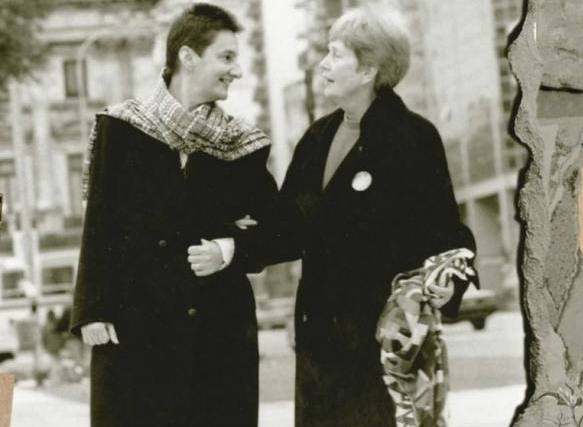
“I’m with the person I love and I don’t want to hide my feelings.”
In the 1990s, Ilse joined the organization Gays for Civil Rights, led by Carlos Jáuregui, the first president of the Argentine Sexual Community (CHA). Carlos would become a pivotal figure in her life. Together, they organized the first Gay-Lesbian Pride March in 1992. Around 300 people marched that winter wearing cardboard masks for fear of being recognized and losing their jobs.
The ideas that Ilse developed during those years of lesbian activism and militancy would later be captured in the book * Amor de mujeres. El lesbianismo en Argentina hoy* (Women's Love: Lesbianism in Argentina Today), co-written with Claudia Marek and published in 1994. In those pages, she explains that kissing another woman in a public space is a profound feeling of self-affirmation, of emerging from secrecy.
“I’m with the person I love, and I don’t want to hide my feelings. They are beautiful feelings, and no one is going to make me believe they aren’t worthy of being expressed publicly,” she writes. It wasn’t common back then for heterosexual women to question why heterosexuality had been imposed as obligatory when, in fact, attraction between women had existed throughout history and on every continent. Or, in her words, “how the patriarchy benefits from our blind obedience.” I think it’s still not common today, although some paths have been cleared since then.
She will close that book by saying: “Lesbians exist and we are everywhere. To anyone who thinks this caused me problems, I assure you it didn't. On the contrary. Not having to hide or pretend anything is a celebration of freedom.”.
Farewell, Ilse Fuskova
Anticipating what might happen on a cold June day, the documentary Ilse Fuskova, directed by Liliana Furió and Lucas Santa Ana, premiered in 2021. The film portrays the life of the lesbian activist and one of the pioneers in the fight for LGBTI+ rights in Argentina. They wanted her legacy to reach everyone. “Meeting Ilse was an absolute revelation for me and a complete learning experience. Shortly after coming out, after being married for many years, I had the privilege and good fortune to meet her in person,” says Lili Furió.
This friendship deepened in 2015 when the idea arose to make a film about her life. “Sharing these last few years with her was another beautiful learning experience. The book they wrote with Claudina and everything they gave us as a tool for struggle is a learning experience, and I was very lucky to be close to her during these last years,” says the documentary's director.
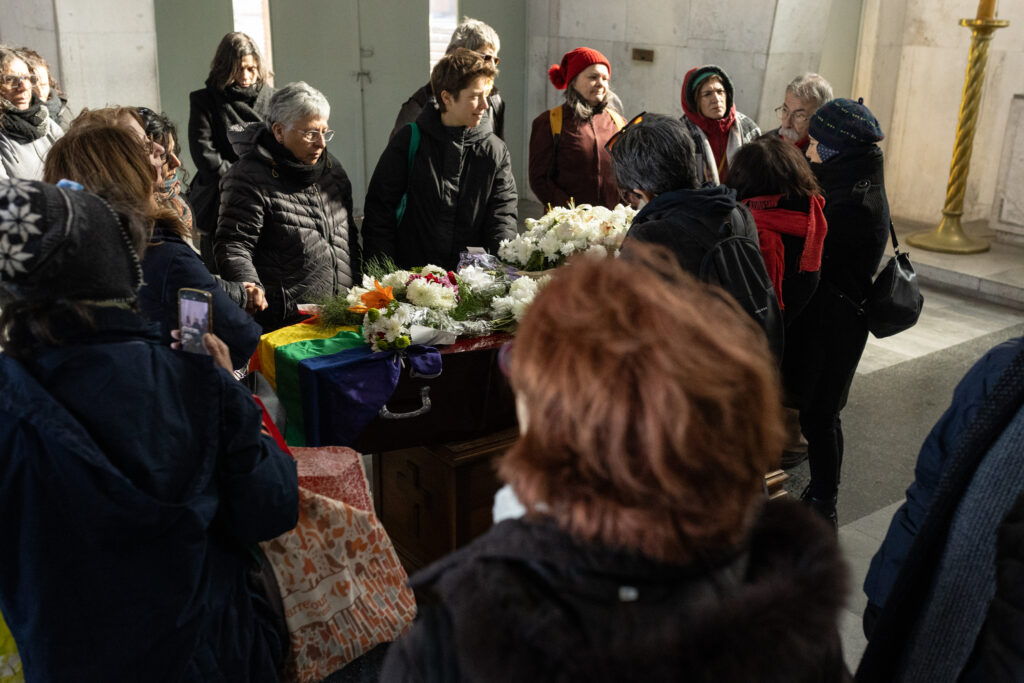
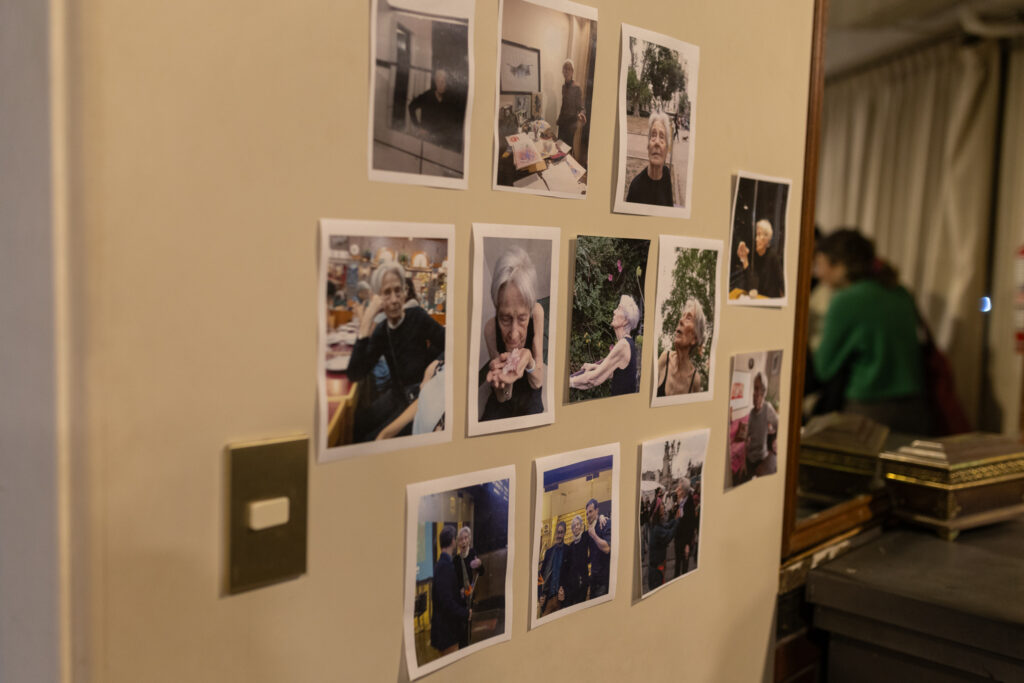
In the film, Ilse, with completely white hair, can be seen reacting to photographs from her childhood, her years as a flight attendant, and with her children. All the Ilse versions she sought, found, and dared to be in her 95 years. “Today we mourn because yesterday Ilse passed away, to whom we lesbians, lesbians, and all the queer people owe so much. Ilse knew how to make lesbianism a notebook of resistance, visibility a tool for survival, photography a manifesto, and literature a field for sowing other possibilities,” wrote writer and researcher Vir Cano, as a farewell, on her Instagram account.
His legacy
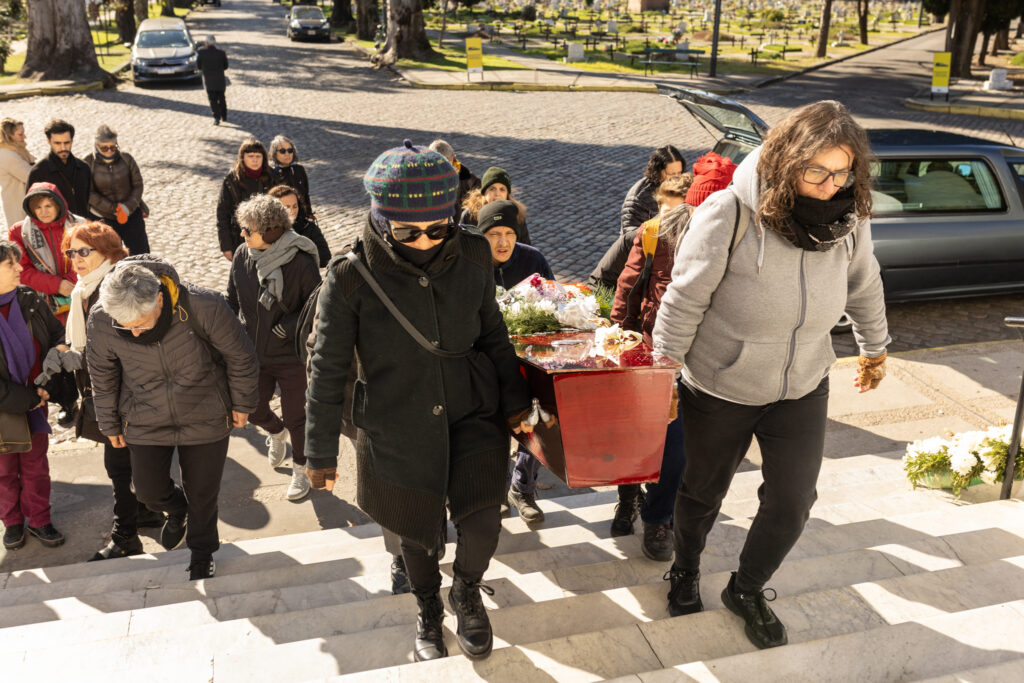
I wonder how many lesbians have taken Ilse's courage as a springboard for their own lives. Because, of this I am certain, we are not lesbians in isolation. Many are those who, after her television appearance, were able to come out of the closet, out of their own catacombs. To hold the hand of the person they love in a public place. To dare to live a life without fear of reprisal. Even I, a lesbian of her generation, a teenager who grew up in a province in northwestern Argentina, owe something to this story. It happened one afternoon. I remember it well. I was able to trace Ilse's online activity on a slow computer in an internet café, see her sitting and speaking with such conviction in that interview from the 90s, and feel less alone. I was able to think: "There are others like me." And then, I was able to dare to live.
We are present
We are committed to journalism that delves into the territories and conducts thorough investigations, combined with new technologies and narrative formats. We want the protagonists, their stories, and their struggles to be present.
SUPPORT US

FOLLOW US
Related notes

We are present
This and other stories are not usually on the media agenda. Together we can bring them to light.