

OAS Assembly in Paraguay amid feminist mobilizations and anti-rights lobbying
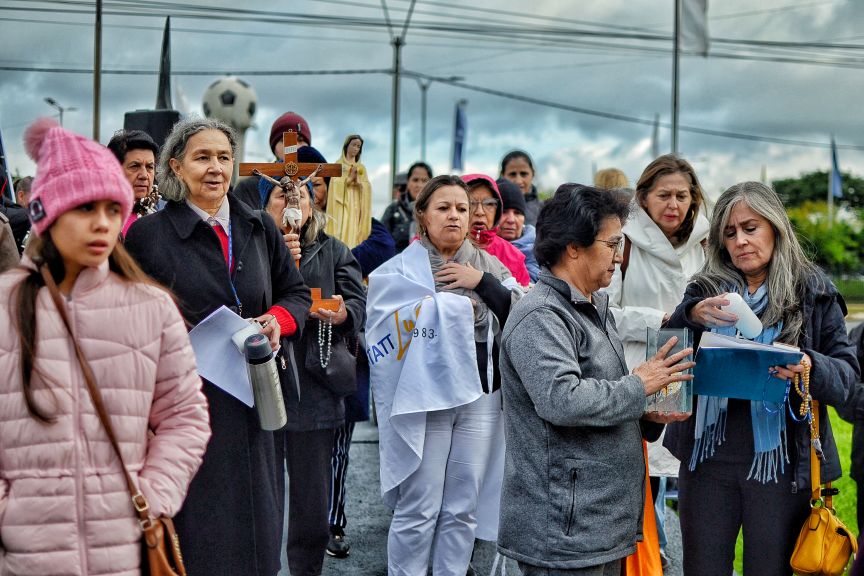
This morning, feminist groups marched to demand the gender agenda at the OAS, and anti-rights groups also marched, praying around a statue of a fetus.


Share

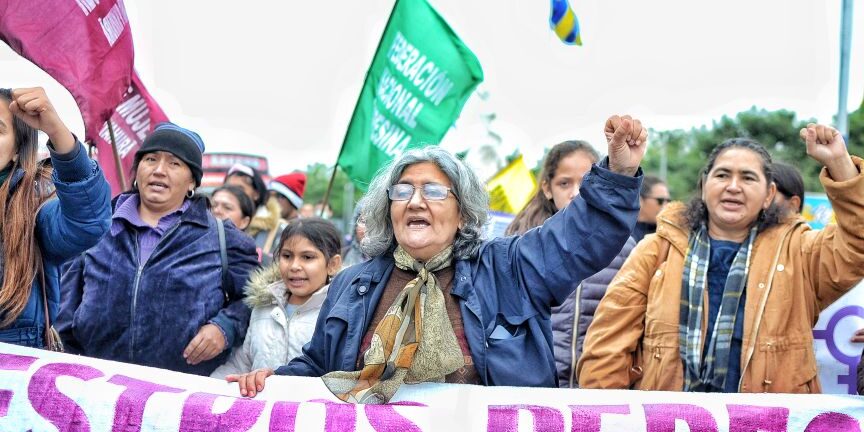
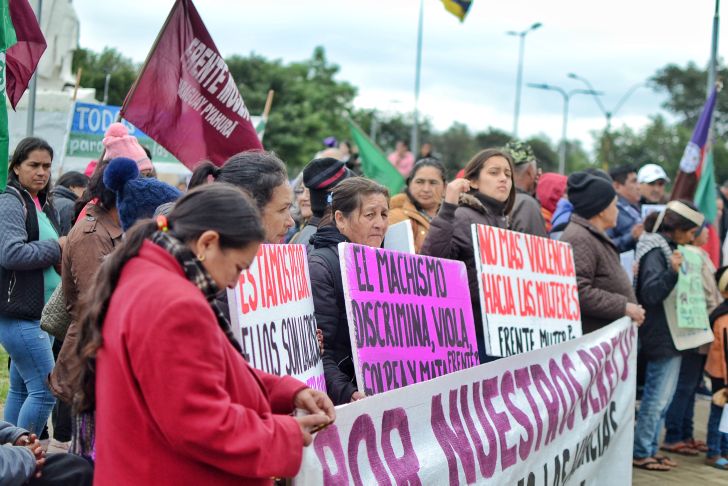
For the third time, and after 10 years, Paraguay hosted the General Assembly of the Organization of American States (OAS). This morning, dialogue began between representatives of civil society organizations, and social organizations marched for gender equality, a dignified life, democracy, justice, and respect for all voices in the Americas.
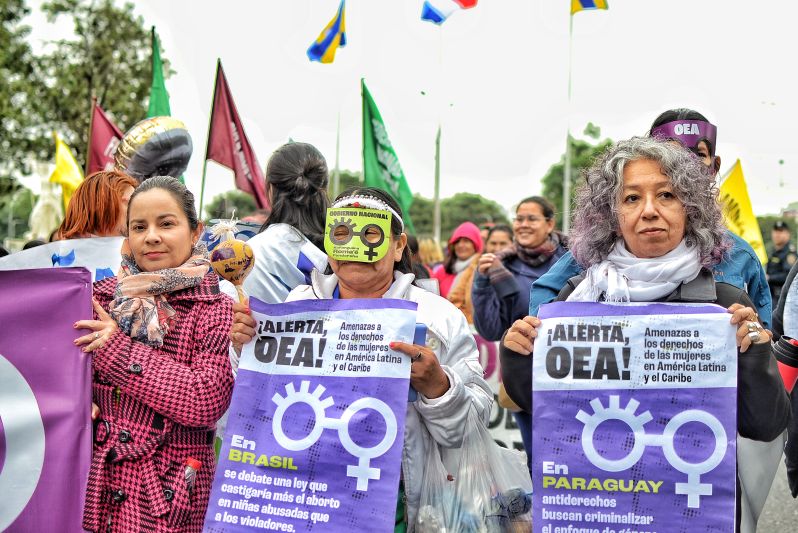
Under the slogan “OEA Kuñanguera roma'ê penderehe” –We women are watching–, more than forty women's organizations mobilized to highlight the Paraguayan state's historical debt to human rights. At ten in the morning, they departed from the Plazoleta de Las Residentas in the city of Luque, marching to the vicinity of CONMEBOL headquarters to read a joint statement and meet with the heads of delegations and the Secretary General of the OAS, Luis Almagro.
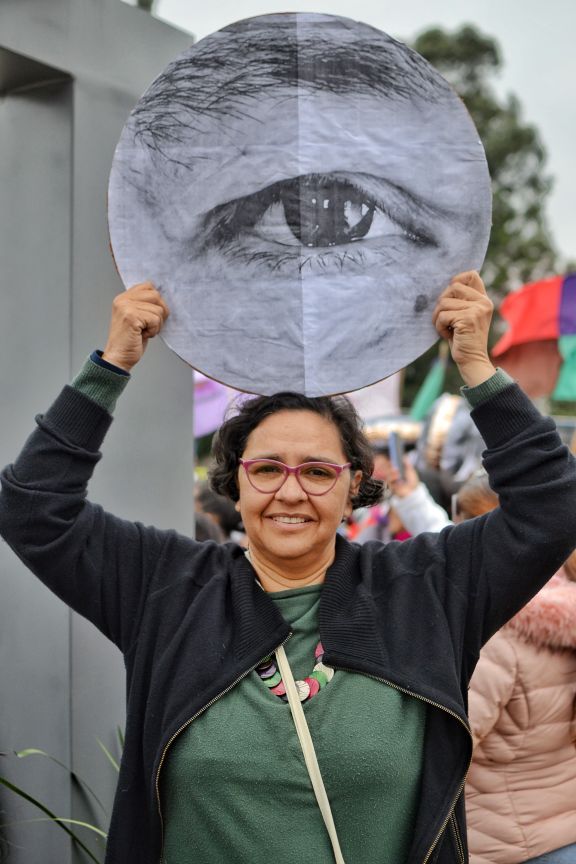
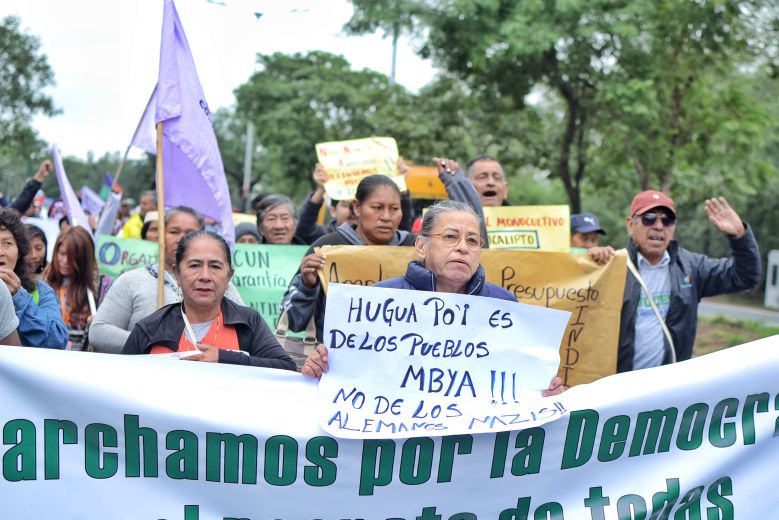
Women from grassroots organizations, collectives, and civil society organizations across the country delivered a letter on June 19 to Foreign Minister Rubén Ramírez Lezcano, urging the government to uphold gender equality through public policies that incorporate gender, racial, disability, intercultural, and intersectional perspectives. They also demanded territorial and environmental rights in Paraguay and throughout the region.
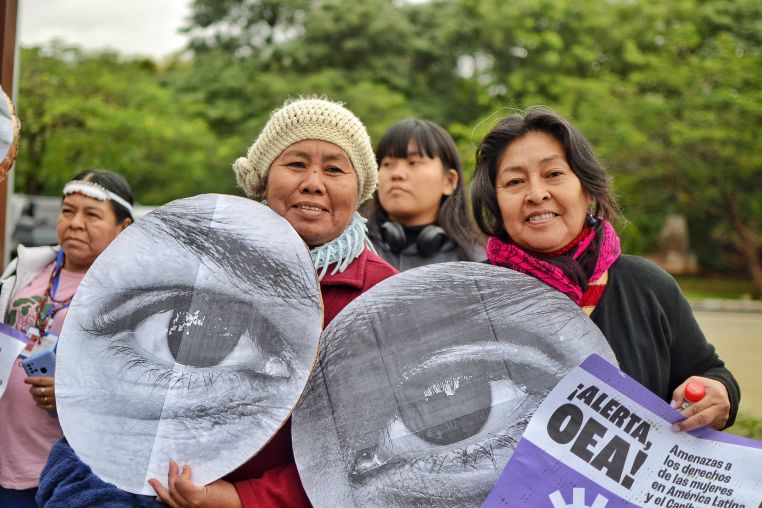
A future at stake
The assembly is discussing draft resolutions that could affect the interpretation of treaties and norms on international human rights law. In this regard, pro-life groups are lobbying to influence Paraguay's position at the assembly and prevent the adoption of resolutions related to human rights.
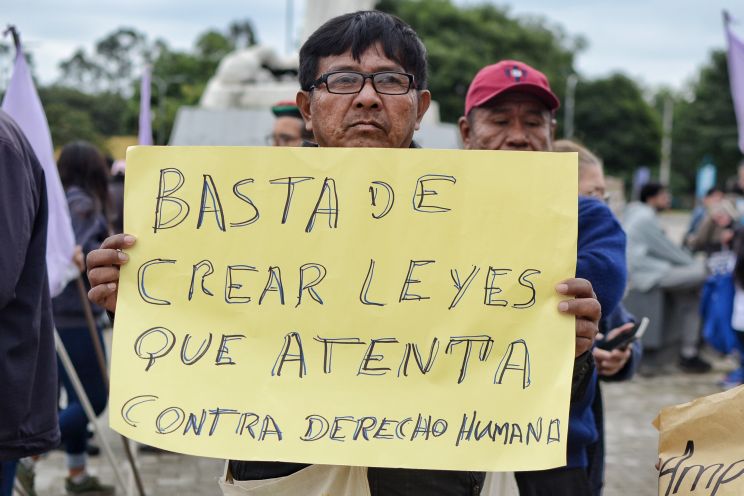
The Association of Evangelical Churches of Paraguay (ASIEP) sent a letter to President Santiago Peña requesting that he reaffirm his pro-life stance and that "gender ideology not be allowed to interfere" with Paraguay's values and the National Constitution. The Paraguayan Episcopal Conference also endorsed the statement , advocating for the protection of sovereignty, life, and the family.
🇵🇾 #NOW Today the 54th OAS General Assembly begins in Asunción, Paraguay. This is the third time the country will host the main annual meeting of this international organization.
— Presentes Agency (@PresentesLatam) June 26, 2024
✊🏾At 10 am the women's march for democracy will take place in front of the monument to… pic.twitter.com/wCHgqaZ2AN
External influence
Michi Moragas, a feminist lawyer with the Feminist Legal Clinic, stated in an interview with Made In Paraguay “In this context, what is worrying is that Argentina has shifted its position, becoming not only anti-gender but also anti-rights in general. For example, they are demanding the removal of the word 'racism' from the Universal Declaration of Human Rights. The concern is that this could embolden certain countries like Paraguay, which have always opposed certain gender-related points .”
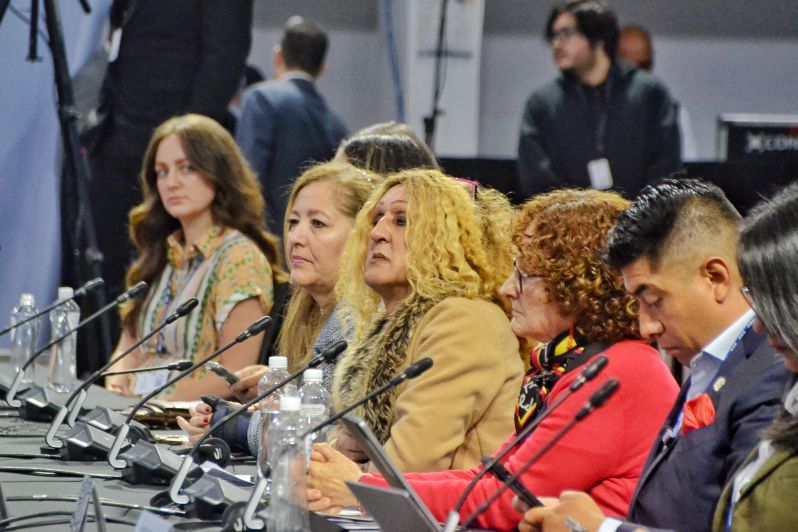
The U.S. delegation, present at the 54th OAS General Assembly in Asunción, announced its support for the resolution on the human rights of LGBTI+ people. It will also support other resolutions it considers key to strengthening regional democracy, such as those addressing the situation in Nicaragua; freedom of religion or belief; disaster response; legislative participation; and security, human rights, and democracy in Haiti.
“Several organizations are protesting the right-wing's abuses, the escalation of violence against women, and the Ministry of Education's denial of sexual and reproductive education. This is a setback for democracy itself,” stated Dora Flecha of the Paraguay Pyahura Front. She mentioned the “12 Sciences” , which contains gender stereotypes, hate speech, and religious bias.
A story foretold
Ten years ago, then-Foreign Minister Federico González announced that Paraguay would not support the draft resolution on human rights, sexual orientation, gender identity, and gender expression presented by Brazil. Activists from the organizations Lesvos and Somosgay demonstrated in front of CONMEBOL headquarters and were violently repressed by police forces. Even journalists were injured while covering the protests. Those who call themselves “pro-life and pro-family” did not receive the same treatment.
Anti-rights demonstrations
As they did ten years ago, anti-rights groups mobilized this morning. They called for a vigil at eight o'clock in the morning in front of the anti-abortion monument called "The Miracle of Life," located in the plaza on Avenida Sudamericana, between Las Américas and the Silvio Pettirossi highway. Their intentions remain unchanged.
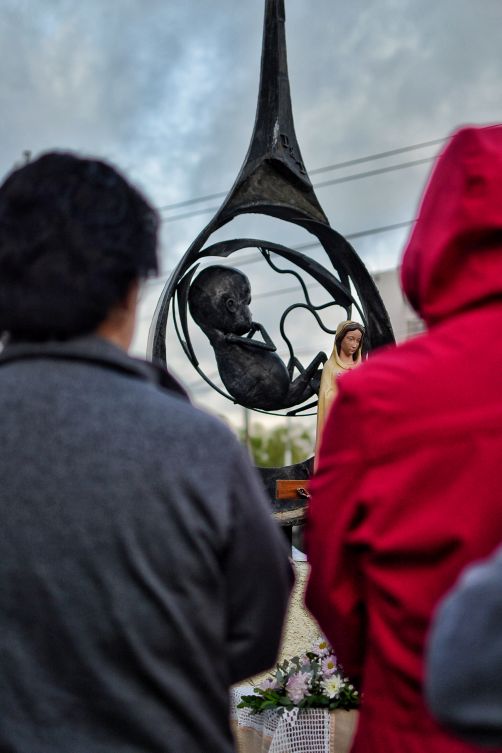
“I can have a daughter and she’s born a daughter; it’s not like I can choose what will be born, and it doesn’t depend on me. Luque is the first pro-life city; 10 years ago, there was a beautiful demonstration where they were able to stop what they were bringing, which was abortion. Abortion is the murder of the unborn child. If your mother had murdered you, you wouldn’t be here,” says Cora Torres de Martínez, an anti-abortion protester with 40 Days for Life.
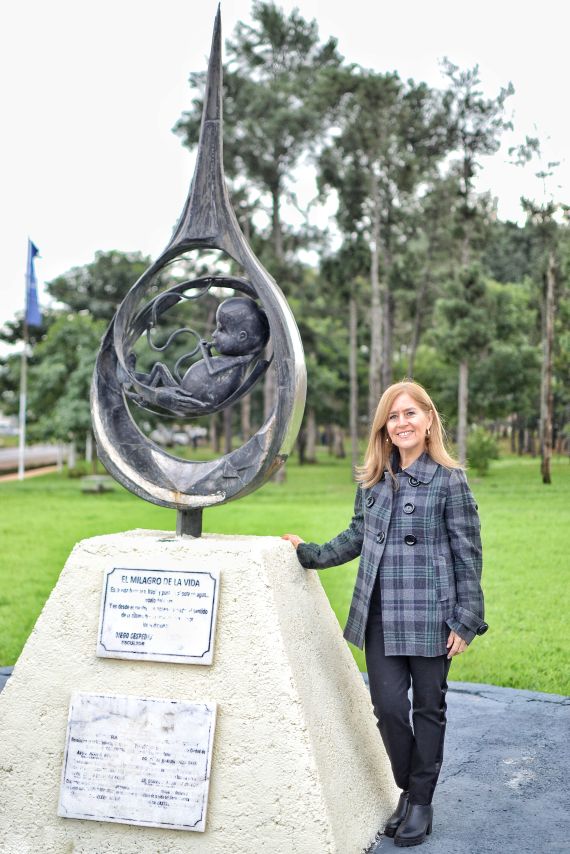
Tonight, the opening ceremony will feature President Santiago Peña. The event will take place at 7:30 p.m. at the Central Bank of Paraguay. The plenary sessions will be held on Thursday, June 27, and Friday, June 28. Member States will engage in open debate on the organization's political mechanisms, actions, and mandates within its four pillars: democracy, human rights, security, and integral development.
We are present
We are committed to journalism that delves into the territories and conducts thorough investigations, combined with new technologies and narrative formats. We want the protagonists, their stories, and their struggles to be present.
SUPPORT US

FOLLOW US
Related notes


We are present
This and other stories are not usually on the media agenda. Together we can bring them to light.