

To exist and to resist: This was the 6th National LGBTIQNB+ Meeting in Rosario
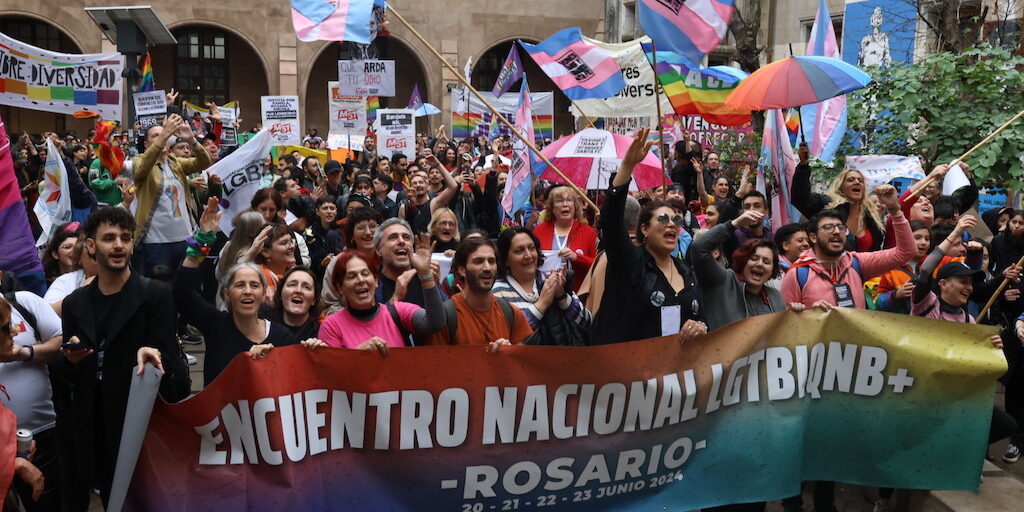
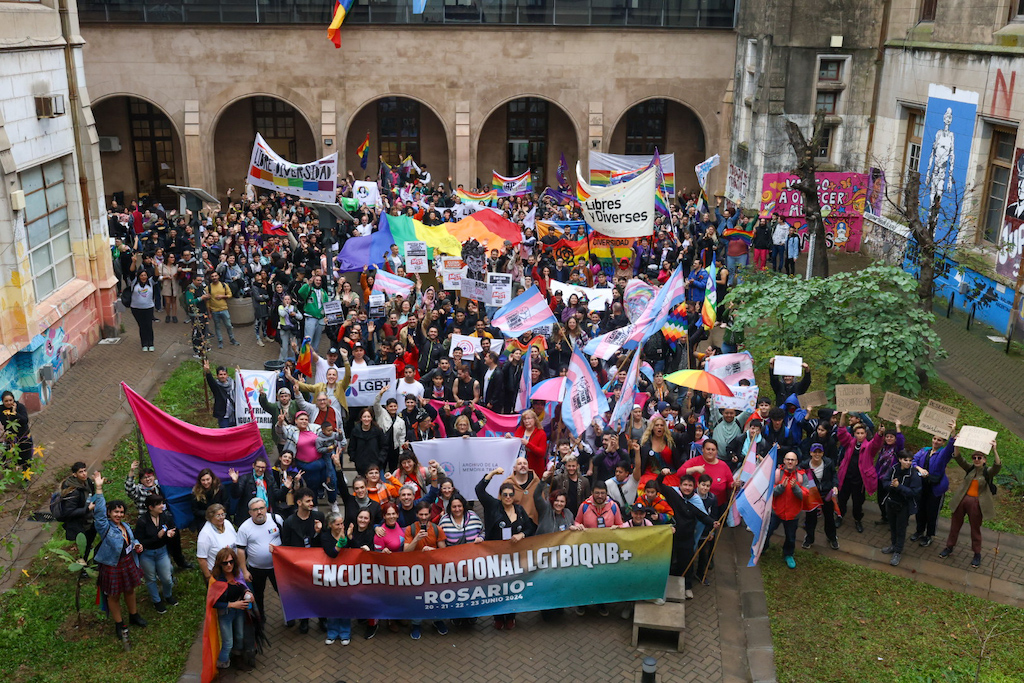
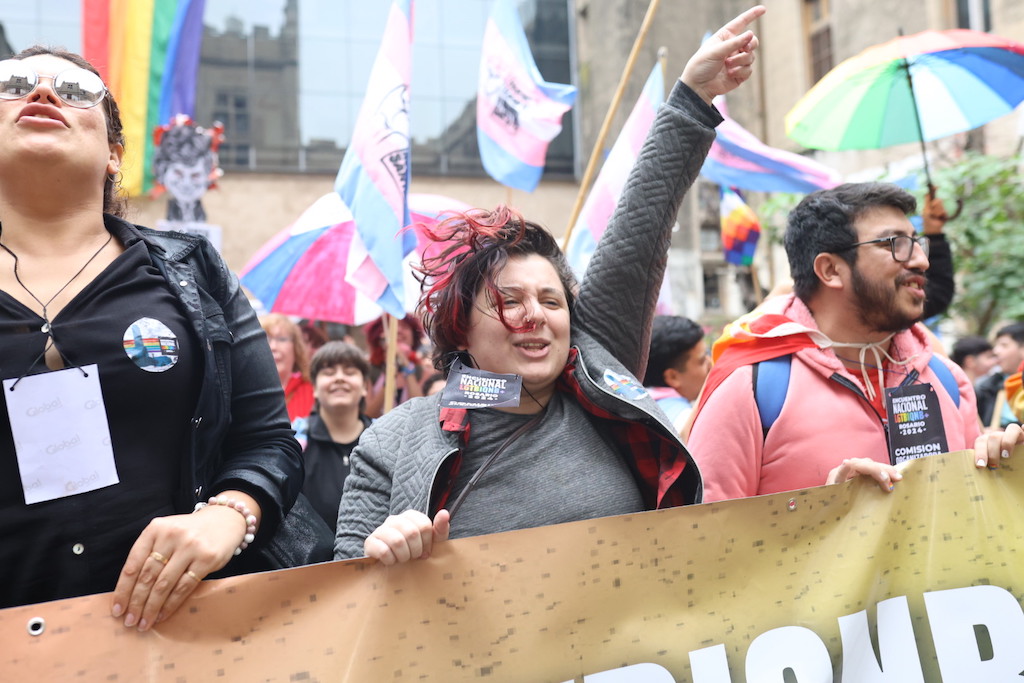
More than 1300 people of lesbian, gay, transvestite, trans, queer, intersex, non-binary, sex worker and queer identities participated in Rosario (Santa Fe) at the 6th National LGBTIQNB+ Meeting.


Share

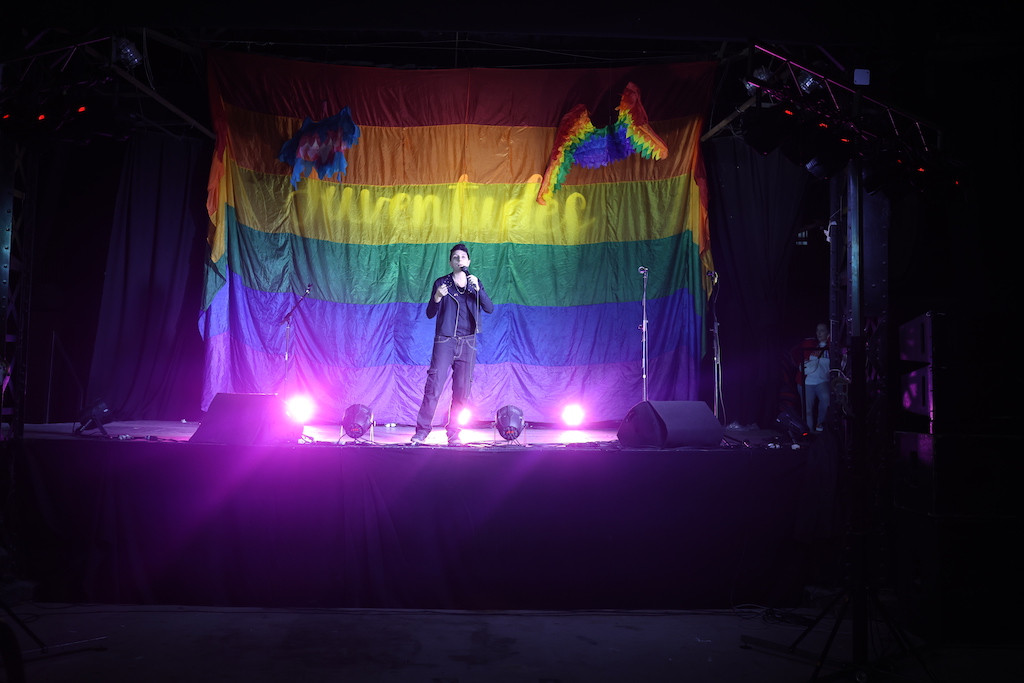
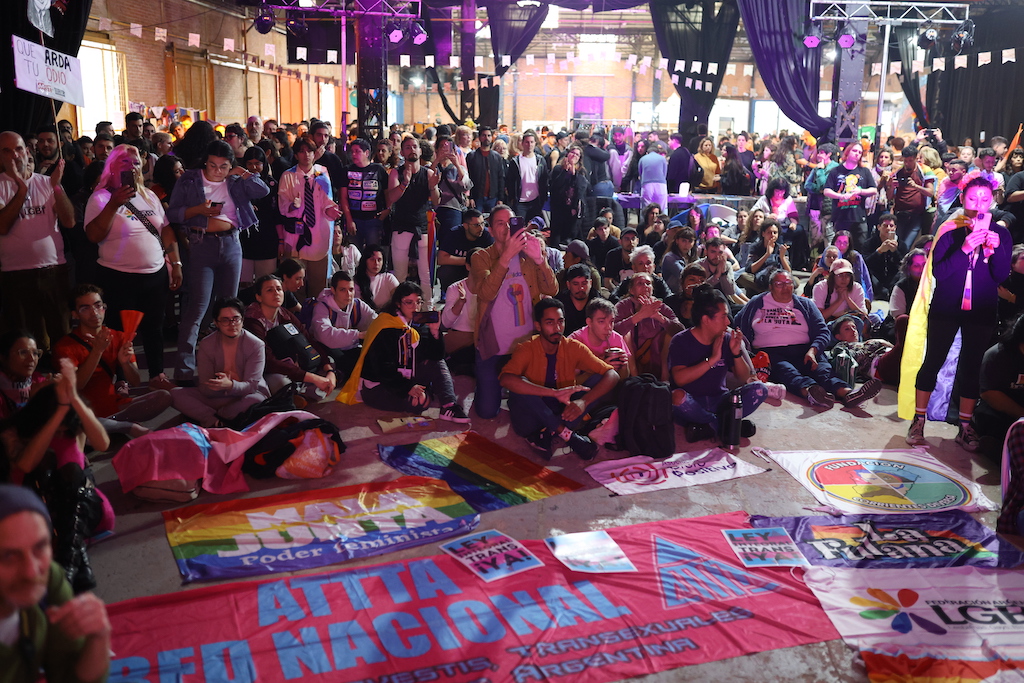
ROSARIO (Santa Fe) . In Pride Month, and after 25 years, the National Meetings of Sexual Diversity returned to Argentina. From June 20 to 23, 2024, more than 1,300 people of lesbian, gay, bisexual, trans, queer, intersex, non-binary, sex worker, and queer identities, representing over 200 organizations and 21 provinces, participated in the 6th National LGBTIQNB+ Meeting in Rosario (Santa Fe). Three days of debate, horizontal workshops, cultural and recreational activities, and public interventions were held to celebrate diversity, share experiences, and develop proposals for expressing desires and identities in a safe and open environment. The goal was to build community, reorganize the anger against hate speech and hate attacks, and develop strategies for struggle and redress.
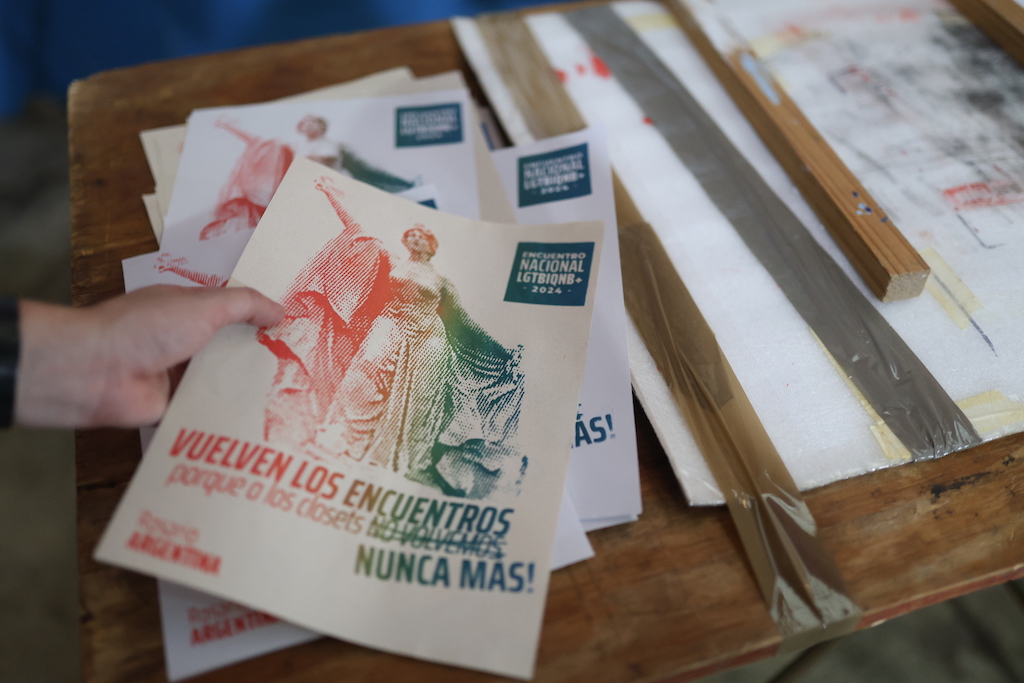
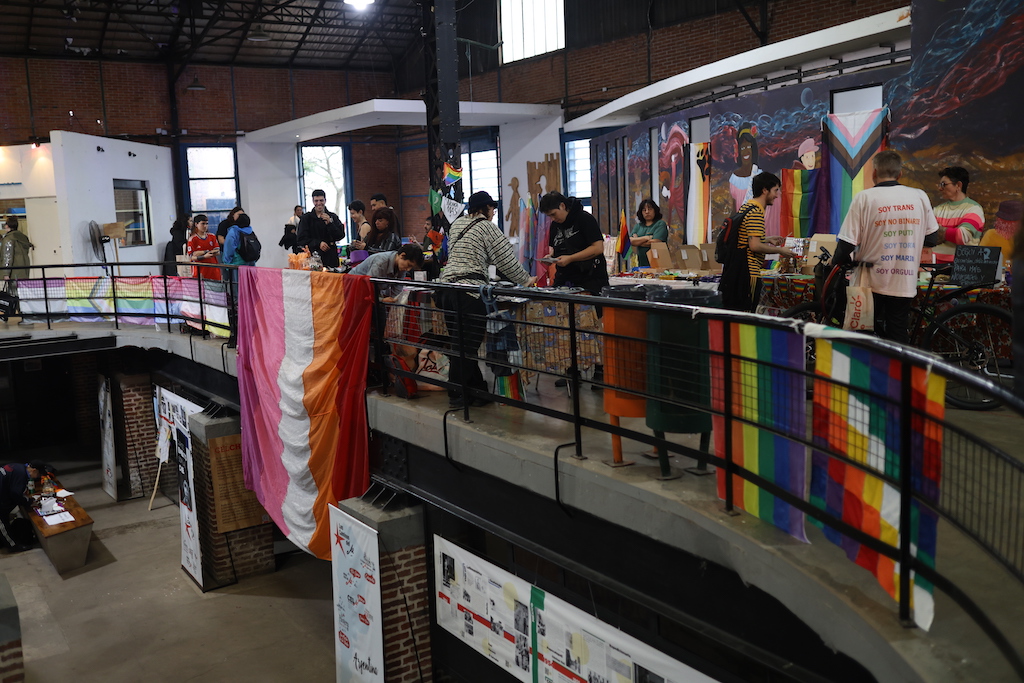
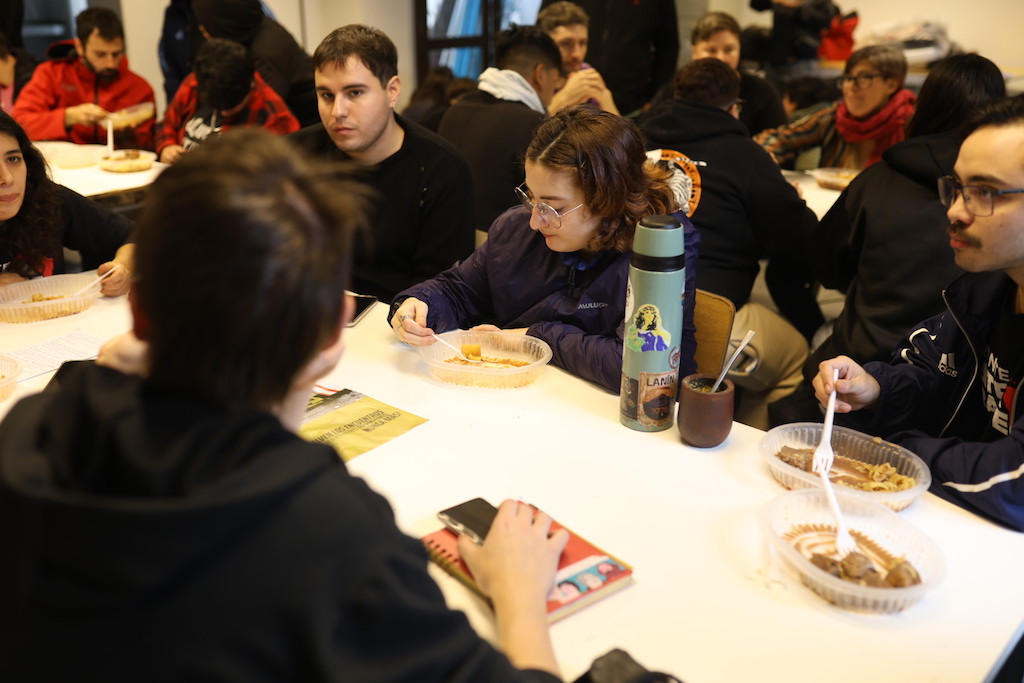
There were 26 thematic workshops, where people from different generations, social classes, and backgrounds shared knowledge, experiences, and stories. These spaces were designed to spark debate, generate questions, and establish broader channels for collaboration, supported by a rich cultural agenda rooted in activism.
Gathered to reflect collectively and take a stand, activists in Rosario reaffirmed their struggles for equality and social justice, reminding both the people and governments that “our lives and rights are not negotiable. They are valid and worthy of being lived in freedom,” as was expressed in different ways throughout the Encuentro. The event was permeated by the historical memory of those who paved the way in the past, promoting the rights of sexual diversity and placing them on the agenda.
Lesbophobia kills
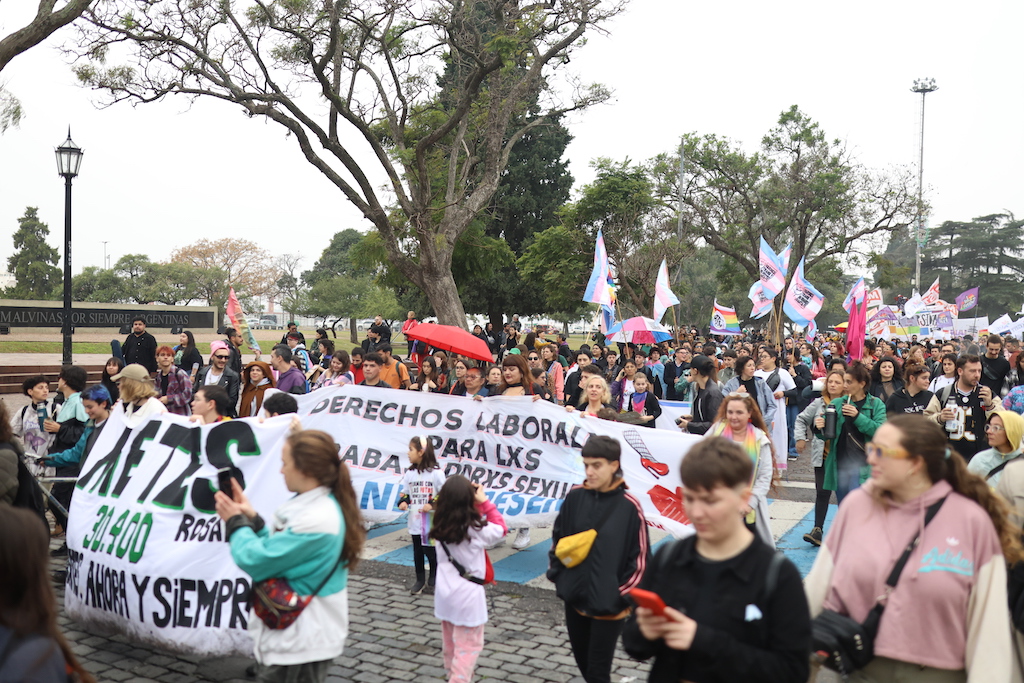
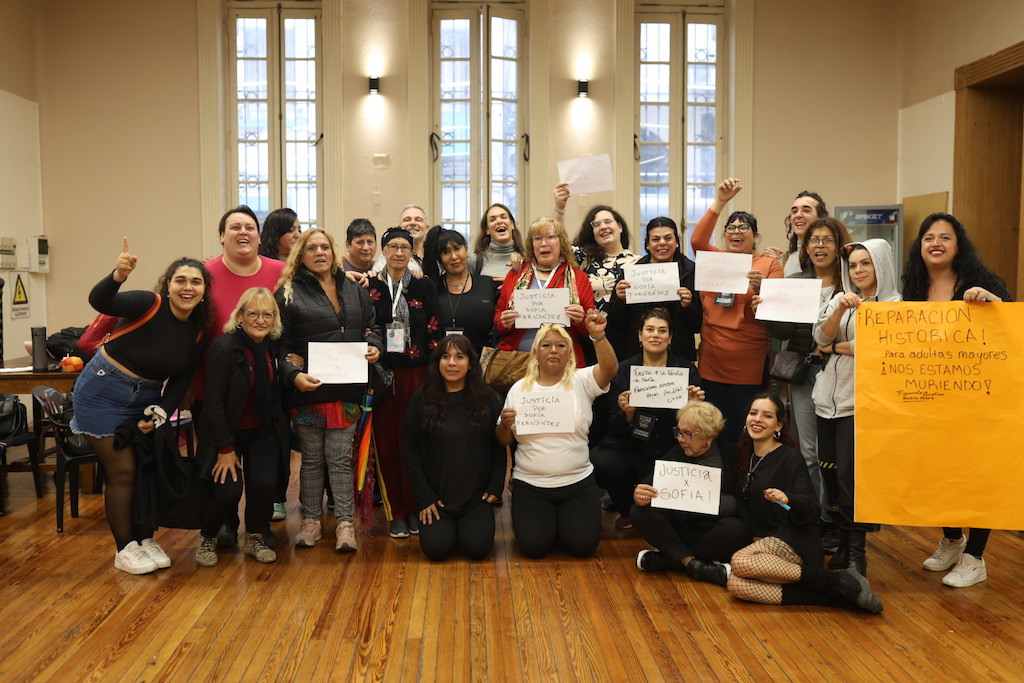
Sleeping cannot be a heterosexual privilege . That phrase resonated throughout the space, referring to the triple lesbian murder and hate crime in a Barracas hotel. The presence of Roxana, Pamela, Andrea, and Sofía echoed through every microphone. It resonated in every request, in every corner, in every shout, highlighting the vulnerability of lesbians and the violence to which we are exposed. There was a discussion and an exhibition about the lesbian murder, organized by the group Lesbianes Autoconvocades por Barracas (Self-Organized Lesbians of Barracas). There was a constant emphasis on remembering that this was a lesbian murder.
María Eugenia Sarrias, a lesbian feminist activist and president of the organization Lxs Safinas, highlighted a phrase repeated during the march by the lesbian contingent: "The cake is shared." She was referring to the ways in which lesbians choose to love, organize, make decisions, and carry out shared actions. Eugenia emphasized the importance of everyone having the same opportunities and being recognized as subjects of rights, regardless of their identities, and of having equal access to housing, employment, and healthcare.
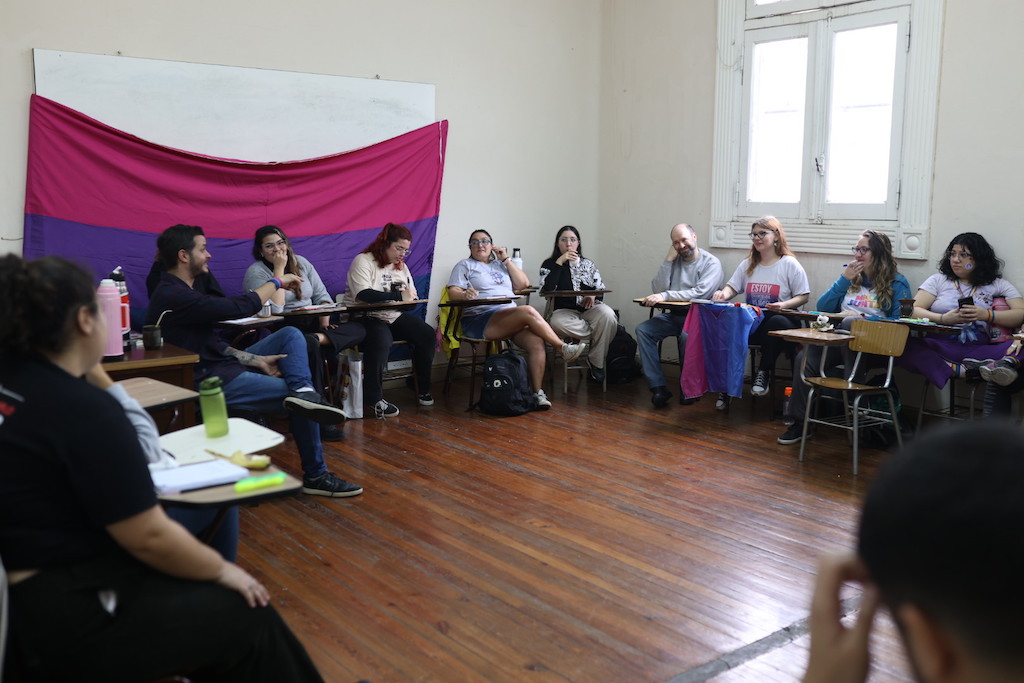
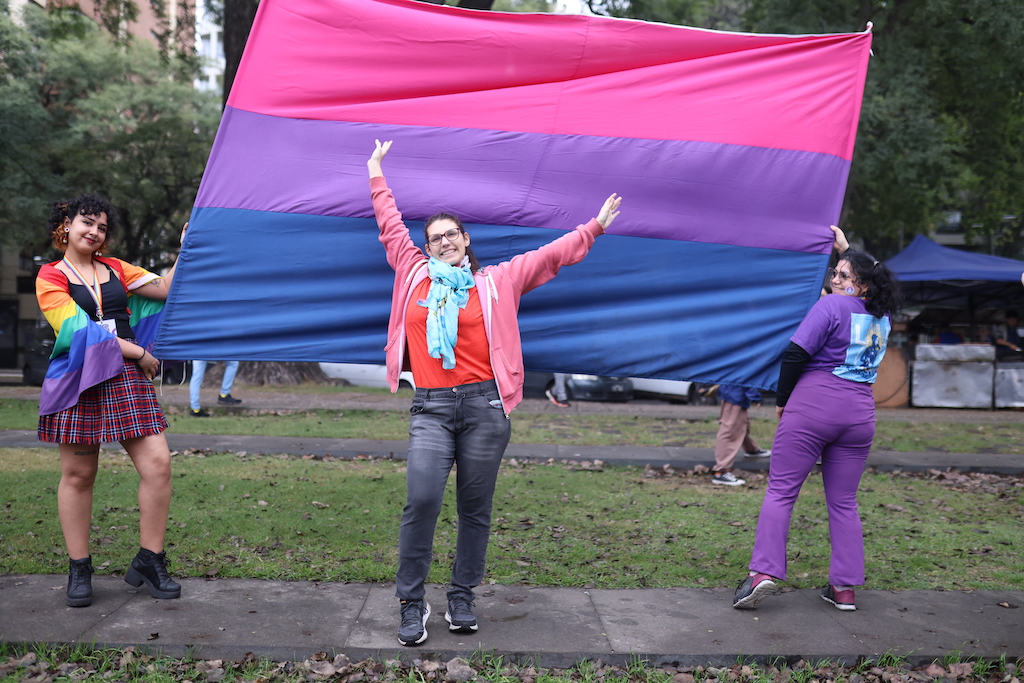
Workshops, exchanges, party and march
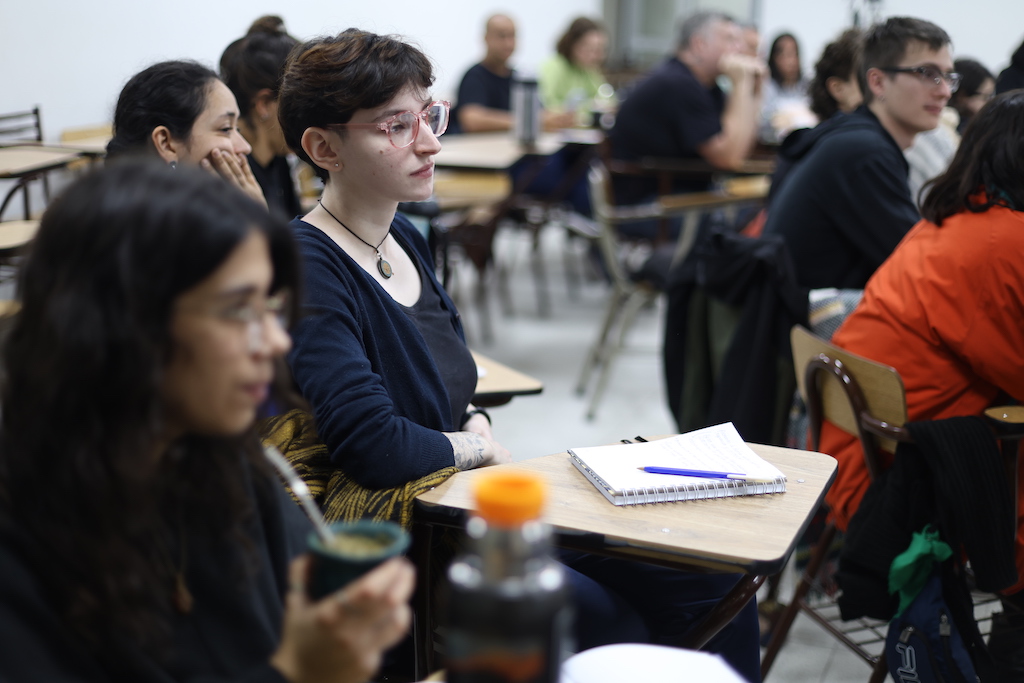
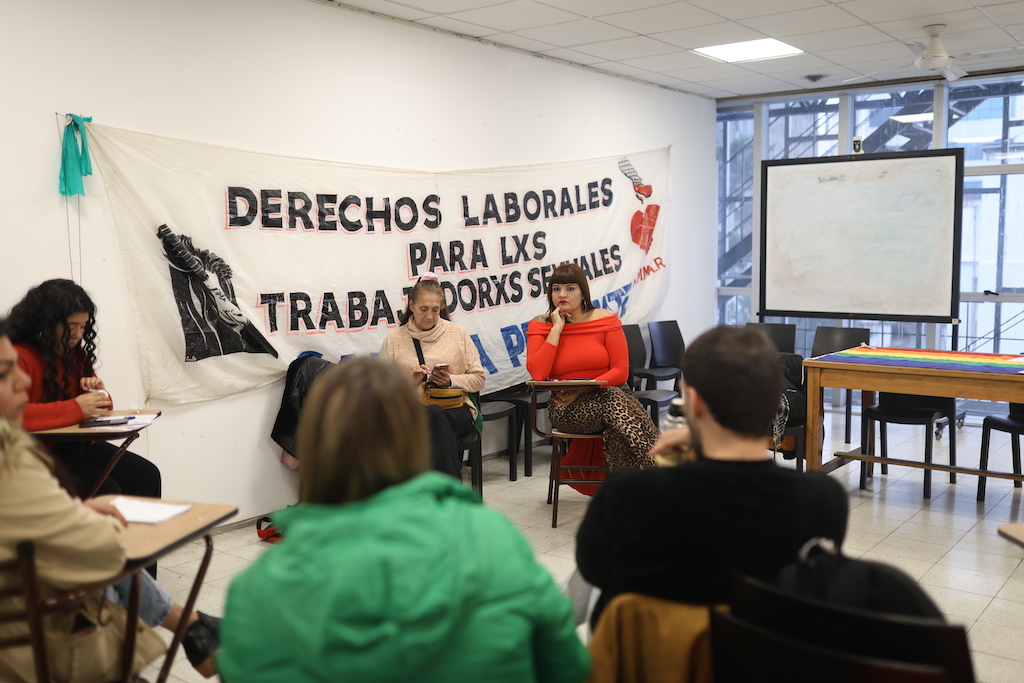
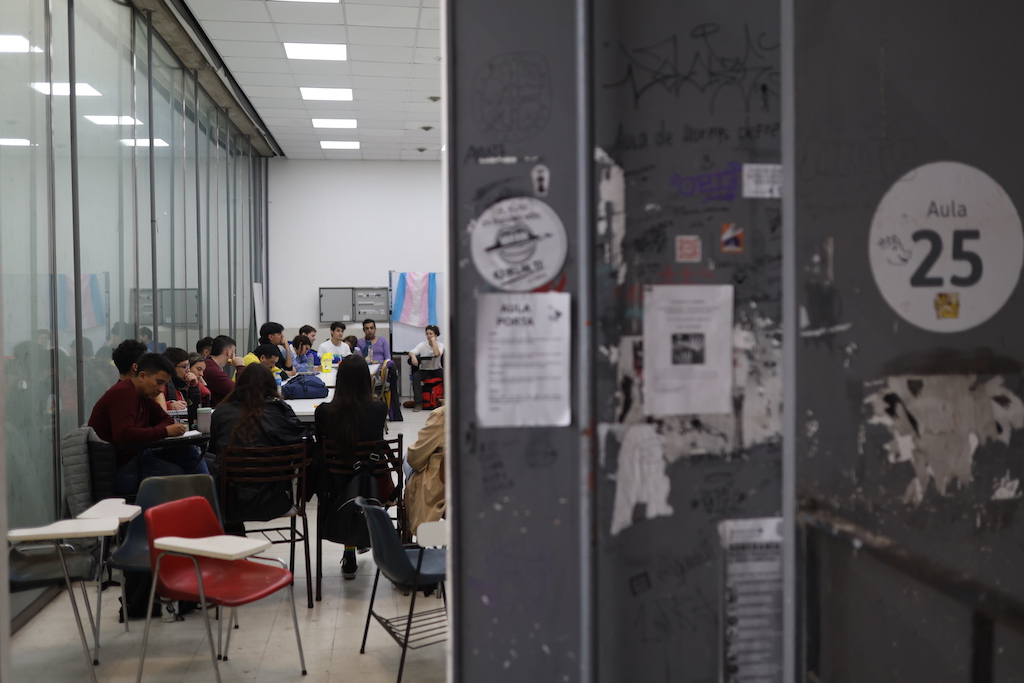
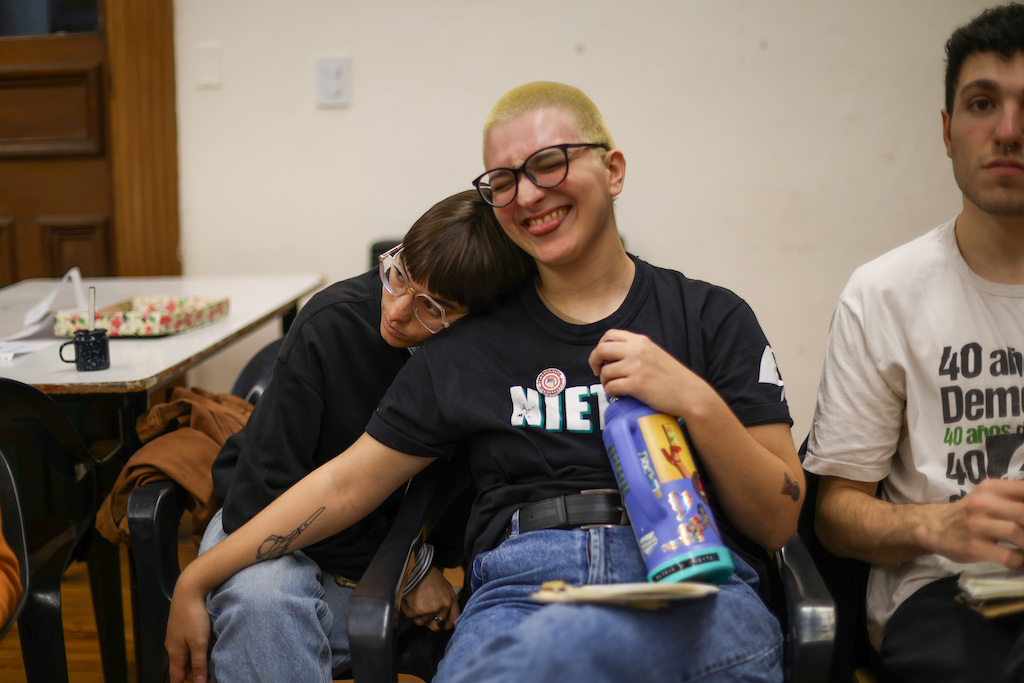
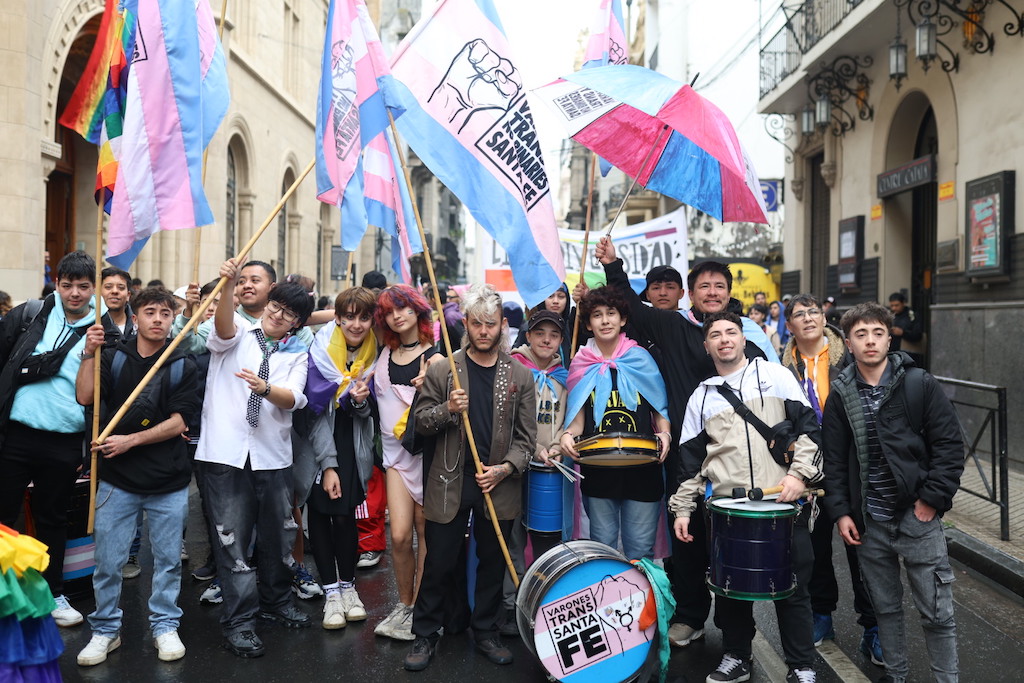
The younger generations had a prominent presence, bringing fresh perspectives to each discussion and enriching the experiences of older adults. This ongoing exchange of views and experiences accompanied the photographic exhibitions, cultural activities, and celebrations, demonstrating politically that the voices of queer are strong and numerous.
The workshops revealed the weariness, fear, and mental exhaustion of a community struggling against precarious living conditions and structural poverty. Faced with escalating hate speech and violence directed at the LGBTIQNB+ community, the urgent need for public policies that ensure care and protection became evident.
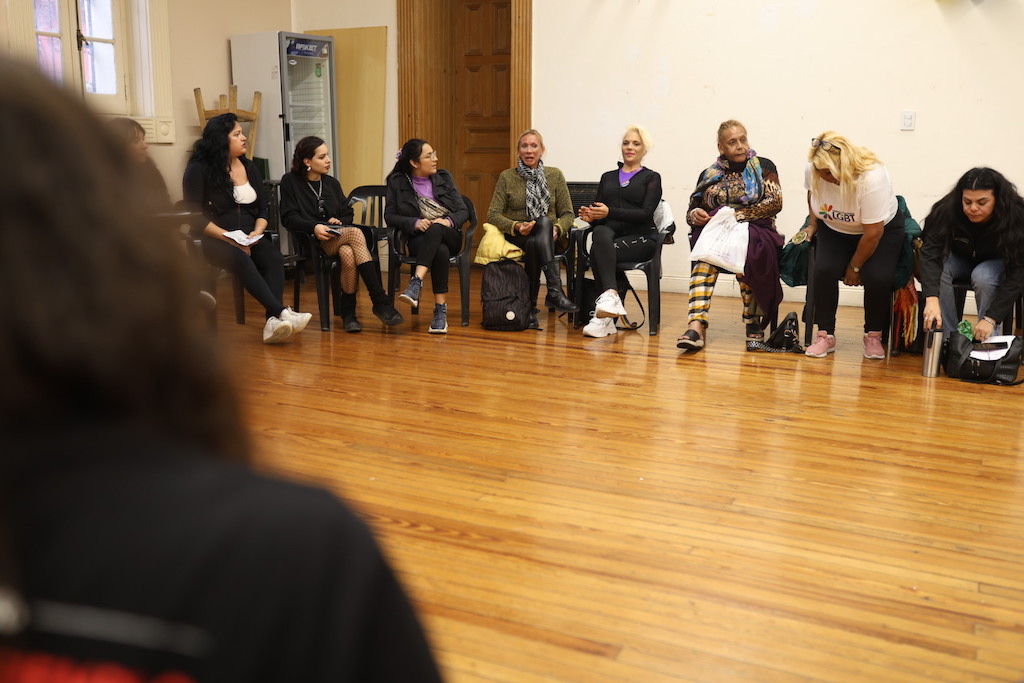
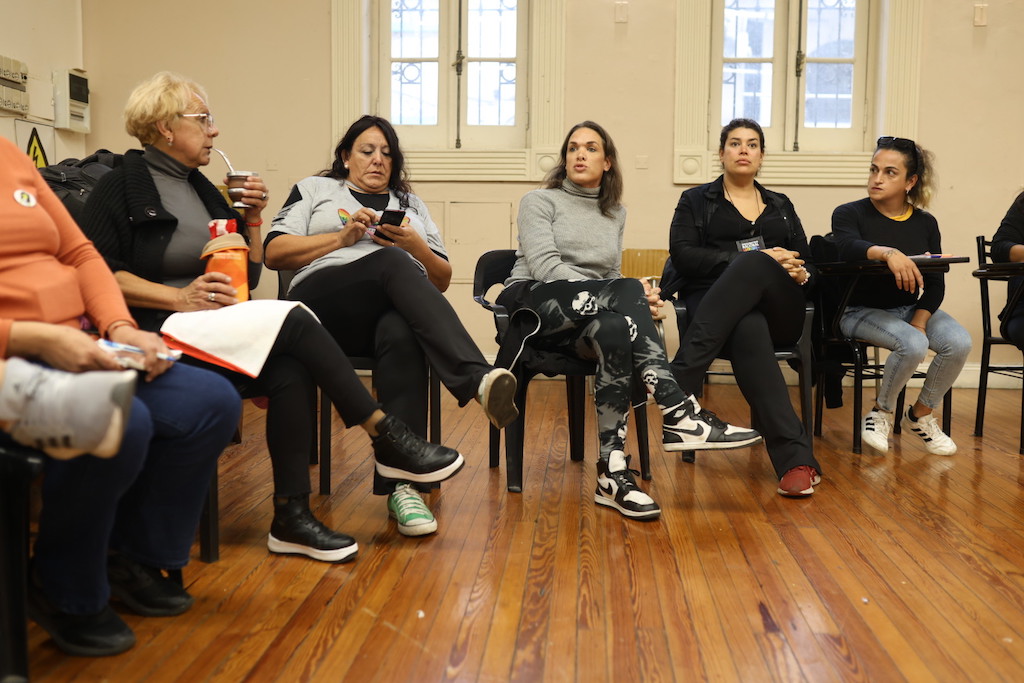
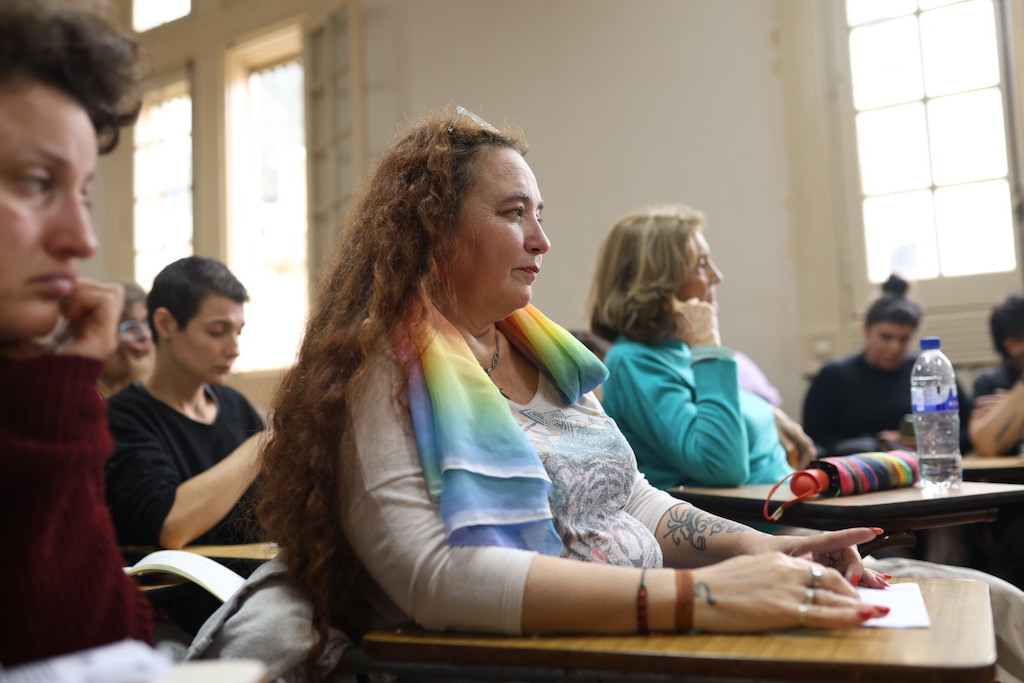
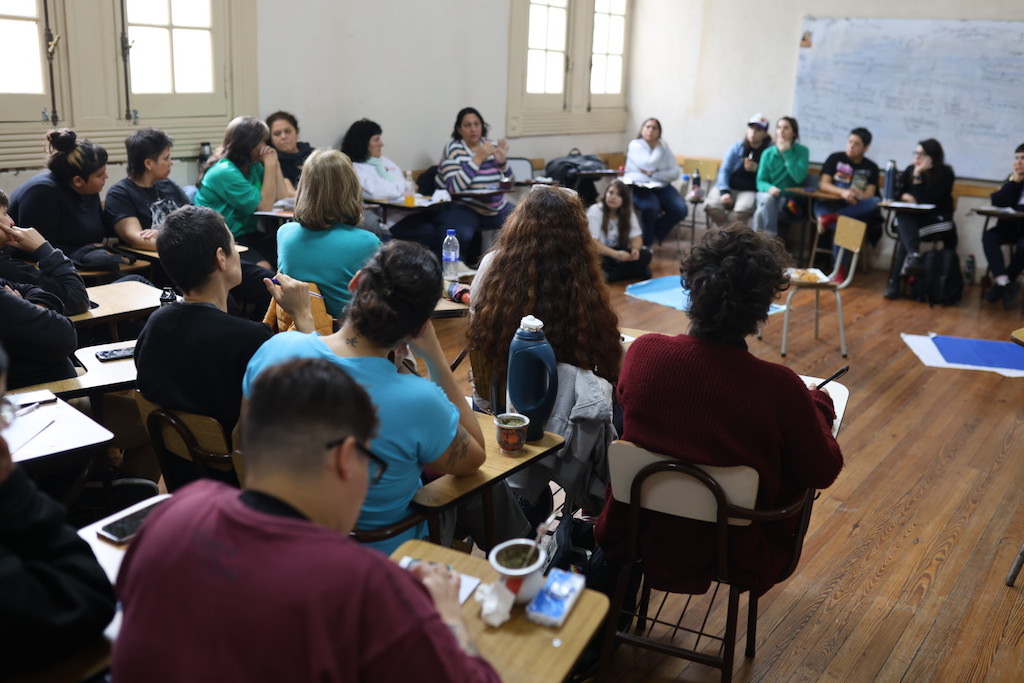
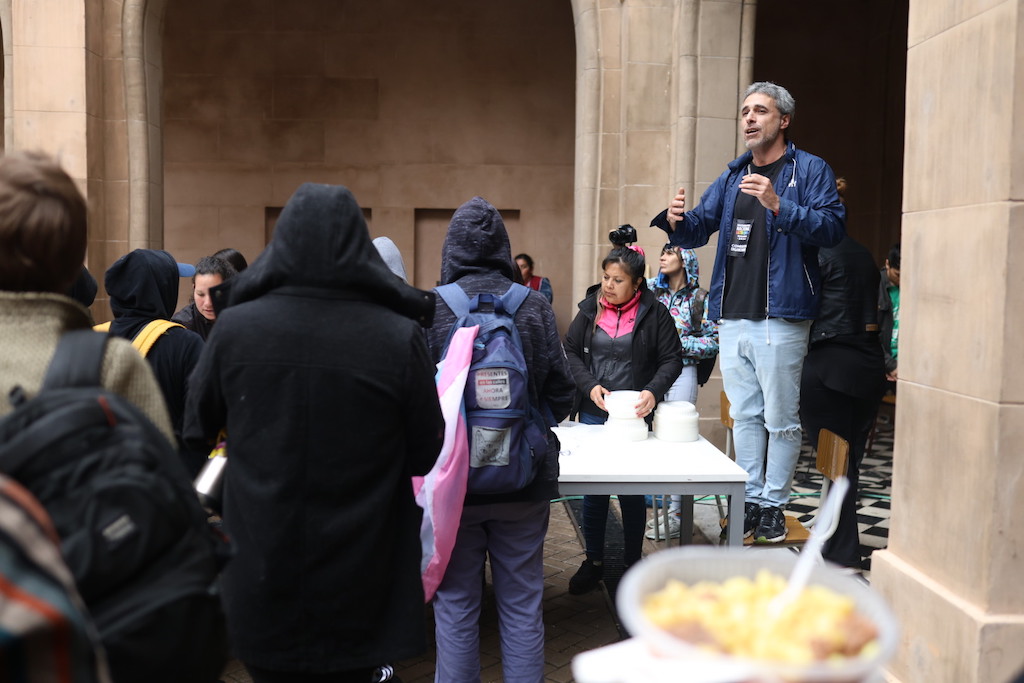
On Friday and Saturday, specific topics were discussed in workshops. These included memories, history, activism, anti-racism, families and parenthood, education, health, training, sports, housing, sex work, culture, art, aging, and communication, among others, to develop an agenda. Sunday focused on the specific identities associated with each letter of the acronym.
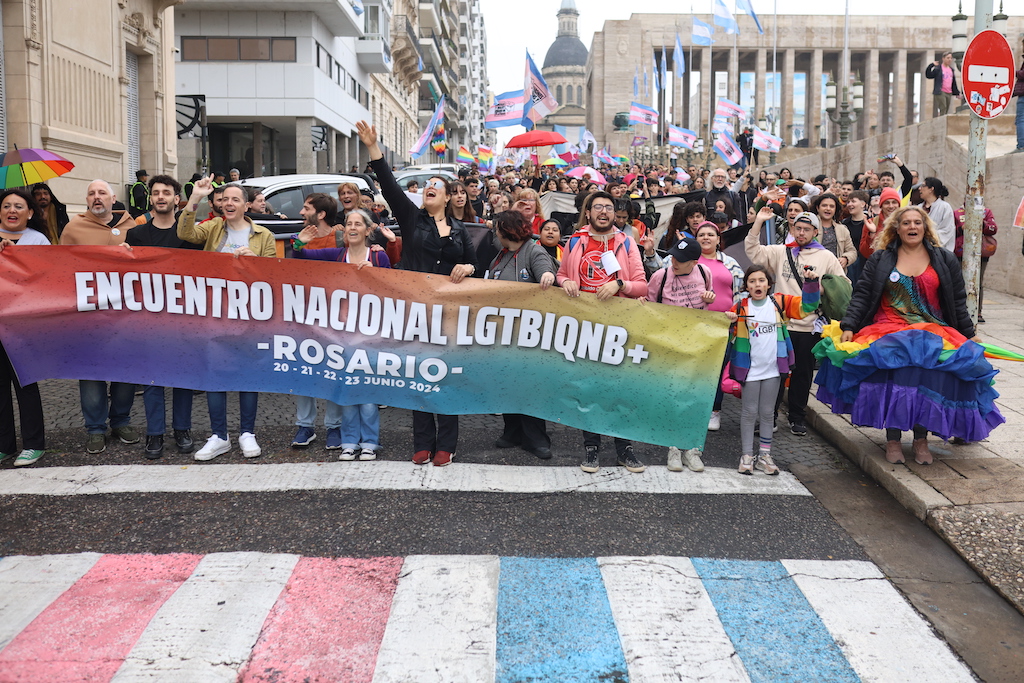
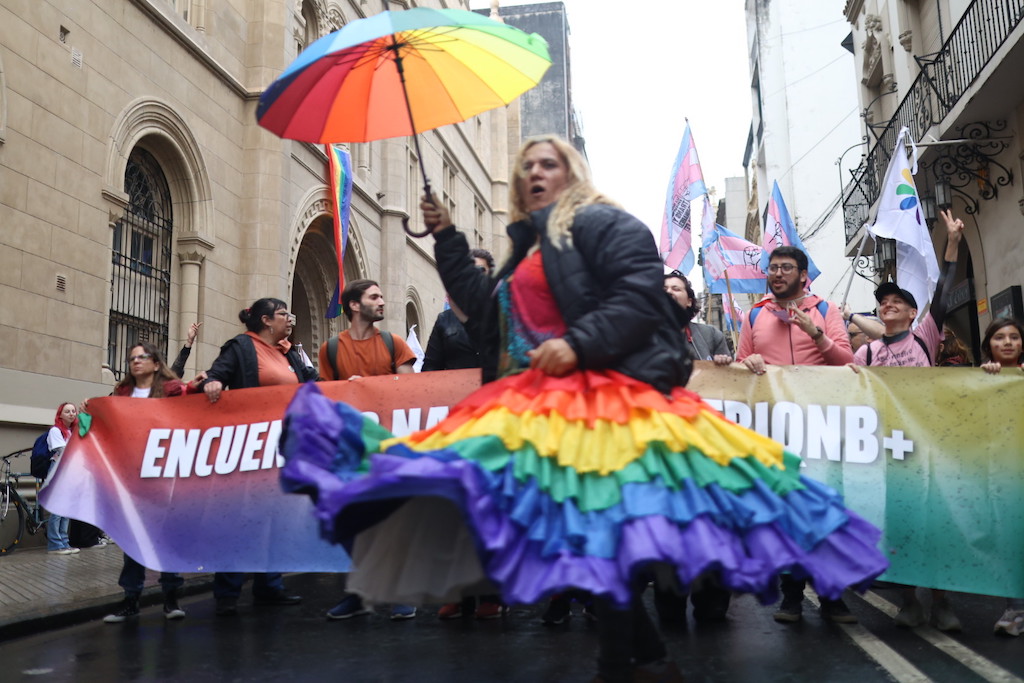
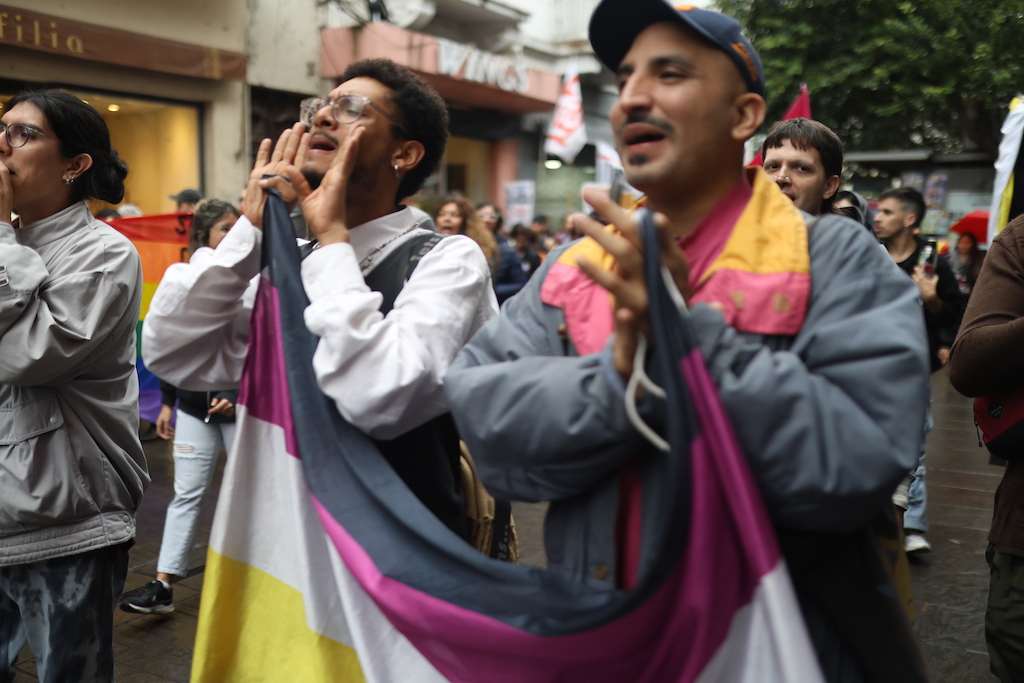
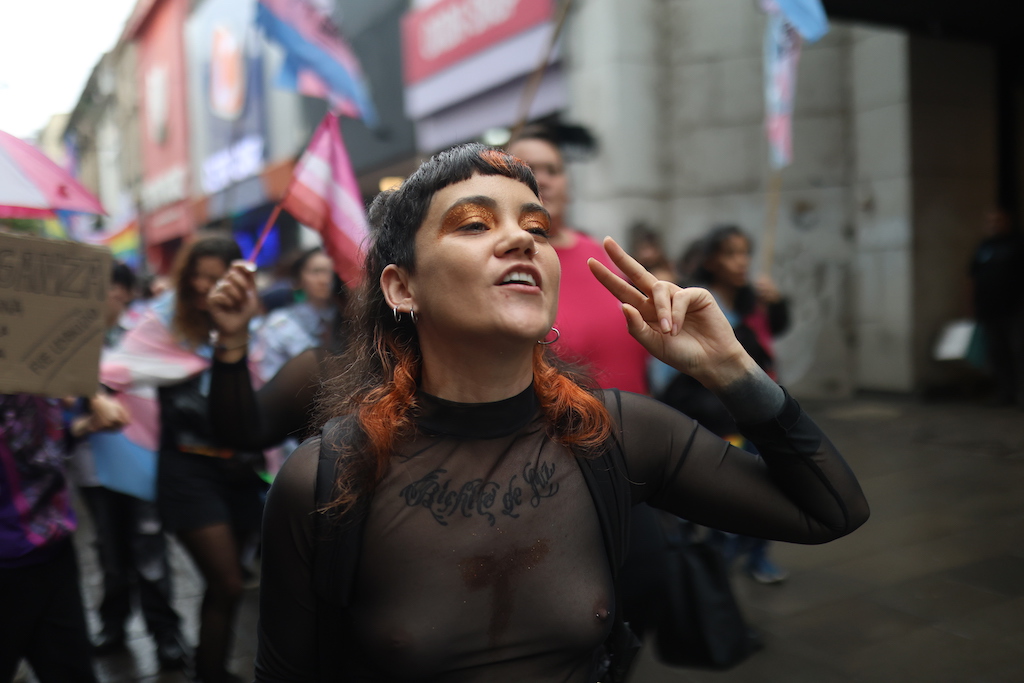
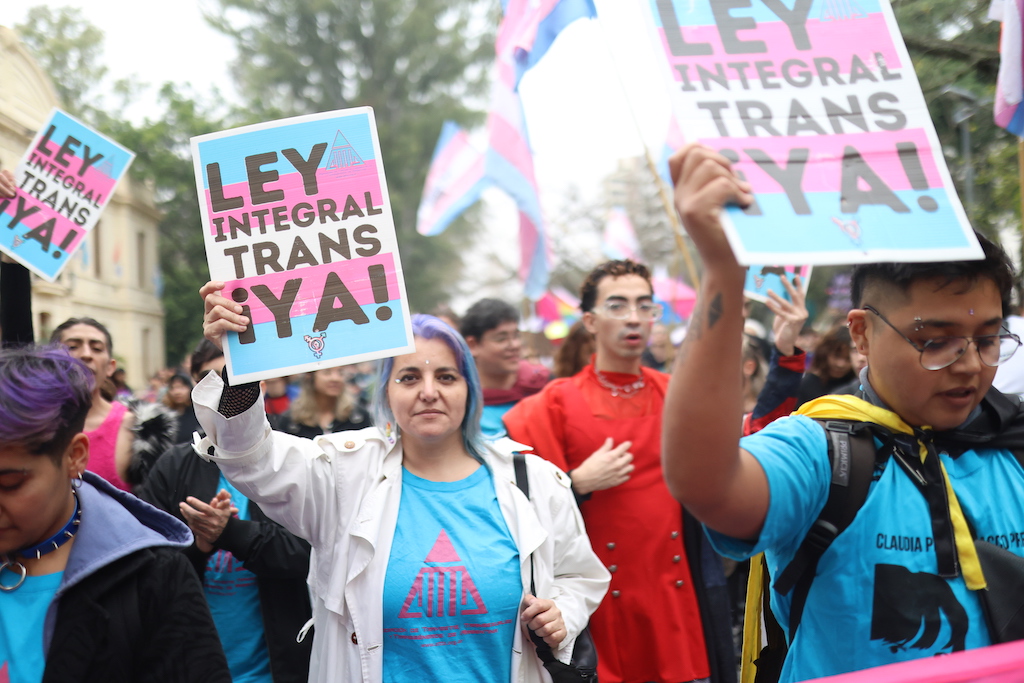
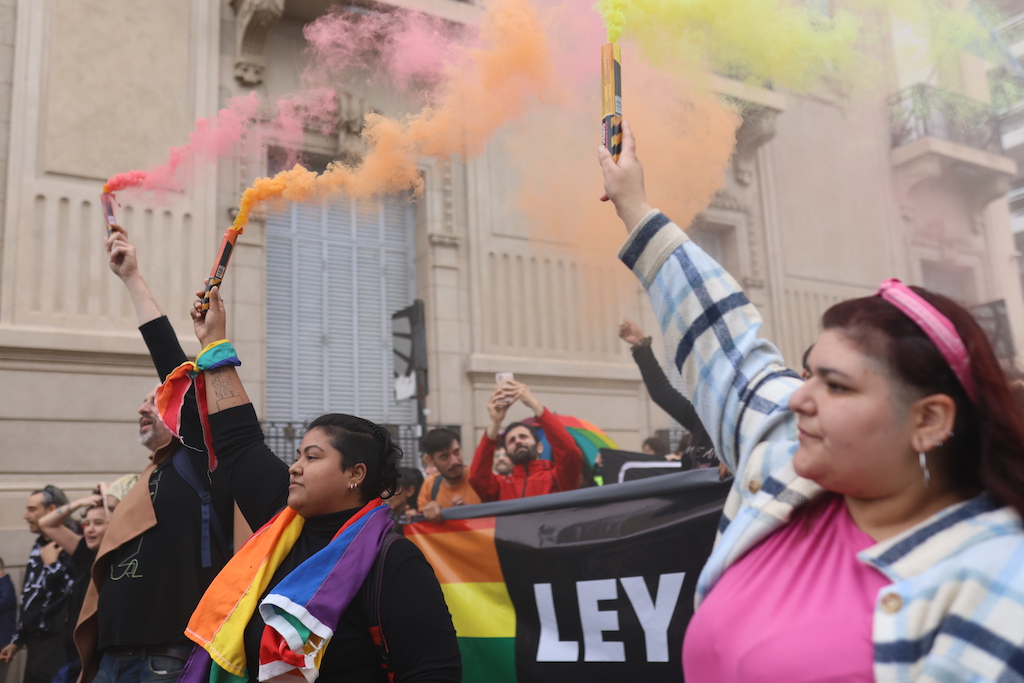
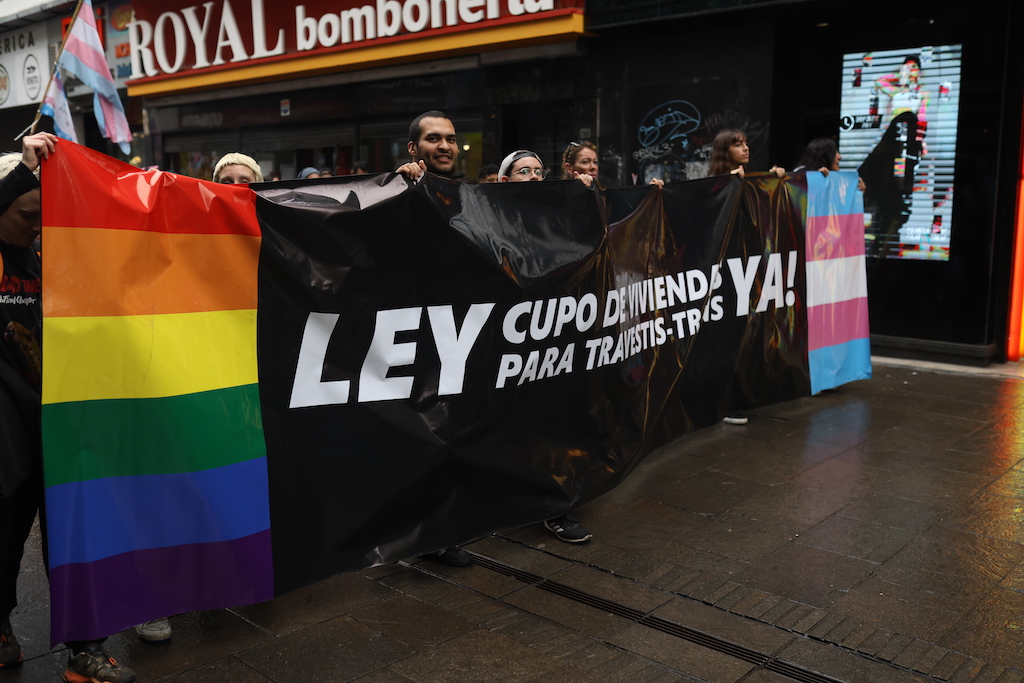
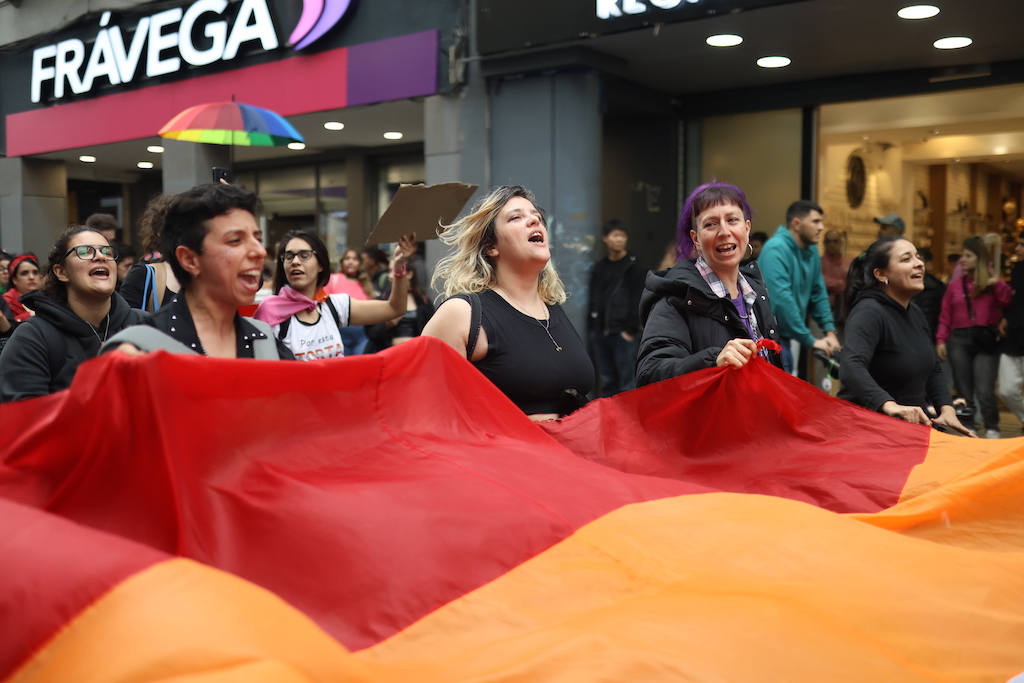
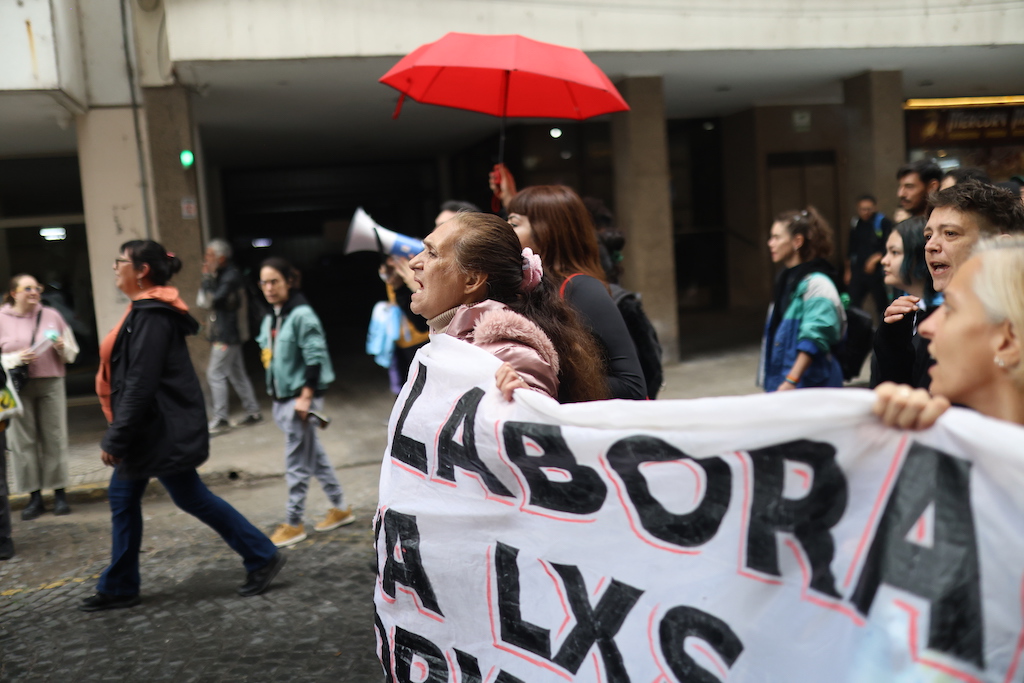
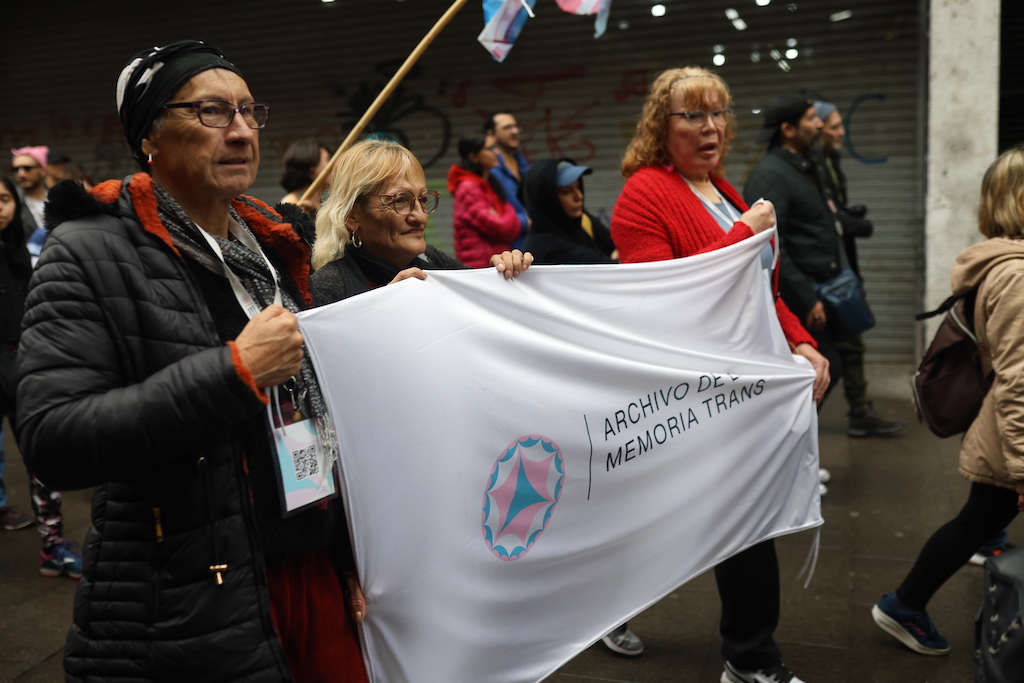
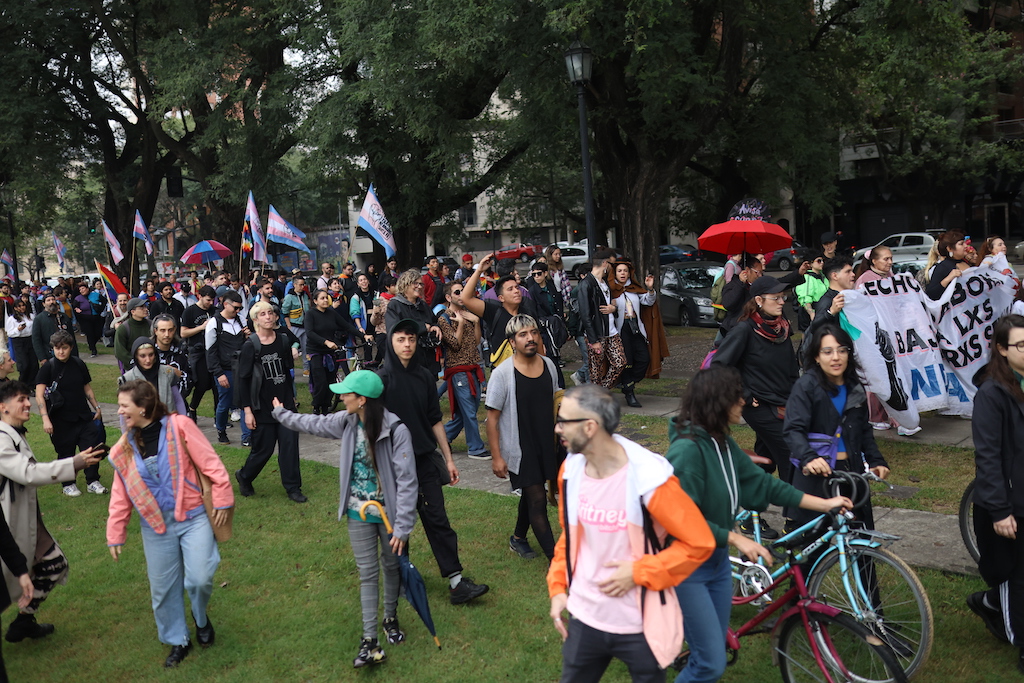
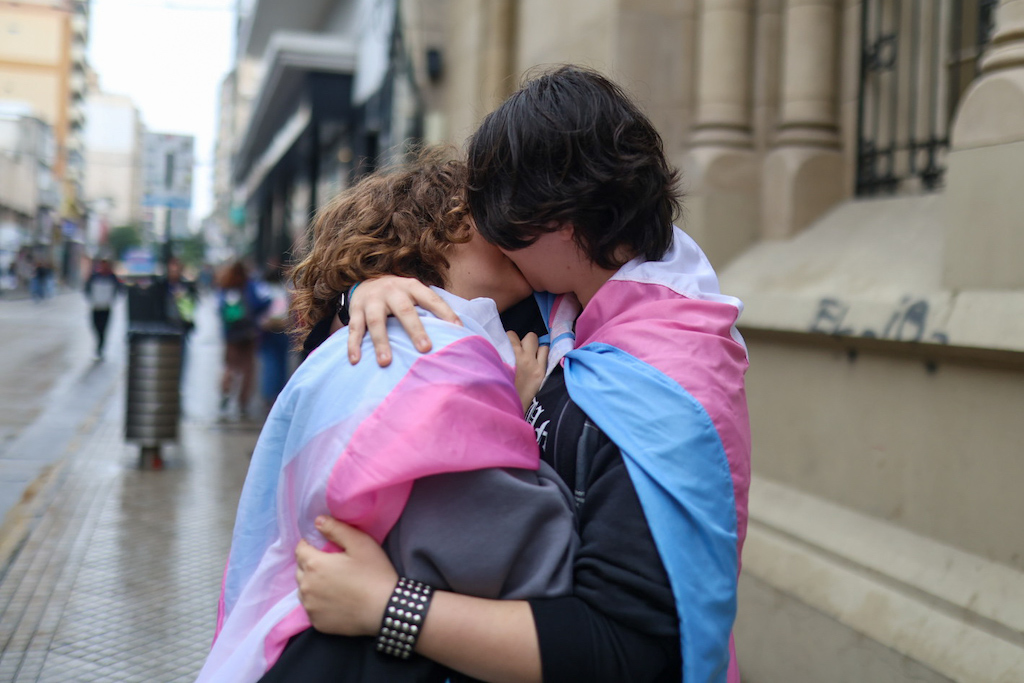
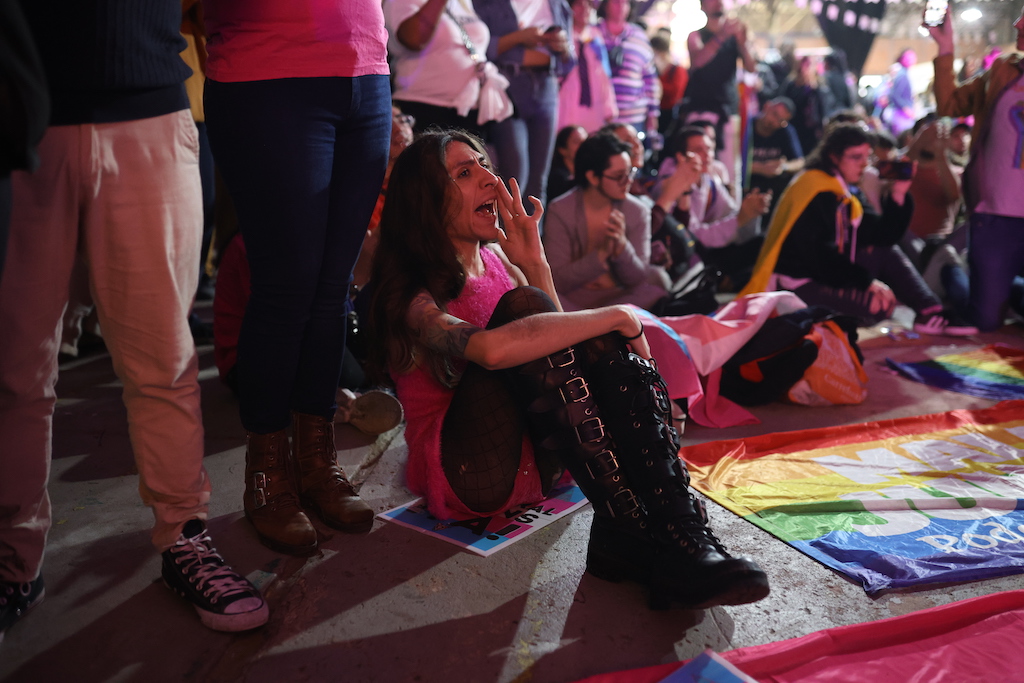
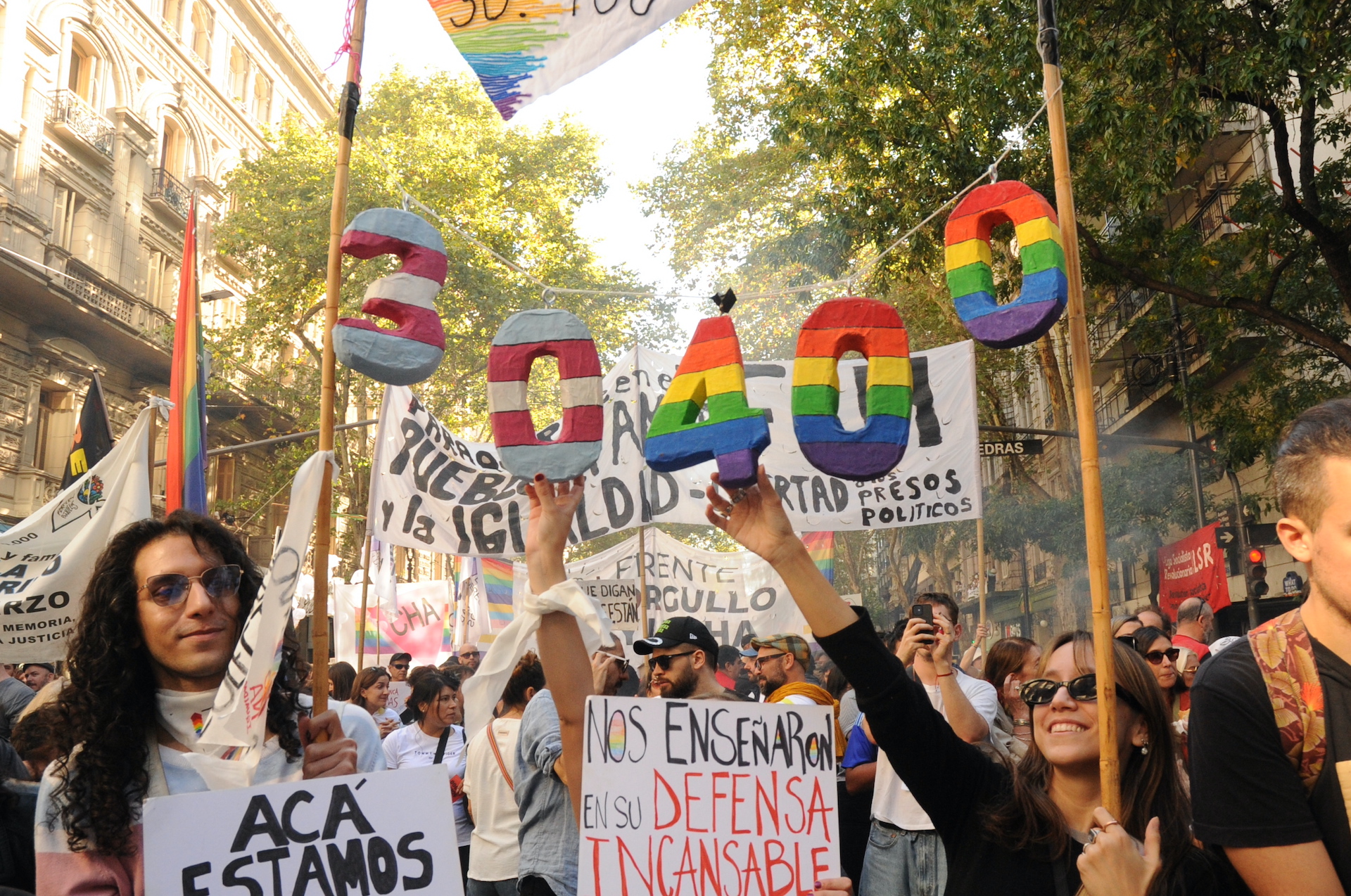
The gathering concluded with a massive march through the streets of Rosario, where the city and its residents embraced one another. It was a friendly, carefully planned, and nationwide march where more than a thousand people from the LGBTQ+ community marched in defense of hard-won rights, to champion new struggles, and to denounce the erosion of public policies and hate speech.
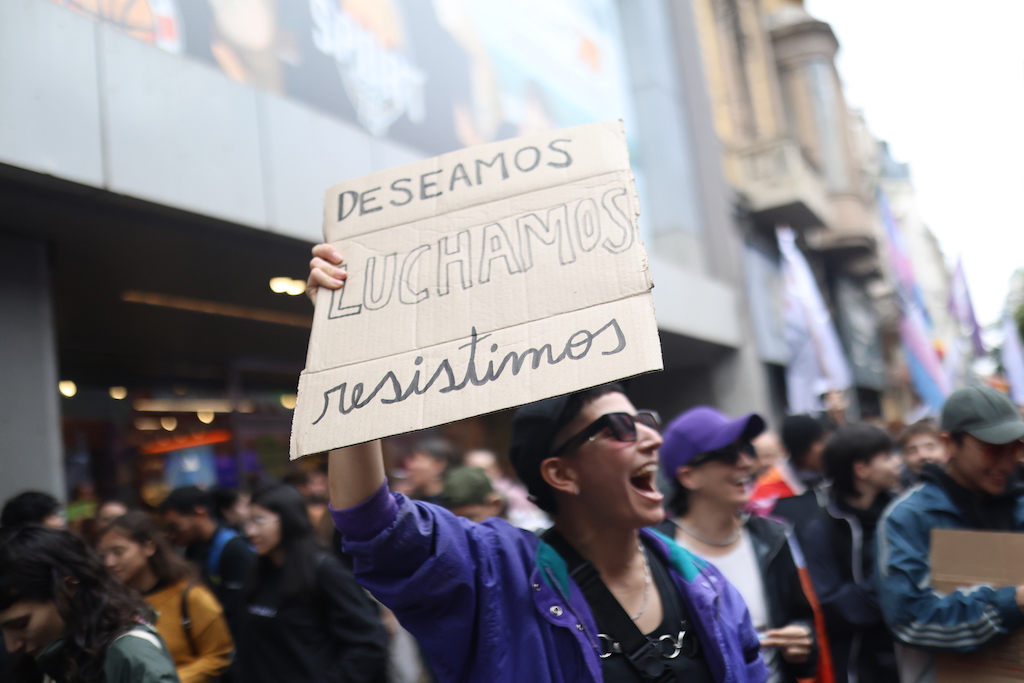
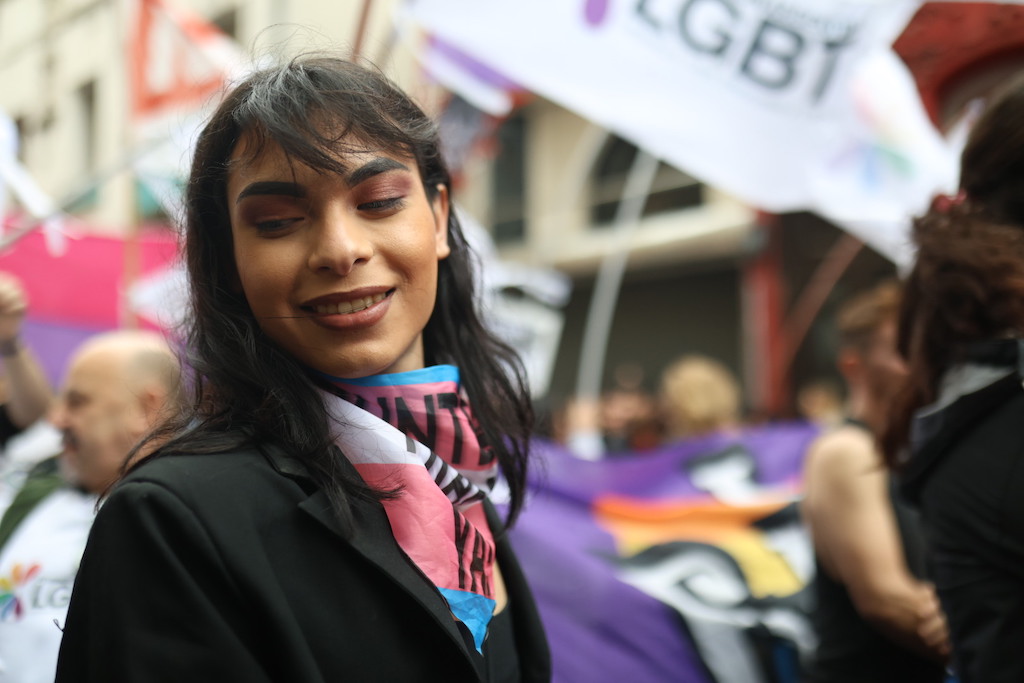
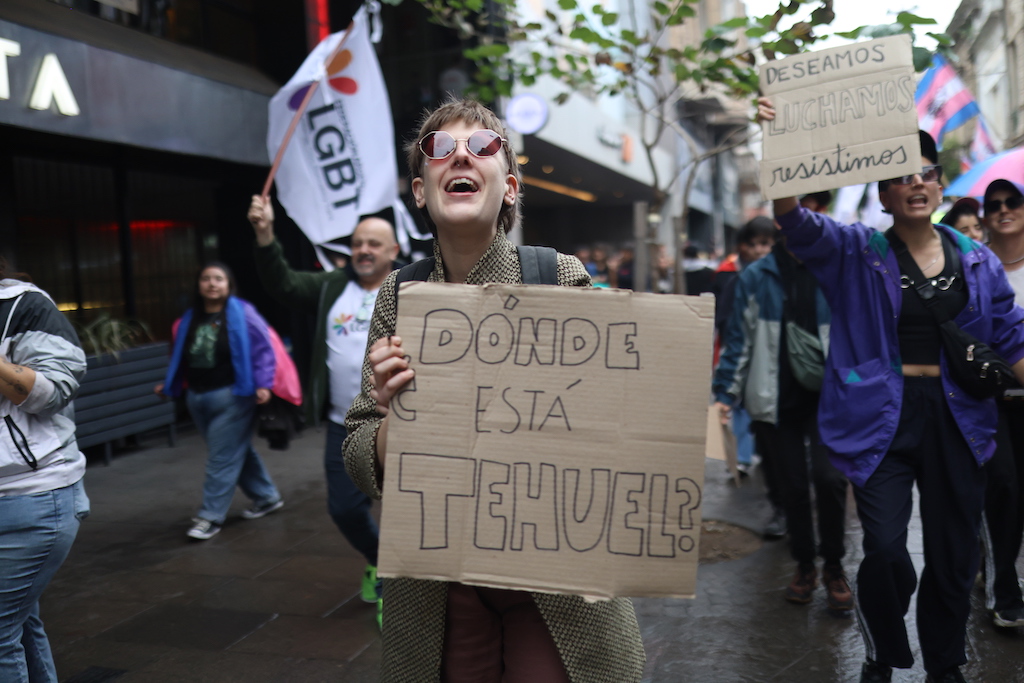
With a federal spirit
The search for unity and the building of networks permeated the entire gathering. Resistance finds its strength in activism, joy, and celebration. The commitment remains to continue challenging the structures imposed by patriarchy and to move toward a future where everyone can be, live, and love in freedom.
Regarding the laws, it is clear that there is an urgent need for anti-discrimination and reparations public policies, especially at a time when diversity is being targeted by hate. Contributions were made on how to safeguard, strengthen, and defend existing laws, and how to advance the pursuit of pending legislation, such as historical reparations for trans and gender-diverse survivors. The need to focus on other policies for adults, the trans and gender-diverse community, children, and mothers was also emphasized.
Manu López, a member of the organizing committee, emphasized the importance of the Encuentro's federal character. He explained to Presentes that it is crucial to consider that "the other provinces of the country need time to work on and organize their own prior national and regional meetings, as well as to organize the resources and logistics necessary to attend the Encuentro."
In short: this encounter makes it clear that many lives are at risk under a far-right government that pathologizes and despises dissenting identities. And it seeks to establish, through hate speech and fake news, the idea that activists are responsible for the economic and social crisis.
The event is expected to continue virtually. The conclusions were published on the event's official account. The decision on the host city for 2025 will be made by online vote.
We are present
We are committed to journalism that delves into the territories and conducts thorough investigations, combined with new technologies and narrative formats. We want the protagonists, their stories, and their struggles to be present.
SUPPORT US

FOLLOW US
Related notes


We are present
This and other stories are not usually on the media agenda. Together we can bring them to light.