

Mexico: In the last year, violence against trans people and the murders of LGBTI+ defenders have increased
The Letra S organization's report recorded 66 murders of LGBTI+ people in 2023.


Share

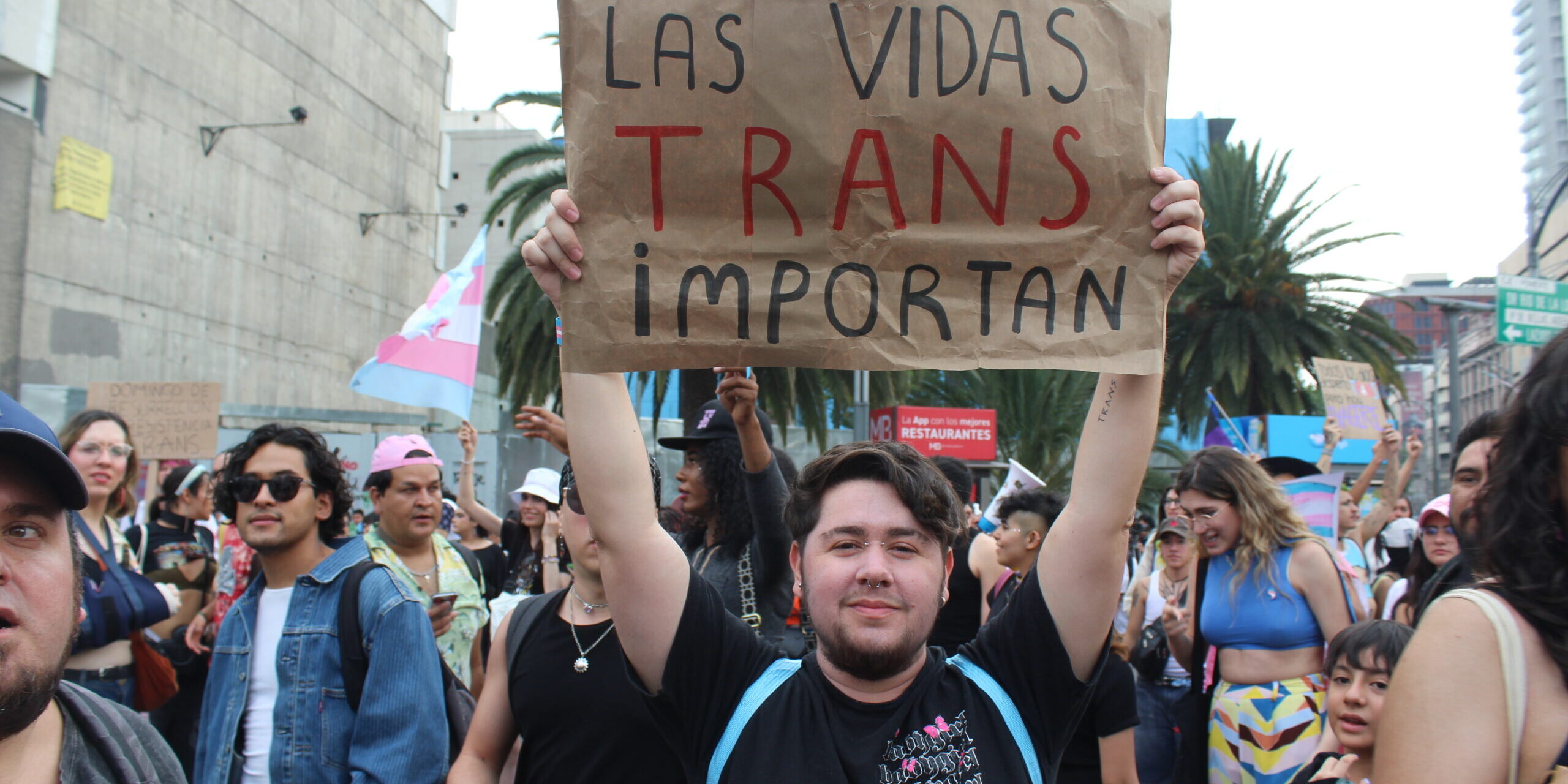
In 2023, 66 LGBTI+ people were murdered in Mexico, and more than half of the victims were trans women, according to the latest report from Letra S. The organization has been documenting the violent deaths of LGBTQ+ people in the country for more than two decades.
On average, six LGBT people were murdered each month. But the report clarifies that this number does not reflect the true figure. Not all murders are reported or reported by the press. In that sense, Letra S points out that the number of LGBT+ people murdered in the last year could be over 150 .
This report, unlike previous ones, highlights the increase in transphobic violence . It also notes the rise in the number of LGBT+ human rights defenders murdered.
Intersections with organized crime
A key new element is the involvement of organized crime. And how law enforcement authorities are using that as a line of investigation, rather than necessarily focusing on the victim's sexual orientation and gender identity.
The remaining factor is that the Mexican State continues to fail to register or document the prejudice-motivated violence experienced by LGBT+ people , despite recommendations from international and regional organizations such as the Inter-American Commission on Human Rights (IACHR).
As of May 14, 2024, Letra S has documented 31 hate crimes against 28 trans women, 2 gay men, and one lesbian woman.
Trans women, the most victims of violence
Transgender women continue to be the primary victims of hate-motivated violence in Mexico. Of the 66 hate crimes recorded, 43 of the victims were transgender women.
One key finding of this report is that the victim's age was identified in only half of the recorded trans femicides. On average, the trans women who were murdered were 33 years old.
In addition, the murders of 16 gay men and 4 lesbian women were reported this past year. Also murdered were one muxe person, one trans man, and one other victim classified as "other." The average age of these victims was 35.
Once again, the state of Veracruz had the highest number of violent deaths, followed by Guanajuato as the states with the most documented cases. They are followed by Guerrero, Mexico City, Puebla, Colima, and Sonora.
Torture prevails
The ways in which LGBTphobic violence is expressed remain brutal. Letra S identified instances ranging from torture to mutilation and bodies found bound. In at least eight cases, combinations of more than one form of violence were identified.
The firearm prevailed as the lethal weapon used to take the lives of 34 LGBT people out of a total of 66 reported cases.
Perpetrators choose public spaces to assault or murder transgender people. In the case of gay men, this occurs in both public and private spaces. Violent deaths of lesbian women remain within private spheres.
These murders are carried out to leave "a kind of intimidating message, where the victims and their bodies become a communicative target for an entire community," says Colombian lawyer María Gómez in the report.
At Presentes, we have been able to recover this symbolic dimension in notes on hate crimes that we have published, where activists in the territories express that fear through feeling "I could be next .
What is the Justice system investigating?
The main lines of investigation pursued by law enforcement in these cases are organized crime, intentional or aggravated homicide, and femicide. The latter charge has been applied in cases where the victims are lesbian, trans, and bisexual women.
“Five years ago, the role of organized crime wasn't so visible, but we've noticed a growing trend over the last three years, especially in the murders of transgender sex workers. The problem is that the justice system labels them as accomplices, and in that sense, we need to understand the complexity of that relationship and highlight their vulnerable circumstances,” Samuel Martínez explains in an interview.
Of the 66 documented cases, at least 23 involved multiple perpetrators. Additionally, at least 10 cases resulted in one arrest: 4 individuals were formally charged; 3 are fugitives; and 2 remain in pretrial detention.
In Mexico, only 13 states have codified hate crimes based on sexual orientation, gender expression, and gender identity. Regarding this aggravating factor, Martínez explains that in the Mexican justice system, “recognizing hate is still very complex,” and that is why this aggravating factor is not used to investigate the violent deaths of LGBT+ people.
Impunity prevails
Furthermore, despite the existence of the National Protocol for Action for Personnel of the Justice Administration to guarantee the rights of LGBTI+ people in Mexico , impunity in hate crimes prevails.
“First responders, such as the police officer who is notified of a case and later the investigating officers, are the ones who determine whether a case is investigated considering the victim's gender identity and sexual orientation; if an expert decides that these characteristics are not relevant, the investigation takes another path. It is the lack of knowledge of protocols, prejudices, and biases that also determines that victims are not recognized and do not receive justice,” Martínez concludes.
We are present
We are committed to journalism that delves into the territories and conducts thorough investigations, combined with new technologies and narrative formats. We want the protagonists, their stories, and their struggles to be present.
SUPPORT US

FOLLOW US
Related notes


We are present
This and other stories are not usually on the media agenda. Together we can bring them to light.