

ILGA report on LGBTI rights: there is progress but opposition puts the gains at risk
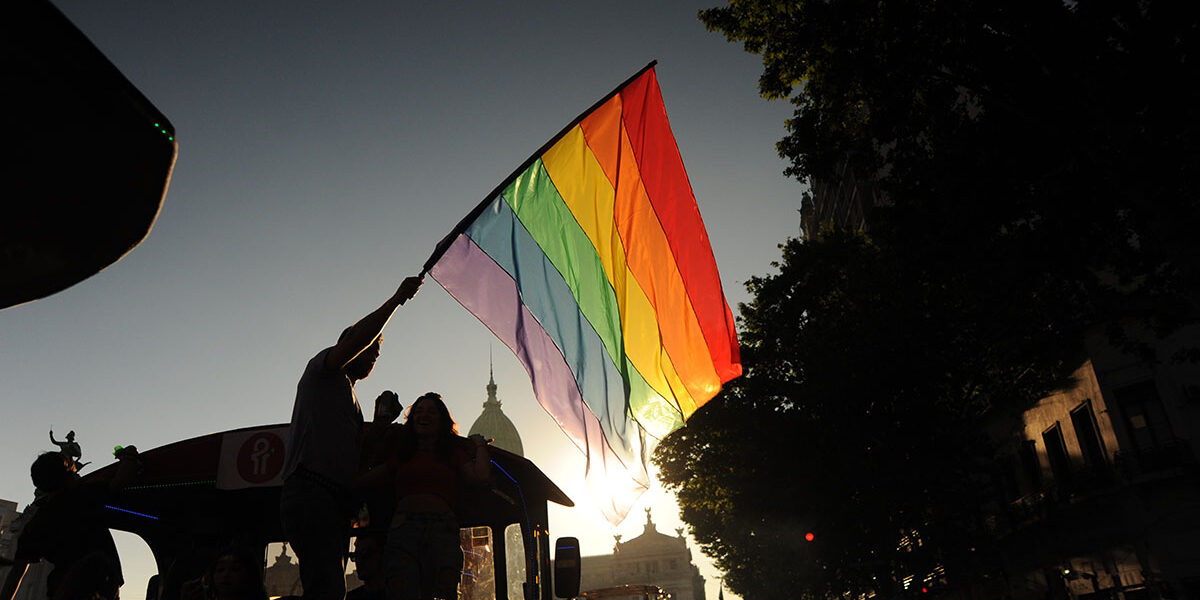
Despite some progress for LGBTI+ people in the past year, strong opposition “is spoiling the progress made towards equal rights,” says the ILGA World report.


Share

A third of the world (32%) still criminalizes consensual same-sex sexual acts. The new global report , Laws on Us, by ILGA World analyzes the human rights situation of LGBTI+ people. It notes that in all UN member states, despite the increasing number of laws and provisions protecting rights, “legal debates have been marked by strong opposition .” And this opposition “ is undermining progress made towards equal rights for LGBTI people .”
The ILGA (International Lesbian, Gay, Bisexual, Trans and Intersex Association) report—released today—covers 11 legal categories that affected communities based on their sexual orientation, gender identity, gender expression, and sex characteristics between January 2023 and April 2024. It addresses all 193 UN member states and several other entities. Each year, the organization that unites LGBTQ+ groups worldwide produces and updates this report, a crucial tool for documenting progress and setbacks.
“Our communities have celebrated important victories over the past two years. However, almost everywhere they have encountered resistance and defamation ,” said Lucas Ramón Mendos, research manager at ILGA Mundo and lead co-author of Laws on Us .
In addition to criminalizing consensual same-sex sexual acts, the report analyzes restrictions on freedom of expression and association; protections against discrimination and legislation on hate crimes; legislation on so-called “conversion therapies”; same-sex marriage and other forms of civil unions; adoption by same-sex couples; restrictions on intersex interventions; and legal gender recognition.
Latin America: Some victories and strong attacks
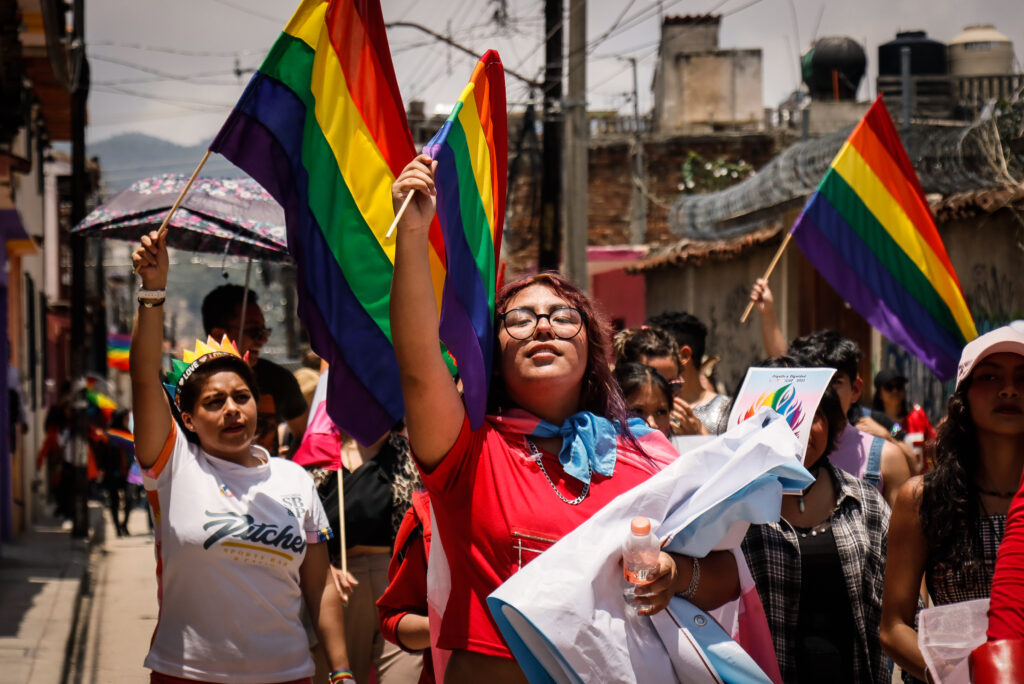
The region is marked by the same global trend of profound advances but also a very violent opposition attack against it.
When asked by Presentes about the situation in Latin America, Julia Ehrt, executive director of ILGA World, said that although the region has been at the forefront of legal progress for LGBT communities in recent years, “there is still a long way to go at a social level to make these formally enshrined rights a reality . The last two years have been a period of both progress and fierce opposition .”
He mentions as an example that Brazil, Chile, Colombia, Costa Rica and Mexico were immersed in national deliberations on the prohibition of 'conversion therapies'.
“Many subnational laws in Brazil have proposed and enacted laws and regulations, particularly on education and 'gender ideology.' Something similar was proposed in Paraguay, while in Puerto Rico legislators introduced a bill to punish 'obscene displays before minors,' a provision that local activists considered an attempt to criminalize drag shows,” he says.
“No progress can be taken for granted”
Julia Ehrt states that laws do provide a framework, but that everyday lives "continue to be made up of discrimination and risk of violence, and we are denied the most basic rights."
“We often say that the rights of LGBTI people are always just one election or one political crisis away from being taken away or attacked ,” emphasizes the executive director of ILGA World. “For example, in Argentina, our communities have begun to bear the brunt of regressive measures in anti-discrimination policies. They are still mourning the deaths of three lesbian women in a horrific hate crime .”
“In Peru, a recent presidential decree classified trans identities and diverse sexual orientations as mental health ,” Julia explains. “ No progress for our communities can be taken for granted, not in Latin America or anywhere else .”
“Words have consequences”
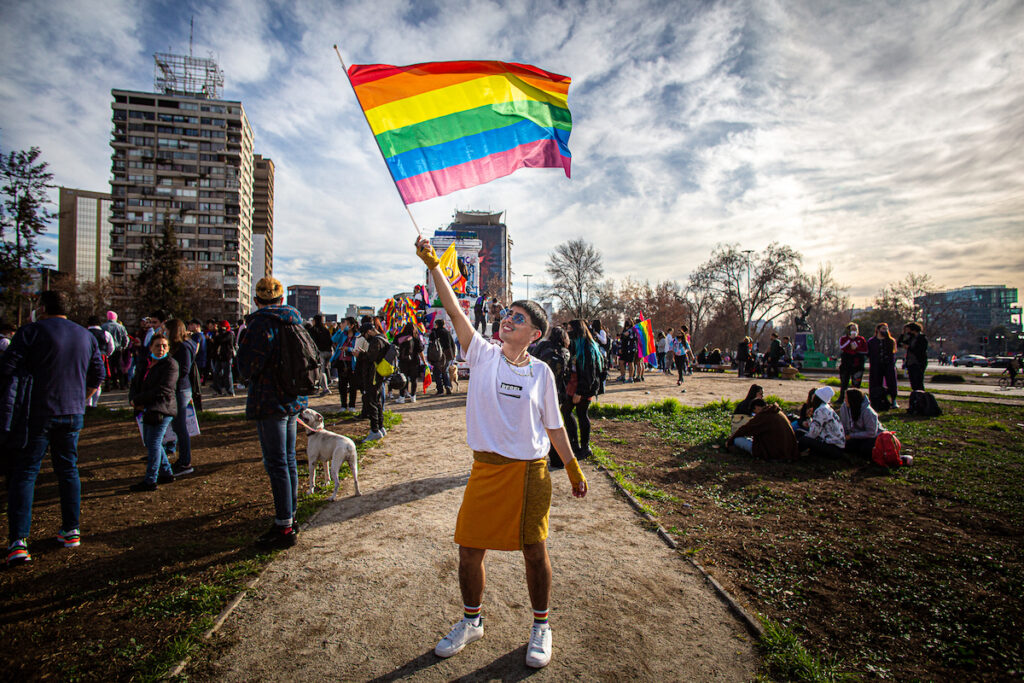
Freedom of expression in terms of identity is one of the key issues analyzed in the extensive ILGA World report.
The report “Laws on Us” details that at least 59 UN member states have laws, rules, and regulations prohibiting forms of expression related to sexual and gender diversity. It also notes that in at least 19 of these states, the laws are specifically designed to be applied in educational settings, and in 30, they specifically regulate content disseminated through the media.
Photo: Ben Buckland
The growth of hate speech, legitimized by political power, is presented as one of the major setbacks within a great advance in terms of regulatory frameworks.
Ehrt argues that right-wing groups exploit sexual diversity to bolster their political movements . “Spreading hate speech is precisely how certain conservative, religious, or anti-rights actors attack LGBTQ+ people, feminists, and women. Gender equality, sexual and reproductive rights, sexual orientation, gender identity and expression, and sex characteristics have become a political football for right-wing movements.”
This situation is mirrored in the media. “ The media often amplify these narratives, sometimes in line with their own views or simply in a desperate search for attention, clicks, and opinions . We are becoming far too familiar with these hateful narratives, and we know that their true aim is to oppose equality.”
“ Words have consequences. Those who have a platform must be aware of their responsibility in shaping public discourse,” says Julia Ehrt . “We cannot expect certain actors to use this power for good.”
While every day, “ the lives of LGBTI people are used as a wedge issue to distract, mobilize, and divide,” Ehrt believes the only way forward is to “allow other voices and stories to be heard.” She adds, “What we need is not just more evidence of how hostile laws and narratives affect our communities around the world; we also need positive stories that depict how our communities are rooted in love and mutual care and dedicated to a greater social good .”
Crimes against trans people in Argentina
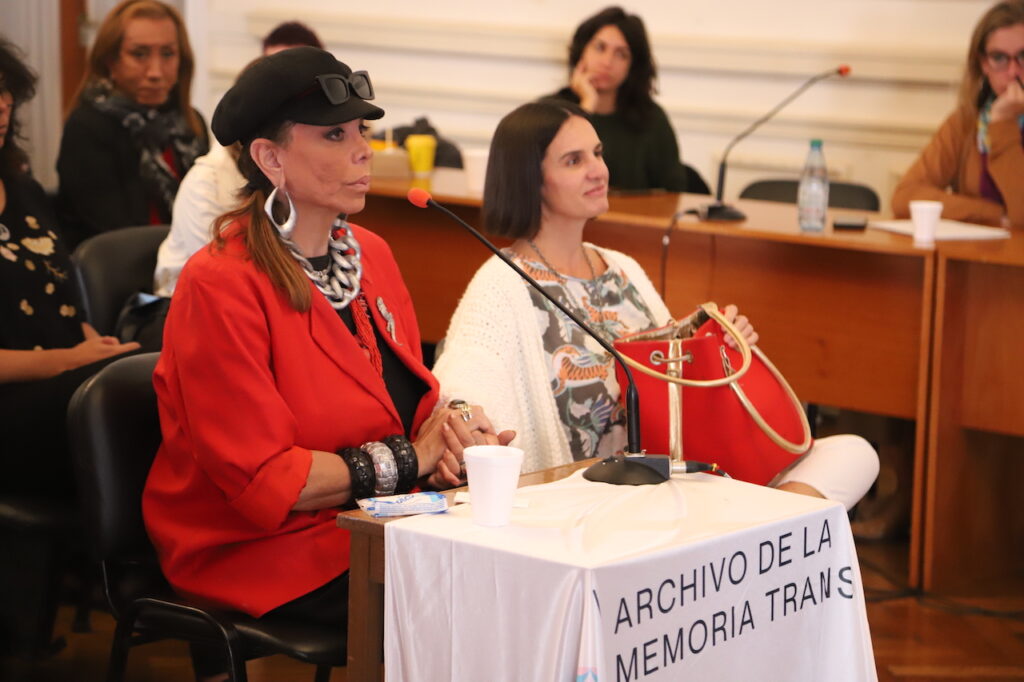
The ILGA World report also highlights the recognition of crimes against humanity against transgender people in the unprecedented ruling by the Federal Oral Criminal Court No. 1 of La Plata. “It made a significant decision by recognizing transgender people as victims of crimes against humanity, resulting in the sentencing of ten perpetrators of the Argentine military dictatorship to life imprisonment . This was the first time that transgender people have been officially recognized as victims of such crimes, shedding light on the systematic violence they suffered during the Argentine dictatorship (1976-1983). Survivors shared their experiences of detention and torture.”
Map of equal rights
- Seventeen UN member states legally recognize gender change based on self-determination at the national level. Since January 2023, five UN member states have adopted this legal recognition of gender by self-identification : Ecuador, Finland, Germany, New Zealand, and Spain, along with the state of Yucatán in Mexico.
- Non-binary gender markers on identity documents are available in 18 UN member states.
- Same-sex marriage is legal in 35 UN member states and in Taiwan.
- Same-sex couples can adopt together in 36 UN member states. A person in a same-sex couple can adopt their partner's child in 37 UN member states.
- 77 UN member states have laws that explicitly protect against discrimination based on sexual orientation in employment. 46 states have protections based on gender identity, 20 on gender expression, and 18 on sex characteristics.
- So-called conversion therapies are banned at the national level in 16 UN member states. Furthermore, they are indirectly restricted in seven states and prohibited at the subnational level in six.
- Nine UN members prohibit non-life-saving medical interventions on intersex children; two have enacted restrictions at the subnational level.
Figures up to April 2024
- The report says that 62 UN member states criminalize consensual same-sex sexual acts: 60 of them criminalize de jure; 2 criminalize de facto (in practice, based on other laws).
- Today, the death penalty is the legally prescribed punishment for consensual same-sex sexual acts in seven UN member states: Saudi Arabia, Brunei, Mauritania, Iran, Nigeria (12 provinces), Uganda, and Yemen. In five others (Afghanistan, Pakistan, Qatar, Somalia, and the United Arab Emirates), there is no legal certainty that this is the case.
Click here to access the ILGA World Laws on Us .
We are present
We are committed to journalism that delves into the territories and conducts thorough investigations, combined with new technologies and narrative formats. We want the protagonists, their stories, and their struggles to be present.
SUPPORT US

FOLLOW US
Related notes


We are present
This and other stories are not usually on the media agenda. Together we can bring them to light.