

March for historical reparations for trans and travesti people, cornered by a disproportionate police operation
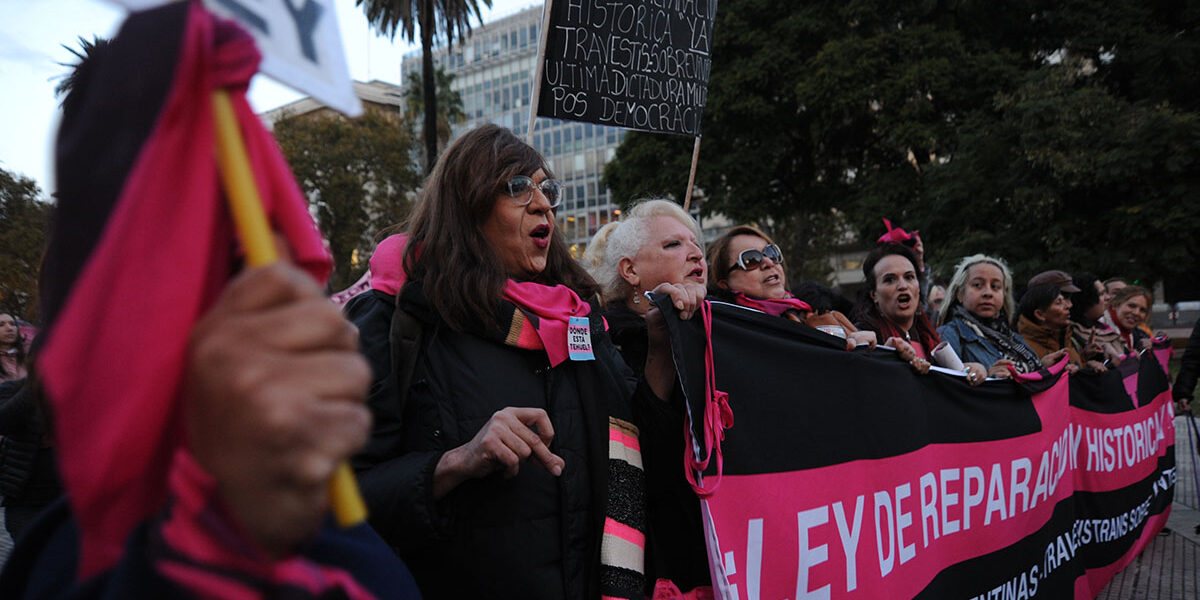
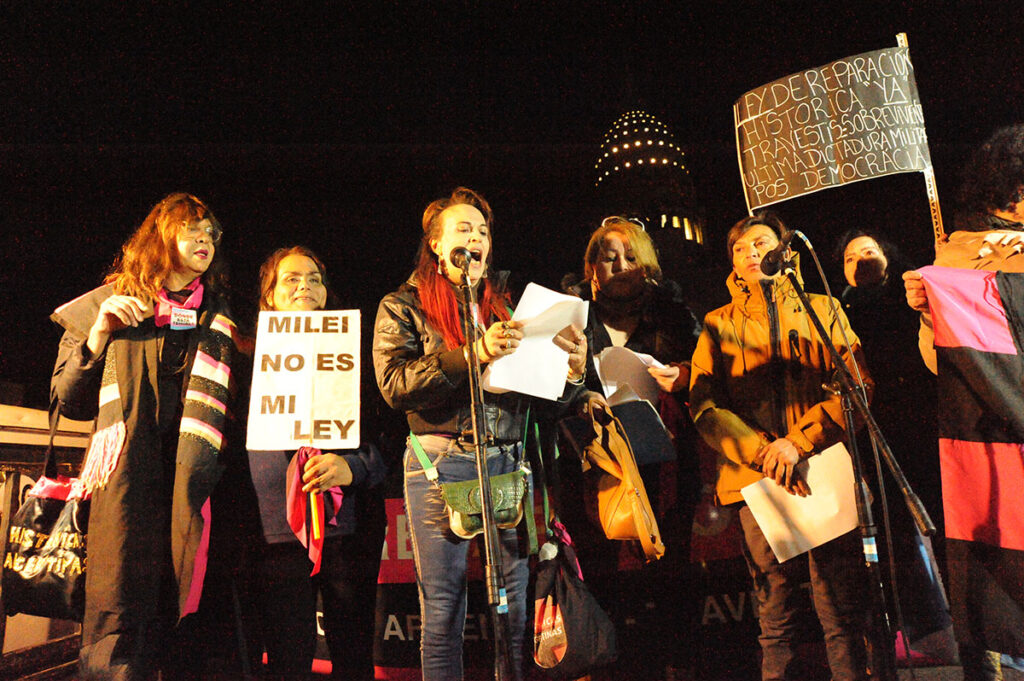
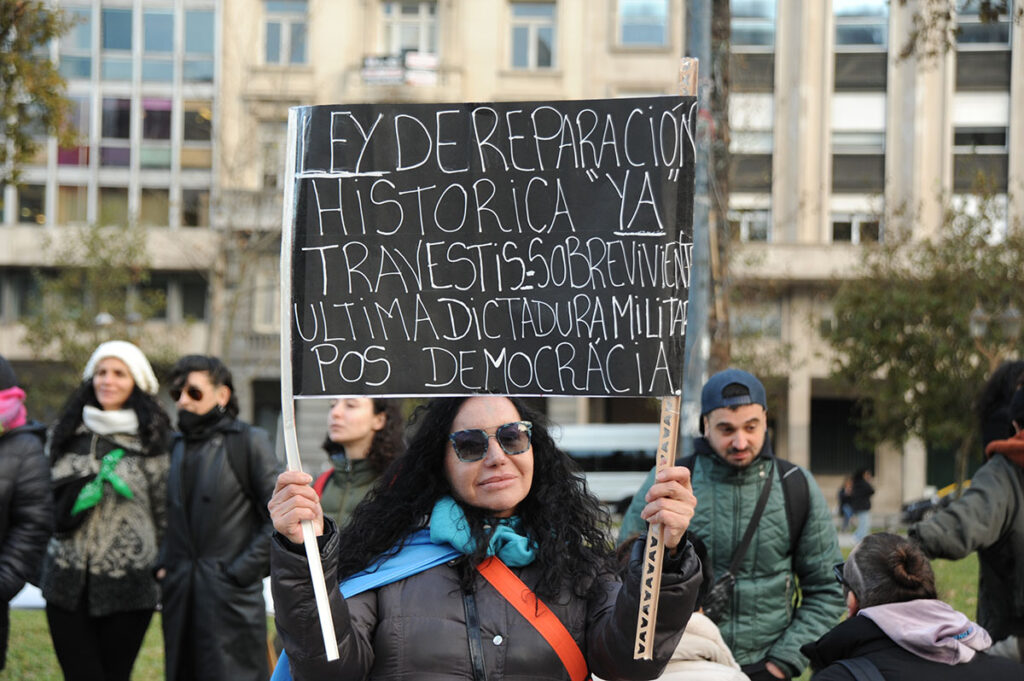
The 2nd Plurinational March for Historical Reparation for Transvestite and Trans People advanced, hemmed in by a massive police operation. It managed to reach Congress, where the document was read and a music festival followed.


Share

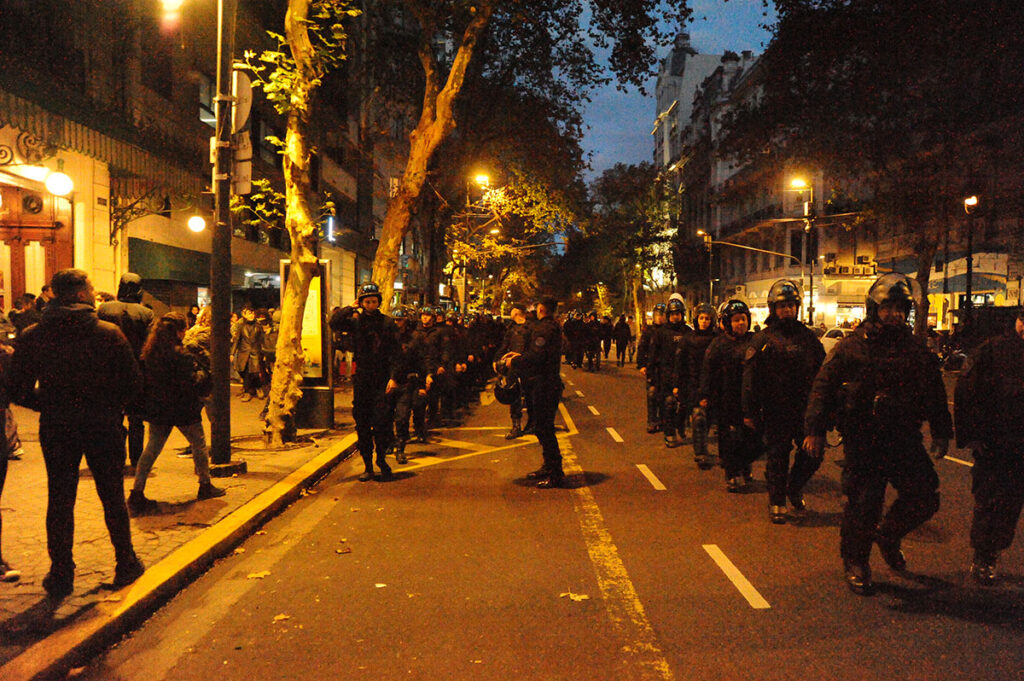
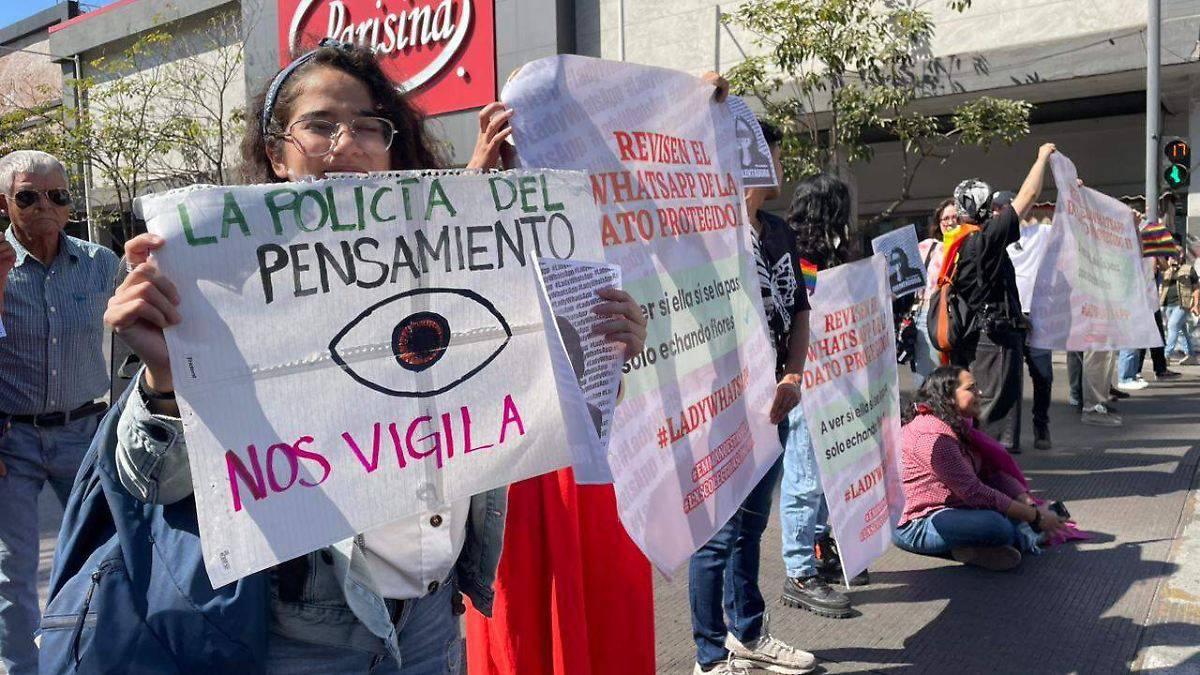
BUENOS AIRES, Argentina. Starting at 3:00 p.m., LGBTQ+ activists began gathering in Plaza de Mayo for the 2nd Plurinational March for Historical Reparation for Trans and Travesti People . As organizations, journalists, and individuals arrived on the chilly afternoon, the police presence on Avenida de Mayo increased. As 5:30 p.m. approached, the scheduled departure time for the march to Congress, Avenida de Mayo overflowed with police officers displaying disproportionate force.
They patrolled the street—which they had blocked off—with long guns, shields, and clubs. They revved their motorcycles deafeningly, even forming a triple cordon to prevent the older trans women from advancing at the start. In a march demanding recognition of state violence against trans and travesti people—historically persecuted by the police—the constant threat of repression, the pushing, the provocations, and the show of force made every step of the route to Congress tense. The march was conducted on the sidewalk, as per the Ministry of Security's protocol. There were far more police than people. And one cry never ceased: "We are not afraid!"
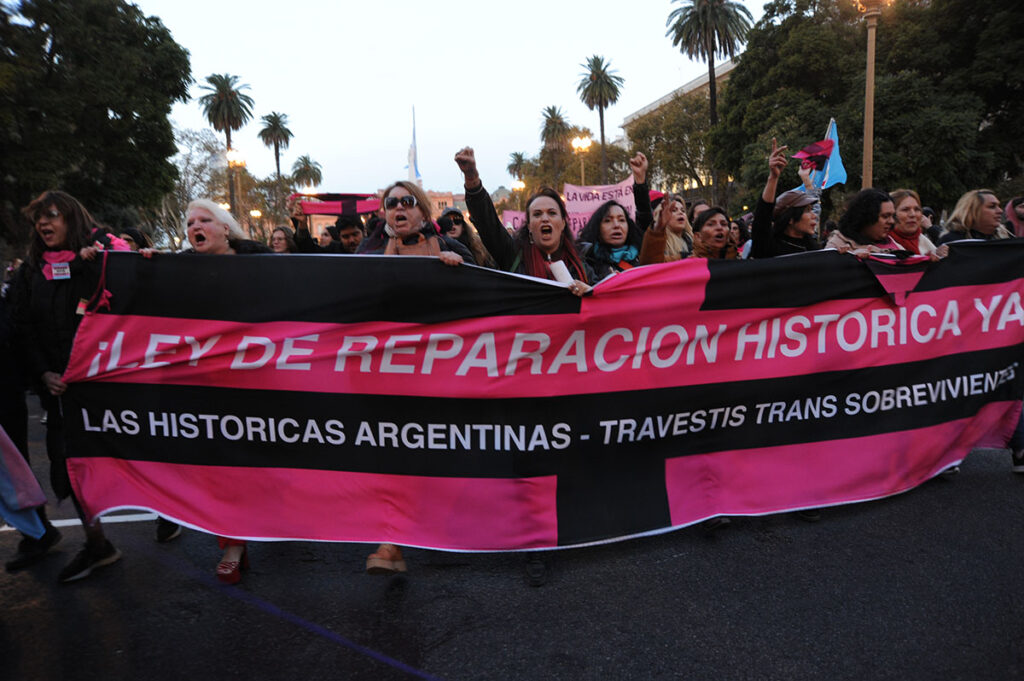
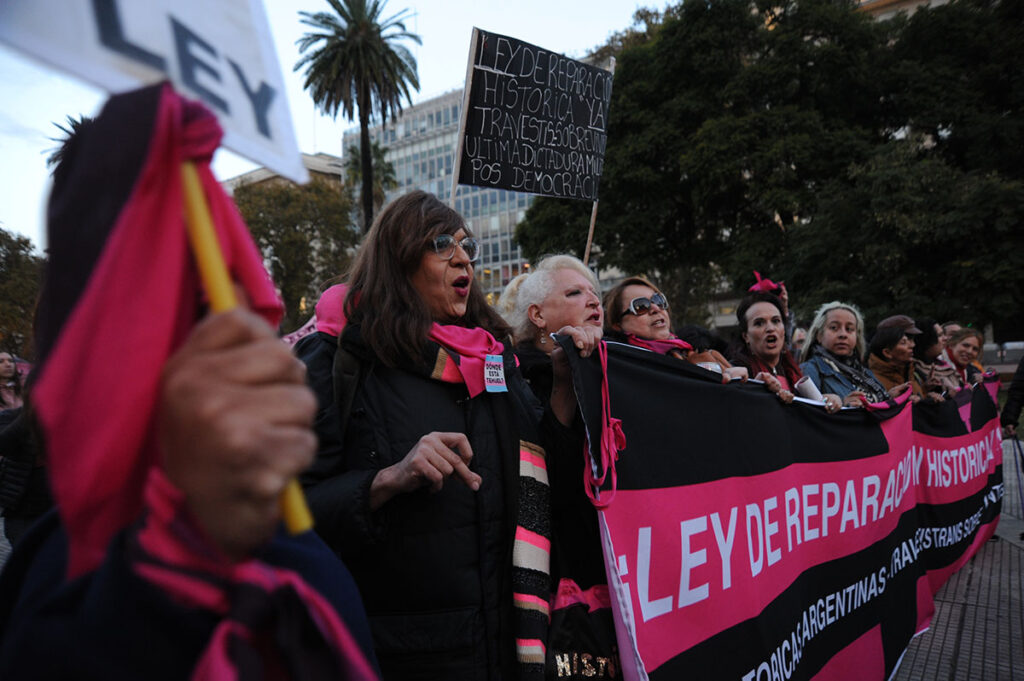
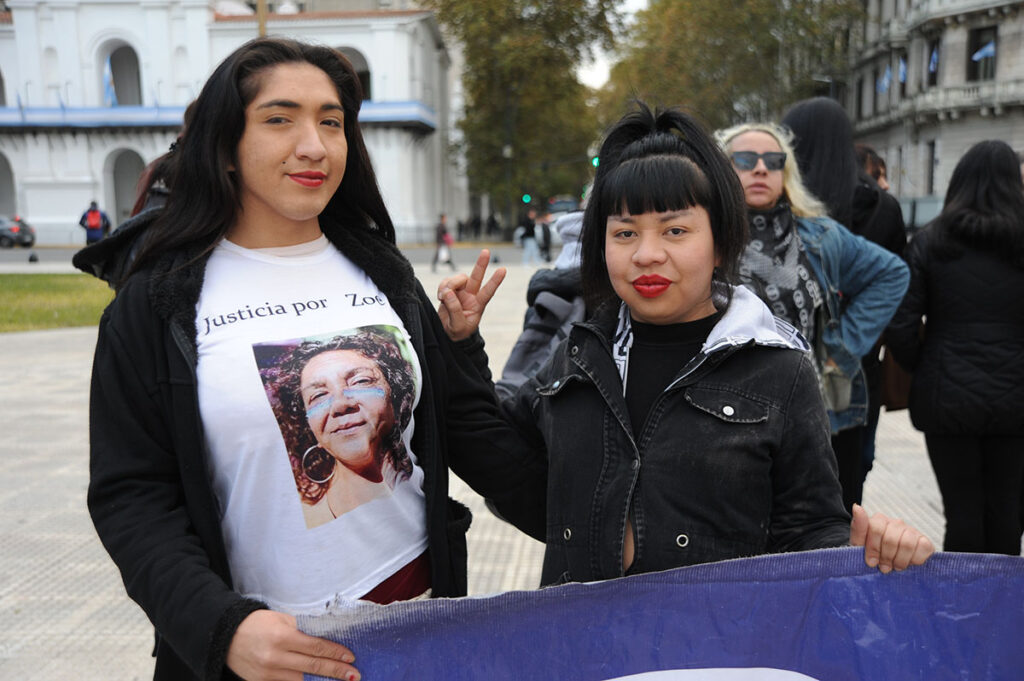

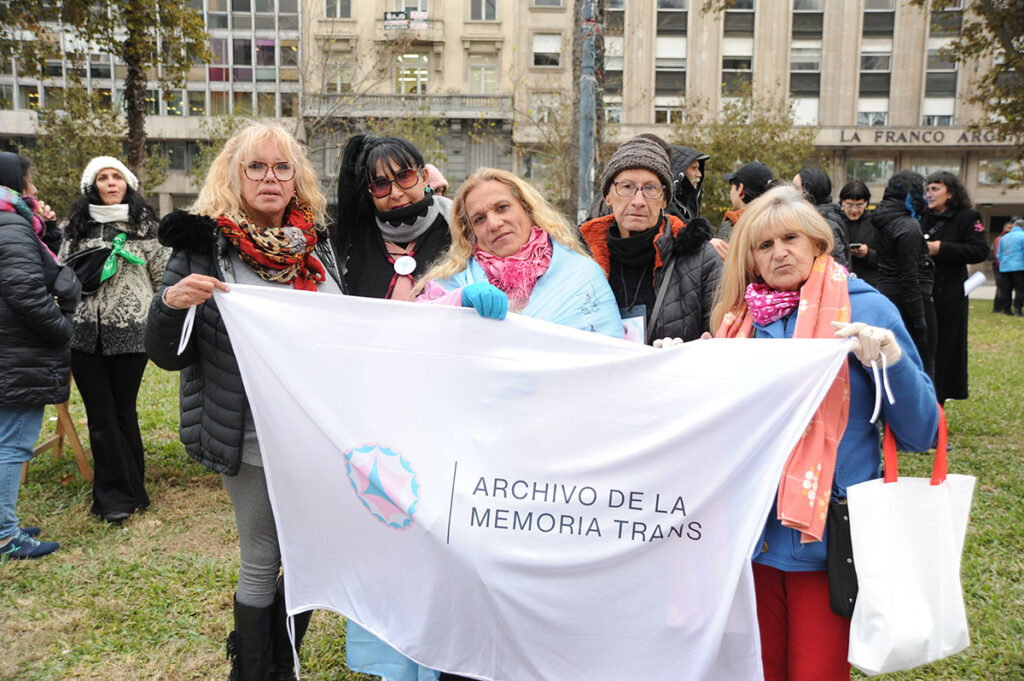
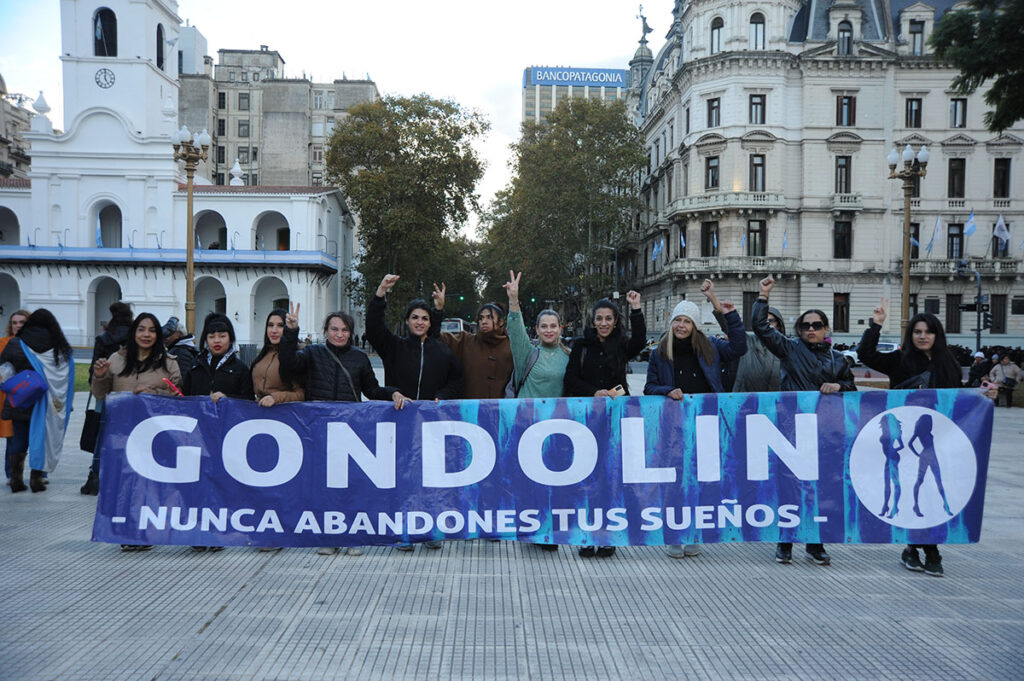
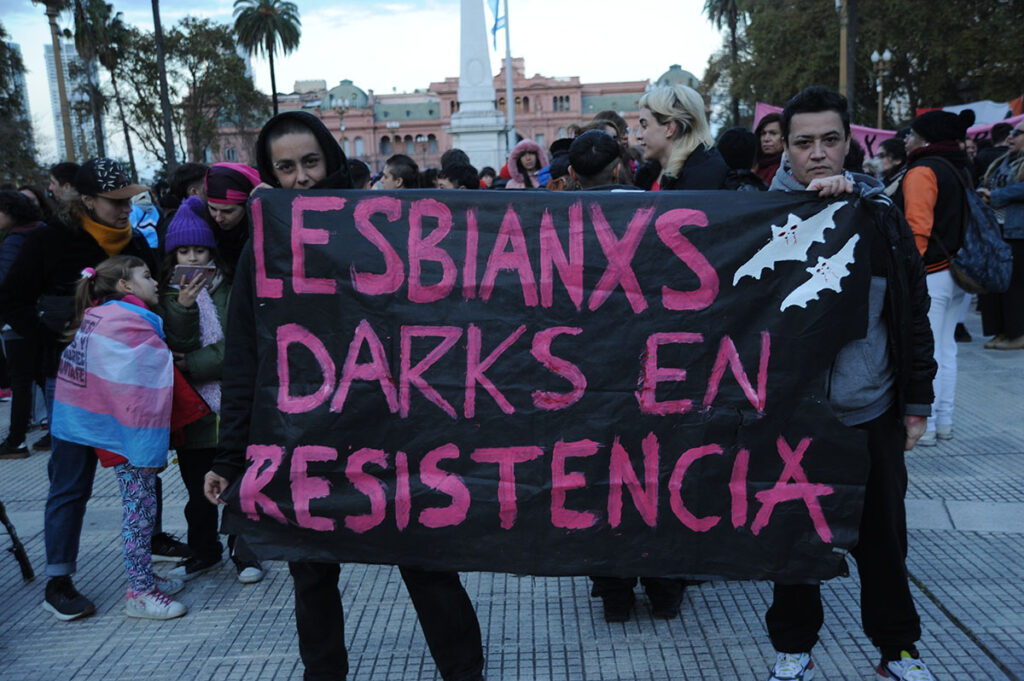
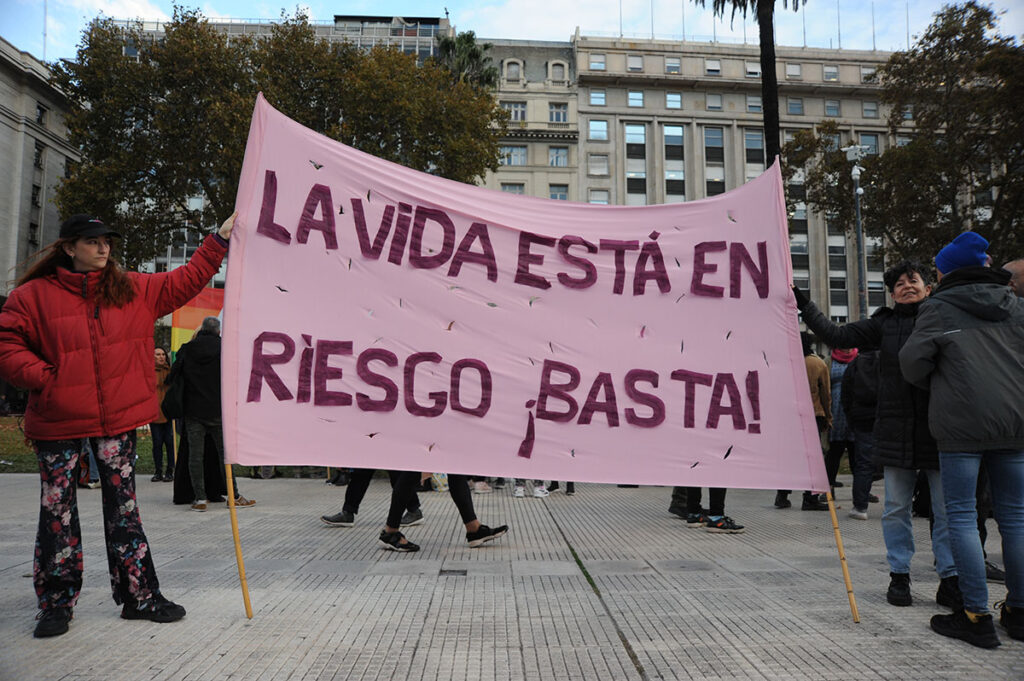
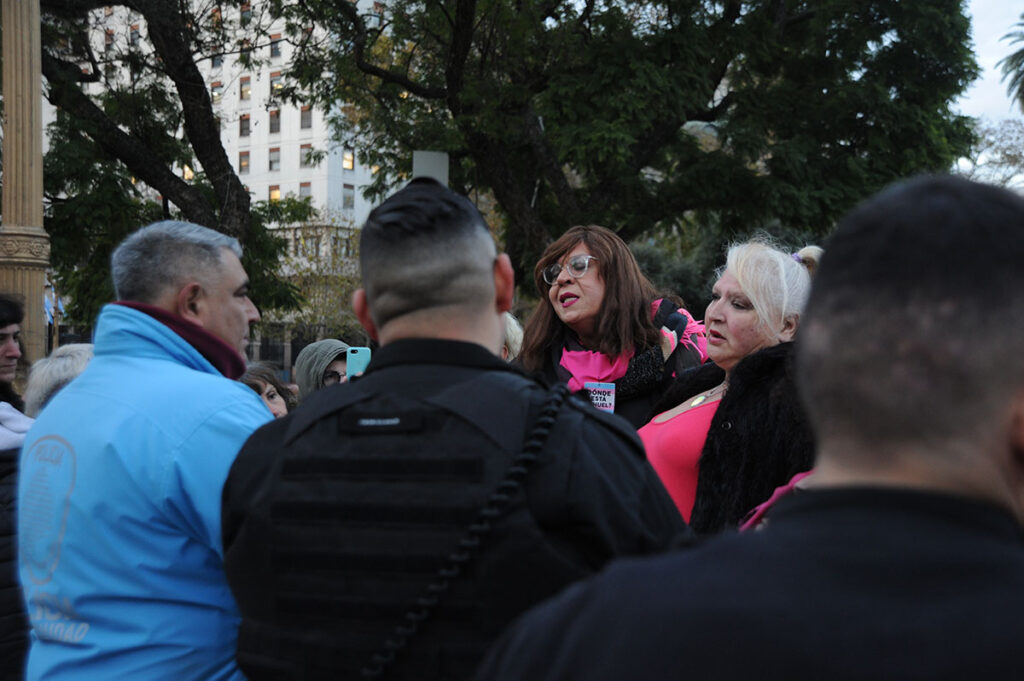
The increased police presence is part of the current climate. This week, new layoffs were announced in the public sector, at least 120 at INADI alone, including those of people hired through quotas. And while officials daily issue statements against diversity, the three bills to protect older transgender women have been languishing in Congress for a year.
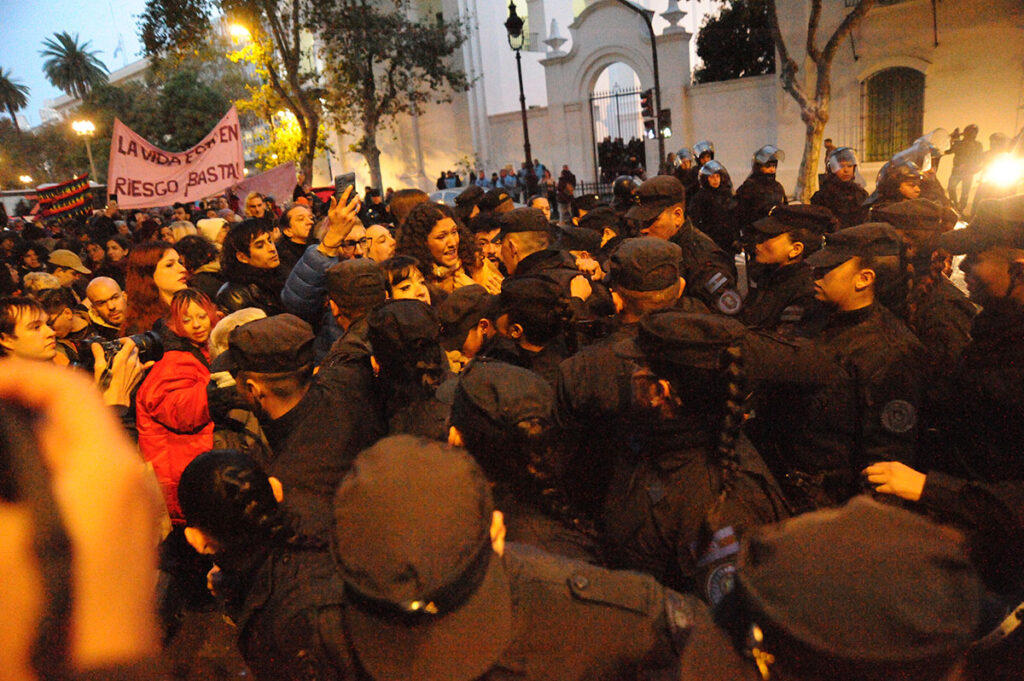
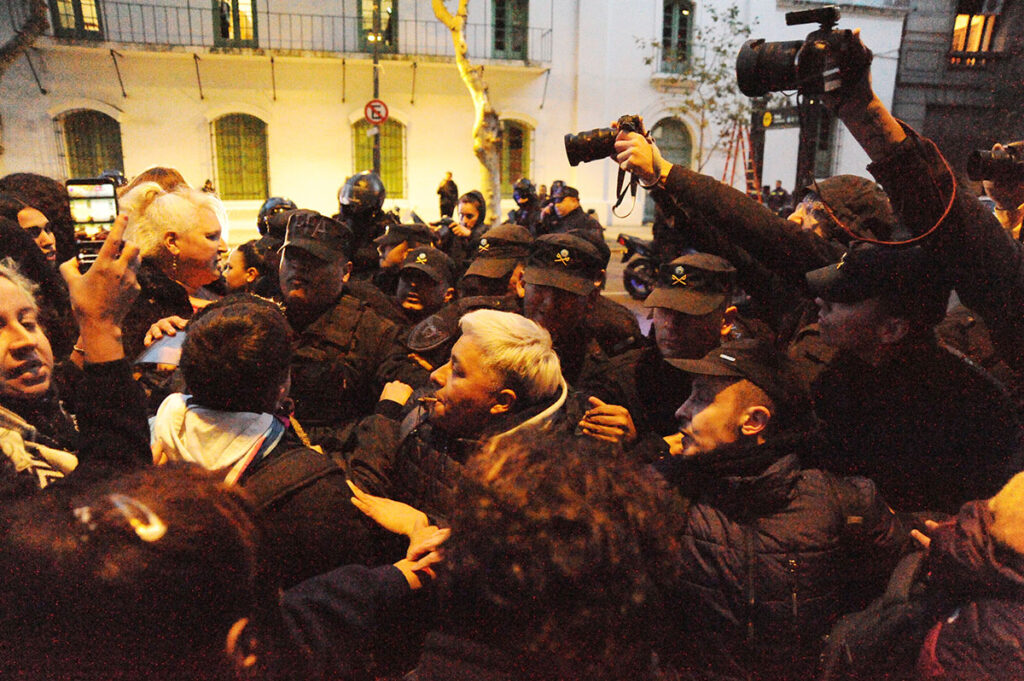
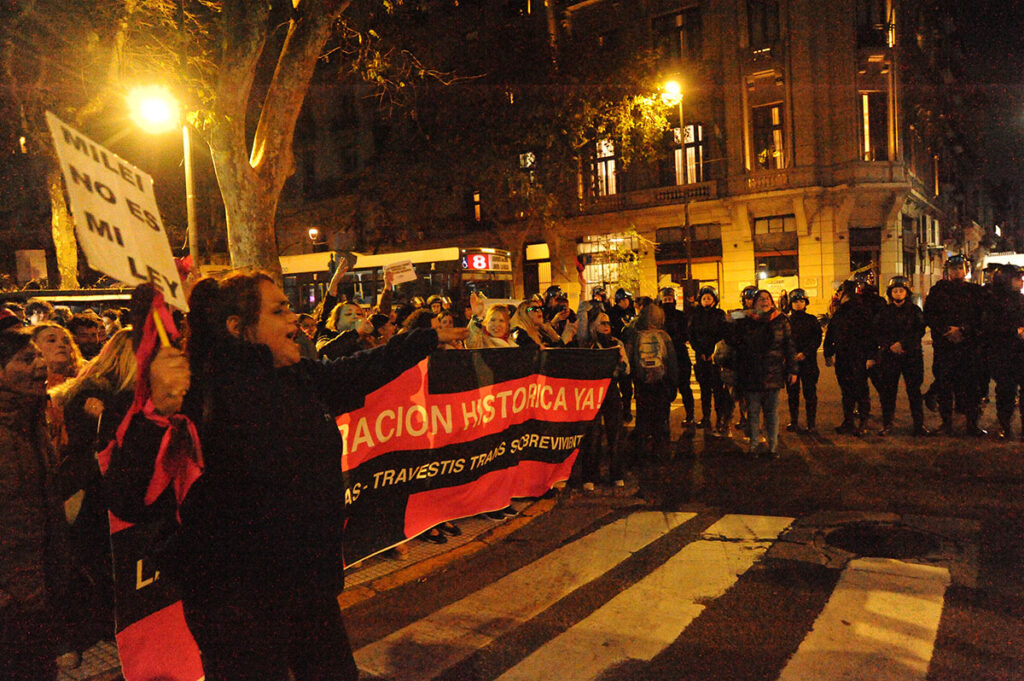
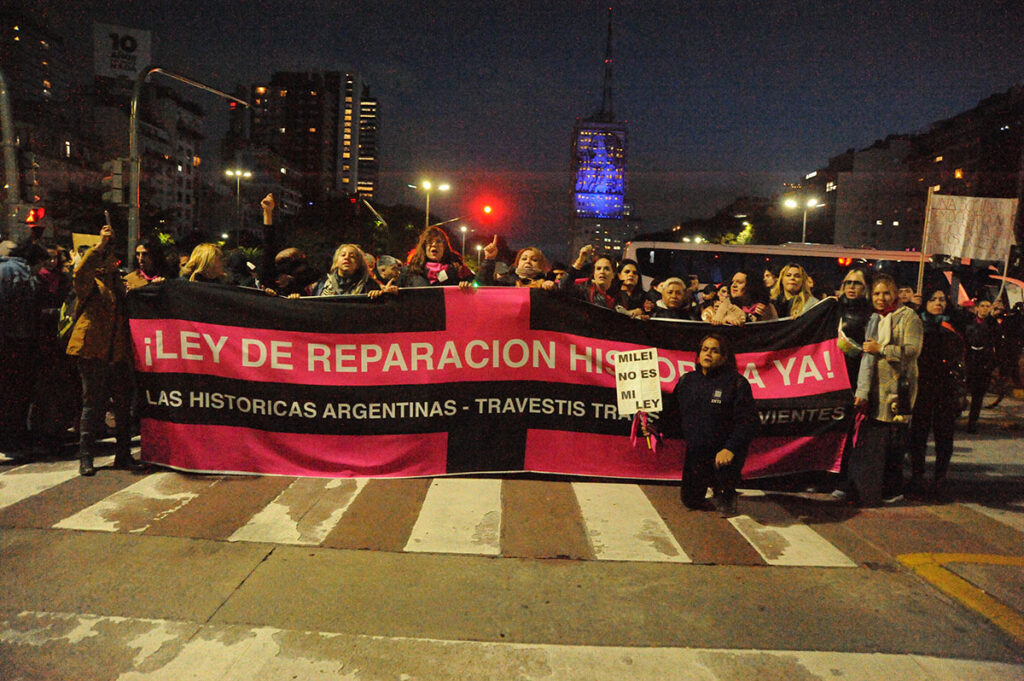
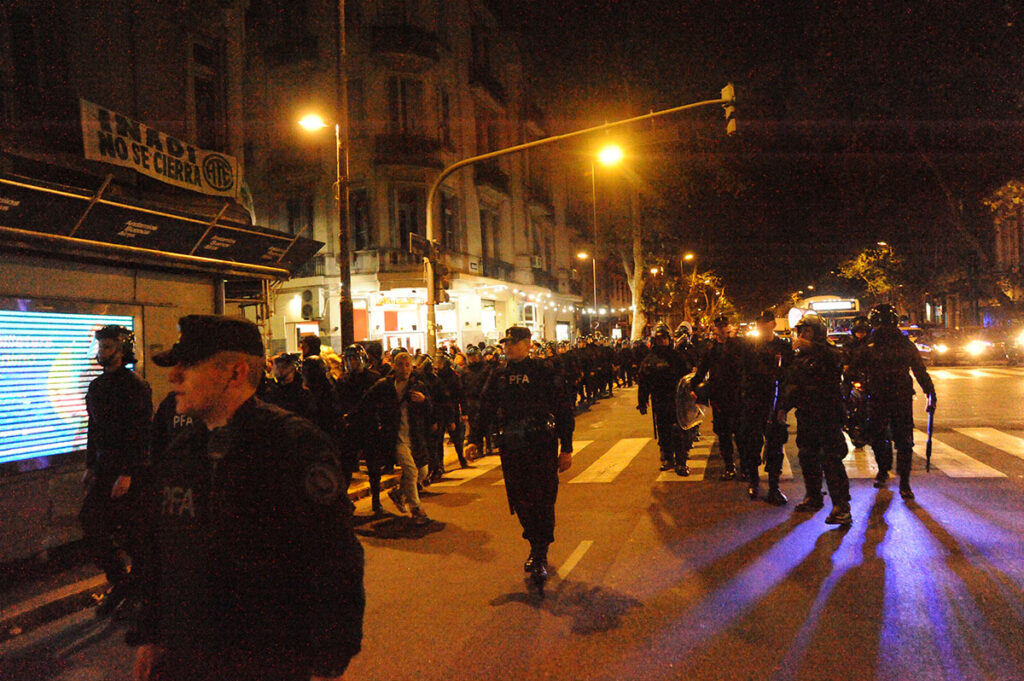
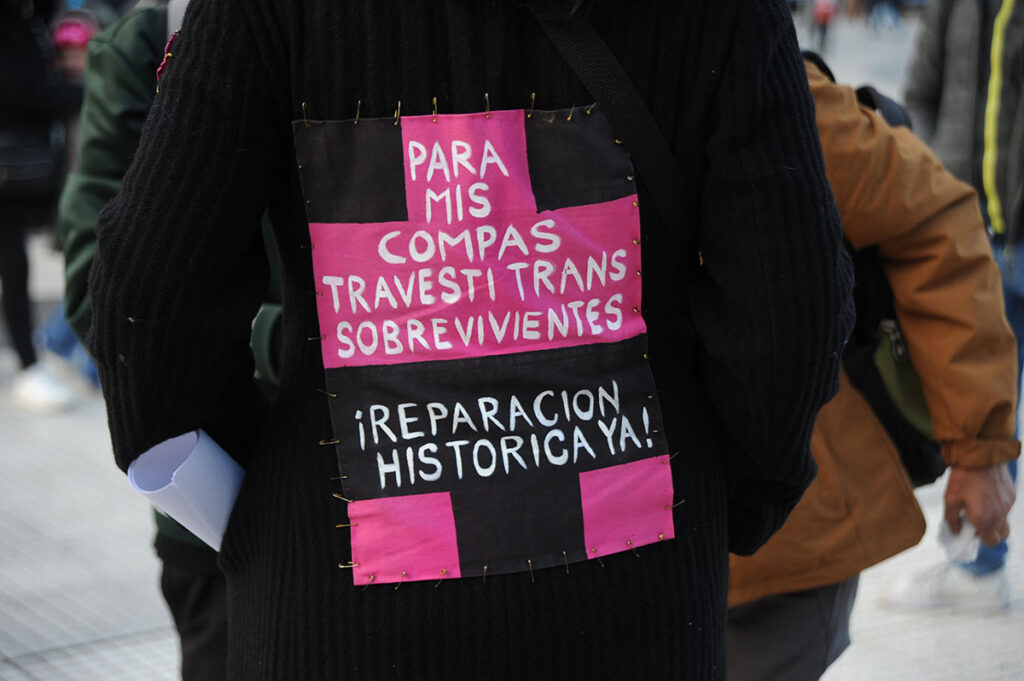
The Second Plurinational March's main demands included reparations for elderly trans women and comprehensive healthcare for a dignified old age. Other demands included compliance with the national trans employment quota, comprehensive sex education (ESI), and the Trans Empowerment Program. The march also called for an end to hate and condemned the triple lesbicide and attack in Barracas, as well as for the opening of police files.
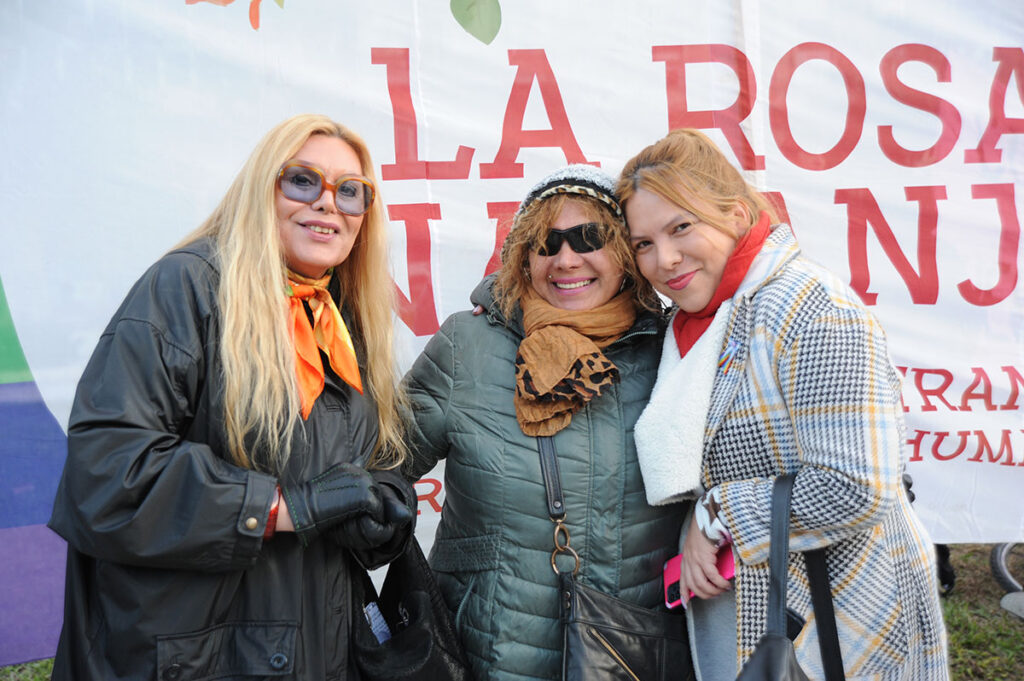
“I am 58 years old, I am a survivor. In Argentina, the trans and travesti identity has not been addressed. Institutional violence continues, and mistreatment of trans and travesti identities is commonplace, and even more so in this context. One hundred trans and travesti colleagues who had been hired through quotas were fired. They are making a mockery of the laws. This political project does not represent us and is doing a lot of harm to the community. We have a large number of elderly trans and travesti women in very poor condition, living in poverty and misery, and we need to pay attention to them. That is why we are gathered here today and saying: let us not forget the historical reparations,” Marcela Tobaldi, founder of the trans and travesti organization La Rosa Naranja, told Presentes.
Gabriela Mansilla, president of the Infancias Libres (Free Childhoods) association, emphasized the connection with trans children and youth: “We are here especially for our children, for that timeline that the trans community has, and of which children are also a part. Our children are not exempt from this reality, even if they have supportive families. There is still a lot of violence, and even more so in this context. Everything we have achieved is in danger—with our bodies, with our struggle, with our children in tow. Nothing is guaranteed, and our sisters need the support and reassurance that society will become aware. Making ourselves visible here means saying that there can be no reparation without awareness .”
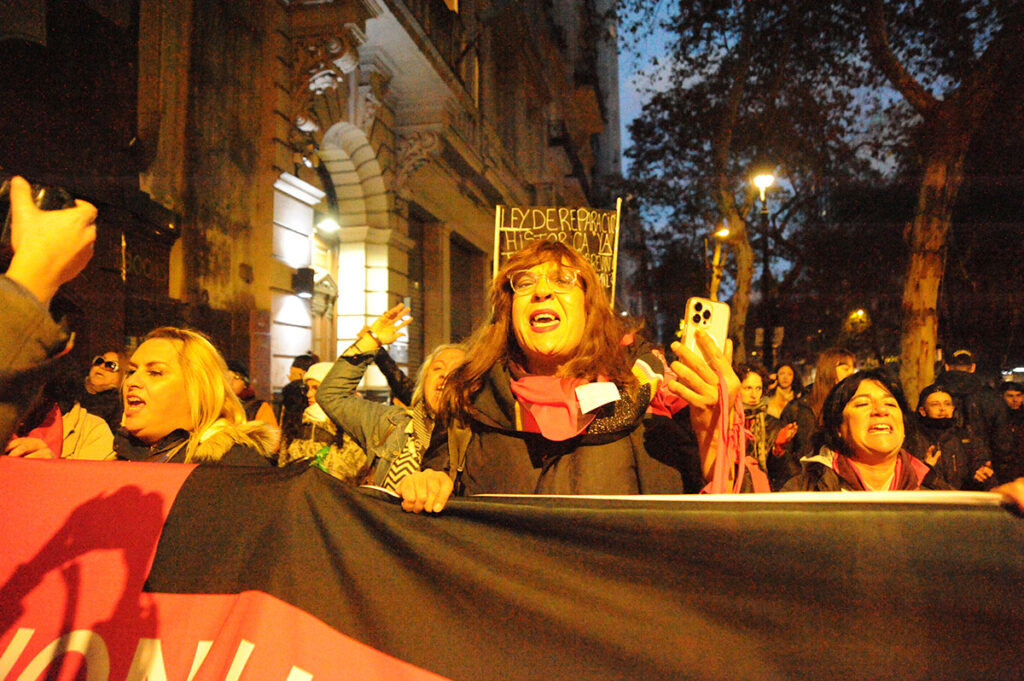
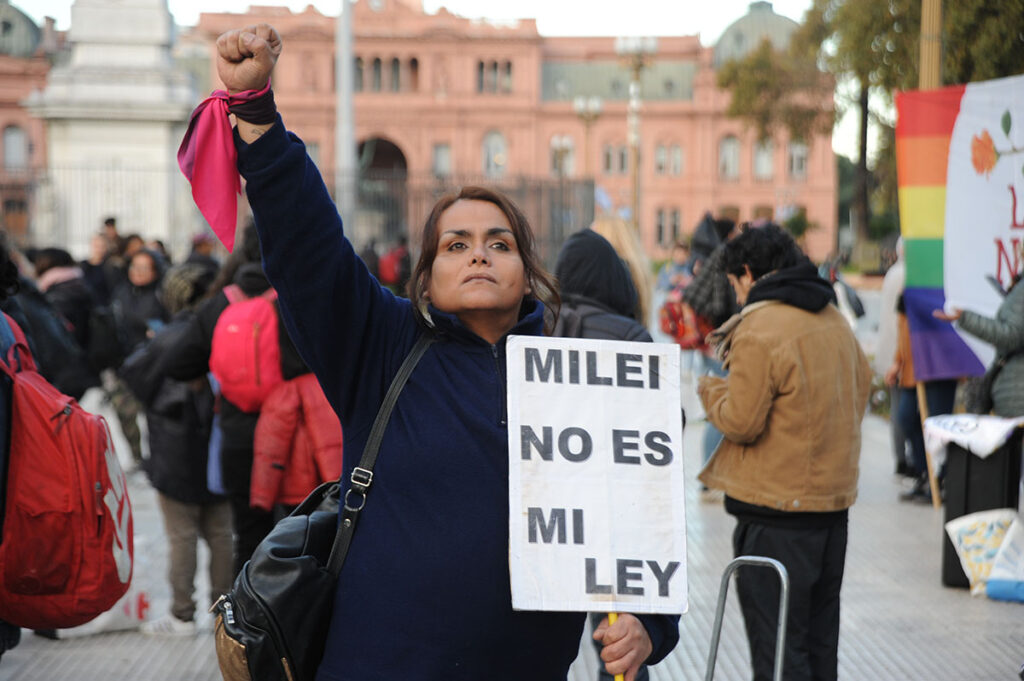
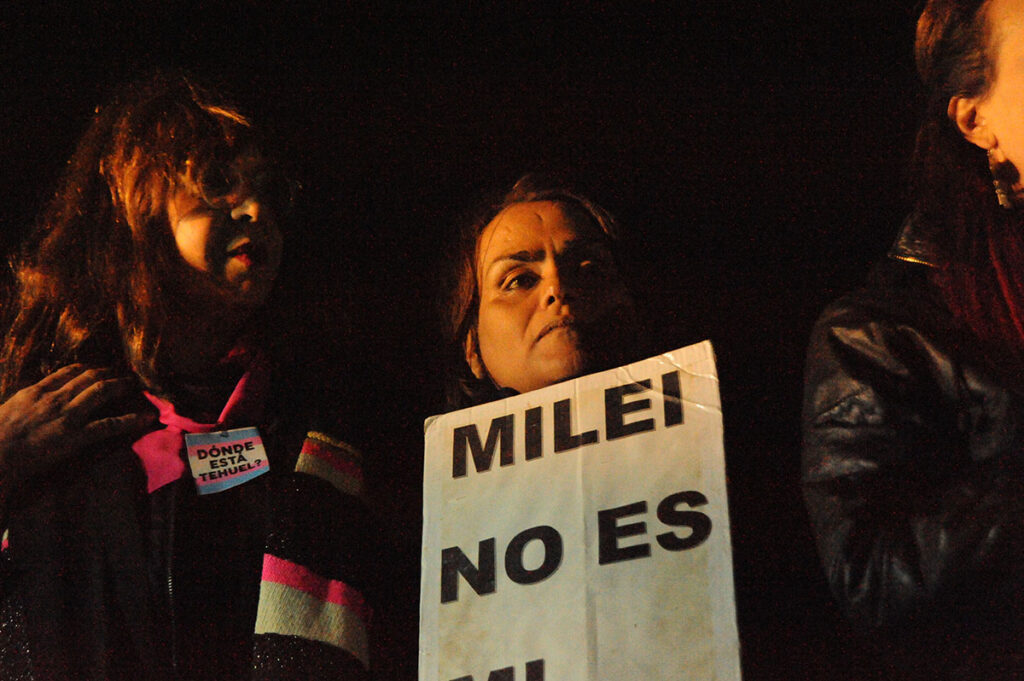
Holding a sign that has become a classic on the streets, "Milei is not My Law," Alma Fernández explained: "We are here for historical reparations and the trans quota. For the community kitchens and in repudiation of the layoffs that are going to happen at the National Institute of Industrial Technology, where trans and disabled people don't know what our future holds. Trans rage!".
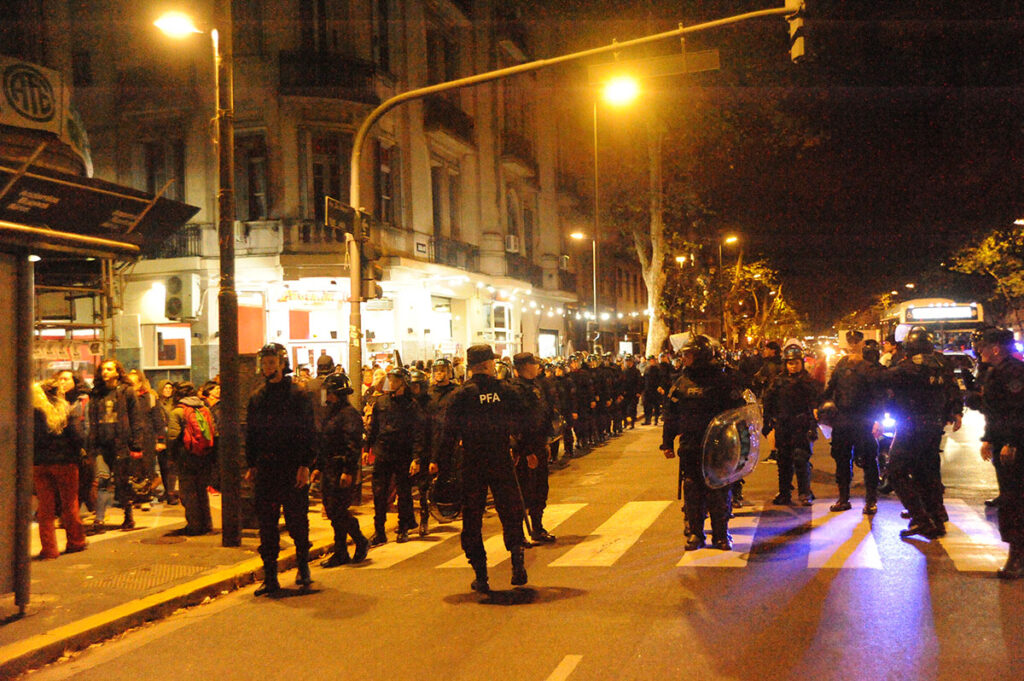
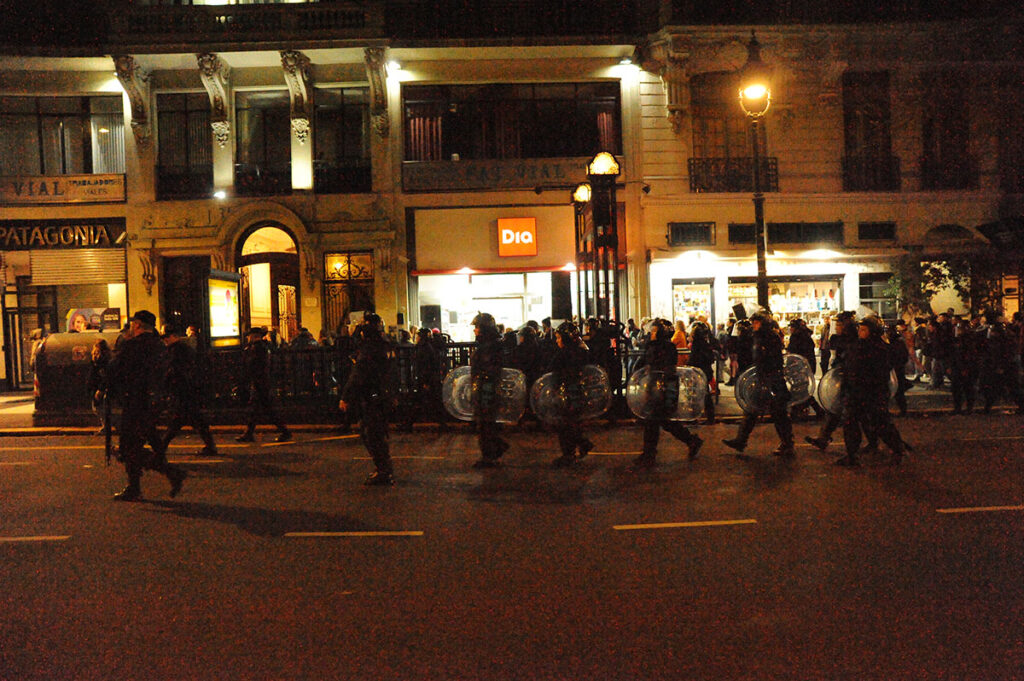
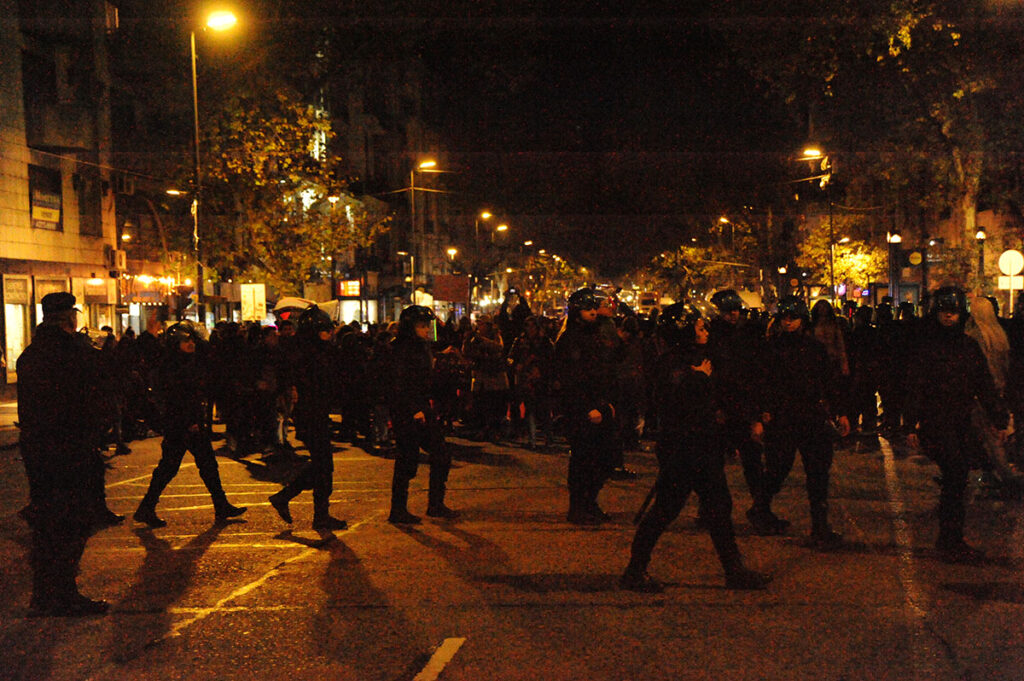
“We are holding this march in a challenging and violent context for Argentine democracy,” said Manu Mirelles, academic secretary of the Mocha Celis Trans Popular High School. “We have had police forces threatening and preventing the march from proceeding freely. We must guarantee the rights of democracy for all people. And this is especially important for our trans and travesti sisters who are survivors,” she warned as the march reached the National Congress.
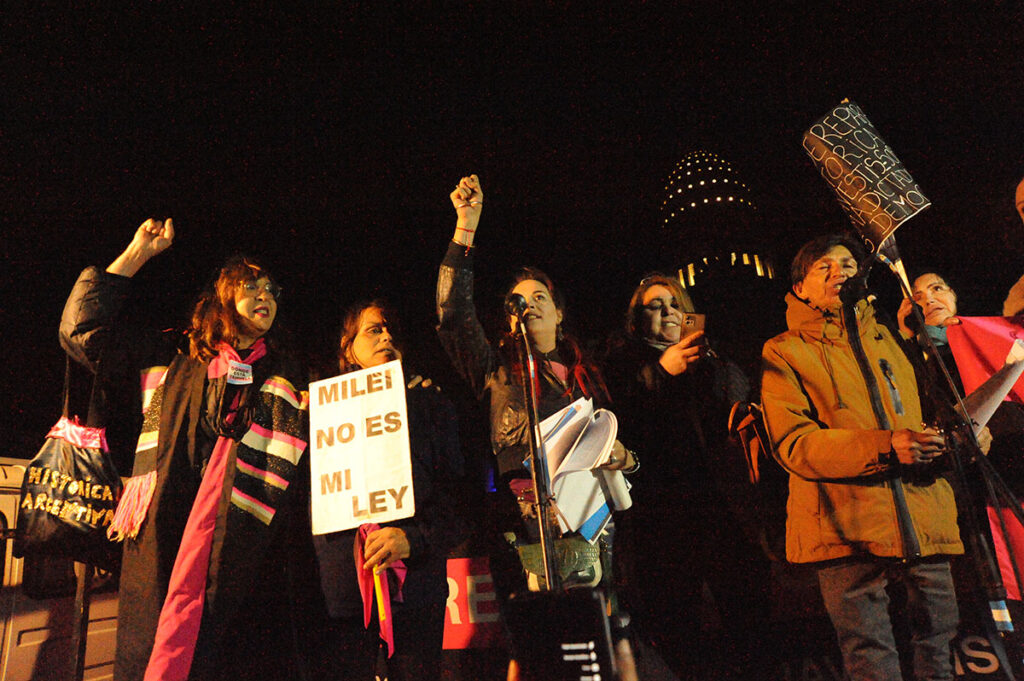
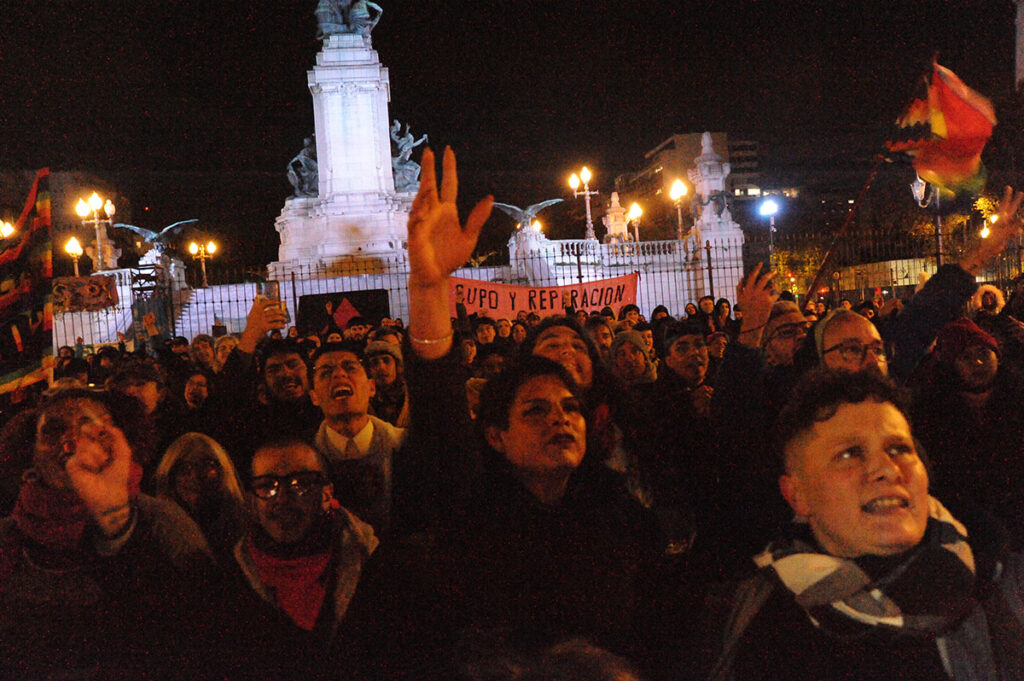
A document outlining the demands was read aloud. A music festival followed, and several police officers remained at the scene.
Congresswoman Mónica Macha, author of one of the reparations bills presented to Congress, also participated in the event. “We are here to achieve a right as important as historical reparations for our comrades who have been fighting for so many years. To achieve a retirement system, a pension that serves as a means of protection for those who have suffered every imaginable form of structural violence. They have a life expectancy of 40 years. We need a public policy that protects them and allows them to plan for the future,” said Macha, a national legislator for the Province of Buenos Aires (Union for the Homeland).
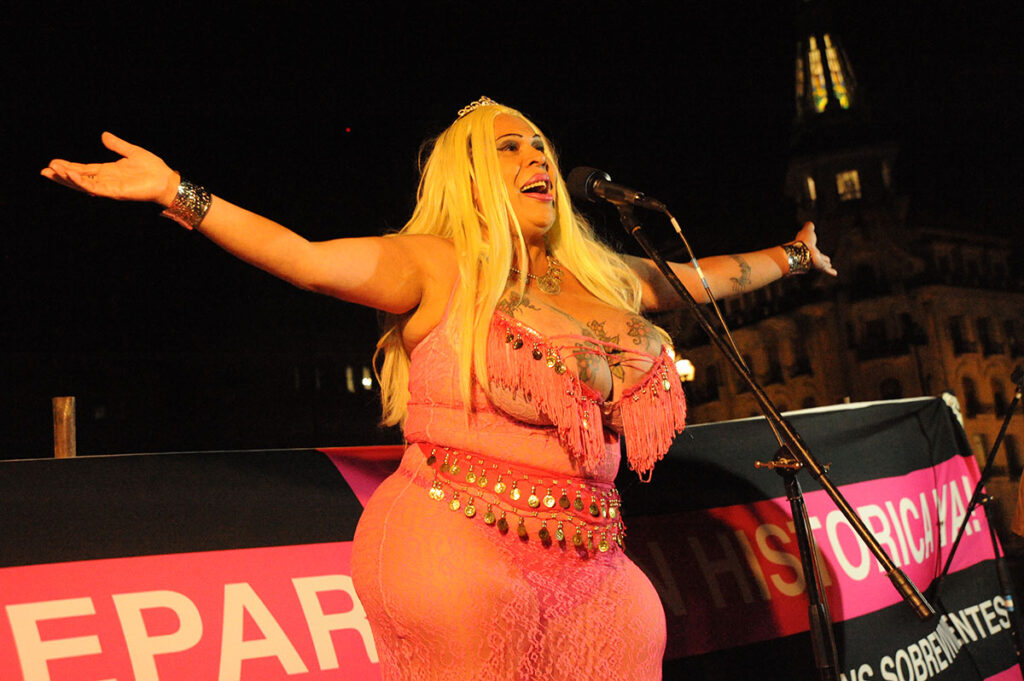
The march was followed by a festival with music and dancing, in front of Congress, and the presence of queer bands and artists.
We are present
We are committed to journalism that delves into the territories and conducts thorough investigations, combined with new technologies and narrative formats. We want the protagonists, their stories, and their struggles to be present.
SUPPORT US

FOLLOW US
Related notes

We are present
This and other stories are not usually on the media agenda. Together we can bring them to light.