

Historical reparation for transvestites and trans people: Second march to Congress for the law for a dignified old age
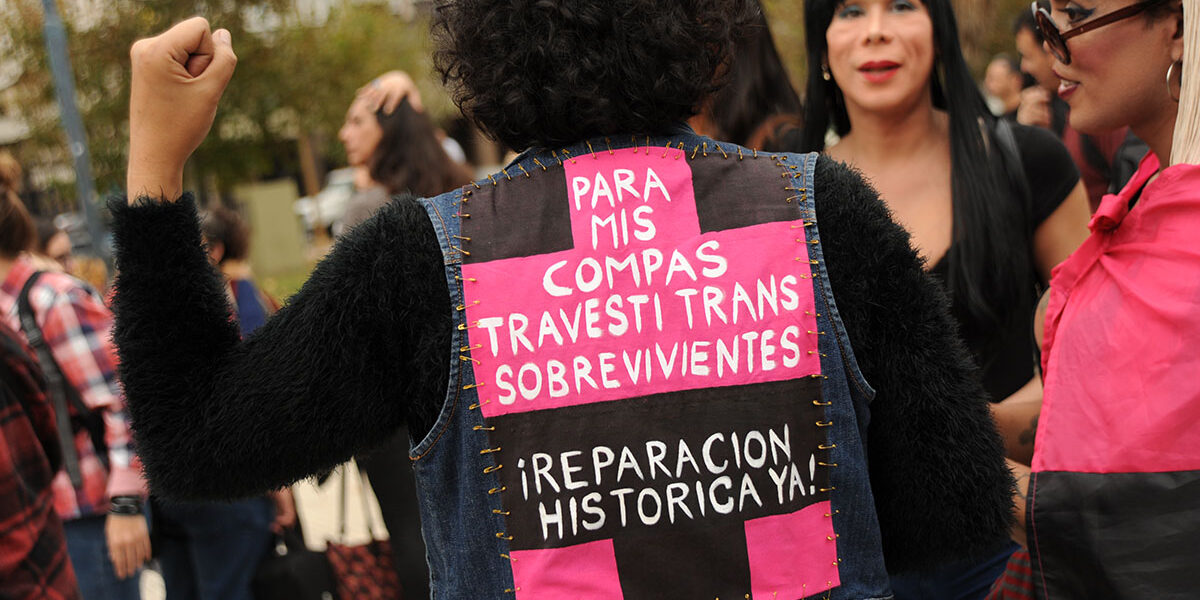
The Second Plurinational March for Historical Reparation for transvestites and trans people will go from Congress to Plaza de Mayo. It has been stalled for a year. Meanwhile, layoffs continue against people hired under the quota law.


Share

BUENOS AIRES, Argentina. “Historical Reparation Law Now” is the demand that the trans and travesti survivor collective will take to the streets this Friday, May 24. The Second Plurinational March for a Historical Reparation Law will begin at 2 p.m. in Plaza de Mayo and proceed to Congress around 5:30 p.m. There, a statement will be read, followed by a festival that will continue into the evening.
Reparative pension. Comprehensive healthcare for a dignified old age. Transgender employment quotas nationwide. Access to housing. Effective implementation of Comprehensive Sexuality Education (CSE). Visibility for trans men. Implementation of the Transgender Empowerment Program. Access to police records and background checks. These are the strongest demands for a population with a life expectancy of 35 years.
A law that was debated but not addressed
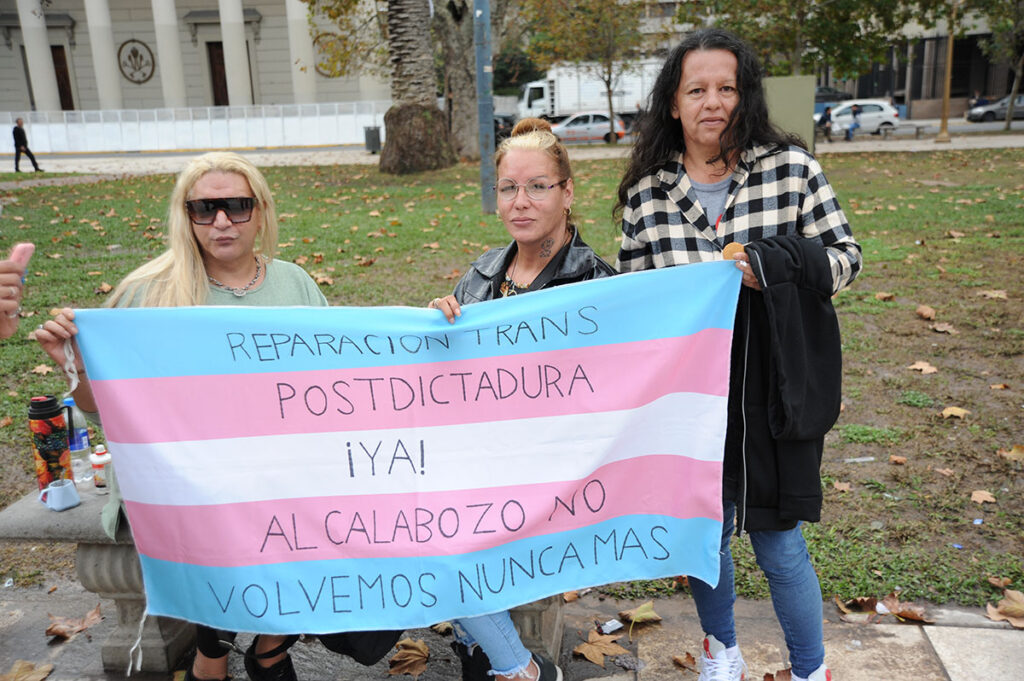
In 2023, hours before the first plurinational march for historical reparations, the first committee meeting was held in the Chamber of Deputies. It was convened by the Women and Diversity Committee of Deputies, and representatives of the trans and travesti community were prominent voices. Despite the presentation of three bills (one by Mónica Macha, another by Gabriela Estévez, and another by Mara Brawer, all from the Frente de Todos coalition), no progress was made.
Sources within Congress confirmed to Agencia Presentes that the bill is currently under consideration, but no agreements have been reached to move it forward. They also indicated that there may be some developments on the matter in the coming weeks.
In December, the province of Santa Fe became the first to approve the transvestite and trans historical reparations law . Meanwhile, in the Province of Buenos Aires, the bill lost its parliamentary status.
“That the State recognize that there was a genocide against the trans population”
Patricia Alexandra Rivas is part of a self-organized collective. “We demand that the State acknowledge that it persecuted us, that it attempted to exterminate the trans population—whether men or women—that what they did to us was genocide,” she explains. “At the same time, we adults want financial compensation for what they made us suffer: the persecution, the rapes, the torture, the murder of many of our sisters simply for being trans people,” she adds.
Why a historical reparations law is needed
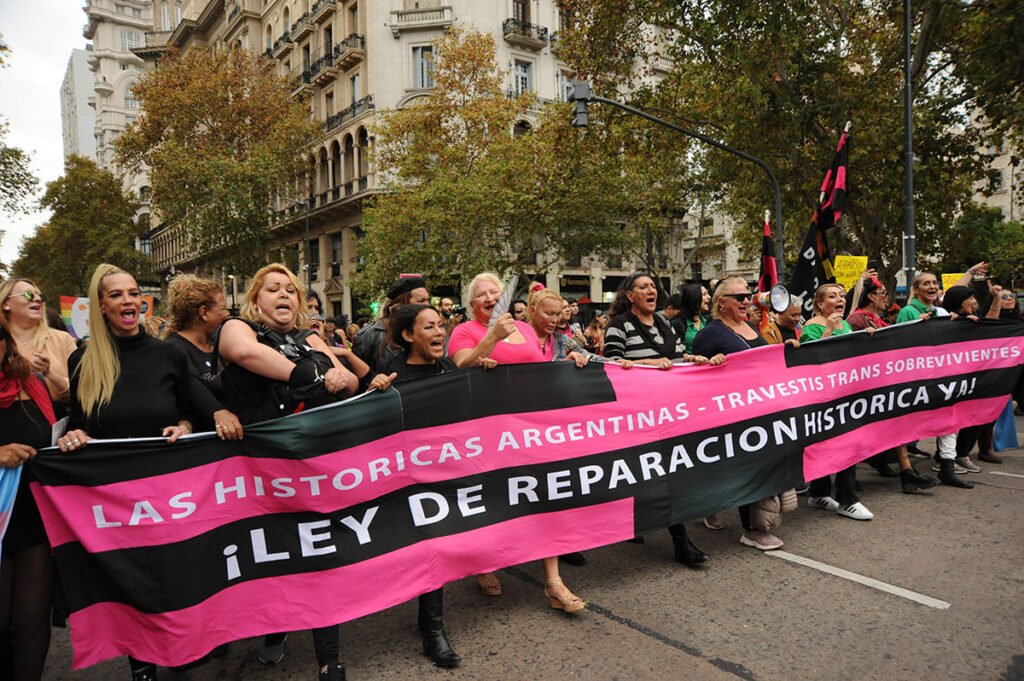
The Gender Identity Law created a new landscape for transgender people, but it failed to significantly improve their structural living conditions. Life expectancy beyond 40 years did not increase.
“ We’re too young to retire, but too old to work, and in terrible health ,” Patricia explains. “Adult trans people were never allowed to work. So, we couldn’t contribute.” She also says that many of her companions are sick and receive minimal non-contributory pensions. “Many got sick because of sex work, and others because of the industrial silicone we had injected into our bodies, because society demanded ‘curves,’ and it weakened our bones. And so many years of imprisonment and torture,” she details.
Marcela Tobaldi, from the transvestite and trans organization La Rosa Naranja, states: “Historical reparations are essential for our community. Older people suffer from many health, economic, and financial problems, as well as poverty. We older transvestite women in Argentina experience all of this. We are not many. The National Government must react and urgently allocate funds to ease the burden on all of our sisters.”
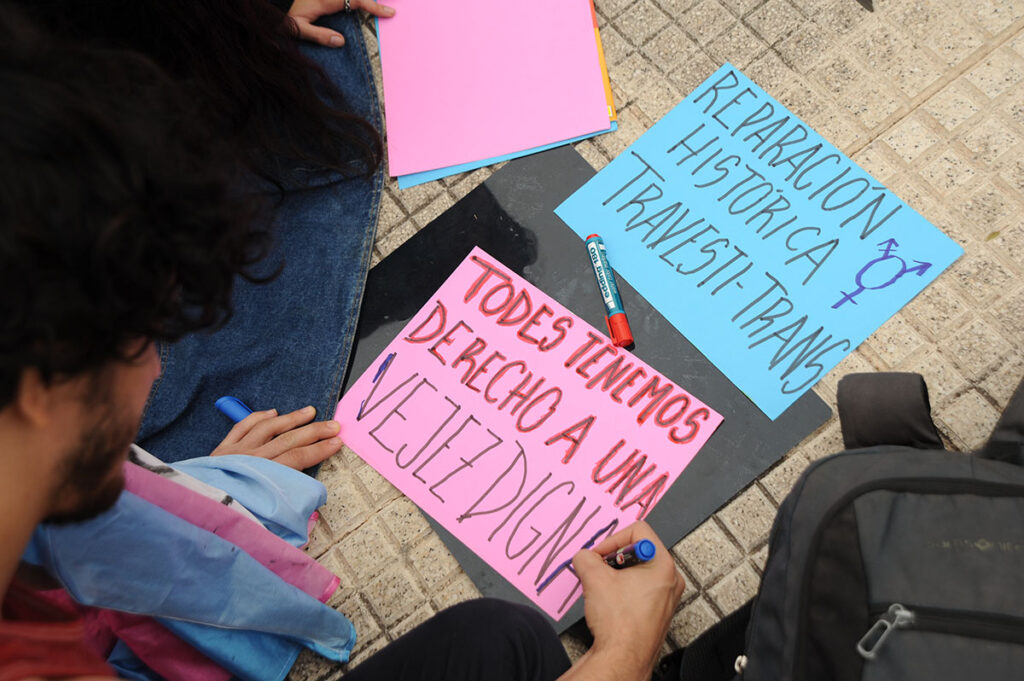
Layoffs do not respect the Transgender Quota Law
The layoffs by Javier Milei's government left at least 115 trans people unemployed, all of whom had been hired through the Trans and Travesti Employment Quota Law passed in 2021. The State Workers' Front for Trans, Travesti, and Non-Binary Persons will participate in Friday's march to add their voices to the demand for the enforcement of this law. At INADI alone, where at least 120 people were laid off this week, eight trans colleagues have already been identified as having been hired through the trans and travesti quota among the total number of employees dismissed this year.
According to a report by the Frente regarding access to formal employment, they estimate that fewer than 1,000 workers were hired in total. 86% of those hired are between 18 and 39 years old. And “the few people over 40 who were hired, whether due to living and health conditions or the unemployment crisis this new administration is creating, may not live to retire.”.
Congresswoman Macha, president of the Women and Diversity Committee, has joined the call. “It’s important to support this demand, which is as crucial as the employment quota law,” said Macha, who spearheaded one of the bills introduced in 2023. “We also need to defend the Quota Law. We know that trans and gender-diverse colleagues who were hired under this law are being dismissed. We must defend this right and the historical reparations.”.
Against hate crimes
The march to Congress will end around 6 p.m. with the reading of the document outlining the demands. A festival is scheduled for 7 p.m., featuring performances by Tía Marilú, Malicia, and the Kiki Moment from the Ballroom Community.
“In front of the National Congress, we will read the document about hate speech and hate crimes that are happening, because they are coming from the State,” says Patricia. “They haven’t acknowledged that they burned four lesbians alive; three died. It was a hate crime,” she says. “For all of this, you have to stand with us. We ask that you don’t leave us alone again, because society was also complicit in everything that happened to us.”.
The second march for the Historical Reparation Law will gather at 2 PM in Plaza de Mayo.
March towards the National Congress at 5:30 pm to read the document at 6 pm.
The Festival for Historical Reparation will begin at 7 p.m
We are present
We are committed to journalism that delves into the territories and conducts thorough investigations, combined with new technologies and narrative formats. We want the protagonists, their stories, and their struggles to be present.
SUPPORT US

FOLLOW US
Related notes



We are present
This and other stories are not usually on the media agenda. Together we can bring them to light.
1 Comment