

INADI: 120 people laid off, many with trans or disability quotas, and Gender and Diversity areas dismantled
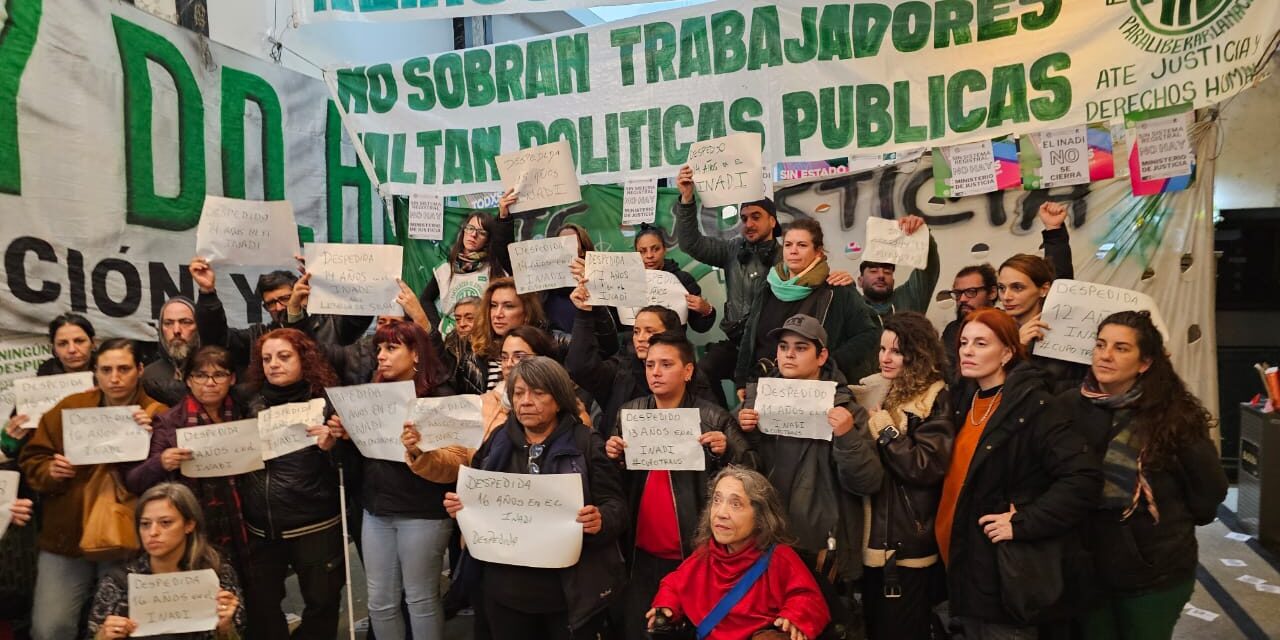
Among the 120 layoffs are many transgender, travesti, and disabled workers, as well as others with over 15 years of service. Gender and Diversity departments are being dismantled, and almost all INADI offices across the country are being closed. They are demanding a halt to the dismantling and the reinstatement of those laid off.


Share

BUENOS AIRES. At the beginning of this week, 120 layoffs were reported at INADI (National Institute Against Discrimination, Xenophobia, and Racism), including employees who had worked there for more than 15 years and others who were hired through the trans and travesti or disability employment quotas. Activists, organizations, and workers are demanding their reinstatement and calling for an end to the dismantling of the public agency that works on anti-discrimination policies at the federal level.
The decision to lay off employees was made by the administrator, María de los Ángeles Quiroga, and the notification reached the workers on Monday at 6:40 p.m. via the Electronic Document Management System (GDE). These 120 layoffs are in addition to the 40 previous dismissals, bringing the total number of people who have lost their jobs at INADI this year to 160. This represents 42% of a staff of 380. At least eight of those dismissed were people who were hired through the transgender employment quota, sources confirmed to Presentes.
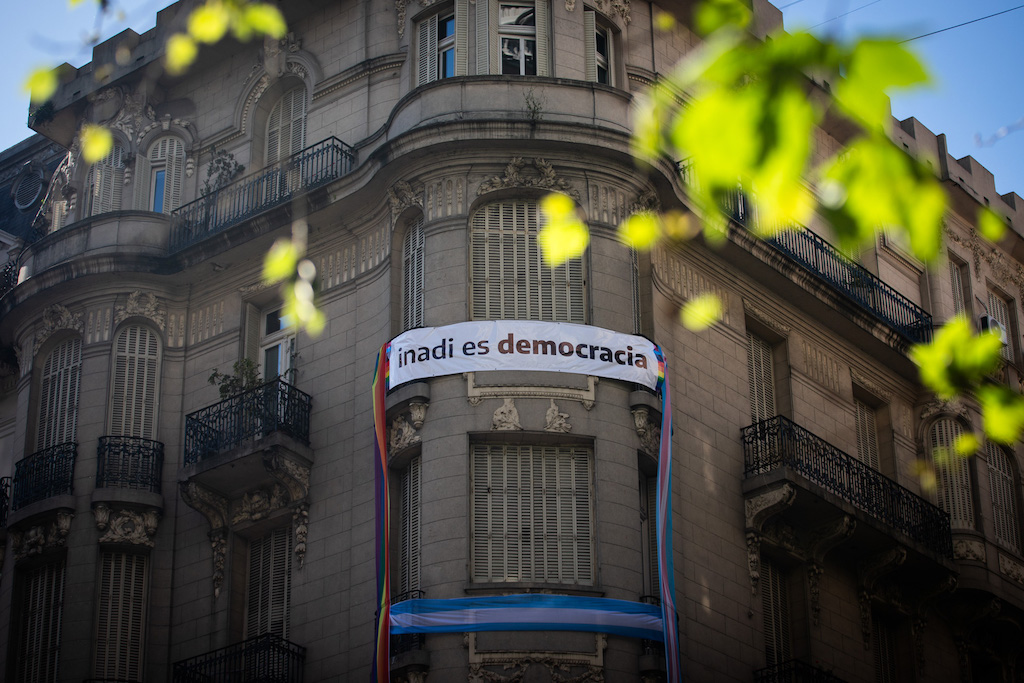
“Almost all the country's branches are closing.”
“Among those laid off are people with disabilities. Others were hired through the transgender employment quota, others have chronic illnesses, some are nearing retirement age, and there are women with children, ” María Laura Coldeira, a social worker and technical advisor at the Victim Assistance Directorate of INADI, explained to Presentes. She also warned that these new layoffs will “practically close all of INADI’s offices across the country.”
The workers also denounced “the militarization of the agency and the dismantling of public policies against discrimination .” Coldeira emphasizes the context: “Hate speech is on the rise; we hear it every day, promoted by the current government. And just a few days ago, we witnessed a triple lesbian murder in Barracas; four women were set on fire.”
The dismissed employees had temporary contracts which, upon expiration, were not renewed. Among the reasons cited for this decision is the "process of evaluation and reorganization of the State's organizational structures being carried out by the Executive Branch."
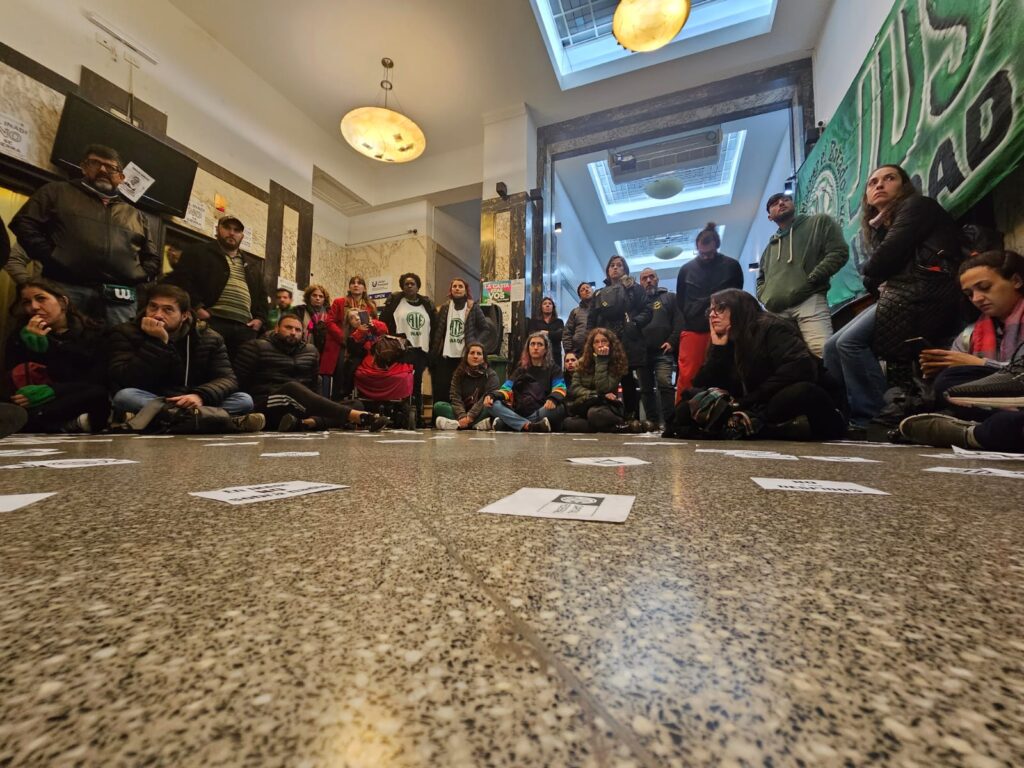
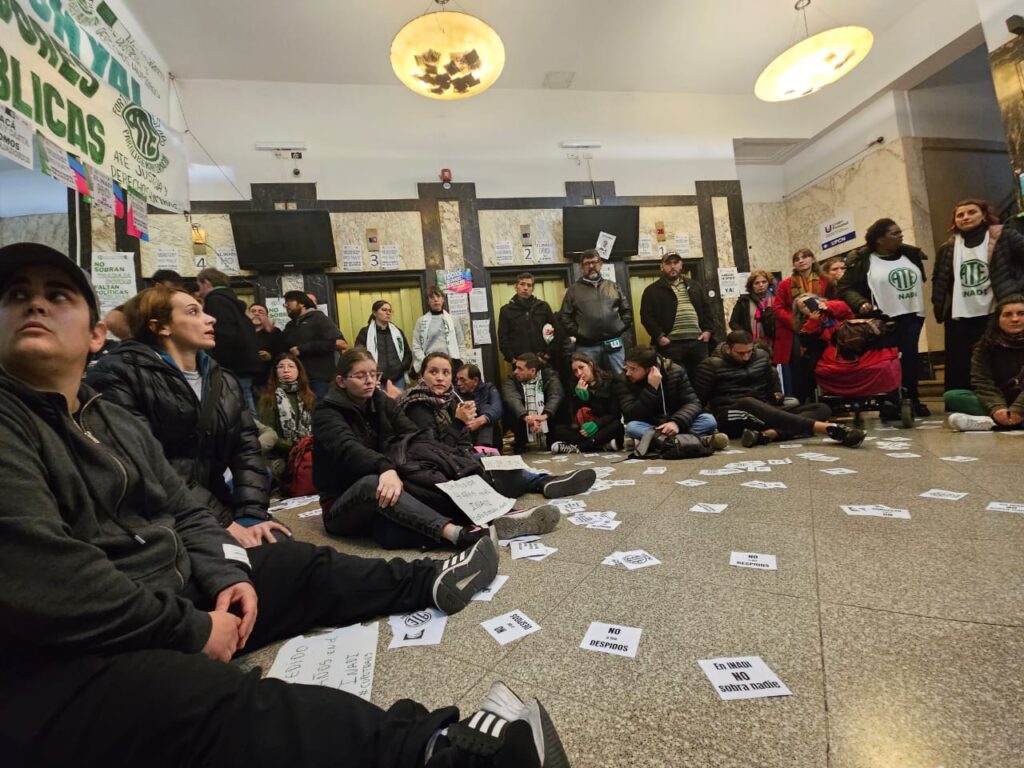
The morning after receiving news of the layoffs, workers, activists, and supporters gathered at 9 a.m. at the INADI headquarters, located at Avenida de Mayo 1401, in the Monserrat neighborhood of Buenos Aires. At 3 p.m., they held a press conference at the Ministry of Justice and Human Rights. They were not received by the authorities; however, advisors to Minister Mariano Cúneo Libarona promised a meeting this Thursday at noon.
The protests will continue with a rally at the Ministry of Justice, at Sarmiento 329 in the City of Buenos Aires, this Wednesday at 12 and Thursday at 11.30.
Sexual diversity and gender: two erased areas
Martín Lanfranco is 38 years old and had worked at INADI for 17 years: almost half his life. On Monday, he learned of his dismissal. He was a member of the Sexual Diversity Area during the last four administrations.
“ The Sexual Diversity area was completely dismantled, and the same thing happened with Gender . In Diversity, we were in charge of developing, designing, and implementing anti-discrimination public policies related to the protection of LGBTQ+ people. We produced publications—the INADI PDFs and content were the most downloaded and consulted on the www.argentina.gob . We also worked on training programs in other state agencies, municipalities, and provinces through provincial delegations,” she shared.
In addition, they conducted "talks, workshops and awareness-raising activities in educational settings to train teachers with a gender perspective and provide support for reported cases in the area of victim assistance."
One of the organization's milestones was the work of trans activist Diana Sacayán, "with whom, through activism—and also through INADI—we promoted the Transgender Employment Quota Law in the province of Buenos Aires." " INADI handled the institutional legal action in the trial for Diana's murder. And from our department, we drafted the closing argument that led to the inclusion of the crime of transphobic murder ," she explained.
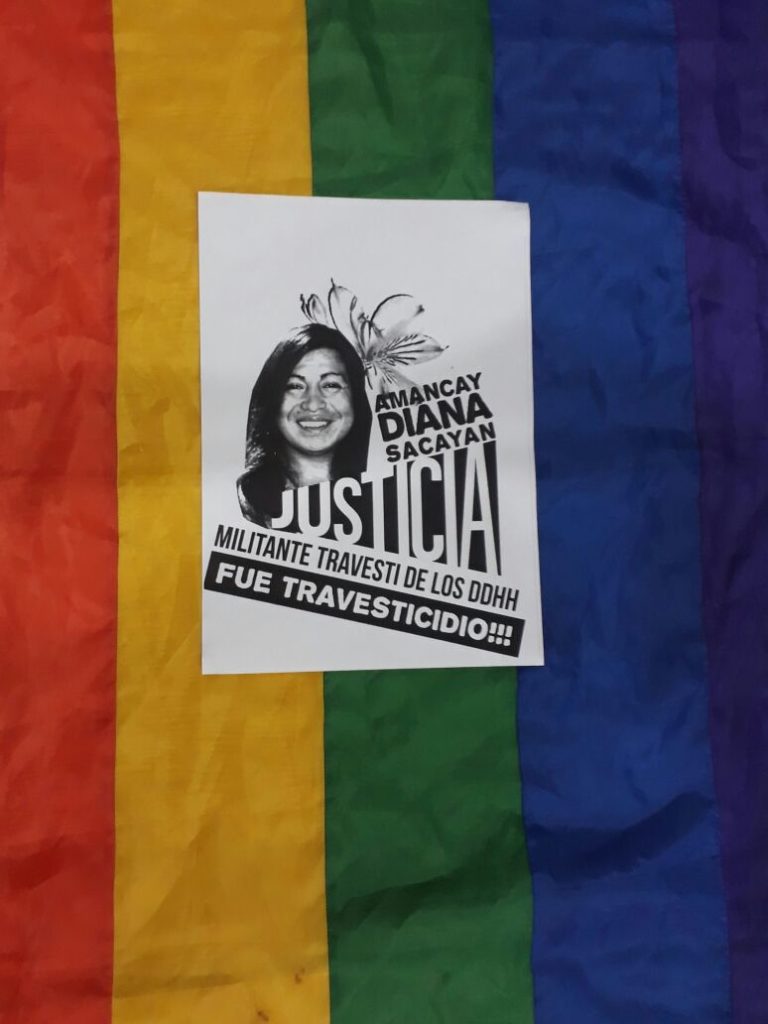
Martín speaks in the past tense because since this new government administration took over, several areas of the institute are without tasks .
“That is something that workers and unions, based on the demands of the workers, had been demanding from management: that tasks be assigned and that INADI fulfill its obligations, which is to work for anti-discrimination policies ,” Coldeira explained.
Step by step, the plan to dismantle INADI
On February 22nd, presidential spokesperson Manuel Adorni announced that the government had decided to close INADI . “We are taking the first steps to dismantle various institutions that serve no purpose, are simply political slush funds, or are used to create jobs for political activists. The first of these will be INADI. We are beginning its definitive closure,” he said at the time.
The government's statements ignore the valuable work of the agency in the area of discrimination, a situation that we at Presentes are familiar with through our journalistic work. INADI is often the first institution that people across the country turn to when they have suffered discrimination.
The closure of the agency was included in the first version of the bill " Bases and Starting Points for the Freedom of Argentinians ." The new version , approved by the Chamber of Deputies and awaiting consideration in the Senate, addresses public employment in Chapter IV . It states that officials from agencies or bodies that are eliminated will be placed on leave for up to 12 months, and after that period, they will be dismissed from the National Public Administration if they do not find another position .
How, why and for what purpose did INADI come about?
The National Institute Against Discrimination, Xenophobia, and Racism (INADI) was created in July 1995 through Law 24,515. This followed the bombing of the AMIA Jewish community center, which left 85 dead and 300 wounded. Its objective is "the development of national policies and concrete measures to combat discrimination, xenophobia, and racism, promoting and carrying out actions for this purpose," as stated in Article 2 of the law passed on July 5, 1995.
“It is not only the closure of an organization that has given us much joy, but also of an organization that is taken as an example in the world ,” Ornella Infante, former national director of Policies against Discrimination at INADI, shared with Presentes.
“It is an organization that represents the population.”
“ INADI is rich in its policies, but also in the content provided by its workers who, beyond their professionalism, have knowledge derived from belonging to historically marginalized populations. It is an organization that reflects the population living in our country ,” he argued.
The State Workers' Association (ATE) denounced the "dismantling" of the agency. "Right now we are taking industrial action and we will continue until there is a response and all our colleagues are reinstated," shared Nadia Fadic, ATE INADI delegate .
Activists from sexual diversity organizations also expressed their condemnation.
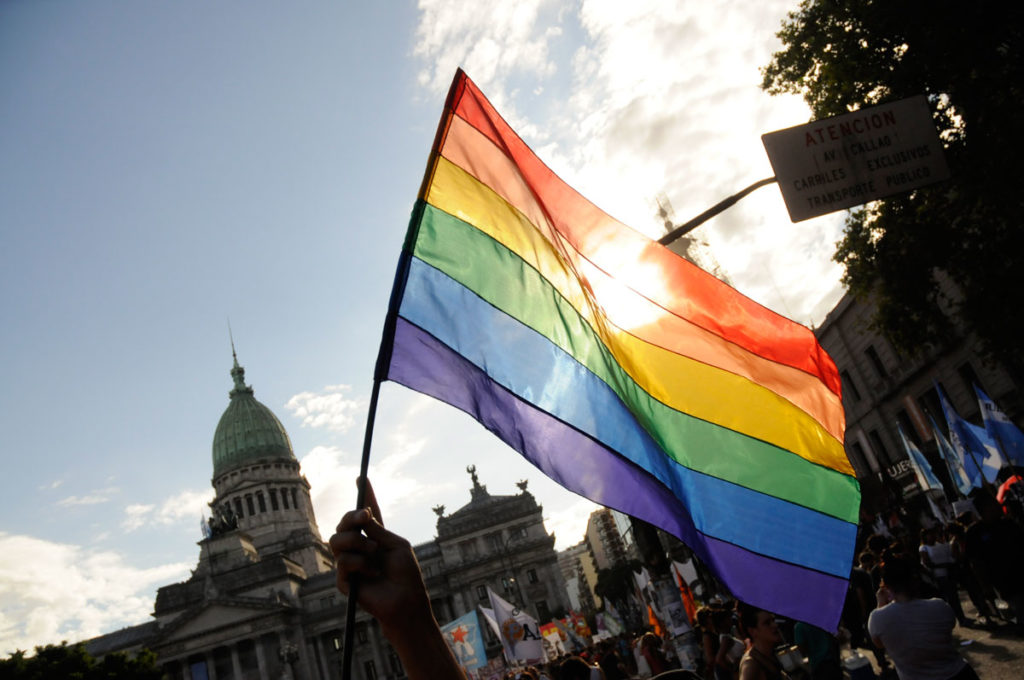
“These layoffs are part of a dismantling of the state, especially of human rights organizations and policies,” Ricardo Vallarino, a member of 100% Diversity and Rights , told Presentes. “ This government is putting us in immediate danger. It not only leaves us without resources to combat violence and discrimination, but it is directly attacking us ,” he added.
Along these lines, María Rachid, head of the Institute Against Discrimination at the Ombudsman's Office of the City of Buenos Aires FALGBT board . “In order to express the discrimination and violence that is expressed every day from different parts of the national government or from La Libertad Avanza, they need to empty and close all the spaces that we have created or strengthened to defend the rights of the most vulnerable sectors ,” she told this agency.
We are present
We are committed to journalism that delves into the territories and conducts thorough investigations, combined with new technologies and narrative formats. We want the protagonists, their stories, and their struggles to be present.
SUPPORT US

FOLLOW US
Related notes


We are present
This and other stories are not usually on the media agenda. Together we can bring them to light.