

How is the case progressing for the triple lesbicide and attack?
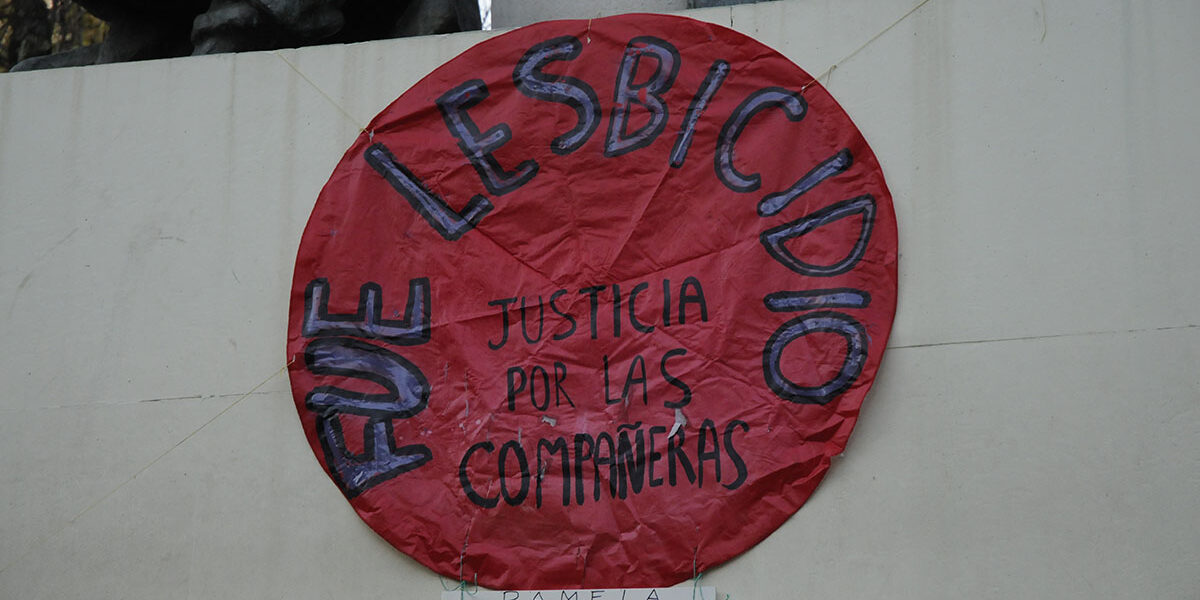
Presentes toured the Penna and Burn hospitals and the 14th court to update and check data and find out how the case is progressing.


Share

the sole survivor of the lesbian hate attack in Barracas , is recovering well. The burns from the explosive device thrown by Justo Fernando Barrientos at the family hotel where they lived, which resulted in the triple murder of lesbians, affected her hands and part of her face. She could be discharged in one or two weeks.
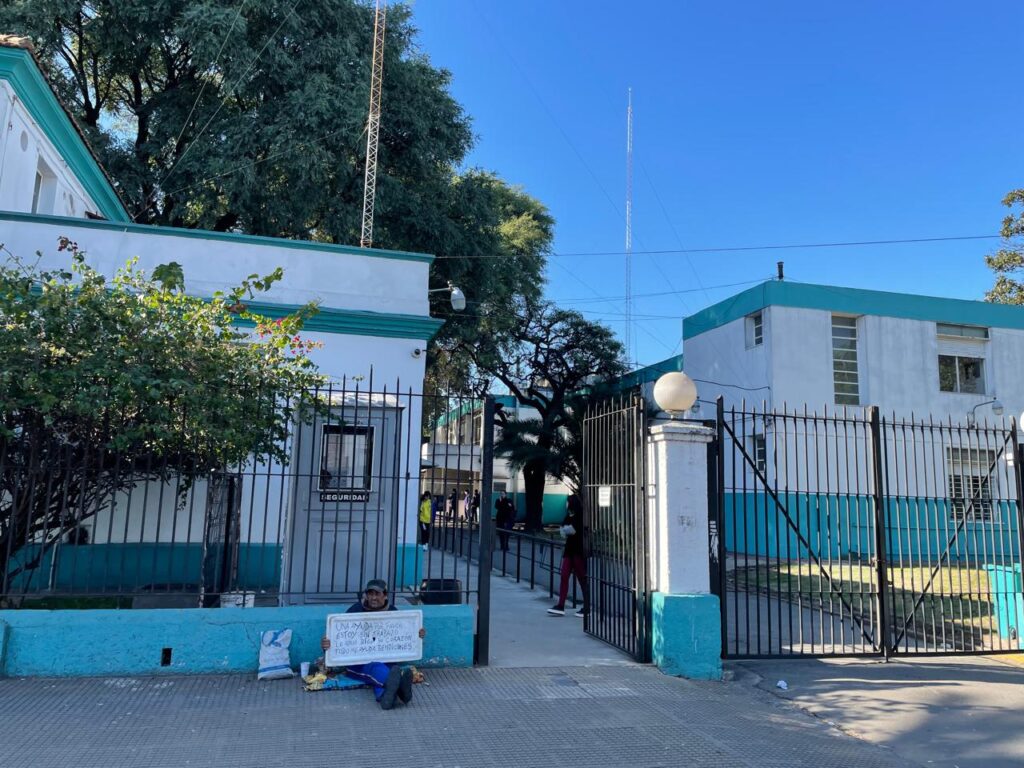
Yesterday, Presentes toured the Penna and Burn hospitals and the 14th court handling the investigation to update and check data, try to reconstruct what happened, and find out how the case is progressing and how Sofía is doing.
Sunday night
At Penna Hospital, in the south of Buenos Aires, Sofía (50) arrived in a SAME ambulance, along with Andrea Amarante, after the attack perpetrated near midnight on Sunday, May 3. Both arrived conscious in the shock room. Andrea had severe burns covering 80 percent of her body. Her skin was so badly damaged that inserting an IV was delicate; it tore at the slightest touch. They had to induce a coma. Those in the shock room will never forget the screams of those women. Nor will the medical staff, who deal daily with life-or-death situations.
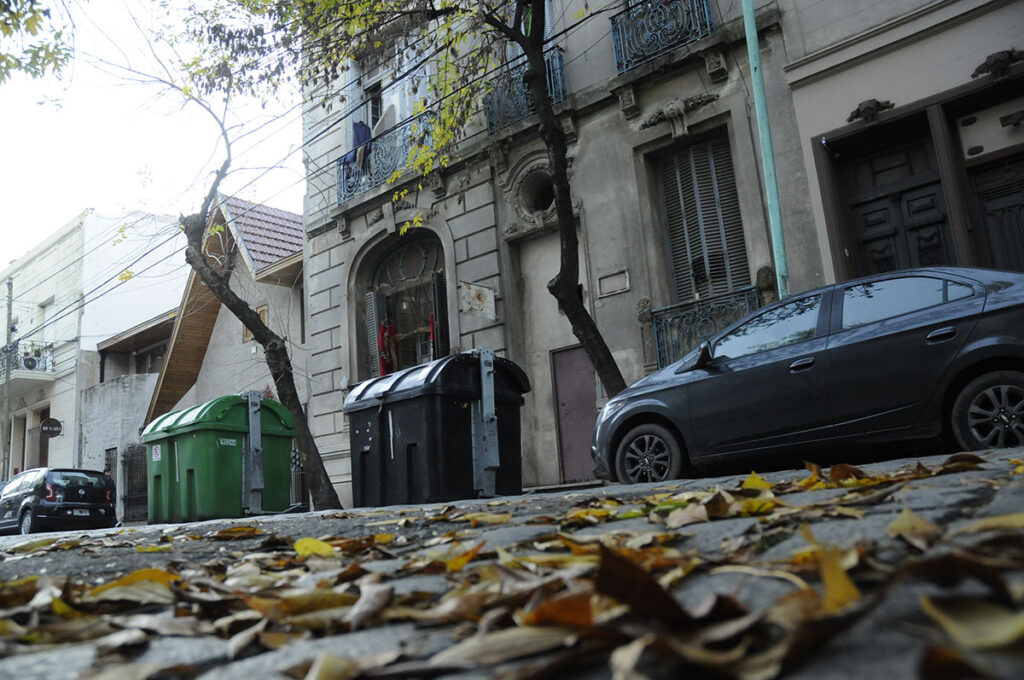
Andrea was on the third floor in intensive care, in a special area. Any particle floating in the air could affect her. Nurses and doctors rejoiced at what seemed like a small piece of good news. Her fever had gone down. She was more stable. Some wondered how much longer she would have to suffer. The consequences had to be reversed. "The path to hell that awaited her," some repeated under their breath.
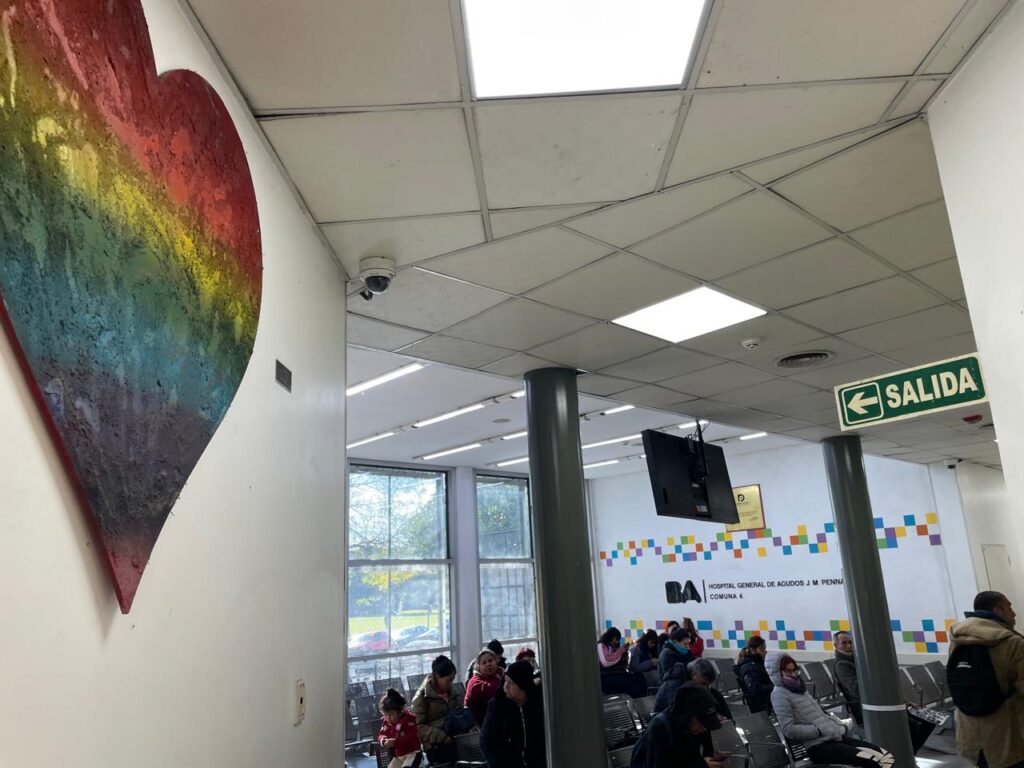
The Penna is one of those large hospitals with interconnected pavilions. In some areas, like the intensive care unit lobby where Andrea was, there are hand-painted hearts adorned with borders, glitter, or other decorative elements. In the admissions area, there's a huge one, painted in the colors of the rainbow flag.
Andrea would have turned 43 this week
In the hospital's intensive care unit, a week after the attack, on Sunday morning, Andrea went into cardiac arrest and died. Since her arrival, no family members had come to inquire about her or visit her. She received support from the LGBT Advocacy Office , which also assisted the other victims and is currently supporting Sofía.
This week Andrea would have turned 43; she was the youngest of the four lesbians attacked. Pamela died hours after the attack. According to testimonies gathered by Presentes , she and her partner, Roxana, were in bed when the assailant, who lived in the next room and had threatened and insulted them for being lesbians, threw an explosive device. It is still unknown whether it contained alcohol or some other volatile substance that did not leave a distinctive odor. They were taken to the Burn Unit. At the Penna Hospital, they were waiting for Andrea to stabilize before transferring her there.
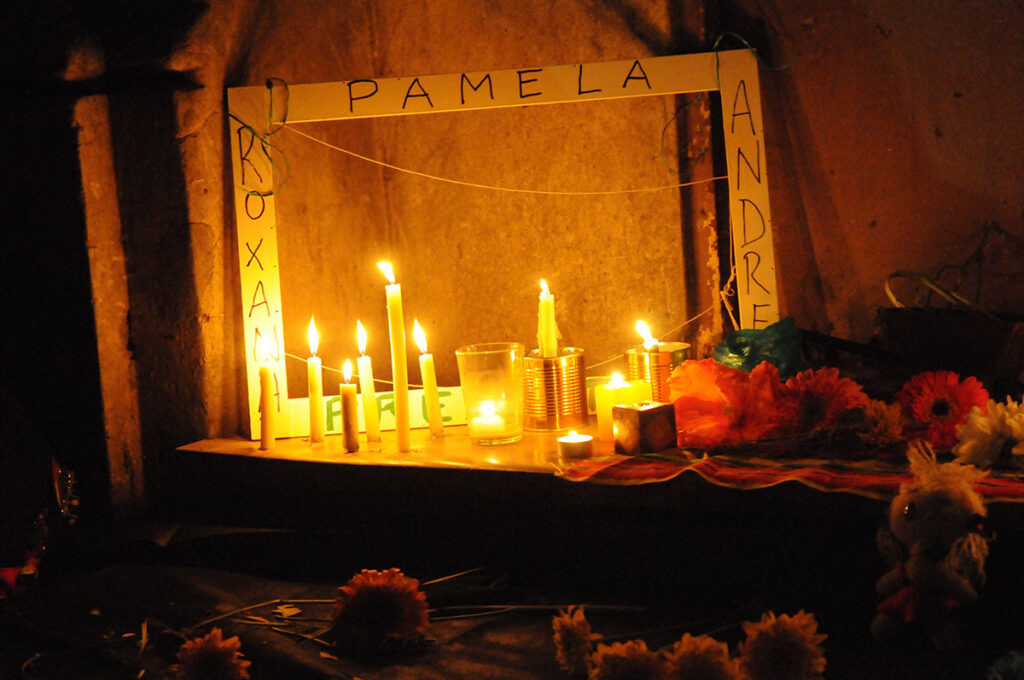
A horror beyond compare
“Here we’re used to dramatic situations, to multiple traumas, to violence, to people arriving high on ketamine. The gunshot victims dumped at the door really shock us, but it’s quite common. But we’re not used to this kind of horror. We’re deeply shaken. There are emblematic cases that no one can forget, and this is one of them,” said a source who asked to remain anonymous, as did everyone who provided information for this article.
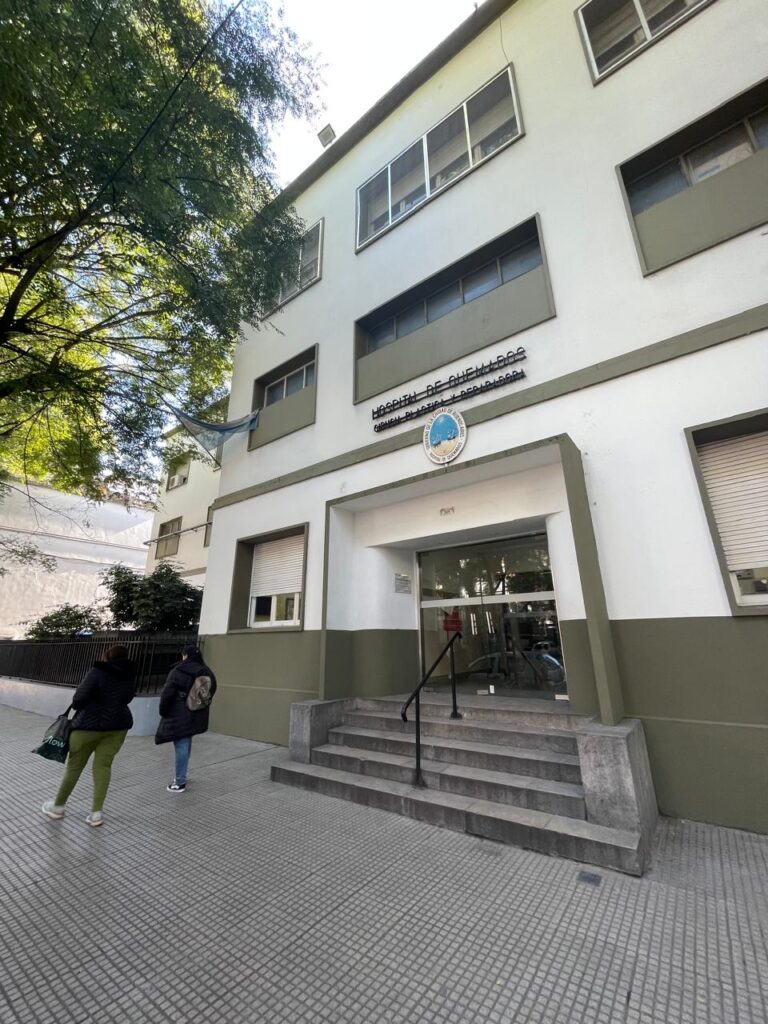
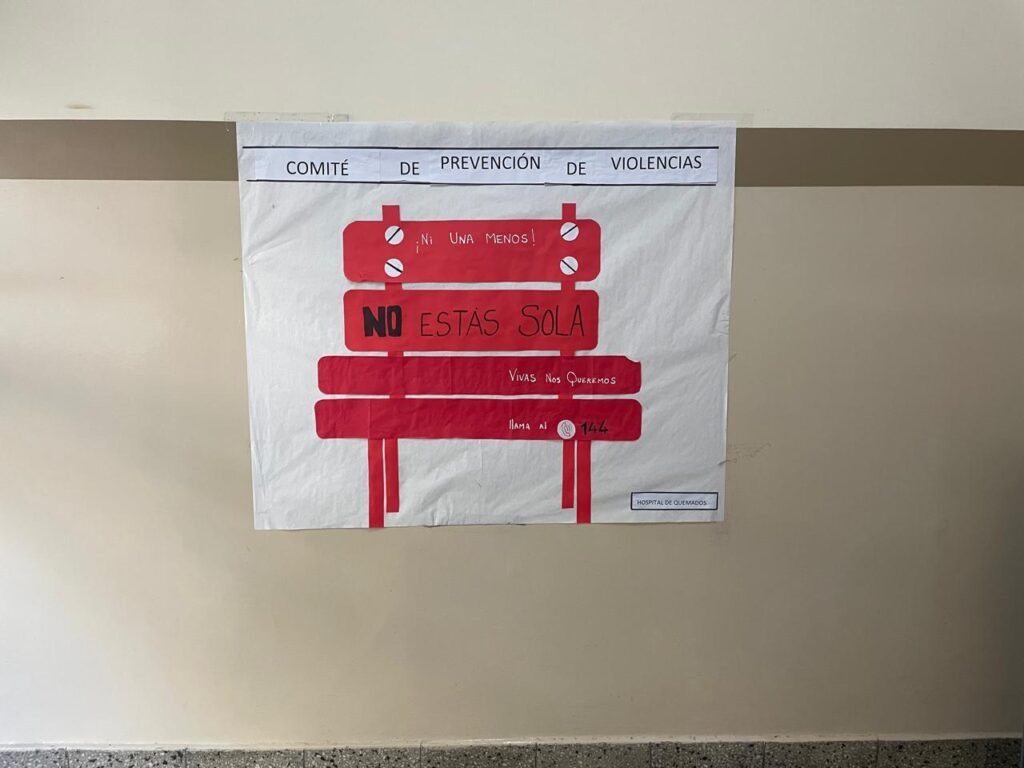
Sofía was transferred from Penna Hospital to the Burn Unit days after the attack. She was still in shock. A relative visited her. Her mother is deceased. She gave a statement to the authorities. There is still no definitive diagnosis regarding her mental health, whether it is a result of the trauma of the attack, or if she had pre-existing, untreated problems that the trauma exacerbated. What is known is that the Burn Unit and the Laura Bonaparte Hospital, which has mental health services, will coordinate efforts to contain—if that is possible in these circumstances—the trauma, as well as the grief over the loss of the three people who were a vital support network for her, providing her with emotional and other forms of assistance. The attack on the four lesbians is part of a broader context marked by the housing crisis, job insecurity, and the economic austerity measures currently affecting Argentina, and it disproportionately impacts women and LGBTQ+ individuals.

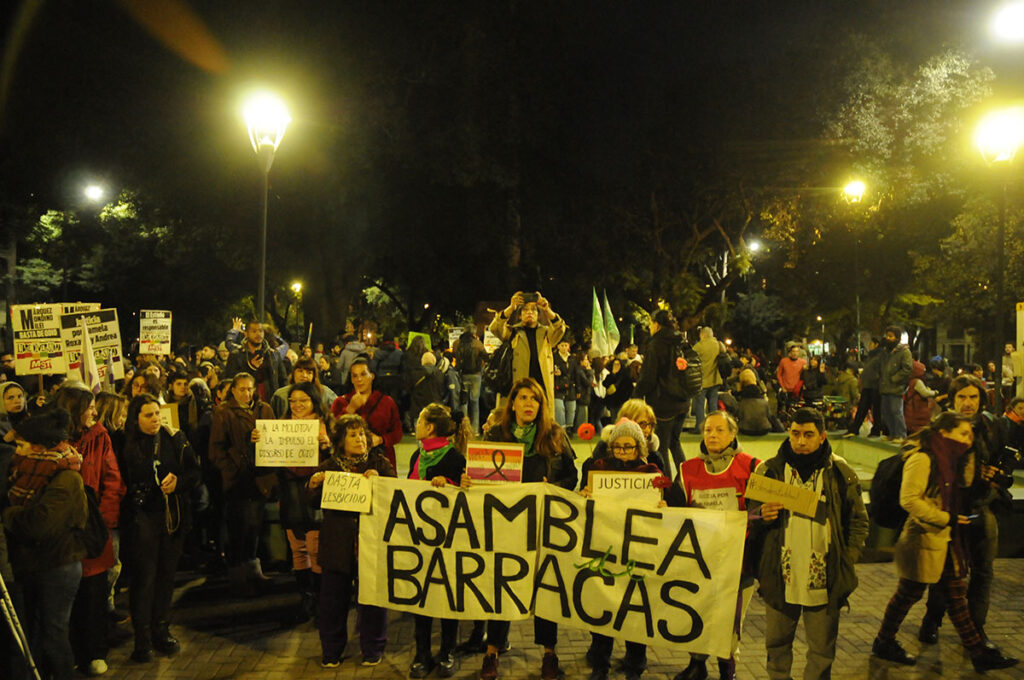
Outside of institutions, there is a powerful network that feminist movements have set up to support Sofía and raise funds for her. If you would like to collaborate with this network, you can find instructions below.
Furthermore, in Buenos Aires, and around the world, there have been and continue to be calls for justice for the four victims "lesbicide" in a press conference .
How is the judicial investigation progressing?
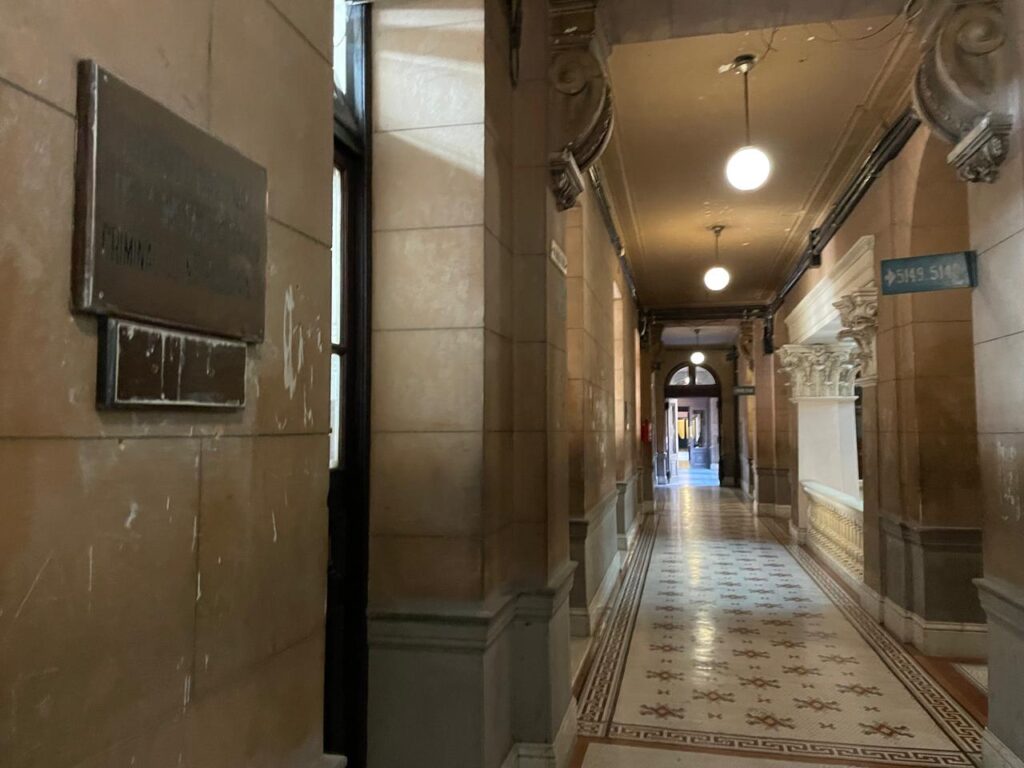
From the day the case arrived at Criminal and Correctional Court No. 14, presided over by Judge Rabionne, the response to inquiries about the case was: we will not provide any information. The court is located on the same floor, the fifth, where the trial for the hate crime of Diana Sacayán took place in 2018, where, for the first time, court records included the aggravating circumstance of hatred based on gender identity, as stipulated in Article 80, Section 4 of the Penal Code, which also addresses hatred based on sexual orientation.
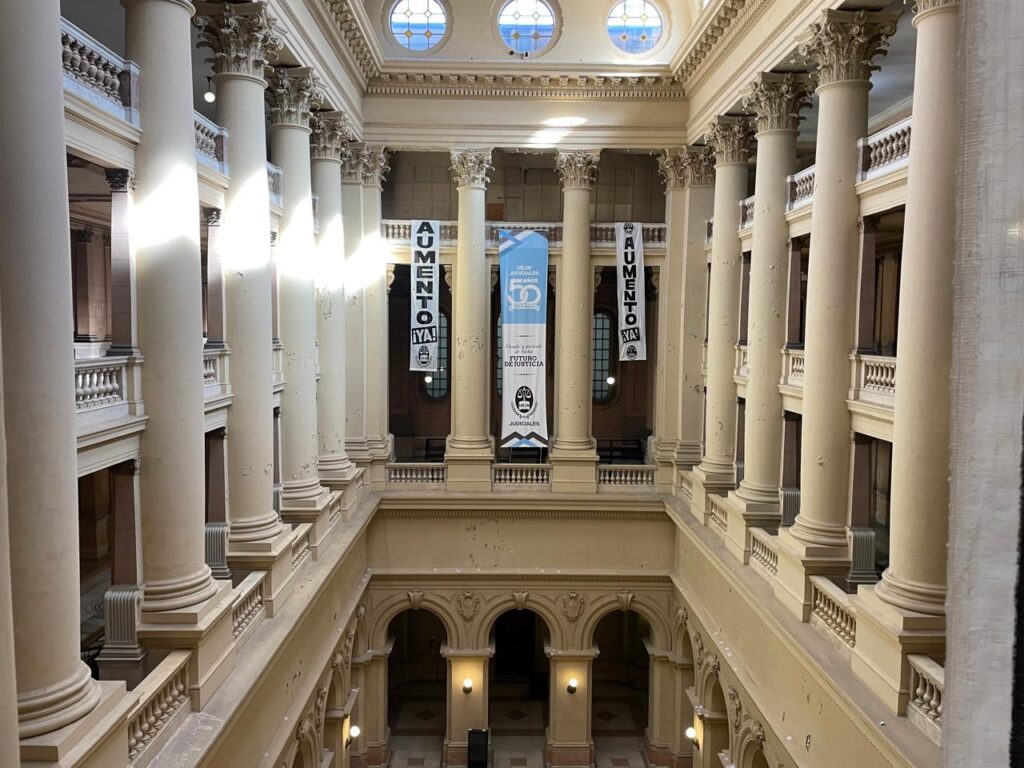
So far, the case remains classified as homicide, the charge under which it entered the judicial system. " It's in process" is the only response one gets from the pristine halls of the Palace of Justice when asked if the aggravating circumstance of a hate crime based on sexual orientation is being considered, given the brutality of setting fire to four women who had already been threatened and then pushing them back into the burning room as they tried to escape.
What we know so far is that the Fire Department conducted an investigation at the hotel. The accused is in the Alvear Neuropsychiatric Hospital, under arrest, and has attempted suicide several times. He has not yet testified before the court.
Day Against LGBTphobia
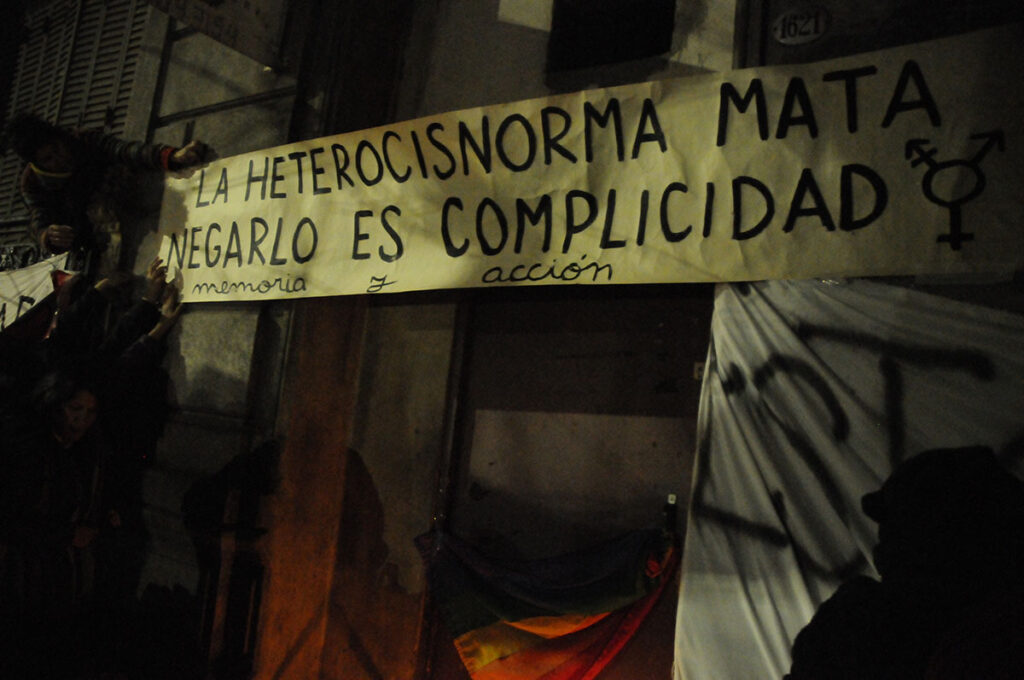
Today, as the world commemorates the International Day Against Homophobia, Transphobia and Biphobia, the autopsy results will be released. “No one will be left behind: equality, freedom and justice for all,” is the motto of this year’s IDAHOBIT, invoking principles that in Argentina today sound not so clear, but rather threatened.
“It also alludes to the central and transformative promise of the United Nations 2030 Agenda for Sustainable Development and its Sustainable Development Goals, namely: ‘Leave no one behind,’” a statement from the IACHR said today. It also recalled something impossible to read without thinking of the four victims: “People who are socially and economically marginalized, including on the grounds of sexual orientation and gender identity, are more likely to experience specific vulnerabilities stemming from homelessness, the risks of poverty, the risks of exposure to pollution, environmental degradation, the impacts of climate change and toxic substances, and related structural consequences.”
The organization urged states to "make efforts to end discrimination based on sexual orientation and gender identity."
We are present
We are committed to journalism that delves into the territories and conducts thorough investigations, combined with new technologies and narrative formats. We want the protagonists, their stories, and their struggles to be present.
SUPPORT US

FOLLOW US
Related notes



We are present
This and other stories are not usually on the media agenda. Together we can bring them to light.