

What lies behind LGBT hate?
Today is the International Day Against LGBT Hate. How violence against sexual diversity is constructed.


Share

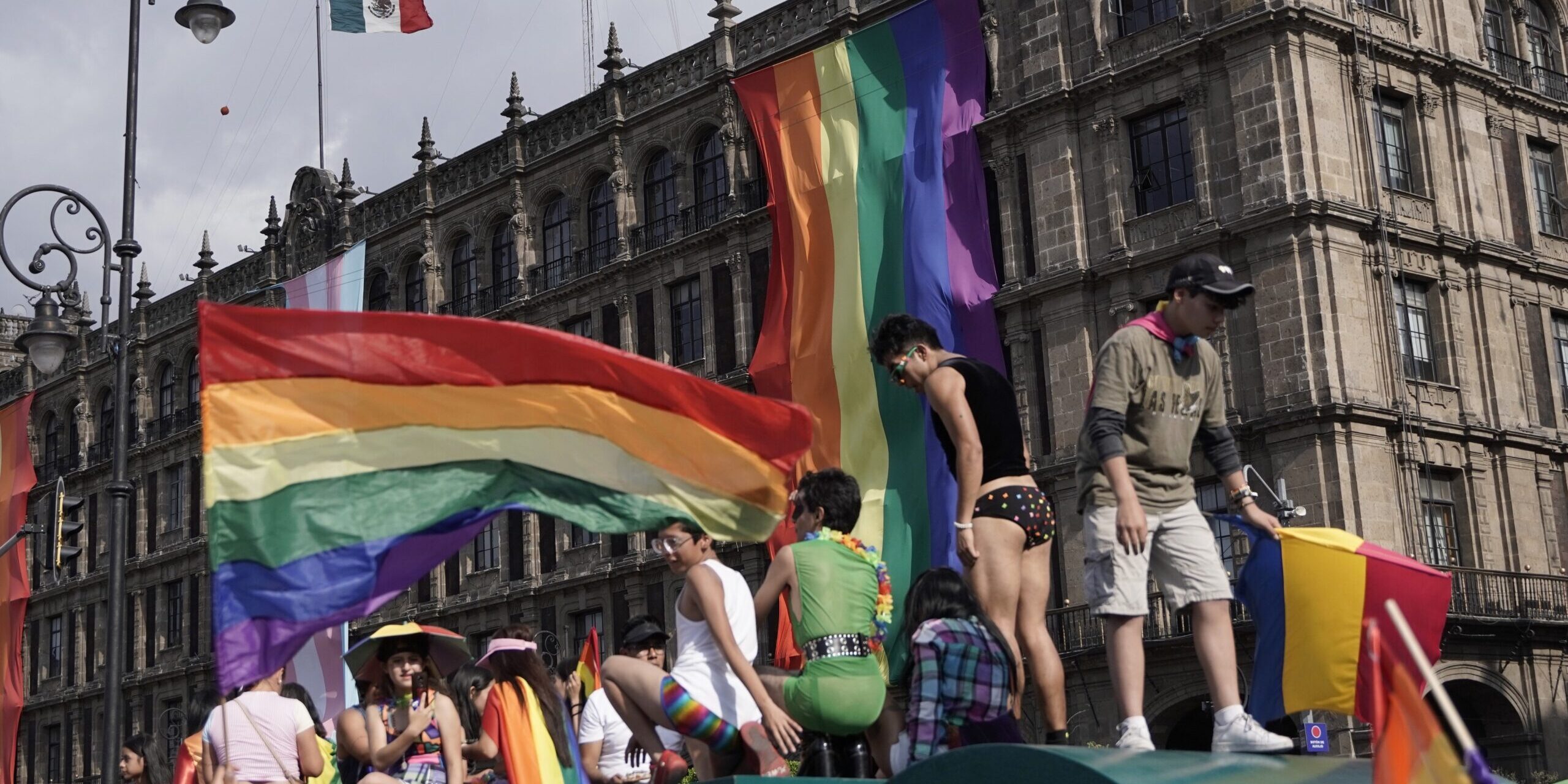
May 17th is the International Day Against Homophobia, Transphobia, and Biphobia , also known as the Day Against LGBTI-Hate. But why do we talk about LGBT hate?
When a hate attack against an LGBT+ person comes to light, it is common for the incident to be minimized in society and the media. For its part, the justice system often revictimizes both direct and indirect victims. These situations are not understood as forms of violence that have a symbolic meaning: to send a message to a particular group—in this case, to dissident and LGBT+ people.
It is common to think that only murder is a hate crime, and not to pay attention to all the structural violence that these populations experience.
That is why it is important to say that LGBT-hating attacks are not isolated incidents and that they respond to the prejudices, discrimination and exclusions that dissident people experience around the world.
Naming hate
When we talk about LGBT-hate, we are not referring solely to murder, although it is the most visible form of violence. It is important to remember that it is only the tip of the iceberg of a series of situations of discrimination, marginalization, denial of rights, and violence of varying degrees that are present in the daily lives of LGBTQ+ people.
Hate crimes are a legal concept coined in the United States to describe violence motivated by sexual orientation, gender identity, or perpetrated against ethnic or religious groups. One of their defining characteristics is that they send a threatening message to the entire group.
The Inter-American Commission on Human Rights (IACHR) chooses to refer to these crimes as “bias-motivated violence.” Unlike the term “phobia,” which alludes to an extreme fear and a pathology, the word “hate” appeals to an emotion. For the IACHR, prejudice as a concept is easier to identify, trace, and therefore combat. It states that “bias-motivated violence is expressive by definition; it sends a message of terror that extends to those who, beyond the specific victim, identify with the characteristics that generated the attack—whether real or perceived.”
Phobia or hatred?
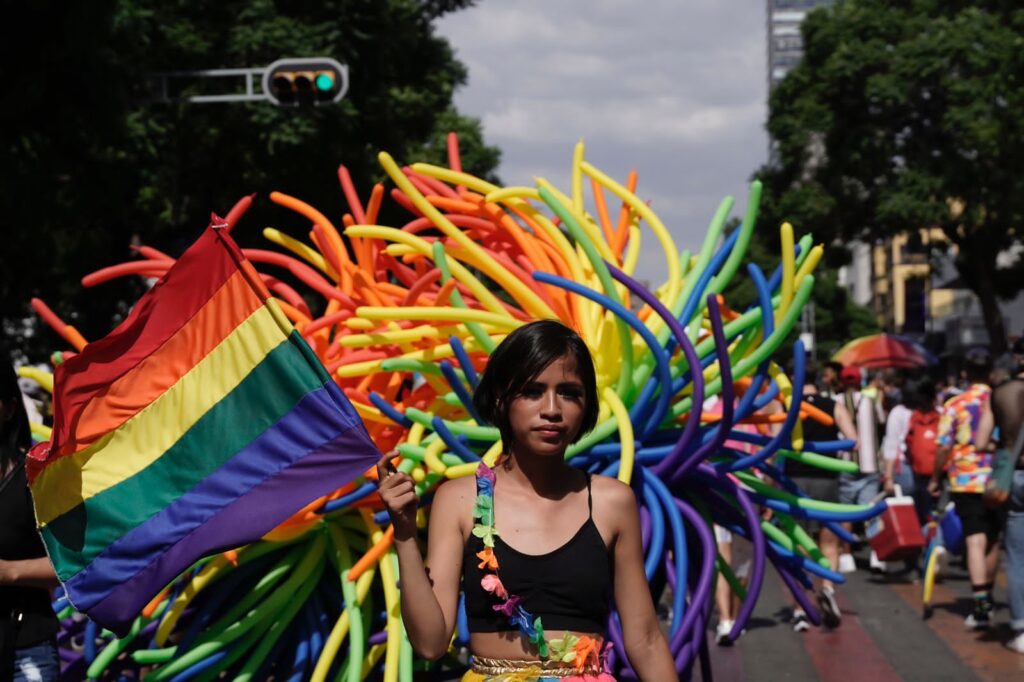
At the community, social, and activist levels, the use of 'hate' or 'phobia', that is: lesbophobia, transphobia, homophobia, biphobia, for example, serves to communicate all dimensions of the prejudices that affect LGBT+ people and dissidents.
article for Presentes, Mexican philosopher Siobhan Guerrero explains that, “if we only talk about prejudices, we can overlook the fact that there are indeed political emotions working against the LGBTI community because it has been discriminated against not only through discourse, but also through emotions. We are associated with disgust, whether through serophobia, homophobia, or the idea that LGBTI is excremental, and this has an emotional component. And that is precisely what makes combating discrimination so difficult, because it is not merely a matter of beliefs, it is also a matter of emotions.”
Regarding how to deal with it, he proposes that creating public opinion and more empathetic approaches that go beyond laws or a bunch of statistics can transform and dismantle contempt, prejudice, and disgust.”
What does LGBT-hate look like?
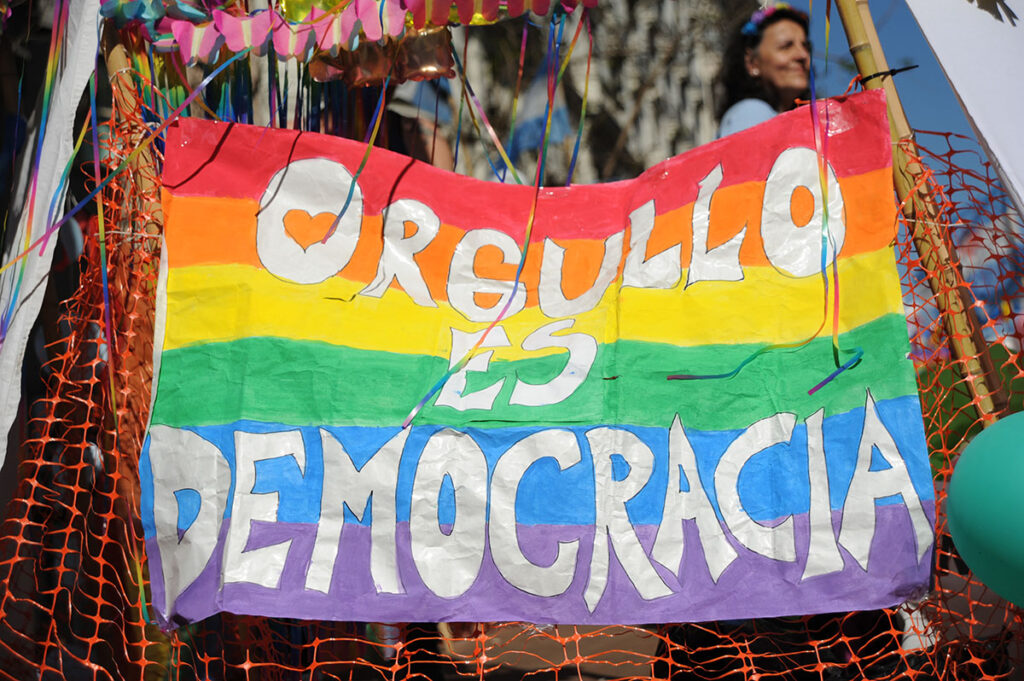
The dimensions of LGBT-hate are broad. It stems from the prejudices and stereotypes that, at a social, institutional, and political level, have placed people who do not conform to heteronormativity.
The denial of the right to work, to health, to justice due to prejudice against their identities; attacks for showing affection in public or private spaces; family exclusion or attempts to repress sexual orientation and gender identity, misnamed ' conversion therapies '; up to the most extreme form which is murder motivated by prejudice, are forms of LGBT-hate.
Hate speech
Hate speech directed against these populations is also a form of LGBT-hate. It seeks to cause harm and is linked to structural and systemic violence that fosters stigma and prejudice.
The IACHR has identified , based on evidence, that when an attack and crimes against an LGBT person occur, "it is frequently preceded by a dehumanizing and discriminatory context."
We are present
We are committed to journalism that delves into the territories and conducts thorough investigations, combined with new technologies and narrative formats. We want the protagonists, their stories, and their struggles to be present.
SUPPORT US

FOLLOW US
Related notes



We are present
This and other stories are not usually on the media agenda. Together we can bring them to light.