

Protest against hate crime in Barracas: “It was a triple lesbicide, it was a massacre”
Hundreds of people demanded justice for the lesbian women, victims of a hate crime in a tenement in the City of Buenos Aires.


Share

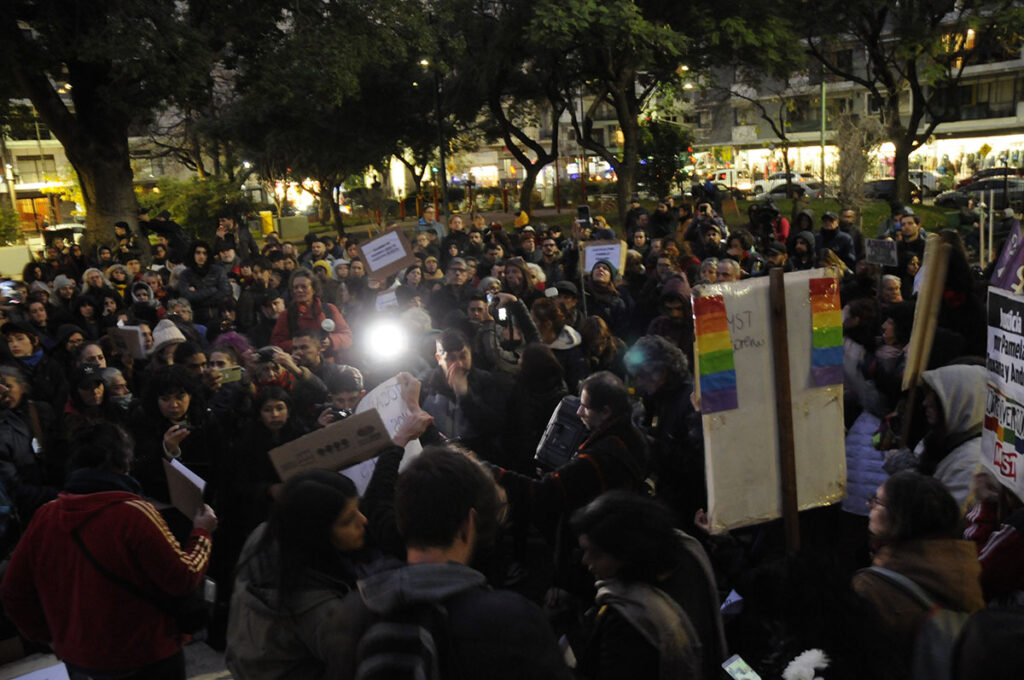
BUENOS AIRES, Argentina. “Sir, Madam, don’t be indifferent, lesbians are being killed right in front of everyone,” was the chant with which hundreds of protesters, mostly women, marched the 300 meters separating Plaza Colombia from the family-owned hotel located at 1621 Olavarría Street. There, on Sunday, May 5, Justo Fernando Barrientos committed a hate crime. He set fire to four women ; three of them died. He burned them because they were lesbians.
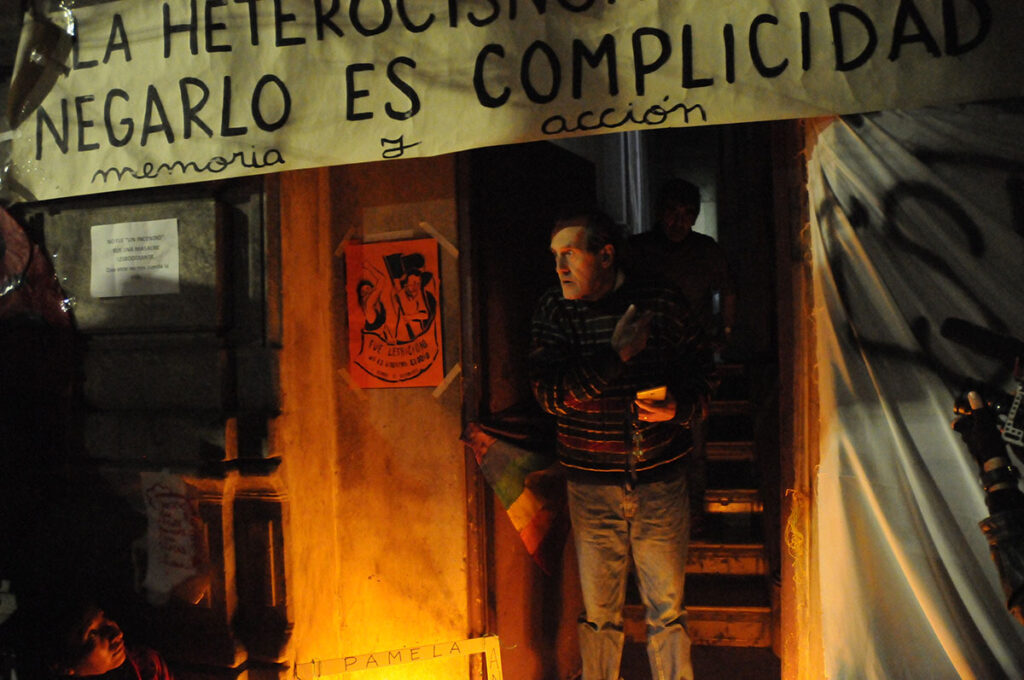
Pamela Cobbas died hours after the attack; Roxana Figueroa died on Wednesday after being admitted to the Burn Institute with burns covering 90% of her body; Andrea Amarante died on Sunday , a week after the attack. The other woman, Sofía Castro Riglos, is safe but remains hospitalized. On Monday, May 13, their names were painted on the walls of the neighborhood and the hotel where they lived.
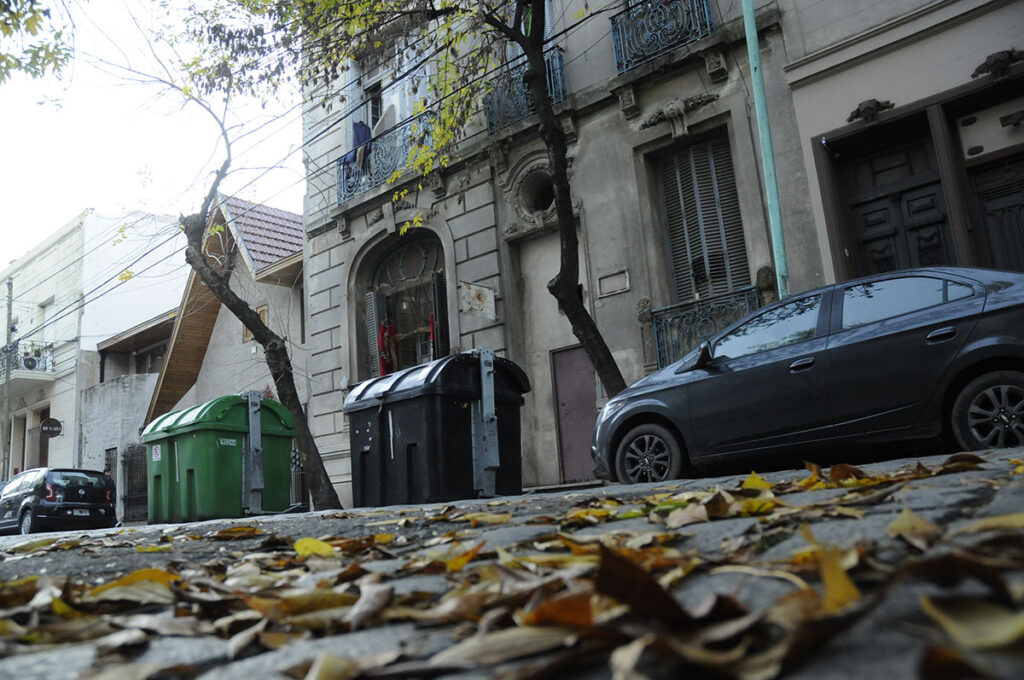
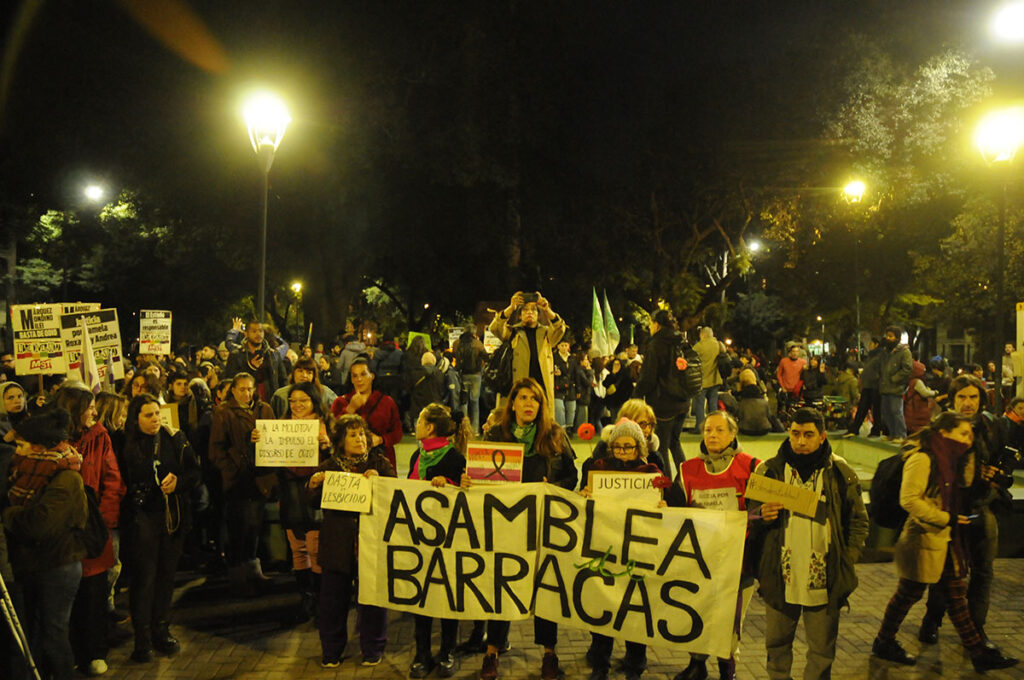
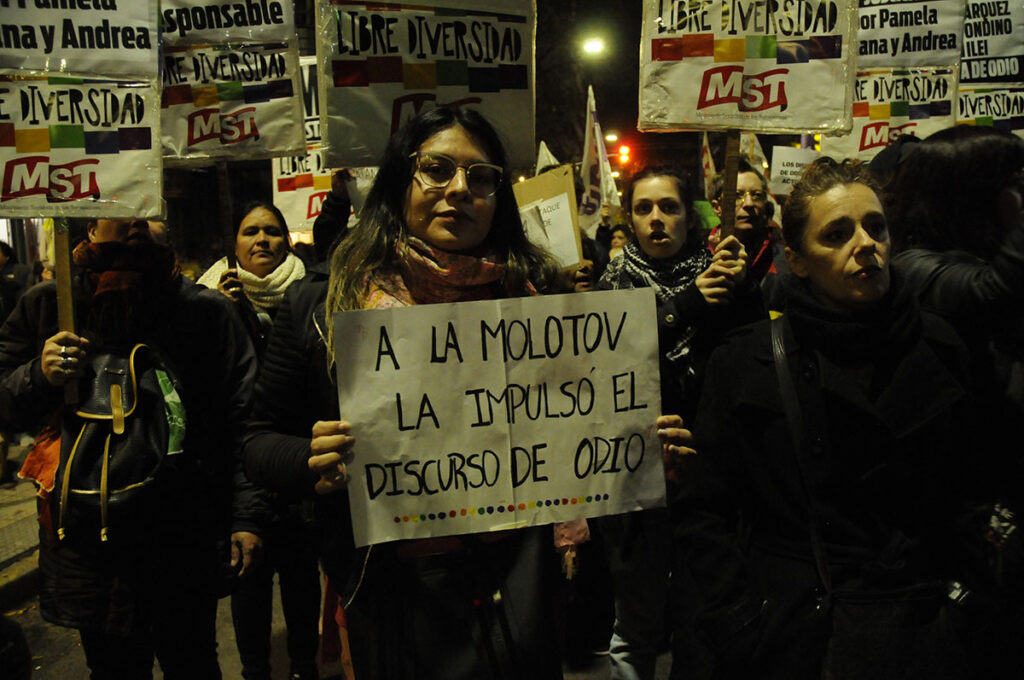
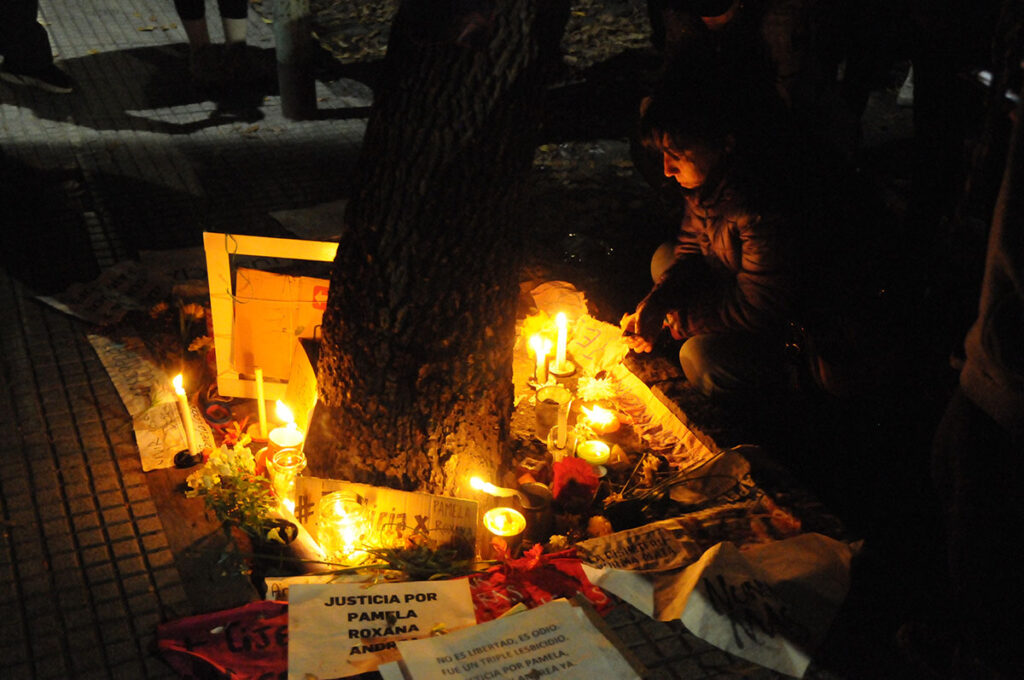
It was a different kind of afternoon in Barracas. Plaza Colombia was the meeting point for preparing signs, flowers, and candles. Before 7 p.m., a unified group, behind a sign that read "It's not freedom, it's hate, the State is responsible," marched down one side of Montes de Oca Avenue toward the hotel where a moving altar had been set up.
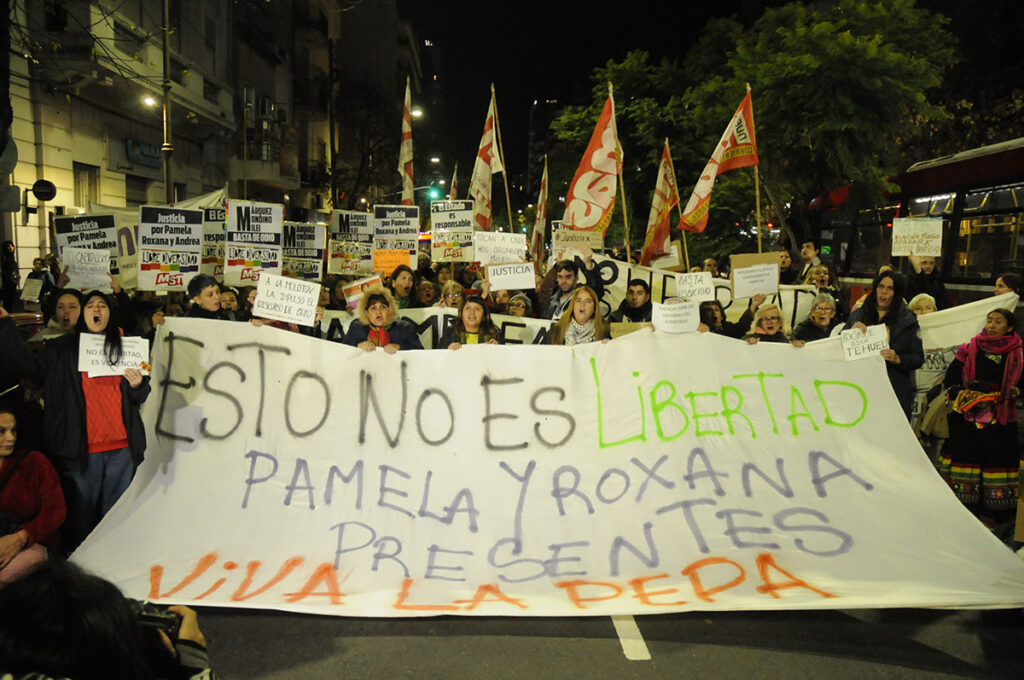
When pain overcomes the media blockade
“It was a triple lesbicide, it was a massacre,” states the document from the Barracas Lesbian Assembly that Jesi, a member of the group, read at the hotel entrance.
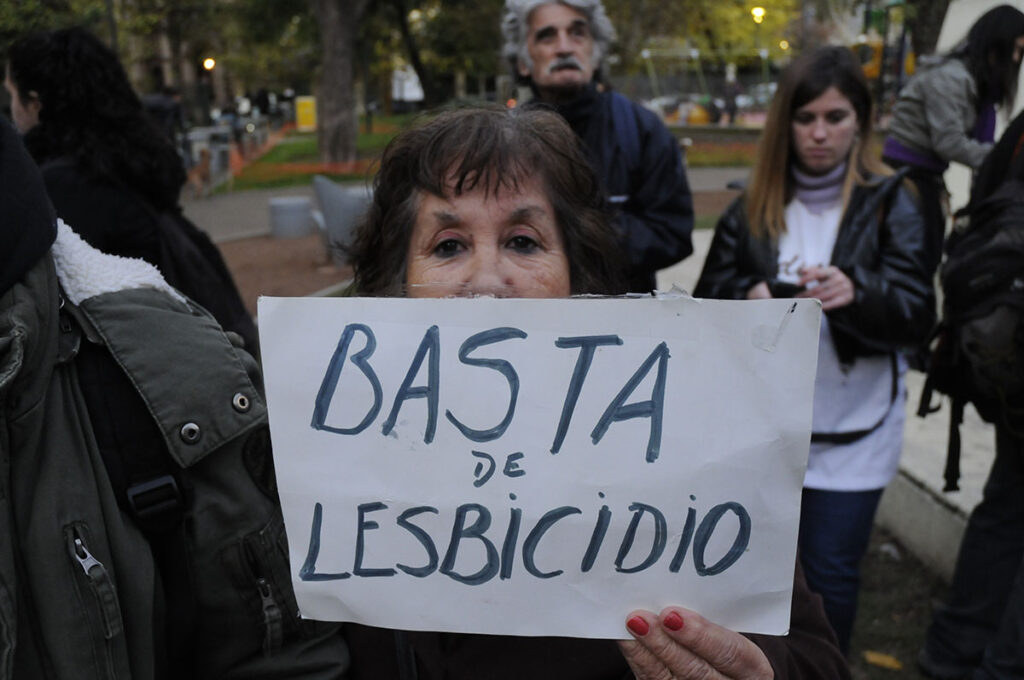
“They were set on fire for being lesbians. They were set on fire for being poor lesbians, they were set on fire for being poor lesbians building community, creating refuge. They were set on fire with a bomb while they slept,” the text continues.
“This hate crime was aggravated by the precarious housing conditions in which the girls, Pamela, Andrea, Roxana, and Sofi, lived. The lack of public policies to address the housing crisis and the government's promotion and perpetuation of hate speech highlight the State's responsibility. This rhetoric is neither gratuitous nor harmless; it costs us our lives.”
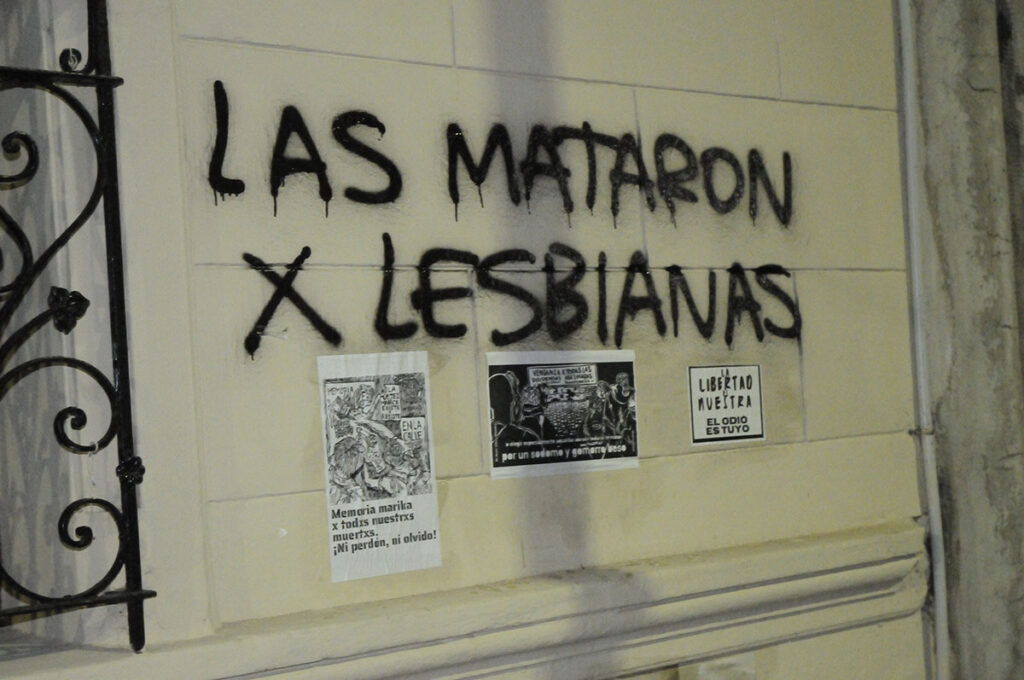
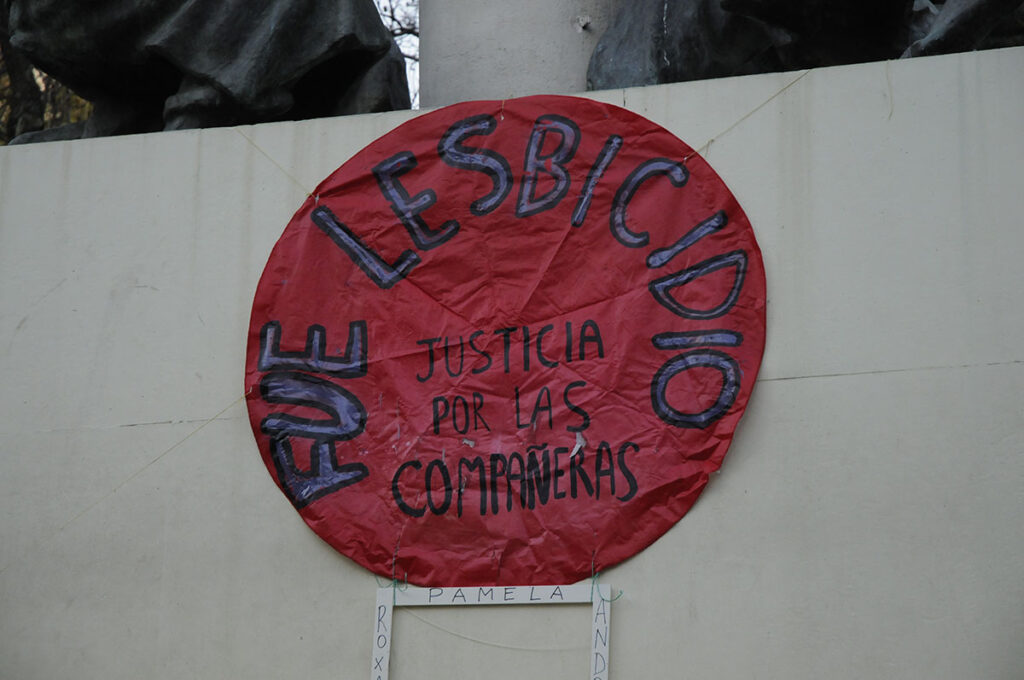
Jesi thanked the number of people who attended the march and highlighted that the “media blackout” had been overcome in a case that had been kept invisible.
“They’re coming for our bodies”
Sandra Chagas is an LGBT activist. “I am Afro-lesbian, feminist, and diasporic,” she describes. “I am here because we, Afro-descendant and lesbian women and people of color in this land, are being constantly killed. But now the hate speech being promoted by the current government shows that, clearly, they are coming for our bodies,” she tells Agencia Presentes . “The government says it’s not hate speech, but it is. Here they directly attacked four lesbian women; they can’t deny that it’s hate,” Chagas added.
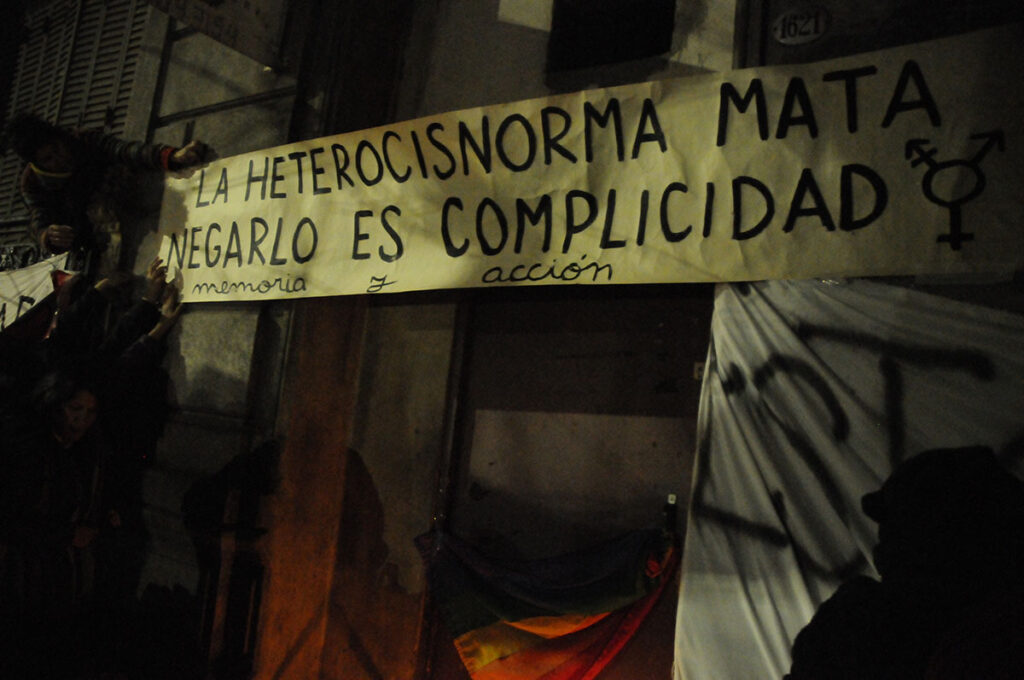
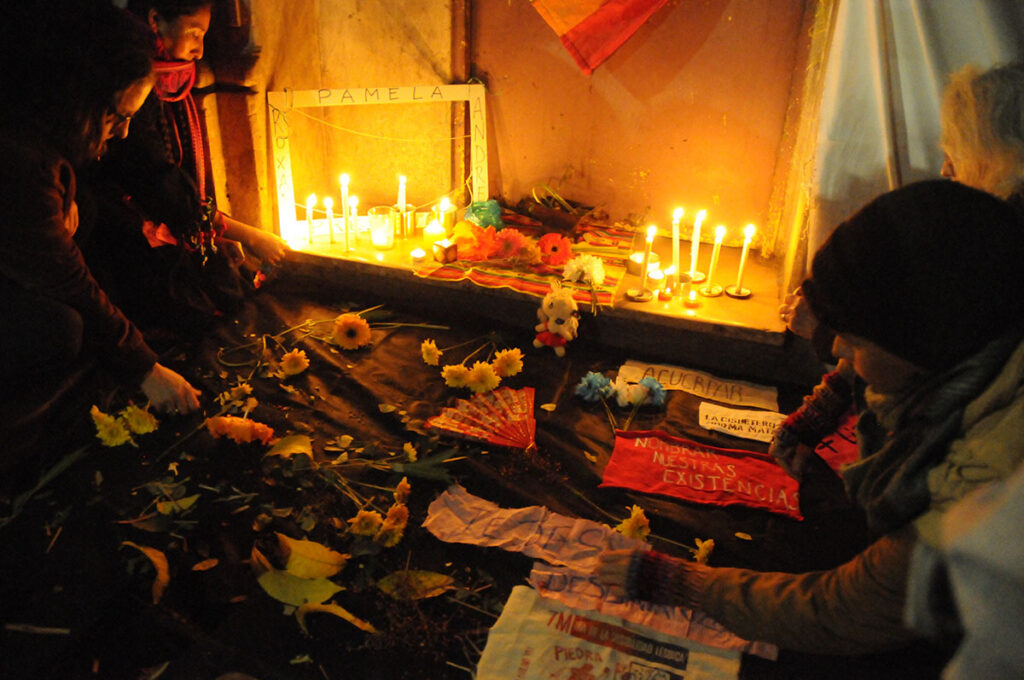
In front of the hotel, a group of girls are putting up stickers. The names of the murdered women are affixed to the wall where another group of girls light candles. “We're from the Graphic Assembly. We joined this cause because, as members of this group, we are dissidents,” says one of the young women. “We came to put up stickers and print them so that what's happening is also visible in the neighborhood. It's a case of low visibility; there's a lot of denial, especially from the government,” she said.
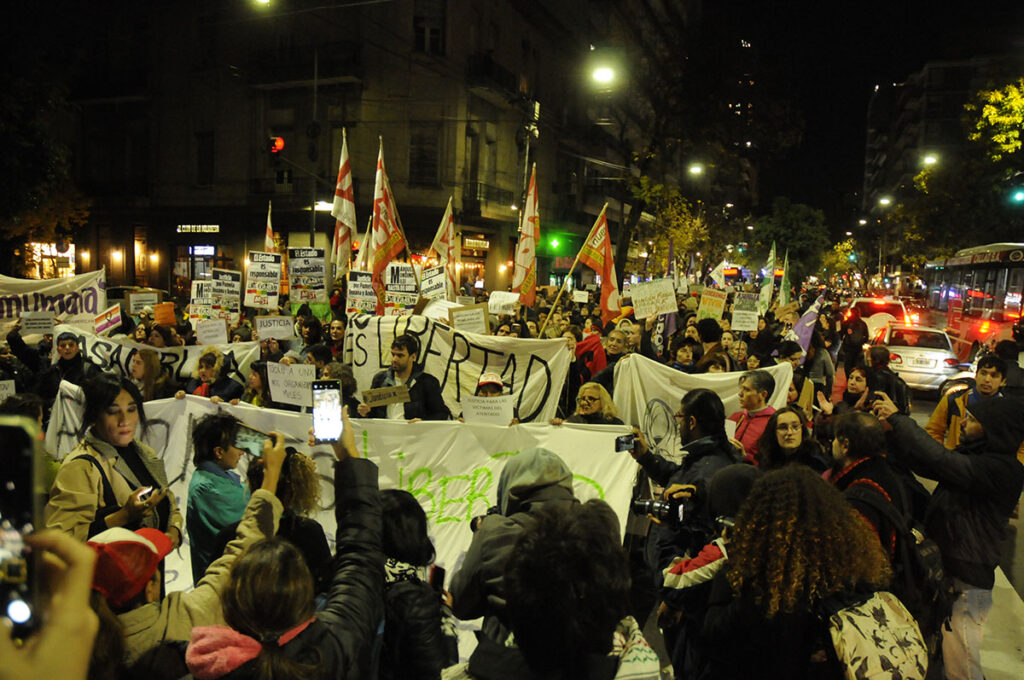
Trans activist Alma Fernández adds, “We should all be here. Lesbians are great allies of trans women. Trans women couldn't have achieved so many victories without the support of lesbians. It's clear that this isn't freedom, but hatred, and it's evident everywhere, in every corner. Even in those trans women who have just lost that first job they ever got. This is killing us too. It hurts, but we'll be here. We know the streets are ours, and if we embrace each other, the cold won't get in.”
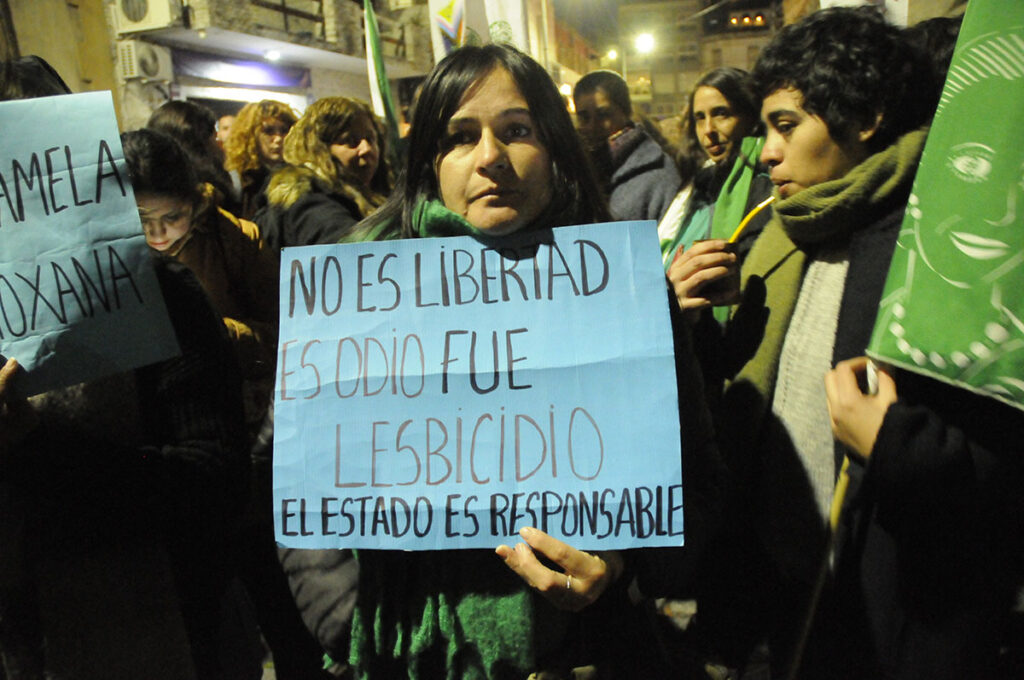
What the media wants to hide
“I’m a lesbian!” was the cry that multiplied in front of the hotel. The act of naming oneself in order to exist. In that sense, the protesters highlighted the poor role of the mainstream media, which either ignored the news or avoided talking about a hate crime and mentioning the word “lesbian.”
“The media is only now giving it coverage. As a lesbian woman, I really think they're coming for all of us. The message is: don't name yourself, don't exist. We're living under a racist, colonial, patriarchal government, and it's obviously plunging us into extreme poverty. This is part of the genocide: starving us and cramming us into overcrowded, precarious spaces,” says Sandra Chagas.
In that sense, the members of the Graphic Arts Assembly also affirm, “no matter how much they try to make us invisible and deny us, we are part of this society. This isn't the first time something like this has happened. I think the dictatorship never really went away for us. We have all experienced violence of some kind that hasn't necessarily resulted in someone's death, but it is a reality within our community.”
The absence of a political response
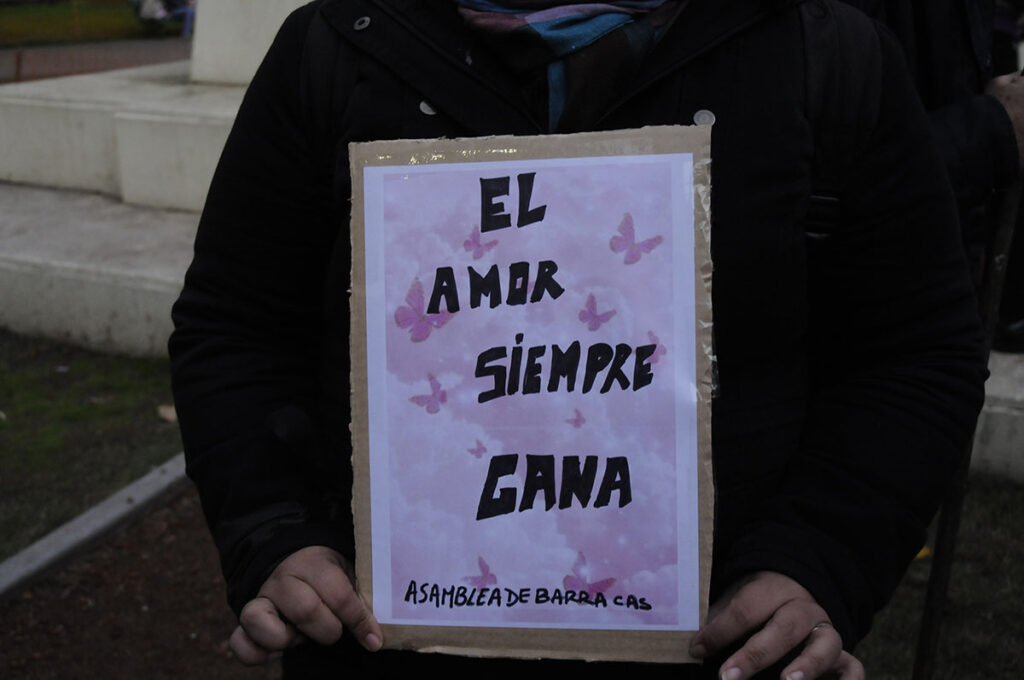
The embrace was collective and massive at the hotel entrance, which gradually transformed into a scene adorned with the LGBT flag and signs demanding justice. The demand goes hand in hand with the urgent need for this crime to be recognized as a hate crime. So far, the court, presided over by Judge Edmundo Rabbione, has not released any information on the matter.
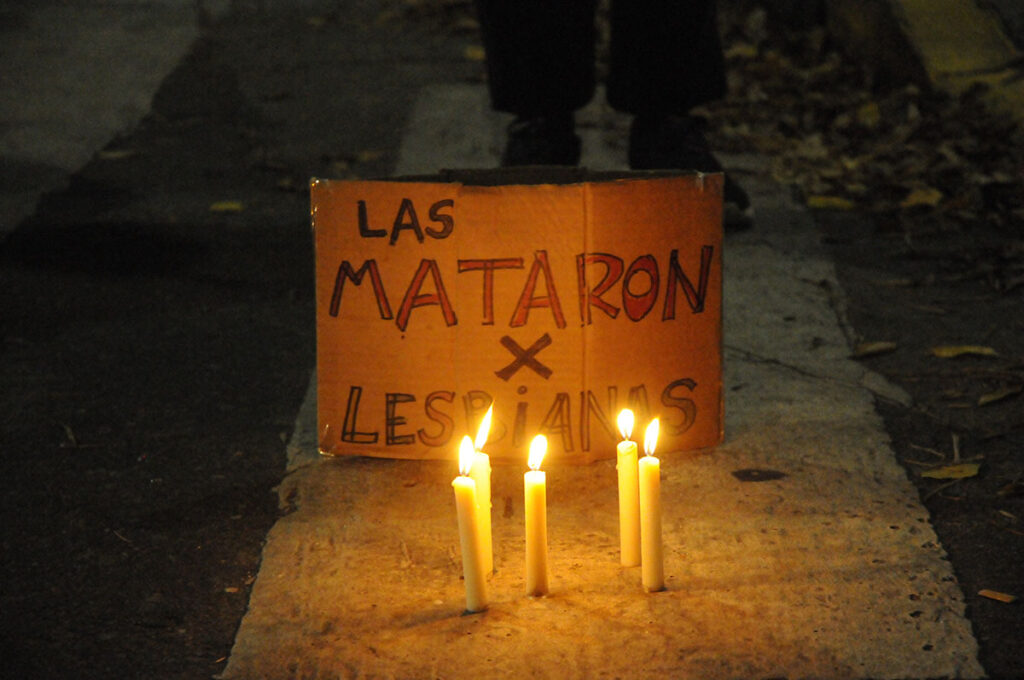
However, on the streets and on social media, the demand is multiplying: "They were killed for being lesbians."
“This crime has had a profound impact, first and foremost on our community, which is now mobilizing,” says Martín Canevaro, secretary of the civil association 100% Rights. “This massive turnout for this demonstration, I believe, is a sign of our capacity to respond,” Canevaro emphasizes.
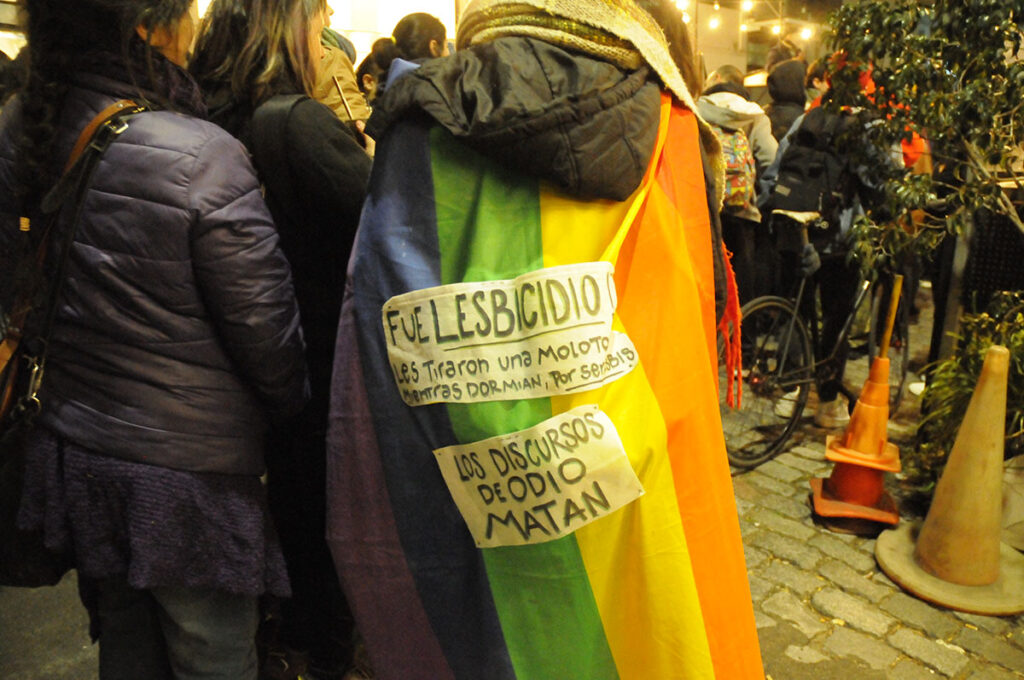
He also alluded to the impact of hate speech. “Perhaps a little more slowly than we would have liked, the idea is beginning to sink in throughout society that this event is not isolated and that it is part of a pattern of hate speech that is legitimized and reproduced not only by some media outlets, but also by the highest levels of power. This perception of the fine line between hate speech and hateful acts demonstrates that our society has antibodies to resist these attacks,” Canevaro stated.
On Monday morning, presidential spokesperson Manuel Adorni addressed the incident in response to a question from journalist Sofía Rojas of Noticias Argentinas . He stated that he "didn't like to call the attack against the women an attack" and that violence is much more encompassing than simply targeting a specific group, and that many people suffer from it. Hours later, on the program X, he insisted on denying the crime. In response to a question from Congresswoman Romina del Pla of the Left Front, he stated that the word "lesbicide" does not exist.
“We couldn’t expect anything else from this government,” Canevaro stated. “But the political establishment still needs to address this situation. We need a condemnation from political representatives. We are still waiting for a strong response from democratic society, for the Legislature to speak out, for Congress to speak out, and for this to have an effect on the criminal investigation and the administration of justice. We need a truly effective intervention that acknowledges this as a hate crime,” he emphasized.
A blow to the heart
Among the protesters was Norma Castillo, who, along with Cachita Arévalo, was one of the first same-sex couples to marry in Argentina. She recounts that when she learned what had been done to the four women, it was as if she had been punched in the chest, then punched in the head, and then punched all over her body.

“It’s incredibly sad, a painful sight to see this done, a feeling of helplessness that is part of the collective helplessness of those who suffered or had to die for love. It’s a torment, a violent punishment that surpasses everything. We were killed for making love,” Norma told Presentes, minutes after the ceremony ended. “We’re fighting here because the pain is so great. But it’s beautiful to see all these people here, because everything was so quiet. As if this horrible thing that happened had been accepted.”
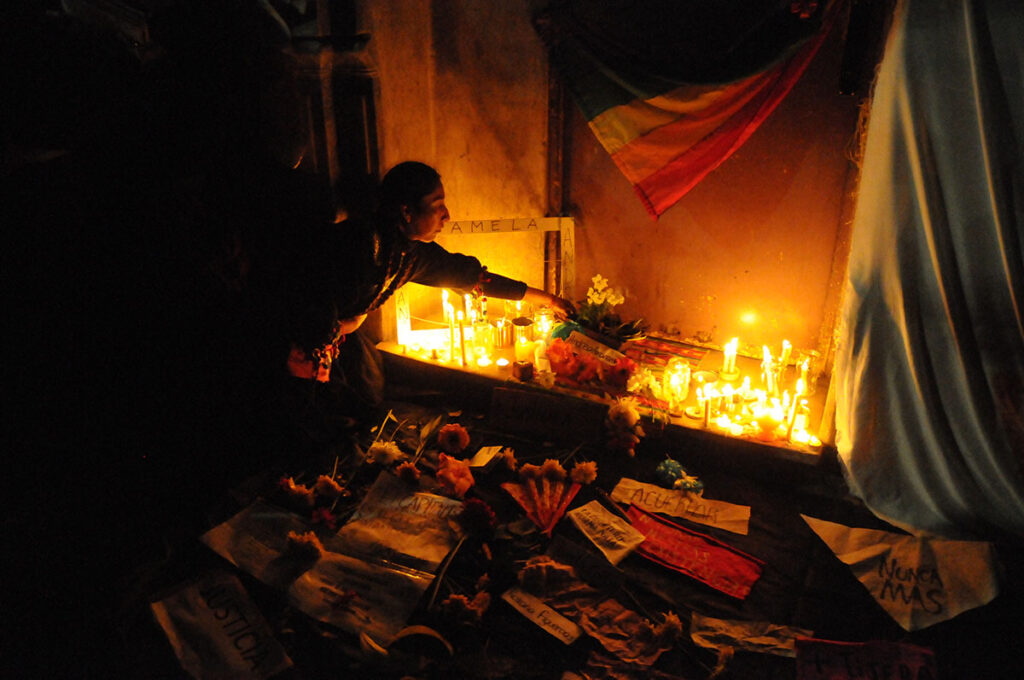
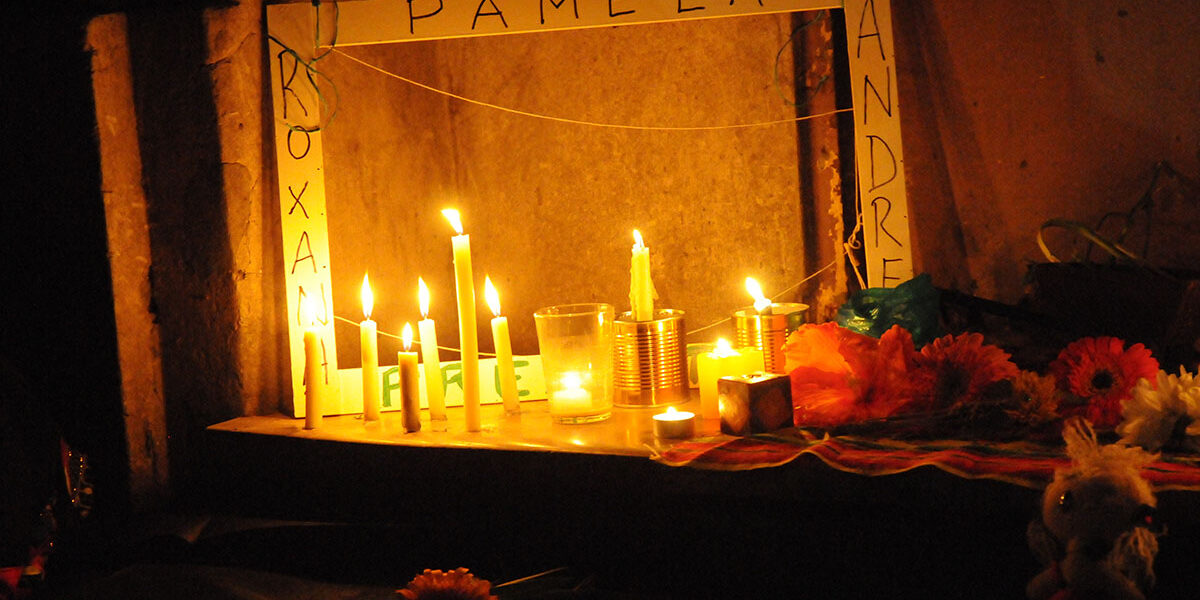
As planned, the dispersal began at 8 p.m. A little while earlier, while they were still setting up candles, one of the hotel's residents came out to ask them not to block the door with the altar. Carefully, the lesbian women who had been at the front of the demonstration moved the offerings to a flowerbed in front of the building.
The signs are a jumble: “Support each other,” “Name our existence,” “It’s not freedom, it’s hate.” A white flower crosses another sign, barely illuminated by a candle: “Justice for Pamela, Roxana, and Andrea.”
We are present
We are committed to journalism that delves into the territories and conducts thorough investigations, combined with new technologies and narrative formats. We want the protagonists, their stories, and their struggles to be present.
SUPPORT US

FOLLOW US
Related notes


We are present
This and other stories are not usually on the media agenda. Together we can bring them to light.
1 Comment