

Marcela Turati: "Mothers are at the forefront of the fight for rights in Mexico"
Mexican journalist Marcela Turati presented her book 'San Fernando: Last Stop. Journey into Authorized Crime in Tamaulipas' in Buenos Aires.


Share

Thirteen years ago, Marcela Turati arrived in Matamoros, a city in the state of Tamaulipas, on the border with Texas (United States), and saw newly discovered clandestine graves. For a time, her soul remained there. As she told a colleague at the magazine where she worked at the time: “My soul is stuck at a checkpoint. It hasn’t arrived.”
That day he saw something: he saw how the Mexican government operates to make bodies disappear. And he asked himself questions: what happened to these young men in those mass graves, why were they killed, and above all, he wondered, how was this possible?
“That question has been around for many years,” says award-winning Mexican investigative journalist Marcela Turati, who published the book 'San Fernando: Last Stop. Journey into Authorized Crime in Tamaulipas' in Mexico in August.

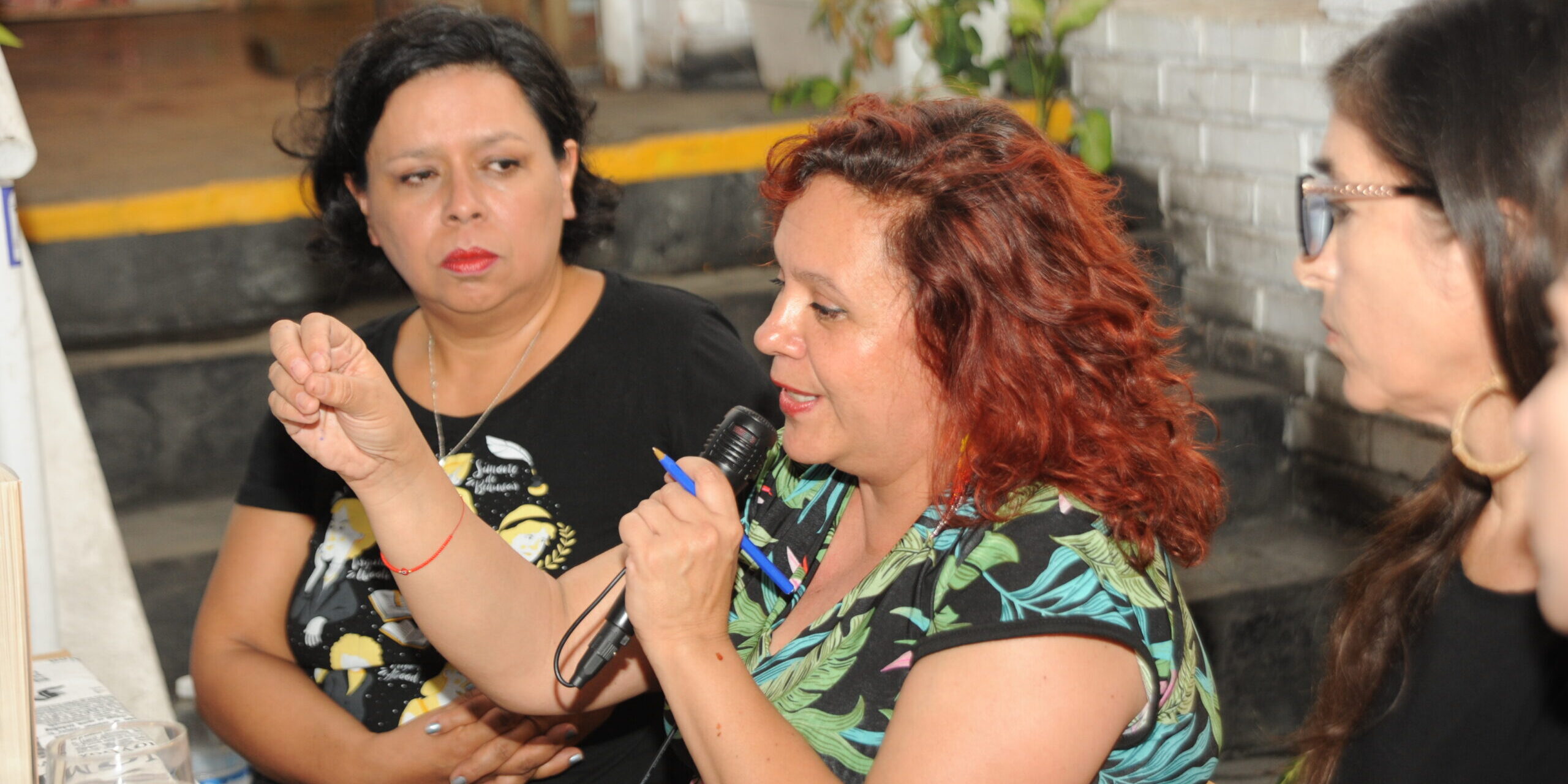
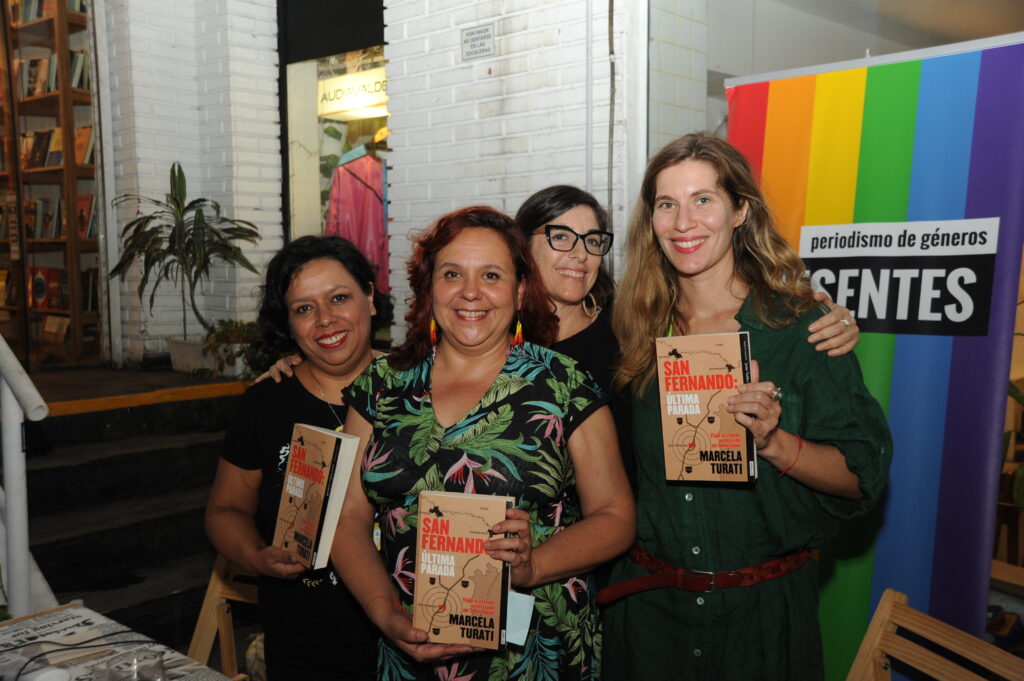
In the gallery of the Patio del Liceo, in downtown Buenos Aires, journalists Cecilia González, Ana Fornaro, and María Eugenia Ludueña spoke with Turati at the presentation outside the offices of Agencia Presentes. They asked him about the book, the disappearances, the comparison with Argentina, and the role of the Argentine Forensic Anthropology Team in the search for missing migrants and Mexicans.
“I witnessed the moment when the forensic experts unpacked the pile of dead bodies and loaded them into a trailer that took them to the nation’s capital. Because the government’s order was to erase those bodies from the public eye. So that no more families would be affected. So that no more press would arrive. So as not to scare away Holy Week tourists. I learned later, some time later, that in their new destination the federal government buried them in another mass grave; this time in a municipal cemetery in Mexico City. The state government followed the same pattern with the bodies it kept,” says Turati in the prologue of the book , which can be read on Where Do the Disappeared Go, the website that the journalist co-founded and coordinates.
A book to drink like mezcal
In this book, Marcela documents, analyzes, and denounces how different powers operate in a disputed territory, the web of impunity, and the “war on drugs.” But it is also a narrative that recovers the voices that speak “from the depths of the sea” and that no one wants to hear. These are the voices of the victims, mostly young migrants from Central America, and their families, as well as the organizations and collectives—with the Argentine Forensic Anthropology Team playing a crucial role—that continue to seek to restore identities, truth, and justice despite the silence of the State.
“This book should be taken like mezcal. It’s strong. It causes you pain, anger, it makes you feel indigestible,” says the author.
- In the prologue you say that you hear voices from the bottom of the sea, and that you encountered people who were very afraid to speak. How do you work with that? – asked journalist and co-founder of Presentes, María Eugenia Ludueña.
- There are people I can't thank. I want the book to reveal these silences, which is why some parts are redacted. People told me, "It's better to delete it because if he's alive and they know about him, they'll do something to him." You can't even say who they're looking for. The book took me many years, and in the meantime, there were many disappearances. What we did was join forces with other journalists, with whom we created the group #másde72 (more than 72), to investigate the massacre of 72 migrants in August 2010 in San Fernando, Tamaulipas.
Turati was not only afraid of exposing the people she interviewed, but also afraid of the Mexican Attorney General's Office (PGR). “I understood that the State is extremely involved. They were very bothered by the reports about the mass graves,” she said.
In 2015 and 2016, she was investigated by the Attorney General's Office (PGR) along with other women for their investigation into the massacres. “From the moment anthropologist Mercedes Doretti, co-founder of the Argentine Forensic Anthropology Team; lawyer Ana Lorena Delgadillo, representative of the victims of those massacres through the Foundation for Justice; and I, a reporter covering these cases, learned that in 2015 and 2016 we were investigated by the PGR for kidnapping and organized crime , I had no doubt that those in the office where they fabricated this accusation are afraid that these bones will speak out. That their families will realize what happened, that they will speak out, that they will want to organize, that they will demand justice. I understood that, for this reason, instead of investigating, they bury them,” the journalist wrote in an article in the Washington Post .
The war on drugs has failed
When asked about the so-called "war on drugs," which is now also taken as an "example to follow" in various countries, Turati was categorical: "This war on drugs has been going on for 50 years in Mexico and it has failed."
In reality, he says, it's no longer a war against drug trafficking but a war against the people, against the poor. “In the places where the Army arrives, they disarm the municipal police and control is lost. Everyone who is armed enters to fight for the territory,” he explained.
“The suspicion that he was killed because he was involved in something is very widespread. Families march, but not the entire community,” he added.
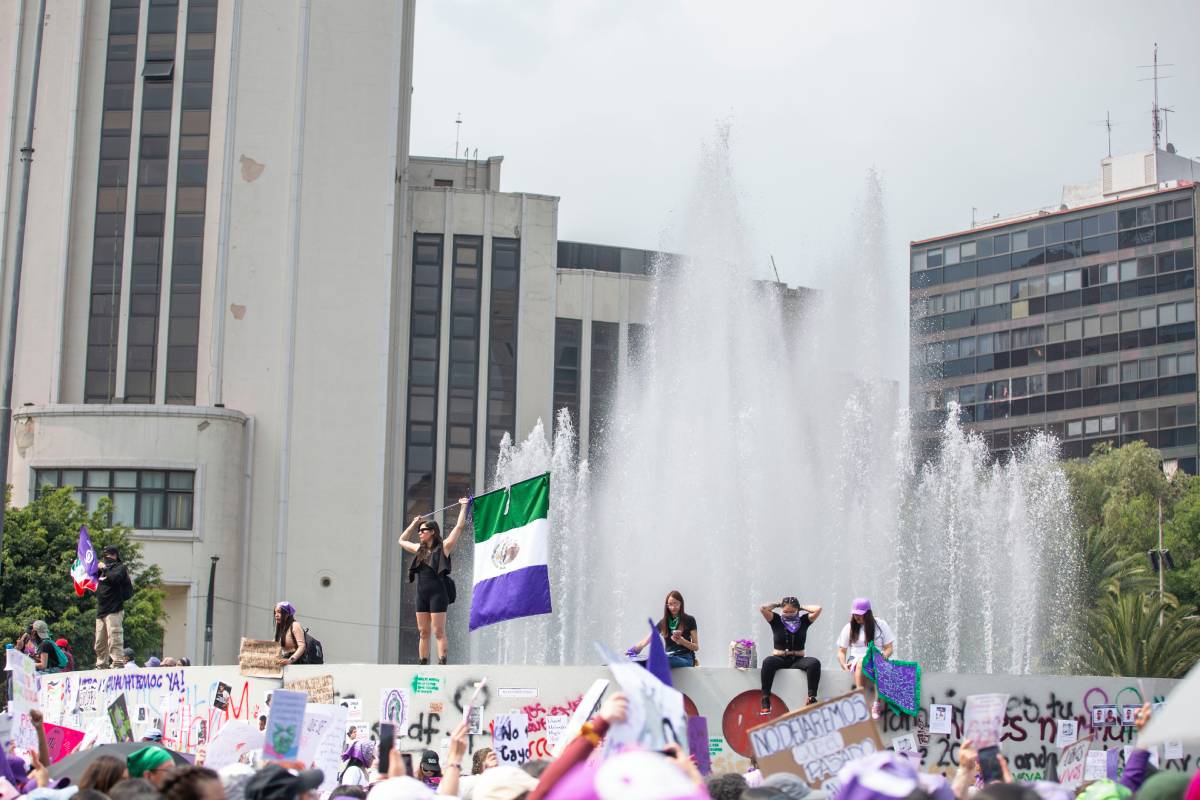
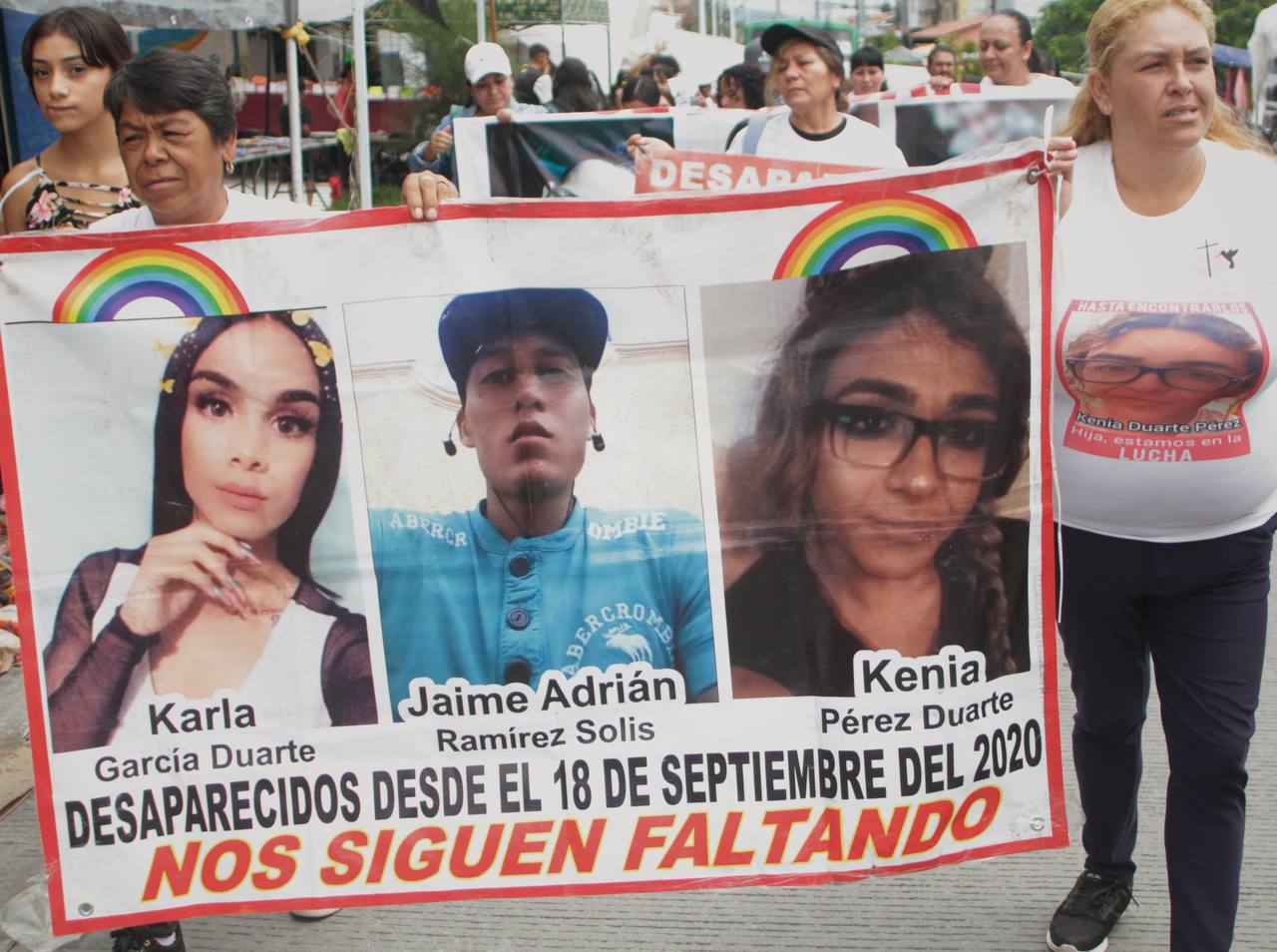
The Searching Mothers are women who search for their missing relatives in Mexico. Throughout the year, searchers from all over the country gather to share methods: archives, 3D technology, drones, and tools for searching for mass graves. “When I saw that, I was shocked. Since the State does nothing, the families even go so far as to get involved in the prisons,” Turati said at the presentation, adding: “The mothers are at the forefront of the fight for rights. We follow behind. They are the light in Mexico. The sad thing is that they are very much alone.”
“We have too many institutions that don’t work. They seem to exist on purpose to buy time and do nothing. One mother told me: the authorities don’t look because they know that if they look they’ll find something.”
Lessons learned from 12 years of research
In response to audience questions about how she managed to work on this book for 12 years and organize all the information, journalist Turati explained: “I’m always publishing. That helped me systematize things. Back in Proceso magazine, I said, 'I can no longer explain this in a report. I need a different format.'”
In addition, she shared what she learned from investigating in places that are difficult to access, and also in other countries such as Guatemala, El Salvador and Honduras, where many of the missing migrants come from.
“What I’ve learned is how to network. We formed a network of journalists who cover disappearances. We learned a lot about the emotional side of things, not just physical security and protocols. We created closing rituals, asking for permission,” she said. And she added: “The blame is part of this mechanism to make you stop investigating.”
“This isn’t the fault of one cartel. It’s a system that allows this to happen,” Turati concluded.
We are present
We are committed to journalism that delves into the territories and conducts thorough investigations, combined with new technologies and narrative formats. We want the protagonists, their stories, and their struggles to be present.
SUPPORT US

FOLLOW US
Related notes

We are present
This and other stories are not usually on the media agenda. Together we can bring them to light.