

Diverse childhoods: what would you say to your past self and to the children of today?
On Children's Day we tell you the story of how five LGBT people lived their childhoods.


Share

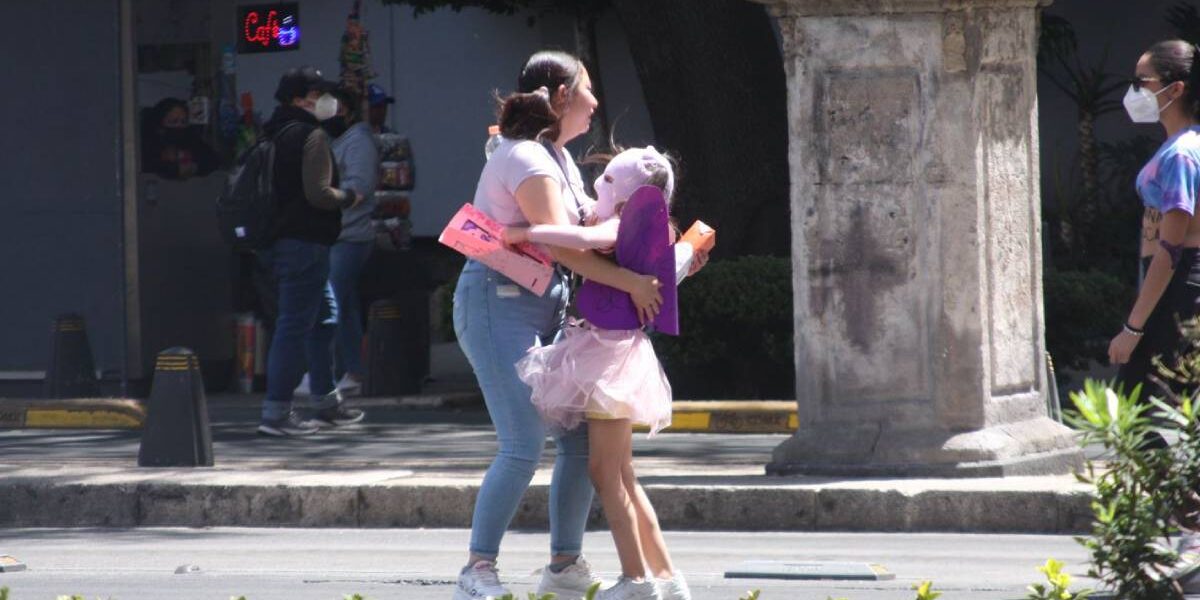
MEXICO CITY, Mexico. In Mexico, April 30th is Children's Day. But LGBT+ children in this country remain invisible. Sometimes, even discussing them is exploited by anti-rights groups to spread misinformation and create moral panic. The truth is, diverse children have always existed.
The findings of the first National Survey on Sexual and Gender Diversity (ENDISEG, 2021) revealed that 2 out of 5 lesbian, gay, and bisexual people identified their sexual orientation before the age of seven. And that 3 out of 5 trans and non-binary people were certain of their gender identity at this same stage.
In Presentes, we consulted with dissident individuals to learn about their experiences as queer, lesbian, bisexual, trans, and non-binary people during childhood. We explored why it was important for them to be supported and acknowledged by their close circles during this stage of life, and how this empowers them today as adults.
At a young age, we don't always have the information and words to name ourselves. But we do have experiences and clues that help us understand who we are from that early age.

The importance of family support
For Raquel, a lesbian activist and designer, the support of her family and her home were her refuge. Growing up in northern Mexico during the drug war and in a social and cultural environment where being a lesbian was difficult, her parents' support was vital.
Romina is a trans woman, and she too had the support of her family. She felt "overwhelmed" at first when she came out for the first time, but since she was able to name what she is, the support she receives from her parents has always been "unconditional."
“My mom named me Romina. My dad dances with me at family parties. Knowing that I have my family, not only for emotional support, gives me greater stability. It greatly determines the confidence with which I approach the world,” says Romina.
The “others like me” who save
It's not just the family that becomes a safe space to live one's LGBT+ identity freely during childhood or adolescence. Friends, partners, and other close people who are openly LGBTQ+ also become role models.
For Alec, a bisexual trans man, meeting older girls at school who showed affection, “despite the attacks,” he recalls, allowed him to realize at age 9 that other ways of connecting outside of heterosexuality are also possible. And that they are okay.
“Seeing firsthand that being queer is possible is one of the most important things. It helps you know that you’re not wrong or crazy, and that it’s normal not to fit into heteronormativity,” says Alec.

For Emma, who identifies as queer, the lack of information in her childhood still impacts her adulthood. “Sometimes I carry certain insecurities stemming from that time in my life, because there wasn't enough information to feel certain and that it was okay to be myself. In that sense, you learn in life that there are safe spaces like friendships and some people in your family. But you also learn that there are spaces that aren't safe for you and that you have to protect yourself from them,” she explains.
For Emma, Arantza, and Alec, the lack of information and representation in the media significantly impacted their experience as diverse children.
“When I was 15, I used to play girlfriends with a friend. I could never name what I felt. I never had a bisexual role model close to me or in the media. When I saw Karol G’s video for ‘Contigo,’ I thought of her, and I ran into her, and we said to each other, ‘Dude, what would have happened if you and I had been able to have a story like the one in the video?’ And she took my hand and said, ‘Well, maybe we would have been serious,’ and it was a really nostalgic moment,” Arantza recounts.
Messages for the present from the past
“I would tell her that there are many worlds to be a lesbian, and that in relation to LGBT issues, it's not just about the gay narrative linked to HIV; that's a prejudice. Keep exploring until you find where you feel comfortable,” – Raquel Medina.

“You won’t always be alone. There will come a point where you’ll find more people who are like you, people who will let you know that you deserve to be loved without having to pretend, without hiding. That we’re going to be okay and that the things we dream of are real and within our reach.” – Alec.

“This confusion you feel is due to the system we live in and the prejudices. As you grow up, you will find answers and it won't feel strange. You are not the problem. I hope that no more teenagers hide to play at being girlfriends and that they can call themselves bisexual without so many doubts” – Arantza.

“There are family environments where full growth isn't possible , but there are other forms of love, and those save your life; embrace that. I would tell myself that the only person who will take him out of the family environment in which he grew up is himself, that he has to recognize it and embrace it, and that the name he invented at age 7 will be his real name” – Leo Morán.
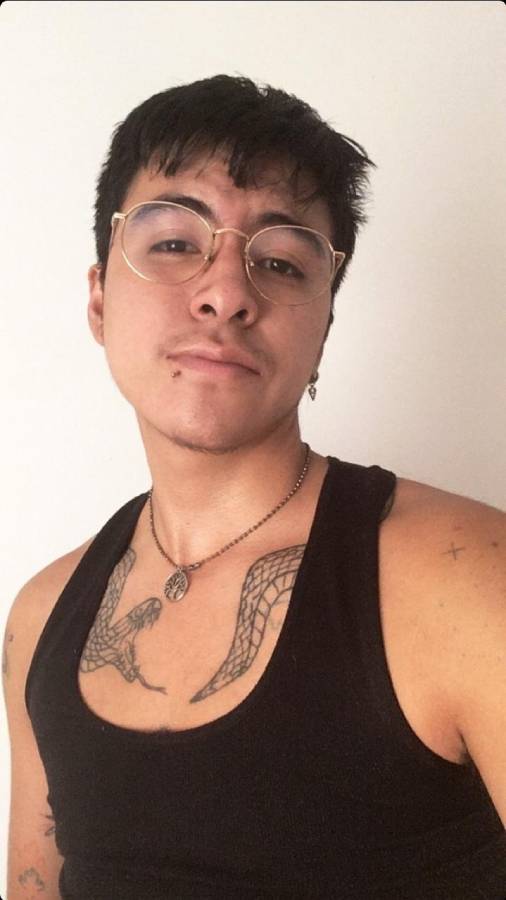
“The first thing I would do is give him a hug. I would tell him that we're going to be okay, to embrace his process, not to let anyone make him feel guilty for being different. That being weird isn't a bad thing, that it's beautiful. Then I would buy him a monster chocolate chip ice cream.” – César

“I would talk to 4-year-old Romina and tell her to keep dreaming because it will happen, not by magic, but not to worry. I would talk to my 15-year-old self and tell her that what she's feeling isn't just anxiety, it has a name, there's a solution. Don't wait too long, reach out to your parents, they'll support you.” -Romina Jauregui

“I would tell her to seek out like-minded people and that creating communities is important. To value those spaces of support, safety, and gratification because they are what give us the strength to cope with the violence that exists in the world” - Emmanuel Álvarez.

We are present
We are committed to journalism that delves into the territories and conducts thorough investigations, combined with new technologies and narrative formats. We want the protagonists, their stories, and their struggles to be present.
SUPPORT US

FOLLOW US
Related notes


We are present
This and other stories are not usually on the media agenda. Together we can bring them to light.