

Butch women in community: what it's like to be a Latina butch
Four stories of butch lesbians who meet every week to build a community of affection, share files, heal wounds and plot escapes from oppression: what is it like to be a butch in Latin America?


Share

When we need to protect ourselves from the cruelty of the world, we build a shelter.
Sara Ahmed
At an early age, we learned that the words butch, tomboy, dyke, and butch are categories that are often used as insults against those of us who embody them, producing shame and public scorn for bodies read as women and who disobey the heterosexual mandate.
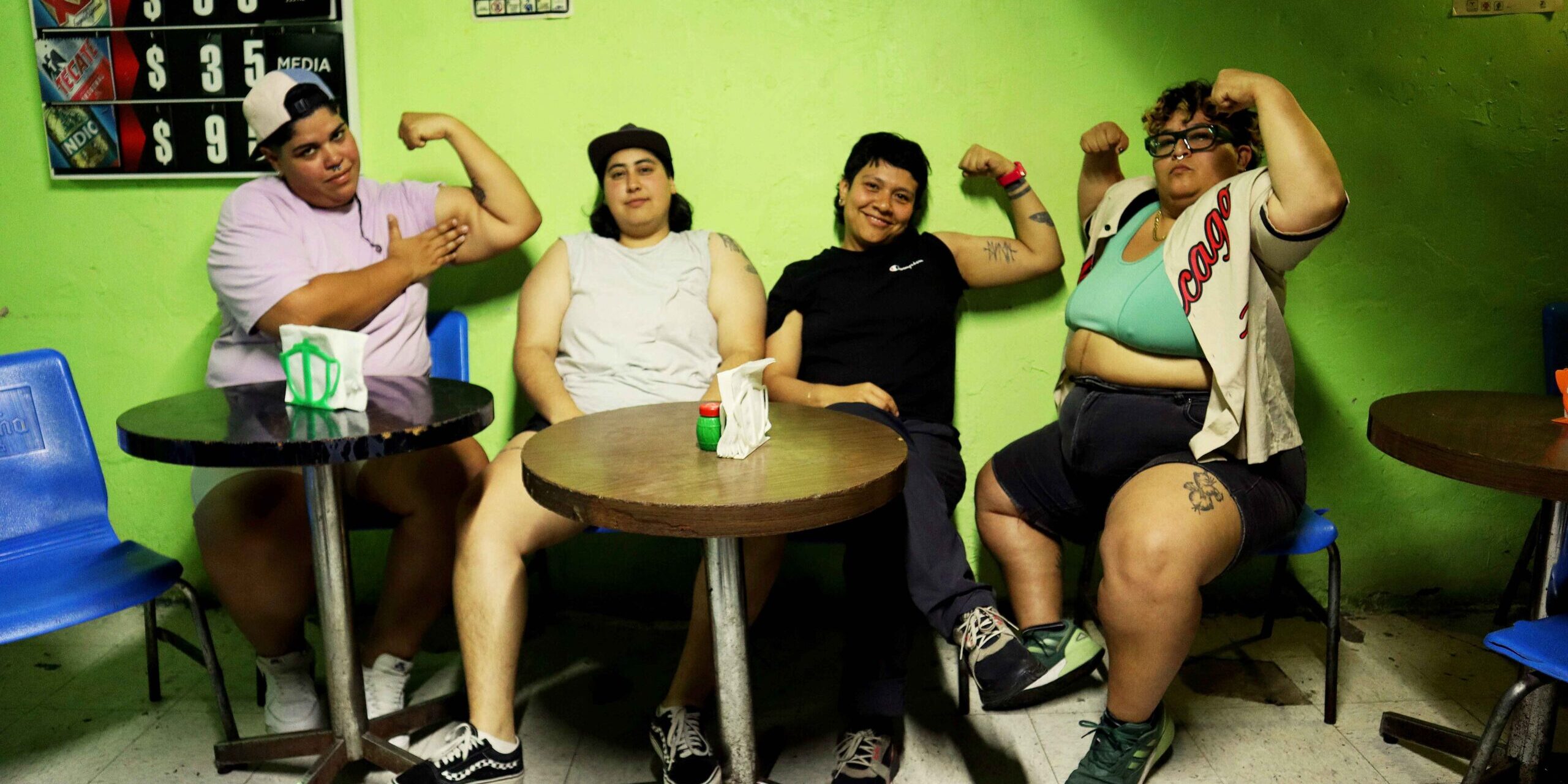
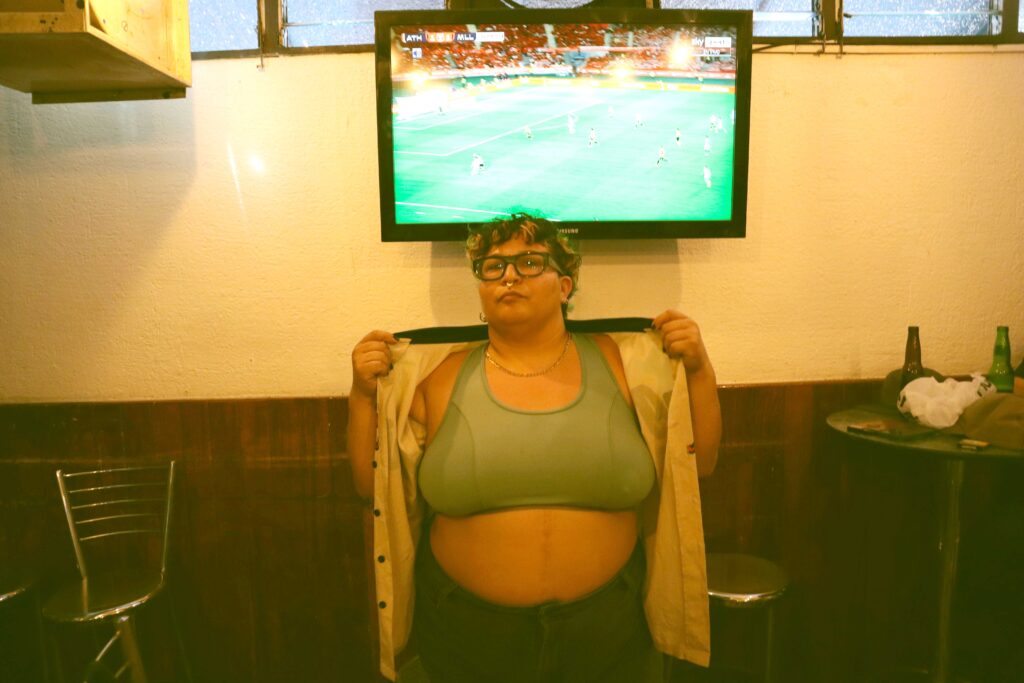
We are a group of butch Latinas who have been meeting every week for the past two years to write, read, discuss, and plot escapes from the various systems of oppression we live under, on topics vital to our existence.
We are Enie, Mali, Faizt, and Bala. We celebrate ourselves as alive and build a community that is both fierce and tender, to express ourselves in a language that allows us to create our own place in the world.
We insist on supporting each other, this community of butch women from the Global South, borderlands, and racialized communities . We decided to hold the first butch/marimacho/bucha gathering in Mexico City. In doing so, we celebrated our anniversary as a community of masculine lesbians, building a space for peer support and accompaniment .
What questions and experiences have brought us closer together?
Writings about the transvestite time of our childhoods, exercises in remembering the words that give us meaning, flamboyant genealogies, flamboyant fables, and erotic experiences that allow us to cling to life. The wounds of being different and being excluded from places of care and pleasure are some of the themes we constantly address in our meetings through a digital connection platform.
Novels like "Stone Butch Blues" have allowed us to explore memories of alliances with trans women, because we share that liminal space of those whom society deems "neither men nor women ." After rekindling this memory, we recall a persistent , butch desire to embrace diversity and recognize the permeability between tomboyishness and trans masculinity in an endless, interconnected conversation of bodies . Stories of trans childhoods by South American authors like La Rae del Cerro or Afro-Caribbean authors like Yolanda Pizarro have provided us with keys to this encounter.
With what arms, bodies, are the words that wounded soothed? How did we come to know the wound, and more importantly, what are our sweet memories of this disobedience?
Faizt, 32 years old, Mexico City
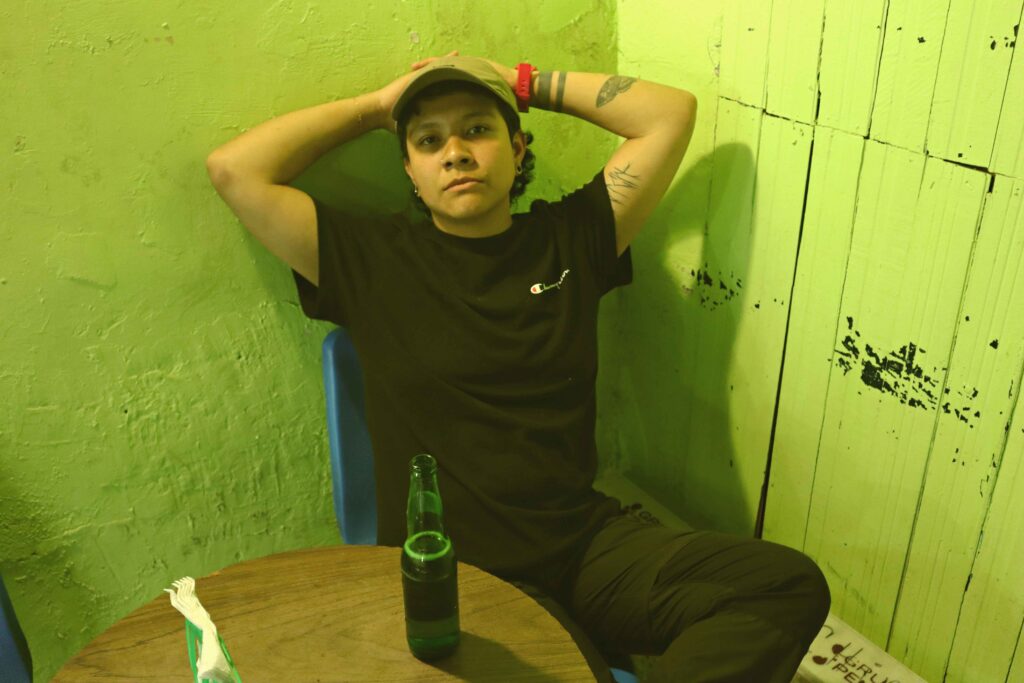
I constantly heard the word "tomboy" throughout my childhood. Many boys would say it to me when they were dominating me in a fight or when I pretended not to be afraid of them. I felt anger when I heard that word , but it remained just a game between children. In fifth grade, it stopped being just a game when the teacher yelled at me in front of the class, "Don't you realize you look like a tomboy?"
The children fell silent upon hearing that profound truth, and inevitable butch tears streamed down my cheeks. They had found me out. I confirmed, through an adult's voice, that I was indeed a butch. I felt ashamed of who I was. I grew up with that childhood pain, and seeing other butch women filled me with repulsion, seeing myself reflected in them (something very common among butch women). Until now, I understood that the shame that overwhelmed me armored me, preventing me from loving and being vulnerable with other butch women.
I had the joy of meeting a group of tough women and venturing into their tender and wild world, licking our wounds and talking about all the love we have to give. Also about the love we've struggled to ask for but deserve to receive, about breaking down our defenses and celebrating our existence, because we defy society's prediction of growing old and dying alone.
We are butch, tomboy, dyke, and dyke, supporting each other and reclaiming these words that once hurt us. Now they have the power to bombard with love what was once a territory of fear and loneliness.
Enie, 37, Puerto Rico
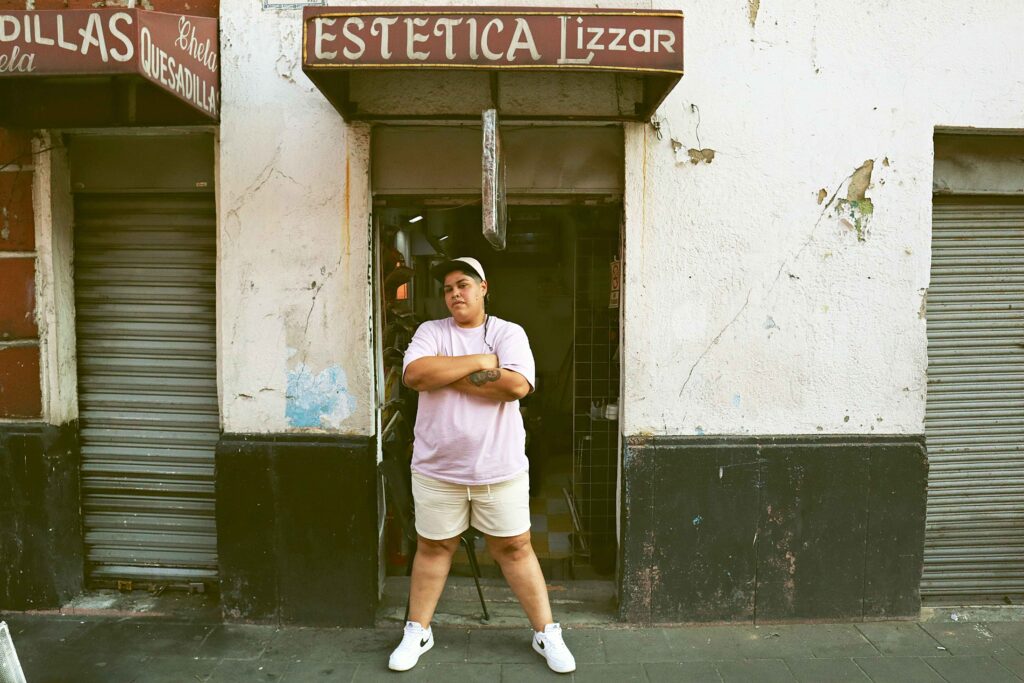
Better a whore than a Bucha! Get out of here, whore!
These are the phrases we lesbians in Puerto Rico grow up with. We nod, we laugh, and we validate the words of our friends, their mothers, and aunts. We pretend we find it funny to fit in, to belong, to be respectful "Buchas," because we lack the strength to confront the ignorance of the heteronormative, white, perfect woman. We accept being "Buchas" while the dictionary defines us as women with high testosterone levels who act and dress like men; who usually enjoy lick vaginas. For example, "¡Jodía Bucha!" (Damn Bucha!). We accept being "Patas" without knowing why or who coined that euphemism, so full of disappointment, from which another famous Puerto Rican phrase, "¡Salió pato!" ( ), is born—a phrase we say amid laughter when a firecracker at a party doesn't explode because it's defective.
In this way, they break our spirits; we see ourselves reflected in each other, and that frightens us. The terror of facing the mirror and seeing ourselves broken drives us away.
The oncuentrosbutch archive that emerged from our collective is a defiance of heteronormative meanings. It's about reclaiming words that belong to us and defining them, about going against the notion that Butches don't mix, about being able to be Bucha, Pata, Manflora, Marimacha, Dyke, and Cachapera all at once. We've created a community where we share books, writings, vulnerabilities, and dreams; one of mine being fulfilled with the first gathering in Mexico City. I always dreamed of us together, without prejudice, without fear; that our reflections would make us stronger.
Malibé, 27 years old, Baja California, Mexico
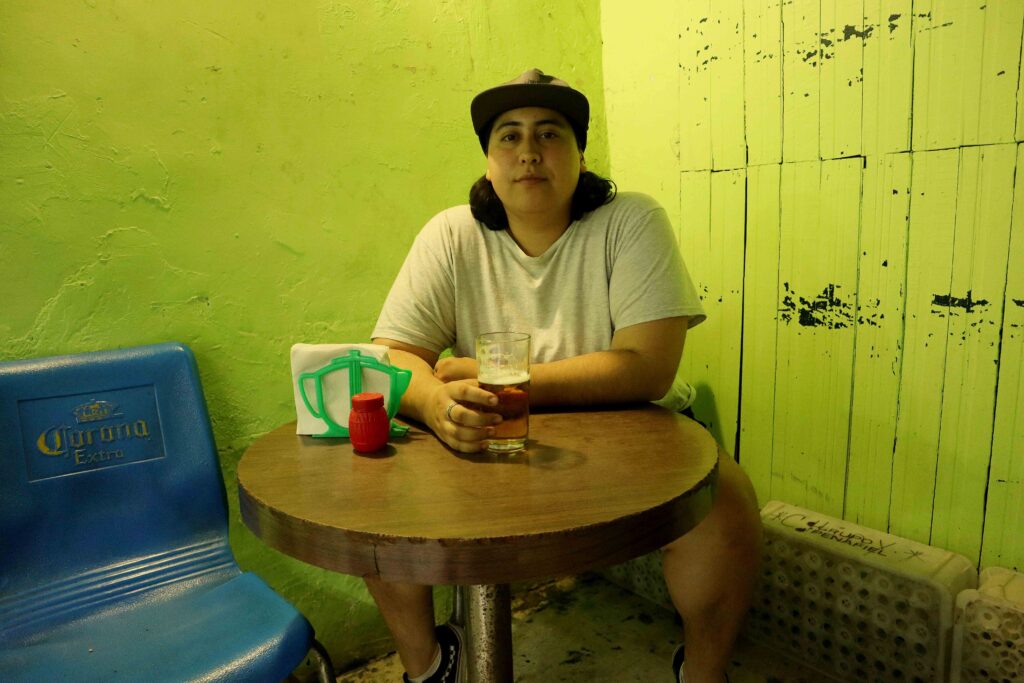
Dyke is a word that was used to label and judge masculine lesbians, until its recent reappropriation and redefinition by lesbians themselves. Currently, it can be used to distinguish those women who have managed to break free from the traditional heterosexual norms of femininity.
I grew up in a beach town in the far north of Mexico, full of gringos, surfers, and spring breakers. It wasn't unusual to see a group of eccentric white men drinking on the beach a few blocks from my house, but I don't remember ever hearing anything about lesbian women until much later. When I was 18, I was walking along the beach with my girlfriend and her sister when two guys who spoke English walked by and called us "dykes." We were alone on the beach, and we kept walking. I was really shocked. I think the only other time I'd heard that word was when I tried to watch the TV show The L Word . It didn't seem insulting to me, but I knew some people used it hatefully. I didn't know that what happened on TV could happen in real life, to me.
Butch lesbians, dykes, butch lesbians, masculine lesbians don't use these labels as insults, but rather as a way to identify with others. The butch archive has been a guide and support for this baby dyke in need of a lesbian community where she can see herself. Meeting virtually this year has been a loving, therapeutic experience, full of admiration and constant understanding of one another.
Bala, 37 years old, La Paz, Baja California Sur/Querétaro
The first time my mother said the word "lesbian," she was referring to parrotfish because of their sex change; when the male dies, the dominant female becomes the male of the harem. Then there was Tana, my ranch-style nanny, with her big hands and strong arms, her short hair, who puffed on a cigarette like a dragon. I thought her husband copied her strength and her jeans, but that she always looked prettier; the other children called her a tomboy. I loved watching her pick mangoes from the trees in her yard or carry her 20-kilo statue of Saint Jude to clean its shrine, making flour tortillas for 15 children with those same hands that also knew how to offer comfort when my mother couldn't come home.
Although I cherish my deep-rooted Arrecife, ranch, and northern heritage, those words like "manflora," "marimacha," and "machorra" also filled me with shame and self-loathing. Playing soccer, running shirtless, chasing girls, climbing trees, my aversion to dresses, my hair tied back in a low ponytail, Simba, Captain Tsubasa, Tuxedo Mask, martial arts, not crying, wrestling, being the Green Power Ranger—these were all "manflora" semantics, and they were often used to try and rid me of my "queerness" through beatings and punishments. I remember, when I was a child myself, my grandmother Adelina told me one day that I was like her, restless and disobedient, that because of my "manflora" ways of climbing trees, she grew a little wing, and she showed it to me—a bone sticking out of her back. Many years later, with the impulse to perform rituals where I could find myself, a beautiful image came to me to accommodate in my body that word that filled me with fear and shame, manflora, man-flower, that day I put flowers in my groin and in my short hair, I celebrated myself and I received myself as a manflora of the semi-desert, with the wind on my face and with the voice of my grandmother and my nanny on my back.
We call a "butch archive" a flight of memories and a gathering of tremors to live joyful, tasty, and brave lives.
We are present
We are committed to journalism that delves into the territories and conducts thorough investigations, combined with new technologies and narrative formats. We want the protagonists, their stories, and their struggles to be present.
SUPPORT US

FOLLOW US
Related notes



We are present
This and other stories are not usually on the media agenda. Together we can bring them to light.