

Paraguay is also mobilizing to defend free education
The Paraguayan government changed the funding source for Zero Tuition, which jeopardizes free university education.


Share

ASUNCIÓN, Paraguay. As of 2020, more than 50% of the student body at the National University of Asunción (UNA) is female. Currently, there are 50,000 students enrolled, of whom approximately 20,000 directly benefit from free university education. Students of diverse sexual orientations and gender identities also find an opportunity to change their realities.
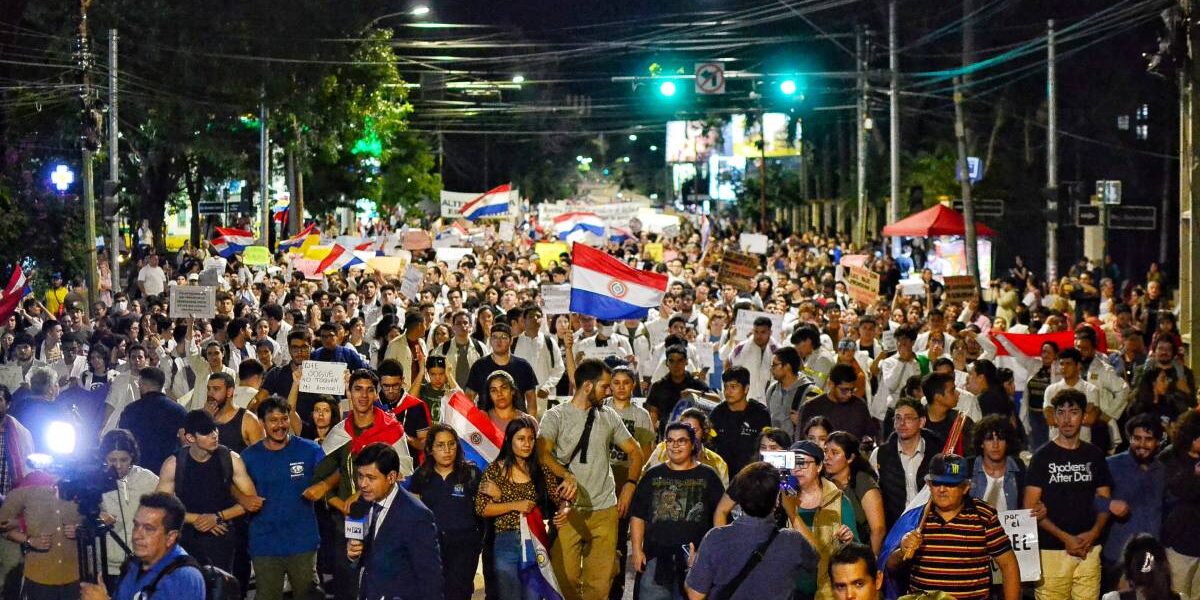
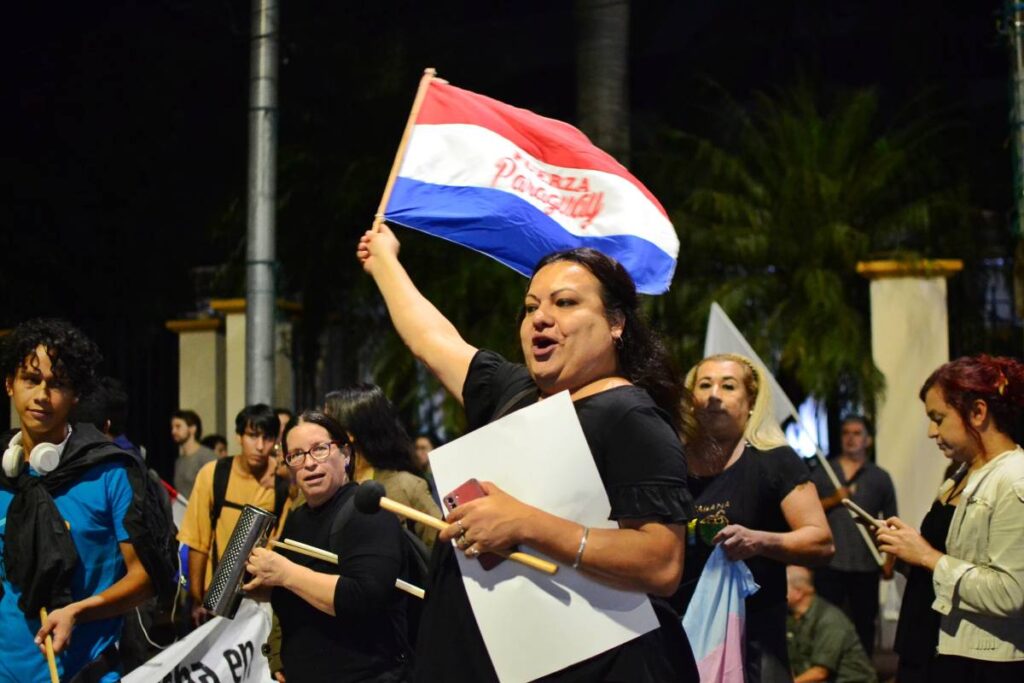
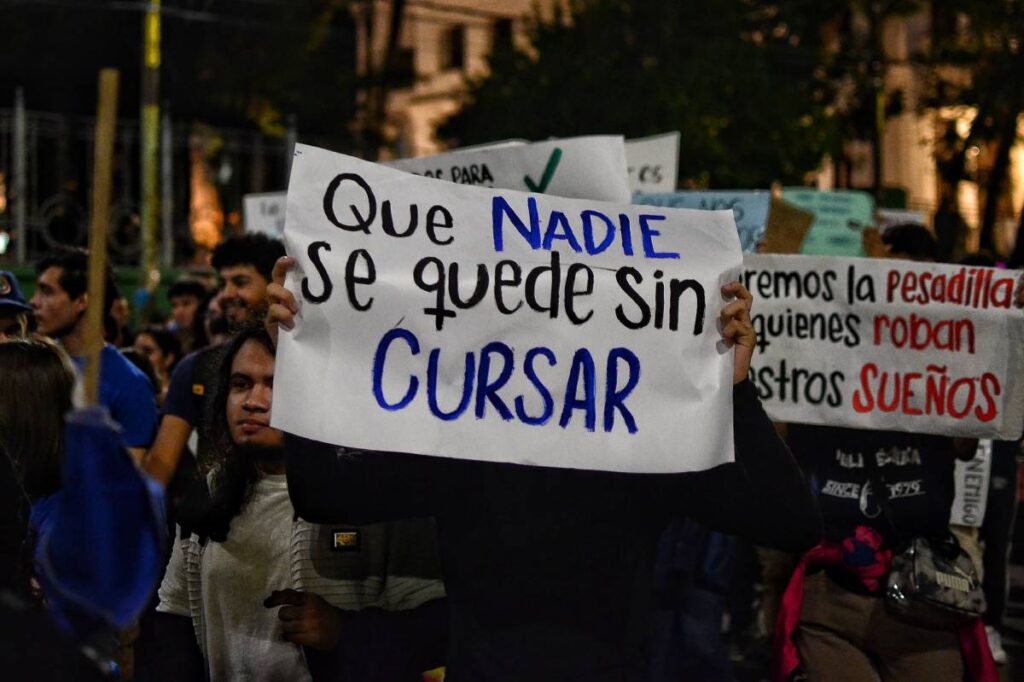
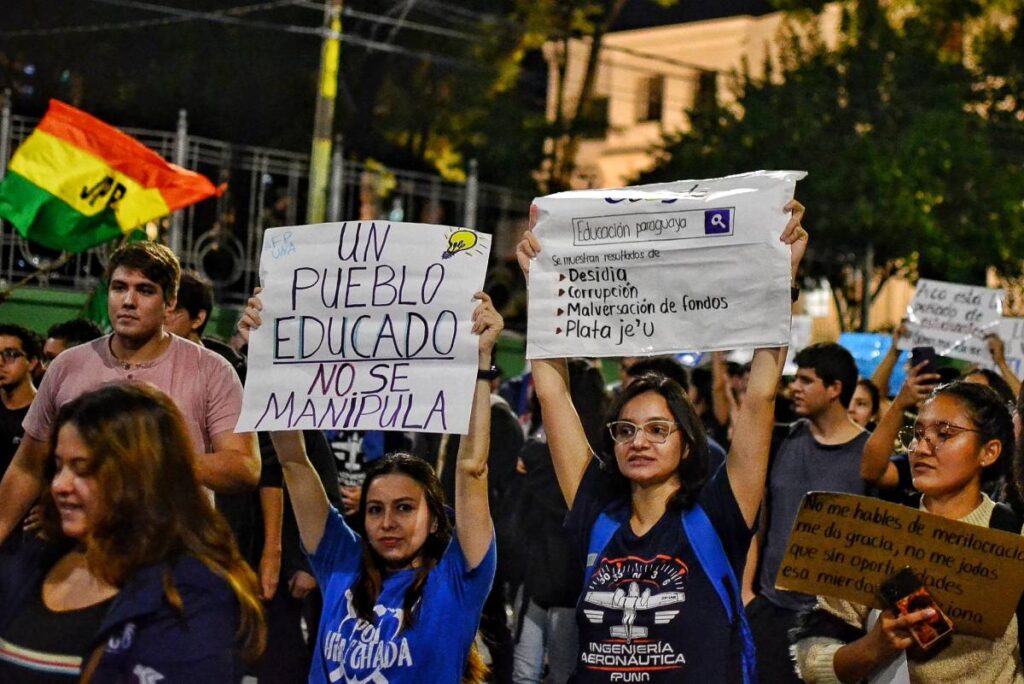
It was in protest of this free education that a large march took place on April 16 in Asunción and three other departments of Paraguay. “May the voice of the people be more powerful than the voice of fear”; “Fight, even if you lack nothing, because some lack everything”; “Struggle gives us what the law denies us”; and “With hunger and misery, there is no education” were some of the slogans seen on signs at the April 16 march in Asunción. Some twenty thousand university students mobilized in Paraguay. In the capital, they marched from Mariscal López and General Santos Avenues to General Bernardino Caballero Avenue.
On April 5, President Santiago Peña enacted the "Zero Hunger" Law. This entailed the elimination of the National Public Investment and Development Fund (Fonacide) , which financed the Zero Tariff, the National Health Fund, scientific research, and other public policies.
The Zero Tariff program received 7% of the resources from Fonacide. These funds come from the compensation Paraguay receives from Brazil for ceding its surplus energy from Itaipu. With the HC Law, education would be financed by Source 10 of the National Treasury, resources derived from tax revenue.
What is Zero Tariff?
Law 6628/2020, the Zero Tuition Law, establishes free admission and undergraduate courses at all public universities and higher education institutions in the country. It eliminates tuition fees for students from public and subsidized schools. However, the Zero Hunger Law, or “HC,” enacted by President Santiago Peña, jeopardizes the Zero Tuition Law by dismantling the National Fund for Public Investment and Development (Fonacide) and allocating all its resources to the creation of the National School Feeding Fund (Fonae) .
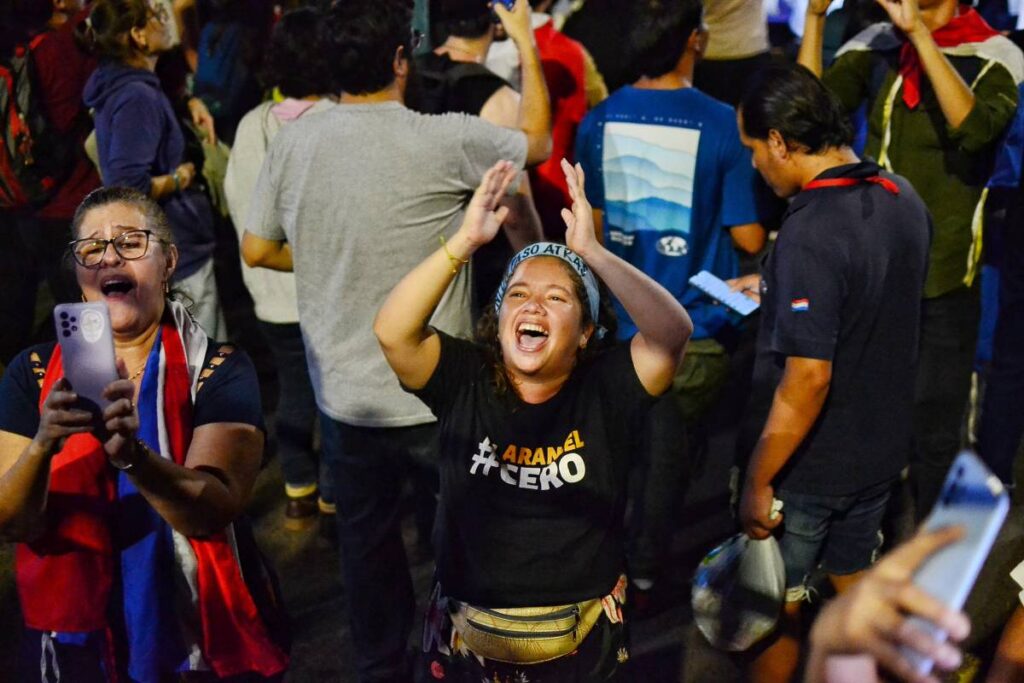
Despite government assurances that the Zero Tuition policy will remain "protected," students are rejecting the passage of the Zero Hunger Law in Congress and its immediate enactment. They denounce the lack of prior public hearings and the exclusion of students from the entire process.
“We believe that the Zero Hunger Law was something that was not discussed with the educational community from any sector. It was an imposition, and we do not support it. But, above all, we demand that one right not be taken away from another ,” stated Daisy Hume, a member of the feminist political organization Kuña Sorora .
The march included secondary school student unions such as Unepy and Fenaes , teachers, researchers, members of the academic community, family members, and activists. Retiree organizations also joined. “It’s very moving to see the continuity and follow-through of this struggle for access to free, quality public education with a gender perspective,” Rodríguez said.
A victory for the students
In 2020, amidst one of the greatest health crises in human history, the Covid-19 pandemic, when the healthcare system was overwhelmed and families of hospitalized students had to rely on raffles and chicken dinners to survive, mobilized students took to the streets, wearing masks and carrying signs and megaphones, to defend free, quality public education. Thanks to their tireless struggle, they achieved the passage of the free tuition law that year, which was implemented starting in 2021.
Lía Rodríguez is a final-year Sociology student at the Faculty of Social Sciences, FACSO-UNA. She has a hoarse voice, but she still manages to make herself heard. “The Zero Tuition policy is an expression and result of the student struggle. Of fellow students from various public universities and higher education institutions, both in rural and urban areas,” she told Agencia Presentes .
Of the 50,000 students who attend the National University of Asunción ( 51% of whom are women ), the Zero Tuition program benefits 18,000 , narrowing the gap in access to university education. “It is the dream of mothers, fathers, grandparents, rural and urban students to whom the Paraguayan state has historically denied access to higher education,” said Rodríguez.
“We want trans people to have access to universities too.”
The National University of Asunción, its branches, and other regional universities were on strike. Students occupied the UNA's faculties for more than two weeks. However, the students made it clear that their protests were not solely for free tuition. They were also protesting the defunding of research, healthcare, housing, and infrastructure.
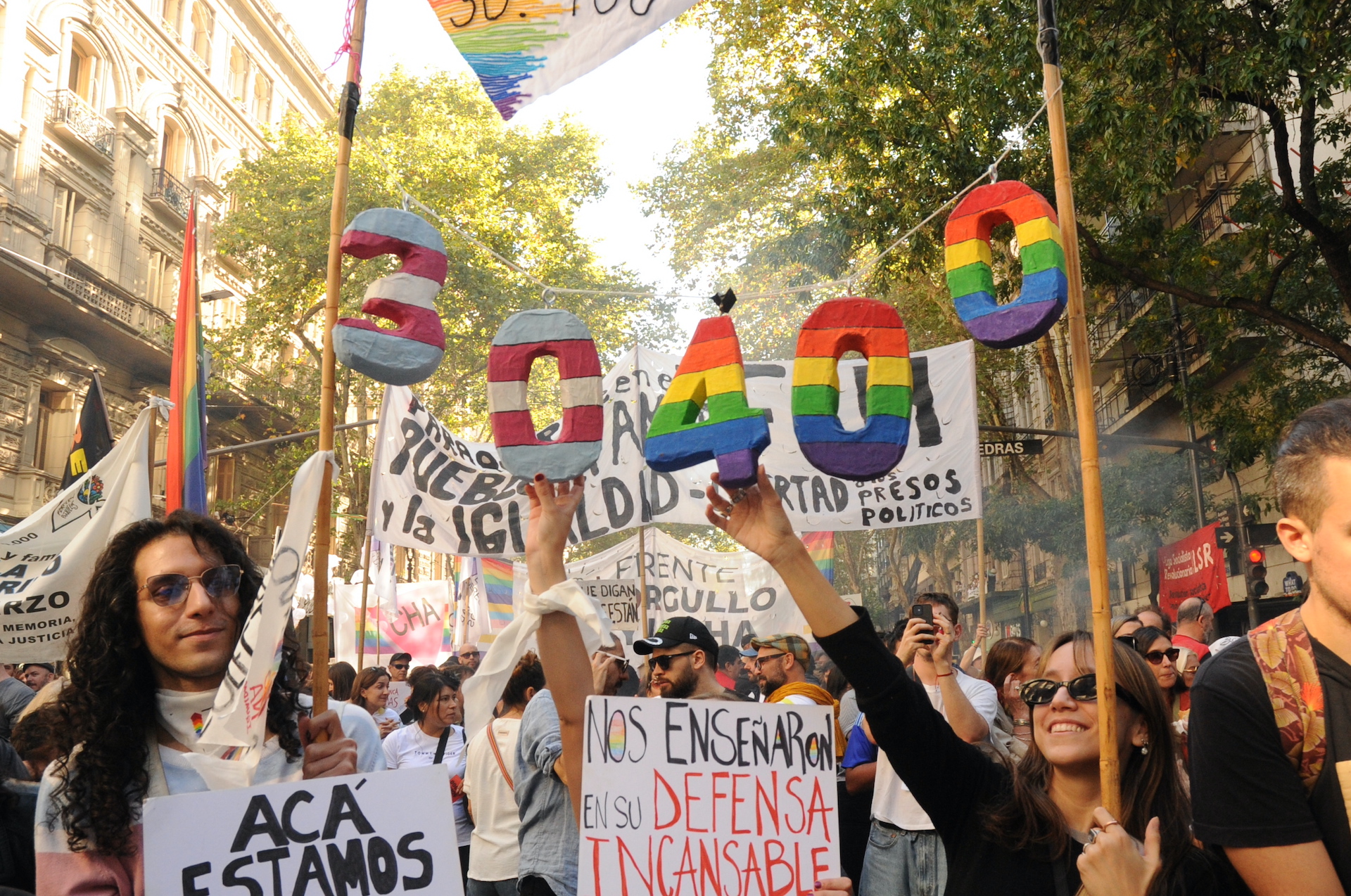
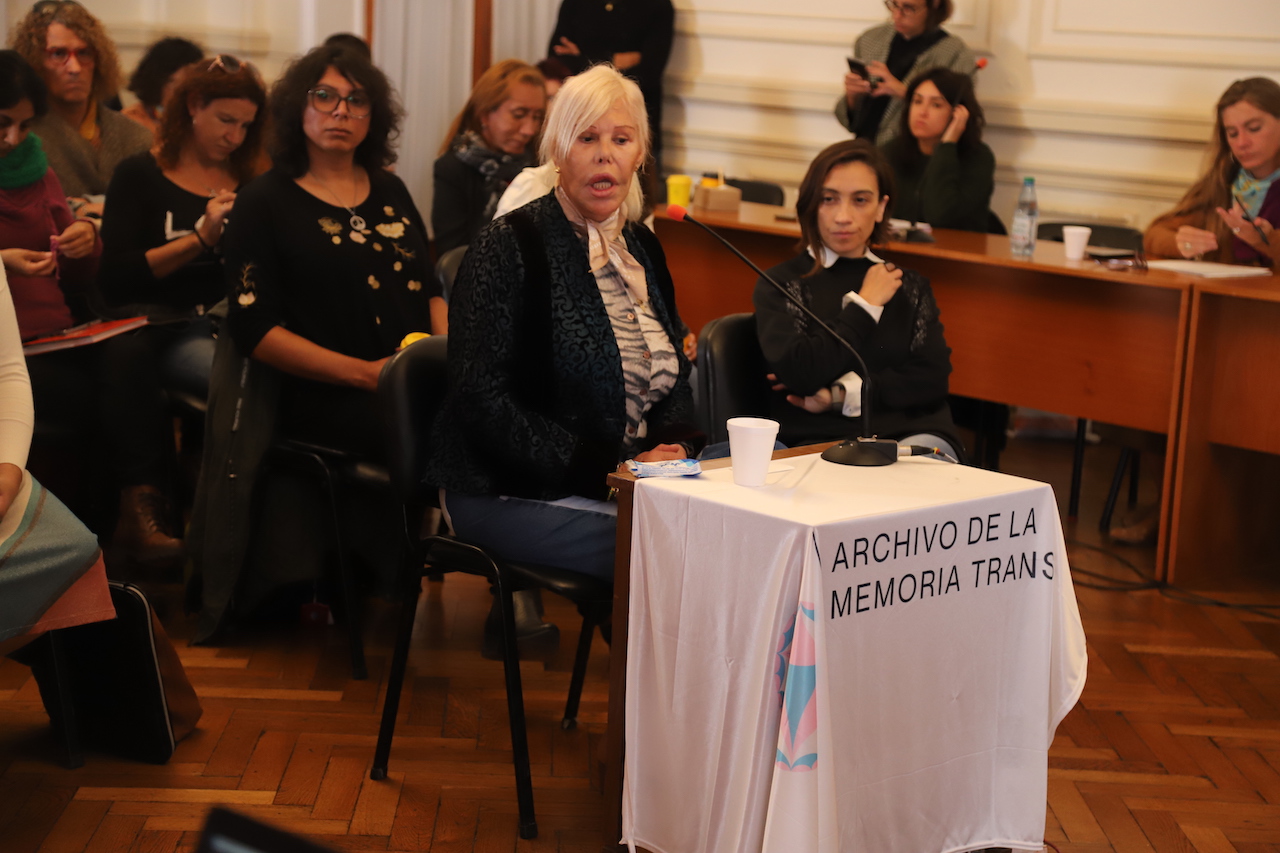
Trans activists also participated in the mobilization last Tuesday. “Without education, they are taking away our opportunity for other jobs. They will always offer us the streets, and we want to be somewhere else. We are not against sex work, but we want other job opportunities, and without education, that will be impossible,” said Yren Rotela, founder of Casa Diversa Casa Trans , the first community center and shelter for vulnerable LGBTQ+ people.
Rotela recalled that several of her colleagues from Casa Diversa Casa Trans had finished high school. Today, two of them attend the Higher Institute of Arts. “We marched to support the students and for all rights for all people, including trans people. We want trans people to have access to universities as well. We have been fighting for a very long time for the education of trans people. We ask for education and they give us death , but here we are fighting, we know that will change,” she emphasized.
A noisy minority
Cartes-aligned authorities repeatedly downplayed the students' demands. On April 9, in response to the student protests, the leader of the Cartes faction, Senator Basilio “Bachi” Núñez, said there was “zero possibility” of repealing the HC Law “ because of a handful of students.” He added that the demand came from a minority group of fewer than 100 people.
That same day, Economy Minister Carlos Fernández Valdovinos addressed the striking students at the National University of Asunción (UNA). “We don’t appreciate, or don’t want to appreciate, the effect that macroeconomics has on our wallets; it seems we’re just UNA students,” he said.
On Sunday, April 14, during Mina Feliciángeli's program , President Santiago Peña downplayed the demands of university students. He referred to them as a "noisy minority" for opposing the HC Law, which was his flagship project.
The demand to the Peña government: real guarantees
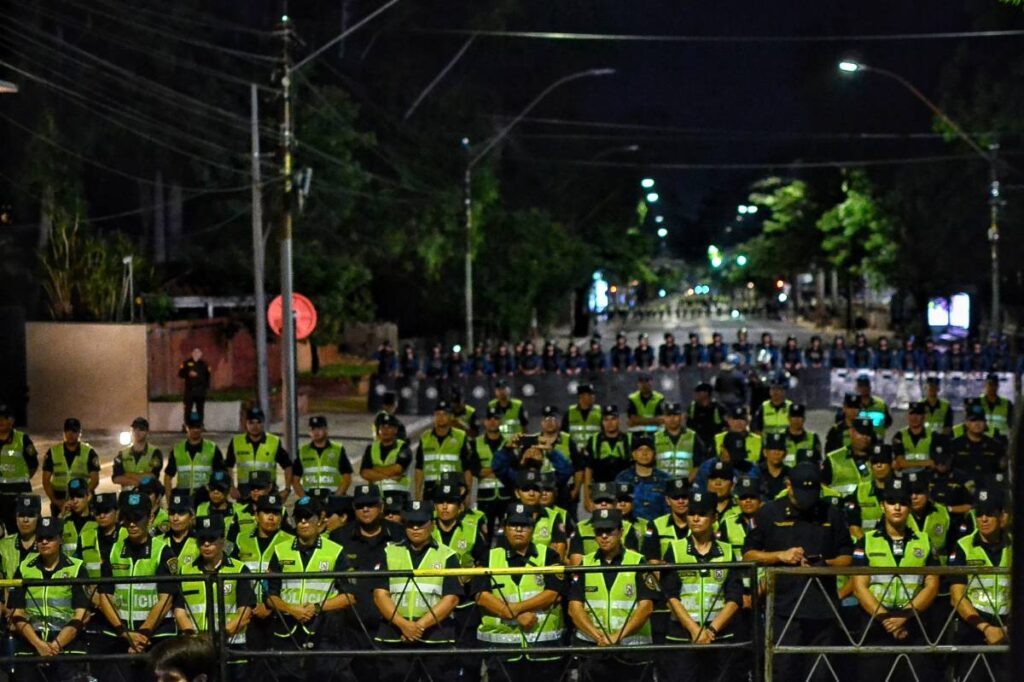
Despite the government's underestimation, in the nation's capital, students mobilized some ten thousand people. Although the police, UN peacekeepers, and mounted police did not allow them to advance beyond 450 meters from Mburuvicha Róga, the presidential residence, the students' voice was heard.
They responded to each of these phrases with signs at the marches and became a symbol of the struggle of organized youth.
“We need real guarantees for all Fonacide programs and projects. They need to sit down and talk with the students and focus on doing their job: fixing schools, investing in education, research, and health, and paying teachers and doctors. They need to stop stealing. I want to make it clear to Santiago Peña that they can cut all the flowers, but they can't stop the spring ,” said Paula Cairet, a veterinary student at UNA, speaking into the microphone.
On April 19, student representatives from UNA met with government authorities and signed a letter of commitment to establish working groups with all sectors affected by the elimination of Fonacide.
The university students stood firm in their decision: they demand a law that protects the funding of programs that were left without funding with the repeal of Fonacide and the enactment of the HC Law. Santiago Peña did not attend the meeting.
We are present
We are committed to journalism that delves into the territories and conducts thorough investigations, combined with new technologies and narrative formats. We want the protagonists, their stories, and their struggles to be present.
SUPPORT US

FOLLOW US
Related notes

We are present
This and other stories are not usually on the media agenda. Together we can bring them to light.