

Peru: Four actions by the trans population against an anti-rights state
Demonstrations, networks, and presentations to the prosecutor's office are some of the actions taken by the trans population in response to the lack of progress from the state.


Share

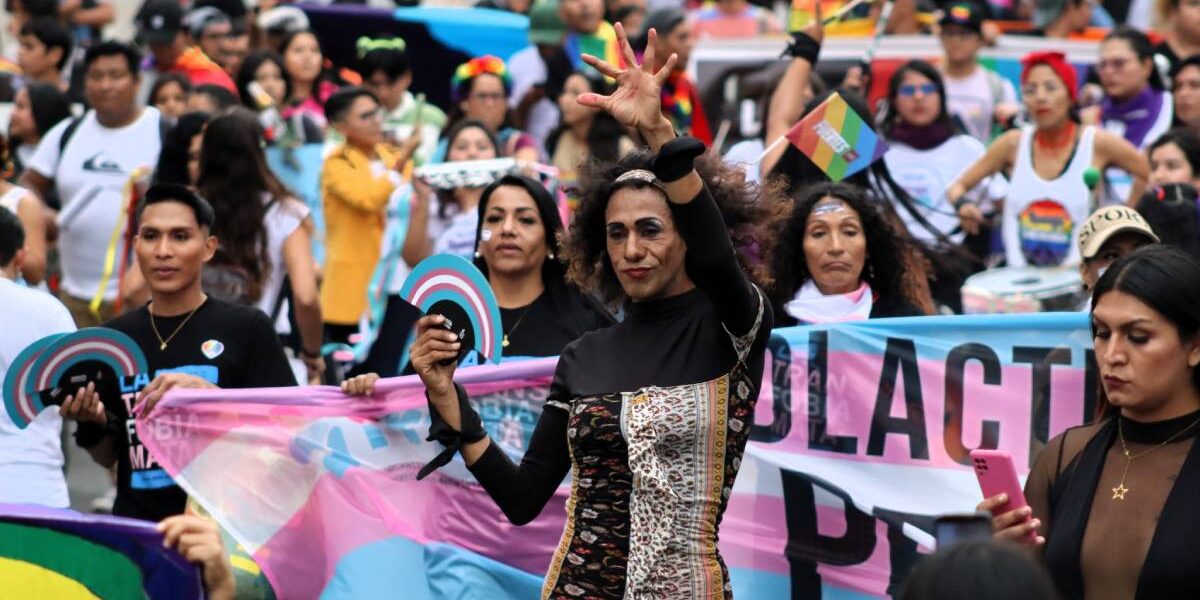
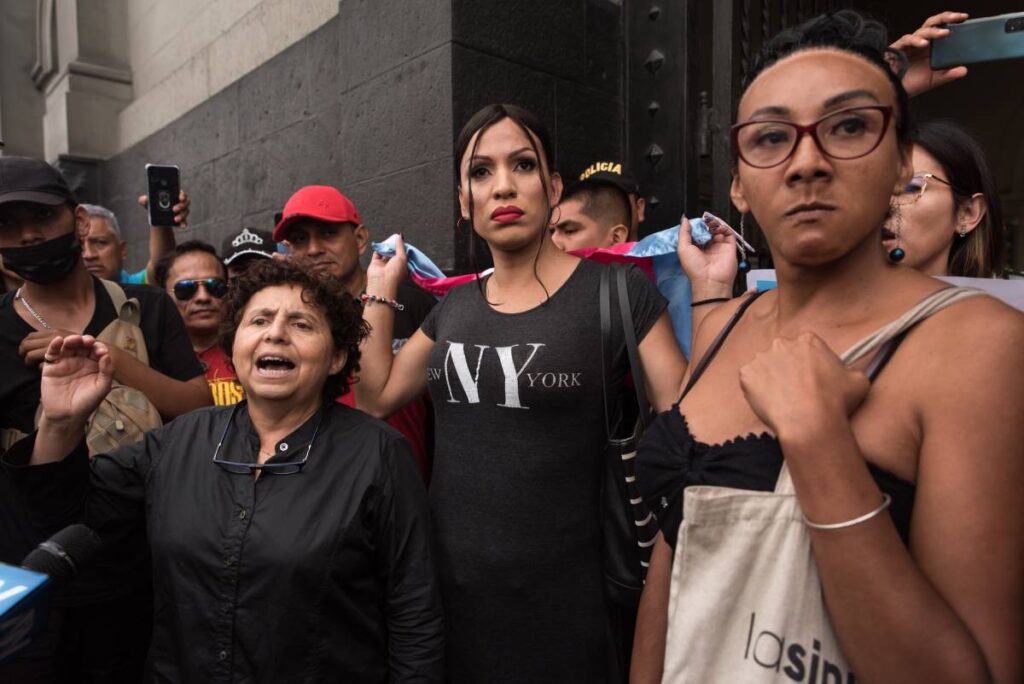
The Peruvian state continues to deny legal recognition of transgender people. Through the National Registry of Identification and Civil Status (RENIEC), they have made it clear that the only way to obtain legal recognition is through the enactment of a law. Despite this, activists continue to carry out various advocacy and social movements to demand this right.
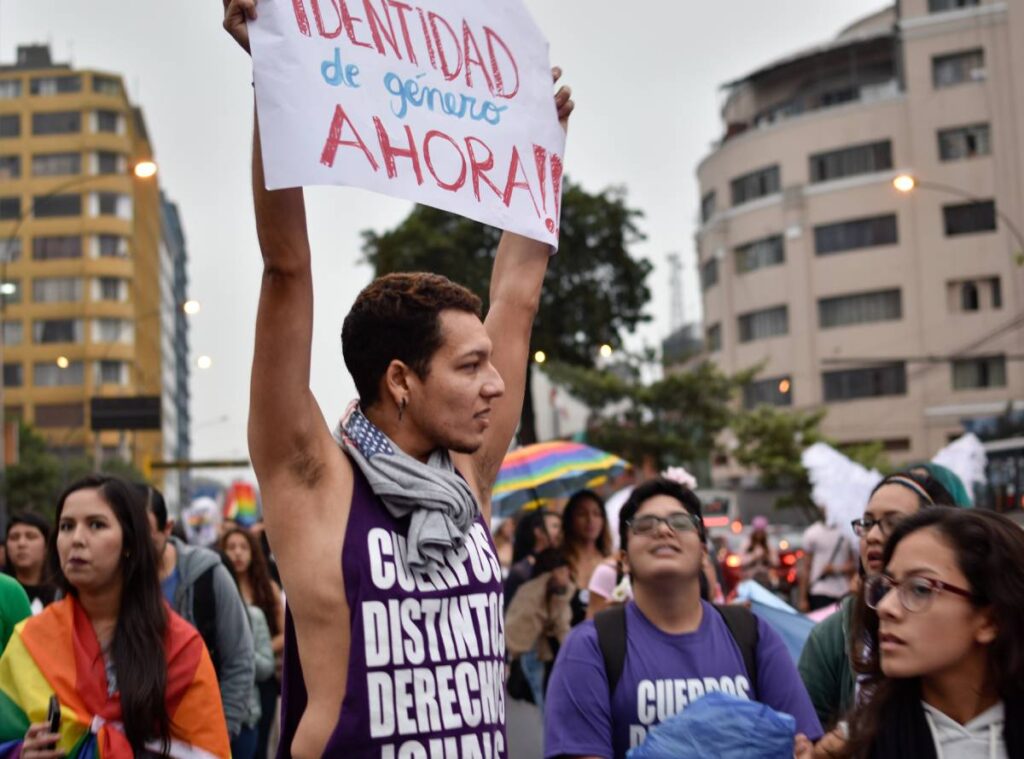
The Peruvian LGBTQIA+ population has seen no legal progress. To date, none of their legislative demands have been approved: there is no recognition of trans identities or the existence of same-sex parent families. Two people of the same sex cannot marry, and hate crimes are not criminalized. These are some of the deficiencies that prevent them from enjoying full citizenship.
The offensive by conservative groups
For Leyla Huerta Castillo, director of the trans women's organization Féminas del Perú, the national outlook for trans people is adverse and uncertain during the current political regime.
“Unfortunately, conservative sectors have seized much of the power and vote as the majority. It seems there's a pact between this corrupt system, anti-rights groups, and conservatives to advance their agenda. I think that, in one way or another, we should be thankful that there are more criminals than conservatives in Peruvian politics. They prioritize committing crimes over worrying about passing conservative laws against us,” Leyla explains ironically.
In December 2016, the trans community promoted a Gender Identity Bill that only obtained a favorable preliminary report within the Congress of the Republic in March 2021. However, it did not make much progress and the preliminary report was shelved.
Waiting for justice for Rodrigo
While there has been no progress from the Peruvian state, trans activists and human rights defenders carry out actions and interventions that help mitigate the negative effects of being 'invisible'. With each step, they remind everyone that rights are not negotiable.
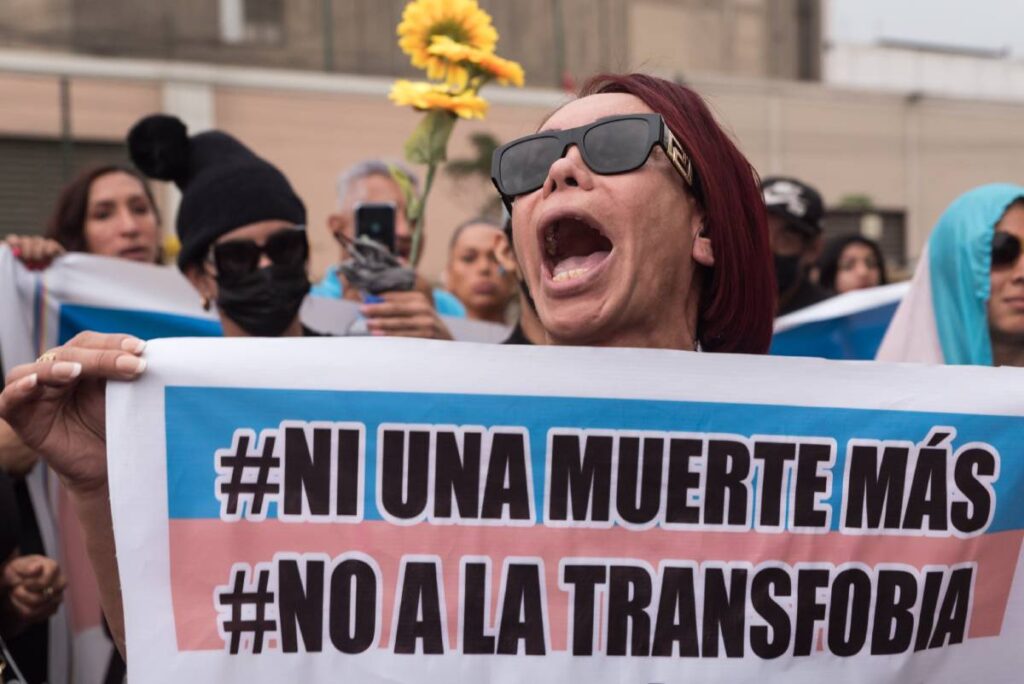
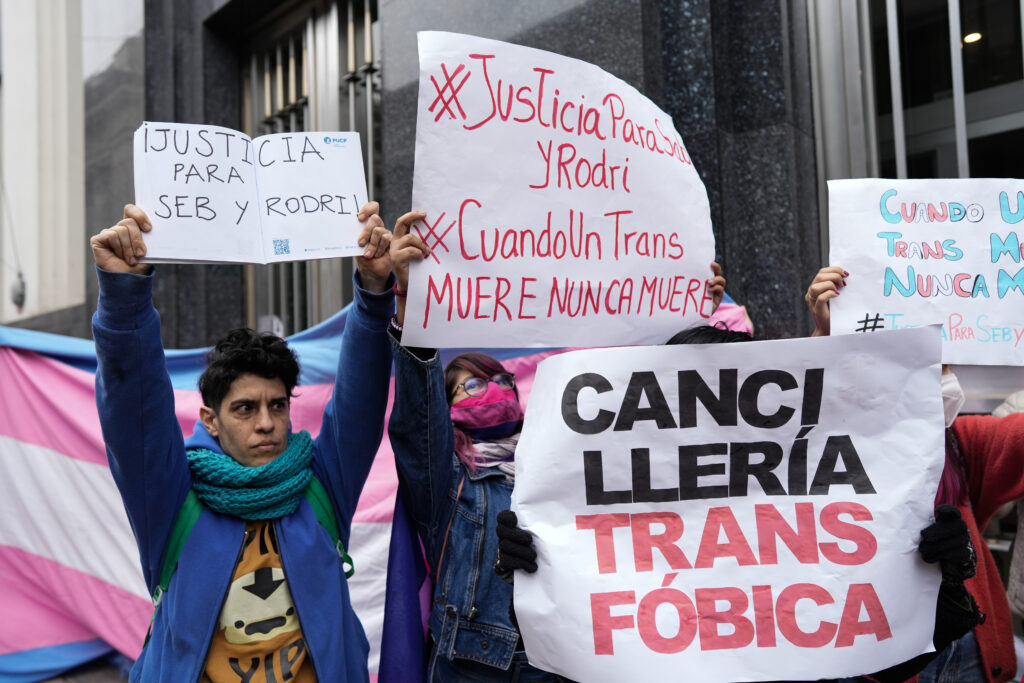
In August 2022, Rodrigo Ventocilla, co-founder and member of the Diversidades Trans Masculinas (DTM) , died while in the custody of authorities in Bali, Indonesia . To date, Rodrigo's family and friends have not found justice. They fear that the Peruvian state will dismiss the complaints filed against the Peruvian consul, Julio Tenorio, and the Indonesian police, the two responsible for the activist's death.
“The first reason Rodrigo was detained was because his legal name contradicted his appearance. If we had had a Gender Identity Law and his information had been different, Rodrigo might not have been detained by the Indonesian police. And perhaps he would still be alive,” says Sebastián Marallano, Rodrigo’s husband and a member of DTM.
Actions in the absence of a “Trans Law”
In their search for justice for Rodrigo's death, Diversidades Trans Masculinas called for a sit-in in front of the Ministry of Foreign Affairs, the entity to which Consul Julio Tenorio belongs.
Making transphobic cases visible is a way to bring these issues to the forefront for discussion and to address them with an intersectional approach. For this reason, Leyla Huerta of Féminas Perú is leading a campaign, which is already being developed by the Public Prosecutor's Office, to prohibit transgender people from using restrooms based on their gender at Jorge Chávez Airport.
“We need to advocate publicly. For example, citizen Olga Izquierdo filed a complaint to prevent trans women from entering the women's restroom at the airport. We held sit-ins, protest activities, filed a complaint with the prosecutor's office regarding the issue, and provided community education to the general population about sexual and gender diversity,” says the representative of Féminas.
From the academic perspective, the Interdisciplinary Research Center on Sexuality, AIDS, and Society at the Cayetano Heredia Peruvian University houses the LGBT Human Rights Observatory. This observatory maps cases of human rights violations against LGBT individuals, systematizes the data, and presents a report on its findings.
In reports from recent years, the observatory found that the National Police of Peru and the Serenazgo (municipal entity in charge of order in the districts) are the main perpetrators of violence against LGBT people.
Labor agreements
Maju Carrión from the TRANSformar is part of a group of leaders who have been working to integrate trans women from different districts of Lima into the workforce.
“Some activists and leaders from various organizations have come together to discuss creating a job quota that would provide employment opportunities for trans women in our communities. Thanks to the Autonomous Workers' Central of Peru, we have been able to have the space to reach agreements regarding access to employment,” Maju explains.
These are some examples of resistance and resilience from our comrades in Peru in the face of a State dominated by conservative, anti-LGBT rights authorities who deny them rights and exclude them simply for being who they are.
Photo: Courtesy of the Lima Pride March Collective.
We are present
We are committed to journalism that delves into the territories and conducts thorough investigations, combined with new technologies and narrative formats. We want the protagonists, their stories, and their struggles to be present.
SUPPORT US

FOLLOW US
Related notes

We are present
This and other stories are not usually on the media agenda. Together we can bring them to light.