

Presidential debate in Mexico: no concrete proposals for women and LGBT people
The first presidential debate leading up to the 2024 elections included a special segment on "Violence against women, non-discrimination, and vulnerable groups." Here's what Claudia Sheinbaum, Xochitl Gálvez, and Jorge Máynez had to say.



Share

MEXICO CITY . In the first presidential debate leading up to the 2024 elections in Mexico, the National Electoral Institute (INE) proposed the topic of “violence against women, non-discrimination, and vulnerable groups.” But the candidates’ responses were mere statements, some accusations and evasions, and few concrete proposals on how they intend to improve the well-being and guarantee the rights of women and vulnerable populations: children, the elderly, people with disabilities, Indigenous people, migrants, and LGBTQ+ people. Afro-Mexicans were not even mentioned.
No proposals against gender violence
Claudia Sheinbaum, from the Morena political party; Xochitl Gálvez, from the coalition between the National Action Party (PAN), Institutional Revolutionary Party (PRI) and Party of the Democratic Revolution (PRD); and Jorge Máynez of the Citizen Movement (MC) aspire to occupy the presidency of Mexico in the elections of June 2.
When asked how they intend to combat gender violence, Claudia Sheinbaum stated that in Mexico there is “zero impunity for femicides.” This assertion is misleading. According to the 2022 Findings by the organization México Evalúa, data provided by the Executive Secretariat of the National Public Security System (SESNSP) indicates that “the apparent decrease in femicides is more a product of the classification of crimes.” In other words, the violent deaths of women are not being investigated as femicides. In 2022, the national impunity rate for femicides was 88.6%.
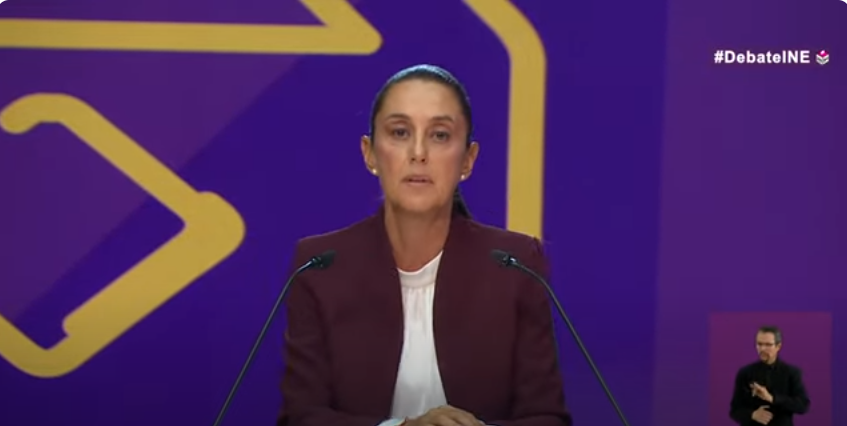
Sheinbaum also mentioned a hotline for victims. And she spoke of Mexico City as an “example” against impunity. She said that “every femicide committed will be punished.” But in 2022, in the nation’s capital, the impunity rate for femicide was 100%, according to México Evalúa.
For her part, Xochitl Gálvez spoke of God and concluded by saying that she will guarantee phone calls and psychological support to victims of gender violence in all municipalities, without explaining how.
Candidate Máynez discussed his previous work as a congressman. He proposed the creation of a national care system but did not provide any details.
No proposals to guarantee trans rights
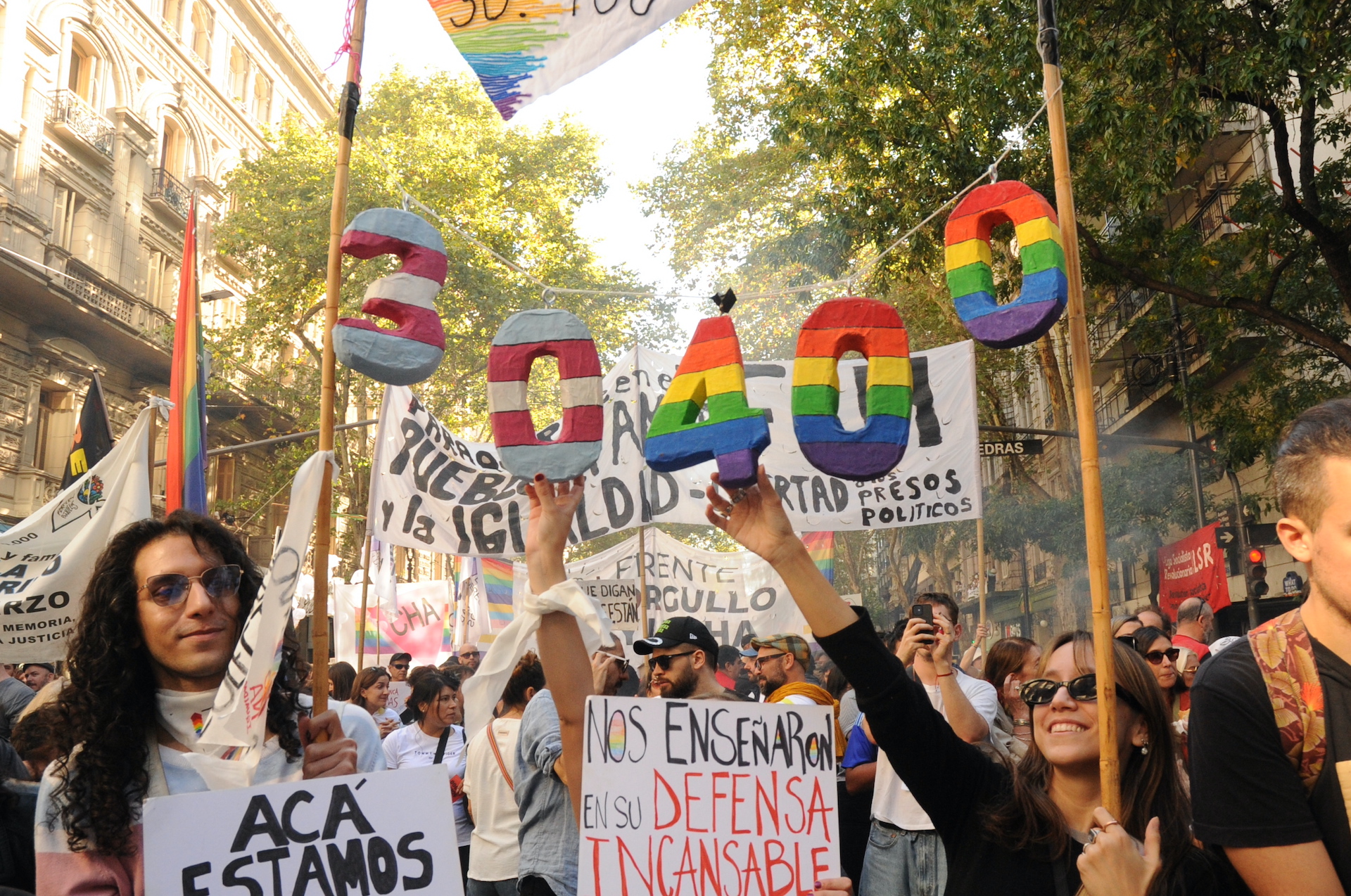
The debate included questions from the public. One question, directed to Claudia Sheinbaum, asked how she would combat violence against transgender people. The Morena candidate evaded the question, stating that hate crimes should be included in the Penal Code. “We are not only talking about the transgender community, but about everything related to discrimination,” she said.
He said that past governments (PRI and PAN) "were dedicated to discrimination." However, during Morena's six-year term, there were no actions by the federal government to guarantee the rights of the trans population.
On social media, LGBT+ people expressed their concern about the lack of proposals for the rights of this population. They also pointed to the presence of women with transphobic views on Sheinbaum's campaign team, such as Renata Turrent ; Gálvez's close ties to Senator Lilly Tellez ; and how the majority of the Movimiento Ciudadano party caucus votes against the rights of this community.
Xochitl Gálvez and Jorge Máynez have no proposals for LGBT+
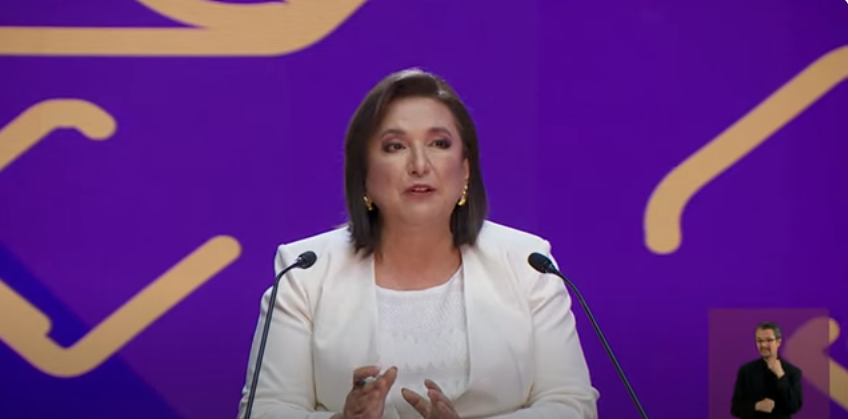
When Xóchitl Gálvez was asked what she would do to guarantee the rights of LGBT populations, she argued that she would create a criminal type of hate crimes, and recalled her vote in favor of prohibiting ECOSIG, practices that seek to repress sexual orientation and gender identity .
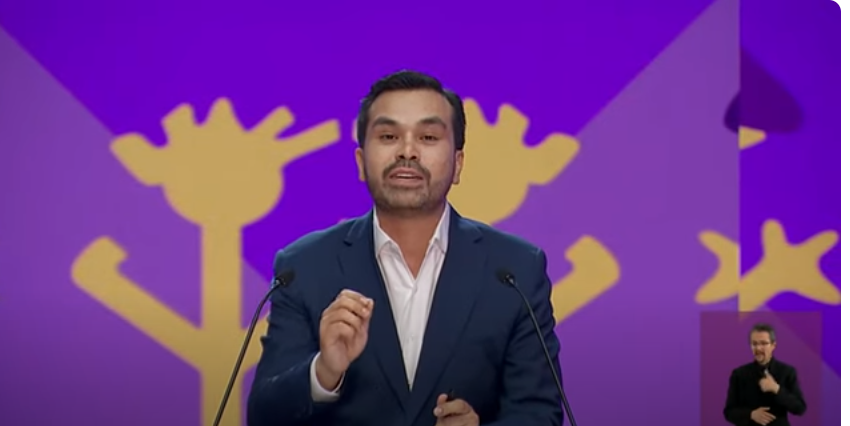
When Jorge Máynez was asked about adoption rights for lesbian and gay couples, he offered no proposals. He simply mentioned one of his political party's slogans.
No mention of sexual and reproductive rights, HIV, or comprehensive sexuality education.
The debate focused on how to finance and strengthen the National Health System. Sheinbaum used the final seconds to say that her objective is prevention, without explaining how.
Gálvez mentioned the Morena government's handling of the pandemic and the shortage of medications. But neither she nor the other two candidates mentioned the shortage of antiretroviral drugs in Mexico. Only 6 out of 10 people living with HIV have access to antiretroviral treatment, according to data from Censida.
Education was also discussed, with proposals to include English as a subject, distribute tablets, and offer scholarships. But no one mentioned comprehensive sex education. Nor did they mention sexual and reproductive rights.
There were two mentions of abortion, made by Gálvez and Máynez, without elaborating on how to strengthen this right at the national level. Claudia Sheinbaum argued that abortion “ has already been decided by the Supreme Court ” and added that we must speak “of rights in broad terms.”
Indigenous peoples, migrants and people with disabilities
The candidates promised to guarantee the autonomy of indigenous peoples, but they didn't go much beyond mere words. Gálvez said that indigenous rights are "his life's work" and that he would provide support to women artisans. Máynez commented that access to justice for indigenous people would be guaranteed in their own languages. And Sheinbaum said that the constitution would be amended "so that for the first time they are recognized as subjects of rights."
Regarding migrants, all three candidates spoke of “combating the root causes of migration” but did not say whether they would strengthen programs to protect migrants, such as unaccompanied children, women, and LGBT+ people. Nor did they elaborate on the demilitarization of migration policy.
People living with disabilities were once mentioned by Sheinbaum to say that they will be part of “rehabilitation programs”.
“Everyone kept going around the issues of migration, gender, and the LGBT population. Xochitl, from her most punitive perspective, said that a hate crime law would have to be created, and Máynez said that the ECOSIGl (a term referring to the system of sexual and gender-based violence) had already been eradicated. Claudia couldn't even say the word 'abortion.' They talk about and repeat things said by organizations and activists, like the national care system, but without giving them credit,” Ninde MolRe, a lawyer and member of México Igualitario and Abortistas mx Presentes .
And she added: “People say that citizens get the politicians they deserve. I don’t believe it. I find it regrettable. There were no proposals. That’s what their commitment to migrants, women, and LGBT+ people will be like: nonexistent.”
If you're interested in sharing any quote or information from our content on your social media or website, it's important that you properly and visibly cite us as the source (on the first line). Failure to cite properly is plagiarism.
1. At the beginning of any direct or indirect quote, cite Agencia Presentes and its author. 2. Link to the original article on our website. 3. Tag us on social media. 4. It's not appropriate to use our content to request resources for your community. 5. If you're interested in our photos and illustrations, write to us at contacto@agenciapresentes.org. Journalism is a job.
We are present
We are committed to journalism that delves into the territories and conducts thorough investigations, combined with new technologies and narrative formats. We want the protagonists, their stories, and their struggles to be present.
SUPPORT US

FOLLOW US
Related notes


We are present
This and other stories are not usually on the media agenda. Together we can bring them to light.