

Elections in Mexico: Morena does not recognize the gender identity of a trans candidate in Puebla
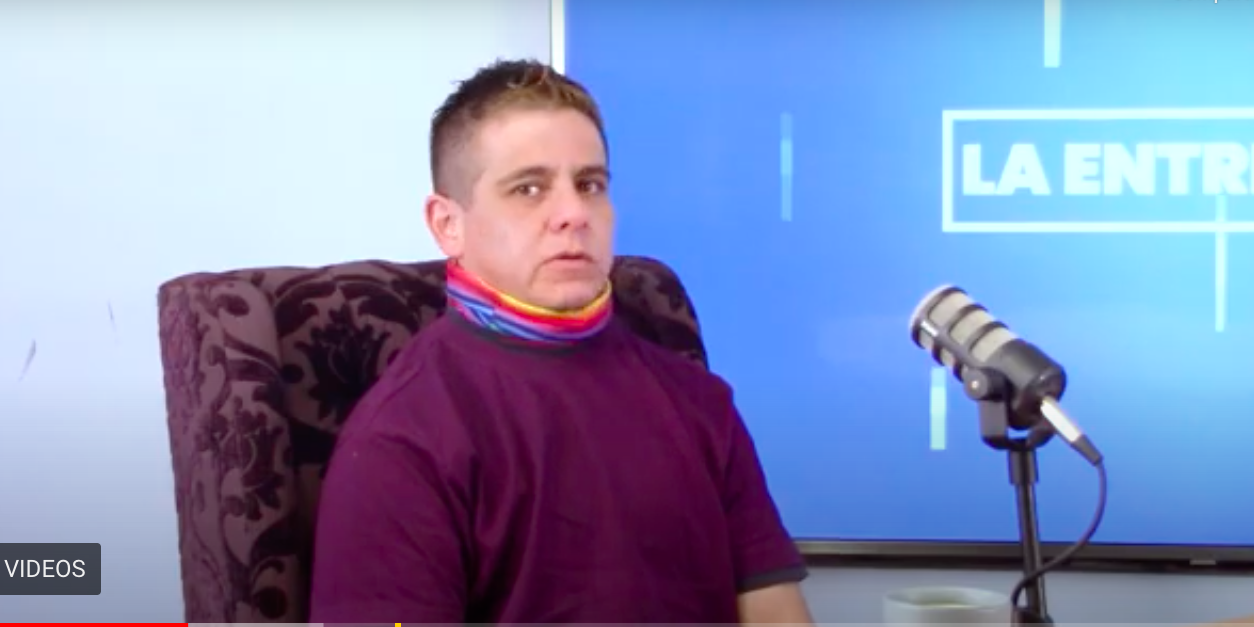
Tuss Fernández could have been the first trans man in Mexico's Chamber of Deputies, representing Puebla. But he claims he was passed over in the nomination process and that his party does not recognize his gender identity.


Share

MEXICO CITY. Activist and journalist Tuss Fernández could have been the first transgender man to serve in Mexico's Chamber of Deputies, representing the state of Puebla. However, Morena, the political party he is running for, neither respects nor recognizes his gender identity. Without explanation, they relegated him from the candidate selection process. Furthermore, despite a formal complaint, the National Electoral Institute (INE) does not consider Fernández's situation to be political violence based on gender.
Morena has not only denied Fernández's gender identity, but also fails to recognize him as a member of the LGBT+ community: his registration did not take into account that he is a trans man. The activist is not listed in the affirmative action category on the party's candidate list .
In Mexico, the National Electoral Institute has affirmative action measures that require political parties to nominate candidates from the following populations: LGBTI+ people, Indigenous people, Afro-Mexicans, people with disabilities, and Mexican migrants. Parties are obligated to place these individuals in competitive positions.
“We are not winning, but losing opportunities”
Tuss Fernández informed the National Electoral Council of Morena of his situation twice via email, requesting that his identity as a trans man be respected and considered as part of affirmative action policies. To this day, he has not received a response.
When the draw for proportional representation seats was held, Morena relegated him from 1st to 22nd place. This leaves him with less chance of occupying a seat in the Chamber of Deputies.
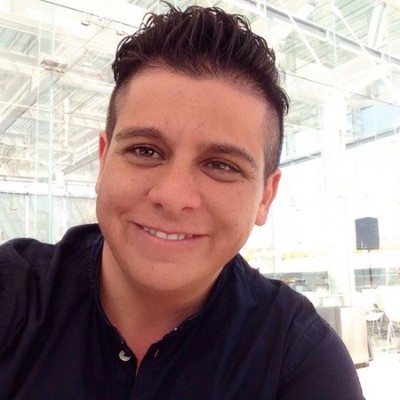
“I want to make visible what I’m experiencing, a clear example of how we’re not gaining, but rather losing spaces and opportunities. The system isn’t made for us (LGBT people). There are things that need to be improved if we want to occupy these spaces,” Tuss Fernández said in an interview.
This is Fernández's first time seeking political office, but her fight for the right to identity for transgender people in Puebla is one of the longest in the country and also one of the most bureaucratically fraught. For four years, Fernández lacked identification documents and access to basic rights because the state's institutions refused to recognize her legal gender change, which she had registered ten years earlier in Mexico City.
Without guarantee of political rights
When filling out the Morena form, in the 'gender' section, Tuss indicated 'other', as well as 'sexual diversity' in the 'vulnerable group' section. In both sections, she stated that she is not a woman and belongs to the LGBT population.
However, when Morena released its list of proportional representation deputies through a lottery, Tuss was named to occupy the first position on that list but appeared in the women's section.
The day after the lottery, Tuss appeared in the 22nd spot, registered as a cis man. Even though Fernandez registered as part of the LGBTQ+ community, Morena does not assume he is a trans man.
Activists had warned in this note in Presentes that there are no conditions to guarantee the political-electoral rights of the diverse populations that aspire to hold an electoral office.
Political violence based on gender
When it was revealed that Tuss had registered to run for federal deputy, female politicians from Puebla shared her personal information in a chat group. This sparked a series of attacks alleging that she was "usurping women's positions."
In addition, X received a threat that said: “maybe you’ll get the magistrate,” referring to Ociel Baena, the first non-binary person to hold a magistracy in the electoral judiciary in Mexico, who was murdered on November 13 along with their partner, Dorian Herrera .
Tuss reported the events to the National Electoral Institute (INE) for political violence based on gender and to the Specialized Unit for the Investigation of Crimes Committed against the LGBTQ+ community of the Puebla Prosecutor's Office.
“The INE decided that it did not constitute political violence based on gender because I am not a woman, and the Prosecutor's Office told me the same thing, it is not gender violence ,” she explains.
The only recourse Tuss had to file a complaint was for cyber harassment and discrimination. “As a trans man, that’s all you have left, all you can access. I don’t think the complaint is lost; it has its sanctions and protective measures. But that’s not the point because it was political violence, and it’s messed up that they can’t see it. This could be a precedent that gender-based political violence also occurs when you’re not a cisgender person . But today, there’s no one to verify my identity, and my identity isn’t protected by the INE (National Electoral Institute),” Fernandez explains.
The INE considers political violence based on gender as "those actions or omissions that are directed at a person because of their gender, and that have a differentiated impact compared to other people, affecting them disproportionately, undermining or nullifying their political-electoral rights."
Despite this, what Tuss Fernández reported is not enough for the INE.
“I’m adrift and in a dilemma because, of course, I want to speak out, but I also don’t want to make myself so visible. I’m afraid. What happened to Ociel wasn’t a coincidence. Visibility, speaking out, wanting to change things puts you in a certain position. If they come and kill me today, no one will think it could have been because of this. I tried,” says Fernández. And she warns: “If there are no precedents that allow us to change things, we’ll continue in the same situation.”
We are present
We are committed to journalism that delves into the territories and conducts thorough investigations, combined with new technologies and narrative formats. We want the protagonists, their stories, and their struggles to be present.
SUPPORT US

FOLLOW US
Related notes
We are present
This and other stories are not usually on the media agenda. Together we can bring them to light.