

A documentary tells the story of two trans survivors detained and tortured during the Argentine dictatorship
"Where Memory Dwells" is a documentary that tells the story of Julieta González and Fabiana Gutiérrez, survivors of the clandestine center Pozo de Banfield.


Share

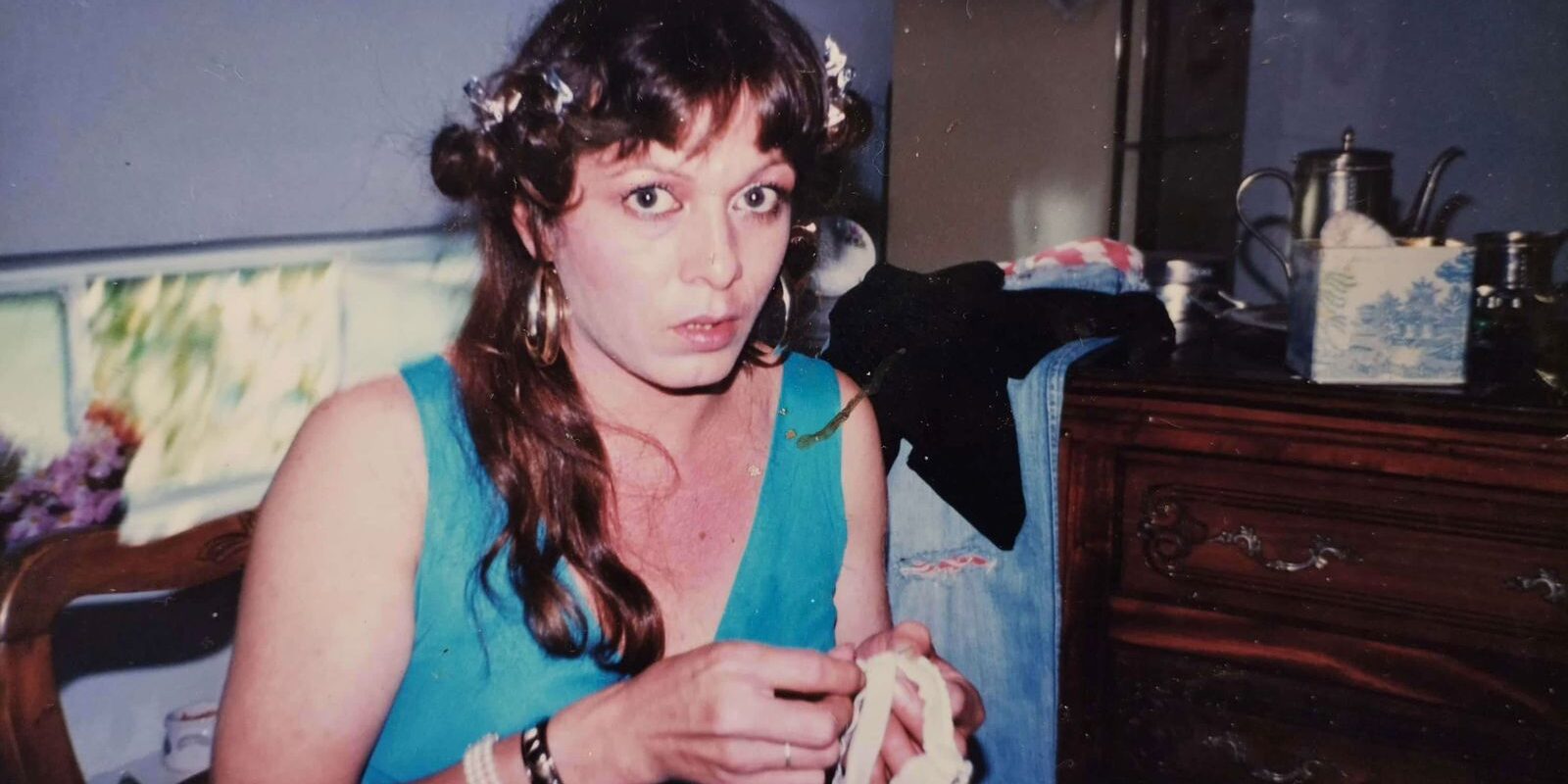
“There’s Judith, I was with her at the Banfield Detention Center. This is me, Mosca Tse Tse, Carla Pericles, and Marcela Ibañez in San Fernando Square. This was during the height of the dictatorship.” Julieta Alejandra González, known as “La Trachyn,” holds a black and white photo of herself and her friends, posing in summer attire, between her pastel pink fingernails. The image is from the documentary Where Memory Dwells , an audiovisual production that condenses part of the lives of Julieta and Fabiana Gutiérrez, two trans survivors of the last civic-military dictatorship, illegally detained at the former Clandestine Center of Detention, Torture, and Extermination (CCDTyE) “Banfield Detention Center” between 1976 and 1977.
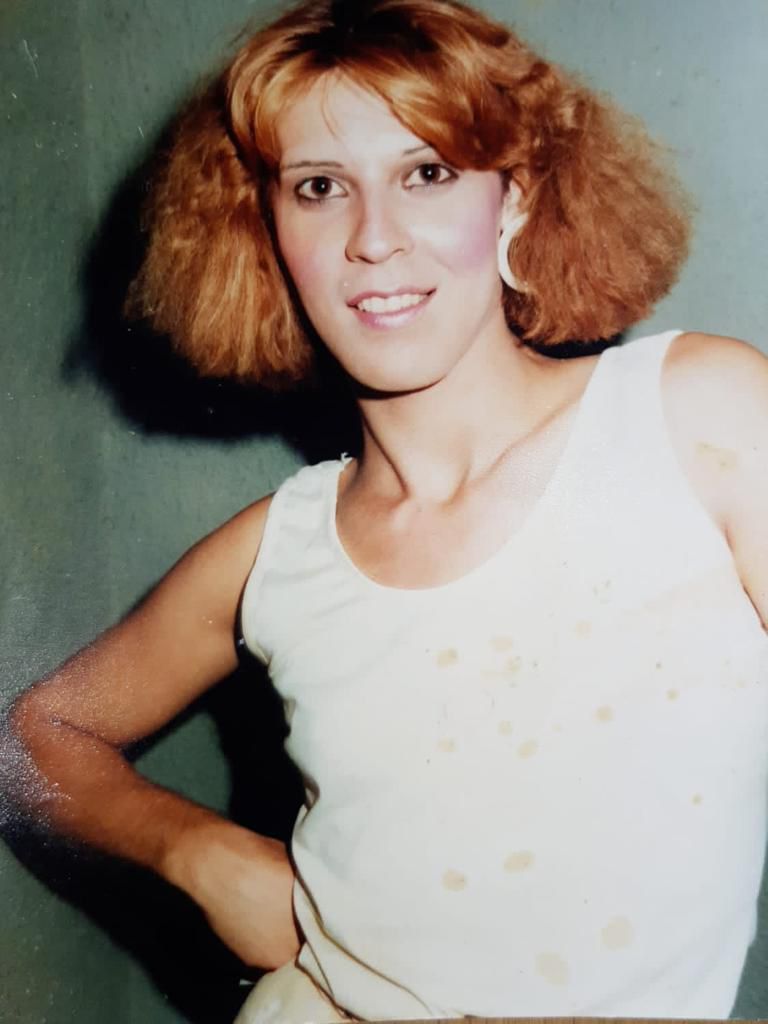
“So many of my comrades are gone now, those who were detained in this Well. It was a Well of Terror for us,” Fabiana says in a fragment of the short film. Around 440 people were held captive in the Banfield Well, of whom 170 were murdered or disappeared.
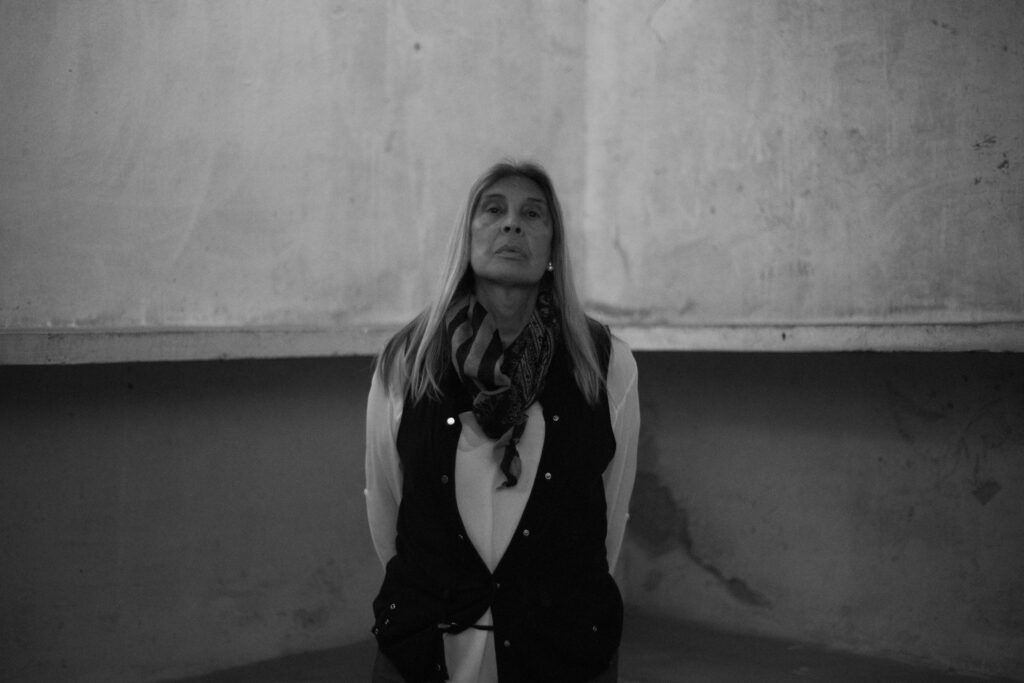
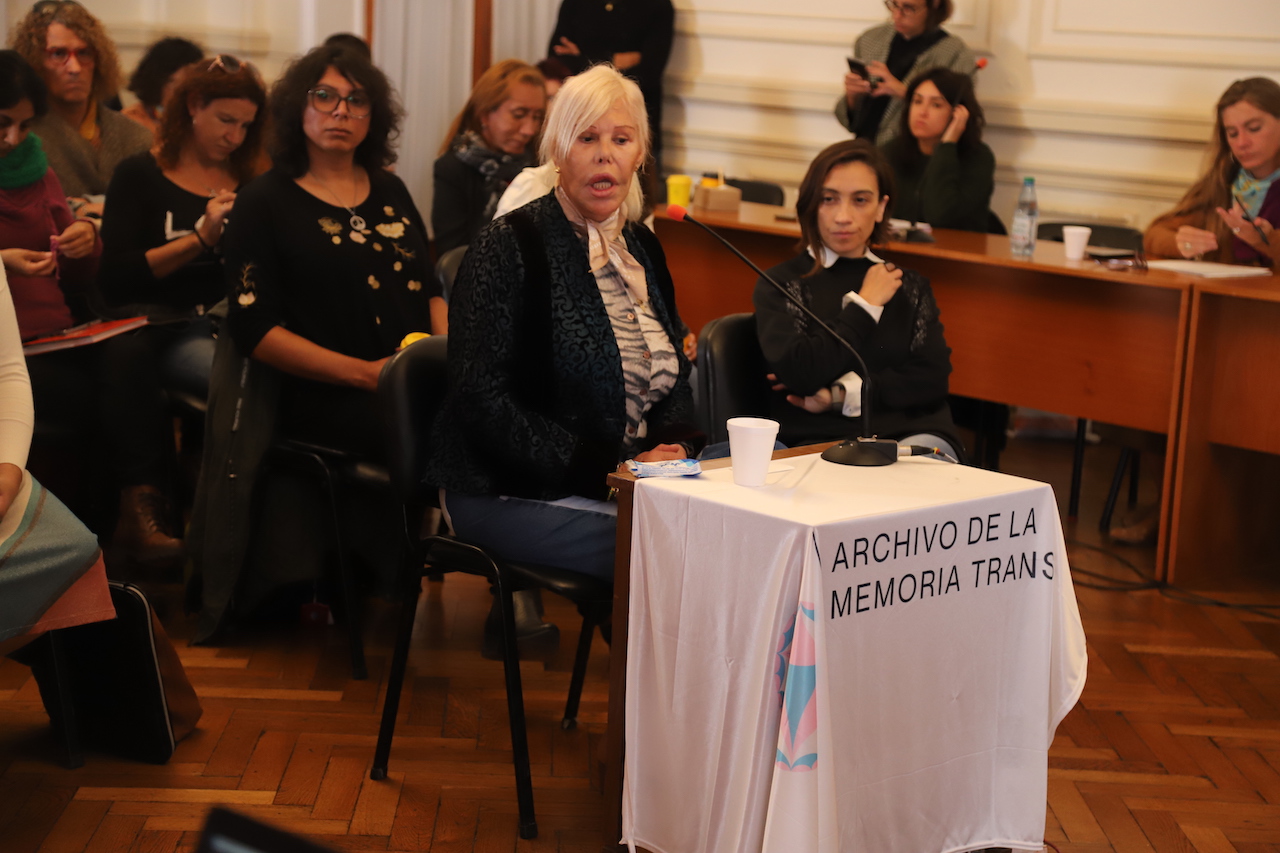
In April 2023, five trans women and transvestites who survived the dictatorship—including Fabiana and Julieta— testified for the first time in a trial for crimes against humanity, detailing the torture and abuse they suffered during the State Terrorism. The verdict will be read next Tuesday at 1:30 p.m. in the Federal Oral Court No. 1 of La Plata, in this case, which is judging the crimes perpetrated in the brigades of the southern suburbs of Greater Buenos Aires, known as the Brigades Case.
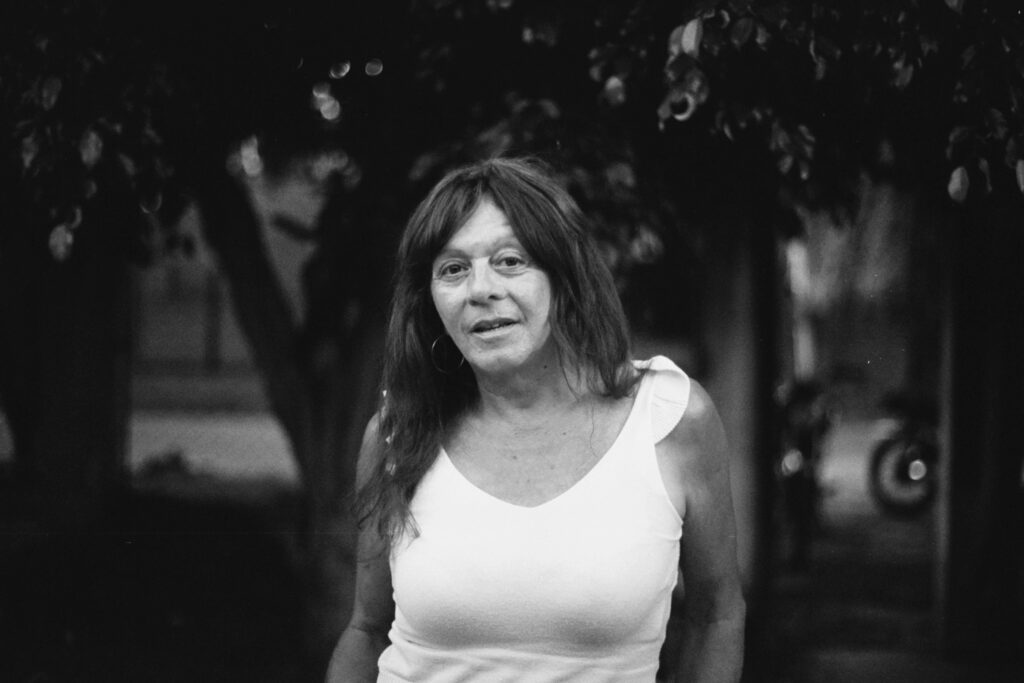
“No one should ever again have to be in those places, feeling like they owned your life, that they treated you like garbage, that they raped you. And you couldn't say anything about it. Today, being able to tell my story is a bittersweet joy. It's justice,” Trachyn, who is currently active in the Association of Transvestites, Transsexuals and Transgender People of Argentina (ATTTA), Presentes .
Stories that speak for others
The documentary is a thesis project for a Bachelor's degree in Communication Sciences at the University of Buenos Aires , directed by María Clara Olmos and Carolina Musso. It was presented last week at the Pozo de Banfield former clandestine detention center (CCDTyE) in Lomas de Zamora, Buenos Aires province. The protagonists—Fabiana for the first time since the return of democracy—returned to this site in various scenes of the film.
“A key decision was to focus on these two women, to make them the protagonists, and to let their stories guide the documentary. While their stories are unique and individual, they reflect the stories of so many other members of the collective. We believe that the collective lies within the individual,” Olmos, a communicator and journalist with the Télam news agency Presentes .
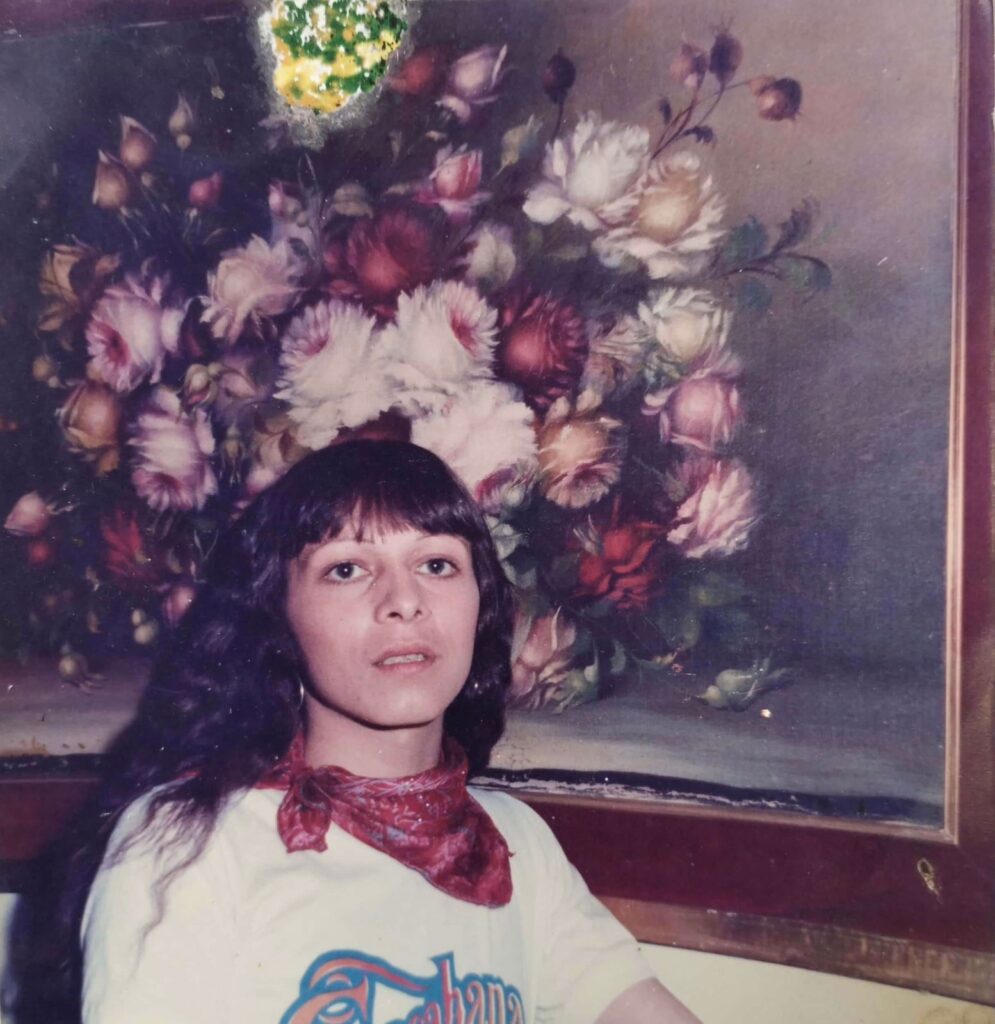
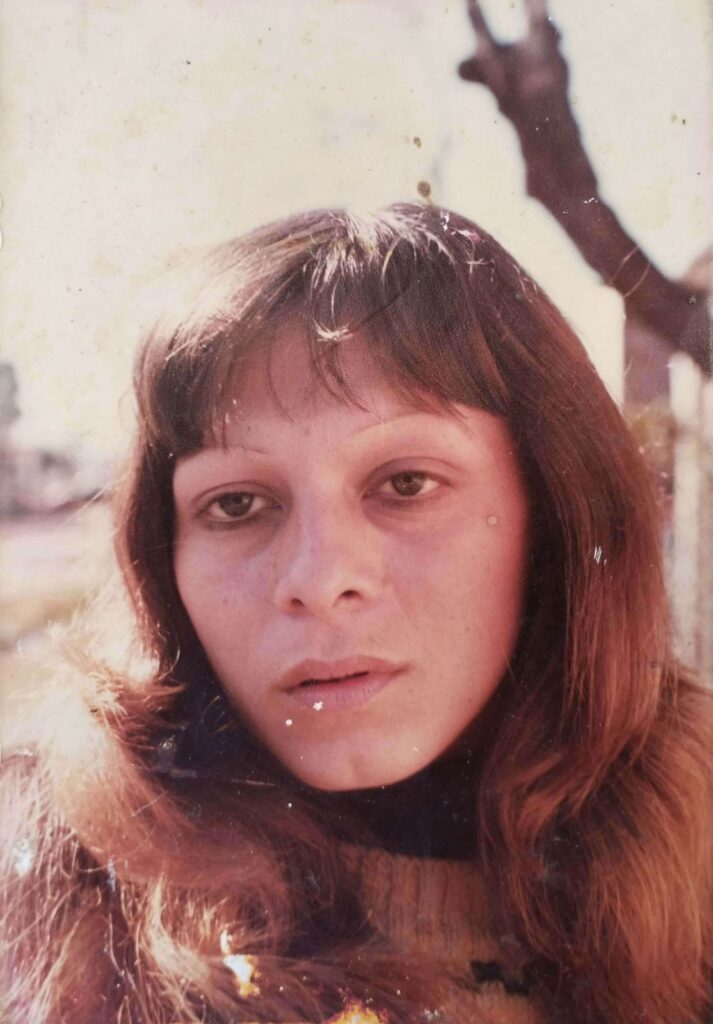
Throughout the documentary, both women recount their experiences during their illegal detentions: physical and psychological torture, sexual abuse, and forced labor. “ They enjoyed making us suffer in an absurd way. I don't know what they hoped to achieve with this situation. It was an obsession they had. They used their power against us, they hurt us terribly. Those who were braver than me, who knew how to defend themselves, they made them disappear. We couldn't have a purpose, a reason to live,” Fabiana told Presentes, in a call from Italy, where she went into exile in the 1980s. She was 14 when she was first arrested and is now 62.
Their memories are not only focused on what they experienced firsthand, but also on what they observed or heard about the other detainees. “ Every day of my life I see that young girl I saw locked in a cell. I see that face of sadness, anguish, pain, as if saying, 'Why me? Why am I in this place ?' Nothing justified that girl being there. Today, I am her voice and the voice of those boys who asked us from above, 'Where are we?' We would say, 'In the Banfield Metropolitan Area,'” Julieta recalled.
At least 30 pregnant women were detained at El Pozo, according to existing records. Between 1976 and 1977, a clandestine maternity ward operated there, where at least eight babies were born, six of whom recovered their identities . Survivors still remember the cries of some of them to this day.
Denialism and the need for reparation
The documentary premiered just days before March 24, the National Day of Remembrance for Truth and Justice, which commemorates the victims of Argentina's last dictatorship. At a time when President Javier Milei denies that there were 30,000 disappeared persons and Vice President Victoria Villarruel promotes the "two demons" theory , the short film offers a different perspective.
“In the current socio-political context, with a government that has explicit denialist and even pro-dictatorship elements, like Milei’s, there is an emphasis on the circulation of discourses that once again call into question the systematic plan of human rights violations implemented during the dictatorship. We believe that the documentary can contribute to demystifying these discourses by telling the story of what Julieta and Fabiana experienced simply for being who they are,” said Musso, a technician in Cinematography and film camera operation from the Universidad del Cine .
The documentary was made with the guidance of advisors Eduardo Morales, Silvina Manguía, and María Rosa Gómez, professors at the Faculty of Social Sciences. “This work was not only our undergraduate thesis, but also a synthesis of our entire experience in the Communication program in particular and at the public university in general, which has given us so many tools to continue building and contributing to the memory of our country,” Olmos shared.
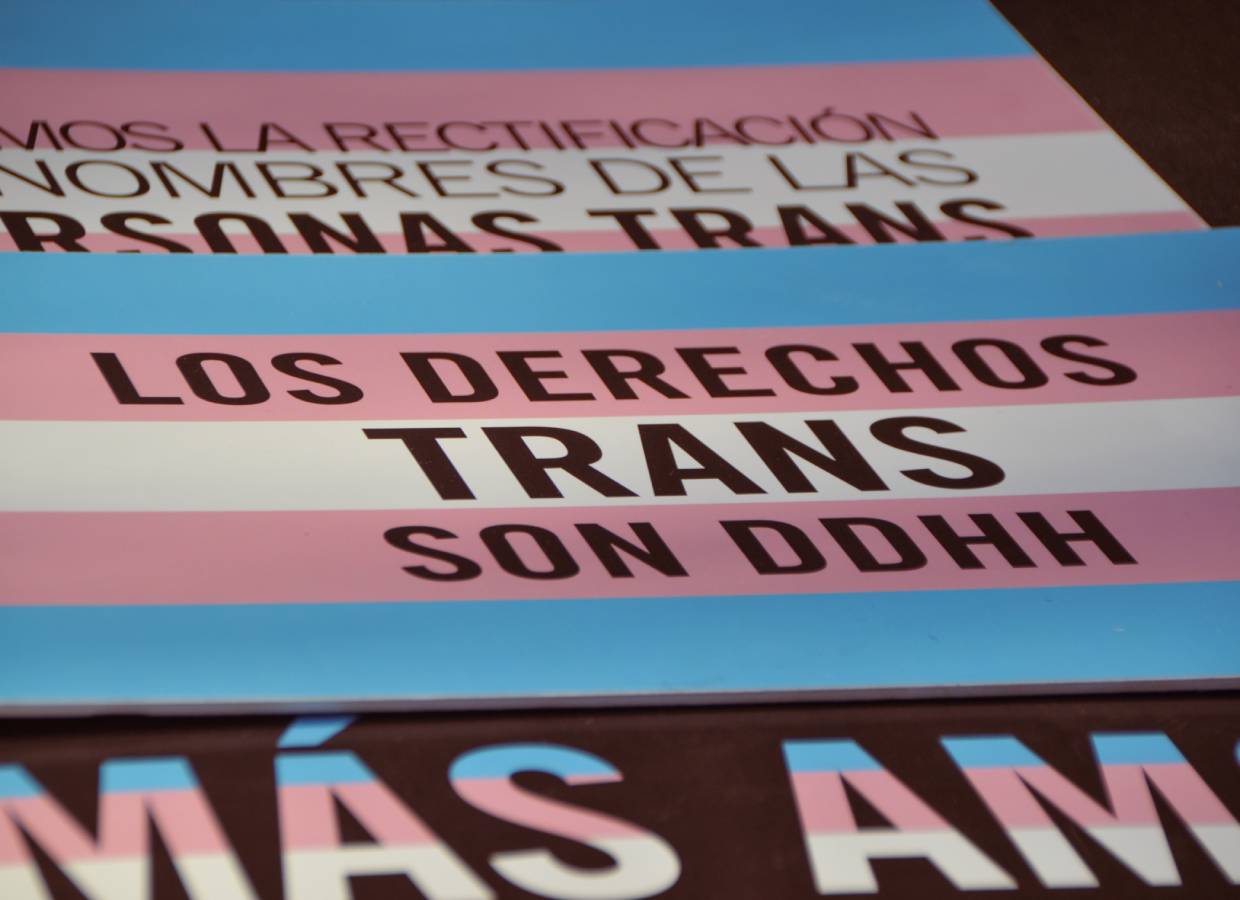
Given their experiences, Julieta and Fabiana, in conjunction with the trans and travesti activist movement, are demanding recognition. This recognition consists of monetary reparations for all older women who have suffered institutional violence . They are also calling for the passage of the Comprehensive Trans Law , which aims to guarantee the social inclusion of the trans community and the full exercise of their rights.
“We were attacked, but we refused to be attacked because we continued fighting, we continued believing in ourselves. I know that all my colleagues who are no longer with us would have done the same as I am doing: providing information so that people know,” Fabiana concluded.
We are present
We are committed to journalism that delves into the territories and conducts thorough investigations, combined with new technologies and narrative formats. We want the protagonists, their stories, and their struggles to be present.
SUPPORT US

FOLLOW US
Related notes
We are present
This and other stories are not usually on the media agenda. Together we can bring them to light.