

March 8: Massive embrace of feminisms in unity against the regressive policies of the Milei government
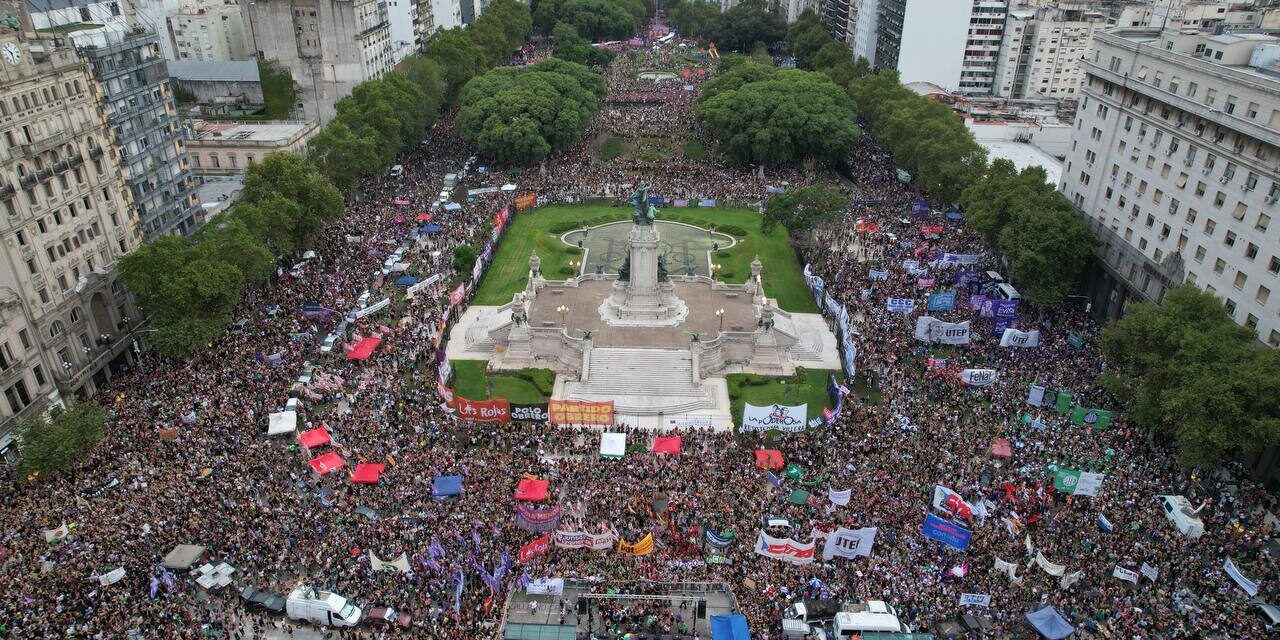
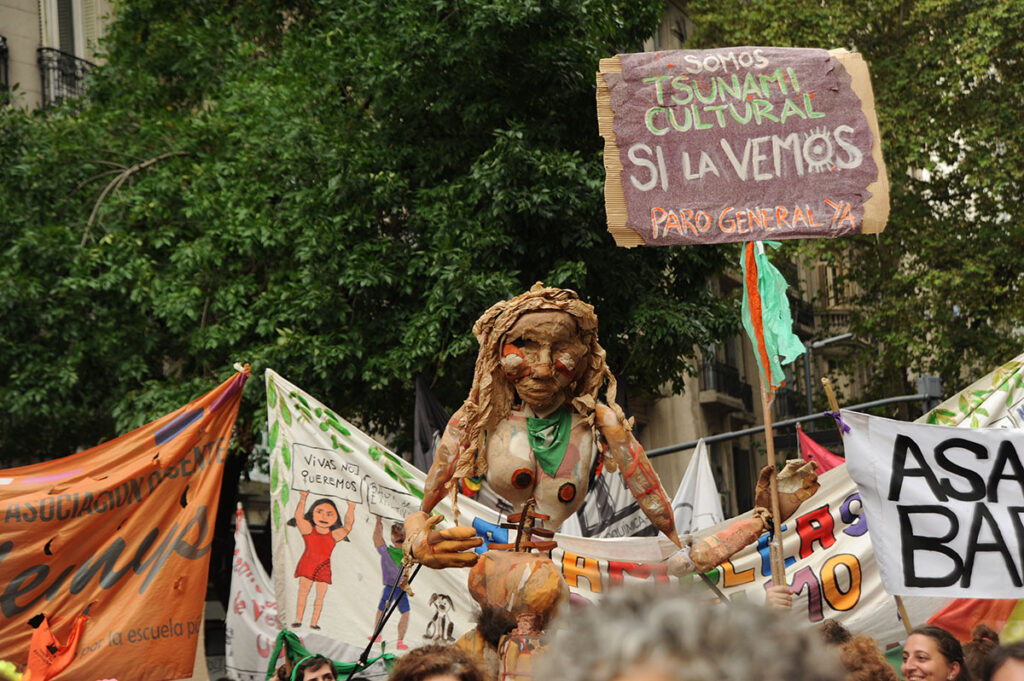
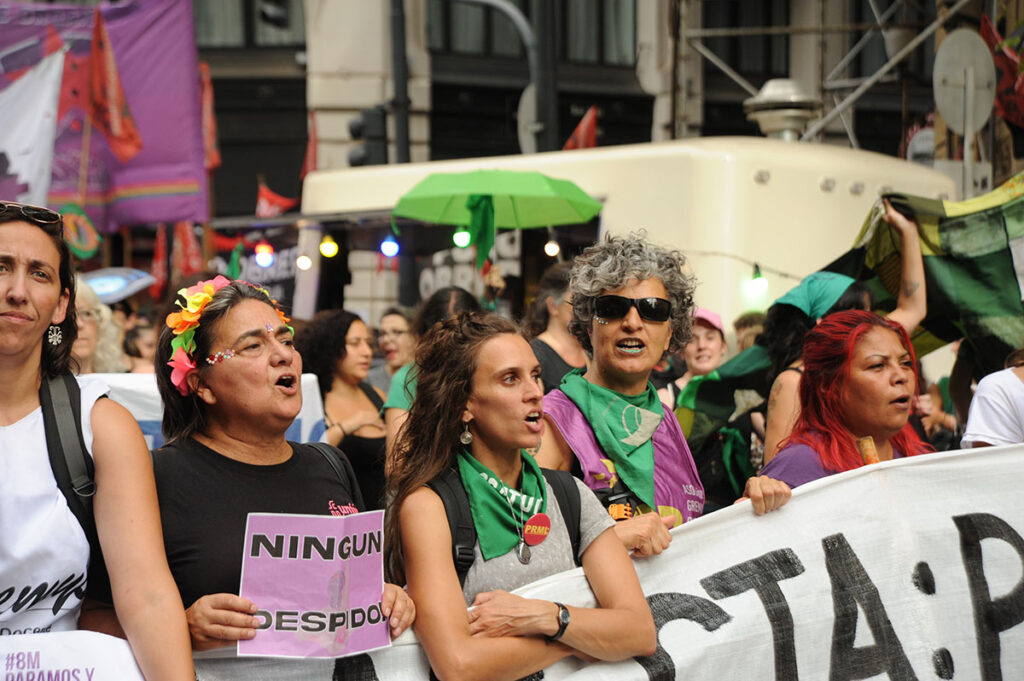
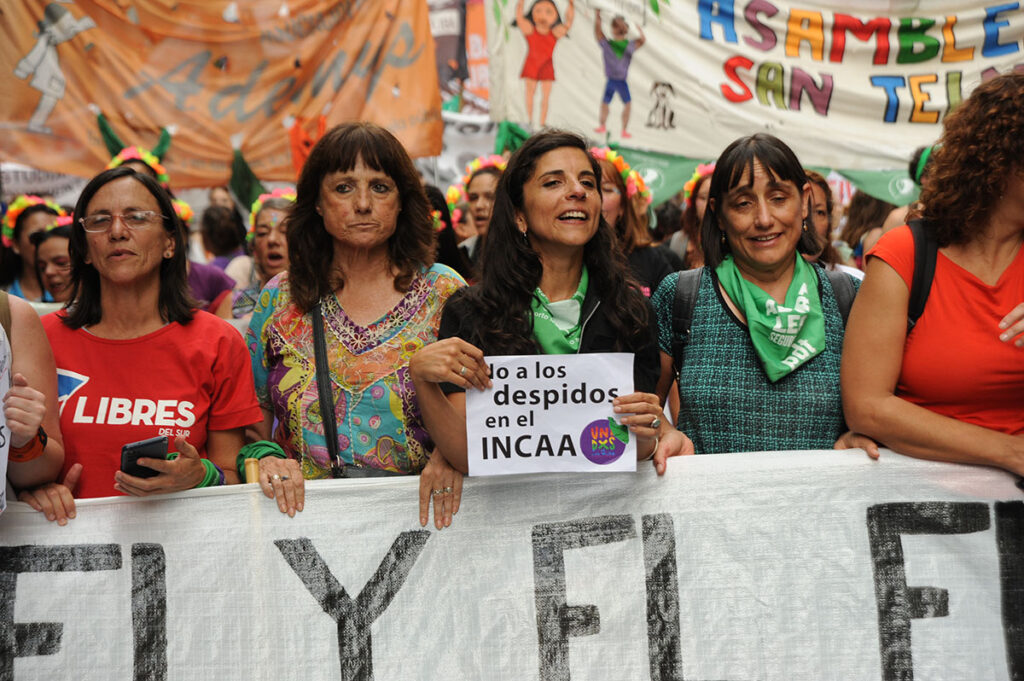
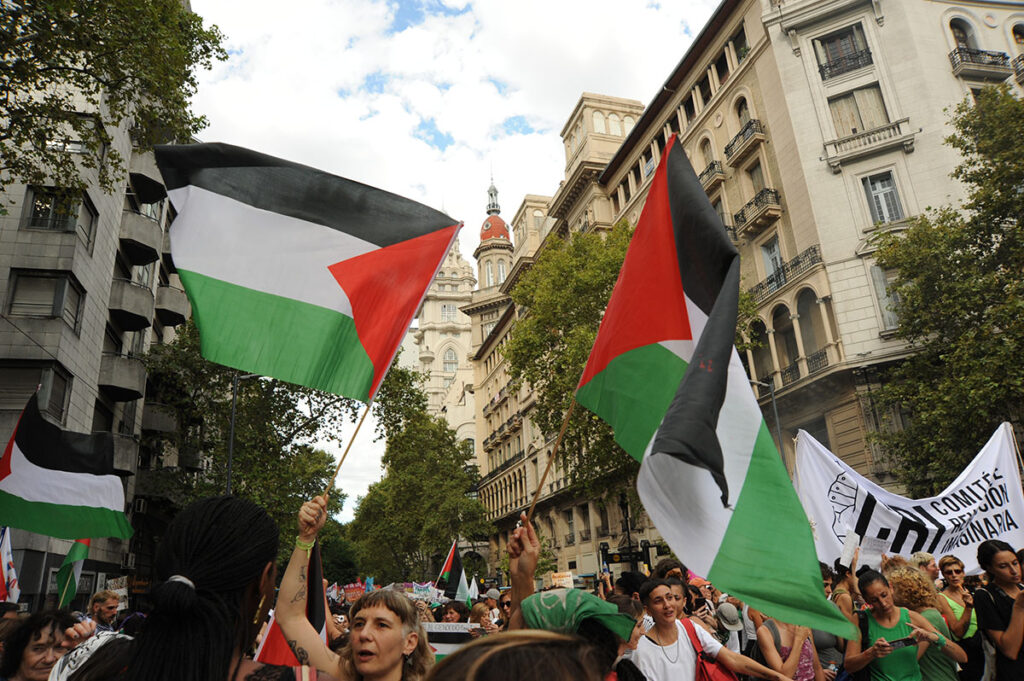
In the City of Buenos Aires and in various parts of the country, a multitude of women and diverse people demonstrated this March 8 against the austerity policies and setbacks in rights of the government of Javier Milei.


Share

Collaborative coverage by Agencia Presentes and Tiempo Argentino. Opening photo: Lucía Hernández
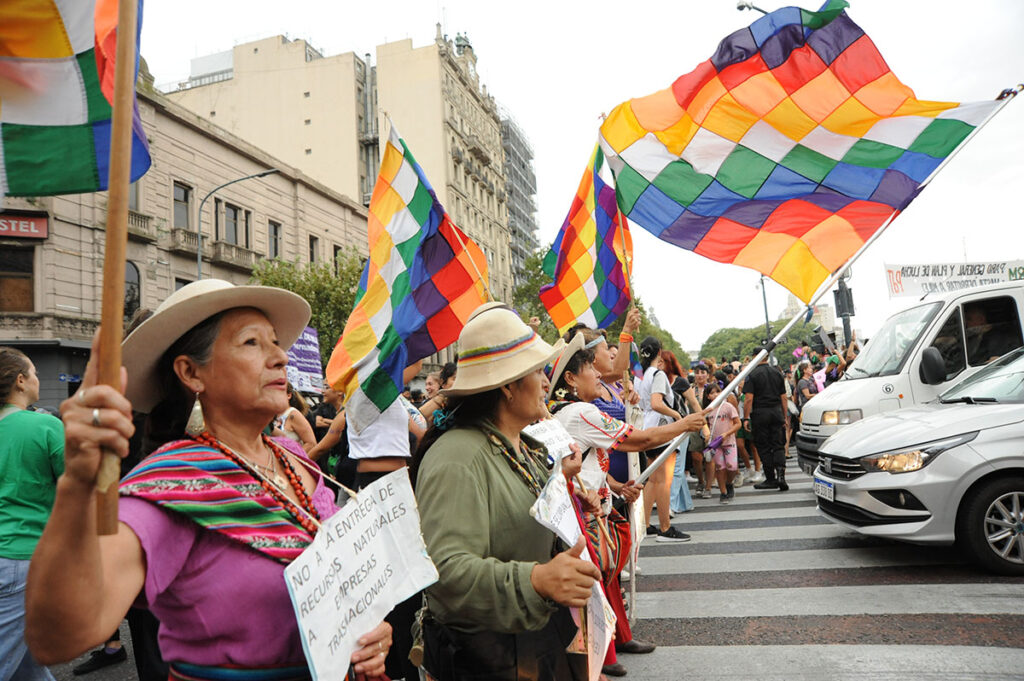
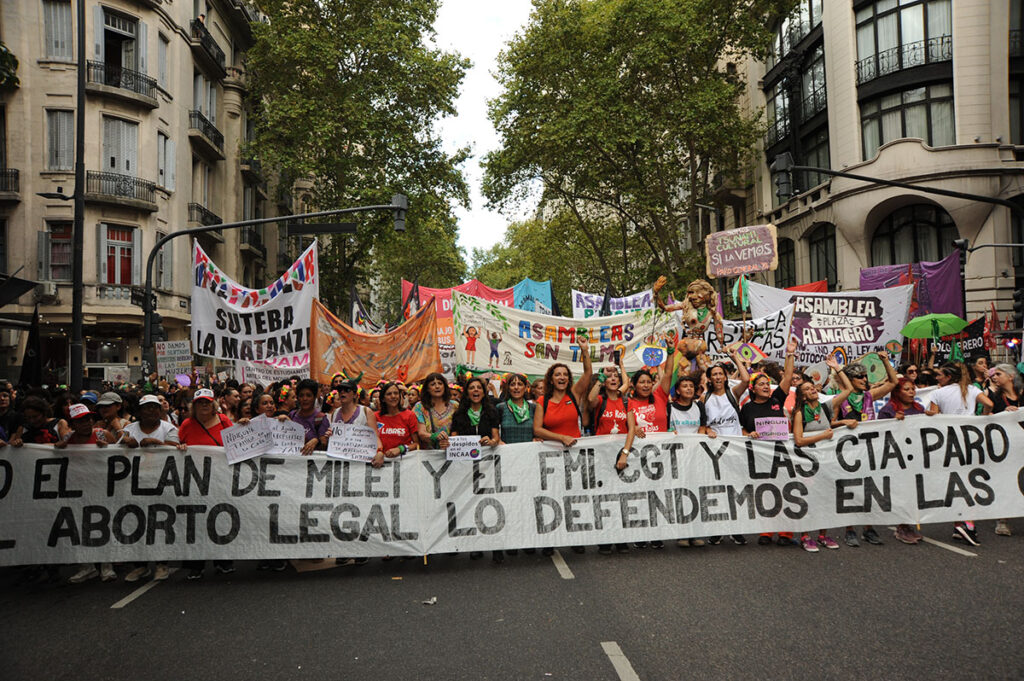
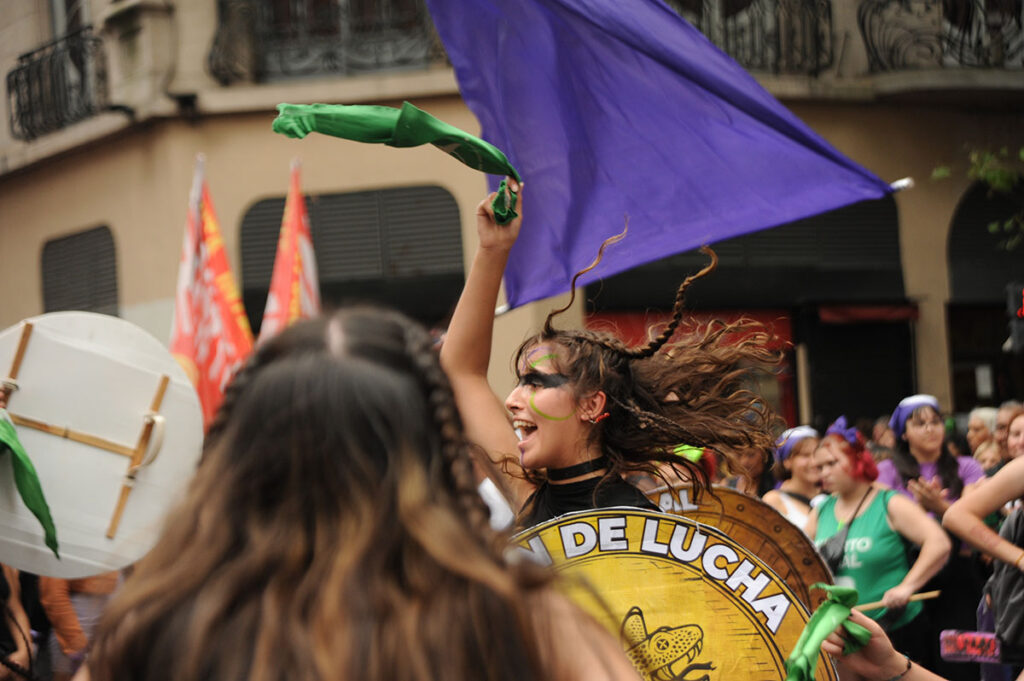
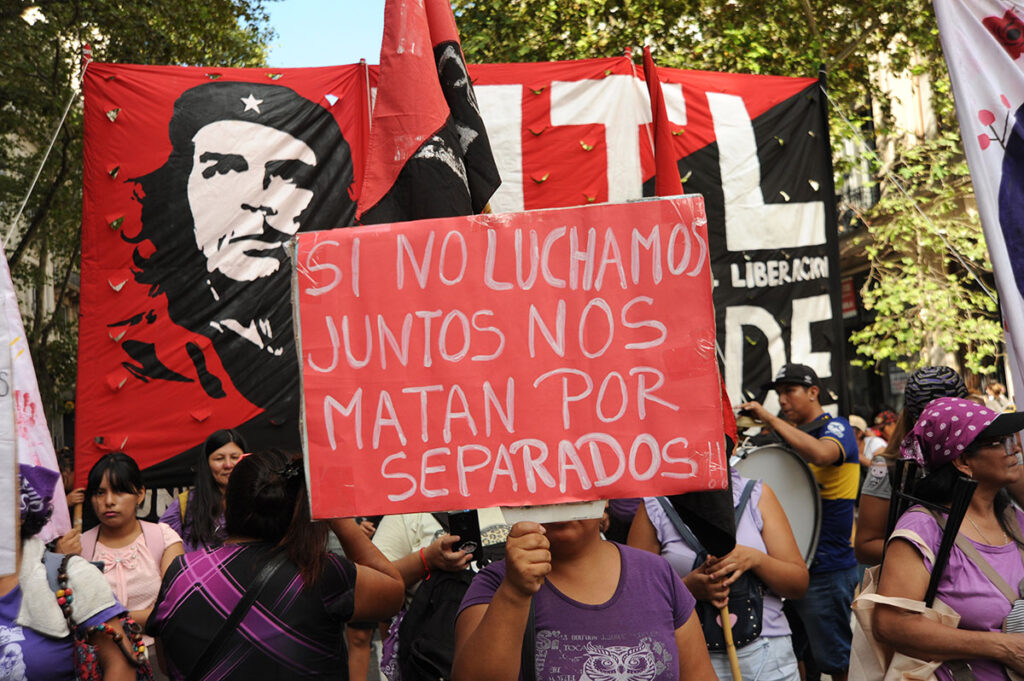
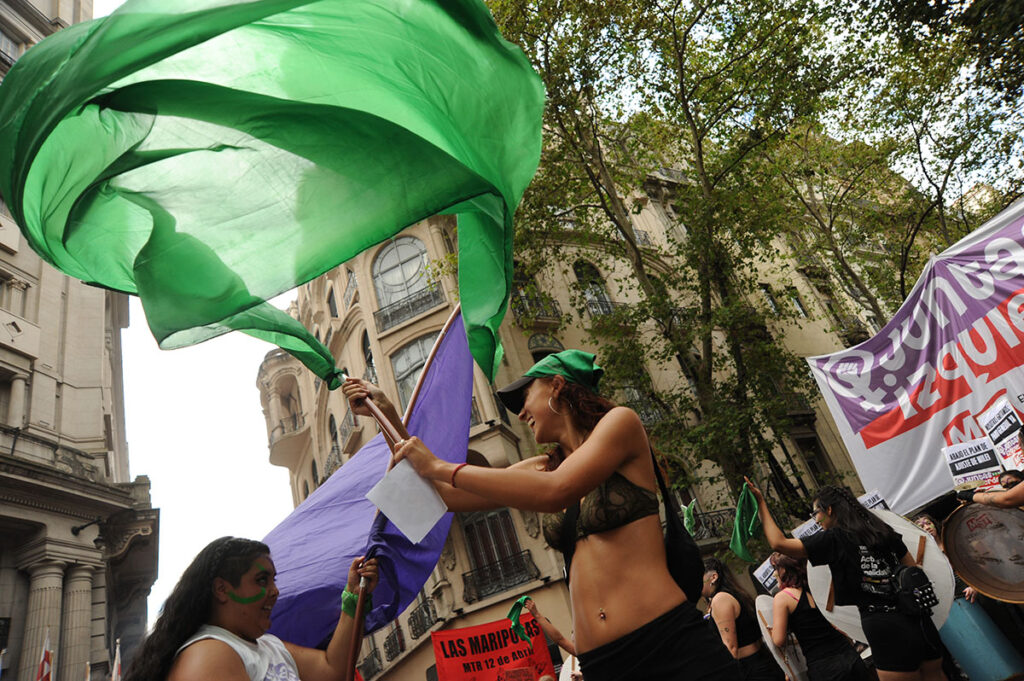
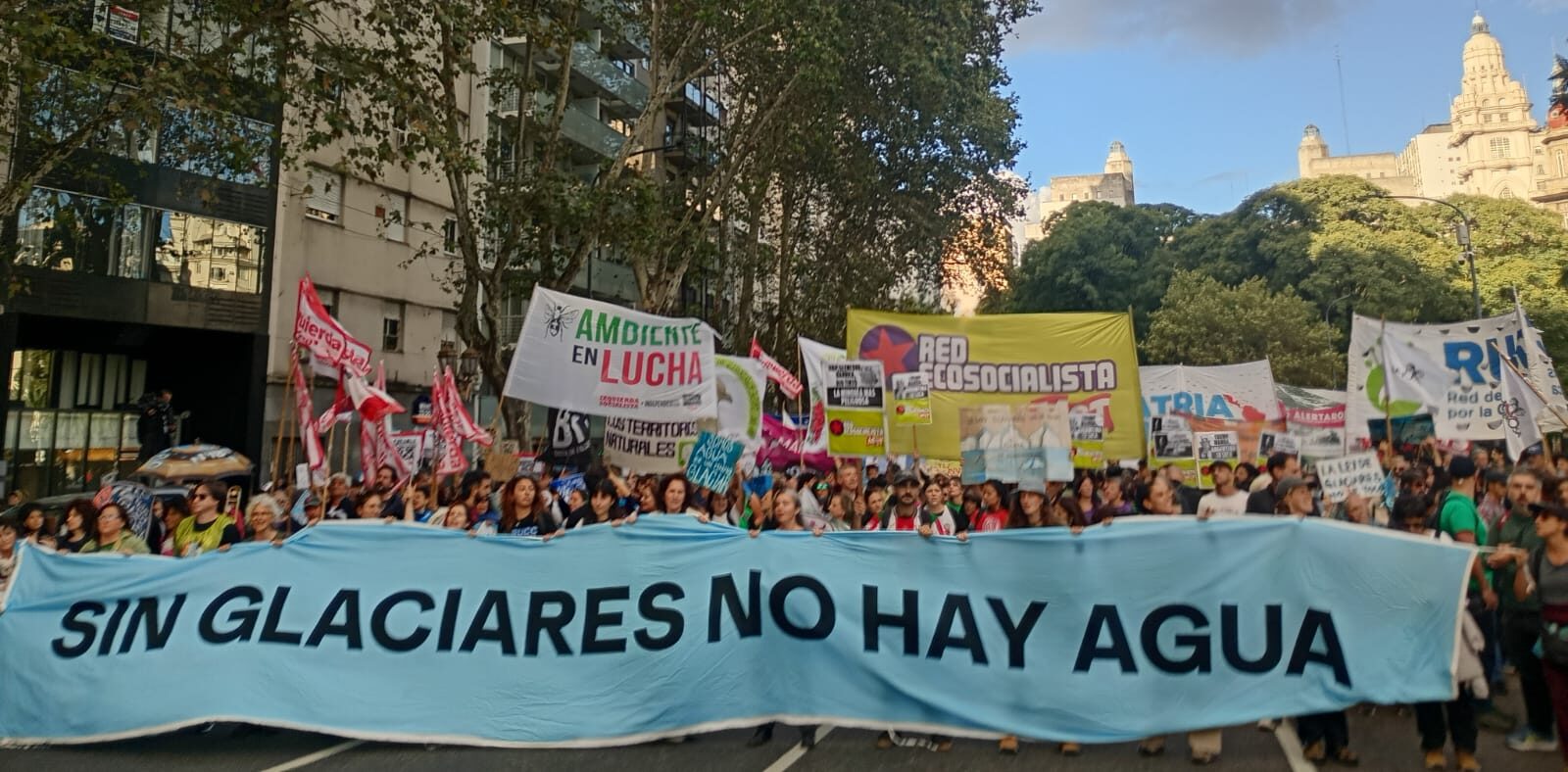
BUENOS AIRES, Argentina. A diverse and anti-patriarchal wave gathered in front of the National Congress on March 8 to commemorate and demand rights on International Women's Day. It was a day of renewed mobilization and collective organization, reminiscent of the massive turnout that has characterized Argentina's feminist movements throughout the years.
The economic adjustment of Javier Milei's government, the attack on feminism and the gender agenda, along with the advancement of a policy based on the violation of rights, were the key factors in bringing together all sectors of feminism once again and massively, in the streets and in the document that was read during the afternoon at the close of the day in the City of Buenos Aires.
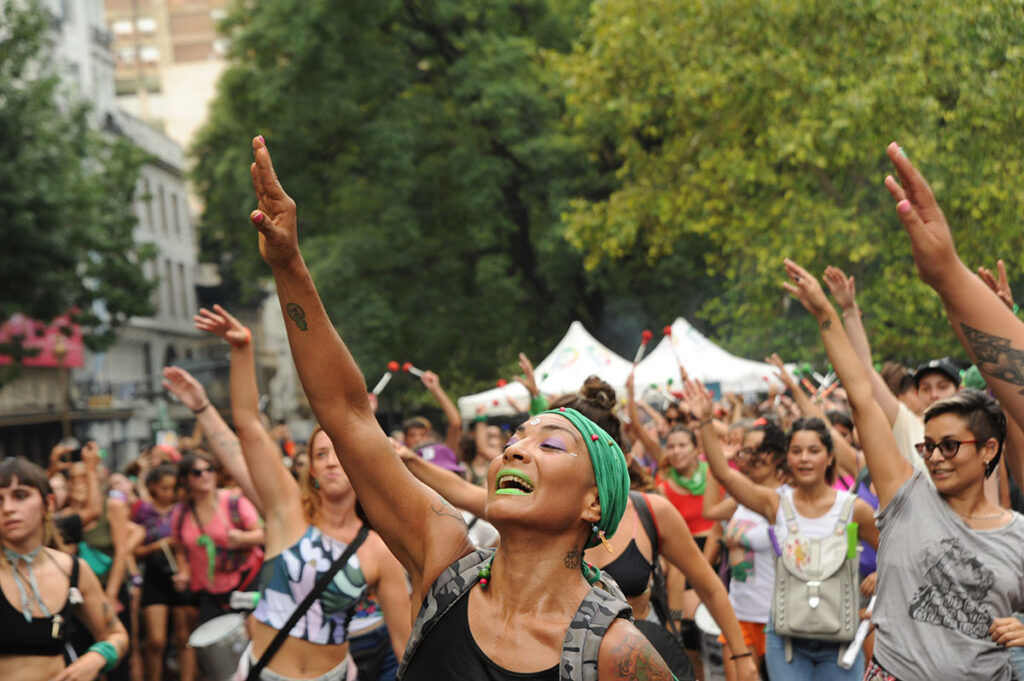
It was a day of collective embrace, reunions, and smiles. Reclaiming the joy and power of being in the streets and together was the spirit of this gathering. According to Ni Una Menos, approximately 400,000 people participated in the march.
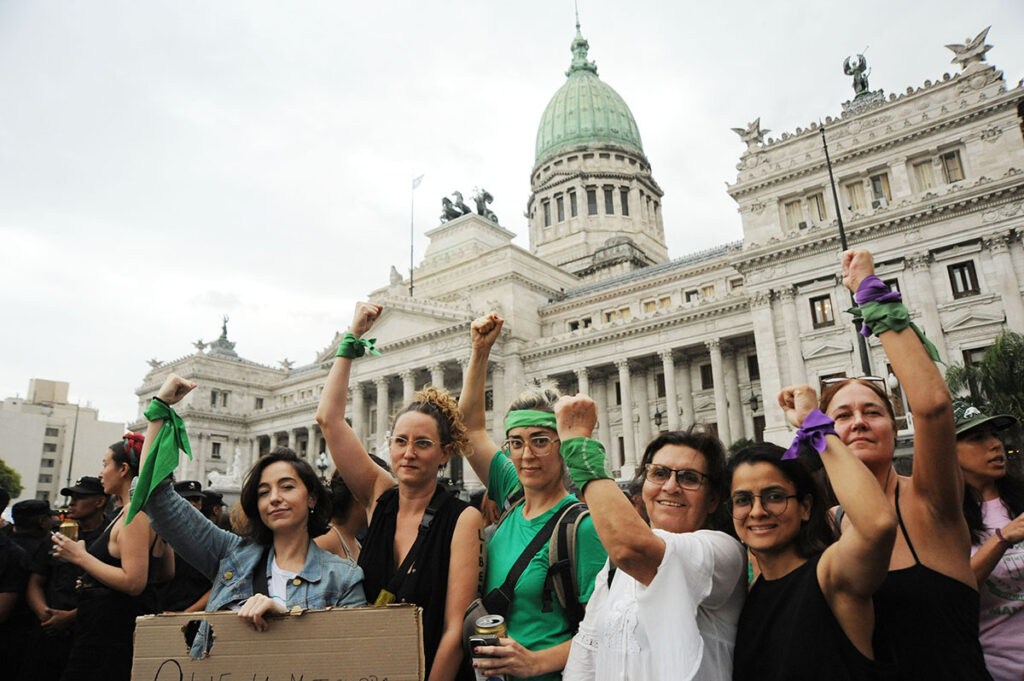
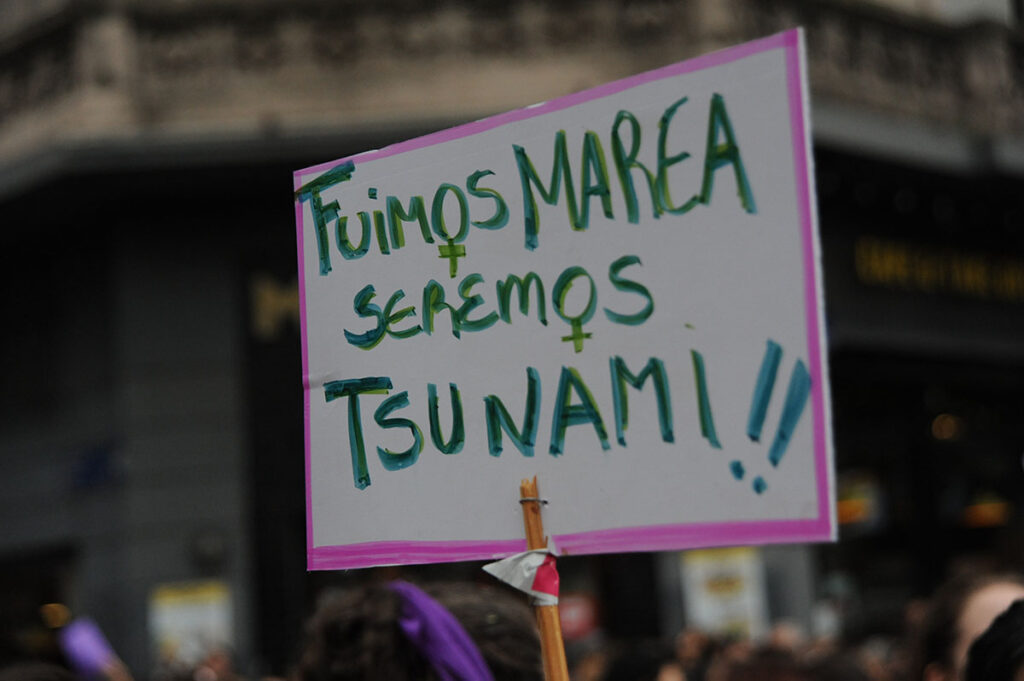
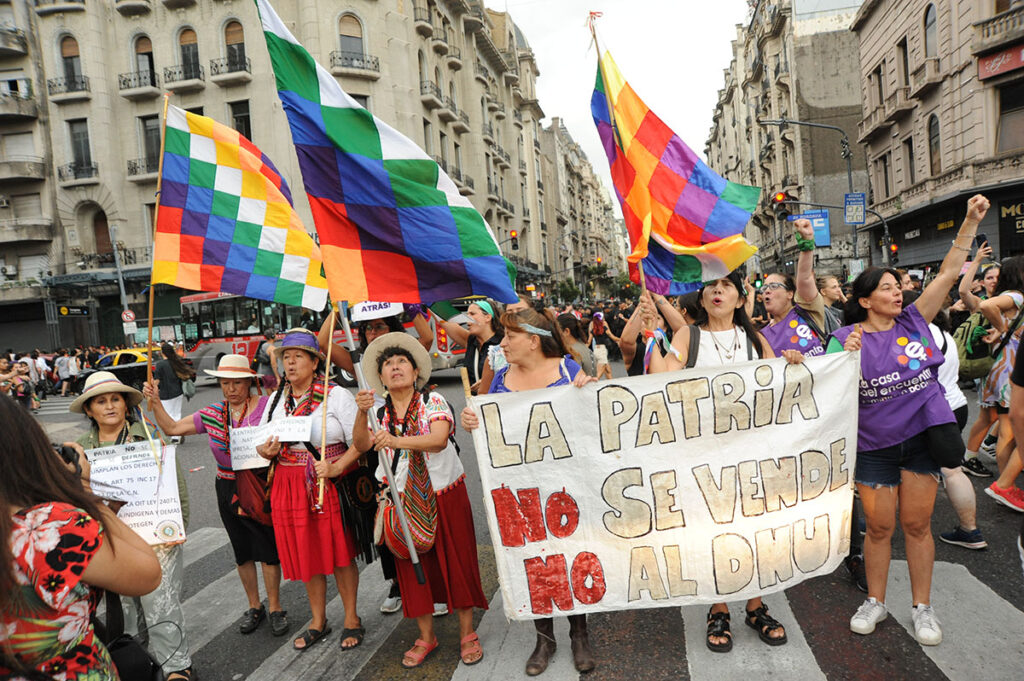
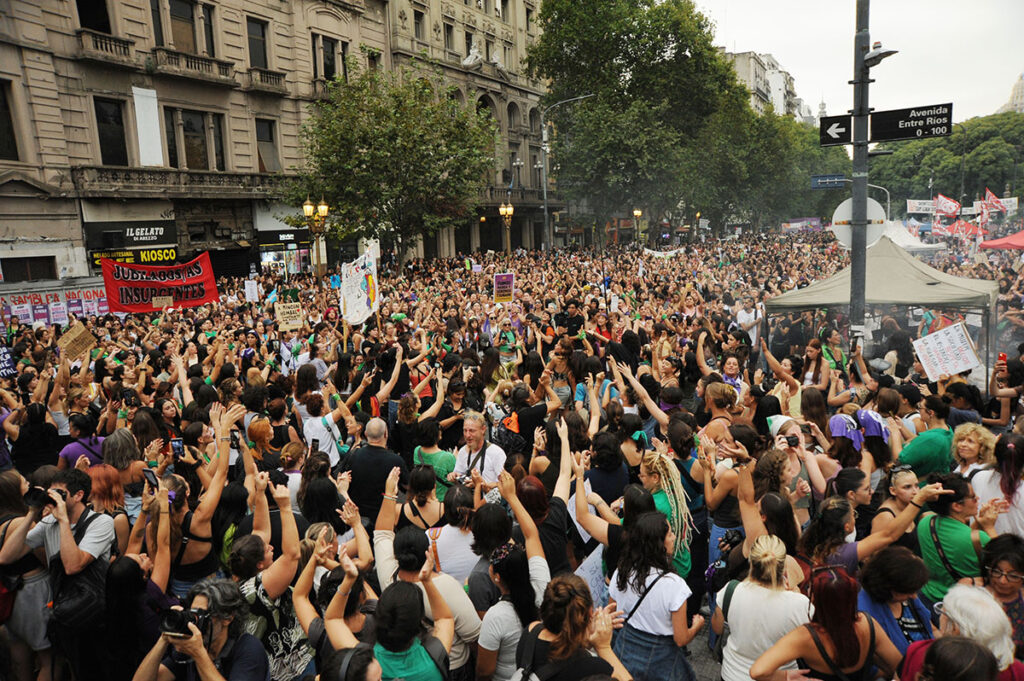

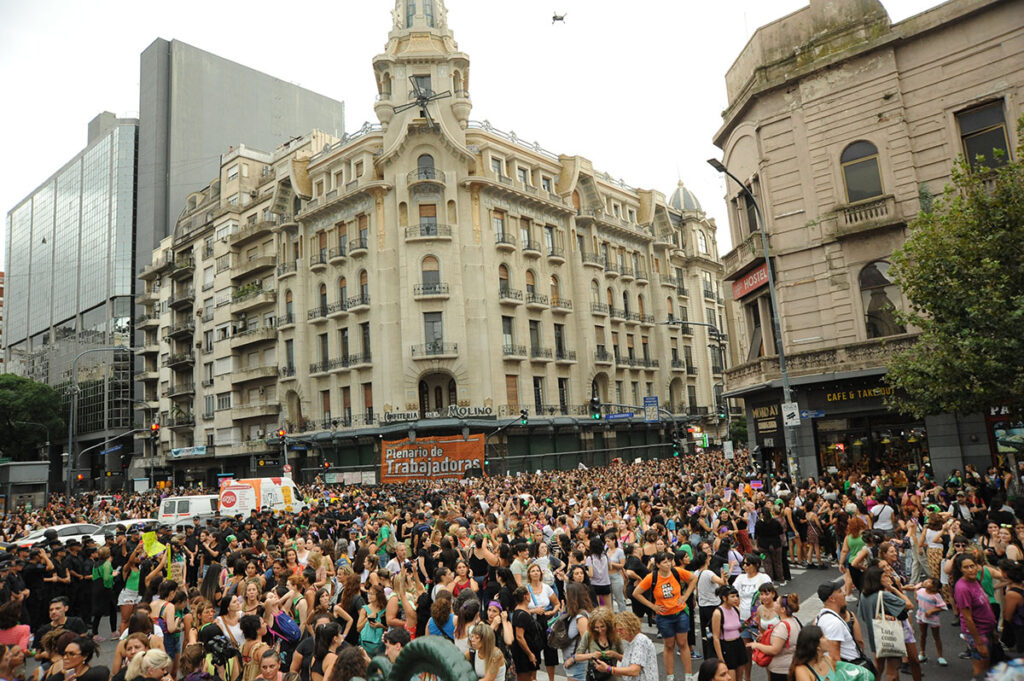
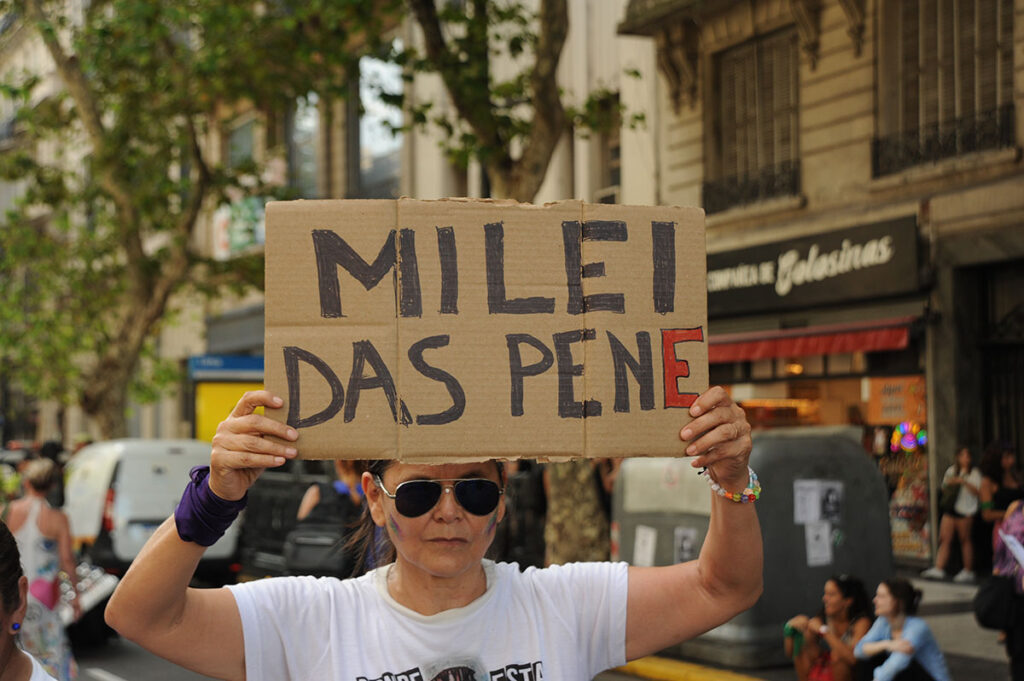
crucial meeting point
“We are in front of Congress to repudiate all those who want to erase by decree everything we have achieved,” said Taty Almeida, a leader of Mothers of Plaza de Mayo, Founding Line, to inaugurate the stage where the extensive document agreed upon by dozens of organizations was read.
“It is very important that we are in front of Congress. There you will find the representatives elected by the people, and as such, they must answer to them. You cannot govern without Congress; it is where bills are debated and approved. Without Congress, there is no democracy. You govern with Congress, not sitting around on Twitter and issuing executive orders,” Almeida said.
The document, read by journalist Liliana Daunes, highlighted the great unity of the feminist movement for this demonstration, and its main focus was hunger and austerity measures.
At the end of the reading, a large demonstration was held, led by the historical activists of the Campaign for the Right to Legal, Safe and Free Abortion.
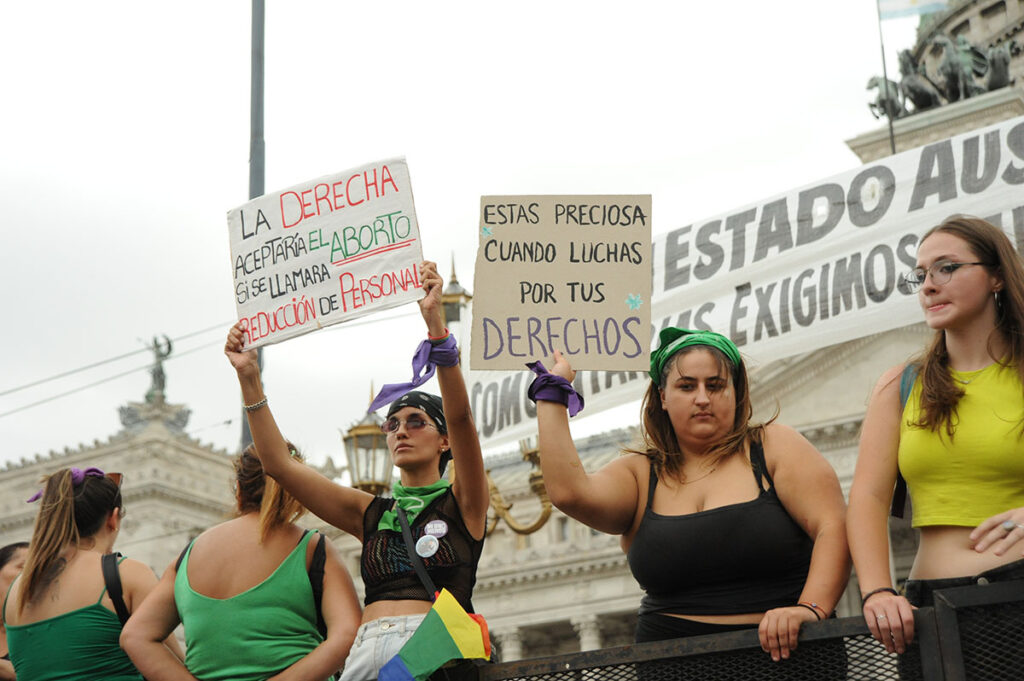
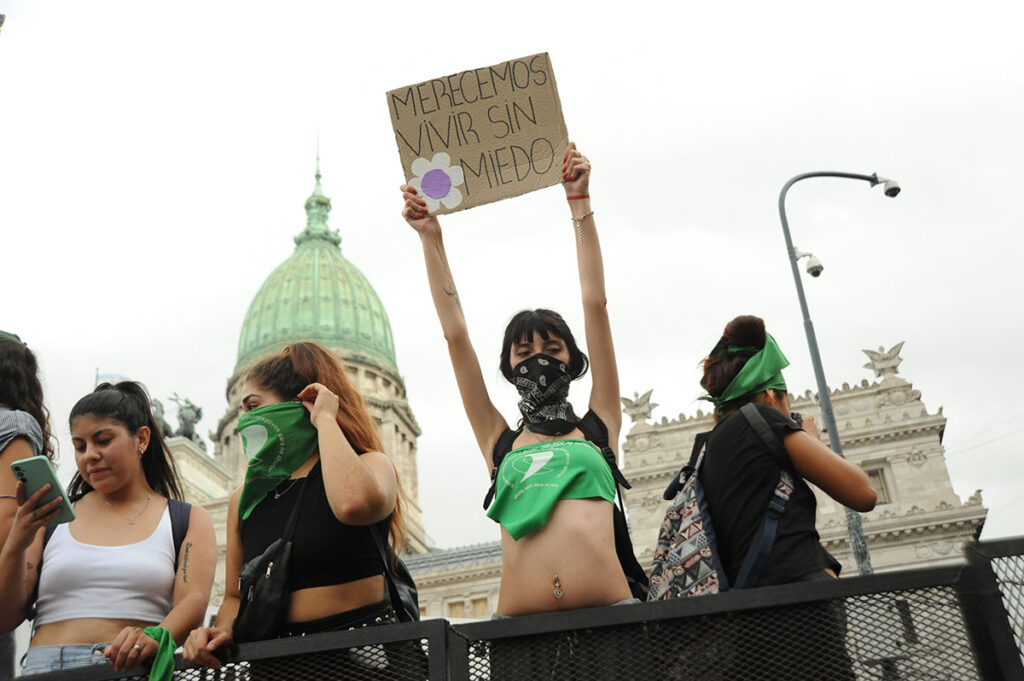
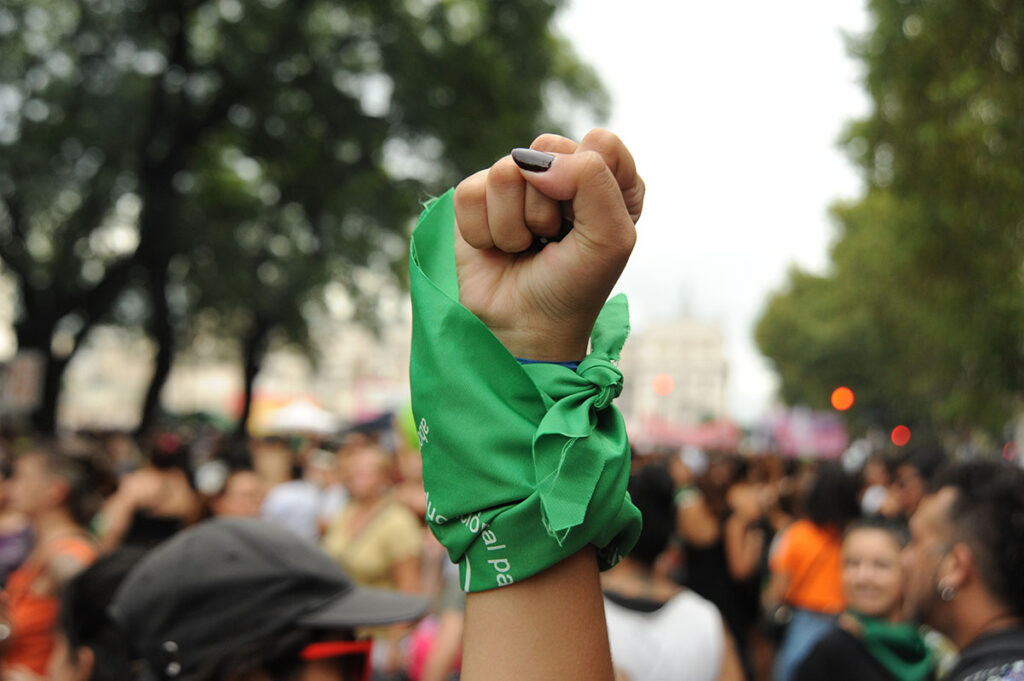
Against the adjustment
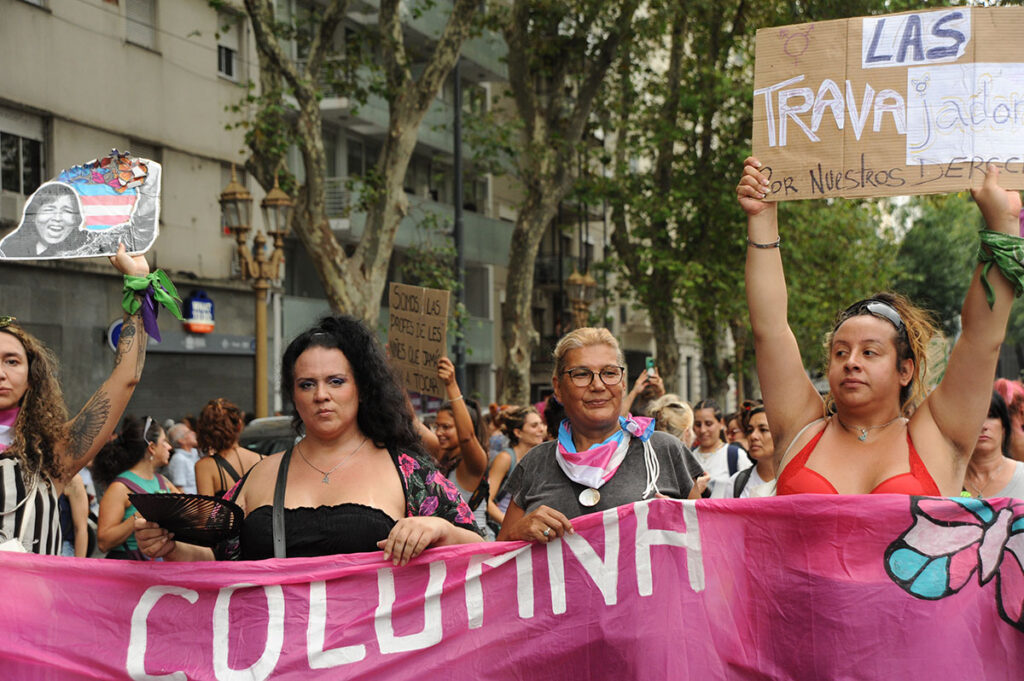
The impact of Javier Milei's policies on the LGBT population, particularly transvestites and transgender people, is significant. In February, several trans organizations denounced the suspension of the National Social Protection Plan and cuts to the Potenciar Trabajo program.
Manu Mirelles, academic secretary of the Mocha Celis Popular High School, expressed: “We are here because we say no to the cuts. International Working Women's Day is a day in which we vindicate the rights of transvestite, non-binary trans women and all women and femininities to achieve a more just homeland and a full democracy for all people.”
Lara Bertolini, a court worker and trans activist, emphasized, “We are here on this March 8th to demand justice and remind everyone that sexism is still present in the Argentine state and in the presidential palace. Today more than ever, we must defend our hard-won rights and not let any decree take away what we have won. Trans Fury, always.”
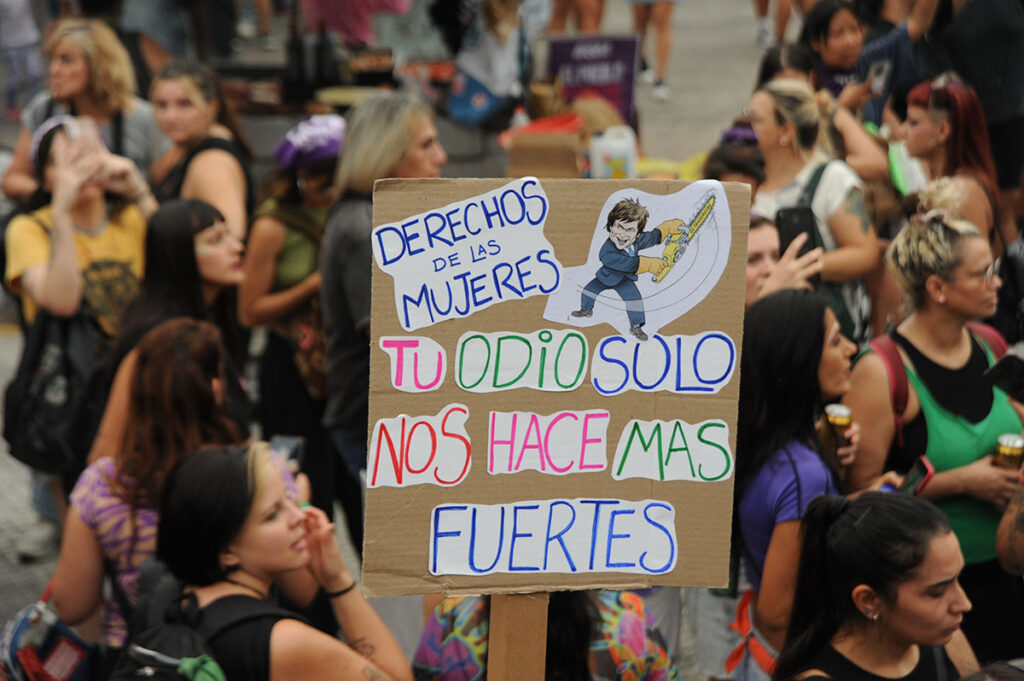
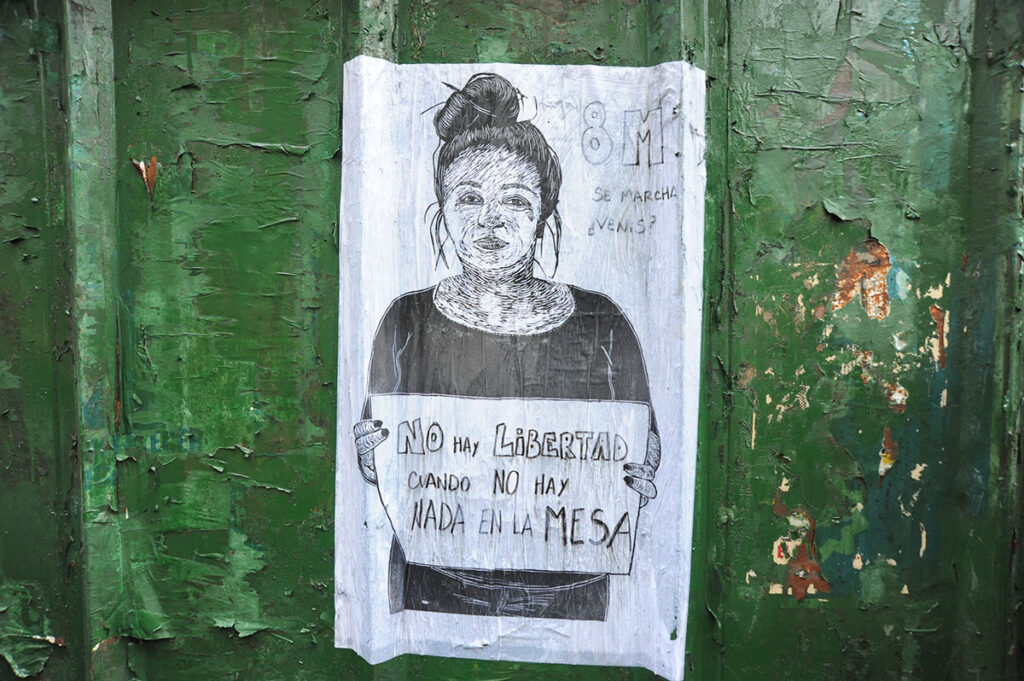
“Eating is not a privilege”
The workers, particularly the community workers, played a fundamental role during this day that began with a "vegetable protest" in front of the National Congress.
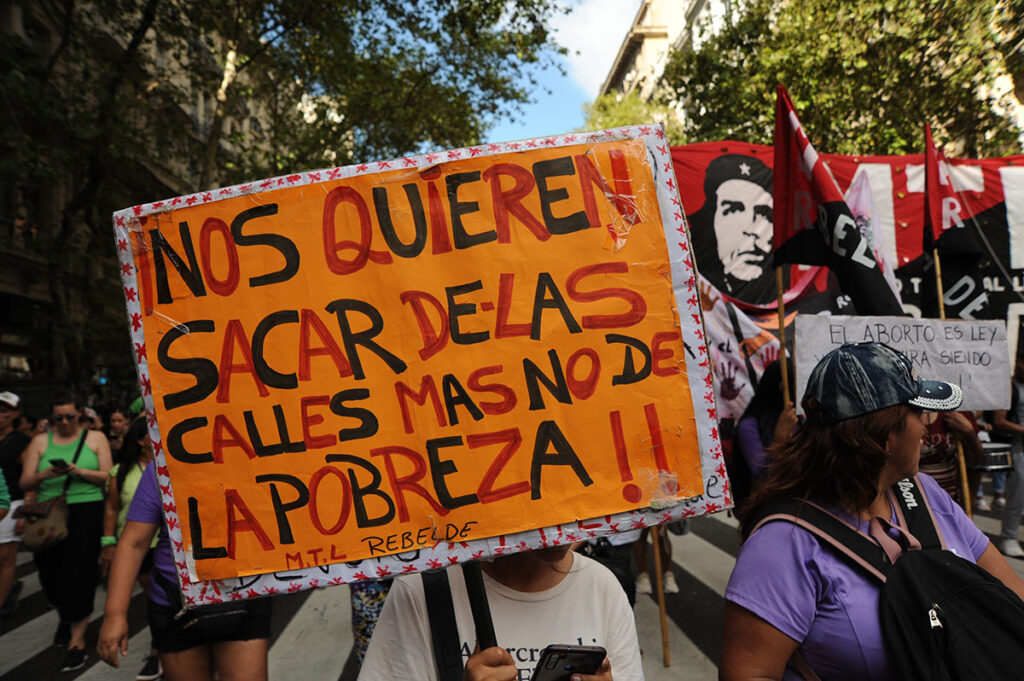
With pots and ladles, the cooks of La Poderosa protested the lack of food in the soup kitchens.
Alicia Mendoza works at the La Poderosa soup kitchen in the Fátima neighborhood. She says that children and adults come to the pot, but they have nothing to give her. “We need food. If we don't have food, how can we help people? That's why we're here, demanding a dignified life for ourselves and for the children.”
Marisel Escalante, also from La Poderosa, added, “We are here so that the government takes responsibility for the food emergency, which is a priority. A year ago, we presented our project demanding that the government recognize the community work in our soup kitchens. Today, we are demanding that they at least acknowledge the food emergency in the country. People are dying of hunger.”
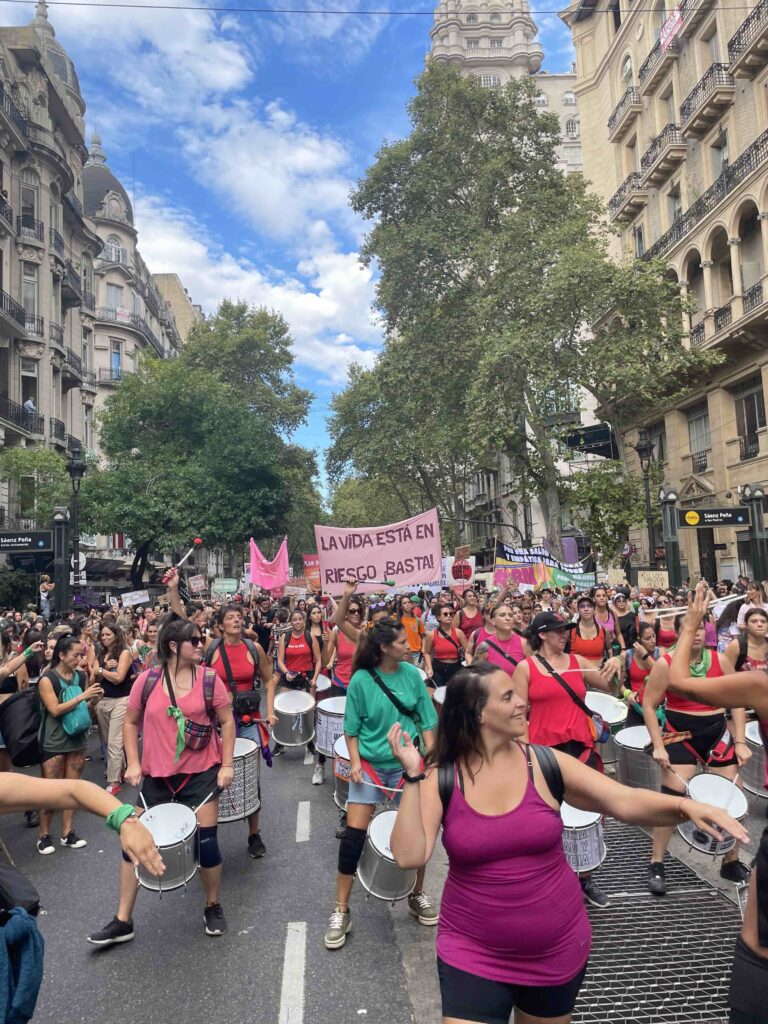
“We march because of the lack of everything. Every day we're visited by more and more people, with a strong presence of retirees,” says Daniela Cortez from the Rafael Castillo soup kitchen in La Matanza. “They're cutting back on basic necessities in every working-class neighborhood. We're the ones who cook, who stir the pot, who try to put together a minimal meal for the families,” she added .
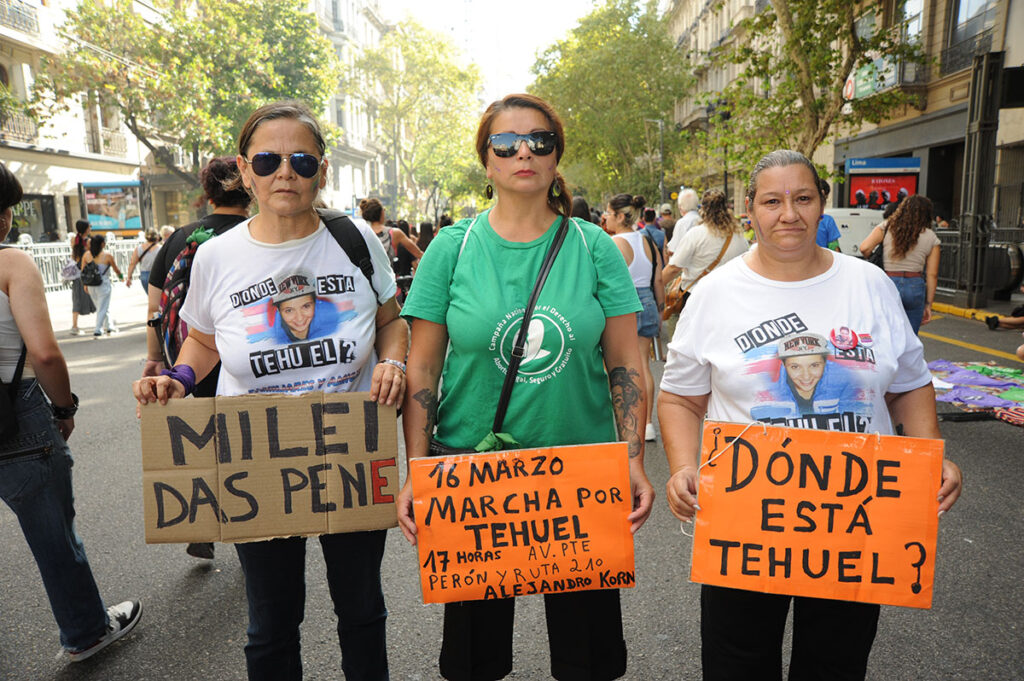
Where is Tehuel?
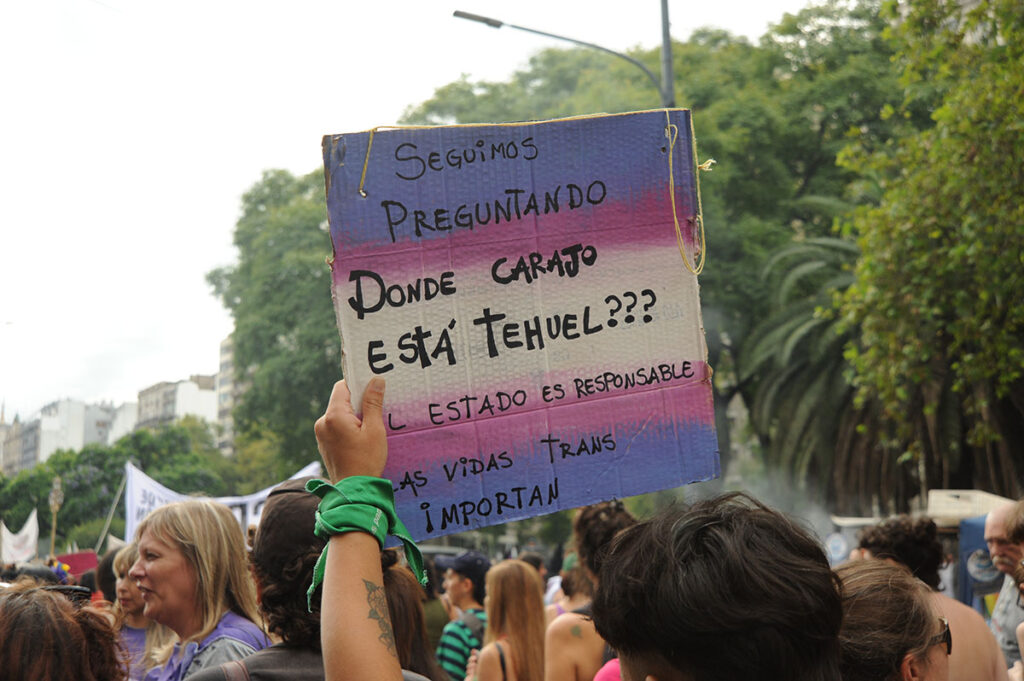
Patriarchal justice and extreme gender violence were prominent themes in the March 8th document and also in the demonstration. According to data provided by the Adriana Zambrano Observatory, from January 1st to February 29th, 58 femicides and 3 related femicides of adult men and children occurred in Argentina.
This occurs within a context of the demonization of feminism and the rise of hate speech since this government took office. Among the calls for justice, the demand for "Where is Tehuel?" was heard once again.
Monday, March 11, marks three years since the disappearance of the 21-year-old. The trial is scheduled for August.
Norma, his mother, participated in the march. “It will soon be three years since Tehuel disappeared, and we still know nothing. I know there are two people detained, and we are also waiting for the trial. I would like to ask the judges to at least have a heart and try to hold the trial this year. We want to know where Tehuel is and what happened to him.”
No to the closure of Télam
In support of the workers of the Télam news agency, journalists and press workers were called together through the Buenos Aires Press Union (Sipreba) to mobilize from the door of the agency.
“We are all mobilizing together, not only the workers of Télam, but also the entire press union, to demand the reopening of Télam so that we can resume reporting. We must once again enforce that constitutional mandate, the right to information, the right to freedom of expression for the workers of Télam,” said Laura Da Silva, from the agency's internal commission.
A march for freedom and rights
Paula marched alongside Women Who Weren't on the Cover. “I'm here so they stop destroying our rights, which we fought so hard to achieve, like legal abortion. So we can continue to have freedom, or so we can begin to have the equality we deserve, so we don't have to raise our children alone. So there's equality in the workplace, so there's no violence, and so not one more woman dies,” she said.
Alongside her, María, a trans woman, added: “We have come to fight for the rights we have achieved, to gain more, and to ensure that the Gender Identity Law is not touched.”
“I think it’s very positive that so many women are here demanding answers. We’re losing our fear and shame. It’s great to see all these women together,” said Andrea Romero from Isla Maciel.
Danielle Santa Ana is Brazilian and marched alongside her comrades from the Workers' Party. “We are marching because it is very important that we always occupy the streets. The feminist struggle is not just one woman's. The struggle of women belongs to all of us; we must always occupy the streets. Against the feminization of poverty and against all anti-rights movements,” she said.
Before the rally, the organizations Ahora que si nos ven, La Colectiva, and La Mateada joined forces in a joint initiative for the day. “Today, feminists are taking to the streets, which is our natural place of resistance and struggle for the conquest of our rights in the face of the advance of a far-right government that is coming for each and every one of our achievements,” said Raquel Vivanco. “The regressive policies of this government only contribute to the precariousness of our lives.”
“Towards a path of repoliticization”
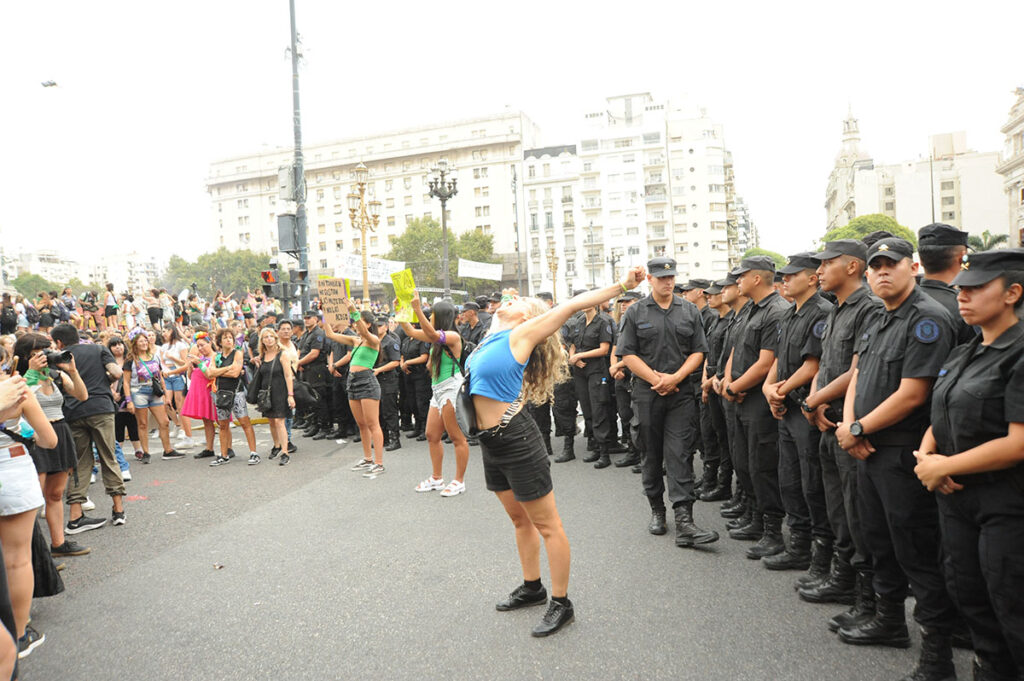
At the end of the day, Luci Cavallero said she was surprised by the number of young people from all political parties. “I was struck by the fact that they stayed until the very end. The reading of the document was very moving, and despite the police provocations of barricading the entire square, the day went very well; it was peaceful. We left feeling revitalized and with a lot of strength to continue fighting against Milei's policies,” she said.
Demonstrations and events took place in various parts of the country. “It was a nationwide day of action. I believe that this path of repoliticization and rebuilding the social fabric is the one we must follow to reclaim our nation.”
The event ended with dancing after the document was read. Gilda's cumbia music provided the soundtrack for a collective dance, a way of exorcising three long months of powerlessness in the face of the massive setbacks brought about by Milei's government.
We are present
We are committed to journalism that delves into the territories and conducts thorough investigations, combined with new technologies and narrative formats. We want the protagonists, their stories, and their struggles to be present.
SUPPORT US

FOLLOW US
Related notes

We are present
This and other stories are not usually on the media agenda. Together we can bring them to light.