

Electoral violence in Mexico: 48 pre-candidates murdered in 2024, 3 of them LGBT
The murder of Miguel Ángel Zavala, an LGBT presidential candidate in the 2024 elections, adds to the growing list of electoral violence in Mexico. The government announced a protection program for LGBT people participating in the elections.


Share

Mexico: At least three LGBT candidates have been murdered during the 2024 election process
MEXICO CITY, Mexico. an LGBT presidential candidate for the Morena political party, was murdered on February 26. He was running for mayor of Maravatío in the state of Michoacán. Zavala Reyes was a gynecologist, openly gay, and this was his first time running for elected office.
On the afternoon of February 26, the doctor was in his car at the clinic where he worked when he was directly attacked with firearms. Another doctor at the clinic confirmed that he was deceased, the Michoacán State Attorney General's Office reported
In its statement, the Attorney General's Office did not mention Miguel Ángel Zavala's role in the ongoing electoral process in Mexico. That same day, in less than 12 hours, Armando Pérez Luna was also murdered. Like Zavala, Pérez Luna was running for mayor of Maravatío, but for the National Action Party (PAN).
In a press conference, the state governor commented that the Attorney General's Office had not informed him of the murders of the two candidates for mayor of Maravatío. He said that anyone aspiring to elected office who feels threatened by a criminal group should report it and request support directly from his government.
On Tuesday, March 5, Rosa Icela Rodríguez, head of the Secretariat of Citizen Security (SSPC), presented a protection plan for pre-candidates. It will be coordinated with the National Electoral Institute (INE).
So far, he said, there are 23 requests for protection. State governments will be responsible for providing security to local candidates, while presidential, gubernatorial, and congressional candidates will be under the protection of the federal government.
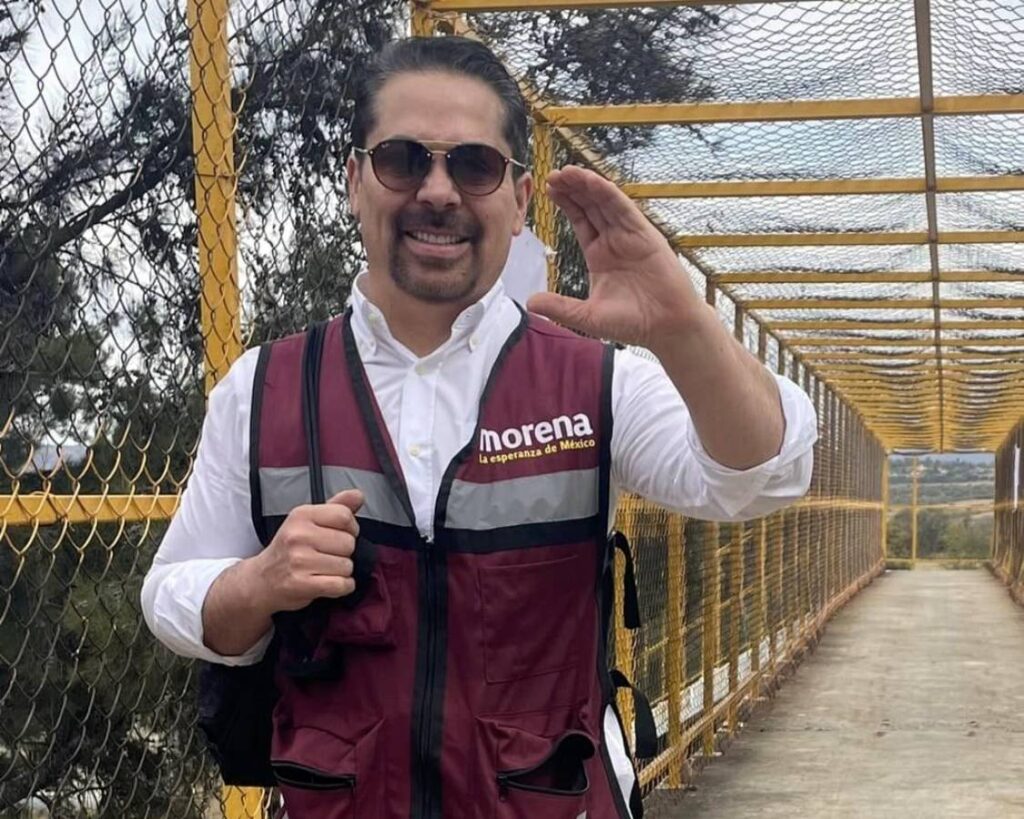
At least three LGBT presidential hopefuls murdered so far in 2024
In January of this year, Agencia Presentes reported the murders of Samantha Gómez Fonseca and Miriam Ríos. Both transgender women were running for elected office in these elections. With the murder of candidate Miguel Ángel Zavala, the number of LGBT individuals killed while seeking political office in this 2023-2024 electoral process has risen to three.
“The insecurity is affecting LGBT people. We already saw it with Miriam Ríos in Jacona, and now with Dr. Zavala in Maravatío, which seems more like an electoral issue. But this affects communities even more when we talk about affirmative action, where political parties refuse to cede ground. These conditions inhibit political participation in a state where security issues are treated with disdain by state authorities. And where the governor says , 'Don't go asking for permission from the bad guys because that's what will happen to you.' Instead of fostering a democratic culture and the exercise of citizenship, it hinders it,” activist Raúl Martínez Rojas, a member of Michoacán es Diversidad and the National Observatory of Hate Crimes, Presentes
So far in 2024, at least 48 people seeking elected office in Mexico's current electoral process have been murdered. The data was published by Data Cívica on its website , Votar Entre Balas (Voting Among Bullets ).
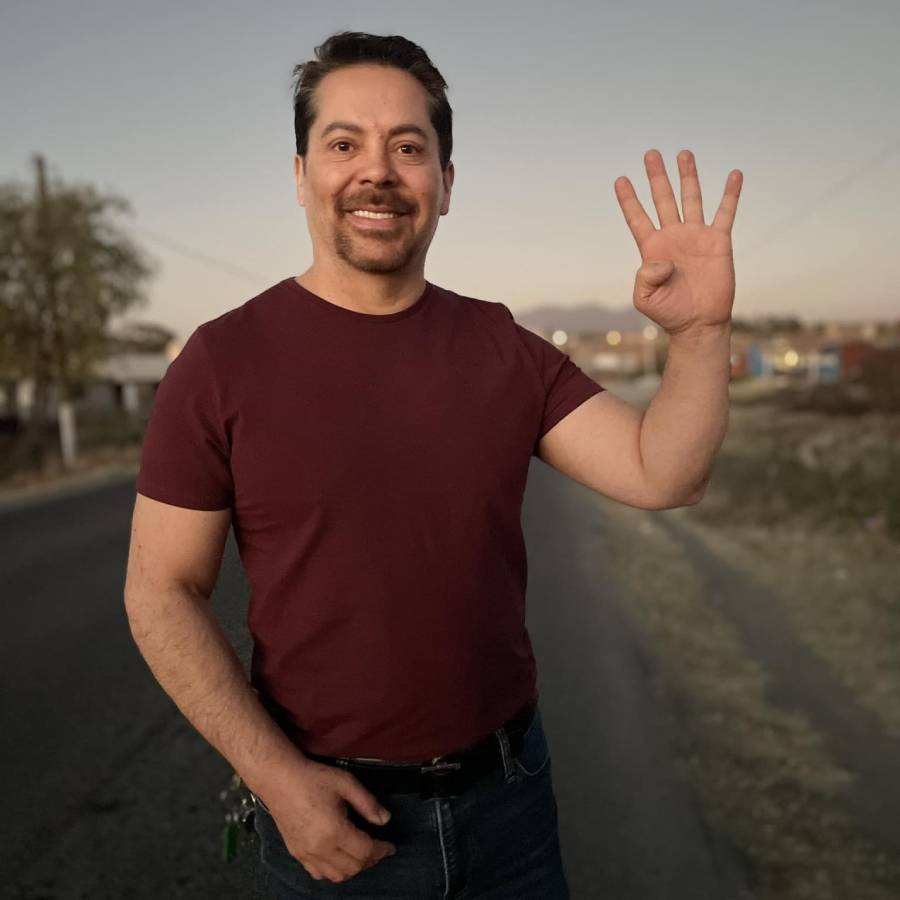
No data on how political violence affects LGBT candidates
In Mexico, political violence has increased in recent electoral processes, understood as acts that seek to "damage or undermine the enjoyment and/or exercise of the political-electoral rights of citizens when voting, being voted for, in the exercise of a public office and/or in affiliation/association," as defined by the National Electoral Institute (INE) .
Although the INE has affirmative action policies regarding candidacies of people belonging to historically vulnerable populations, including LGBT people, there is no observatory to understand how political violence affects these groups.
Regarding historically vulnerable groups, the INE only has a protocol for addressing political violence against women based on gender and a National Registry of Persons Sanctioned for Political Violence against Women Based on Gender ( RNPS ).
At the federal level, there is no institution that collects data on political violence. Without official data, it is difficult to determine whether hate or prejudice is the motivation in electoral contexts when the candidates are part of the LGBTQ+ community .
These are not isolated incidents
In recent electoral processes, the increase in violence has been documented, and how it "has become a tool of organized crime to influence the public life of states and municipalities," reports Data Cívica.
From 2018 to the present, 1,693 acts of electoral violence have been recorded in Mexico, according to data collected by the organization Data Cívica.
The historical data compiled by Data Cívica on electoral violence includes murders, disappearances, threats, armed attacks, bombings, and kidnappings. These figures show that this violence occurs primarily at the municipal level, and 78.1% of the victims are men. The states where this violence has been most prevalent are Guerrero, Guanajuato, Veracruz, and Oaxaca.
A study conducted by Crisis Group , an independent non-governmental organization that investigates territories with recurring violent conflicts, states in this article that “Mexican elections are more than a competition between candidates for popular support. They are also a forum for criminal groups to obtain, prolong, and consolidate their access to state power.”
And that Michoacán is, since the beginning of the militarized security strategy known as the "war on drugs" established in 2006 by former President Felipe Calderón, one of the most violent states, also during electoral processes.
“An electoral process where security is not a central pillar leads to a decline in citizen voter turnout.”
In the last week, leaders in Michoacán of the Institutional Revolutionary Party (PRI) and the Party of the Democratic Revolution (PRD) reported that at least four and three candidates, respectively, decided not to participate in the elections due to the security conditions in Michoacán during this 2023-2024 electoral period.
“We must insist on the issue of security. An electoral process where security is not a central pillar not only puts candidates at risk, but also discourages citizens from voting, even during the campaigns. It prevents them from safely approaching the polls to hear the candidates' proposals. We also need to consider the citizens themselves: what kind of environment are we offering them to hear the proposals of those who want to govern or legislate our state, our country?” added Raúl Martínez Rojas.
We are present
We are committed to journalism that delves into the territories and conducts thorough investigations, combined with new technologies and narrative formats. We want the protagonists, their stories, and their struggles to be present.
SUPPORT US

FOLLOW US
Related notes

We are present
This and other stories are not usually on the media agenda. Together we can bring them to light.