

Mexico: How do quotas for vulnerable populations work in the 2024 elections?
Various groups claim that there are several irregularities in the formation of lists to expand the political and electoral participation of vulnerable populations.


Share

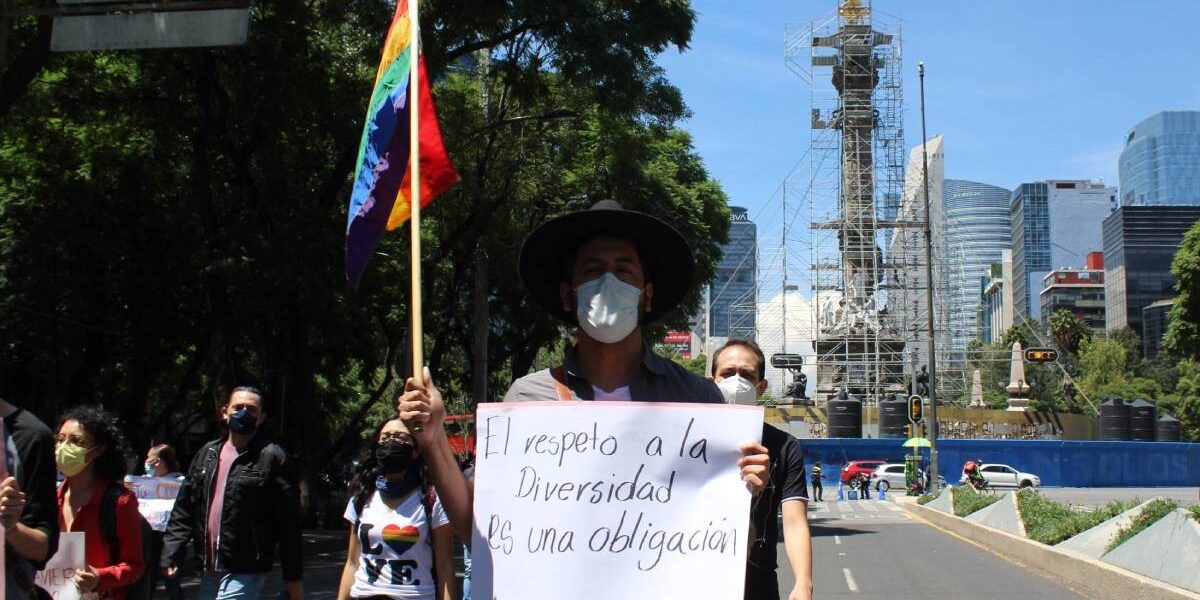
MEXICO CITY, Mexico. This year, Mexico is holding federal and local elections. During this election period, voters will choose the next president, as well as senators and representatives. In accordance with an affirmative action policy, people of diverse sexual orientations, Indigenous people, Afro-Mexicans, people with disabilities, and Mexican migrants will be required to participate as candidates.
In addition to the presidential election, 128 senators and 500 representatives will be elected at the federal level . In the country's 32 states, voters will elect a total of 19,634 local public offices, including representatives, mayors, city councilors, trustees, and aldermen ; and in nine states, including Mexico City, the governor of those states will be elected.
“A challenge for all populations, not just the LGBT community, is to prevent affirmative action from becoming instruments of manipulation or political co-optation by dominant parties or groups. We need accountability and to evaluate the impact and results of these affirmative actions in terms of democratic quality, social transformation, and the representation of the population they claim to support,” explains Rebeca Garza, a trans woman. She has 22 years of experience as an electoral official and founded Queretrans .
For this 2023-2024 election period, affirmative action for these populations is being applied in local and federal congresses; and for the first time, political parties must nominate candidates for the Senate of the Republic, respecting gender parity.
What do these quotas consist of and how will they be distributed? What challenges do these populations face with these affirmative action measures? How can we learn about the candidates and their proposals?
What do these fees consist of?
In Mexico, until 2021, only the indigenous population had mandatory representation in the Chamber of Deputies (at the federal level) as part of a policy of affirmative actions approved by the General Council of the National Electoral Institute (INE) and the Electoral Tribunal of the Judicial Branch of the Federation (TEPJF).
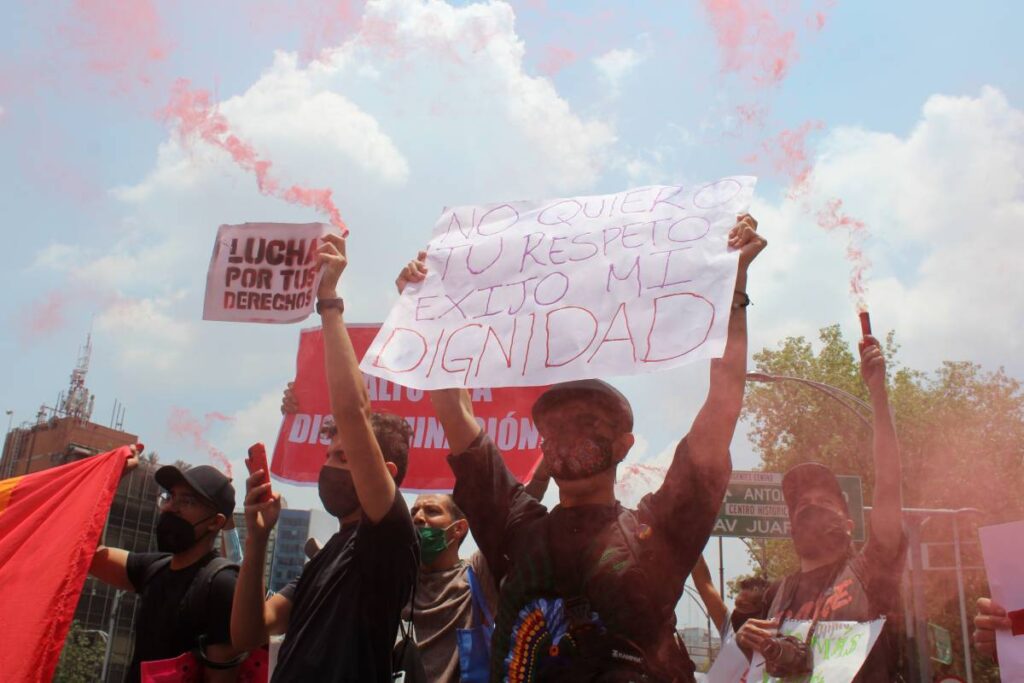
These affirmative action measures were not a favor. To achieve them, Indigenous communities and people with disabilities filed lawsuits seeking representation in public office. As a result of this struggle, by court order, the General Council and the Electoral Tribunal mandated that political parties nominate candidates from these populations during the 2020-2021 election period: Indigenous people, LGBT+ people, people with disabilities, Afro-Mexican people, and Mexican migrants.
On November 25, 2023, the General Council of the INE approved the application of the INE ruling of the Electoral Tribunal to return to the 2020-2021 formula of affirmative actions for the 2023-2024 electoral period.
Thus, political parties are required to allocate at least 50 of the 500 federal deputies and 9 of the 128 senators to people belonging to these five populations, respecting gender parity .
How will the quotas be distributed?
The federal Congress should read as follows:
Indigenous people: This will apply to 34 federal electoral districts with more than 60% indigenous population. Political parties must register slates of candidates comprised of individuals who self-identify as indigenous. They must do so respecting gender parity in 21 majority-vote seats and 9 proportional representation seats, also known as multi-member districts.
LGBT people: 2 by relative majority and 1 by proportional representation.
People with disabilities: 6 by relative majority and 2 by proportional representation.
Afro-Mexican people: 3 by relative majority and 1 by proportional representation.
Mexican migrants: 5 proportional representation.
For the Senate, political parties must nominate 5 indigenous people and 4 people from the other groups: one Afro-Mexican person, one LGBTQ+ person, one person with a disability, and one migrant.
But what is relative majority and the principle of proportional representation?
Relative majority: This is when a candidate obtains a seat because they received the majority of votes compared to their opponents in local and federal legislatures.
Proportional representation: It is a type of indirect voting in which positions are assigned based on the percentage of votes obtained by each political party.
What challenges do these populations face with these affirmative actions?
Since these affirmative action policies were implemented, there have been a number of violations. All of them effectively prevent people from these populations from exercising their right to hold political office.
These violations involve usurping an identity that does not reflect their true selves through simple self-identification, as happened in the 2020-2021 elections. At that time, 17 men claimed to be muxe and belong to this Indigenous culture in order to use the LGBT quota. The same occurs in the case of Afro-Mexican populations, also through simple self-identification.
Furthermore, the submission of falsified documents attesting to alleged ties with Indigenous communities has been reported . This was documented by journalist Ernesto Aroche in this report . It has also been reported that the National Electoral Institute (INE) receives falsified medical certificates claiming that a person lives with a disability . In the case of Mexican migrants, falsified documents are also being submitted to certify their residency abroad and their ties to the migrant community in their host country.
Rosenda Maldonado is an Otomi indigenous woman, a human rights defender, and the coordinator of the indigenous women's program at the Simone de Beauvoir Leadership Institute (ILSB) . For her, indigenous women who run for elected office also face other complexities.
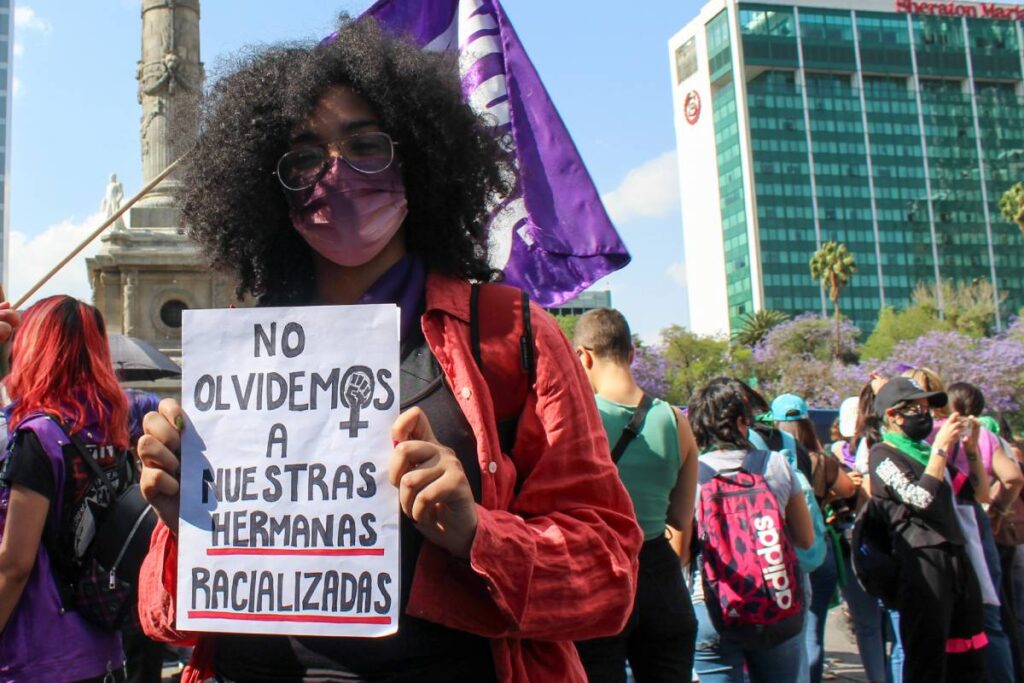
“It does indeed represent progress, but we also see a couple of challenges. One is the usurpation of Indigenous identity that has been occurring since the creation of these affirmative action policies and how it has been manipulated according to certain interests. We see it as urgent that consultation with Indigenous communities is necessary before issuing these guidelines, especially to ensure they are relevant to our contexts,” Maldonado explains.
She adds, “The other challenge is that these are measures aimed at political parties. And in our regions, even gender parity is not guaranteed for Indigenous women. It's not a given because there isn't a minimum standard for us to participate on equal terms. If you add gender-based political violence to that, it becomes even more complex,” Rosenda Maldonado concludes.
How to get to know the candidates and their proposals?
From February 29 to June 6, the consultation system “Candidates: Get to Know Them” will be open. It will be available at this link .
This platform is populated with information provided by the candidates themselves about their political careers, their proposals (including those related to gender equality), and the population they claim to represent. Although it is a mechanism that can provide the public with basic information about those seeking public office, their motivations, and their political history, the National Electoral Institute (INE) does not require them to respond.
We are present
We are committed to journalism that delves into the territories and conducts thorough investigations, combined with new technologies and narrative formats. We want the protagonists, their stories, and their struggles to be present.
SUPPORT US

FOLLOW US
We are present
This and other stories are not usually on the media agenda. Together we can bring them to light.
1 Comment