

Transfeminicide in Mexico: a woman was found murdered in Tabasco
Elisa was a 24-year-old woman. This week she was found dead on a highway in this state. The rise in violence and discrimination against transgender people.


Share

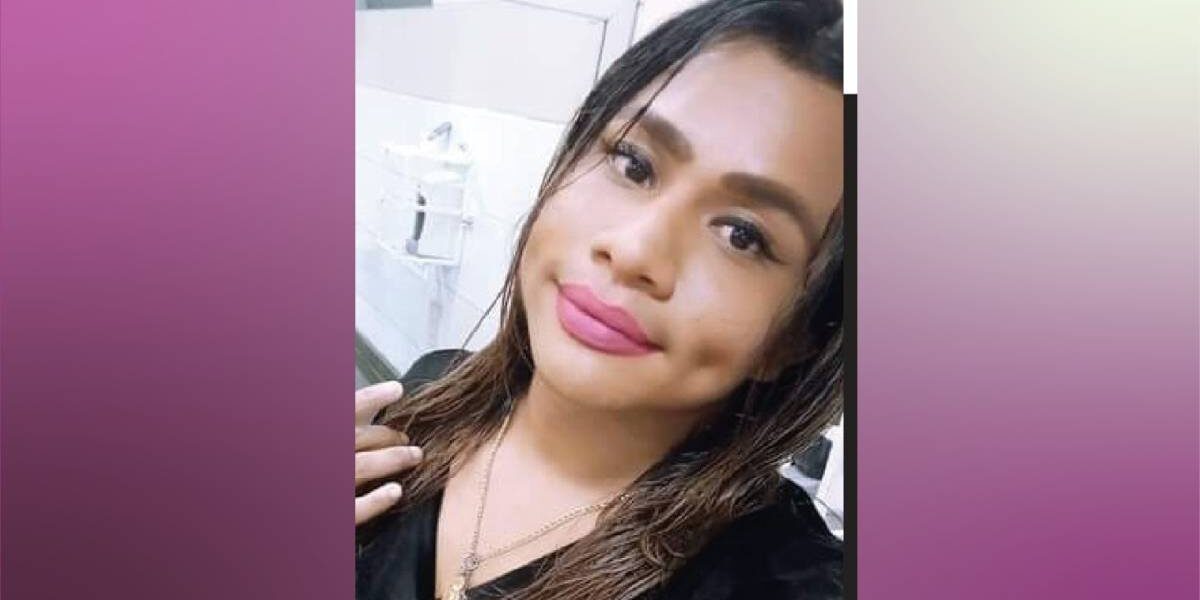
MEXICO CITY, Mexico . Elisa Cortez was a 24-year-old transgender woman. On Tuesday, February 13, her body was found with gunshot wounds in a rural area along the Villahermosa-Cárdenas highway in Tabasco, a southeastern Mexican state. Elisa was originally from Tenosique and, according to press reports, worked as a sex worker.
Media outlets that reported the incident did so by revealing her legal name and misgendering her. Activists in Tabasco and other parts of the country denounced this as part of the violence trans women face. After being murdered, they are revictimized by the lack of recognition of their gender identity and name.
A partial recognition of Elisa's identity
Trans activist Alexandra Morales from Tabasco says that Elisa had not legally changed her gender identity. However, the investigation into this crime does take into account that she was a trans woman.
Presentes confirmed this information in a phone call with the Prosecutor's Office. "The investigation is taking into account that the victim was transgender, but it is not being investigated as a femicide. We are considering her birth name and how the victim called herself," they said.
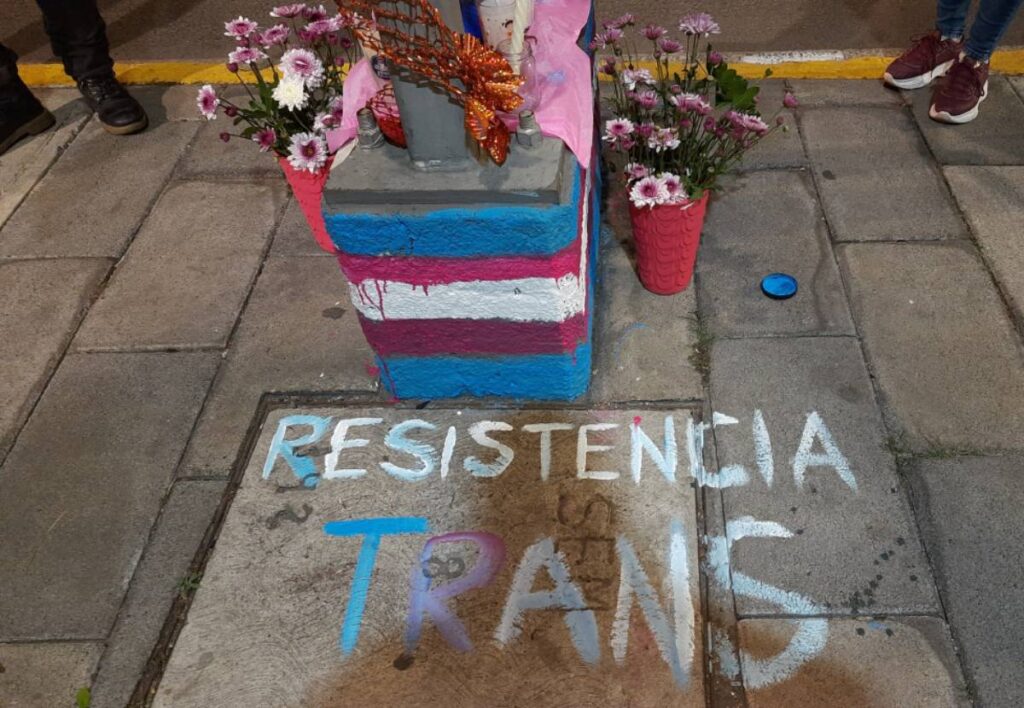
The murder of Elisa Cortez, a trans woman, is the sixth in 2024. In Mexico, five out of ten trans women are murdered with firearms. This is according to the report "Gender Violence with Firearms in Mexico," prepared by Intersecta and other organizations.
Tabasco is one of the 10 states in the country that still does not guarantee the right to identity for trans people despite the ruling of unconstitutionality by the Supreme Court of Justice of the Nation.
“Progress in Tabasco is still slow at the social level. Agreements have been reached with the Attorney General's Office through the organization Casa de las Muñecas Tiresias following the murder of Dayana Karrington . Before that, it was very difficult for the authorities to even respect the names of our sisters. What persists is the violence in the media that permeates transphobia in society here in Tabasco,” Morales points out.
The media and transphobia in society
This crime also occurs amidst a wave of hate speech against trans women. In this state in particular, it is perpetrated by María Gudelia Delgado Mesa, an official with the Tabasco Electoral and Citizen Participation Institute. She posts transphobic messages on her social media accounts and was denounced by Tabasco trans activist Alexandra Morales. Following that denunciation, Delgado Mesa directed her threats at Alexandra.
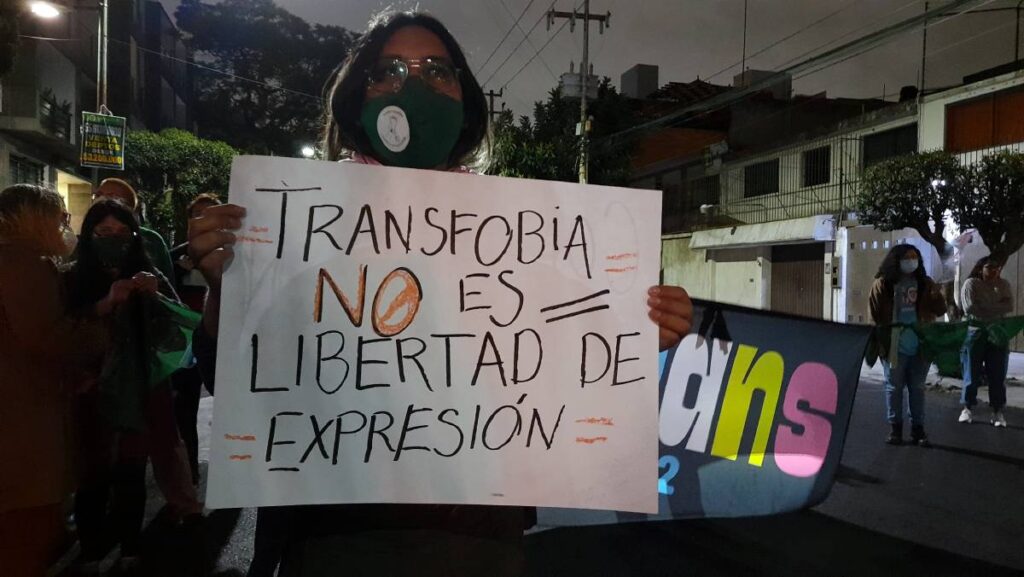
“The media echoes this public official’s comments. This has generated a wave of daily violence for us trans women. The official tries to justify what she says as freedom of expression. But no, her hatred and transphobia is not freedom of expression, it’s discrimination,” she adds.
According to data from the organization Casa de las Muñecas Tiresias, which works in that state, eight transgender women were murdered in Tabasco during 2023. They warn that the vast majority of the victims are transgender women living in precarious circumstances, and some of them abandoned by their families.
“Today, we trans activists are the ones asserting the rights of our sisters so that their murders are investigated, their identities are respected, and they don't end up in a mass grave. We want to recover their bodies and, if possible, locate their families. In Elisa's case, her family was contacted, and they are currently going through a very painful situation,” added Alexandra Morales.
Thanks to the activist work of Morales and Casa de las Muñecas Tiresias in Tabasco, some of these hate crimes have been investigated, and at least two people have been charged in connection with two trans femicides. Among them is the aggressor of Dayana Karrington .
Tabasco, one of the states with the fewest rights for the LGBT population
The only right that the state of Tabasco has guaranteed to the LGBT population is marriage equality. Although there is a decree obligating the executive, legislative, and judicial branches to guarantee rights to this population, reforms to make this happen are consistently voted down or left unanalyzed in Congress.
The document mentions that the objective is "to reflect on and implement actions against all types of violence linked to sexual orientation or gender identity, as well as to contribute to the equality of rights for all people."
For Alexandra Morales, the wave of hatred that is permeating at a social and institutional level through public officials, as happened with President Andrés Manuel López Obrador , and is happening with the Tabasco public official, María Gudelia Delgado Mesa, puts trans women in a place of “greater vulnerability and marginalization”.
“In Tabasco, we trans women are angry, we also feel unsafe and sad, we are also afraid that nothing will be done and we are mourning the loss of our comrade Elisa. We are seeing a reality where we have no protection here in Tabasco, we continue to experience the same violence,” concludes activist Alexandra Morales.
We are present
We are committed to journalism that delves into the territories and conducts thorough investigations, combined with new technologies and narrative formats. We want the protagonists, their stories, and their struggles to be present.
SUPPORT US

FOLLOW US
Related notes

We are present
This and other stories are not usually on the media agenda. Together we can bring them to light.