

Mental health organizations in Latin America and the Caribbean spoke out against “conversion therapies”
Several organizations issued a statement calling for the eradication of these practices. Peruvian Alberto Belaunde explains the harmful impact of ECOSIG.


Share

Alliances, professional associations, and guilds of mental health professionals from various Latin American and Caribbean countries issued a joint statement declaring that conversion therapy practices must be eradicated . Among the reasons they emphasized were the lack of scientific basis for these practices and the “fully documented” harm they can cause.
This is the first statement of its kind in Latin America and is signed by eight entities from Brazil, Venezuela, Colombia, Peru, Chile, Argentina, the Caribbean Alliance of National Psychology Associations and the Latin American Psychoanalytic Federation .
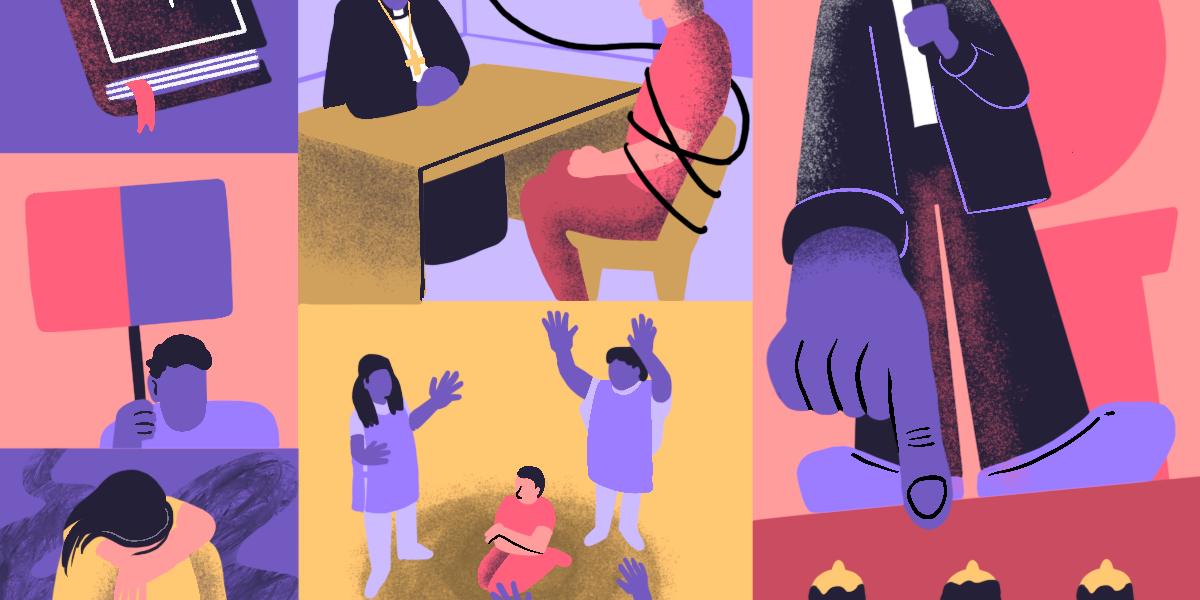
"Sexual reorientation therapies," also called "conversion therapies," refer to any method that attempts to change a person's sexual orientation, gender identity, and/or gender expression. They are also known as "ECOSIG" ( Efforts to Change Sexual Orientation and Gender Identity ). While they are mislabeled as "therapies," they actually lack scientific and medical basis and constitute human rights violations.
“We understand that it is important for mental health professionals to have a greater commitment to this issue. First, to be very clear in pointing out that there is no scientific basis for these types of practices, which unfortunately are still present in our region. Second, to have a clear voice regarding how harmful these practices are to those subjected to them. And third, to promote change at the professional level. That professional associations take regulatory aspects more seriously,” shared Peruvian lawyer and activist Alberto Belaunde Presentes
There is no scientific basis for this.
In this regard, the document published in December 2023 highlights that "there is no scientific basis to support any practice that seeks to change or suppress a person's sexual orientation, gender identity or gender expression."
“The existence of conversion practices,” he continues, “is based on the homophobia and transphobia present in our societies. They are very aggressive manifestations of discrimination that must be confronted and combated.”
In a 2022 report , the United Nations (UN) considered gender-based violence practices (GSP) to be "comparable to acts of torture." Furthermore, the UN's independent expert on LGBTIQ+ issues, Víctor Madrigal, recommended that states adopt measures including a system of sanctions and a system of support and reporting for survivors of these practices.
Furthermore, the World Health Organization stopped considering homosexuality as an illness in 1990. And in 2019 it removed transsexuality and transvestism from the list of the International Classification of Diseases (ICD) .
“We feel that this statement can contribute to a trend we are seeing in Latin America, which is the legislation against these practices. The law is progressing in Mexico, as it is in Colombia. It has been introduced in Peru, Chile, and Costa Rica. We have spoken with Congressman Esteban Paulón to help him introduce a bill in Argentina. We believe that in these types of debates, it is important for mental health professionals to play a leading role,” Belaunde stated.
The global outlook
online database of the organization ILGA World only 14 countries worldwide have banned conversion therapies: Germany, Brazil, Canada, Cyprus, Ecuador, Spain, France, Greece, Iceland, Israel, Malta, Norway, New Zealand, and Vietnam. Norway was the most recent country to ban them. Law No. 16, passed in December 2023, made “conversion therapies” punishable by a fine or imprisonment of up to three years, or six years if the offense is considered aggravated.
In Argentina, sexual reorientation therapies are indirectly prohibited by Law 26.657. " Under no circumstances may a diagnosis be made in the field of mental health on the sole basis of sexual choice or identity," the law states.
Last year in Mexico, the states of Querétaro, Sinaloa, and Quintana Roo reformed their penal codes to prohibit these practices. This brings the total number of states with this type of reform to 16.
“We believe it is very important not to focus solely on punishment because that means the State is acting after the harm has already been done. It is crucial to adopt a preventative approach. We must continue to invest in an awareness campaign, education, and a multi-sectoral strategy that directly combats homophobia and transphobia,” Belaunde pointed out.
There are various ways in which conversion therapies are presented. “From psychological therapies without any basis, which have been rejected by the psychology profession but continue to be practiced. There are also those who are taken to psychiatric consultations and subjected to treatments with pills, as if something needed to be balanced. There are also so-called life coaches, religious leaders, and ceremonies,” the activist explained.
The influence of religion
The non-governmental organization Outright International has documented the use of conversion practices worldwide. It is currently working with partners around the globe to eradicate them, the organization reported.
The report "Harmful Treatment: The Global Reach of So-Called Conversion Therapy" by Outright International presents descriptive and preliminary findings regarding so-called conversion therapies. Based on extensive literature, the first global survey on the topic, and in-depth interviews with experts and survivors from various countries, it was observed that religion is the most frequently cited reason.
In Africa and Latin America and the Caribbean, religion and family and cultural pressures are the main drivers behind the practice of conversion therapy. The perpetrators are largely religious personnel or private mental health care providers.
In contrast, in Asia, “data suggest that family 'honor' and culture, rather than religion, drive families and LGBTIQ individuals themselves to seek 'conversion therapies,' mainly through public and private medical and mental health clinics, where physically abusive methods such as aversion therapy appear to be predominantly used,” the report details.
The consequences of a tortuous practice
Among the consequences of these practices are “depression, anxiety, panic attacks, serious self-esteem issues, and suicidal thoughts,” Belaunde said. She also indicated that “it can have consequences for physical health” since “there are cases of electroshock therapy” and “so-called corrective rapes, especially against lesbians and bisexuals, have been documented in various countries such as Ecuador.”
“It is crucial that we transform mindsets, not our identities. And that we work towards a world where all people can live authentically and free from discrimination. Mental health professionals can play an important role both in reducing the demand for conversion practices and, of course, in ensuring they do not participate in them,” said Maria Sjödin, executive director of Outright International.
Regarding gender identity organizations, there is a conflict of interests that allows them to continue existing. “On the one hand, there is the deep-seated homophobia and transphobia that is still rooted in some pockets of our societies. But there are also dynamics of power, social control, and attempts to suppress people's freedom. Furthermore, in many cases there are economic interests at play because these types of practices often have a cost and are a very lucrative business for the centers or individuals who promote them,” Belaunde explained.
“We invite mental health professionals, their unions, organizations and associations to assume a proactive leadership role in confronting and denouncing conversion practices in the various spaces where professional practice is developed, as well as in the media and spaces for debate,” the document concluded.
We are present
We are committed to journalism that delves into the territories and conducts thorough investigations, combined with new technologies and narrative formats. We want the protagonists, their stories, and their struggles to be present.
SUPPORT US

FOLLOW US
Related notes

We are present
This and other stories are not usually on the media agenda. Together we can bring them to light.