

First legal intersex mapping: only six countries prohibit unnecessary surgeries
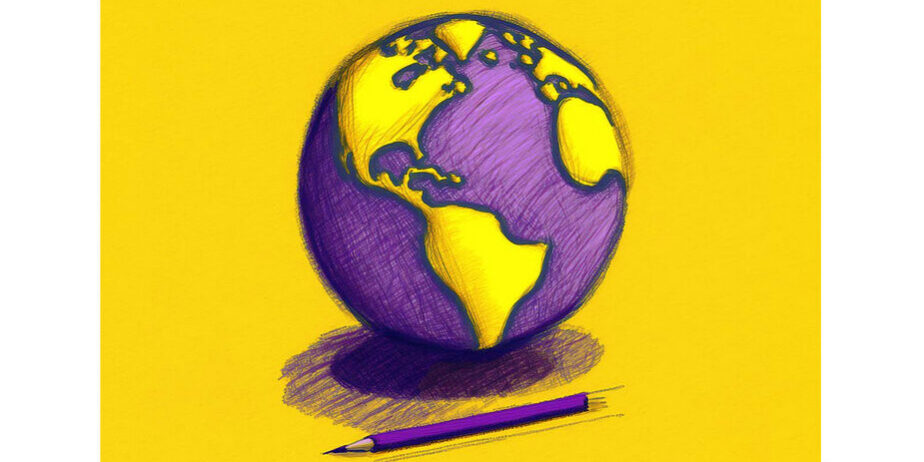
According to ILGA's first Intersex Legal Mapping Report (International Lesbian, Gay, Bisexual, Trans and Intersex Association (ILGA)), only six countries prohibit unnecessary medical interventions on people with intersex bodies.


Share

first Intersex Legal Mapping Report shows that a large majority of UN member states have still not made any sufficient legal attempt to protect the right of intersex people to bodily integrity and autonomy.
The report published by ILGA World is a pioneering global study on the legal protection of people born with variations in sex characteristics.
The publication presents an overview of the situation in each of the 193 UN member states regarding the protection of the human rights of intersex people. It also includes profiles of the 34 countries where legal progress has been made and analyzes how intersex issues have been addressed in international human rights practice. It features interviews with intersex activists, providing a unique perspective on their advocacy work.
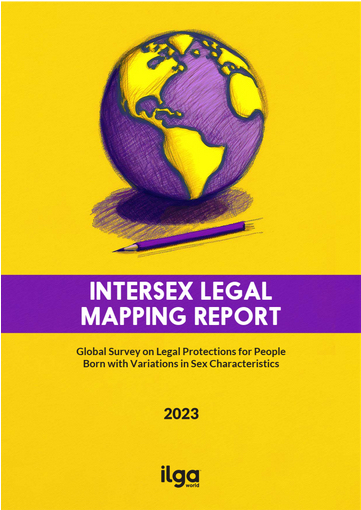
“As of July 2023, only six UN member states had adopted laws prohibiting unnecessary medical treatments, surgeries and other interventions that alter the sex characteristics of intersex minors without their free, prior and fully informed consent,” said Crystal Hendricks, Chair of ILGA World’s Intersex Committee.
“This shocking lack of legal protection remains a reality despite unanimous, systematic, and urgent calls from intersex civil society and international human rights bodies. However, current positive trends give us cause for hope.”
By July 2023, seven UN member states had introduced national legislation prohibiting discrimination based on sex characteristics. Five states adopted legal provisions on liability for crimes committed on the same grounds, and seven introduced other legal standards aimed at improving the equal enjoyment of human rights by intersex people.
In addition, there is a growing number of national and subnational legal developments aimed at addressing the needs of the intersex community.
What is an intersex person?
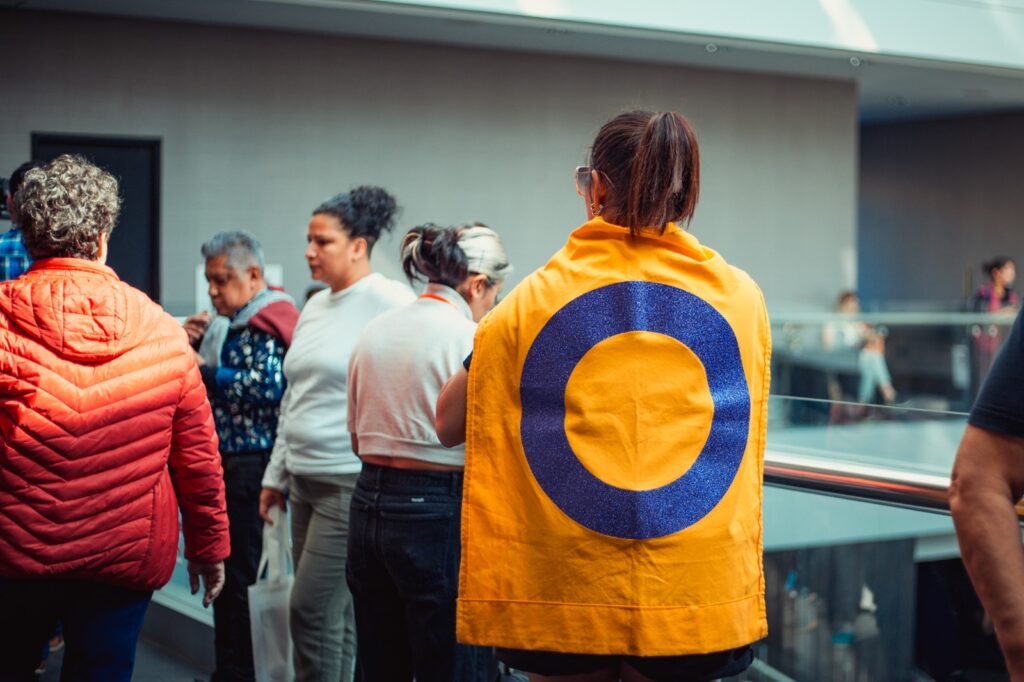
Intersex people are born with variations in sex characteristics (such as genitals, reproductive organs, and hormonal and chromosomal patterns) that are more diverse than stereotypical definitions of male or female bodies.
The report states that up to 1.7% of the world's population is born with these traits. However, because their bodies are considered different, intersex children and adults are often stigmatized, subjected to harmful practices—even in medical settings—and discriminated against.
The figures

- Six UN member have laws prohibiting unnecessary medical interventions to alter the sex characteristics of intersex minors without their free, prior, and fully informed consent. These are Germany, Greece, Iceland, Malta, Portugal, and Spain.
- Only two UN member states – Greece and Malta – introduced specific sanctions for violating these prohibitions.
- 94% of UN member states (181) have not yet made even a sufficient legal attempt to protect the right to bodily integrity and autonomy of intersex people
- Seven states introduced national legislation prohibiting discrimination on the grounds of sex characteristics: Albania, Bosnia and Herzegovina, Denmark, Spain, Malta, Portugal, and Serbia
- Eight states adopted legislation aimed at protecting intersex people from discrimination on other grounds: Australia, Belgium, Finland, India, Montenegro, the Netherlands, and South Africa
- Five states adopted legal provisions on liability for crimes committed on the grounds of sexual characteristics: Denmark, Greece, Iceland, Spain and Malta.
- Seven states introduced other legal norms aimed at improving the equal enjoyment of human rights by intersex people: Andorra, Chile, Costa Rica, the United States, Greece, Iceland, and Kenya.
- The report clarifies that ILGA World identified subnational laws and regulations that include provisions relating to the right of intersex people to bodily integrity and the equal enjoyment of their human rights in Australia, Spain, the United States, the Philippines, India, Mexico and the United Kingdom.
Let's redouble our efforts
The ILGA World Intersex Legal Mapping Report documents how in the last fifteen years there has been a rapid increase in legal developments aimed at improving the situation of intersex people.
“International human rights law is also playing its part,” added Ilia Savelev, co-author of the Intersex Legal Mapping Report. “Since 2009, responses from intergovernmental organizations have evolved from hesitant suggestions to urgent and confident calls to legally prohibit non-consensual medical interventions on intersex minors and ensure accountability for them.”
During the last United Nations Human Rights Council, held in October 2023 , for example, Finland, Chile, South Africa and Australia led a group of 56 States from all regions of the world in a resounding call to “redouble efforts to combat violence, harmful practices and discrimination on the grounds of people’s sex characteristics.”
Surveillance and an anti-rights agenda
Also during the Human Rights Council, civil society organizations called for a UN resolution, which could lead to an official United Nations report on the issue: it would be an absolute first and would raise awareness about intersex issues in a way that States could no longer ignore.
In fact, civil society has played a fundamental role in advancing the human rights of intersex people. “All the progress achieved over these years is a testament to their tireless work,” stated ILGA World Co-Secretaries Luz Elena Aranda and Tuisina Ymania Brown.
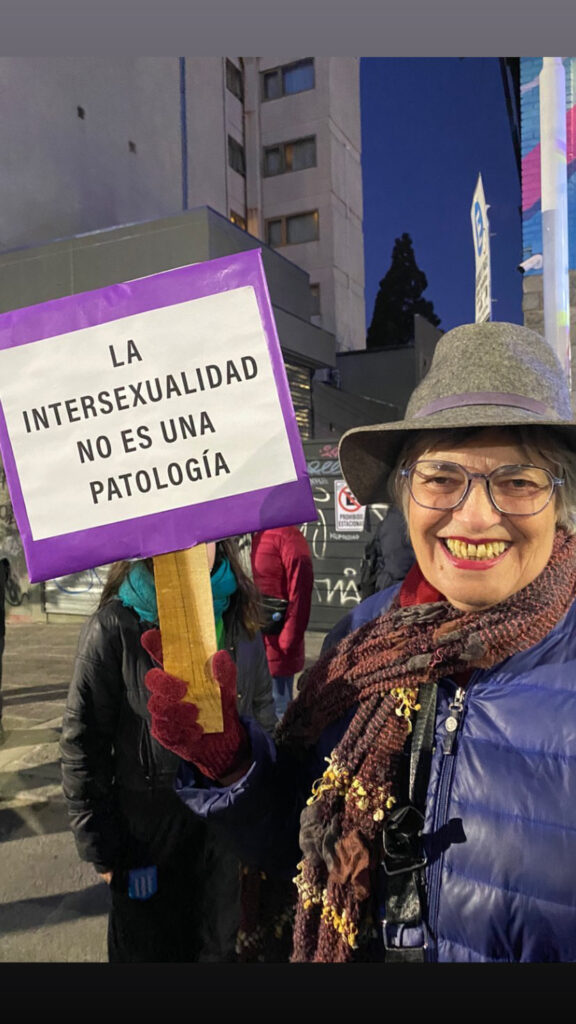
“Activists have long denounced violations of the rights to bodily integrity, autonomy, and self-determination of intersex people. But we know that these issues are not only faced by intersex people. To varying degrees, these issues are also extremely relevant when it comes to gender equality and sexuality, but also to disability, sexual and reproductive health and rights, and sex work. At a time when the surveillance of bodies has become a staple of the broader anti-rights agenda, solidarity between movements has never been more important. We hope that tools like the Intersex Legal Mapping Report will catalyze continued progress and change, not only for the intersex community, but for all of us.”
What's happening in Argentina?
In Argentina, during 2018, Bill No. 7037-D-2018 (2018) was presented to the Argentine Federal Congress with the objective of prohibiting “involuntary and/or irreversible medical treatments and procedures that modify the sexual characteristics of a person for the purpose of sex assignment.”
Comprehensive Protection of Sex Characteristics Bill was introduced in the Chamber of Deputies of the Federal Congress . The bill prohibits medically unnecessary and non-consensual interventions that alter sex characteristics, as well as discrimination based on sex characteristics. It guarantees the right to information about sex characteristics, including access to medical records, and includes other provisions to benefit intersex people.
In 2021, it was reported that the bill had been withdrawn from consideration. In November 2022, the bill was reintroduced in the Chamber of Deputies with the support of multiple signatories.
We are present
We are committed to journalism that delves into the territories and conducts thorough investigations, combined with new technologies and narrative formats. We want the protagonists, their stories, and their struggles to be present.
SUPPORT US

FOLLOW US
Related notes

We are present
This and other stories are not usually on the media agenda. Together we can bring them to light.