

Alejandro Córdova: “This country is difficult because even gay men are heteronormative.”
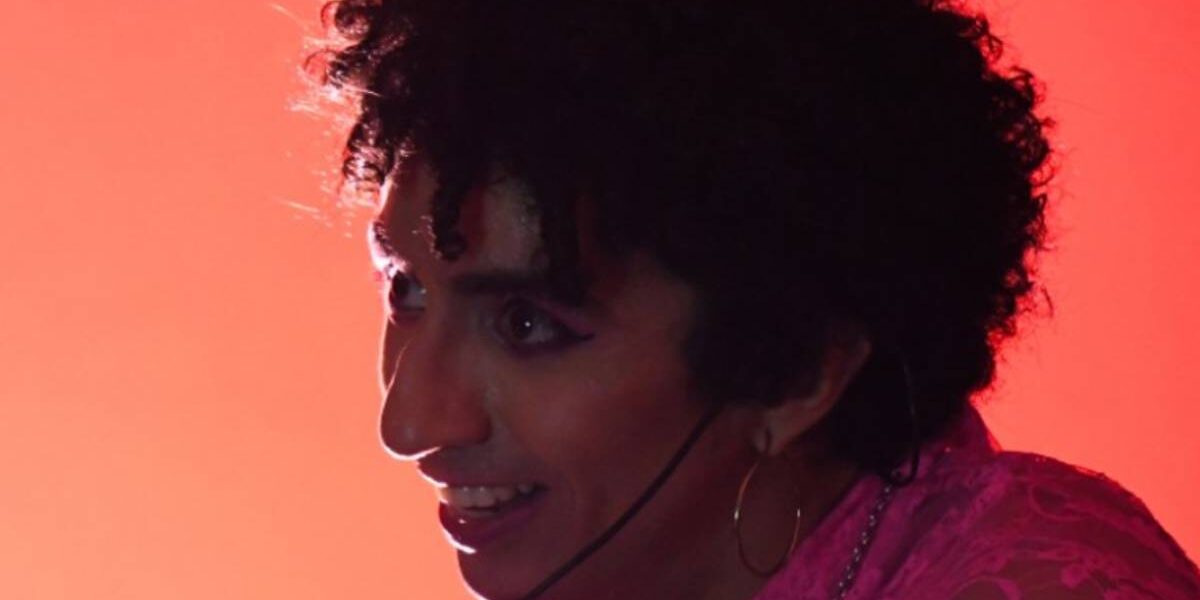
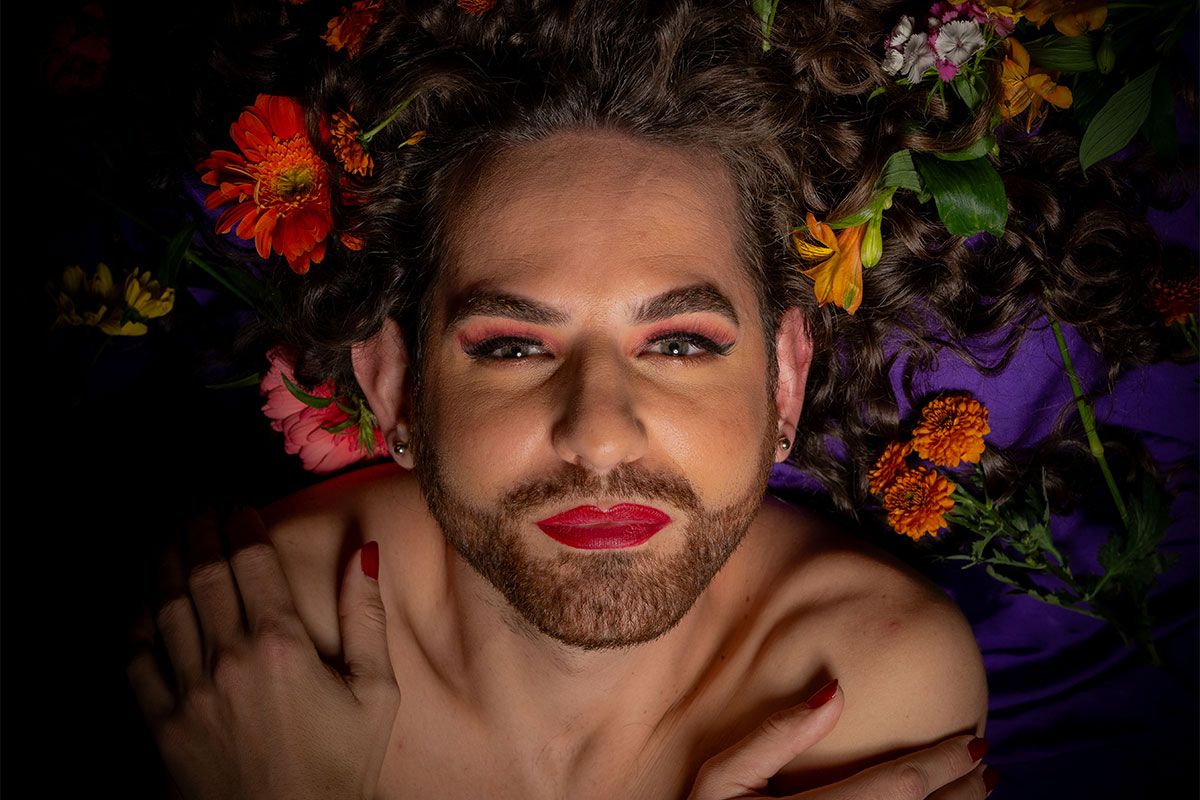
In his new show, Alejandro Córdova adopts the name “La Taylor.” He shares stories of love and sex. His performance is influenced by his experience in Argentina; while studying dramaturgy, he immersed himself in the ballroom community.


Share

On stage, La Taylor shares her intimate and personal stories, which may resonate with others in the LGBTQIA+ community. Alejandro Córdova, a Salvadoran who migrated to Argentina five years ago to continue his studies in theater and playwriting, brings La Taylor to life.
Alejandro has been writing since he was 13. He began his artistic career through short stories, becoming a renowned storyteller after winning the Floral Games three times. He studied Social Communication at the José Simeón Cañas Central American University (UCA), where he also became involved in theater and deepened his knowledge of the performing arts. He is one of the founders of Proyecto Dioniso, a Salvadoran theater company that seeks to connect with new generations in the country.
In the south, through community and the art of ballroom dancing, Alejandro found a new way to express himself. Using his lifelong writings, he has created an intimate, one-man show that reflects his evolution as an artist.
In this show, La Taylor directly challenges gender norms and self-discovery, presenting himself as a young gay artist, migrant, and HIV+ man. Throughout the interview, we delve into his artistic journey, his artistic vision, and the differences between Salvadoran and Argentinian stages, among other topics.
In the interview , conducted during his recent and fleeting visit to El Salvador, his opinions regarding the state of emergency, in effect since March 2022, are controversial and contradictory with respect to his stance regarding the guarantee and respect of people's rights.
-Before we begin, we think it's important to establish what your pronouns are?
"I'm Alejandro Córdova, by birth. I decided to call myself Taylor after my encounter with the ballroom community in Argentina. They baptized me Taylor. It's very common in ballroom culture for transvestites to baptize you, and you're taught to question your given name and gender at birth. You asked about my pronouns; I use them all in the following way: the masculine in social life, because I can't stop being Alejandro for many people and many institutions. Not yet, at least. I can't stop being a man, and besides, I don't want to stop being a man."
I only use feminine pronouns with loved ones, people who care about me, gay men. If someone else calls me using feminine pronouns, someone outside my circle of friends, I find it offensive. It's important to talk about this. A lot of people change their pronouns. It's more common than you might think, and people can choose to reject the dictates of their own gender.
–How did you end up presenting yourself like this on stage?
The community is a safe space of affection created to support the people who are part of it. In Argentina, at one point, I was exposed to a lot of systematic violations. First, migrating—or rather, being HIV+. It's about experiencing a lot of exclusion that empowers you.
-What do you mean when you say "brownly"?
-Identifying as brown in Argentina is quite political because you systematically and silently experience a lot of violence all the time. Just as you identify as gay, you identify as brown, a migrant, HIV+, and an artist. All of those components are part of who I am, not just my gender, but also my skin color.
-After being away for five years, how did you find the country? What differences do you see in the field of arts?
El Salvador has a serious mobility problem. There's a lot of traffic, a lot of cars. I know you didn't ask me about it, but it was the first thing I noticed. With Project Dioniso, we planned a series of activities, and they were very difficult to carry out because of this problem. The problem of security was replaced by the problem of mobility.
On the artistic side, it's been wonderful to reconnect with my company, Proyecto Dioniso. There are so many people here who have placed their trust in us. That's what I find remarkable: I come back and find a strong, active company that creates and stars in theatrical projects everywhere. El Salvador continues to be full of artists who never stop creating. I can't describe any feeling other than happiness.
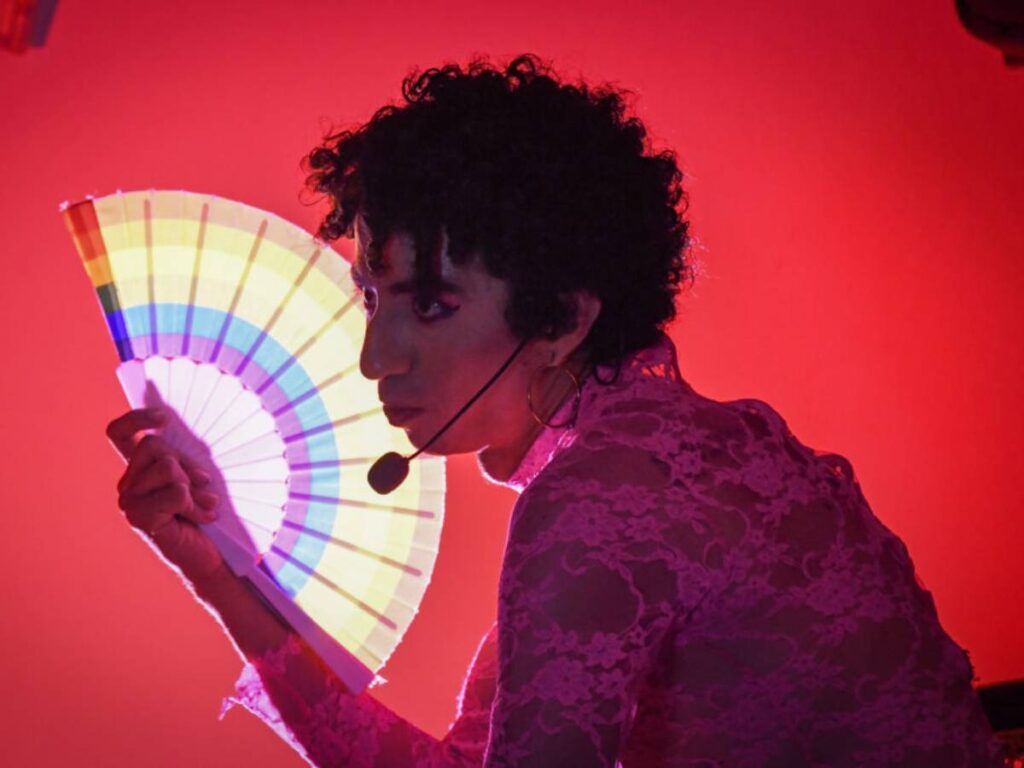
Photo: Kellys Portillo
-How do you think your activism impacts El Salvador?
The impact has been real since I started dressing like this. I've suffered a lot this month because of my decision to go out in public like this, but I've lived it. I don't just want to dress like a man. I wear lipstick, I have earrings; this is part of me now, something I always wanted but didn't dare to do. And yes, I think I want to stir things up. It's hard, because even in gay clubs people look at you funny. This country is tough because I feel like even gay men are heteronormative. Heteronormativity is so present everywhere, for example, on Grindr, "discreet and masculine, no bottoms." Please! How is it possible that only I want to wear these things? And look amazing, too.
-What have been your challenges?
-The money. Next question.
-Okay, elaborate on that a little bit, why is money the challenge for those who want to make art and queer art?
"I'm not going to say anything new because it's the same old story: the artist starving. Go ahead, tell your mom you want to study art and you'll worry her. My mother, whom I love very much, always supports me. She's seen it firsthand, she's been through it herself, oh yes! That debt keeps growing because, obviously, there's a lack of funding, a lack of institutions, a lack of political will, a lack of a national project that integrates the arts systematically. I don't know, let him (Nayib Bukele) do his thing, but he should give the arts a little more support."
–That's controversial.
-What I mean, Mr. President, is that I want to found the National Theater Company of El Salvador.
–Now you're presenting a project on your own, what's the difference between working with a company and doing it on your own?
"I don't know, initially I'd like to praise my company again, because I'm alone on stage, but how much work this requires! At least five people were brought on board. There are people behind the scenes: graphic design, Instagram advertising, managing the finances—it's all a very important part of the art, because otherwise it all just stays as ideas. Dionisio has taught me so much about that. Doing the Taylor show gave me enormous creative freedom; it's exquisite because of the music by two Salvadorans who are there, David and Elías. I'm the one who stands up with my ideas, but I'm nothing without the team that supports me."
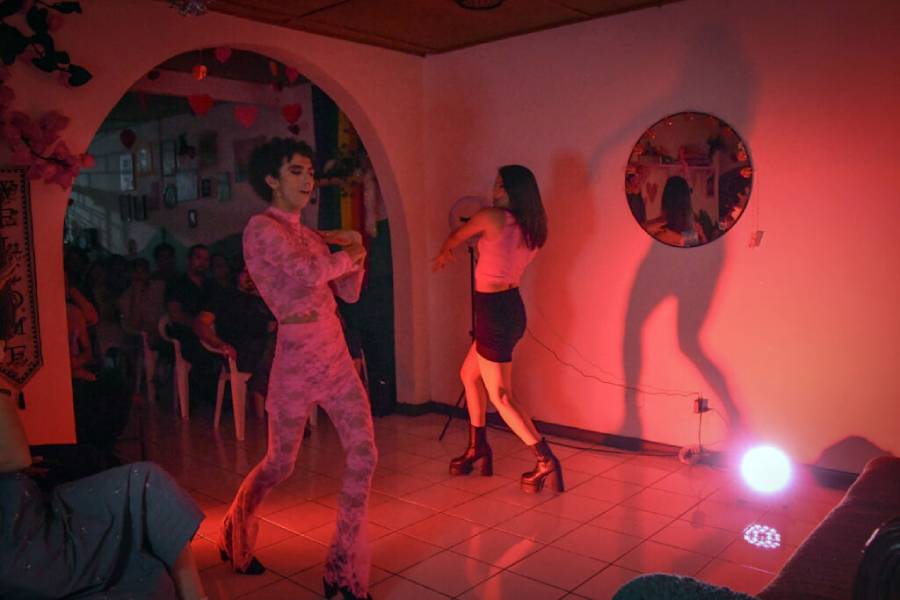
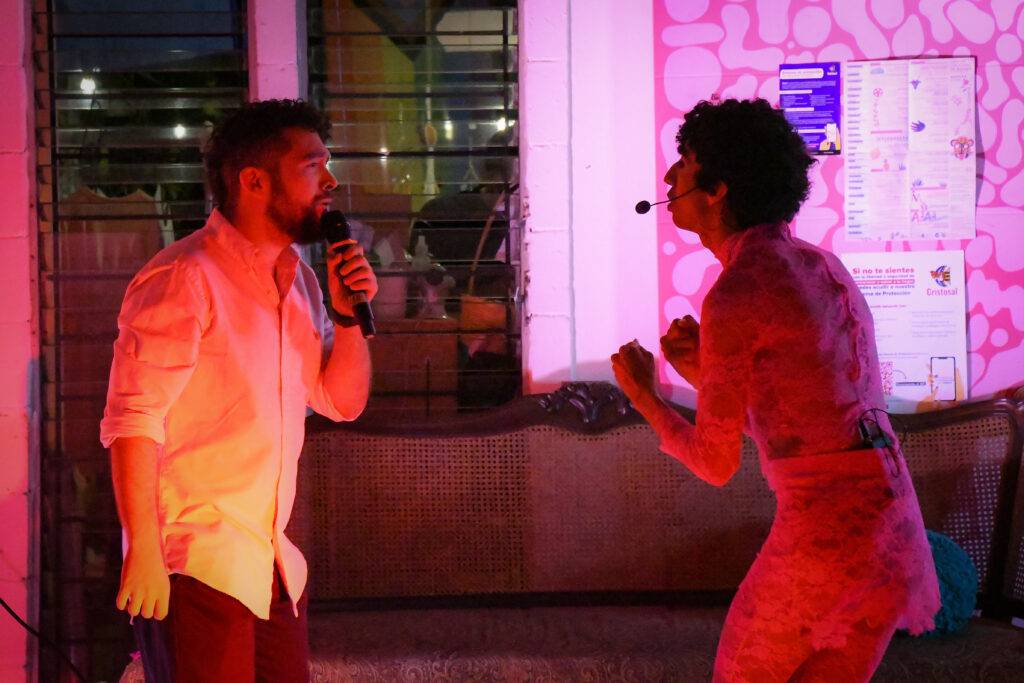
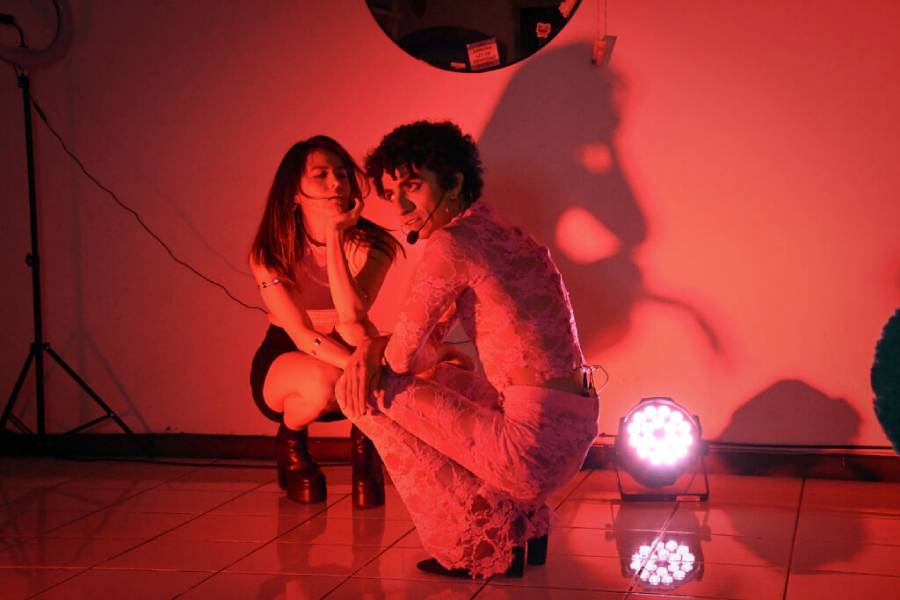
Slide the arrows >>>>
-What can we expect for the future?
"If things go well, I want to come back. I'm saying so now. I want to be here next year. It's an important year, and I feel a strong pull from my homeland. I want to continue growing in Buenos Aires, in the world of entertainment. In Argentina, I lead a theater and ballroom project called Gender. I want to present it at the Vicente López Theater Festival in Buenos Aires. With this same project, we won the National Arts Fund of Argentina, but I want to emphasize that I didn't win it myself, even though I wrote the script and directed it. It was the work of 15 people."
–I have one question left to address, because you said earlier "let him follow his regimen," what do you mean by that?
We're under a kind of special law that strips away constitutional rights, and that creates a lot of problems related to how much democracy there is in a country. Our democracy is at stake; we all know it. Bad things are happening everywhere; Argentina is in a bad way. The Argentine economic crisis is terrible; bad things are always happening, because if you think back to the eighties… It's very important to ask ourselves how we're going to deactivate the machine from within, because we're not outside the machine; we're inside it, and we sustain it every day. How to begin dismantling it is very important. For example, one solution is to choose gender; we have to modify gender dynamics.
Speaking of the situation in El Salvador, as an artist, my opinion is that I hope we artists can imagine new ways of emerging, of existing in this country, because the effects of these special laws are real and concrete. Security has changed, and we all perceive it. But how long will this pressure cooker of unresolved problems last? I don't want to run a country; I want to do theater, so I don't know, we'll talk later; maybe over coffee to think about how to send the president some advice.
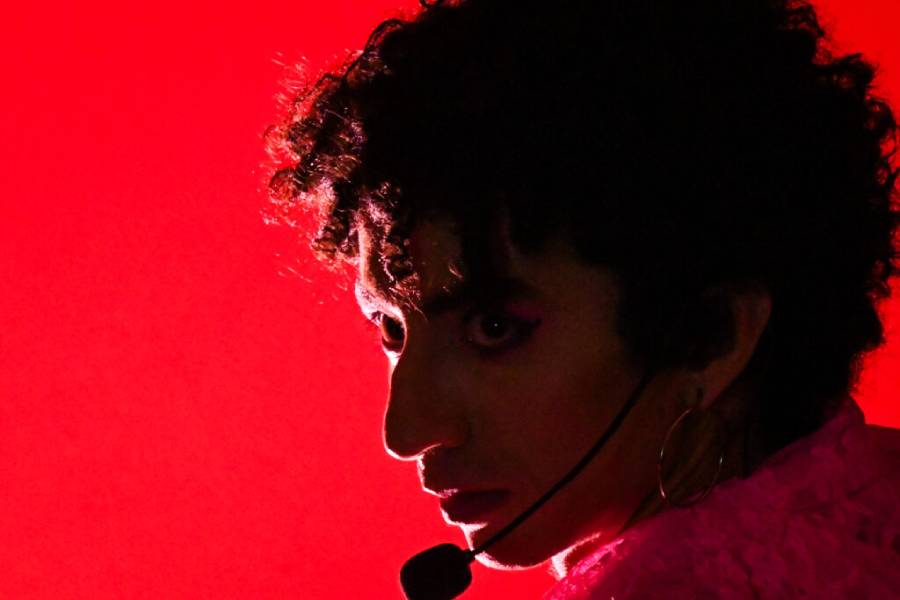
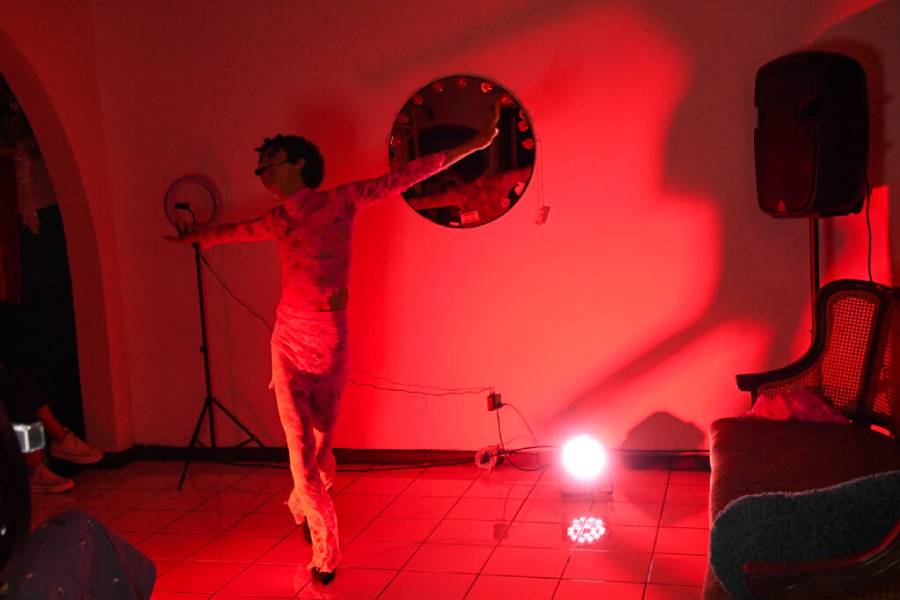
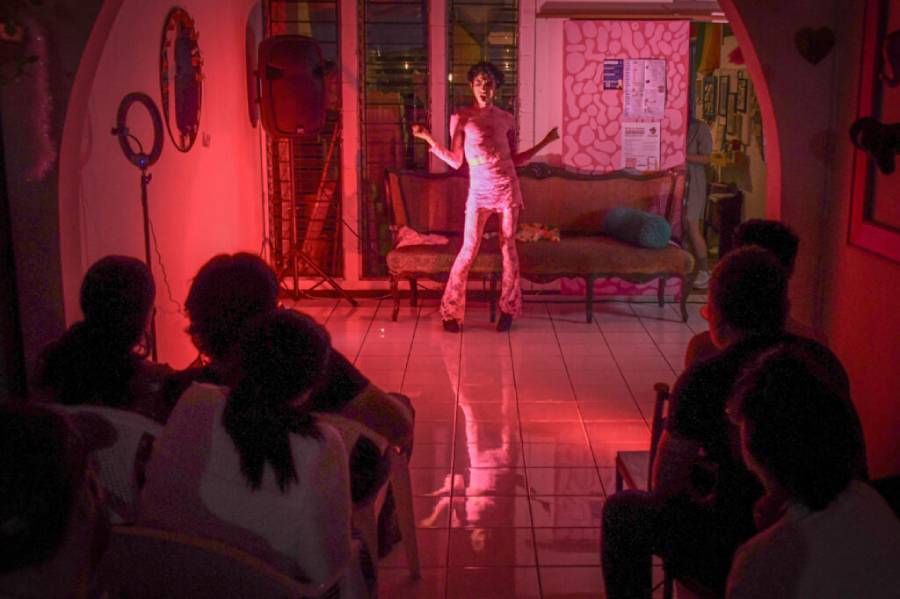
The La Taylor Show featured special guest appearances, including Otto Rivera singing and Rocío Buendía vogueing.
Photo: Kellys Portillo
This article was originally published in Alharaca
We are present
We are committed to journalism that delves into the territories and conducts thorough investigations, combined with new technologies and narrative formats. We want the protagonists, their stories, and their struggles to be present.
SUPPORT US

FOLLOW US
Related notes
We are present
This and other stories are not usually on the media agenda. Together we can bring them to light.
1 Comment