

Buenos Aires marched with Pride: a celebration and defense of rights before the runoff election
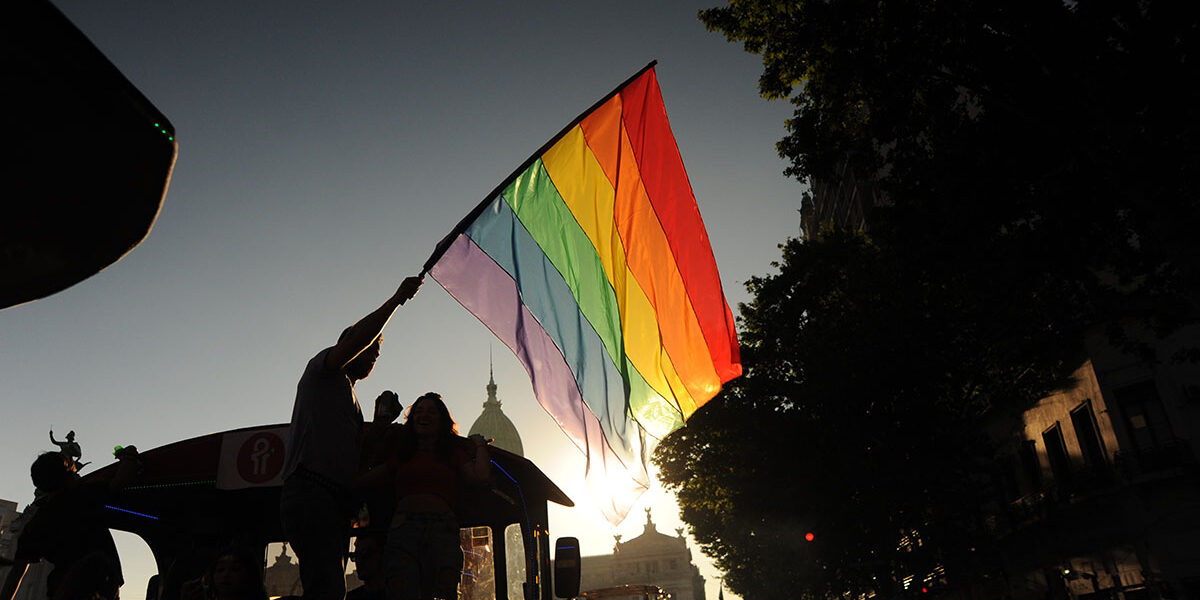
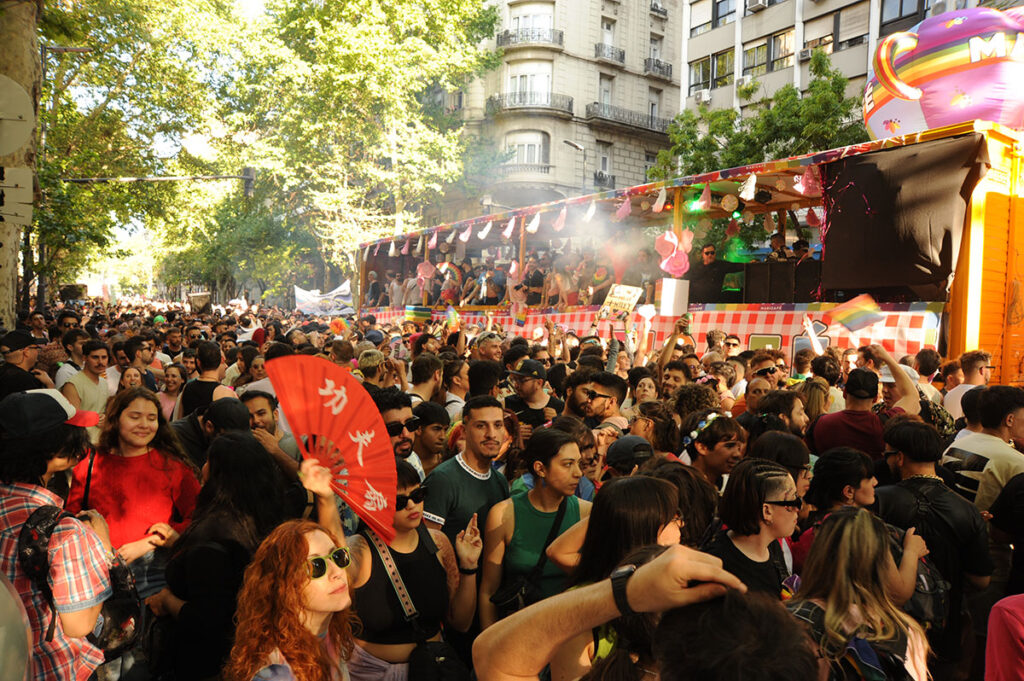
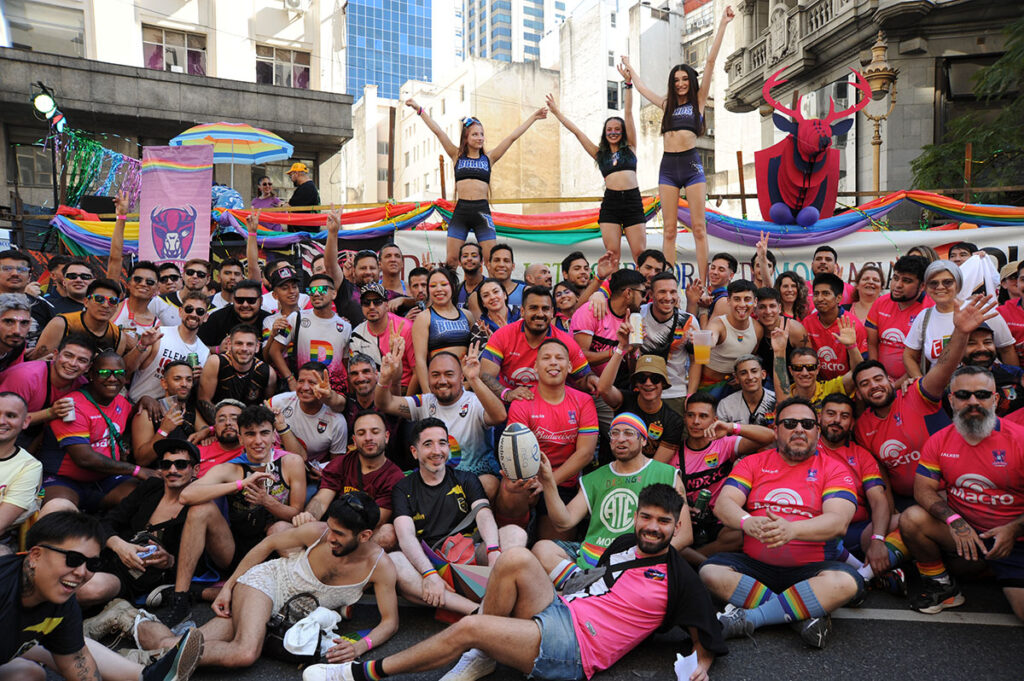
In one of the largest and most massive Pride marches ever, nearly a million people of all ages filled the streets of Buenos Aires. Two weeks before the runoff election, they marched with the slogan "Not one more cut, not one less right."


Share

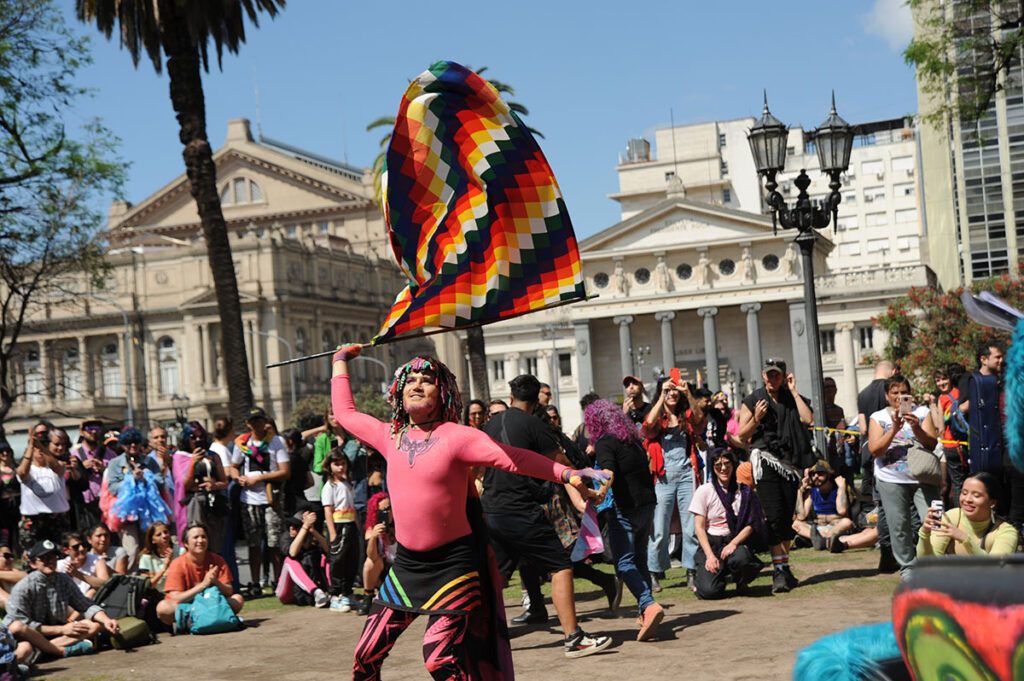
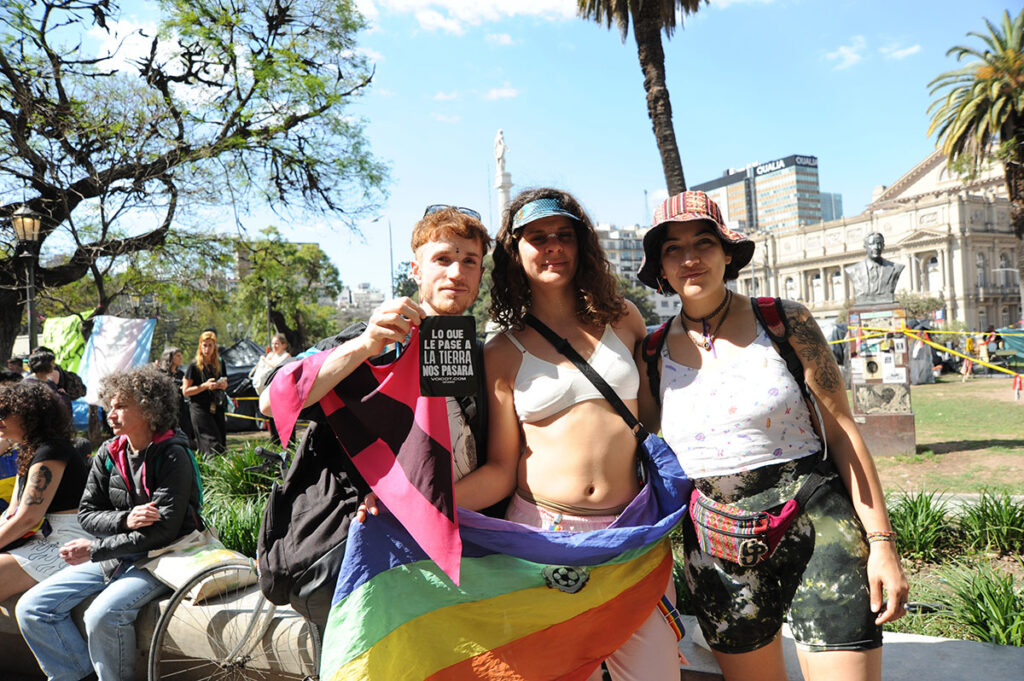
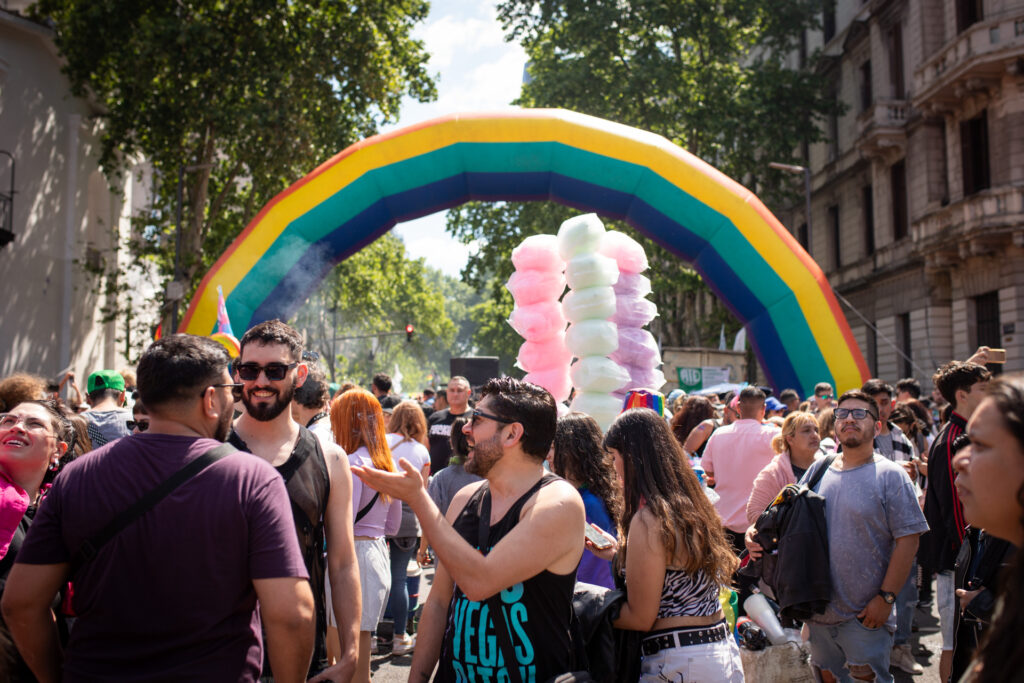
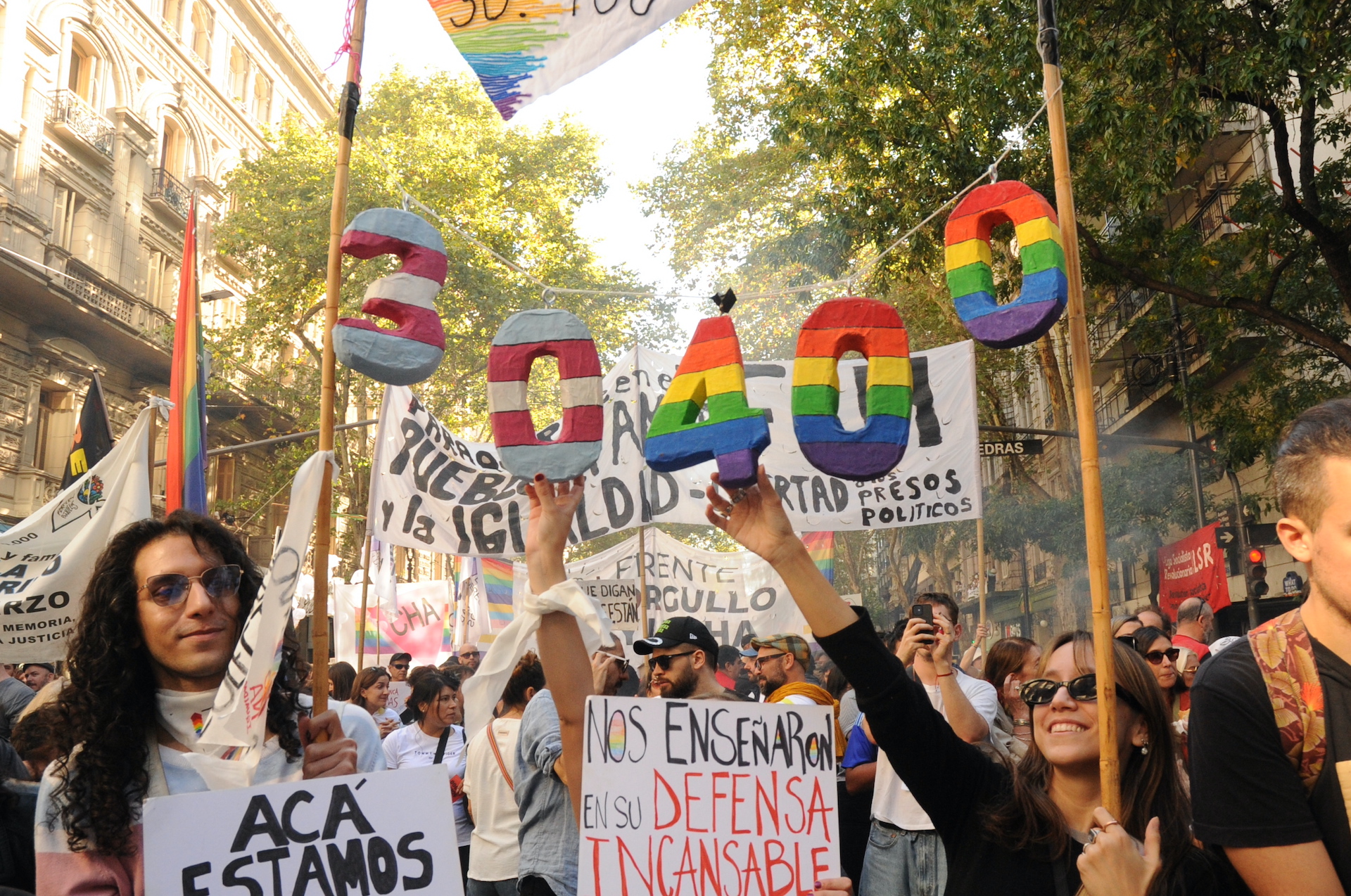
BUENOS AIRES, Argentina . Two weeks before a historic runoff election, hundreds of thousands of people marched to a festive rhythm in the 32nd Pride March, from Plaza de Mayo to the National Congress. In a hyper-politicized context—due to the runoff between Sergio Massa and the ultra-liberal Javier Milei —the floats danced and vibrated in defense of democracy. The signs once again demonstrated the ingenuity and creativity of the people, in one of the largest marches in recent years, which left a taste of hope.
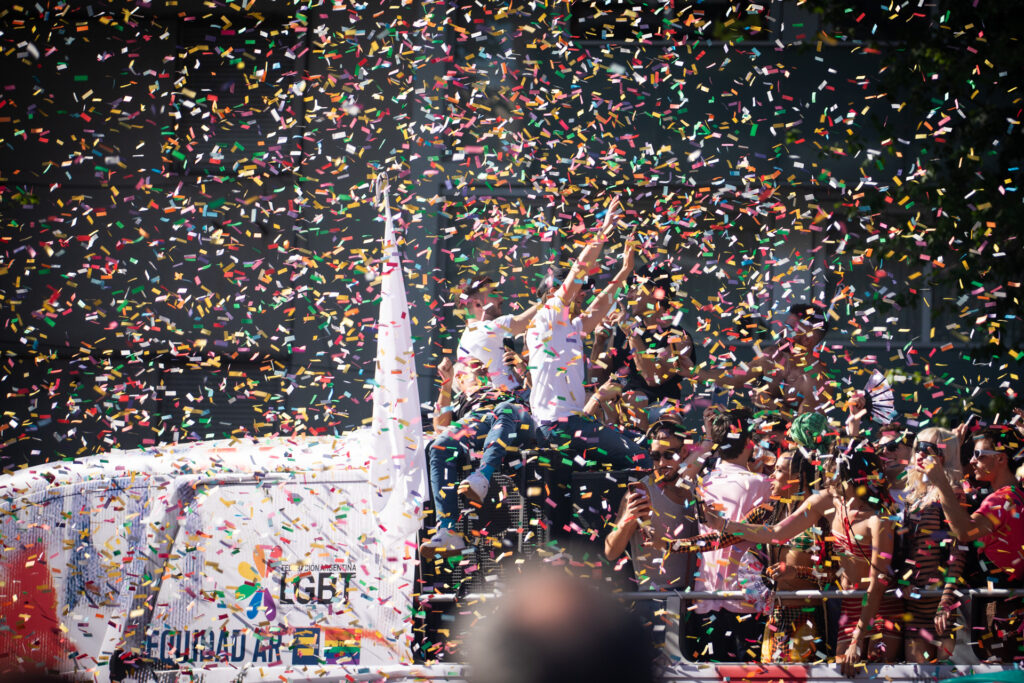
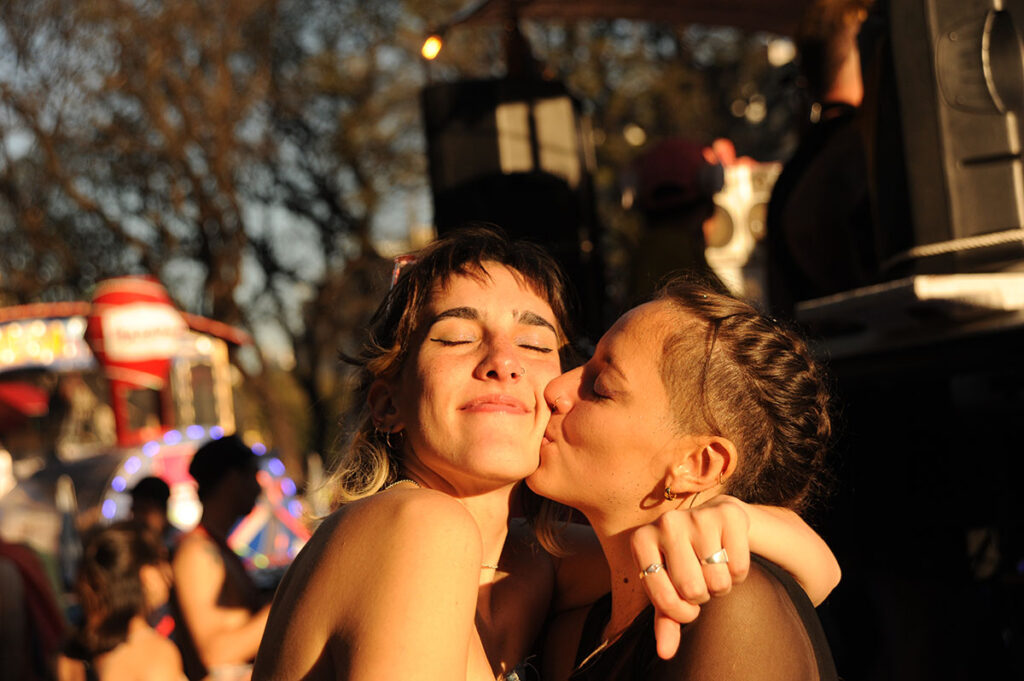
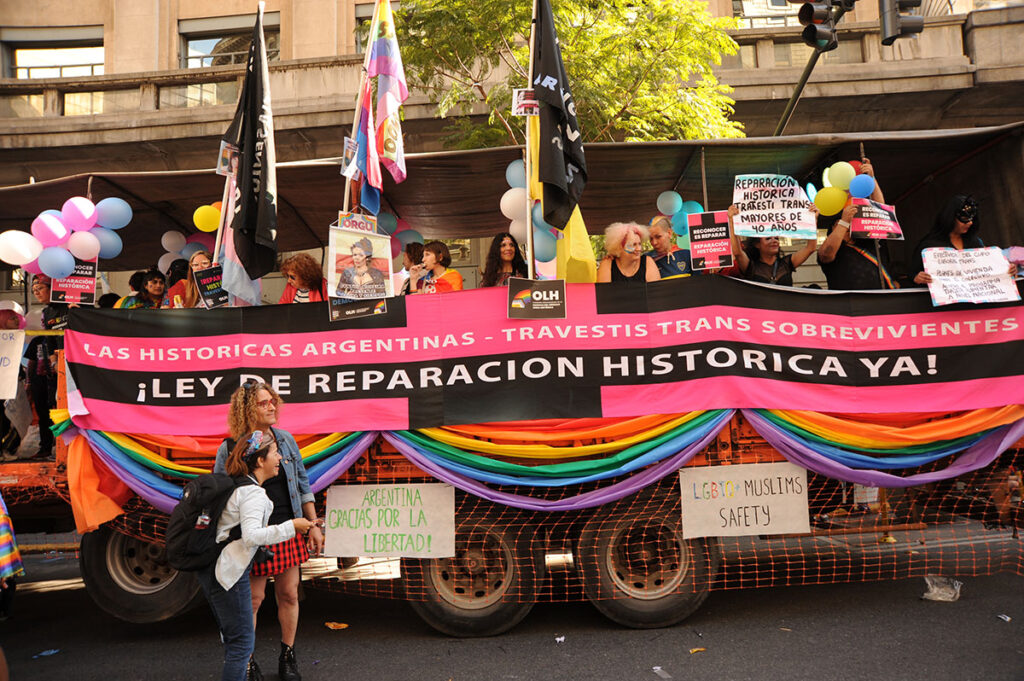
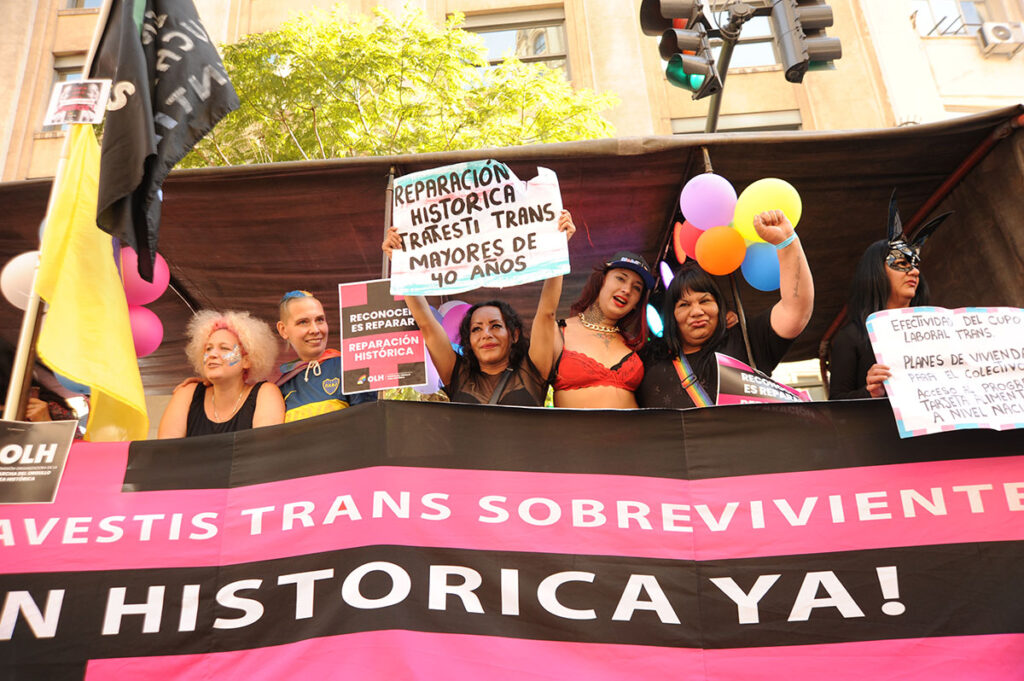
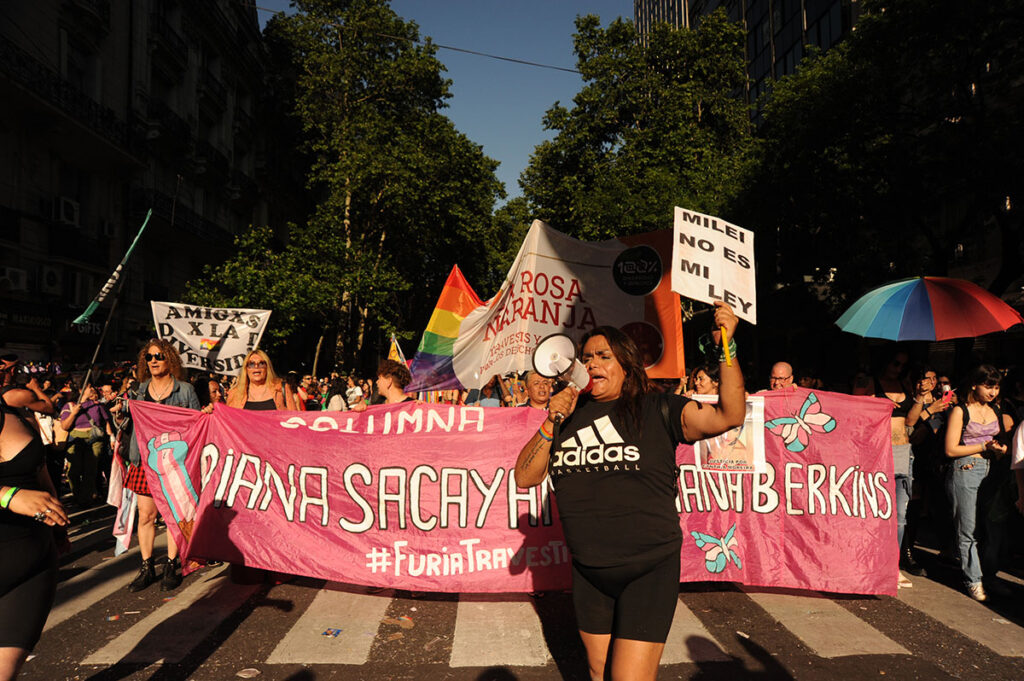
The slogans defined by the organizing committees all prioritized the demand for a Comprehensive Trans Law and historical reparations . They also called for a resounding "Rights yes, right wing no." Some estimate that nearly a million people filled the streets of Buenos Aires with color and celebration. The exact number is difficult to pinpoint, but it was one of the largest demonstrations in recent years.

Pride's Embrace to the Third Malón
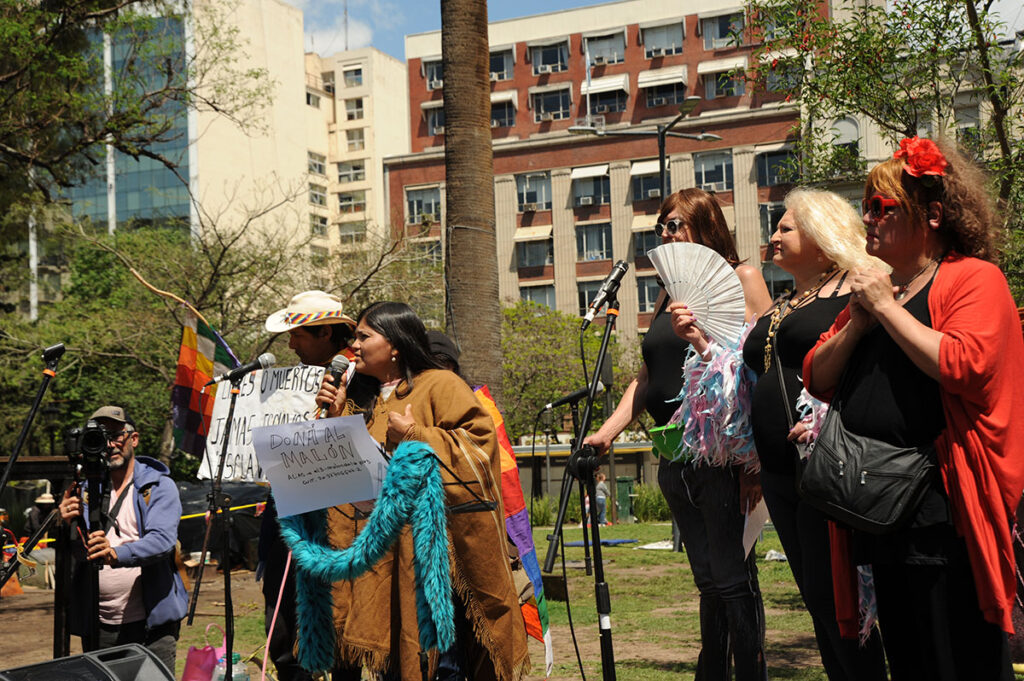
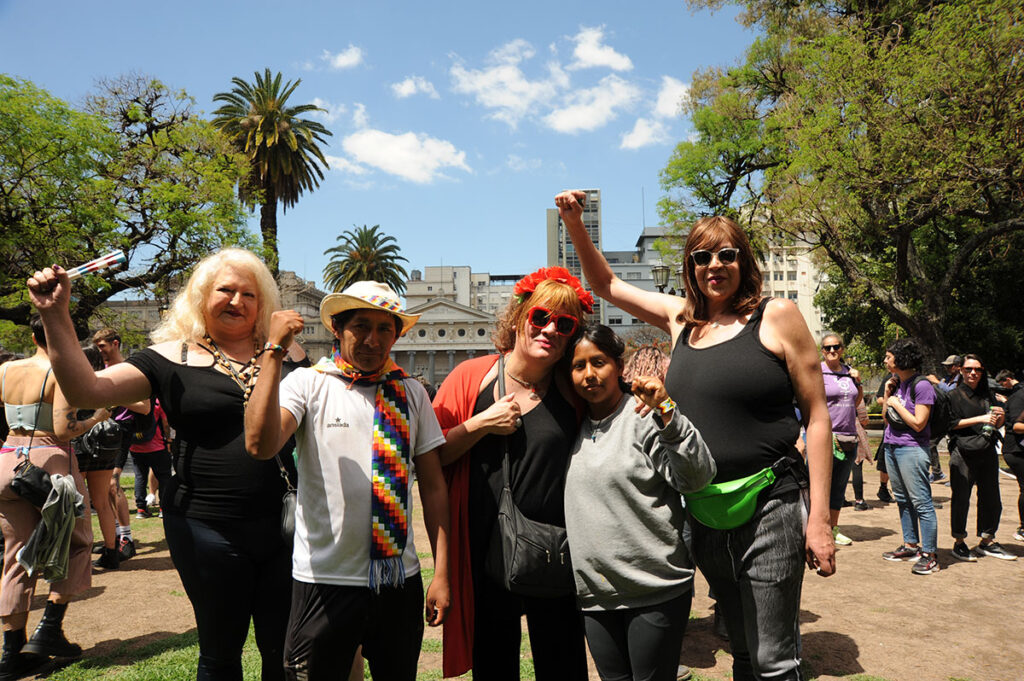
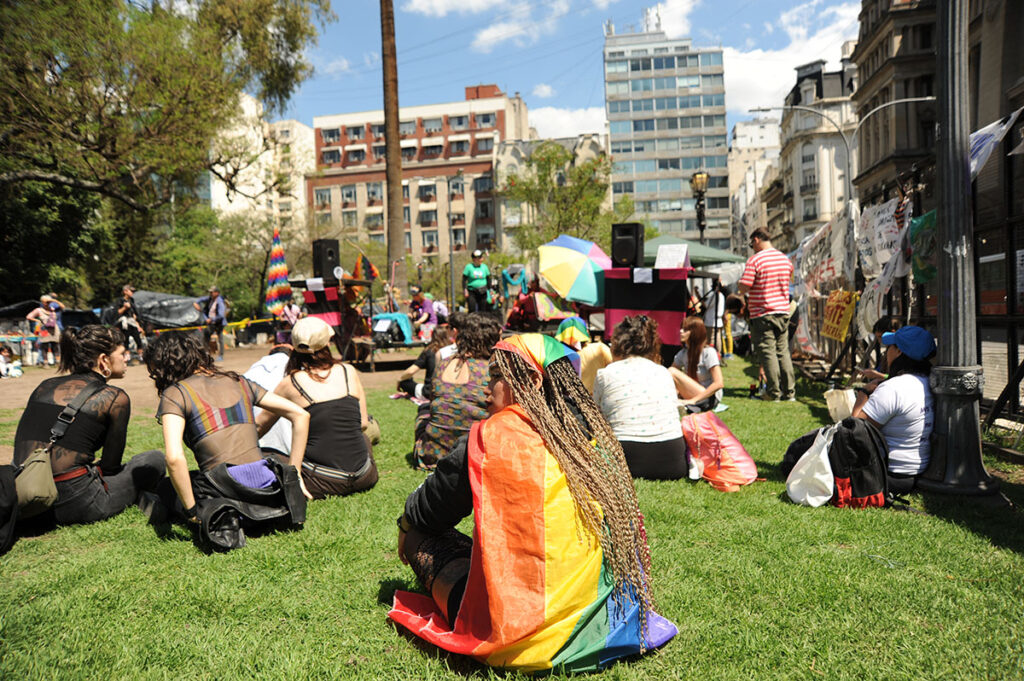
Before noon, Pride marchers embraced the Malón de la Paz (Peace March) that has been in Plaza Lavalle since August 1st. Marlene Wayar and Susy Shock, among others, organized the gathering to raise awareness of the demands of the Third Malón . They are demanding national intervention in the province of Jujuy and the repeal of the constitutional reform passed without consultation by the Radical Civic Union governor, Gerardo Morales. Their appeal is directed to the Supreme Court because the Province of Jujuy has not respected the requirement for prior consultation with the affected communities.
The Maloners expressed their gratitude for the support, and a music and art festival was held with the slogan: "To Decolonize Ourselves; Against all genocides." Many people began their march in this plaza in front of the courthouse, where the slogans focused on the anti-extractive struggle, and then walked to Plaza de Mayo.
Green scarf protest: against denialism and hate
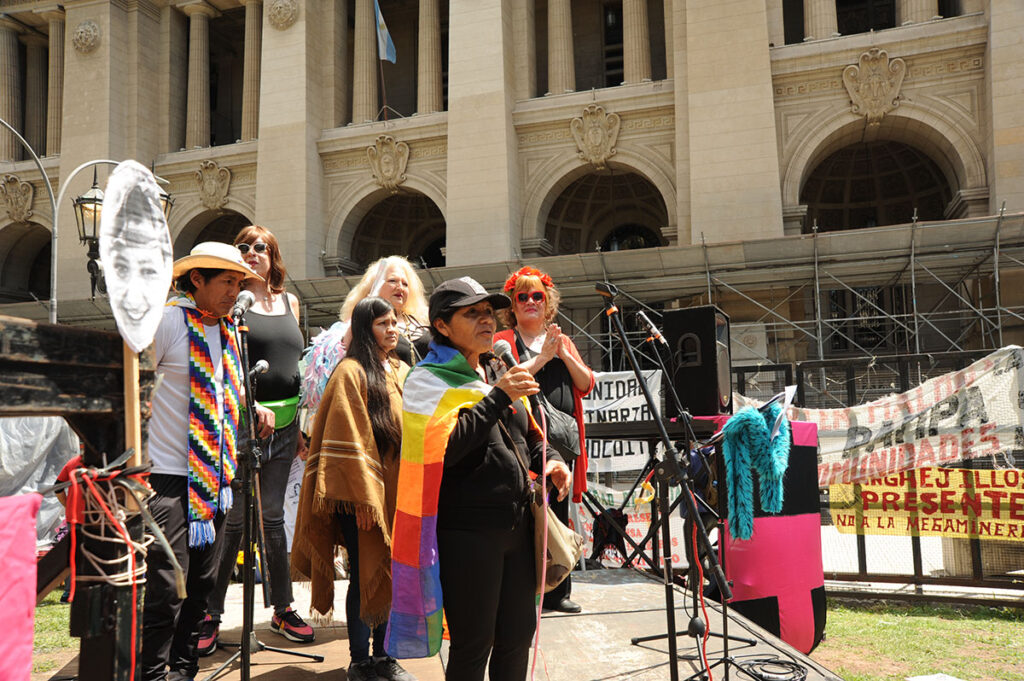
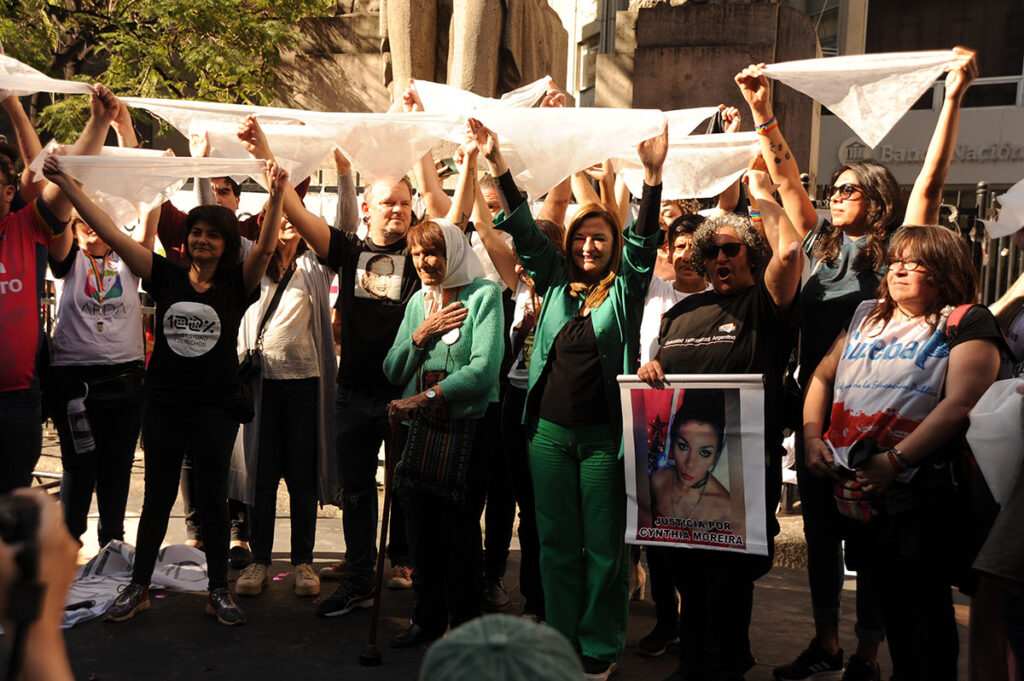
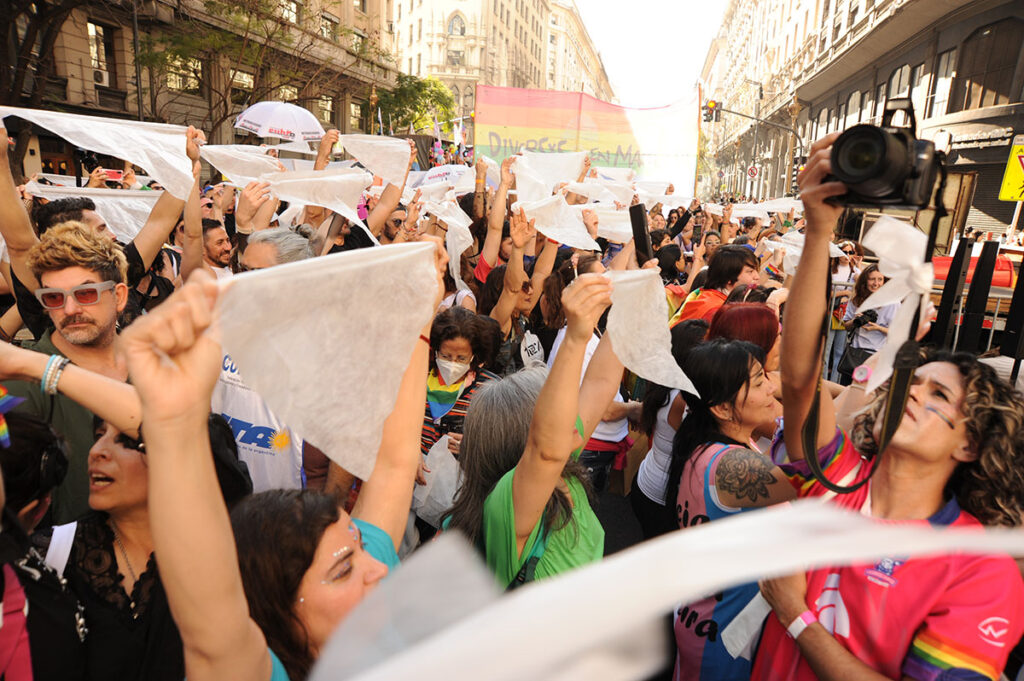
On a stage set up at the intersection of Diagonal Norte and Florida, the Organizing Committee of the Pride March – Historical Line (OLH) held a demonstration to honor the Mothers of Plaza de Mayo. Taty Almeida, from the Mothers of Plaza de Mayo Founding Line, who participated alongside Charly Pisoni of HIJXS, thanked the organizers for the invitation to Pride. “I am very grateful for the invitation and to participate with all of you on this very special day, the Pride March. It is very moving to see everyone with the white scarves. There are despicable individuals who want to tarnish it, but they will not succeed,” Taty said from the stage.
“We must be more united than ever, especially regarding all acquired rights; we must be careful. Vote with joy because we live in a democracy. Vote with memory,” he declared. And the crowd responded: “Rights yes, right wing no!” and “30,000 disappeared comrades, Present! Now and forever!”
Civic awareness festival
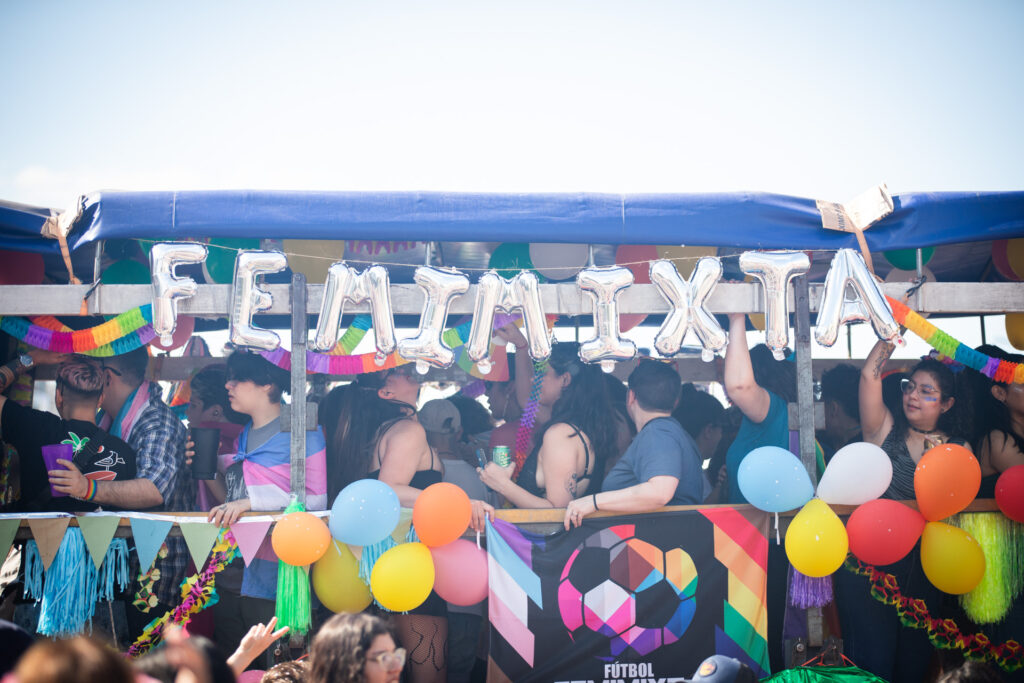
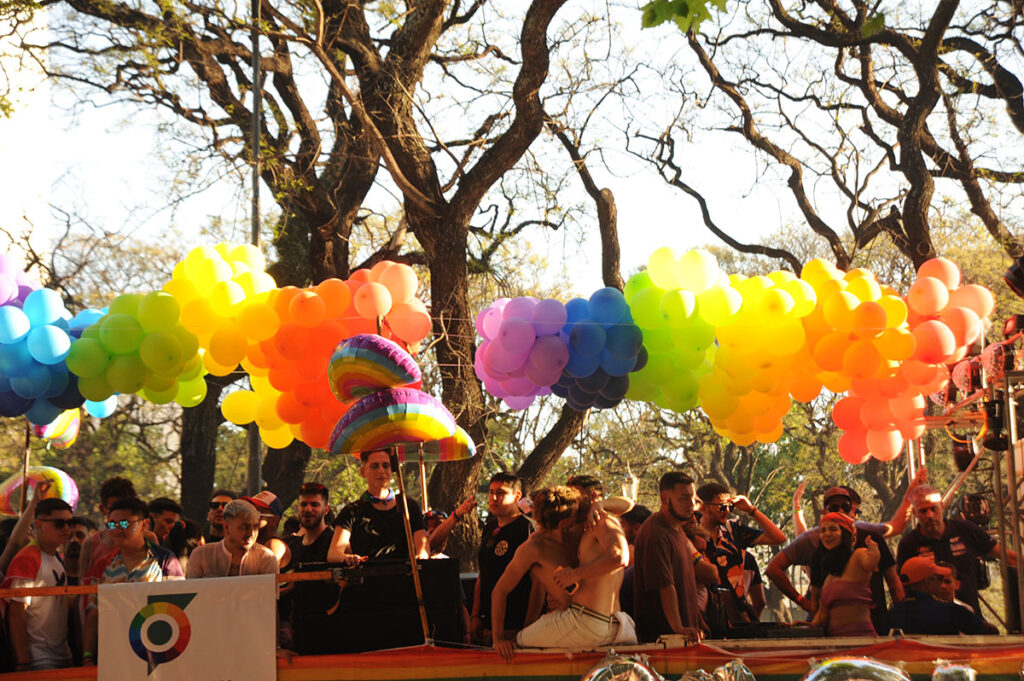
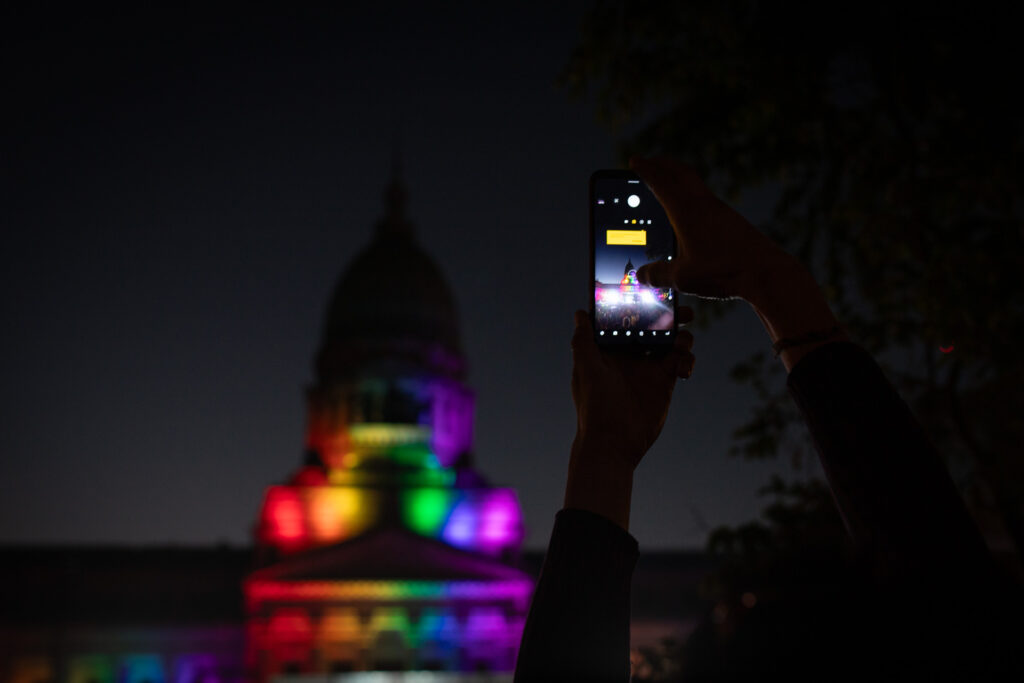
The trucks, like rolling discos, began their journey down Avenida de Mayo earlier than usual, starting from Plaza de Mayo. Some began arriving at the Congress building around 4:30 p.m., while others arrived after dark. A clear indication of the massive scale of this street party in Buenos Aires.
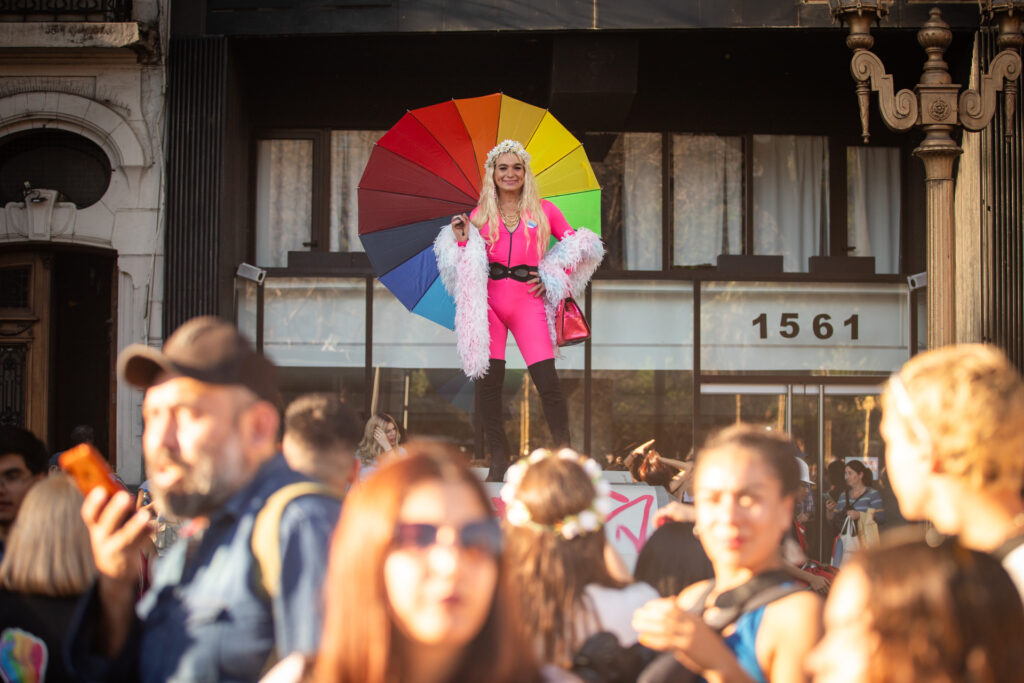
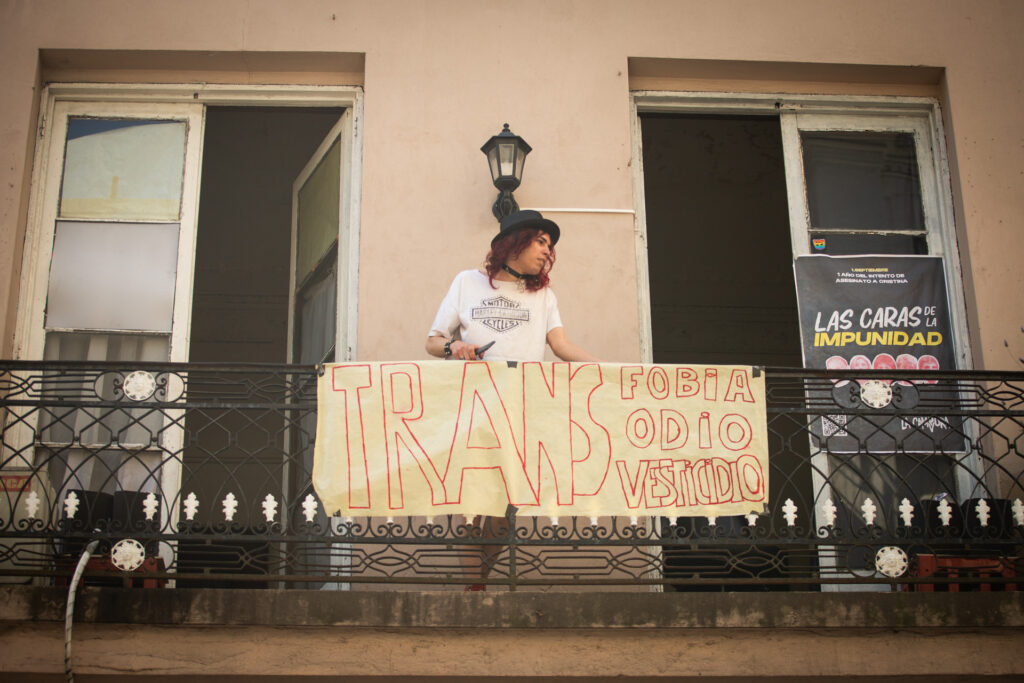
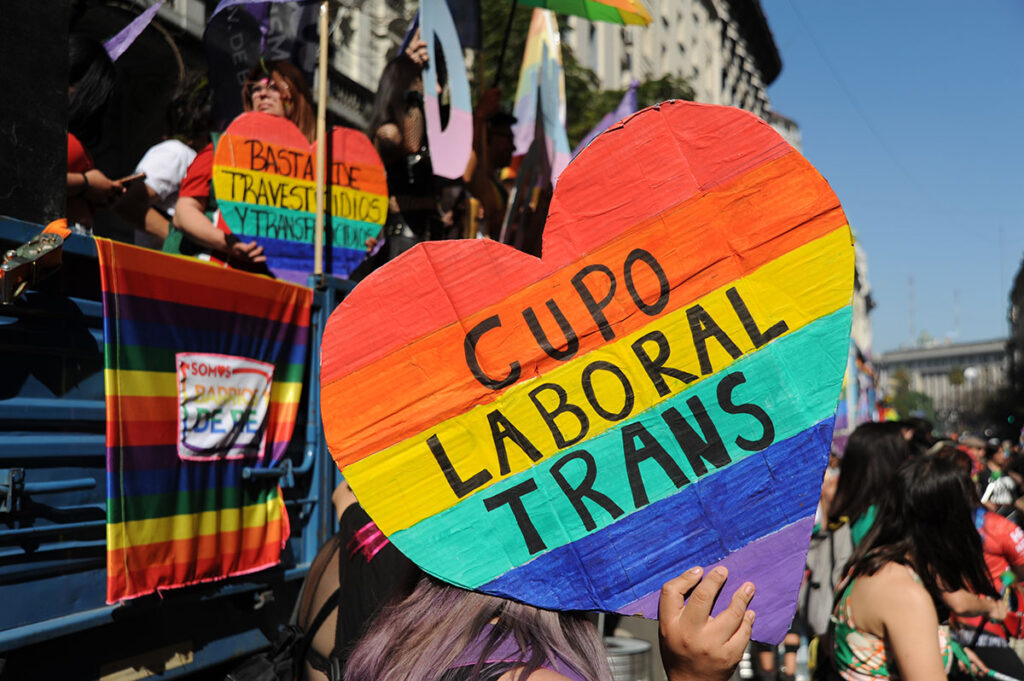
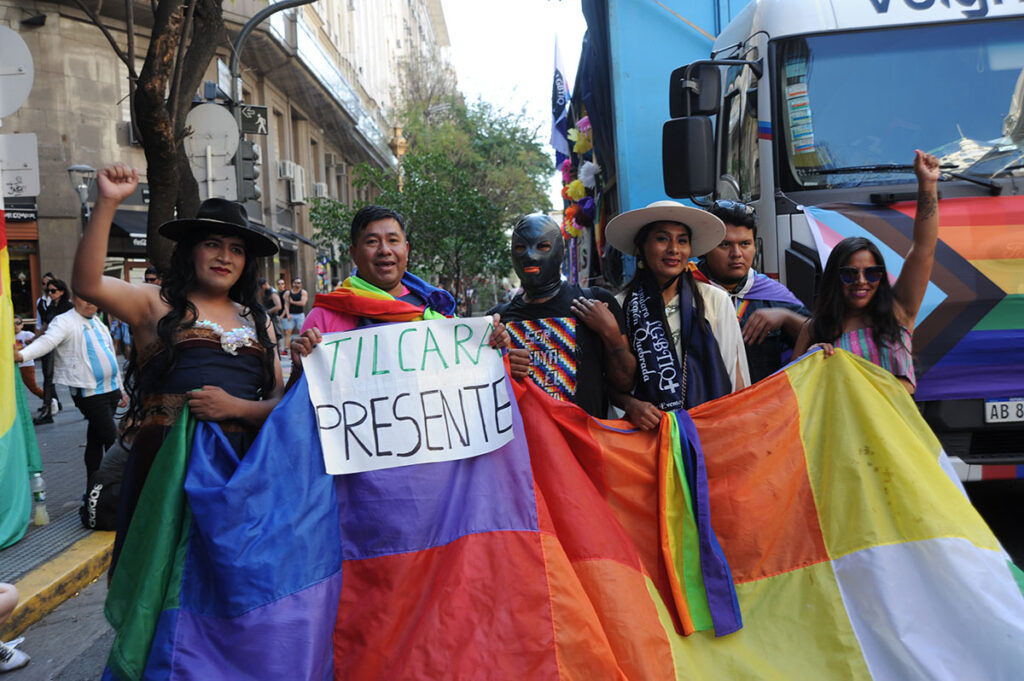
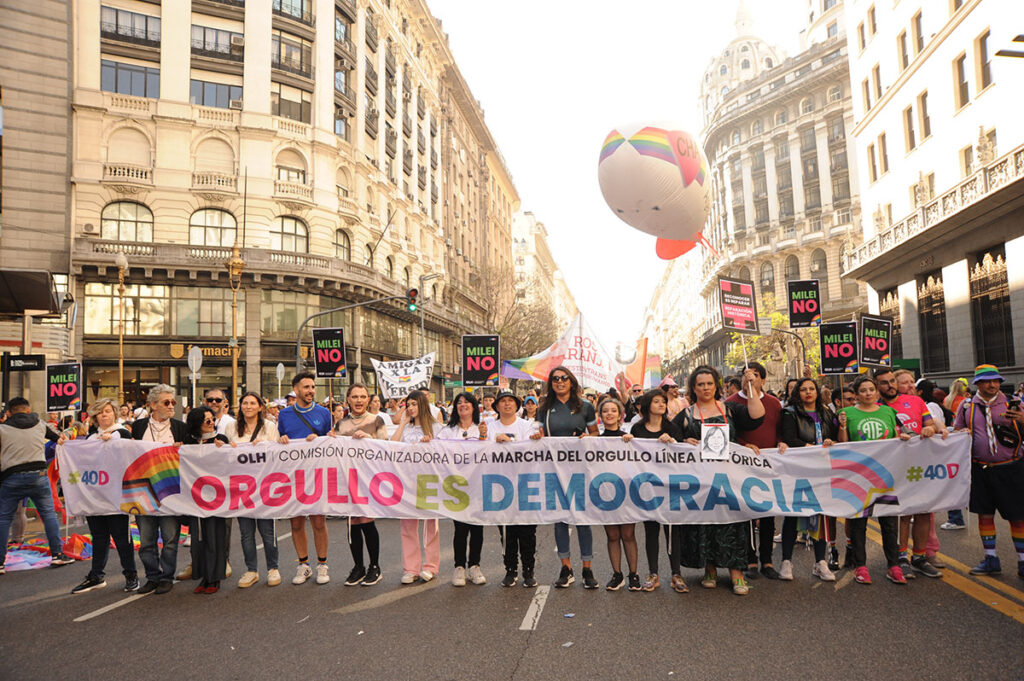
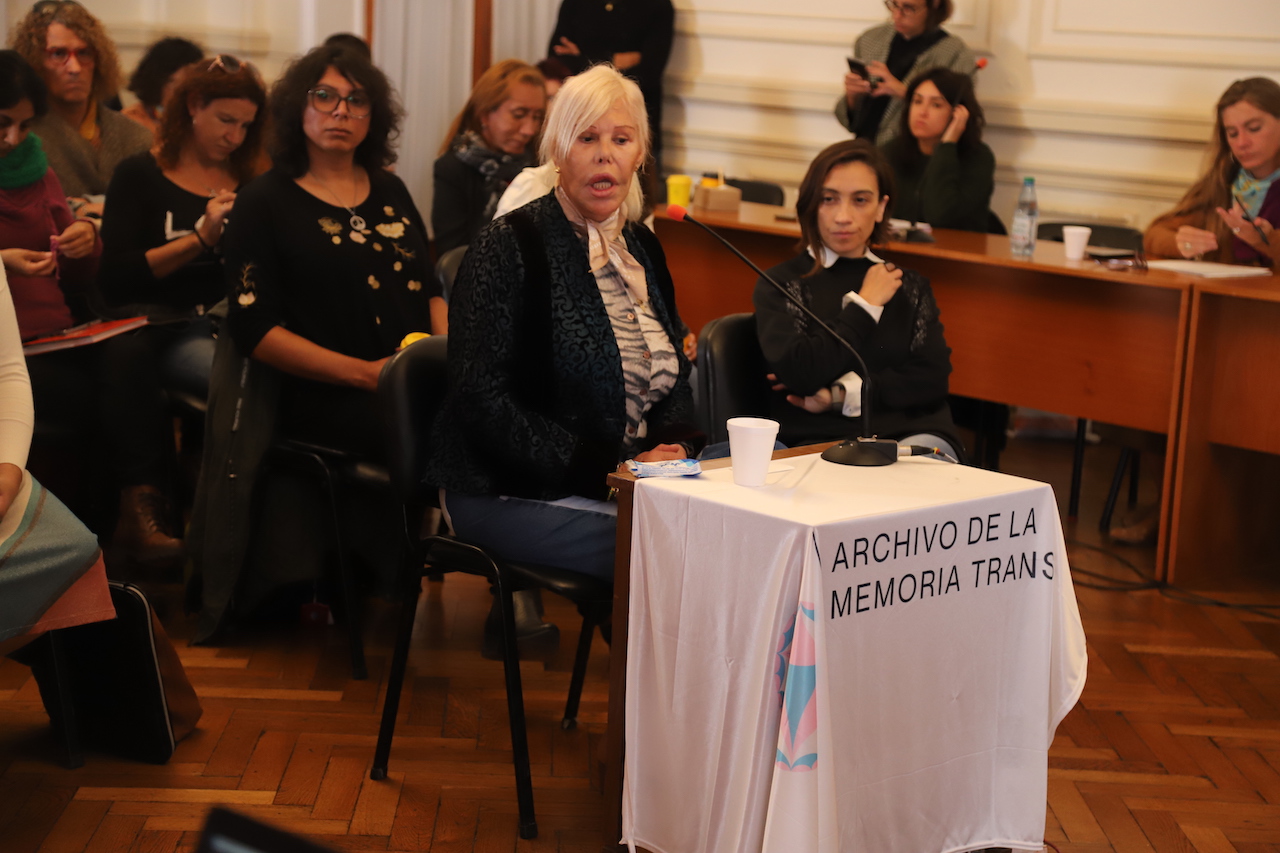
In the front row, among the columns of the Pride march organizing committee, stood María Belén Correa, one of the founders of the Trans Memory Archive : “I'm one of those who marched when there were only a few of us, about 200 people; it was risky. I remember the first marches with the police watching us, with water cannons. I remember when we organized ourselves inside a jail cell, because that's what happened to us and the entire LGBT community: the raids. And today I see the City government participating, or companies that have their own trucks. So many changes that show how far we've come. In this political context, the fact that all these people are demonstrating means that we are not alone in defending the rights we've won.”
Walking briskly beside her was Marcela Romero, from ATTTA . “Days before the runoff election, we have to reaffirm democracy. We cannot allow candidates talking about eliminating political parties. If they eliminate political parties, they can also eliminate our organizations. Today, what we are doing is reinforcing the demand for a comprehensive trans law . We will not allow anyone to prevent us from demonstrating, demanding action from the State, whoever the State and the government may be,” she said, and ran off to organize the column of light blue, pink, and fuchsia.
Slogans alluding to the political context were present on individual signs, on posters printed by the more than 60 organizing groups, and on trucks.
“Anti-Discrimination Law, Comprehensive Trans Law Now! Let’s stop the anti-rights movement!” they chanted. Faced with the onslaught of deniers and the hate speech of the far right, the Organizing Committee of the Pride March – Historical Line decided to lead its speech by declaring that “Pride is democracy. Historical reparations for transvestites and trans people!” and to “call for the defense of the rights and institutions achieved in matters of gender and diversity, and to strengthen democracy.” Another way to summarize this spirit was: “Not one more cut, not one less right.”
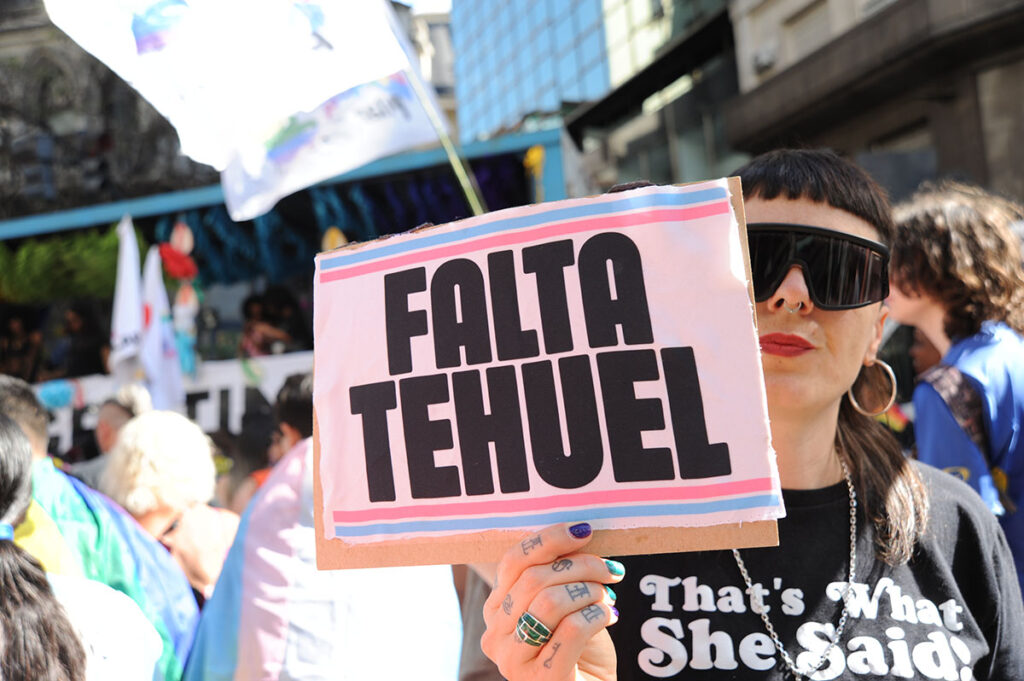
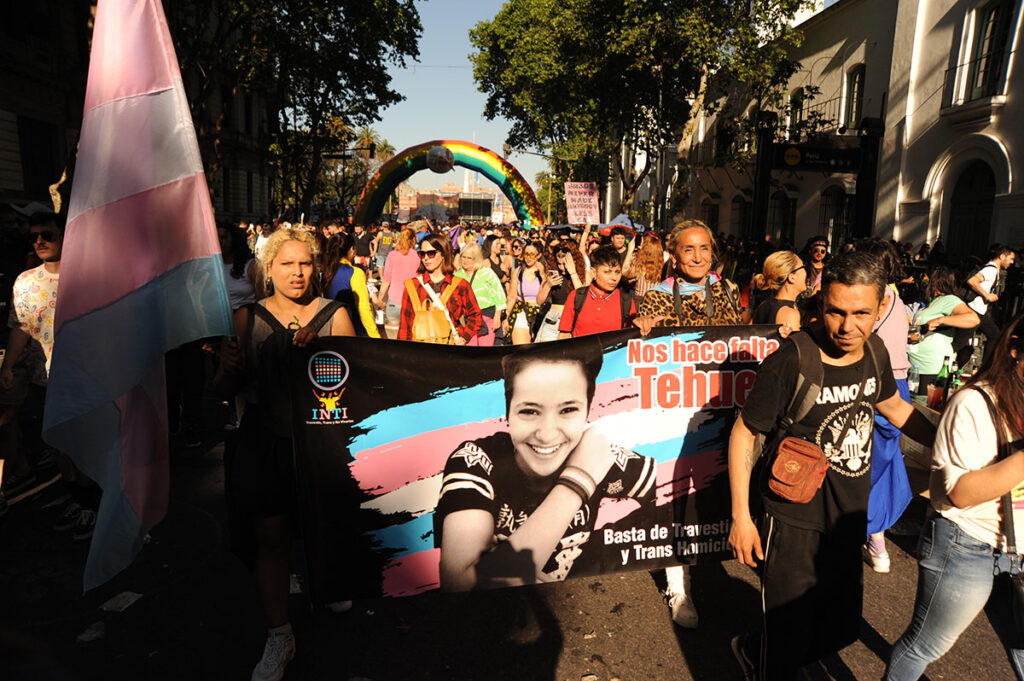
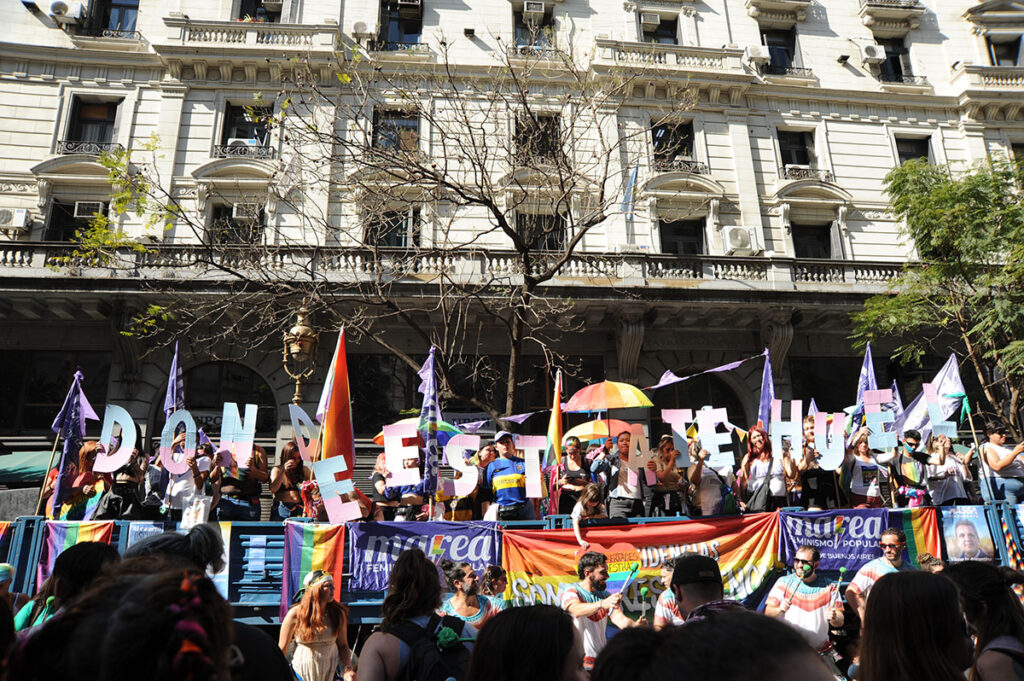
Also, the now classic “We are not all here, Tehuel is missing” , which remains present throughout the entire mobilized group.
Proud and creative signage
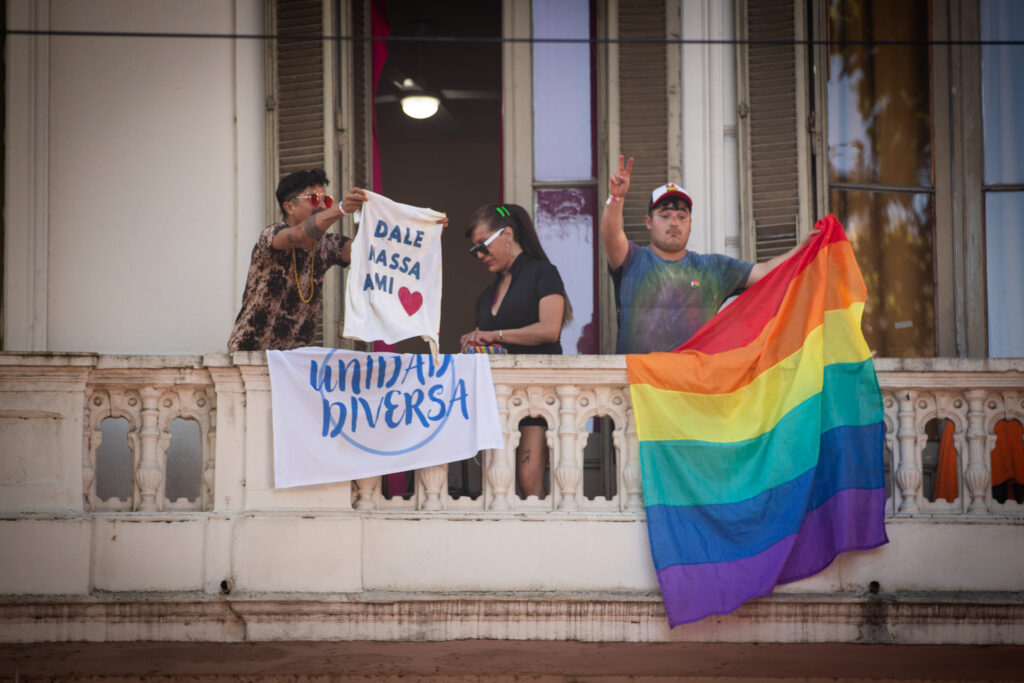
In addition to the cross-cutting political demands, there were many allusions to the electoral contest: "Let's vote like Moria," added to the endless homemade signs against Milei.
One of the most boisterous trucks was the one carrying the famous Flor de la V and Moria Casán, an icon for the Argentine community, and the girlfriend of Pato Galmarini, father of Massa's wife, Malena Galmarini, also an activist and president of Aysa, the state-owned water and sanitation company. At six points along the march, Aysa set up hydration stations offering free drinking water so that demonstrators could refill their bottles.
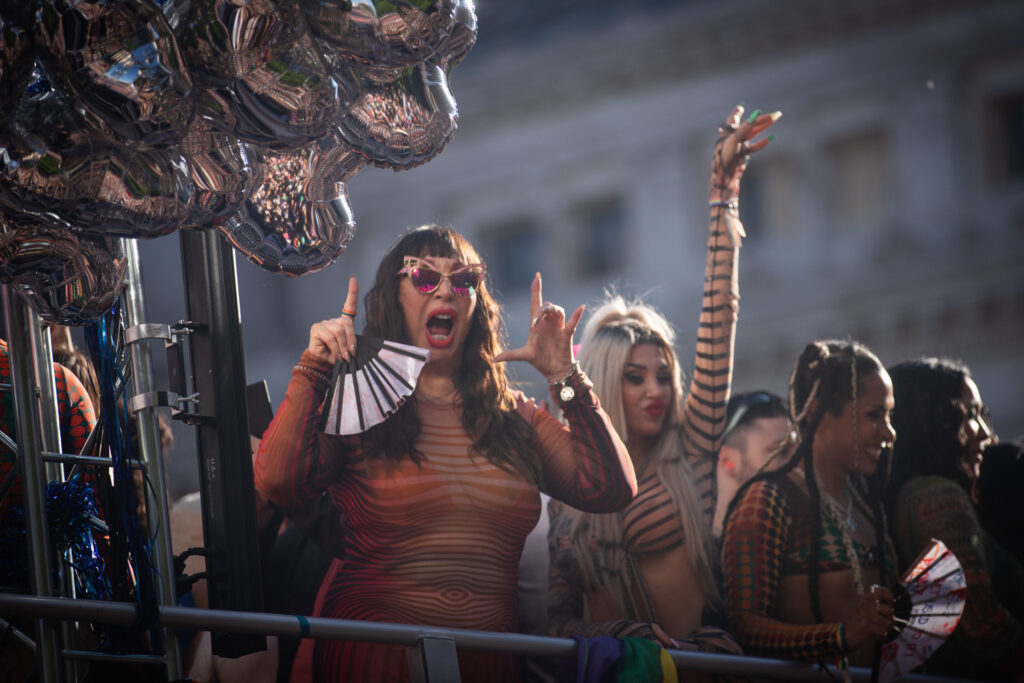
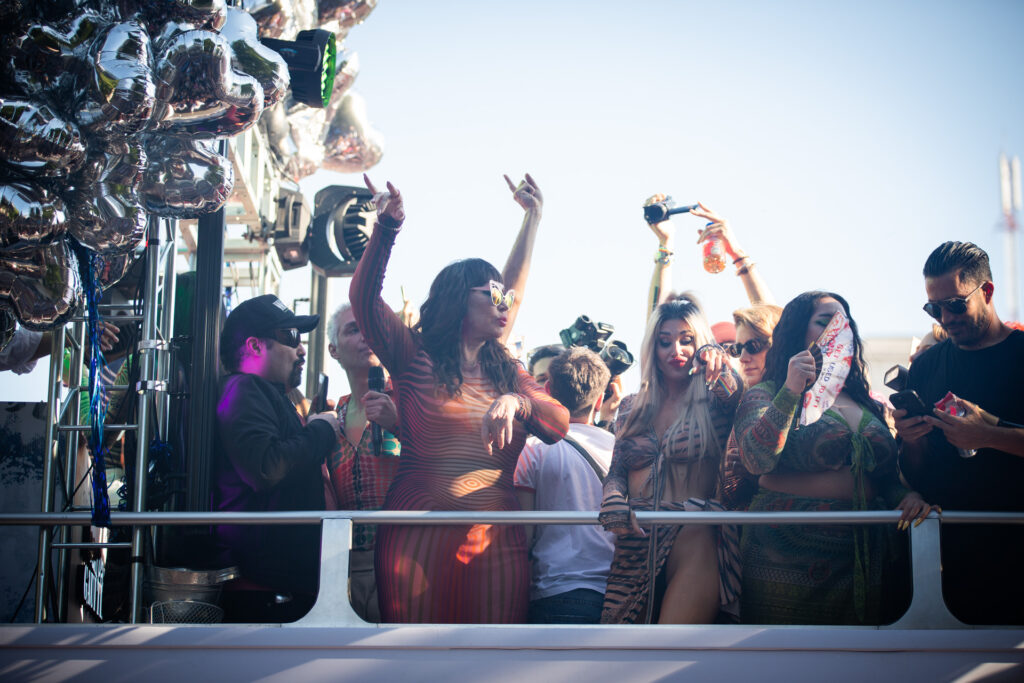
In keeping with Peronist tradition, candidate Sergio Massa garnered explicit and more organized support. For example, there was a truck with the slogan "Massamor" : an initiative that arose after the PASO [primary, open, simultaneous, and mandatory elections, held in August, in which anti-rights candidate Javier Milei came in first place], when a group of friends, colleagues, various cultural centers, and political organizations, concerned, went out to call on all those who voted for us in 2019 and felt we had let them down. We went out to tell them, "It's with love, it's with more organization, it's with joy, it's with celebration, it's with work, with production, with this message of more love for what's to come," says one of the organizers.
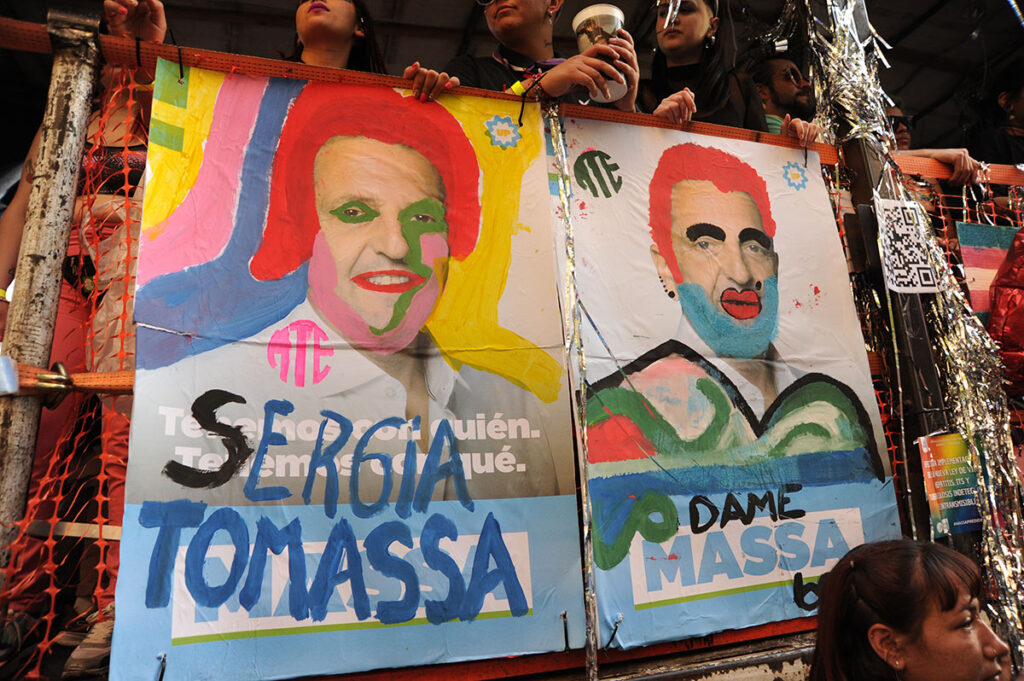
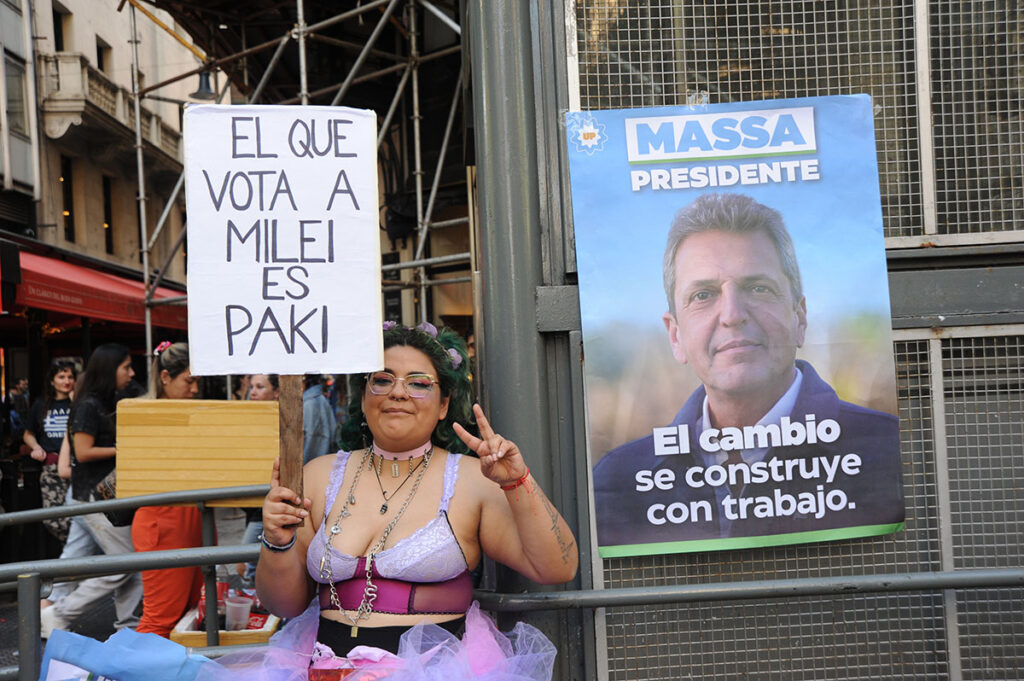
Wearing a shirt emblazoned with the slogan “Don’t turn right,” Carlos Jiménez, academic secretary of the Institute of Greater Buenos Aires and professor at the General Sarmiento University, where he studies issues related to masculinities and gender, recently wrote a column in a national newspaper questioning, or urging caution in, characterizing Javier Milei’s voters. “Milei’s voters are predominantly young (56 percent are under 30) and mostly male, although 35 percent are women, and the vote is distributed evenly across almost all occupational classes, with 70 percent of voters having completed secondary education,” he says , in an attempt to protect poor men in Greater Buenos Aires from the stigma they already face.
The political situation wasn't limited to organizations. Individuals were also mobilized by the current circumstances. Esteban (25) and Gastón (26), students of Dentistry and Law, respectively, believe that in this context, this march is a step towards "greater equality" and ensuring that "no child feels discriminated against." "You'll see all kinds of people here, right? And nobody's going to judge us. We're here to have fun. In everyday life, there's more respect than before, more and more respect, and the march keeps growing."
The flag of the TTNB Sports League drew attention. It brings together those who train in various sports (soccer, volleyball, swimming, taekwondo, basketball) in the Buenos Aires neighborhood of Boedo, although they come from the south, west, and north of Greater Buenos Aires. Among them, Kei, a 30-year-old trans man, raises his voice and affirms: “We are in a very complicated situation. It is very important to be here and defend the spaces we have achieved with so much effort.”
Free childhoods, shared futures
The smiles of children who haven't been exposed to the torments of the past, and the support of their families, also serve as a guide for the political direction of the LGBT+ community. Gabriela Mansilla, from Infancias Libres (Free Childhoods ), marched alongside her daughter Luana, the teenager who, at age six, became the first transgender child in the world to legally recognize her self-perceived gender identity by obtaining her national identity document without going through the courts. Yesterday, November 4th, Luana participated in a Pride March for the first time .
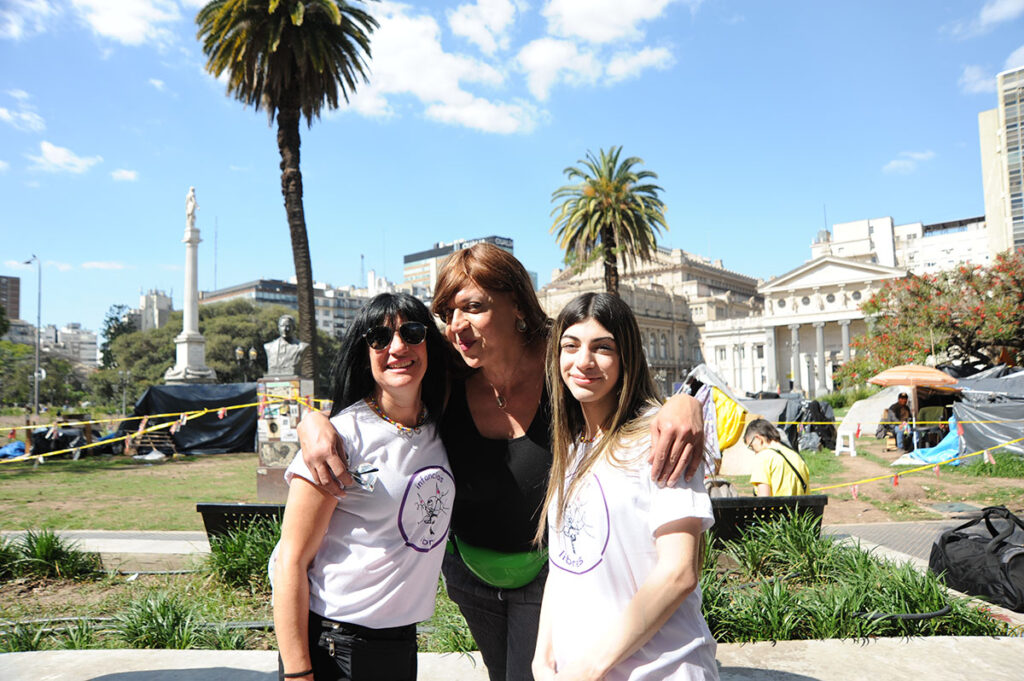
Luana's smile shone brightly as she began the march supporting the Malón de la Paz (Peace March) at the Malonero Pride event. And Mateo, an 11-year-old student from a school in La Boca, the birthplace of the club that was simultaneously playing in the Copa Libertadores final yesterday, also smiled brightly on Avenida de Mayo. His mother, Romina, had made a t-shirt that read: "Proud mother of a happy trans son." Mateo strolled happily through his second march: "I feel good at school, everyone respects me."
The day had started early, and nobody wanted to leave. On the Plaza de Mayo stage, various artists had performed, and the surprise closing act had been by La Joaqui. As the sun set and Diego Frenkel played, everyone awaited the final surprise. There were more groups of young people and children of all ages than in previous years. Finally, the grand finale, on the Congress stage, was performed by Natalia Oreiro.
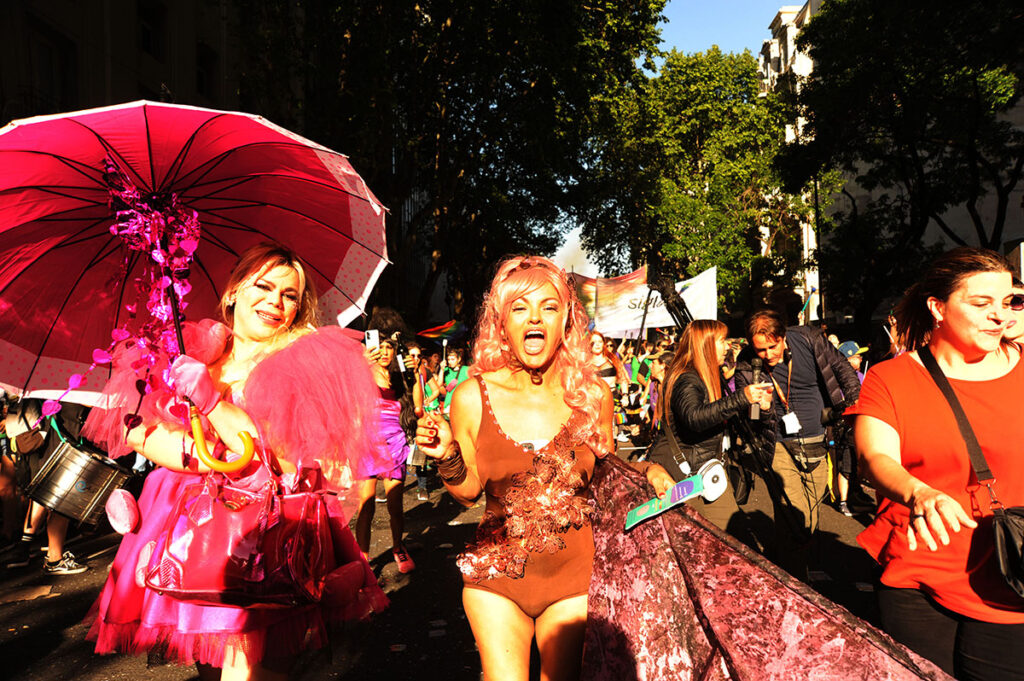
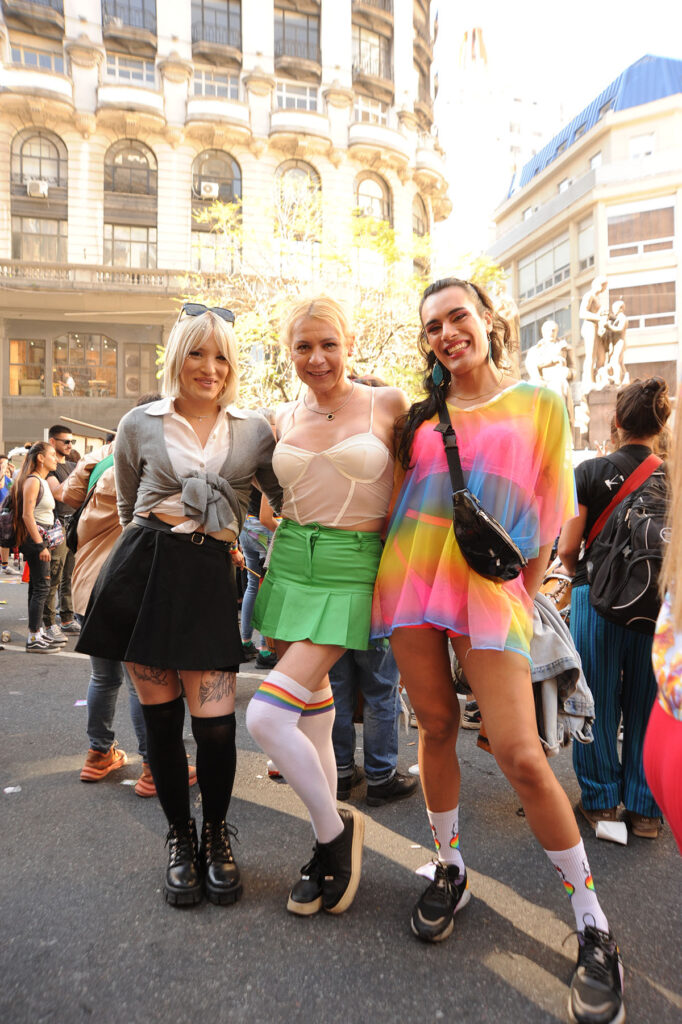
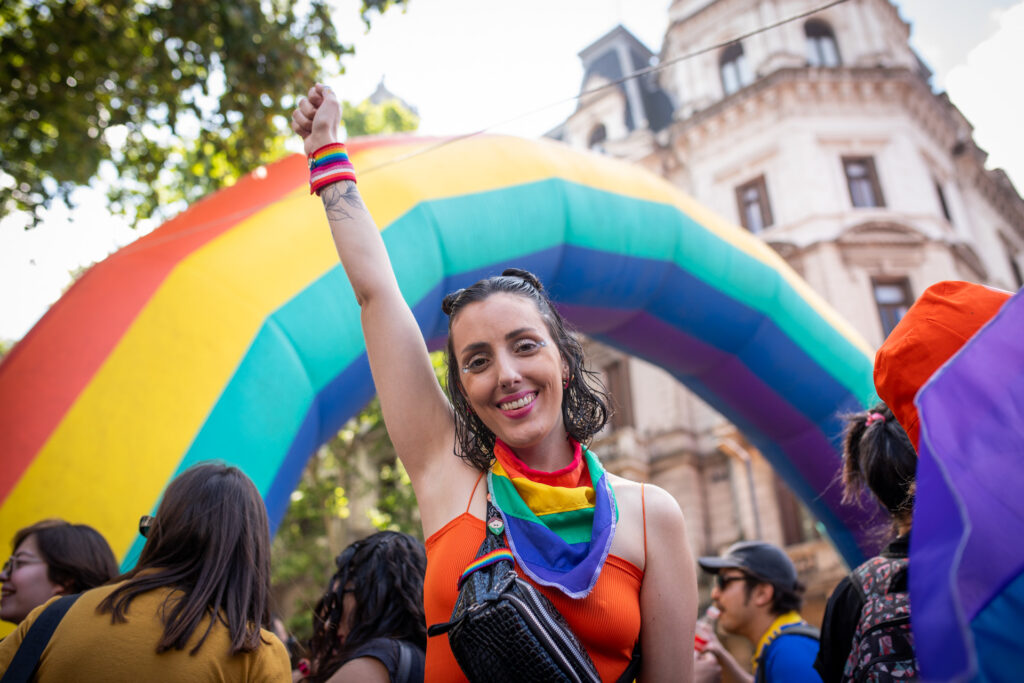
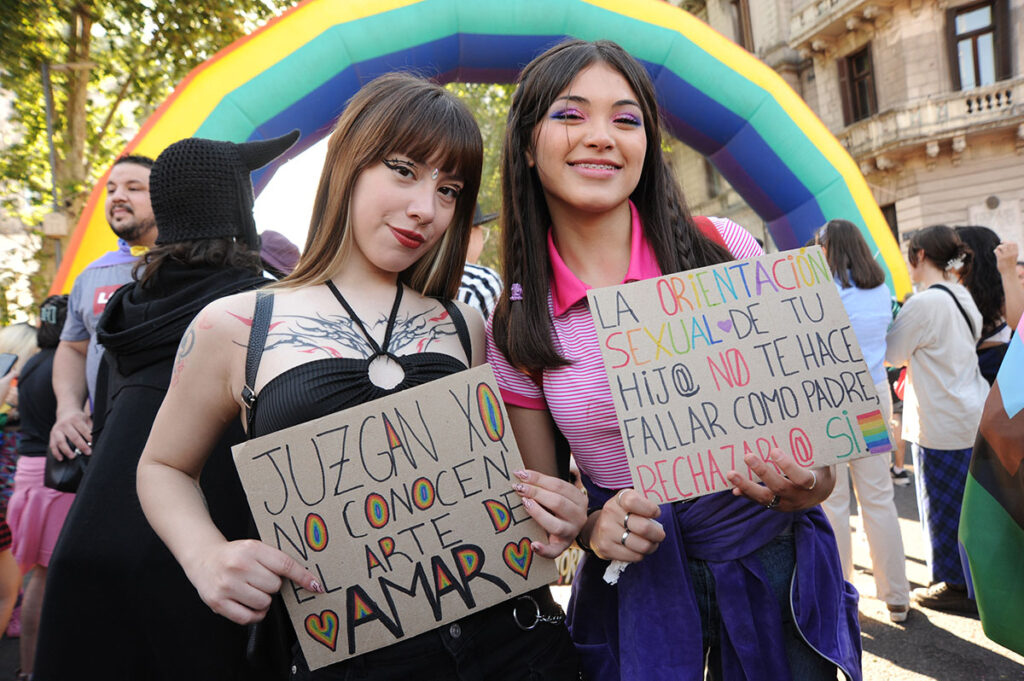
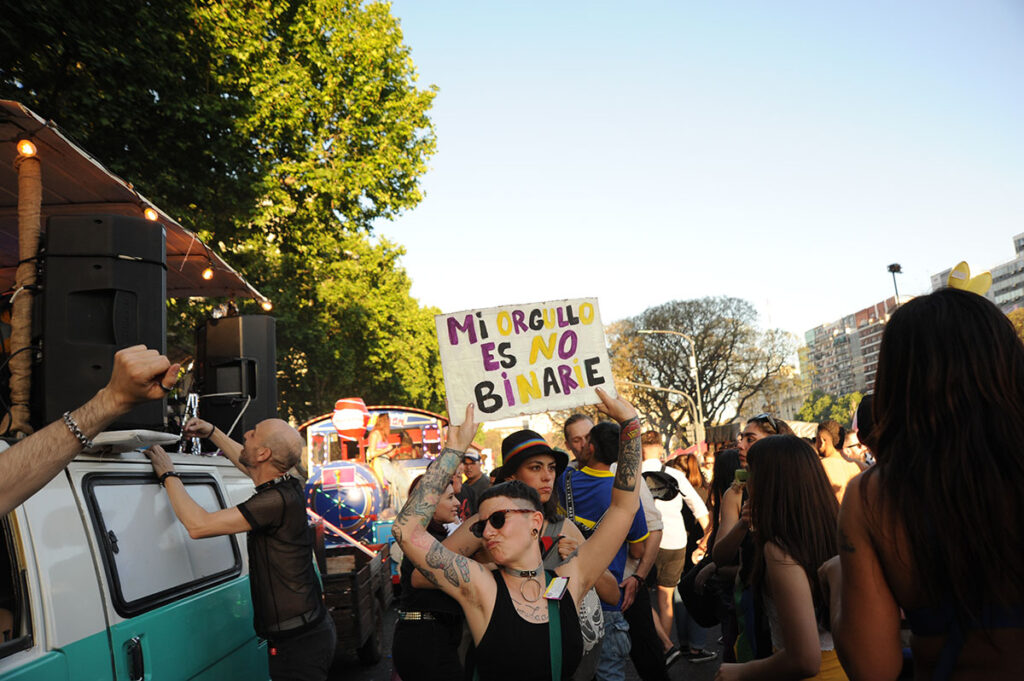
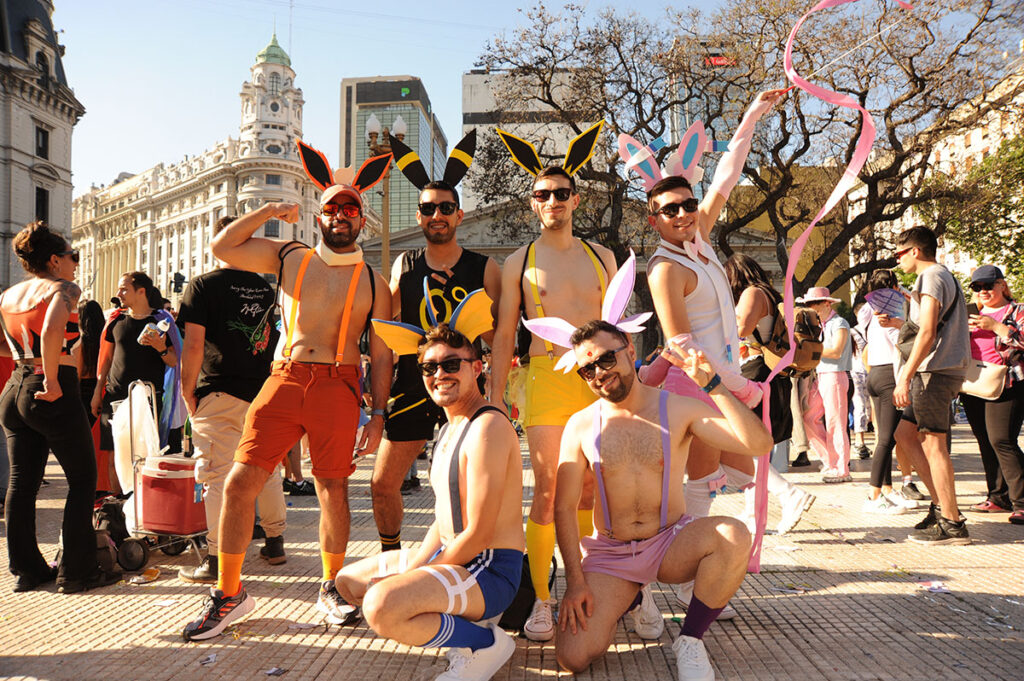
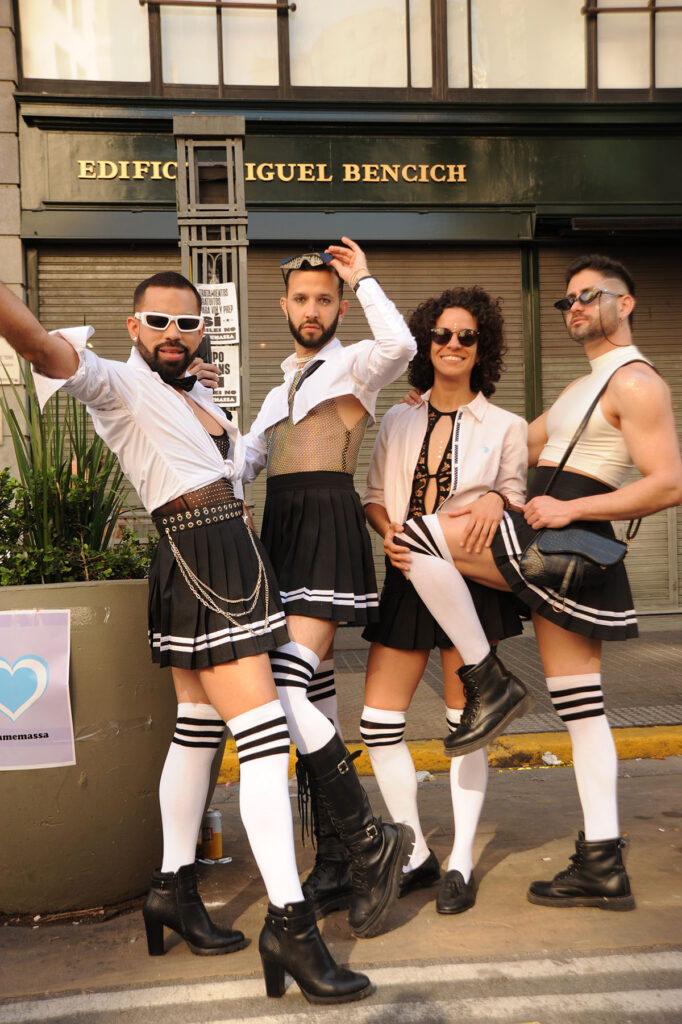
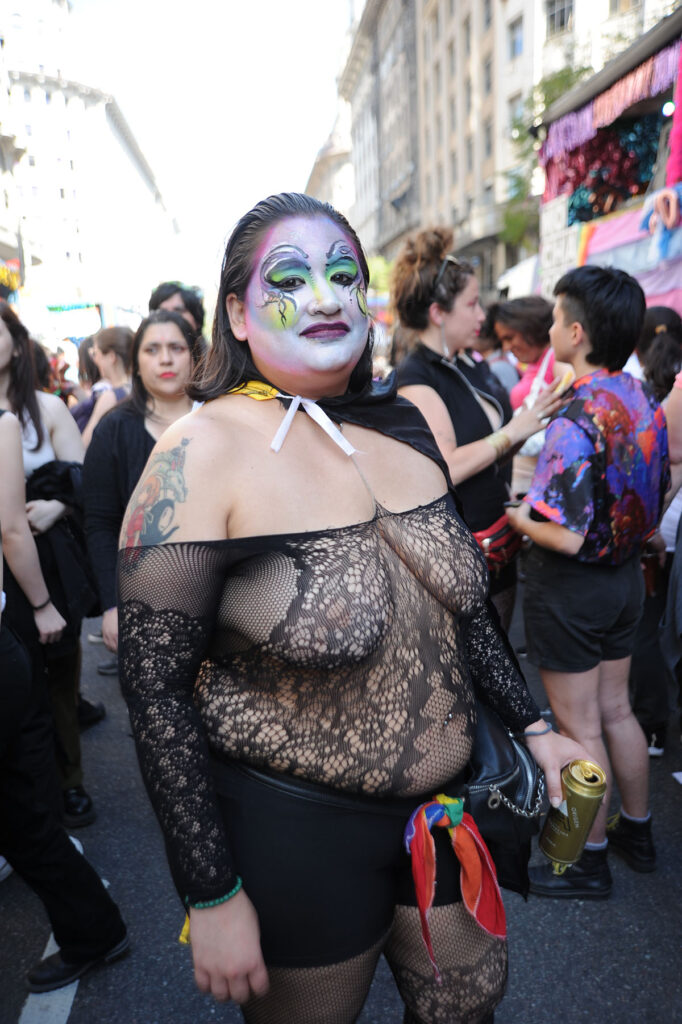
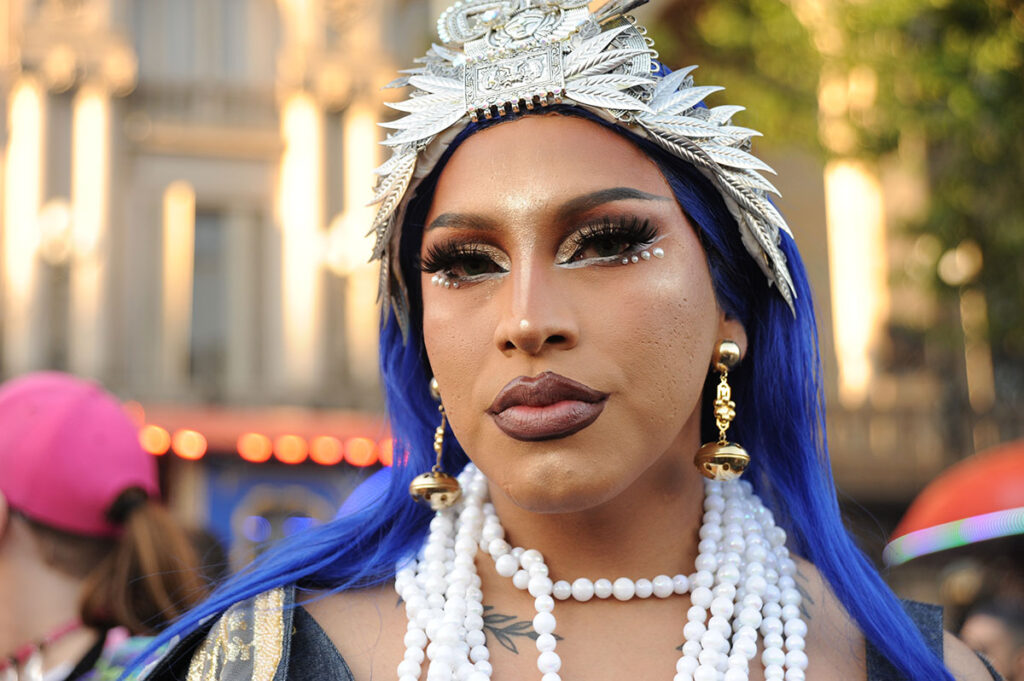
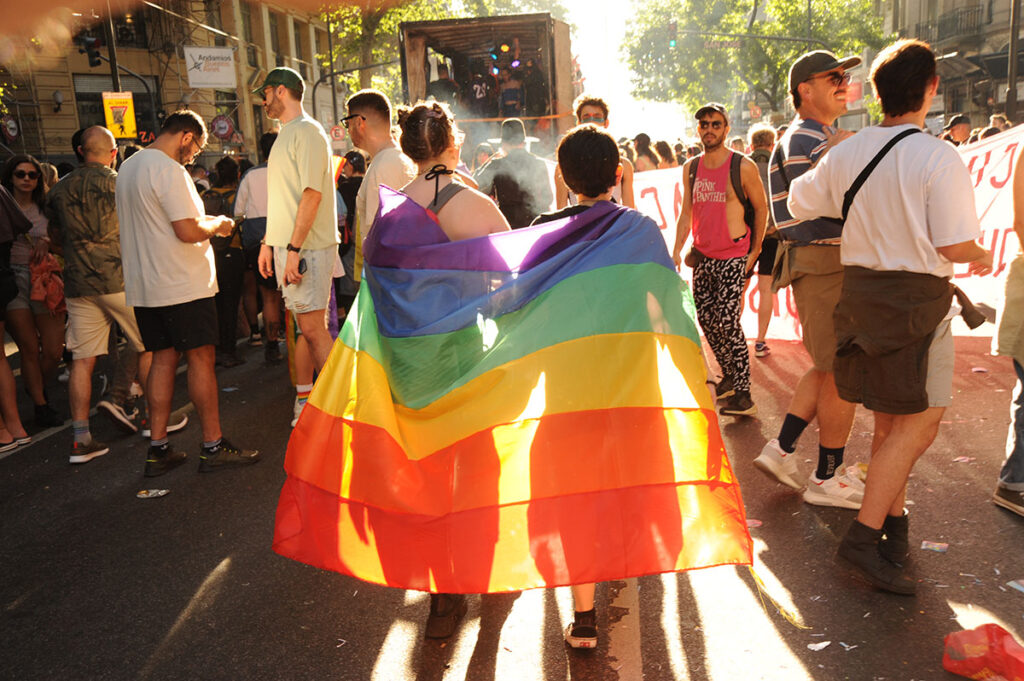
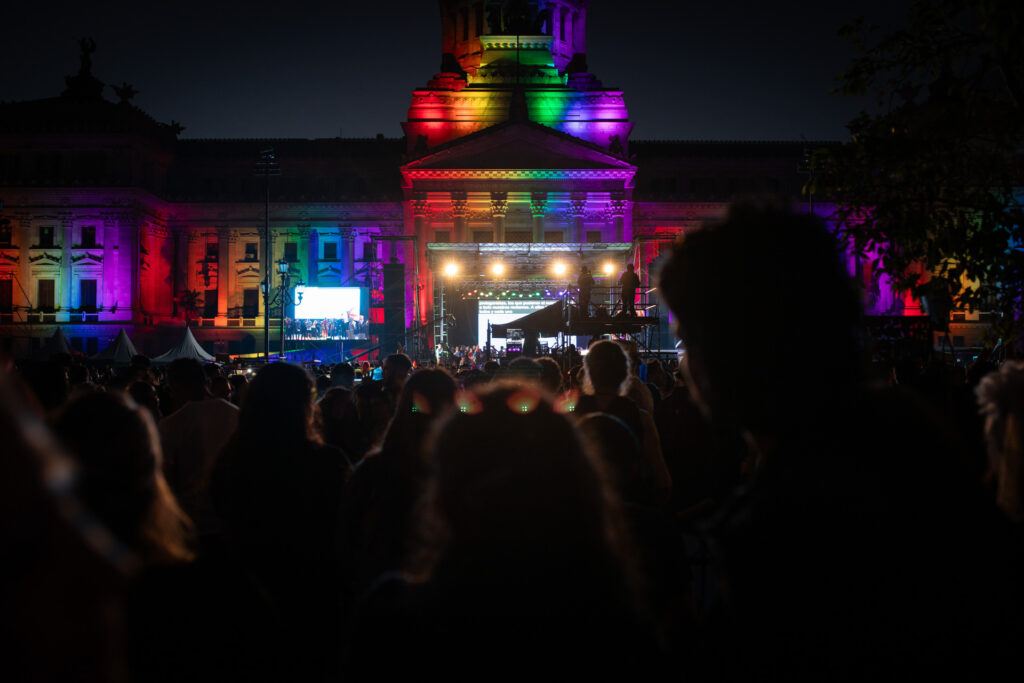
The demonstration was a celebration that lasted for several hours, stretching for many blocks, transforming downtown Buenos Aires and mingling with Boca Juniors fans. Yesterday, Buenos Aires was a vibrant, multicolored celebration of rights won through activism and street protests, and also a call to action for the long road ahead to end violence and discrimination. Above all, it was a massive demonstration to say: Yes to rights, no to the right wing. Not one right less . LGBT communities know that there are no individual destinies without collective struggles.
We are present
We are committed to journalism that delves into the territories and conducts thorough investigations, combined with new technologies and narrative formats. We want the protagonists, their stories, and their struggles to be present.
SUPPORT US

FOLLOW US
Related notes

We are present
This and other stories are not usually on the media agenda. Together we can bring them to light.