

LGBT+ Memorial "Thirty-two years of marching with Pride: not one right less"
Flavio Rapisardi, along with other comrades, recalls the first Pride march in Buenos Aires. "In all these years, we've never been aligned with the fascist right wing that has candidates running today. That's why the slogan is clear: 'Not one more austerity measure. Not one less right.'"


Share

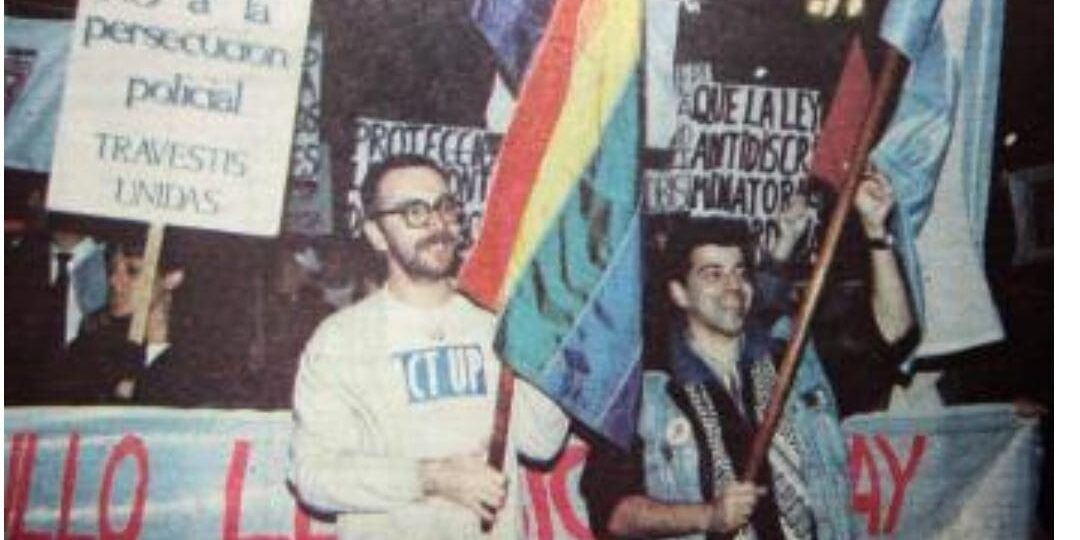
BUENOS AIRES, Argentina. Thirty-two years ago, a group of two hundred and fifty trans women, queers, and lesbians decided to “return” to the streets. And I say “return” because we have always been here: from the creation of Nuestro Mundo— "the first attempt at a gay organization in Argentina," according to Néstor Perlongher—in 1967 to the marches against Carlos Menem's pardon. Our banners have always been alongside revolutionary movements, progressive sectors, and human rights movements. In all these years—fifty-five in total—we have never been with the fascist right wing that today has candidates running for office. That is why the slogan is clear: “Not one more austerity measure. Not one less right .
Memories of the first Pride march
In 1992, in the loft on Paraná Street—where Carlos Jauregui, César Cigliutti , and Marcelo Ferreyra, activists from Gays and Lesbians for Civil Rights, lived—various groups (ISIS, Lesbians in Plain Sight, Transvestites United, Lesbian Existence Notebooks, and others) were convened to plan and work towards occupying the streets. Those were times when the police were still arresting us and carrying out raids (mass arrests) in nightclubs. Because, as we rightly argued at the time: “Police edicts are a continuation of the dictatorship .”
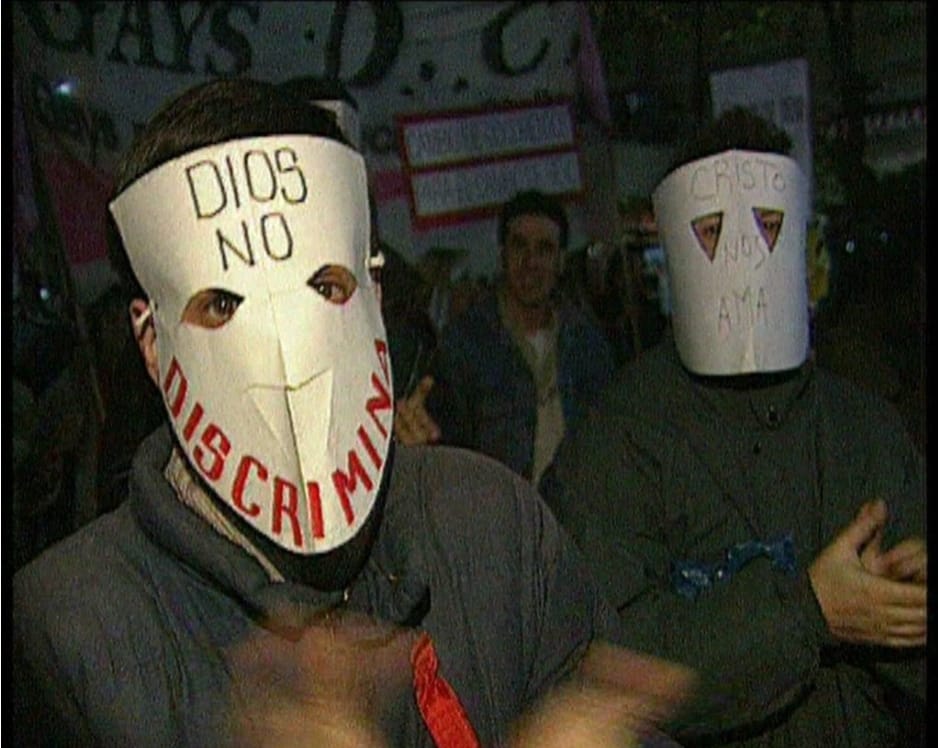
While during the 80s and 90s we stood alongside CONADEP (the Commission on the Disappearance of Persons), with the Marches of Resistance of the Mothers of Plaza de Mayo, waving flags against the attempted coup by the Carapintadas (rebellious military officers) and supporting workers' strikes, that year we decided to return "on our own" to demand freedom, equality, and diversity. That freezing night there were about 250 of us. Behind us, Plaza de Mayo was bursting with teachers marching against Menem's brutal cuts to the education system. We greeted each other, took photos (there were no cell phones), and while thousands of teachers headed towards the Casa Rosada (the presidential palace), we, with our faces uncovered or wearing masks (many risked losing their jobs by revealing ourselves), made our way to Congress. In two directions, but with the same purpose: to demand justice.
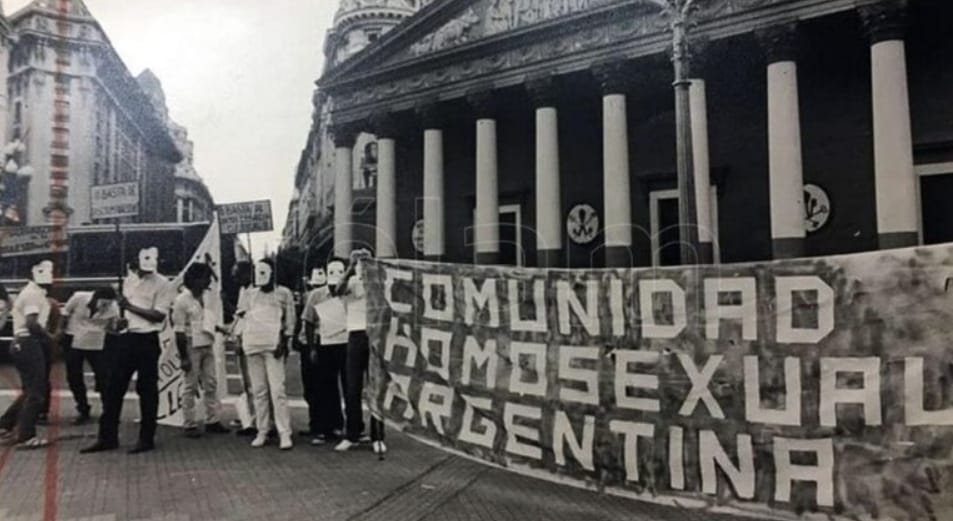
That march on July 3, 1992, the first Pride march in Argentina , must be understood within the historical context in which it arose. Our movement has a long history that began in 1967, continued through the 1970s during the democratic period, until the dictatorship killed our comrades or forced them into exile. Others were left scattered, controlled by the fascist boot of the military police of a murderous government that candidate Villarruel now defends. This is why this November 2023 march is so important . And for the first time, those of us who are considered "historical" were invited by the Organizing Committee to be part of the voices heard every November in Buenos Aires .
It's not that the past was better, we're simply here to remind everyone—especially those born into a society with these rights—that those rights were won in the streets. And that in that struggle, comrades dedicated or gave their lives. How can we forget Angel Bruno, Gustavo Tarasco, Marcelo Benítez, and so many others who wouldn't fit in this article?
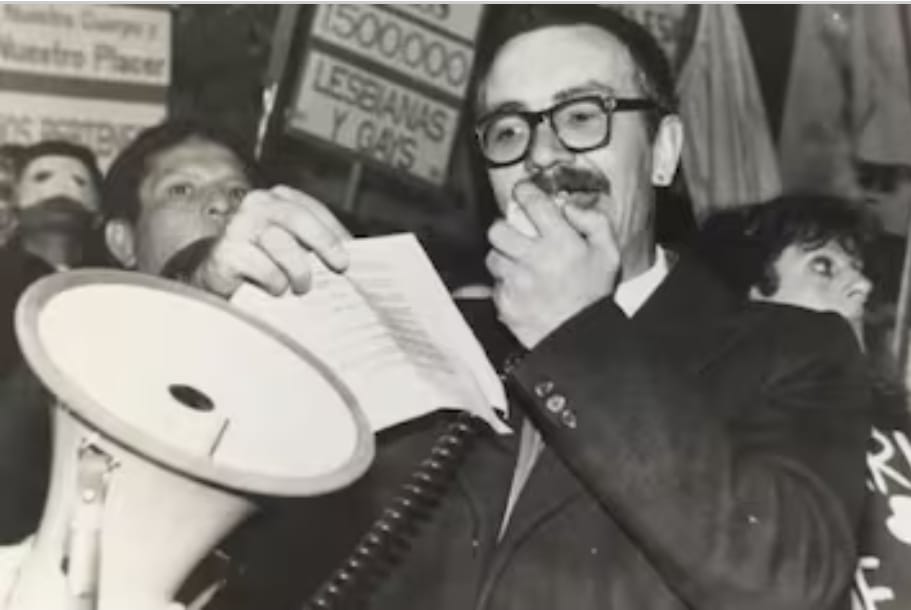
March and Pride, yesterday and today
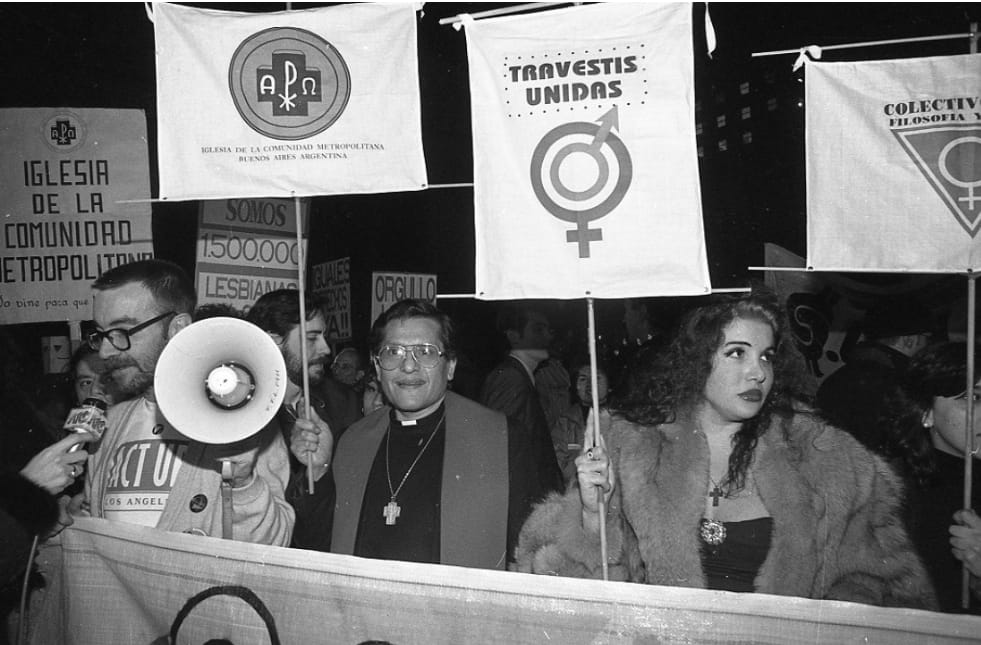
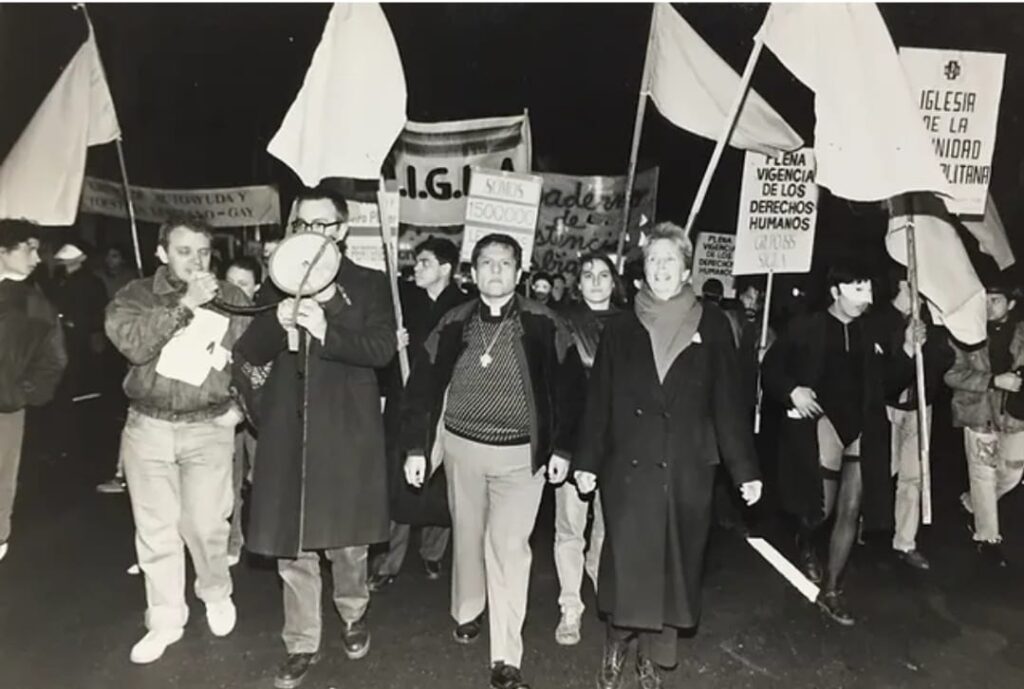
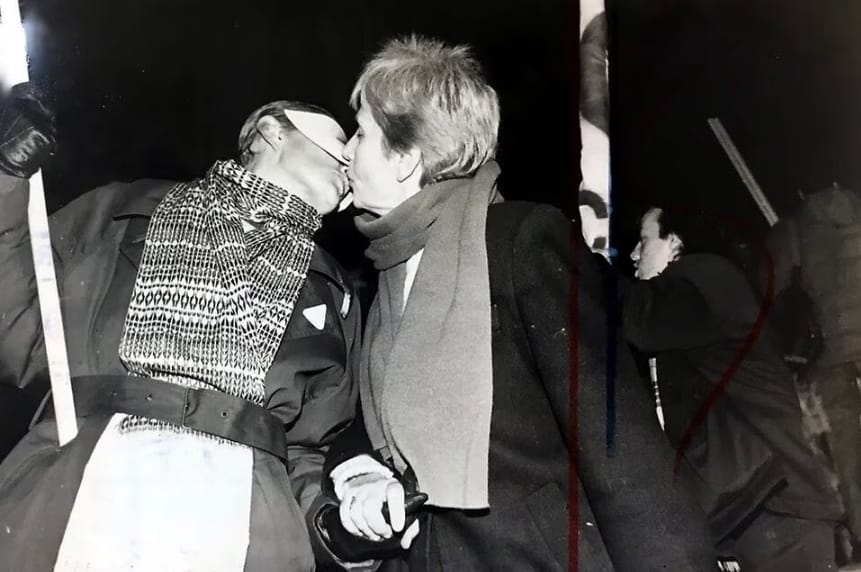
Belén Correa ( ATTTA ), the veteran trans activist who was part of the first trans, transvestite, and transsexual organizations, and one of the founders of the Trans Memory Archive, recalls: “ For us, there was no possibility of wearing masks . I was with Claudia Pía Baudracco. We found out and joined that moment, which is now historic. Over all these years, our movement organized and grew. We learned to build, together with lesbians, gays, feminists, and bisexuals, the rights that the right wing wants to take from us today. We won't let them .” Changing her tone of voice, she remembers, like all of us, “the veterans.” They are no longer with us, but we will remember them in the embrace of those of us who are still standing, with the thousands upon thousands of new generations who must know that rights are won and defended.
Another “historic” figure, Pablo Vasco, leader of Libre Diversidad and the MST within the Left Front Unity coalition, recalls his participation in that first march with joy and pride. His political party was the only one that joined the movement. “These days, there are sectors of the right and far right that are coming for our rights. We have to defend them as we achieved them: through unity and mobilization ,” he says.
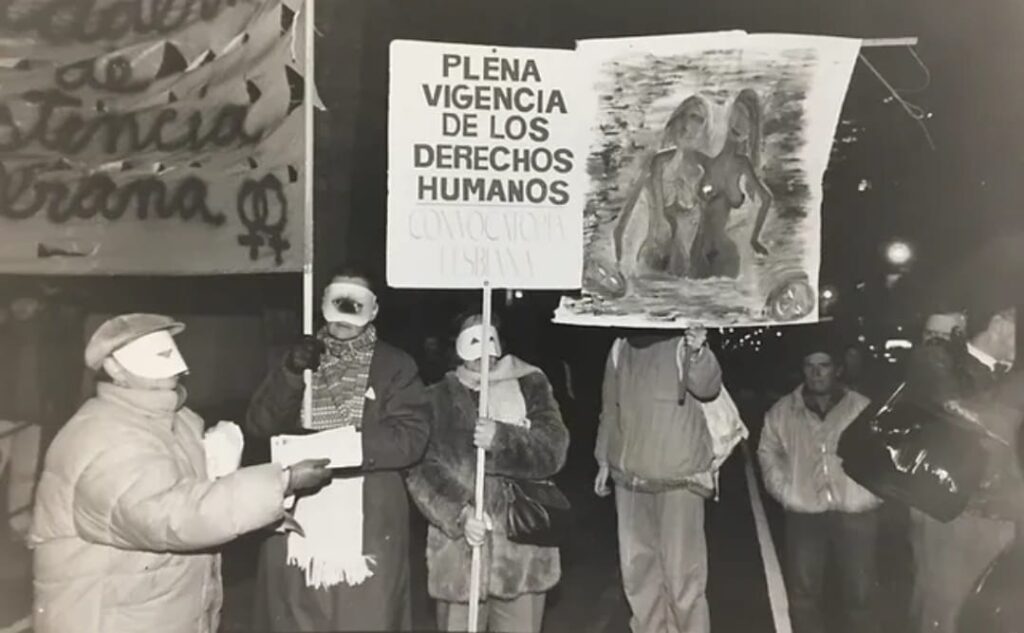
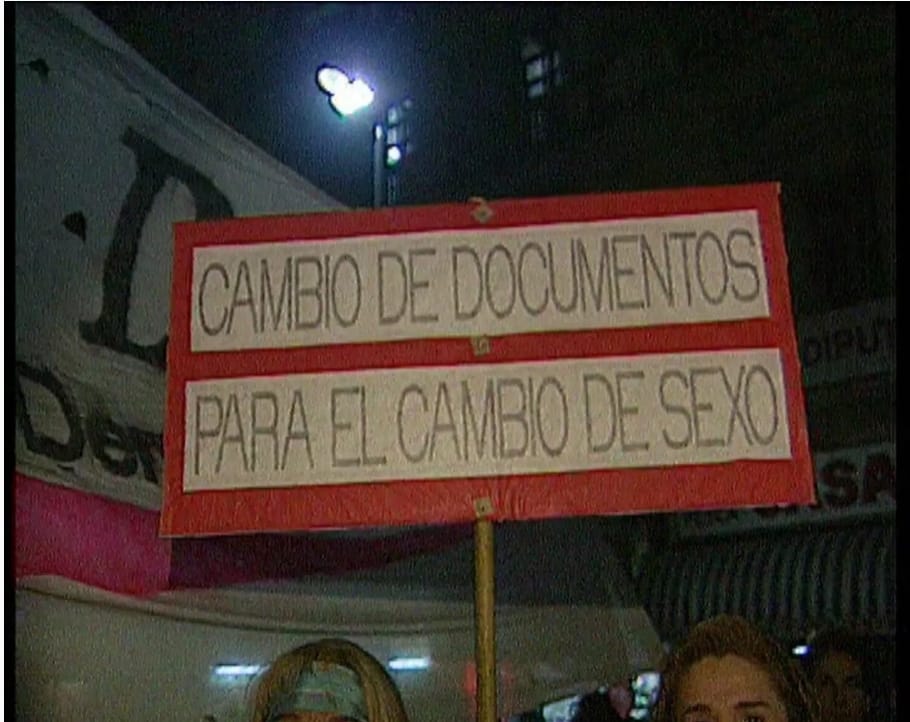
Diego Tedeschi Loisa joined the Third Pride March in 1994. He recalls: “There were 500 of us, and I was a member of the Nexo Group. We went with the covers of the magazine we published, “Nexo.” It was a time when being gay or lesbian could get you fired from your job; the police would round us up in raids. I started that march wearing a balaclava, but I took it off after about 100 meters .”
Not one less right
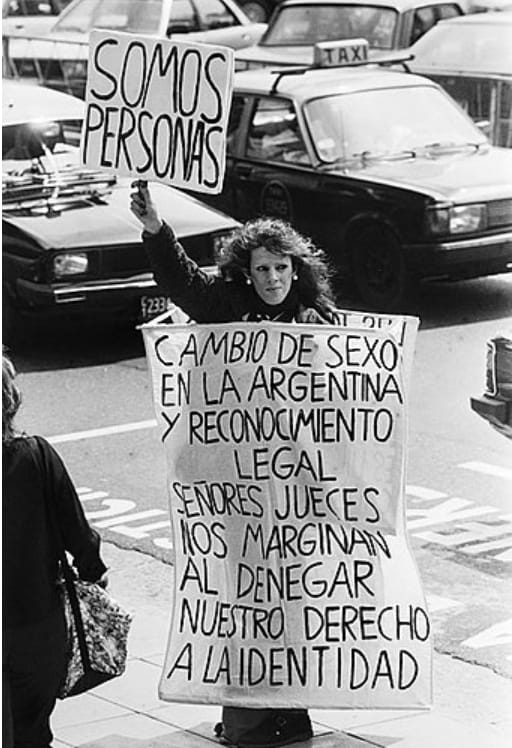
In gestures like Diego's, in political commitments like Vasco's, in the courage of Belén—who, we clarify, still fights day and night— were built the freedoms we enjoy today , the equality we continue to build, and which is more important now than ever . With our comrades dead in body but alive in victories and desire . Our desire, which still beats, and that of the young people, because we will not take a single step back before the authoritarian right that defends the military who tortured and killed our activists, before the worthless politicians who shout "freedom" but vote against the pension law for people with HIV. Before the violent ones who think they are lions but are only a pathetic pantomime of those who plunged our country into pain, death, and hunger.
This Saturday, "the historic ones" will be there, as always, with thousands more voices joining this beautiful story of love and equality, shouting it again as we did that cold night in 1992: Freedom, equality and diversity.
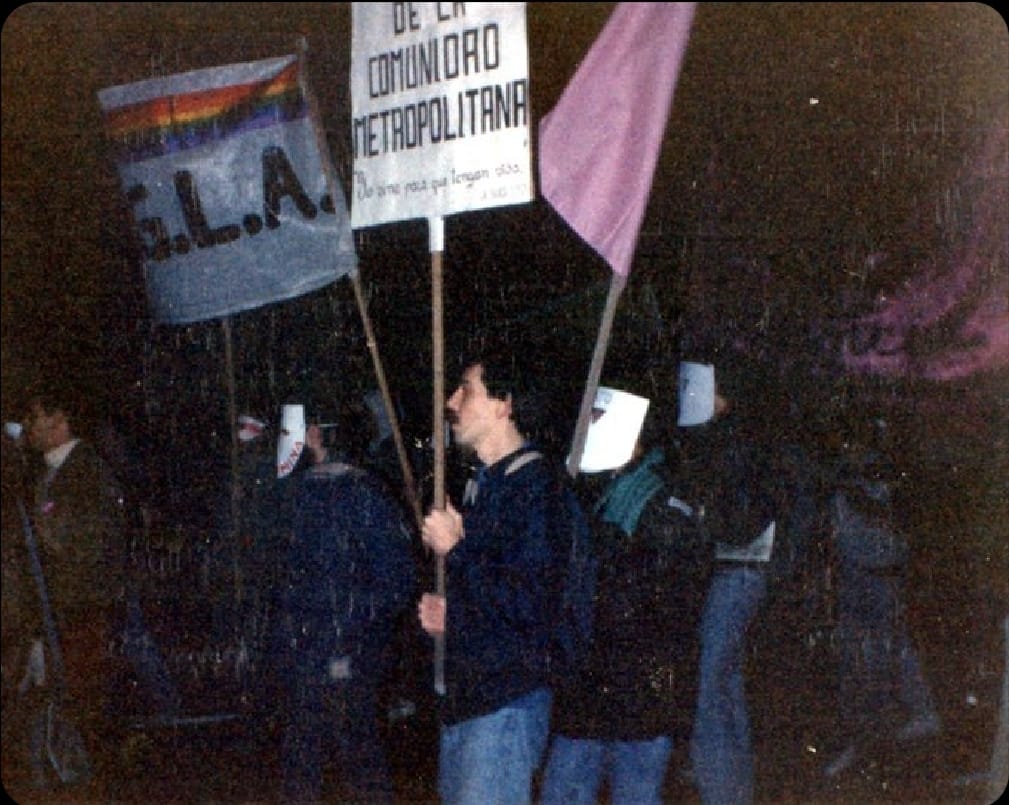
Flavio Rapisardi, author of this note, is an LGBT and human rights activist, holds a doctorate in Communication, and is the co-author of the book Parties, Bathrooms and Exiles.
The photos illustrating this article were provided from the author's personal archive. If you know who took the photos, please contact us at agenciapresentes@gmail.com so we can credit them.
We are present
We are committed to journalism that delves into the territories and conducts thorough investigations, combined with new technologies and narrative formats. We want the protagonists, their stories, and their struggles to be present.
SUPPORT US

FOLLOW US
Related notes
We are present
This and other stories are not usually on the media agenda. Together we can bring them to light.