

A feminist embrace for the Lof Winkul Mapu in defense of the struggle of Mapuche women
Chronicle of the visit to the Lof Winkul Mapu, 35 kilometers from Bariloche, where the machi Betiana Colhuán and her community resist.


Share

After the Plurinational Gathering of Women, Lesbians, Transvestites, Transgender, Bisexual, Intersex, and Non-Binary People in Bariloche/Furilofche, we at Presentes participated in a caravan to embrace the community/Lof Lafken Winkul Mapu, organized by the Mapuche women who defend their territory. A year ago, Machi Betiana Colhuán and six other women , a story we covered in various articles by the agency.
Following a violent operation by 250 uniformed officers—who upon arriving in the territory found themselves primarily occupied by women and children —they deployed tear gas and destroyed everything in their path. These women and their children spent eight months deprived of their freedom and suffered all manner of human rights violations. In response to this situation, the Minister of Gender and Diversity, Elizabeth Gómez Alcorta, resigned, and at the Plurinational Meeting in San Luis, it was decided that Bariloche would host the 2023 meeting.
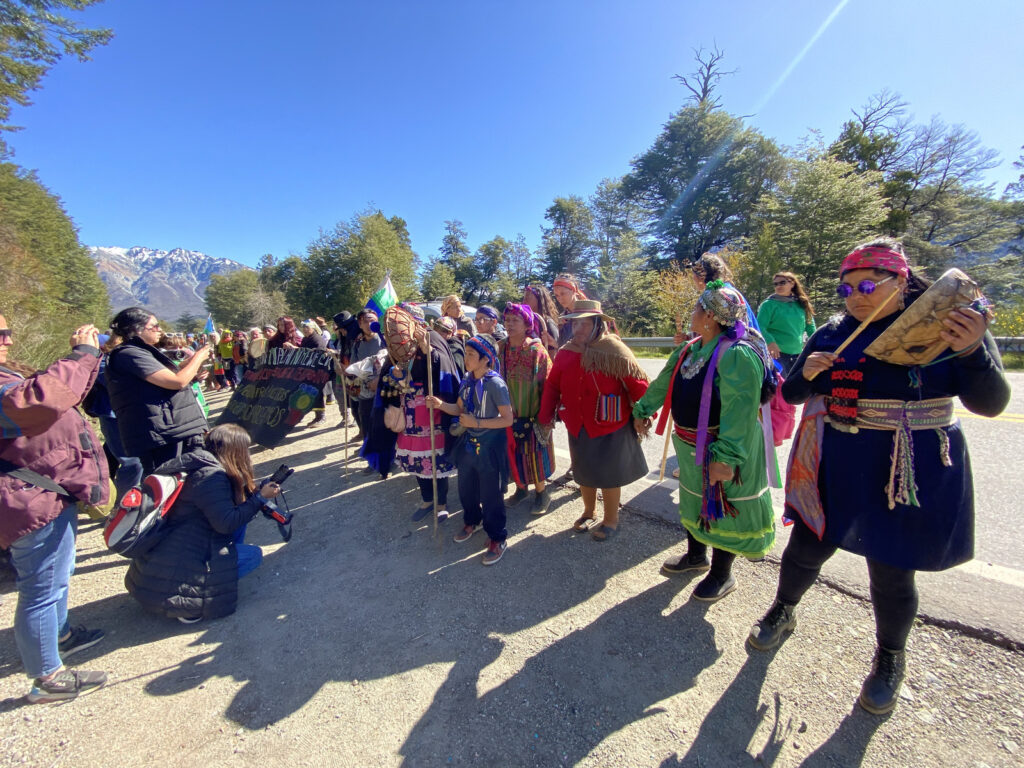
At this 36th Gathering of Women and Dissidents, for the first time, Indigenous women from different communities and nations , including Machi Betiana and the Women of the Third Malón de la Paz—who are resisting Gerardo Morales's reforms in Jujuy—took to the stage. They set the agenda from the perspective of the holistic nature of their struggle: the defense of their territory in a cosmogonic, comprehensive sense. Before thousands of women, they called for support against all forms of oppression and land destruction . Against racism, colonialism, and extractivism, for Buen Vivir (Living Well) in harmony with Mother Earth/Mapu.
Resistors
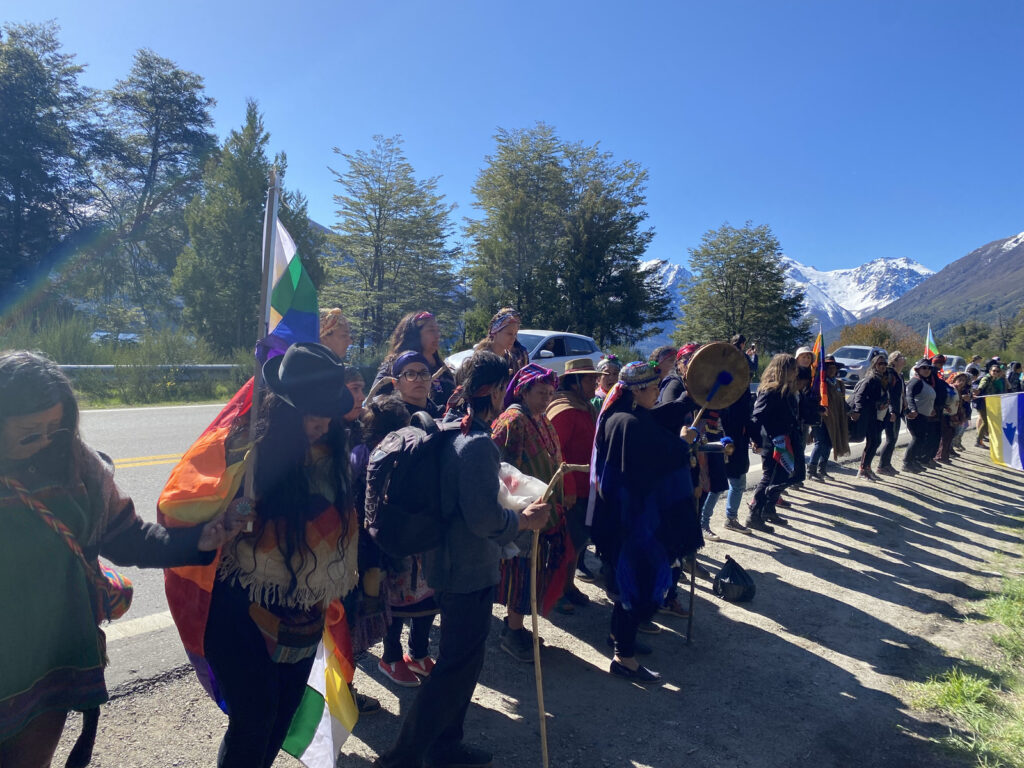
On Sunday, they led the largest march in recent memory in Bariloche , with 70,000 women and LGBTQ+ people taking to the streets. However, in the final stretch, they were overwhelmed by a section of the organizing committee and the groups following behind. Left alone, they had to finish their march on the side of the Velodrome. The Indigenous Women and Diversity Movement for Good Living and the Third Peace March denounced this discriminatory, patriarchal, and racist behavior on their social media. Despite this, and despite opposition from a sector that had previously opposed sexual diversity, they expressed their immense gratitude for the prominent role they played in the Encuentro (Meeting).
This is the first time that the Plurinational perspective has manifested itself so strongly in this cross-cutting space of feminisms that sets the agenda. As Moira Millán, a Mapuche weychafe, said: “It will become a truly democratic space to the extent that we commit to participating. We, Indigenous women and diverse peoples, are not excluded from this. Before, we weren't motivated to be here; now we are convinced that it is a valid, necessary, and unique space.”
The veins of nature
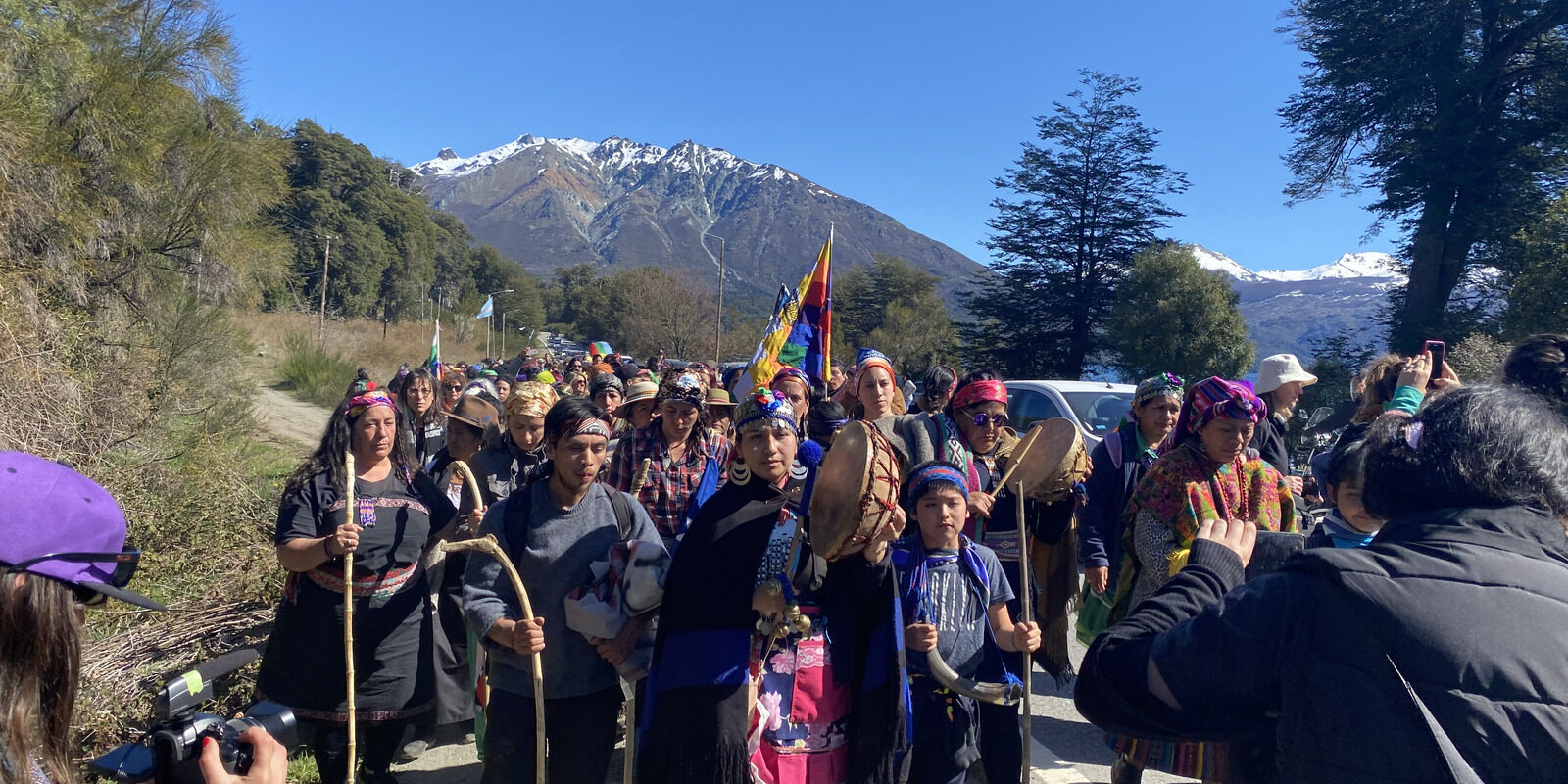
On Monday, after the meeting that decided Jujuy would be its next host city, women from various Indigenous nations, organizations , and a group of journalists participated in a caravan organized by Mapuche women to embrace the territory they defend. In a long line of cars, we arrived at the Lof Winkul Mapu, 35 kilometers from Bariloche.
The machi Betiana welcomed us to “this territory where a rewe—a sacred ceremonial space—still exists.” After crossing the road, with the mirrored lake on one side and the mountain on the other, we held hands, formed a long line of people along the roadside, moving to the rhythm of the kultrún (a Mapuche percussion instrument) and singing, and symbolically embraced the space.
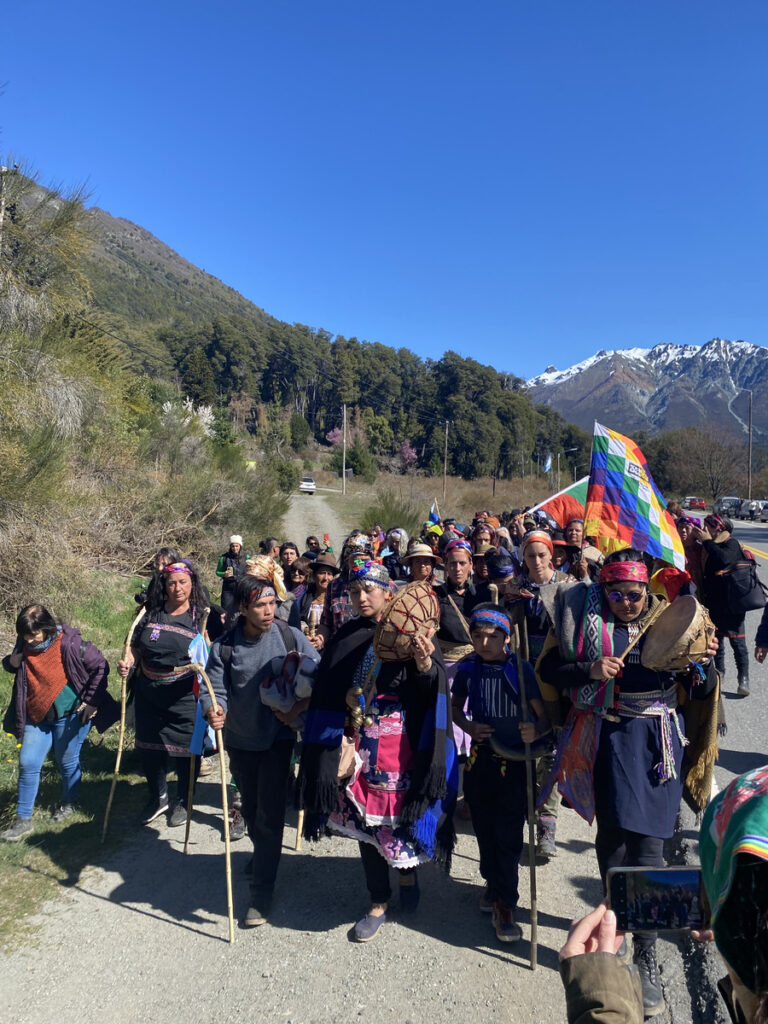
The machi called for permission, greetings, and invoking strength. “The land is still alive. It is pure. There are trees, plants, and animals that inhabit it. The veins of nature flow through here. It still has great strength and gives us that strength to continue fighting,” the machi said. Her mother, María Nahuel—aunt of Rafael Nahuel, who was murdered in an operation—took Aurora Choque's hand, from the Third Malón de la Paz (Peace March).
This is not the first time that the struggles of women from different Indigenous nations have joined forces, silently but not alone weaving a powerful movement that is now becoming increasingly evident. Two months ago, Betiana and María were in Purmamarca supporting the peaceful occupation that continues along the roadside.
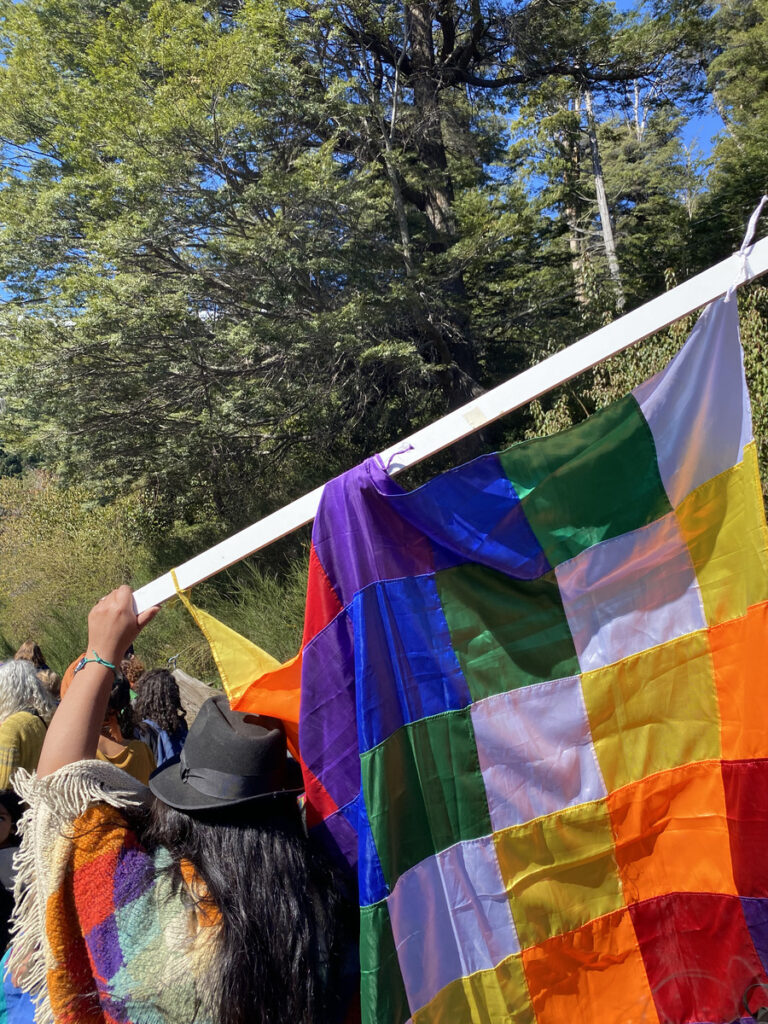
“The only path left for us is community.”
The alliance among Indigenous women is expanding throughout Latin America. There were Maryta from Humahuaca and the sisters of the Third Malón of Jujuy, the feminists of Abya Yala, Adriana Guzmán from Bolivia, Lolita Chávez, a leader for women's rights from the Council of Maya K'ich Peoples—who has received death threats in Guatemala—and Avelina, a spiritual authority from Ecuador. We spent the afternoon gathered around the fire, sharing our thoughts in the heart of the native forest. It was a day "in support of the struggles of the people, of water, of life, so that these spaces continue to live, exist, and resist. For the Indigenous peoples who are in the process of rising up, rebuilding, and gaining recognition. Against repression and extractivism. For the return of their territory and their sacred sites."
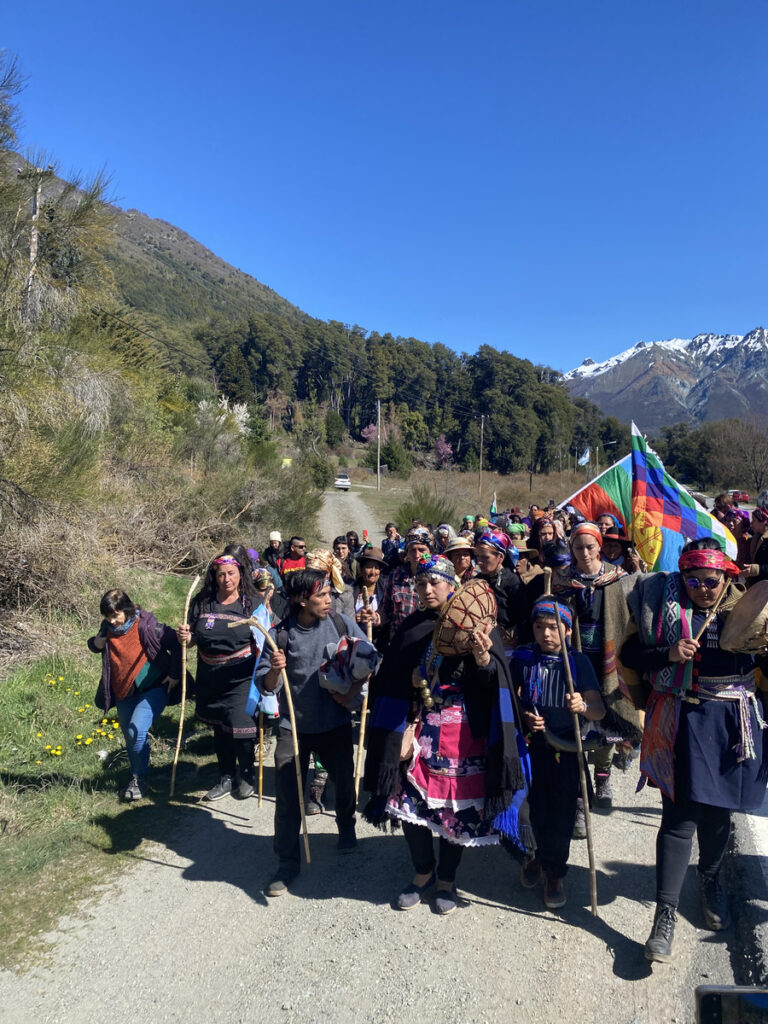
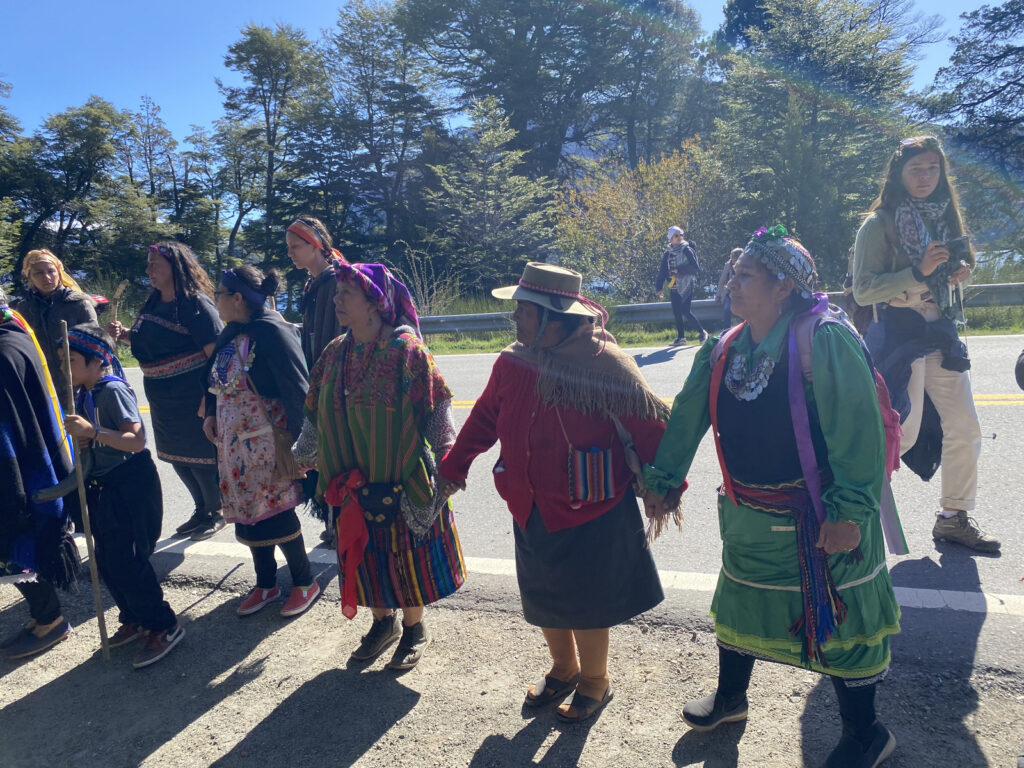
The machi and her mother, María Nahuel, recounted the violent operation in which the Mapuche women were arrested a year ago. They also recalled the murder of Rafael Nahuel in that territory in 2017.
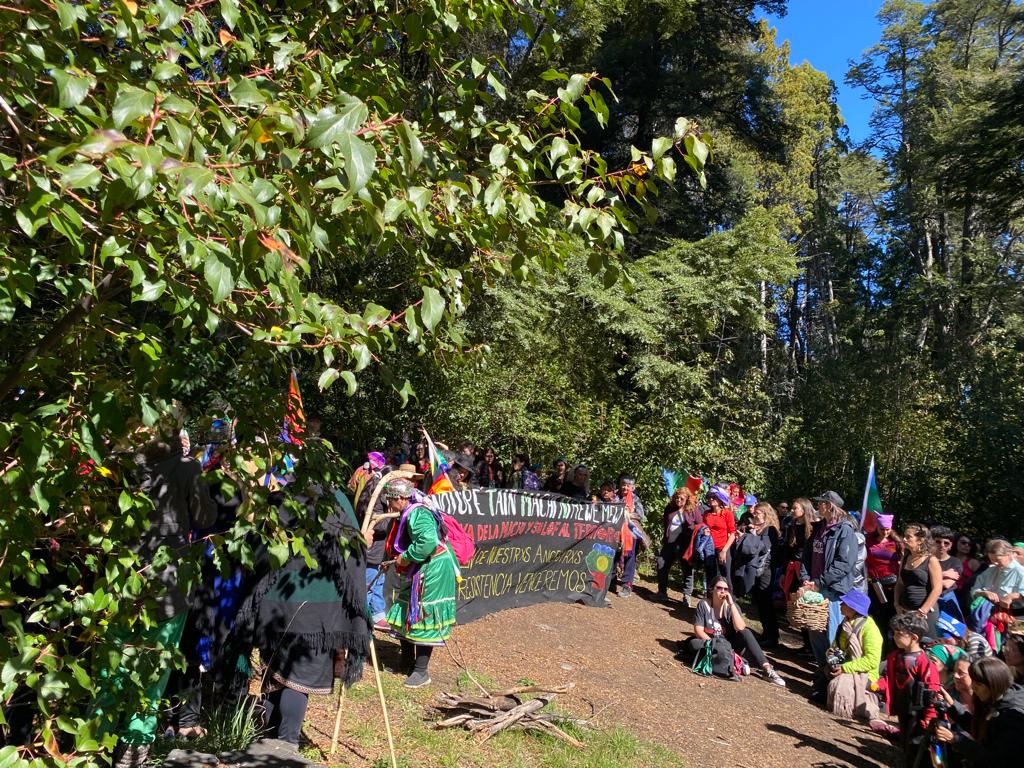
The women of the Third Malón explained to the more than one hundred people present the difficult situation facing Jujuy. Guzmán spoke about community feminisms. “The only path left for us is community,” she said, and invited everyone to nourish the land and plant seeds with political intentions.
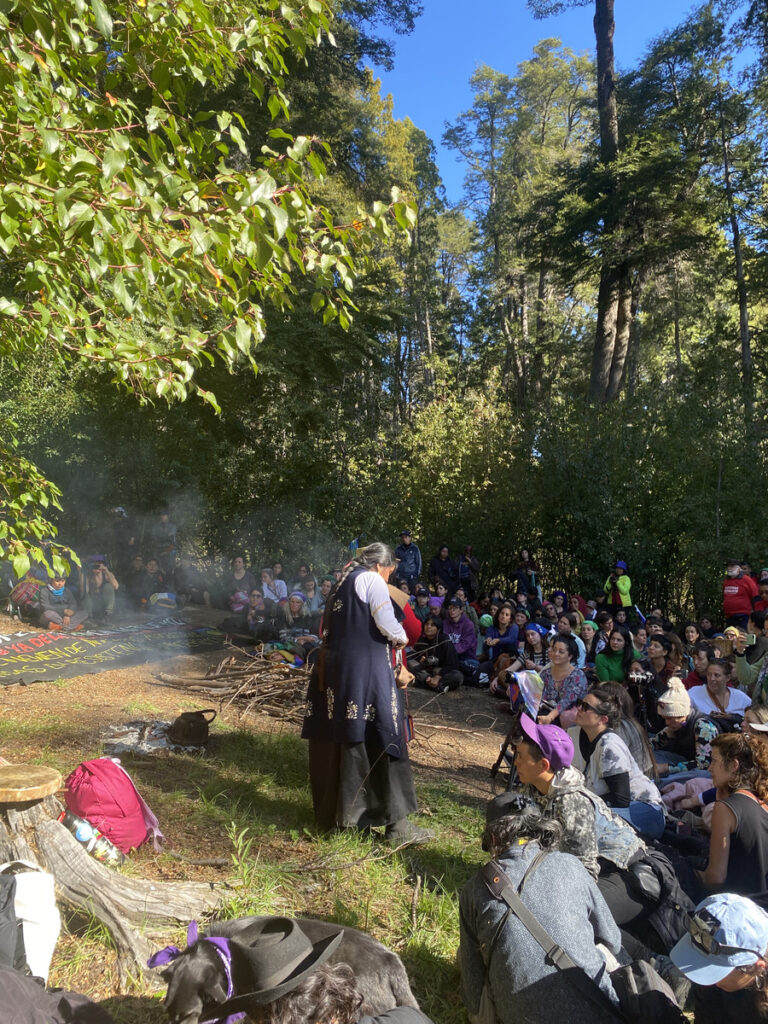
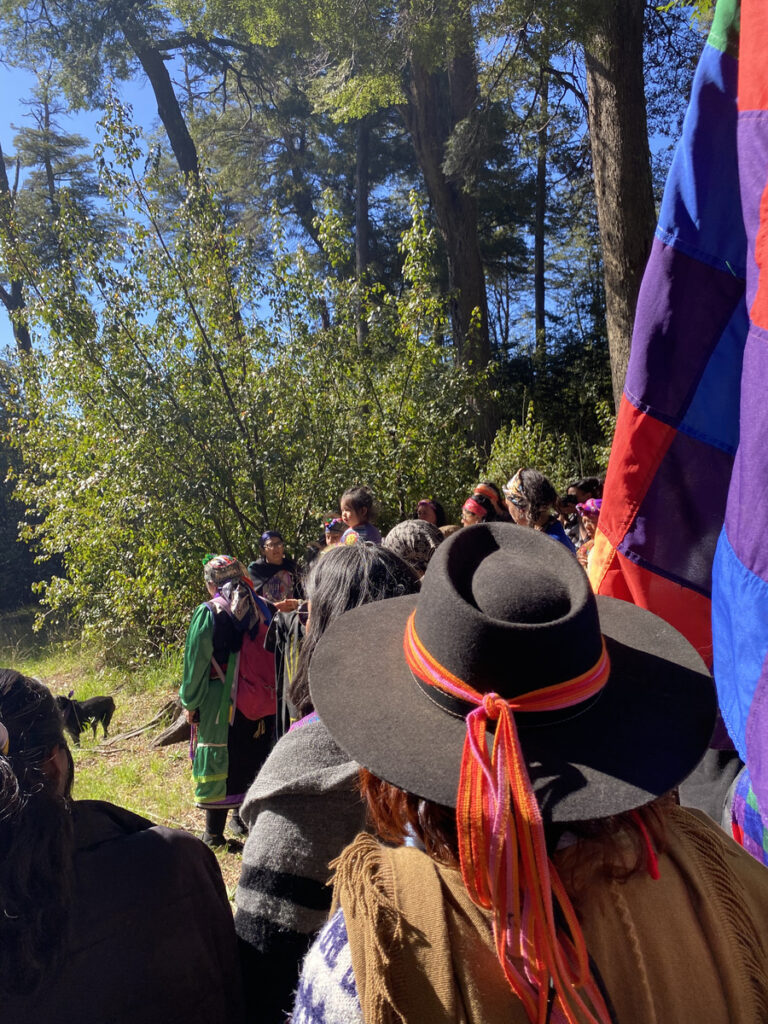
Quinoa seeds, coca leaves, chicha, yerba mate, and fried cakes were passed around until sunset. Avelina, a spiritual leader in her territory in Ecuador, called for synchronizing feeling, thought, and action: “True change is only possible if it is felt from the heart.”
Chávez, from Guatemala, highlighted the strength that the phrase "Norita" Cortiñas, Mother of Plaza de Mayo, told him gave to his resistance: "The only fight that is lost is the one that is abandoned."
This visit was covered in collaboration with Agustina Ramos.
We are present
We are committed to journalism that delves into the territories and conducts thorough investigations, combined with new technologies and narrative formats. We want the protagonists, their stories, and their struggles to be present.
SUPPORT US

FOLLOW US
Related notes
We are present
This and other stories are not usually on the media agenda. Together we can bring them to light.