

I am Alma, a documentary about the right to identity
The film tells the story of Alma Cativa Sánchez, a trans woman from Córdoba.


Share

BUENOS AIRES, Argentina. Alma has lived many lives. Although she carried something with her from each one, of all of them, she chooses the one she lives now. The one that was reborn when she managed to recognize her identity and live as she felt she should. Her story is captured in the documentary I Am Alma , directed by Mariana Manuela Bellone.
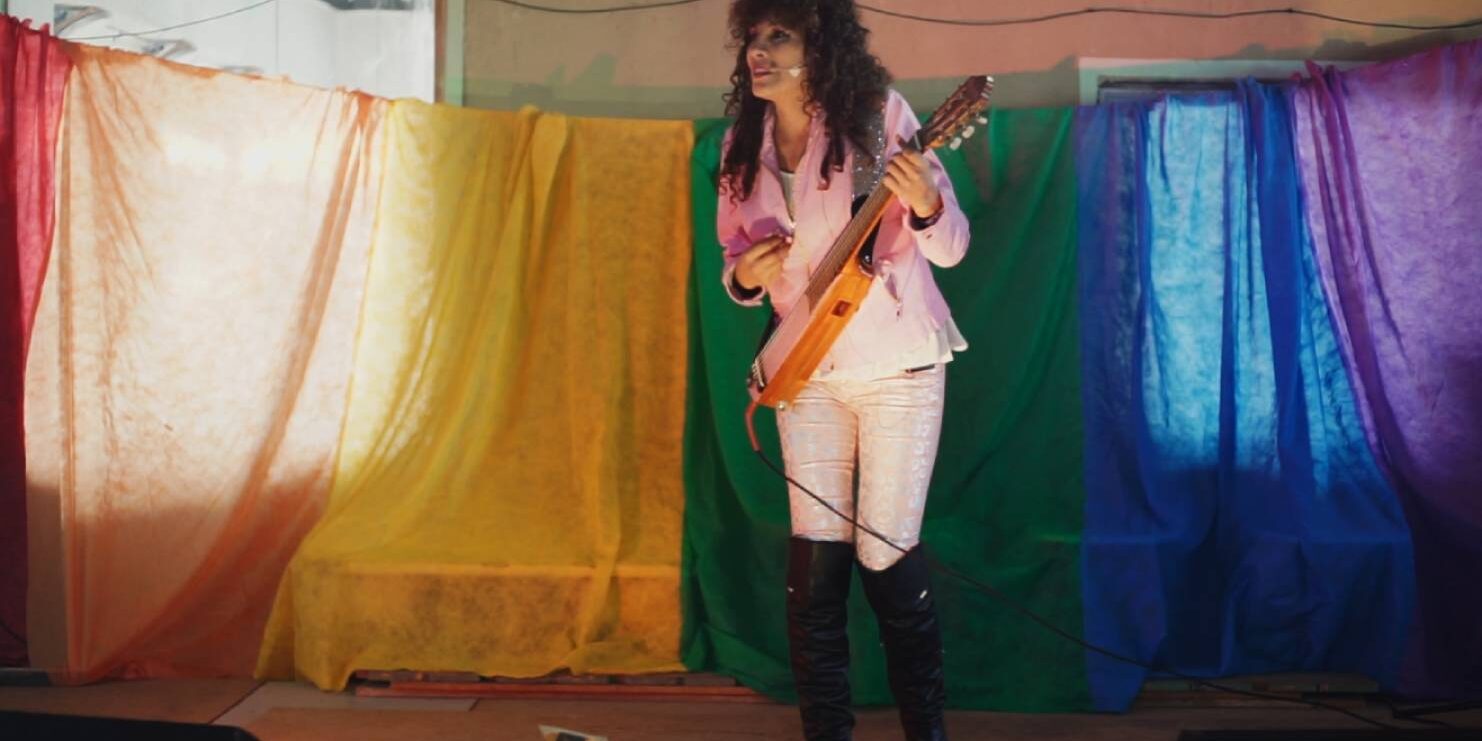
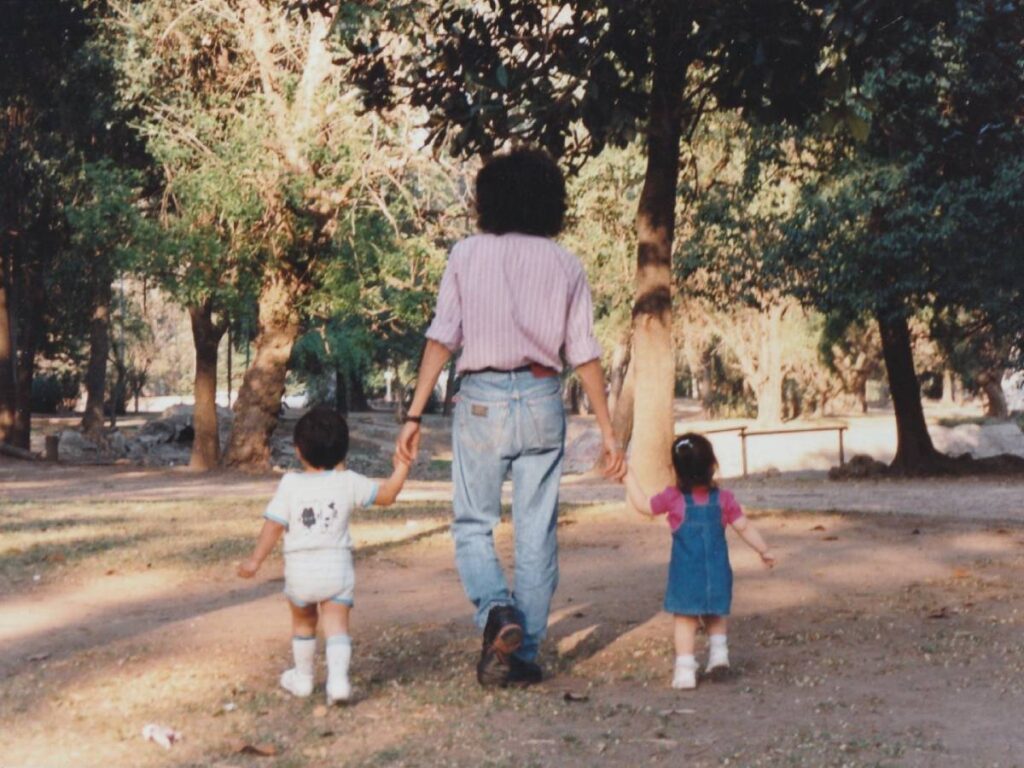
I Am Alma is a portrait of Alma Cativa Sánchez, a trans woman, writer, actress, and singer, who was born in a small town in the province of Córdoba, Argentina. The documentary offers an interesting perspective from the present on Alma's personal archive of photographs and restored VHS tapes. These include her time in the police force, her married life, which involved two marriages and four children, and an exploration of her own memories upon returning to her childhood home after many years.
The film will have a free screening at the Kirchner Cultural Centre on October 28 at 7pm. It comes from its premiere at the Gaumont cinema and a series of screenings at the Cosmos cinema.
From photo to documentary
When people mention the film to her, Alma laughs somewhat shyly. “People who like it come up to me happily and say hello. I feel very embarrassed. I think about what could be interesting about someone's life, my life. However, I also try to understand that it must have something special about it, which is why it's interesting,” she tells Agencia Presentes over the phone.
Her story reached director Mariana Manuela Bellone's email when she was looking for people for a portrait. She remembers that Alma wrote her a rather long email telling her story. They agreed to meet and from then on became friends.
Mariana's initial idea of a photo essay wasn't enough. One day she recorded Alma telling her story: that she had four children in Córdoba and that she had joined the police force to avoid military service. Alma's life story, told through each of her personal photographs, completed what Mariana was looking for. That's how the documentary was born.
“The intention was to tell Alma’s story and, through her, tell the stories of other people. Anyone who sees the film, regardless of their gender identity, can identify with it. There’s a perspective on the bonds or relationships we have with institutions, with family, with what we should be, with appearances. A lot of things we sometimes do to fit in or belong, setting aside who we really are, and sometimes we end up silencing that selves ,” says the director of I Am Alma.
“Alma is the complete opposite. She moves forward, and that surely has to do with the fact that she can’t hide what’s happening to her. I think the film is a portrait of Alma, but it’s really a portrait of people’s identities. Of how we manage to live in a superficial society where appearances matter so much,” Bellone adds.
Alma's Life
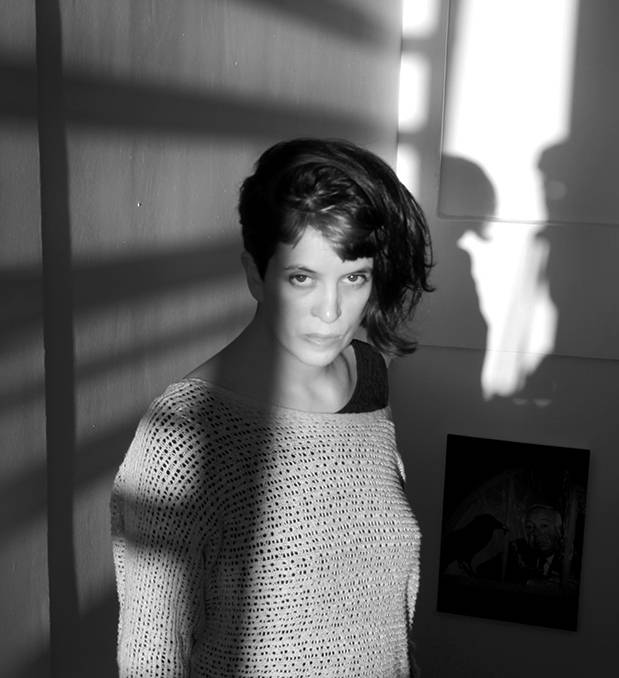
In the documentary, Alma tells her own story. She lends her voice, her body, and images from her past to the journey of her life. She is 54 years old and holds a degree in Political Science and Social Work. She currently works in the education department of the Ministry of Women, Gender, and Diversity.
In 2022 she published the book Pre-Columbian Argentina: A Country That Doesn't Exist , and she also works in music, singing, and acting.
“I clearly recognize the best part of my life as having embraced my identity. From there, I've been able to project myself, expand, express myself… I 've even been able to get much closer to artistic endeavors. I've also taken many theater classes, and I've even performed in a play. All of that makes me think it has to do with that, with expressing what one truly wants to be.”
She inevitably thinks about what her life would have been like if she had been able to reveal her true identity. “You think about it a lot because that’s what should have been, after a lifetime of searching, of trying and striving—as I always say, only God knows how hard I tried to adapt to the identity imposed on me by my anatomy . But in my case, the most beautiful thing I have left are my children. I have four children by two mothers and two grandchildren. That’s the most vital and beautiful thing about that whole journey, which I undertook as if in a fog or exposed to the elements. That’s the most beautiful thing I have left, and that’s where I feel it was all worthwhile.”
A story for everyone
Mariana Manuela Bellone, the documentary's director, says she would like teenagers and children to see it. "I'd like to see the effect of the theme of diversity on them, on them asking questions about their bodies and about a lot of things they might not have information about," she says.
“Information is more readily available today, but back when Alma was asking herself all those questions, she associated it with something bad, like an illness. With information, she came to understand that there were other people going through something similar and that everything she was experiencing had a name. I think it's important to reach that audience.”.
And she emphasizes, “Alma is a trans woman over 50 years old, she is alive, she can tell her story in a context where a trans person has a very low life expectancy. But Alma can bring out all her archive, show it and tell it with her own voice.”.
Trans children
“Every time life goes by, it gets harder to carry all of that,” says Alma’s voice, as she reviews her life as a student, as a police officer, as a father, and then her life as Alma.
“The Gender Identity Law had a huge impact on my life. Before, if you wanted a national identity document, you had to file an injunction against the State, and this injunction was expensive because you needed a lawyer, legal representation, and to file the injunction. It was a very long and tedious process. I had been dealing with that injunction for four or five years, and it wasn't resolved when the law came into effect. It was an immense and profound joy when suddenly all that cumbersome process was cleared up, and you were so free to go to an office and say, 'I feel this way, please, I want to change my ID.' And it's as simple, yet as profound, as that.”.
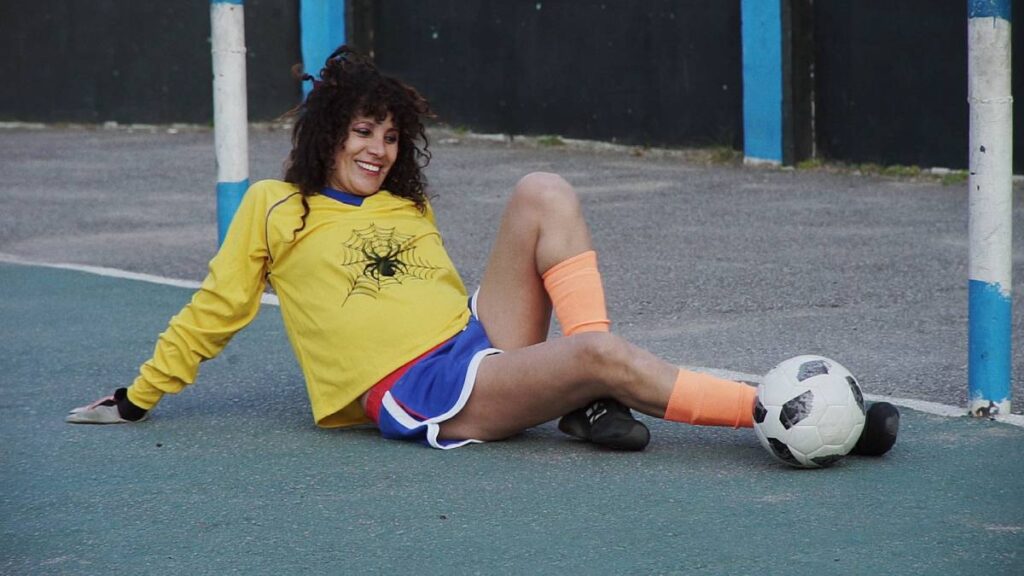
Through her work at the Ministry of Women, Gender and Diversity, Alma attends various training sessions where she often speaks about her own life. “My personal life comes through there. I like to emphasize what is now called trans childhoods, that is, children who are helped and supported by their parents from a very young age in a process of discovering their identity when this happens,” she states
“But I like to emphasize that someone like me, who is 54 years old, also had a trans childhood. It just couldn't be expressed, couldn't be visible, due to a socio-historical and socio-cultural context; it was the 1970s. I'm drawing a line in the right direction, saying that trans childhoods aren't a new phenomenon. The current phenomenon, if anything, is how parents see these children, and how that fosters support, connection, and understanding—things that people like me haven't had. I always say, I also had a trans childhood; it just wasn't seen.”
Talking about life in difficult times
"I Am Alma" has participated in several festivals and has already received five awards. Since June, the film has been screened in various theaters, and during October it will be shown on Saturdays at the Kirchner Cultural Centre.
“Whether it was the right time to screen the film was one of the questions we asked ourselves,” says the director. “And we thought it was important that, in these times, people have the collective experience of seeing a film in a theater,” she adds.
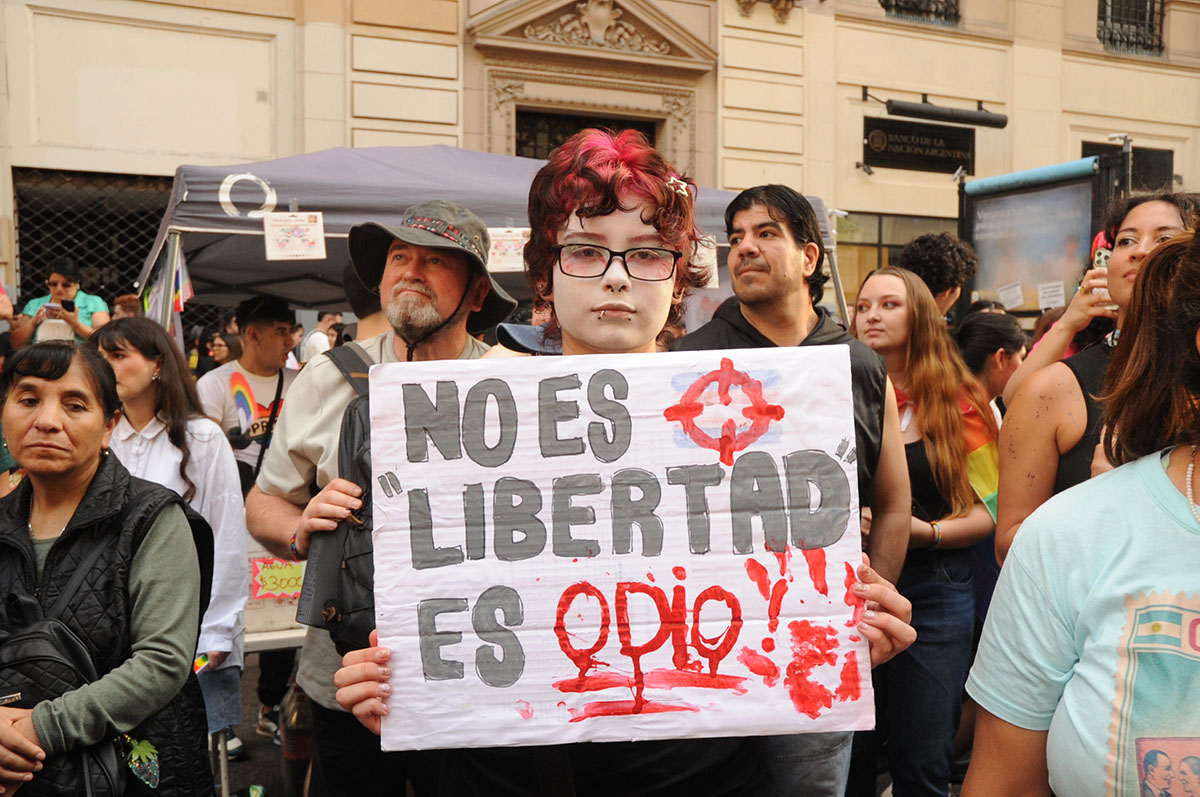
Hate speech abounds these days, and for Alma, that has a positive side. “I travel through Latin America as a backpacker. There, I noticed that we in Argentina are ahead of the curve and that we can even create space for debate regarding hate speech. In other countries, the topic isn't even discussed. As long as there's a possibility of debate, we're closer to encountering and understanding the other,” Alma says.
"Yo soy Alma" will be screened on Saturday, October 14th and 28th at the Kirchner Cultural Center, Sarmiento 101.
We are present
We are committed to journalism that delves into the territories and conducts thorough investigations, combined with new technologies and narrative formats. We want the protagonists, their stories, and their struggles to be present.
SUPPORT US

FOLLOW US
Related notes
We are present
This and other stories are not usually on the media agenda. Together we can bring them to light.