

“Embodied Plasticities”: an intergenerational exhibition of Mexican trans artists
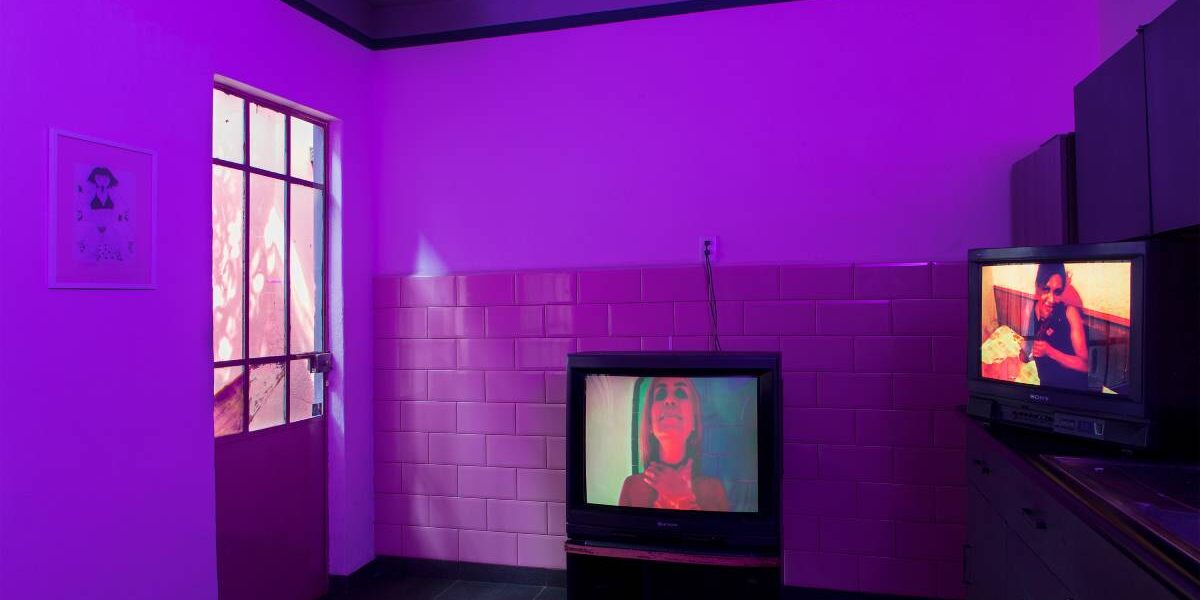
Trans memories, experiences, and stories are narrated through the work of 14 artists exhibiting at the Pandeo space in Mexico City.


Share

MEXICO CITY, Mexico. “Embodied Plasticities” is a curatorial and research project developed by Rojo Génesis (a trans artist, researcher, and curator). It brings together the artistic work of trans women who produced art from 1970 to 2023 in different parts of Mexico.
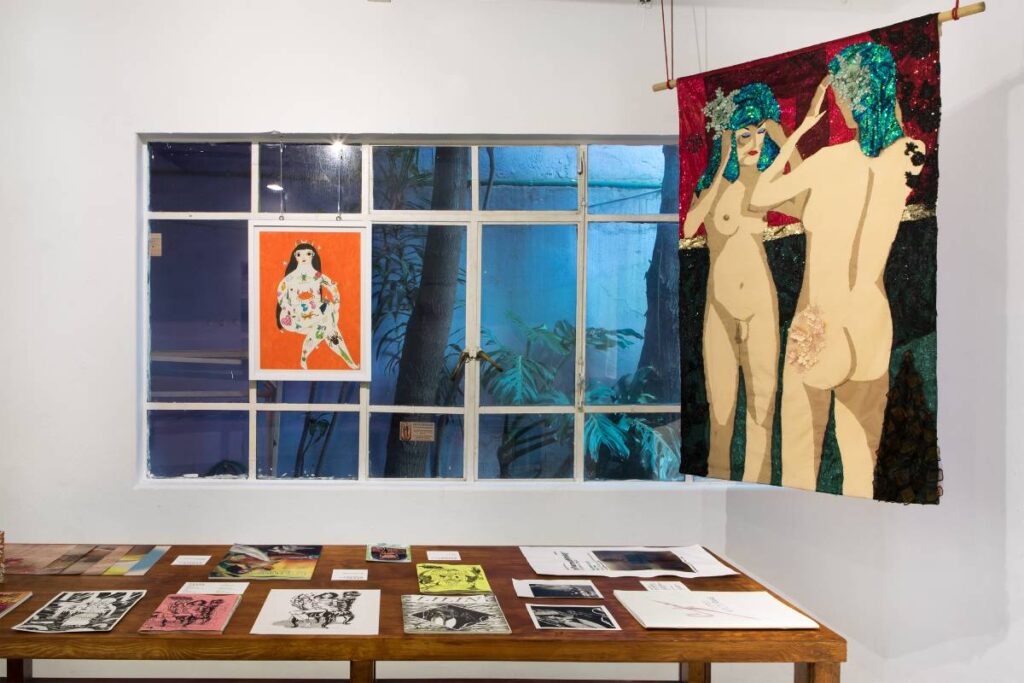
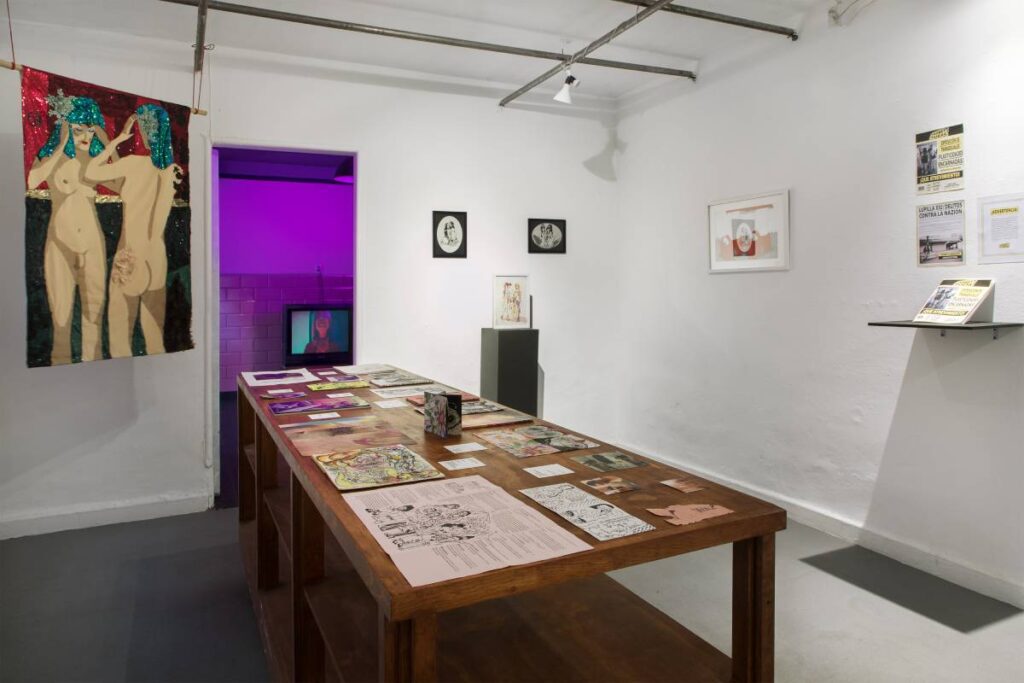
The works of the 14 artists reflect different transfeminine experiences such as the use of body molds, desire and pleasure, the construction of counter-narratives, translesbianism, among others.
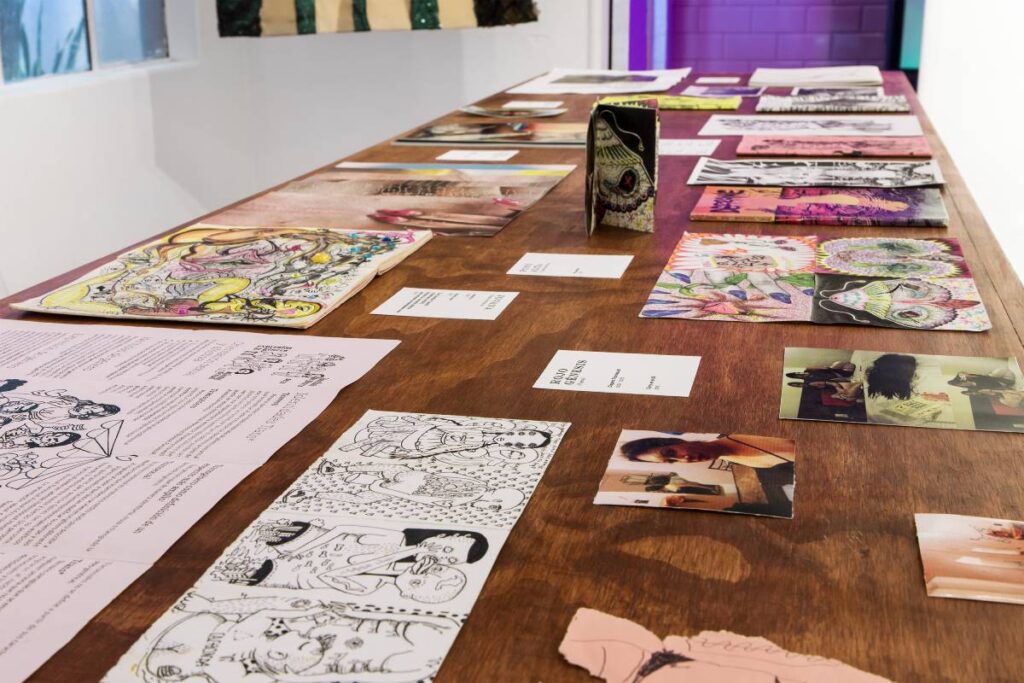
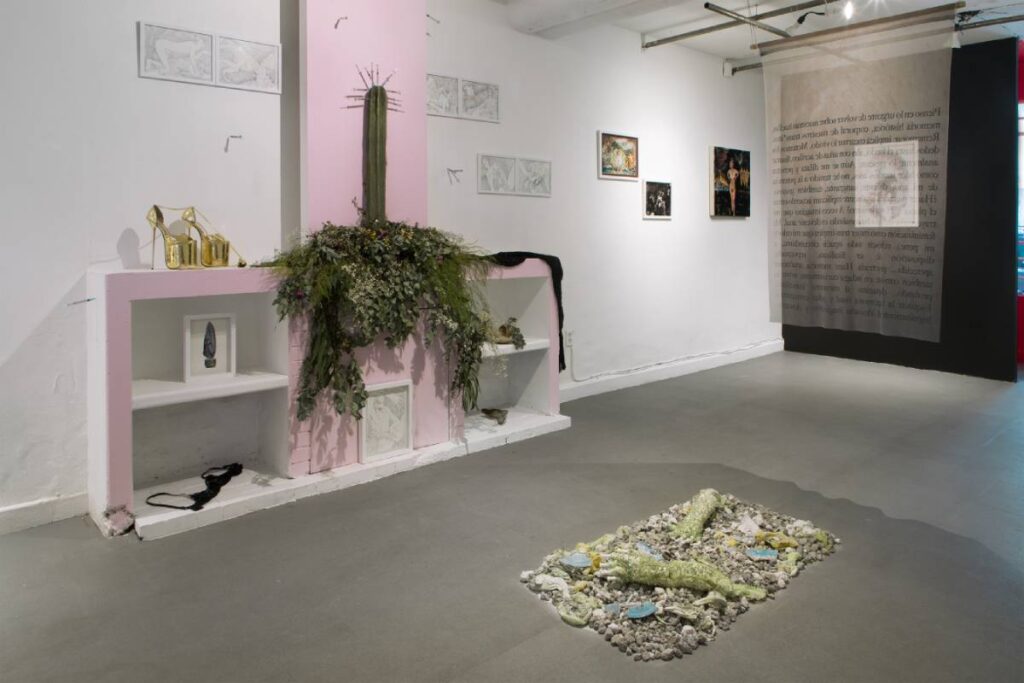
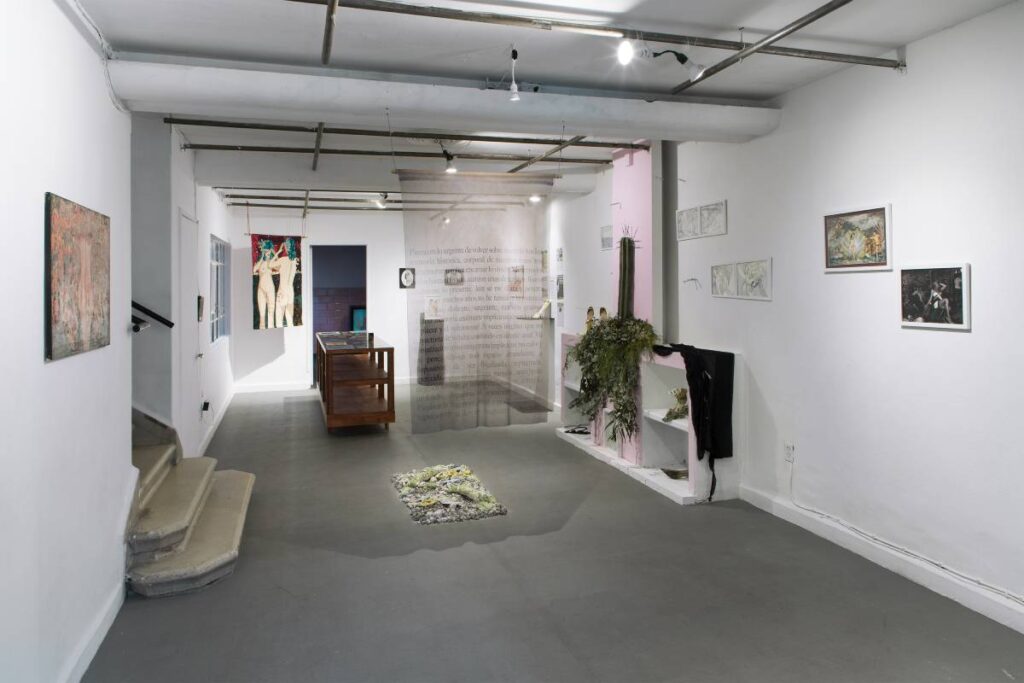
Through archival material, self-published works, and plastic, editorial, textile, and visual art, the artists recount their embodied experiences of transfemininity in different socio-political contexts of Chihuahua, Coahuila, Monterrey, Tamaulipas, Durango, Puebla, State of Mexico, and Mexico City from the seventies to the present.

An approach to trans aesthetics and knowledge
“This is a first conversation where what interests me is creating a dialogue between the artistic and aesthetic production of trans women in this temporal and sociopolitical delimitation,” Rojo Génesis, researcher, artist and curator of the exhibition Embodied Plasticities, Agencia Presentes
“For this, I had to track down trans women who were still here with us. I’m very aware that not all of us who should be here are here, in order to find out what their artistic proposals were to situate Mexican trans art from the perspective of trans women and not from what others produce through the bodies, aesthetics, and knowledge of trans women,” she says in an interview
The participating artists are: Terry Holiday , Sofía Moreno , Naomi Torres , Deborah Alvarez , Viviana Rocco , Romina Jauregui , Laura Glover , Valis Ortiz , Jovana , Laura Victoria Martes , Flores Rosx , Antía Alanis , Lluvia and Rojo Génesis .
The place for trans artists
The venue hosting the Plasticidades Encarnadas is Pandeo , a multi-social and transdisciplinary space for artistic training where for almost ten years they have managed transfeminist projects, with a social and community focus, located in Mexico City.
“The importance of Rojo’s work and that of the other artists for us at Pandeo is almost indistinguishable from our way of operating. More than a form of representation of specific populations, which is obviously an important point, it’s about giving space to the things that interest us,” says Hellen A, general coordinator and head of the exhibitions area at Pandeo, in an interview.
“We feel there is a lack of visibility. There aren’t enough places that open their doors to artistic expressions that overflow from the hegemonic. Furthermore, there is a tendency to view trans women as objects of study and not as artists,” says Hellen A, general coordinator and head of the exhibitions area at Pandeo, in an interview.

“Genealogical artistic dialogue builds a trans collective memory”
For Rojo, bringing the art of trans women from different generations into dialogue is valuable because, she says, "it builds a collective trans memory.".
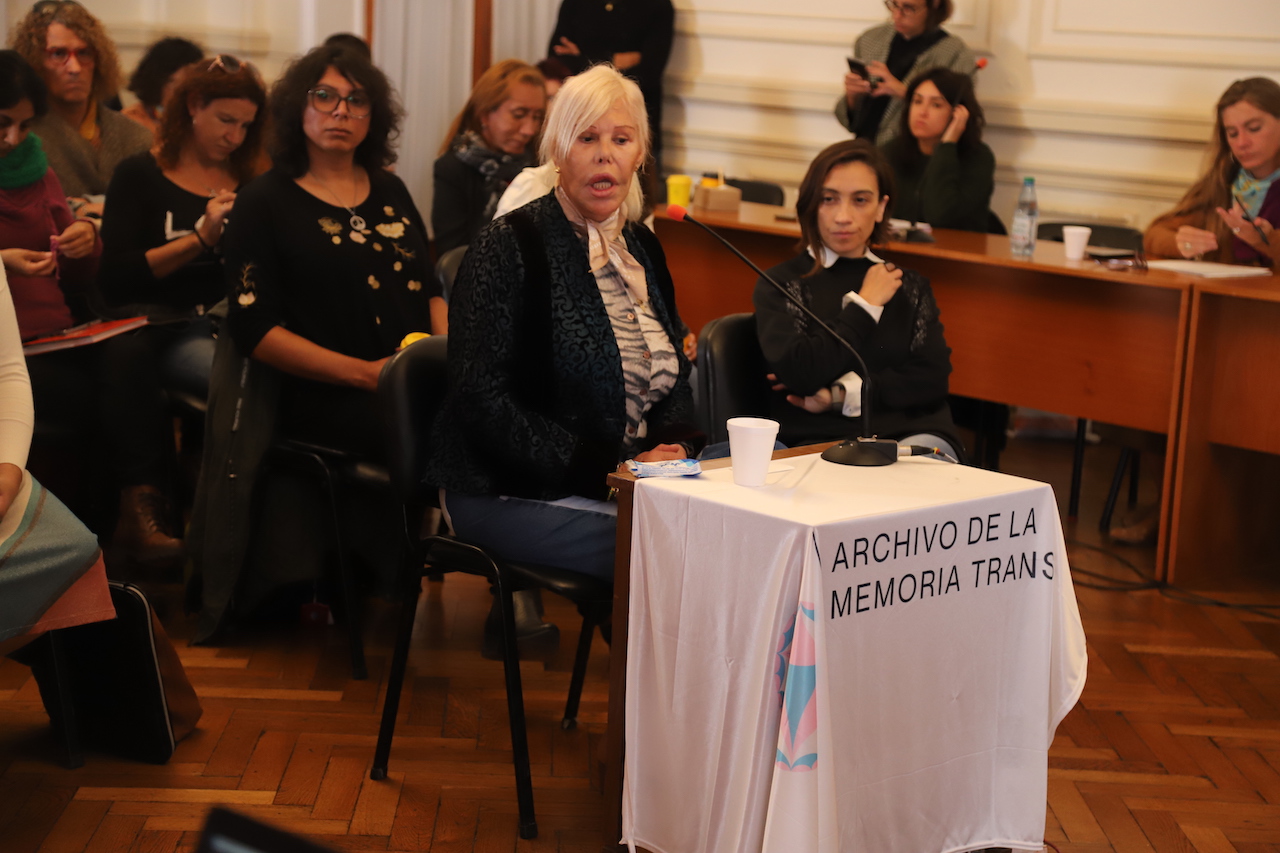
Some of the artists' proposals are influenced by social and political factors such as the Dirty War. This period in Mexico, spanning from 1965 to 1990, saw trans women and transvestites among the victims of state repression. The police persecuted them, arbitrarily detained them, extorted them, and raped them.
This came to light after some trans women shared their testimony about what they experienced during those years in the Dialogues for Truth held in May by the Historical Clarification Mechanism (MEH) of the Truth Commission.
“What we see is that the history surrounding the body has become too deeply ingrained. From the use of body-shaping products to police harassment. These are common experiences and dynamics that we keep returning to,” adds curator Rojo Génesis.
“We don’t want them to do more extractive activities, we want them to pay for our work.”
Rojo realized that trans artists struggle to identify as such and to value their work. “This stems from the culture of trans women competition and the clique that exists, especially in the context of sex work and the precarious and violent conditions,” she told Presentes.
“We had to arm ourselves with tools, raise our self-esteem to understand that our artwork has value and that we're not going to gain anything from visibility. We don't just want people to be spectators of our art; we want to benefit. We don't want them to continue exploiting our bodies and our stories. We want them to pay for our works because these works are not just artistic and aesthetic pieces; they are archives, they are part of the trans collective memory,” Rojo Génesis concludes.
Hellen and Rojo agree that spaces for trans art are increasingly common, but that there is also a tendency to appropriate the stories and art produced by trans people.
“We decided to respond to Rojo’s exasperation at seeing that unfortunately there is a tendency to appropriate narratives; whether from a market perspective within art or within diversities,” comments Hellen A.
“There are undoubtedly more spaces, but that doesn’t necessarily mean they’re created from a perspective where the artists are trans women. In many spaces, gay men or non-binary people somehow appropriate the narratives of trans women. This may seem like hard-won spaces, but not through genuine agency. Rather, it stems from spaces where trans people are viewed ethnographically as objects of study, when what we really need are spaces where trans women can express themselves through their own voices and experiences,” concludes Hellen A.
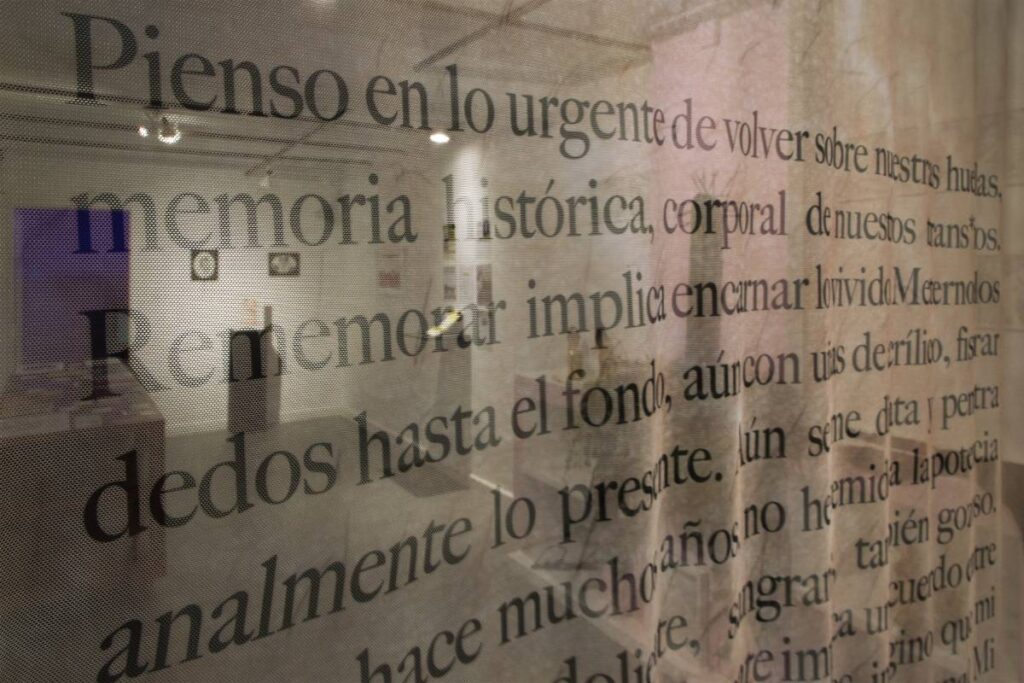
Plasticidades Encarnadas will conclude on November 4th with an event at Pandeo (Miami 27, Colonia Nápoles). All works are for sale.
We are present
We are committed to journalism that delves into the territories and conducts thorough investigations, combined with new technologies and narrative formats. We want the protagonists, their stories, and their struggles to be present.
SUPPORT US

FOLLOW US
Related notes
We are present
This and other stories are not usually on the media agenda. Together we can bring them to light.
1 Comment