

September 28: Feminist groups marched to defend rights and against the right wing
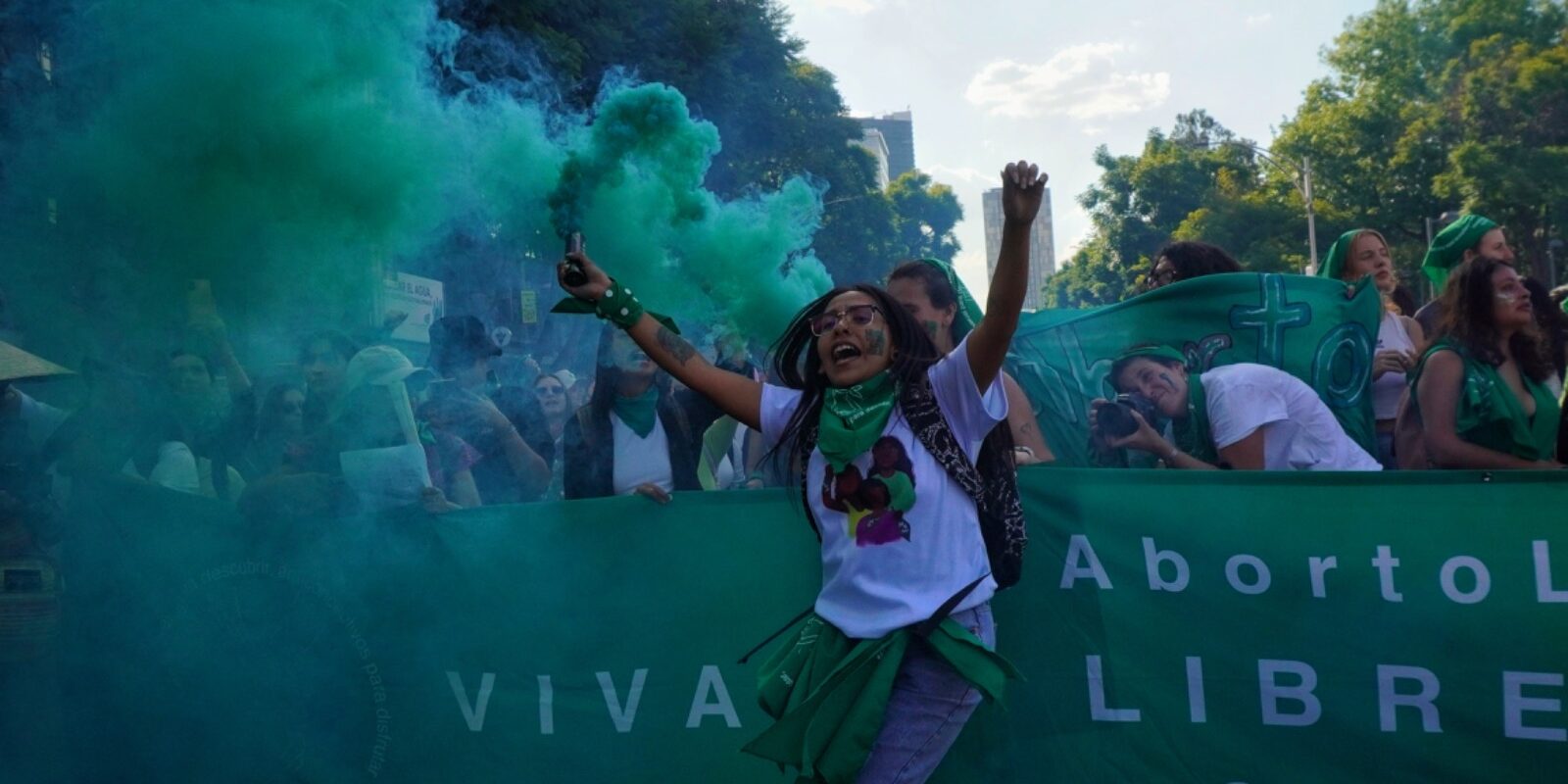
Feminist movements took to the streets again in Latin America on the Global Day of Action for Access to Legal, Safe, and Free Abortion. Marches were held in Buenos Aires and Mexico City.


Share

Feminist movements took to the streets again across Latin America on the Global Day of Action for Access to Safe, Legal, and Free Abortion, commemorated every September 28th. Faced with the rise of right-wing forces, women, lesbians, bisexuals, trans and travesti people, trans men, and non-binary individuals marched to demand the right to safe, legal, and free abortion, a right that remains unfulfilled in many countries.
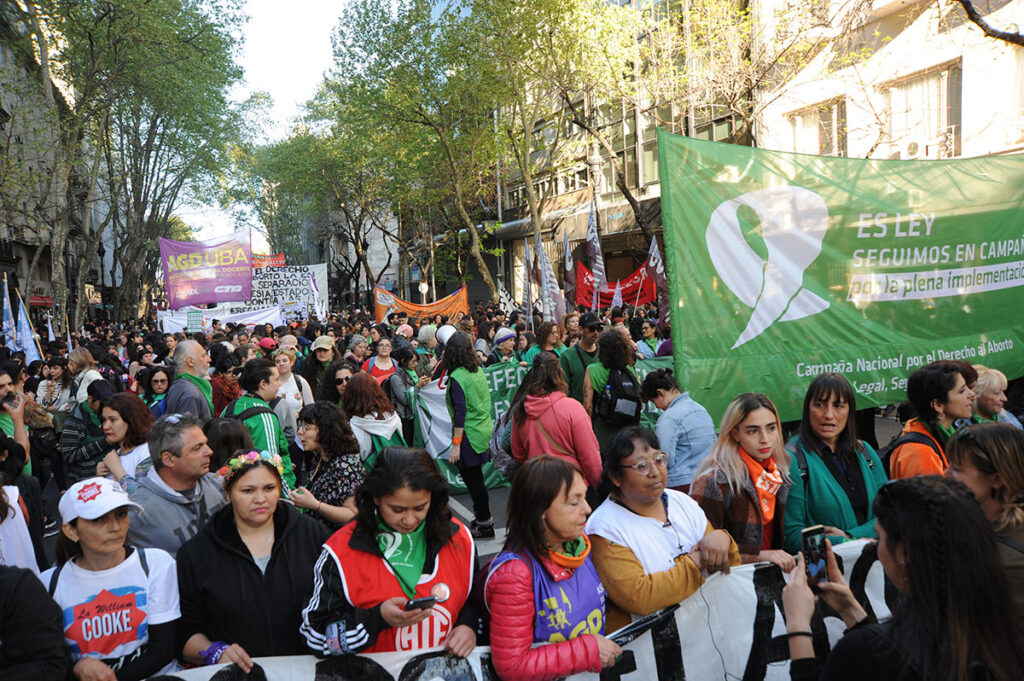
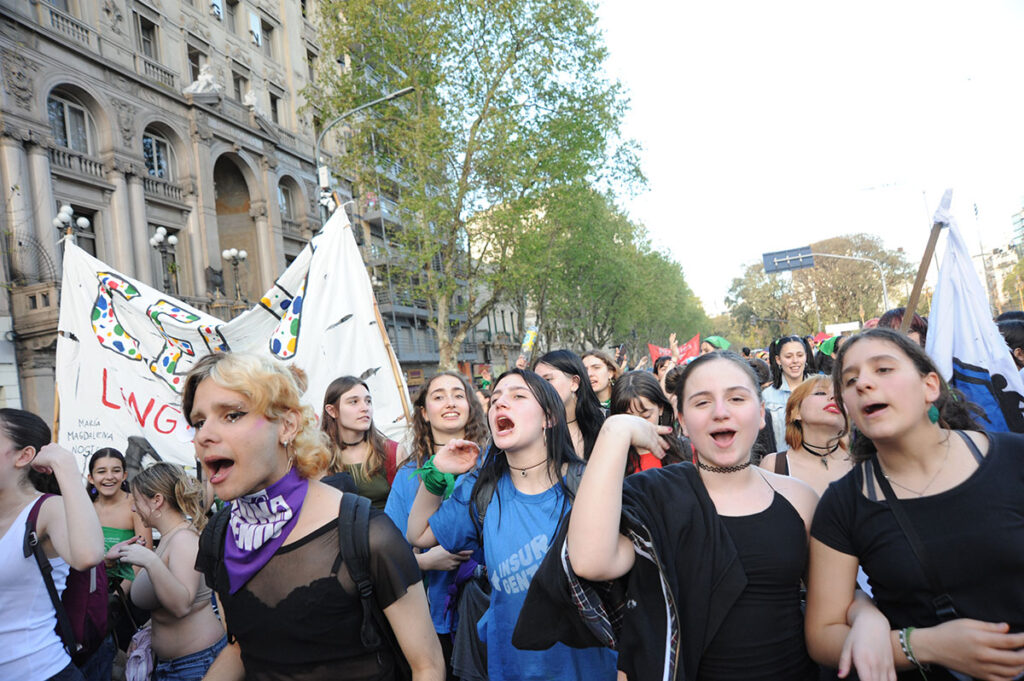
Where laws exist—as in Argentina (where the voluntary termination of pregnancy was legalized in December 2020 )—demonstrators called for its effective implementation and for access to abortion without discrimination for all people capable of becoming pregnant. In many of the marches, the demands and petitions went beyond this specific issue, because the mobilization was imbued with enormous symbolic power regarding the role feminist movements play today in different political contexts, but with something in common: the rise of the far right. As they gain representation and seats in Congress, they threaten to restrict rights such as Comprehensive Sexuality Education or to close the Ministry of Women and Diversity, as in the case of Argentina with the presidential candidate of La Libertad Avanza, Javier Milei.
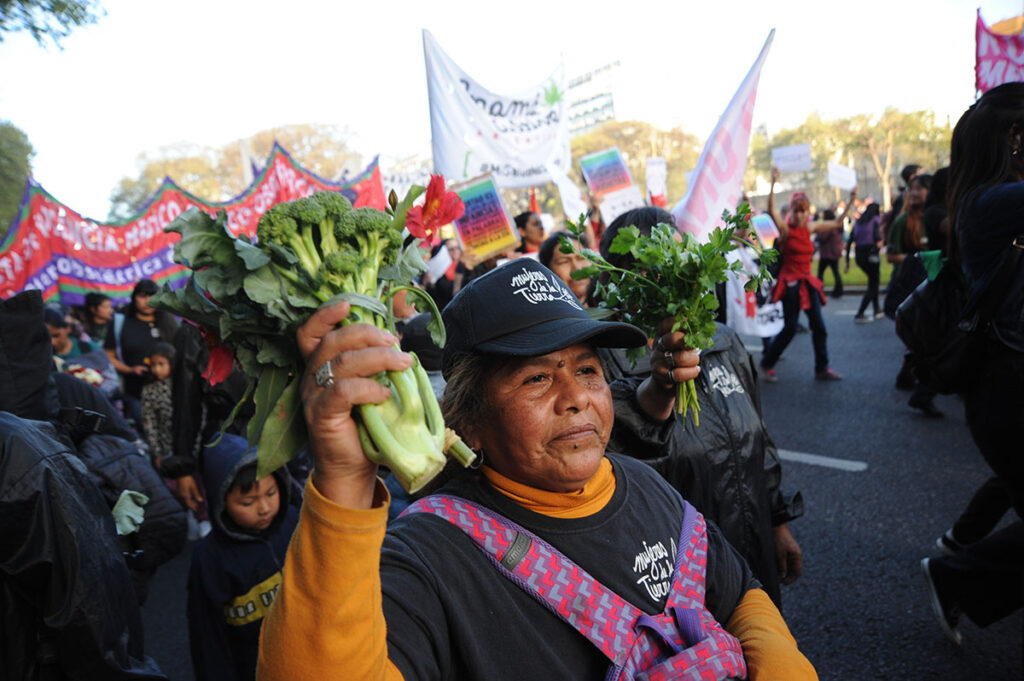
28S against the right wing

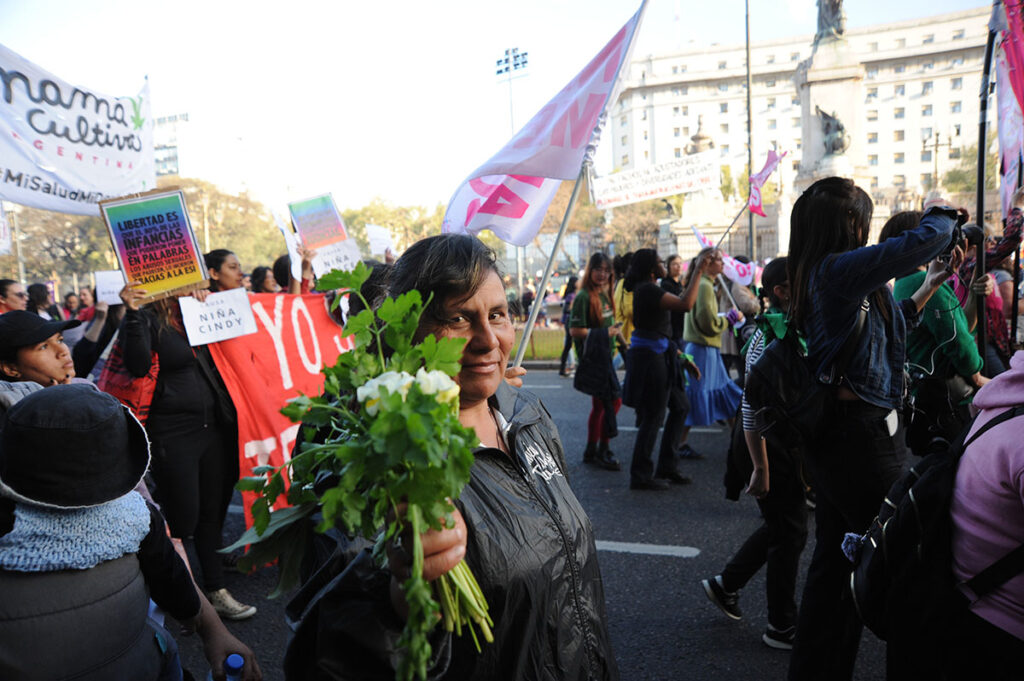
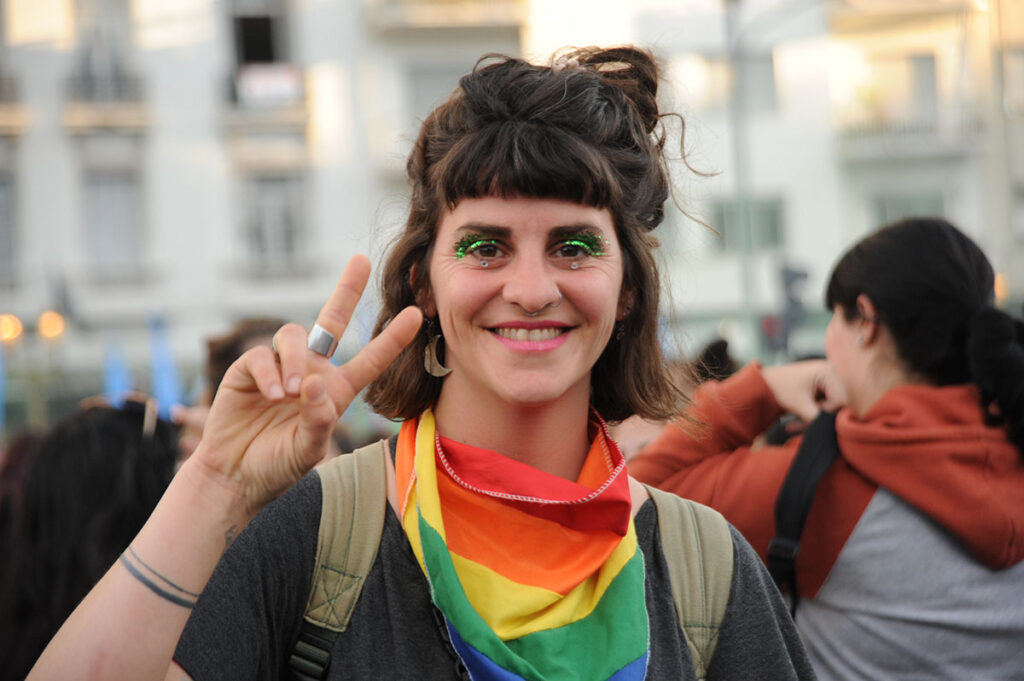
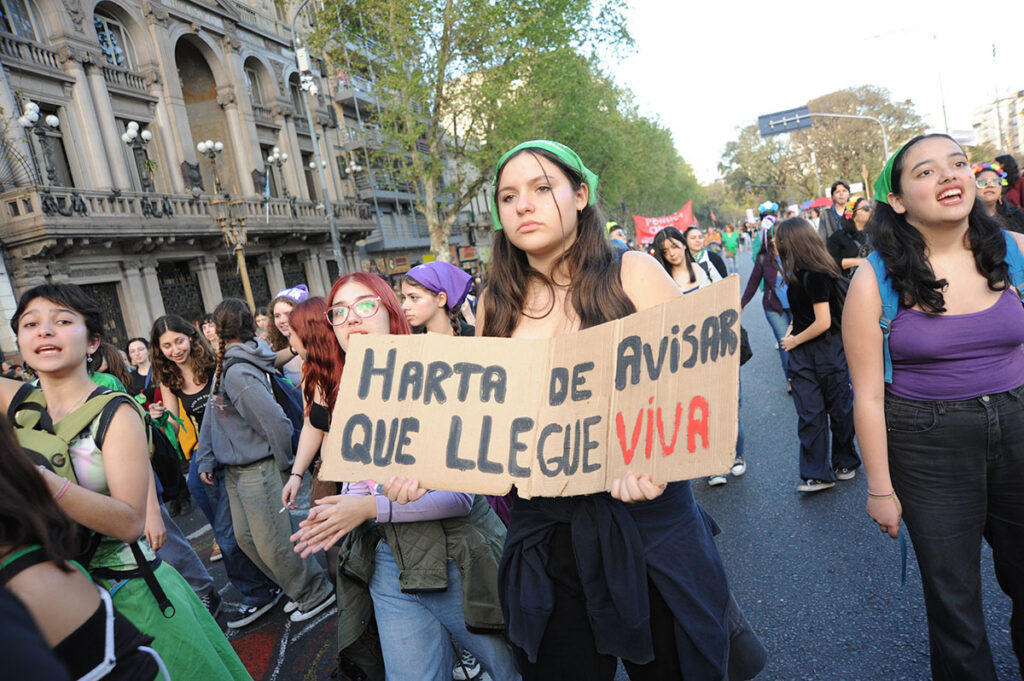
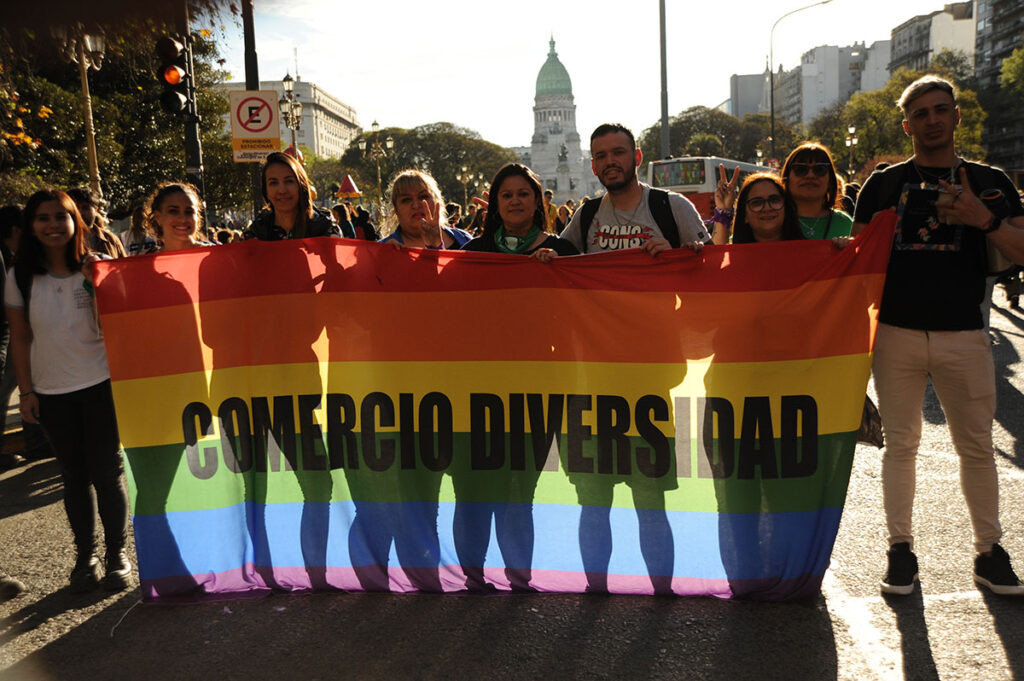
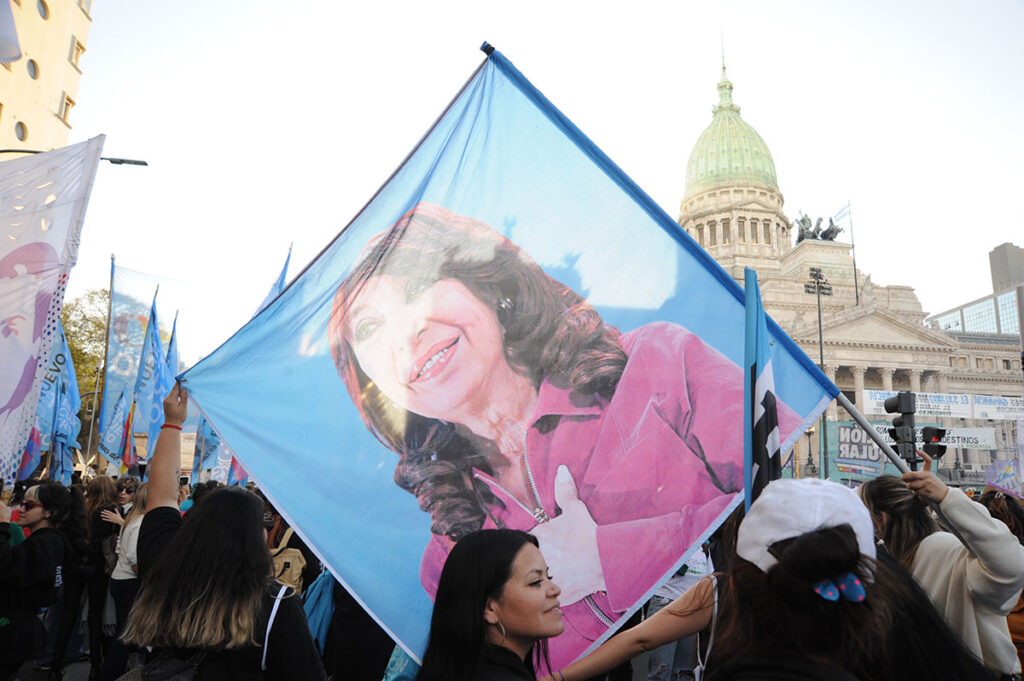
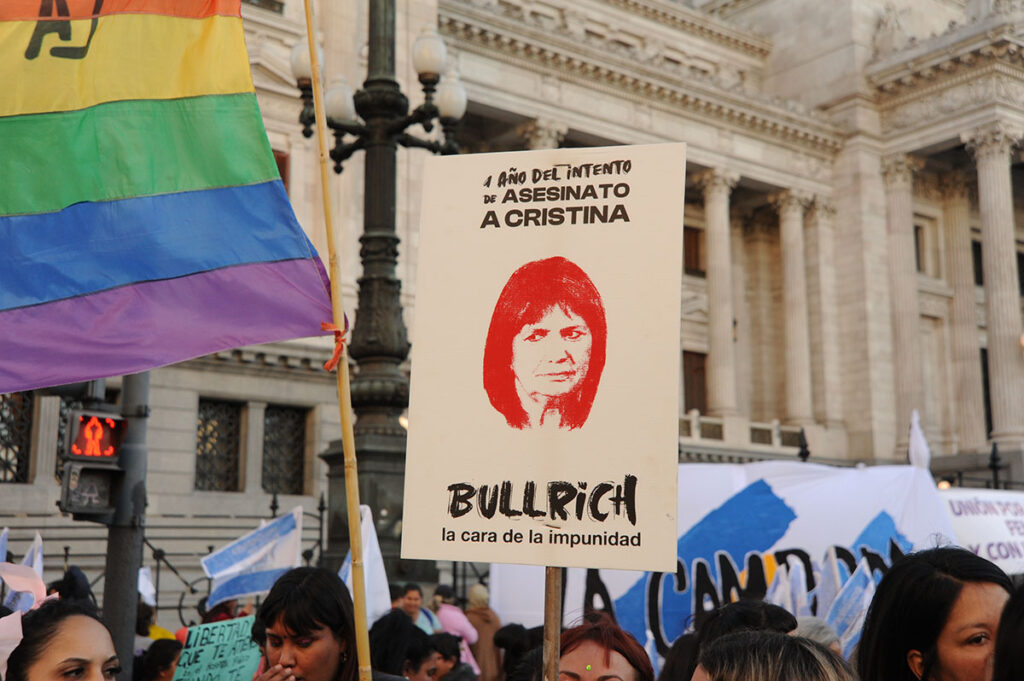
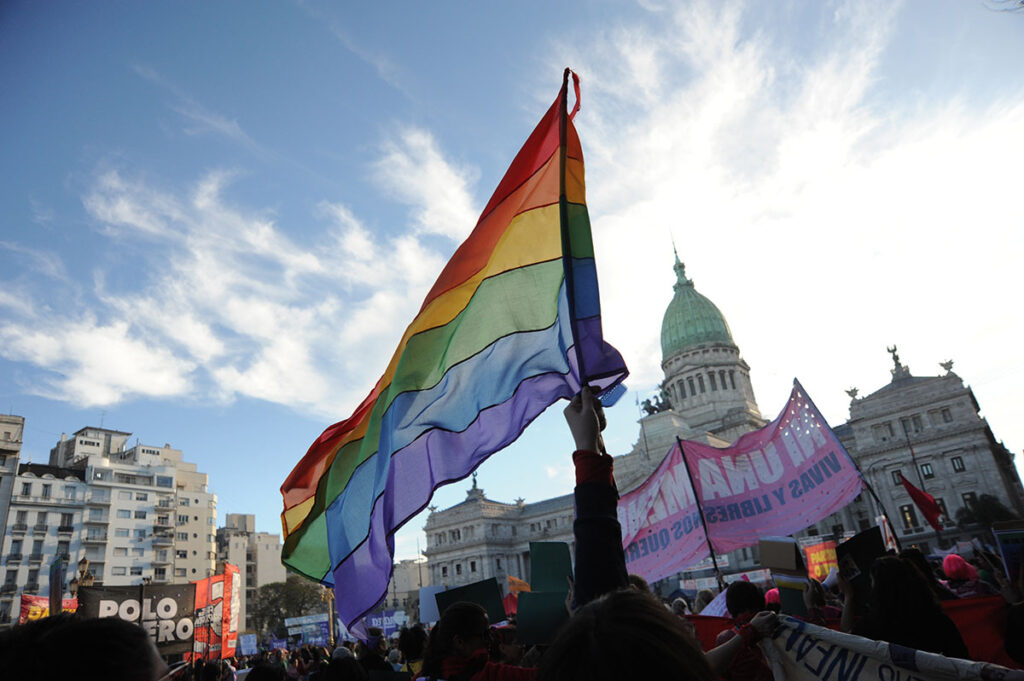
In Buenos Aires, the September 28th march drew thousands of people who marched from Plaza de Mayo to the National Congress. There, a document agreed upon by feminist political and social organizations was read. It spoke of opposing the right wing, austerity measures, and the International Monetary Fund, to defend what has been achieved and to demand what is still needed. The slogan “Not one step back” was the main one, but not the only one.
Unlike previous years, it was noteworthy that the column that usually leads this march in the city has historically been the National Campaign for the Right to Abortion. It includes activists who have been working for decades for this cause, such as Nina Brugo, who yesterday was behind the enormous green banner. But yesterday, the first column was led by political and social organizations, unions, and other groups. Several meters behind them, the Campaign set off, followed by more feminist organizations.
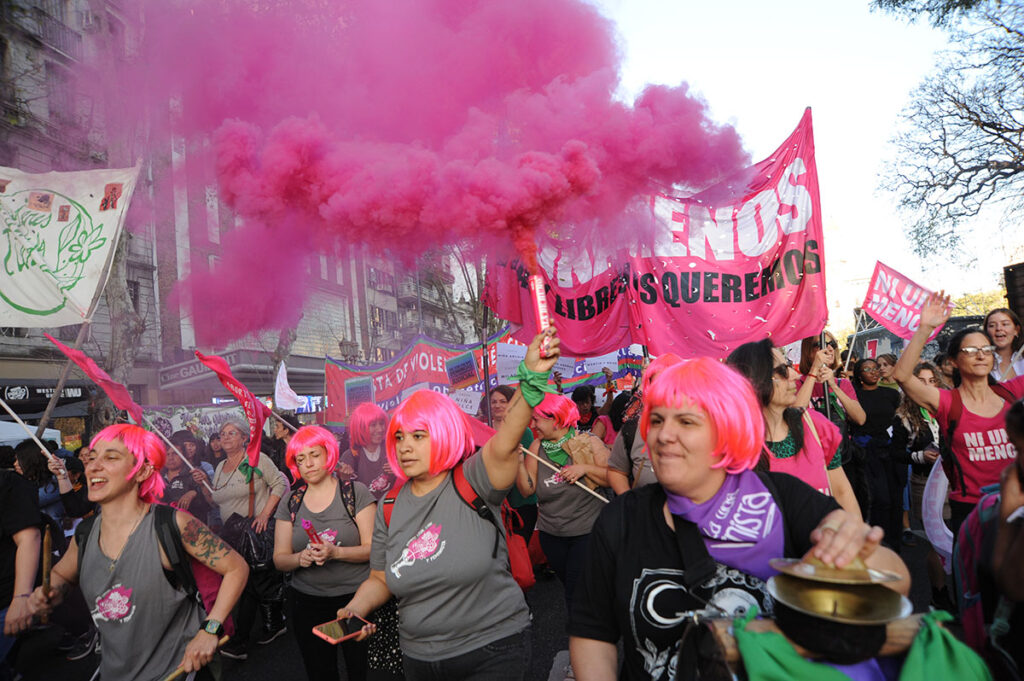
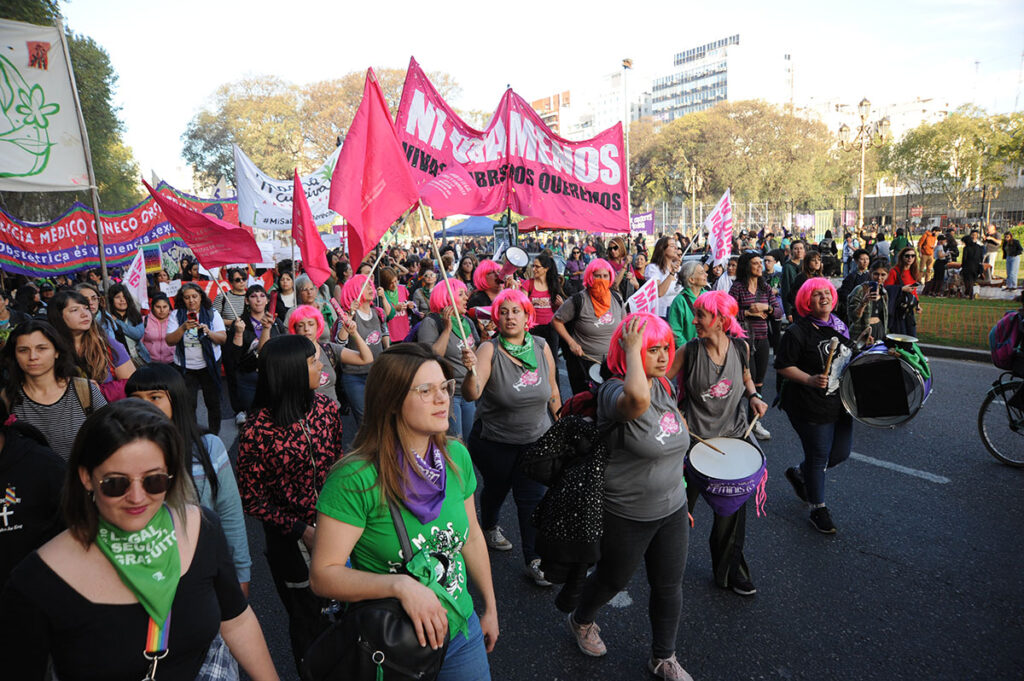
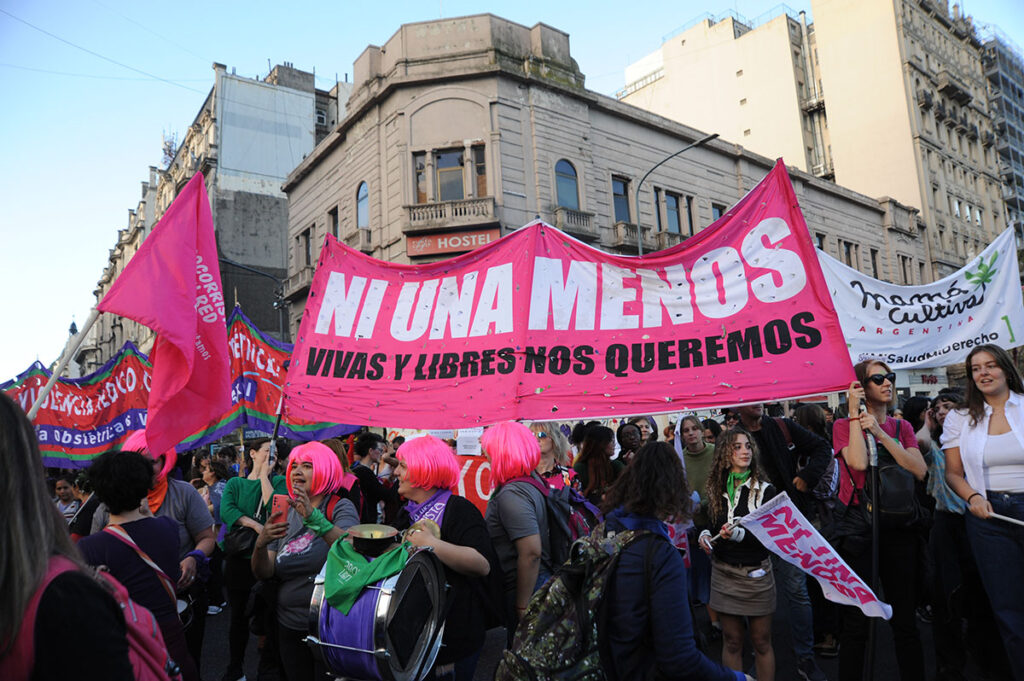
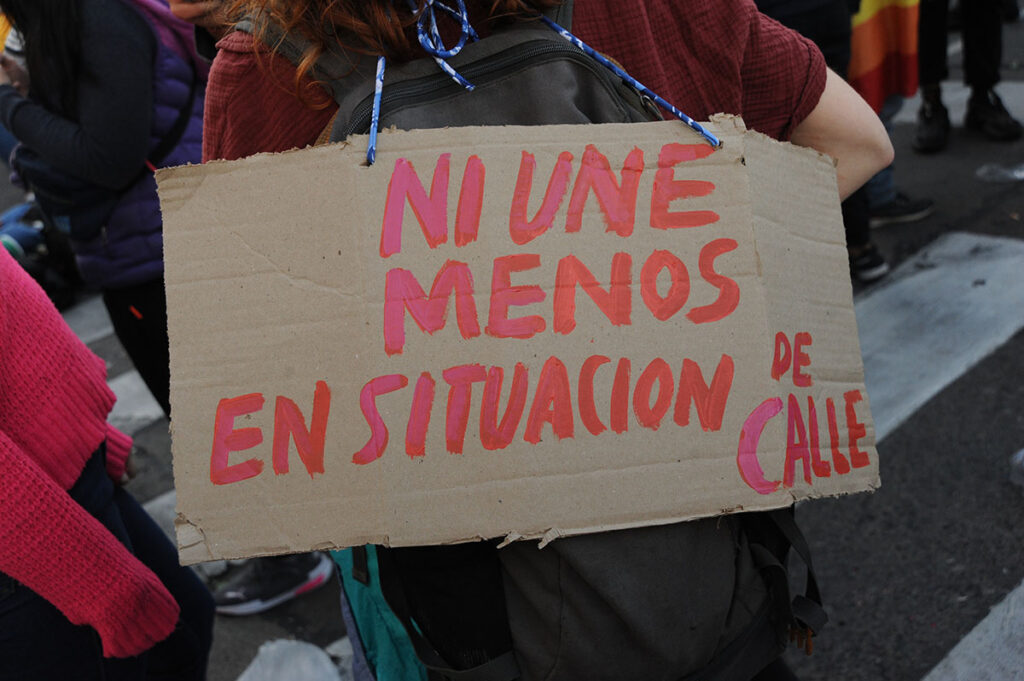
The march was filled with handmade signs, crafted from cardboard and markers. Many of the slogans displayed focused on defending public education and the right to comprehensive sexuality education (CSE). The question "Where is Tehuel?" was also repeated, referring to the young trans man who disappeared and for whose murder two people have been charged.
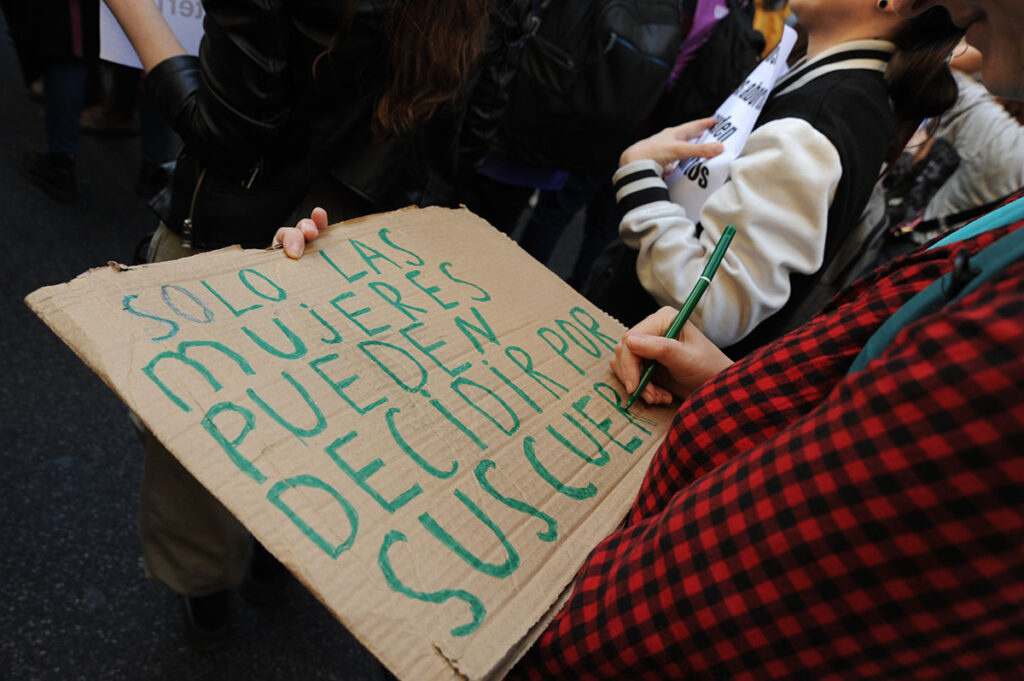
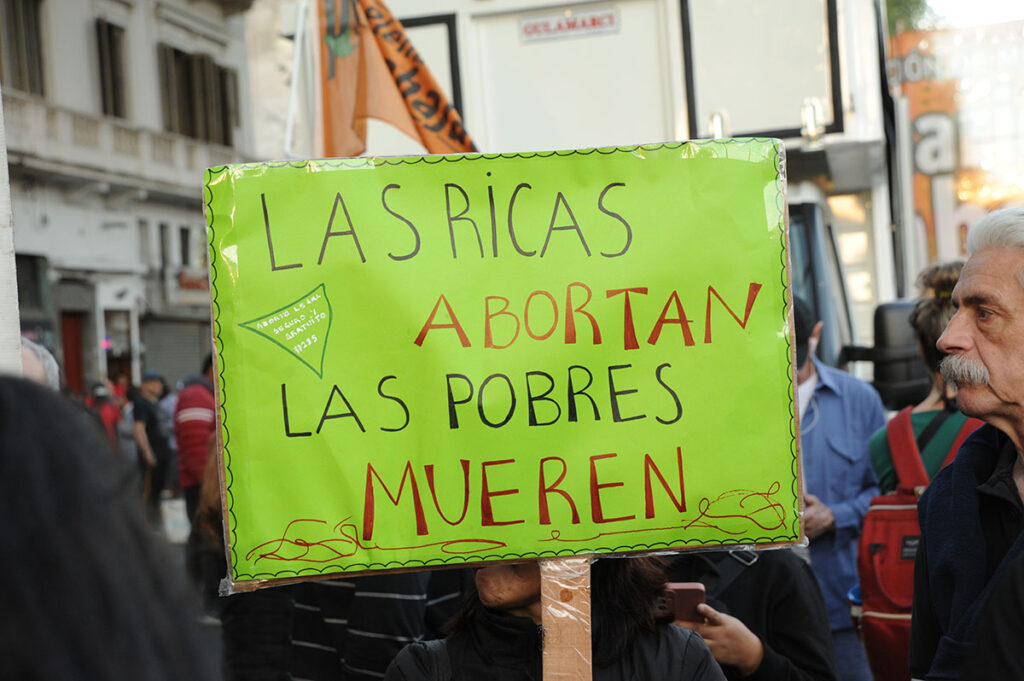
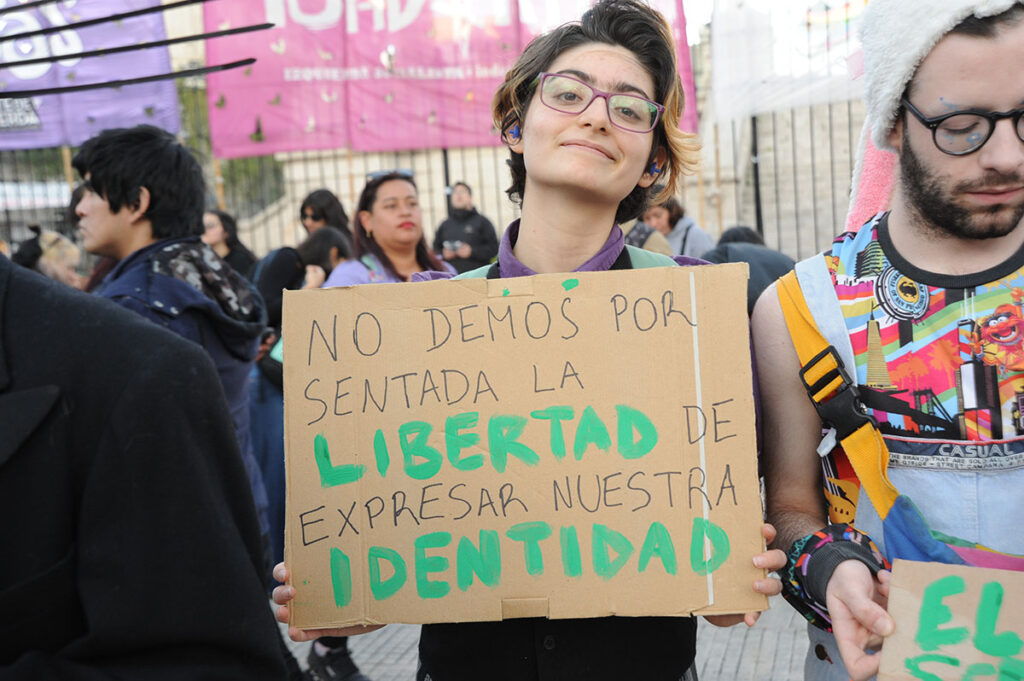
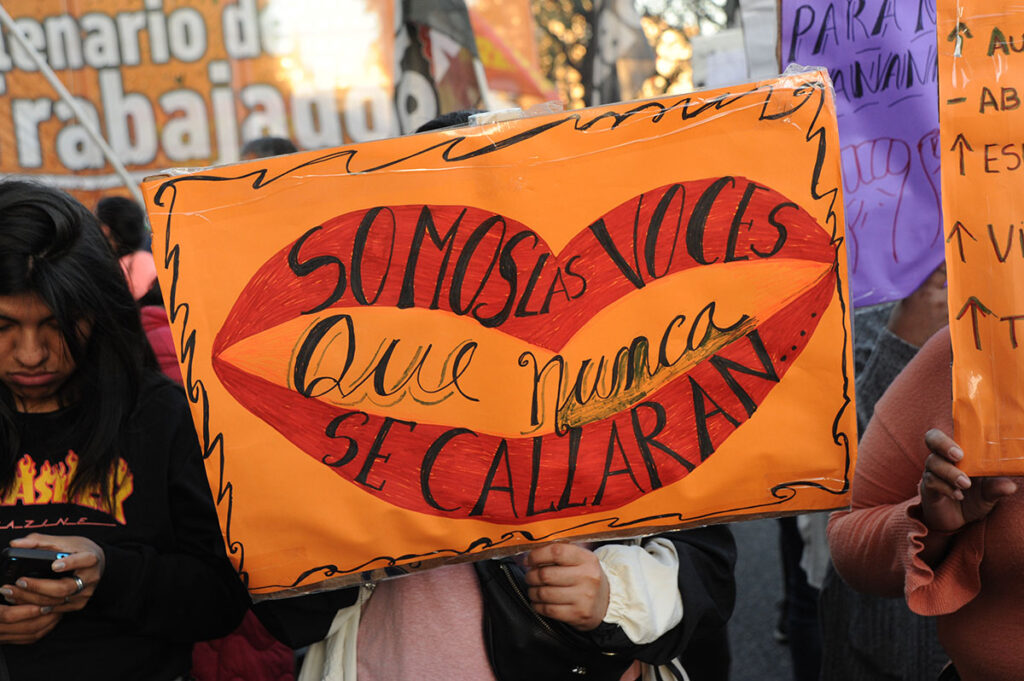
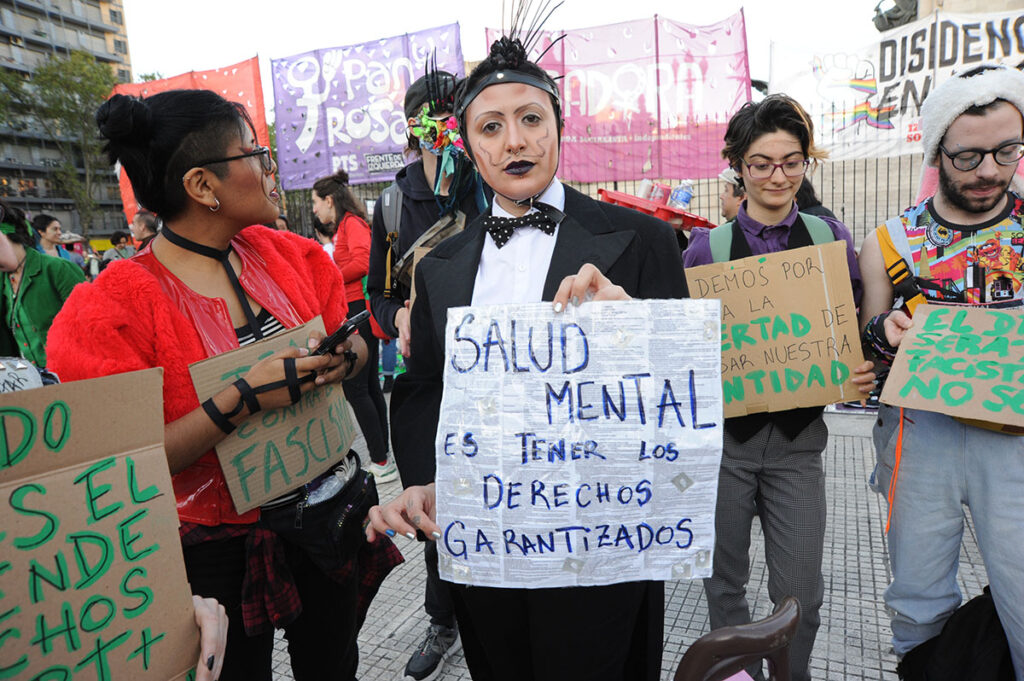
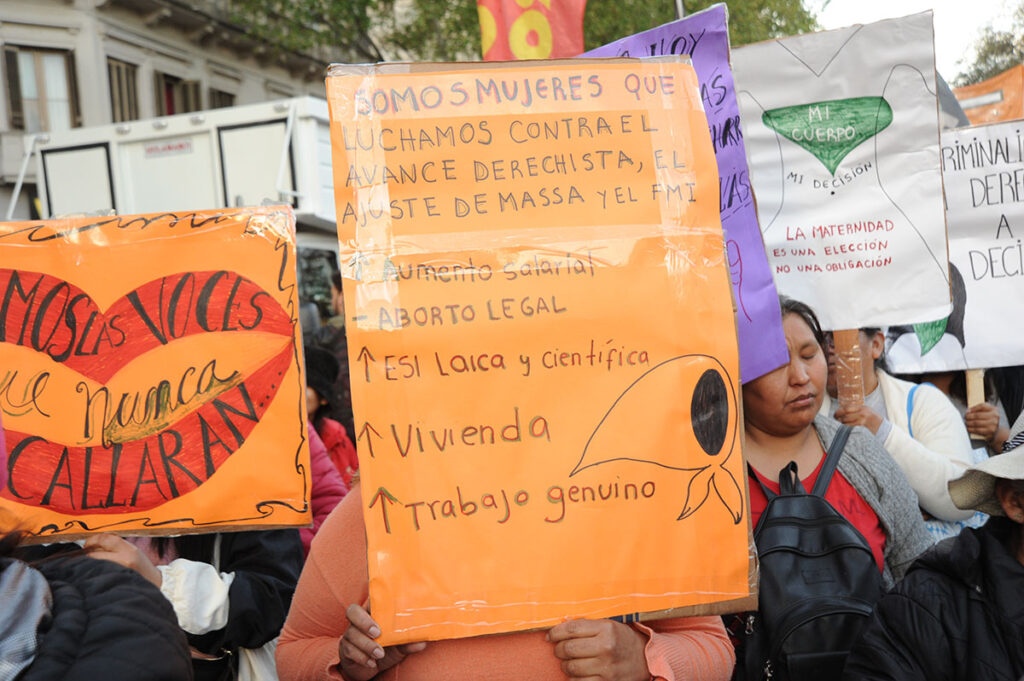
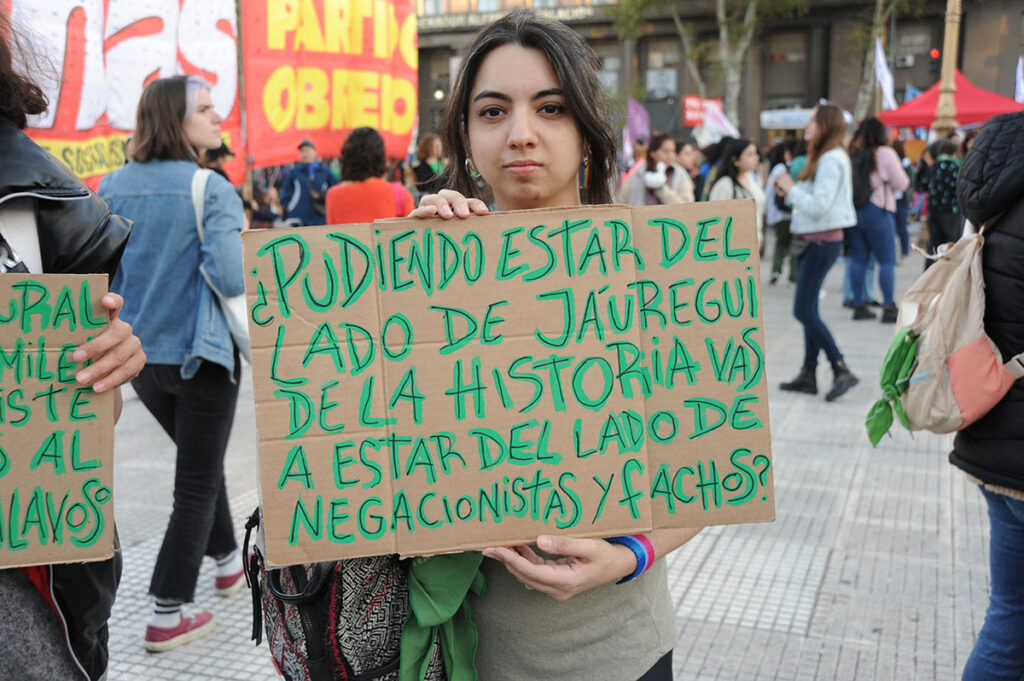
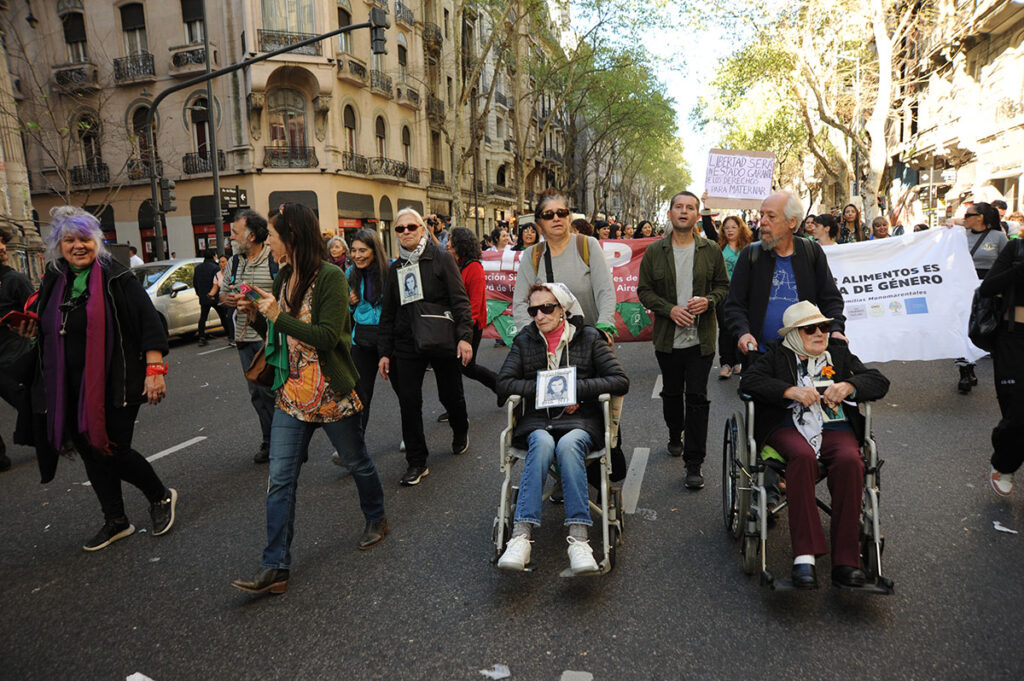
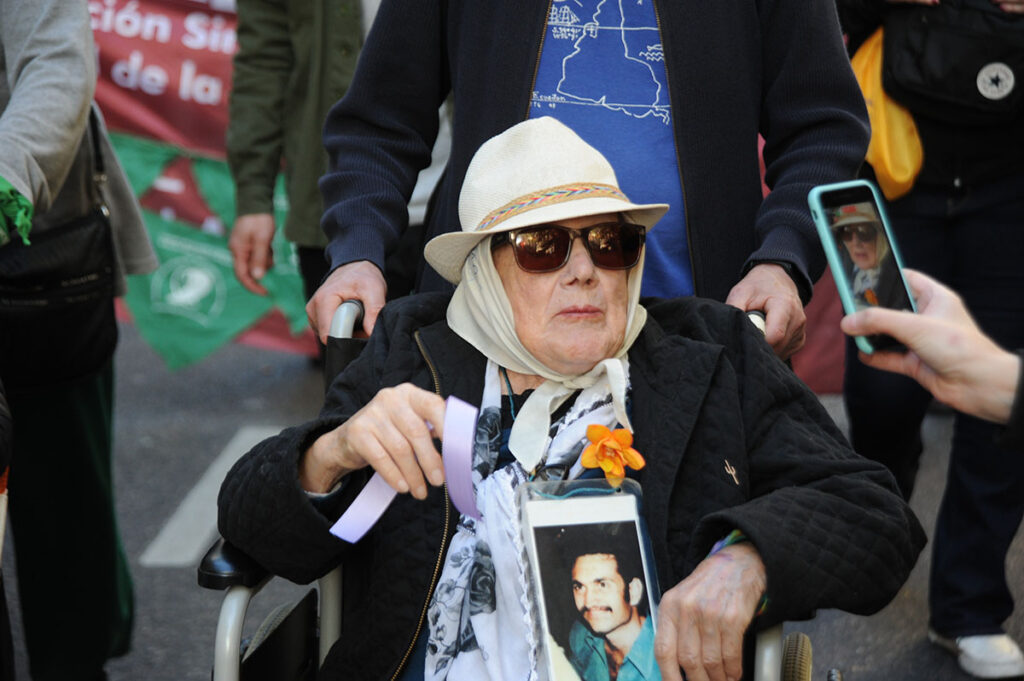
Other signs shouted "Never Again" and condemned denialism. One of the most moving moments was seeing Mothers Nora Cortiñas, 93, and Elia Espen, 92, both from the Founding Line, marching in wheelchairs down Avenida de Mayo.
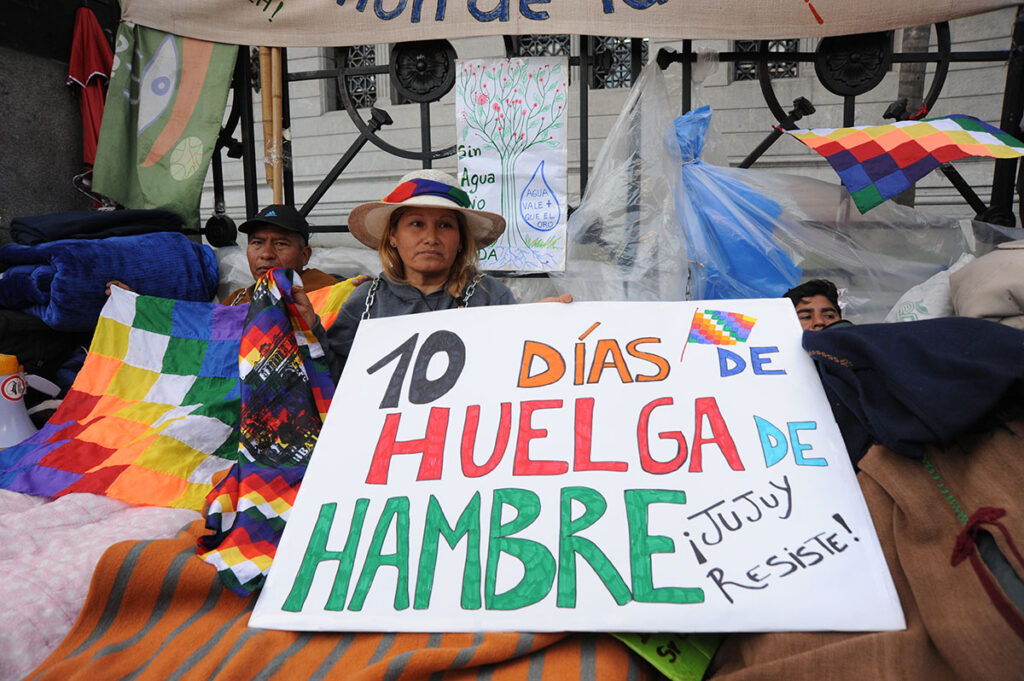
Another significant moment on September 28th in Buenos Aires took place at the National Congress. Minutes before the reading of the document, Salustiana, an Indigenous woman from the Third Malón, took to the stage unexpectedly. For the past 10 days, three people, including a woman named Eva, have been on hunger strike outside the Congress building, hoping to be heard. They arrived in Buenos Aires on August 1st, and although they have met with many people, their demands have gone unanswered. “We ask the women—because there are grandmothers, mothers, and sisters here—to join us so that the representatives will hear our demands. We demand the repeal of the unconstitutional reform in Jujuy and the intervention of the province,” she said, asking “all the Argentine people” to join them.
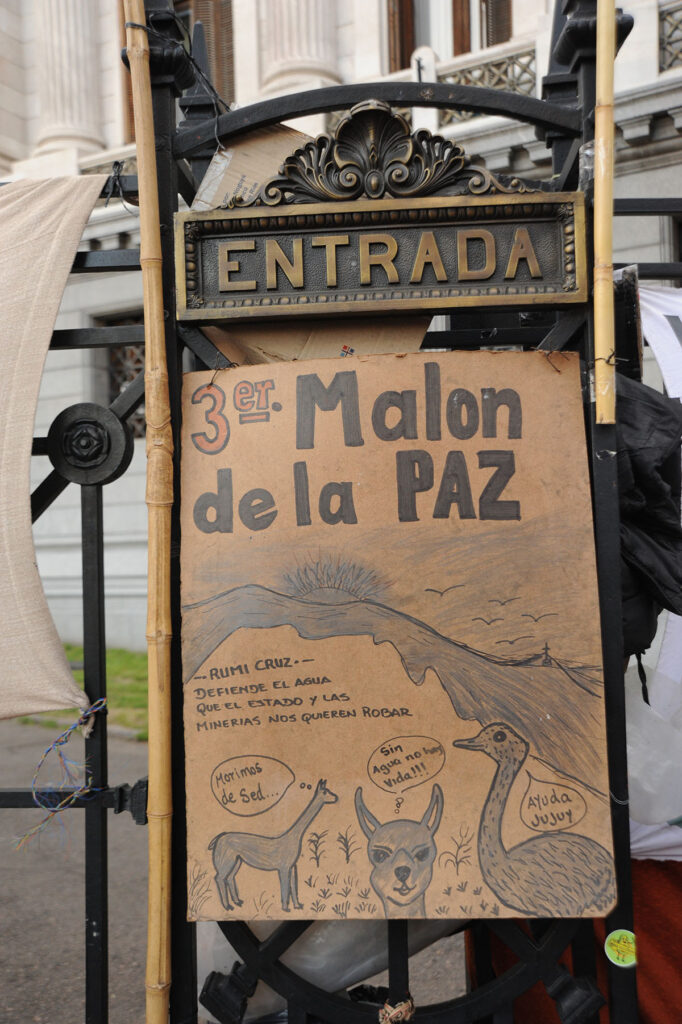
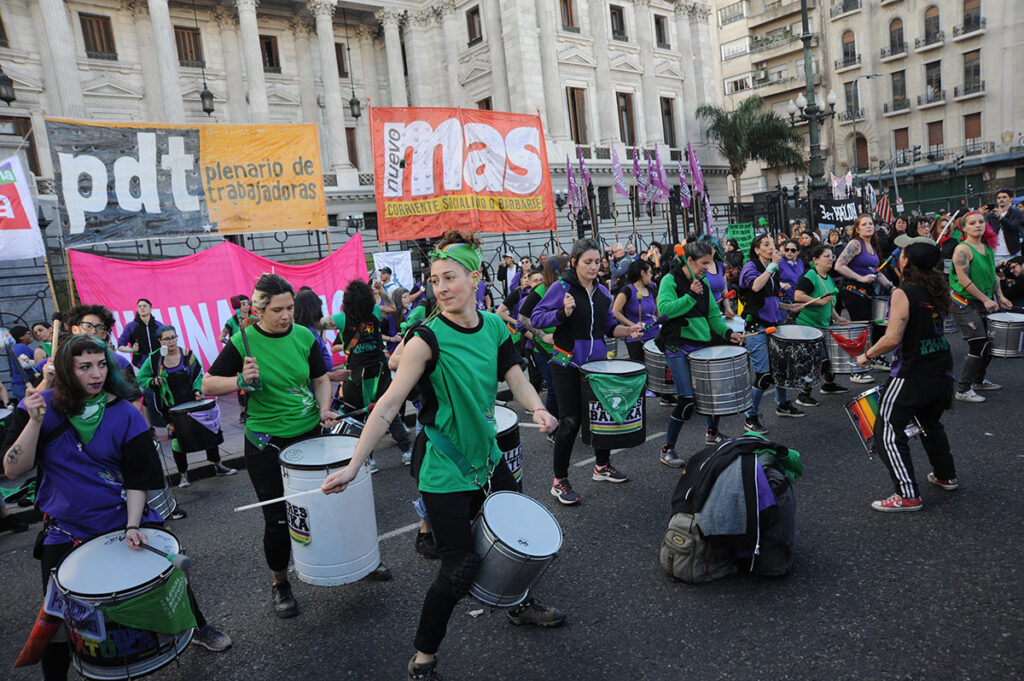
The document included, among its many points, a stance against extractivism, “long live the rights of Indigenous peoples,” and against precarious employment and patriarchal justice. They also reiterated their demand to stop femicides, transphobic murders, and hate crimes. The day concluded with a drum performance and a demonstration in front of Congress.
September 28th in Mexico City: "Abortion for all"
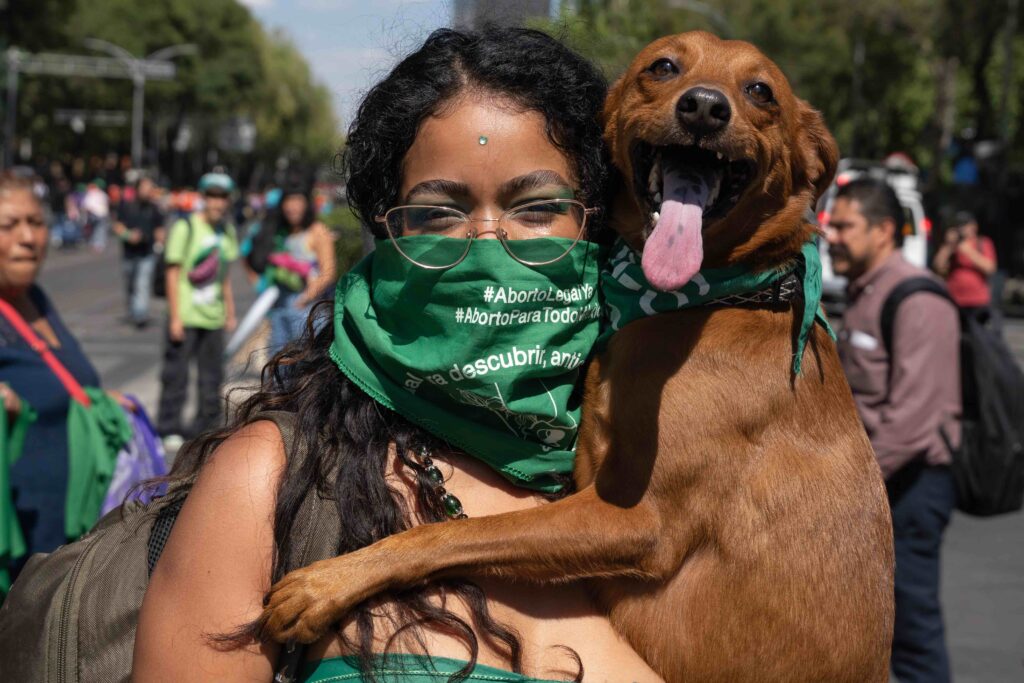
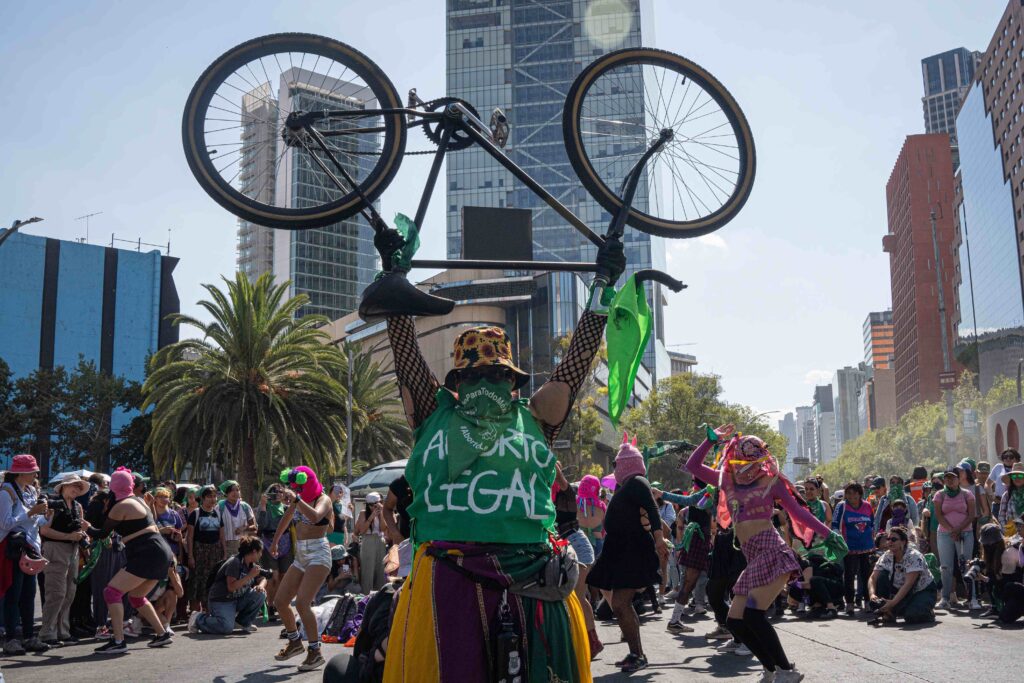
In Mexico City, the march for the Global Day of Action for Legal, Safe and Free Abortion for all people with the capacity to gestate began this September 28 at the Glorieta de las Mujeres que Luchan and walked to the Zócalo.
Women, girls, trans men, and non-binary people carried various signs advocating for bodily autonomy and the decriminalization of abortion, a pending issue at the national level. To date, only 12 of the 32 states have decriminalized abortion.
During the march, Vanessa Gómez, from the Chiapas Community Defenders Center, explained to Presentes the importance of decentralizing the fight for abortion rights.
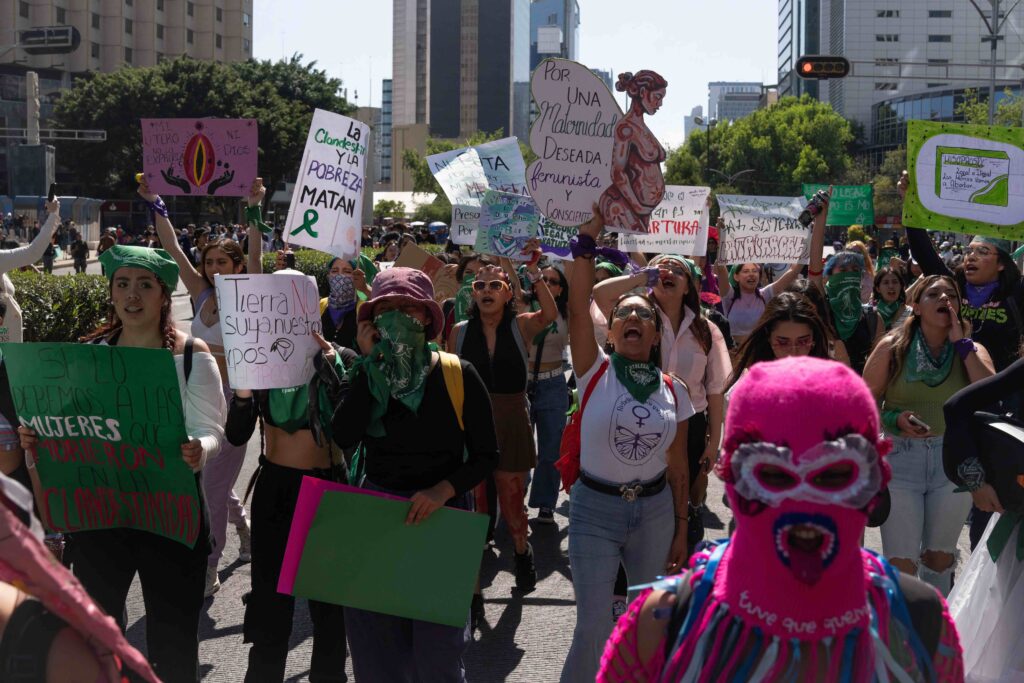
A recent advance occurred on September 6 when the Supreme Court of Justice of the Nation (SCJN) ruled that penalizing those who decide to have an abortion and the medical personnel who provide this service was unconstitutional, forcing the Congress of the Union (federal congress) to remove abortion from the list of crimes in the Federal Penal Code.
While it is a victory, the path to decriminalization at the national level requires all states to reform their local penal codes.
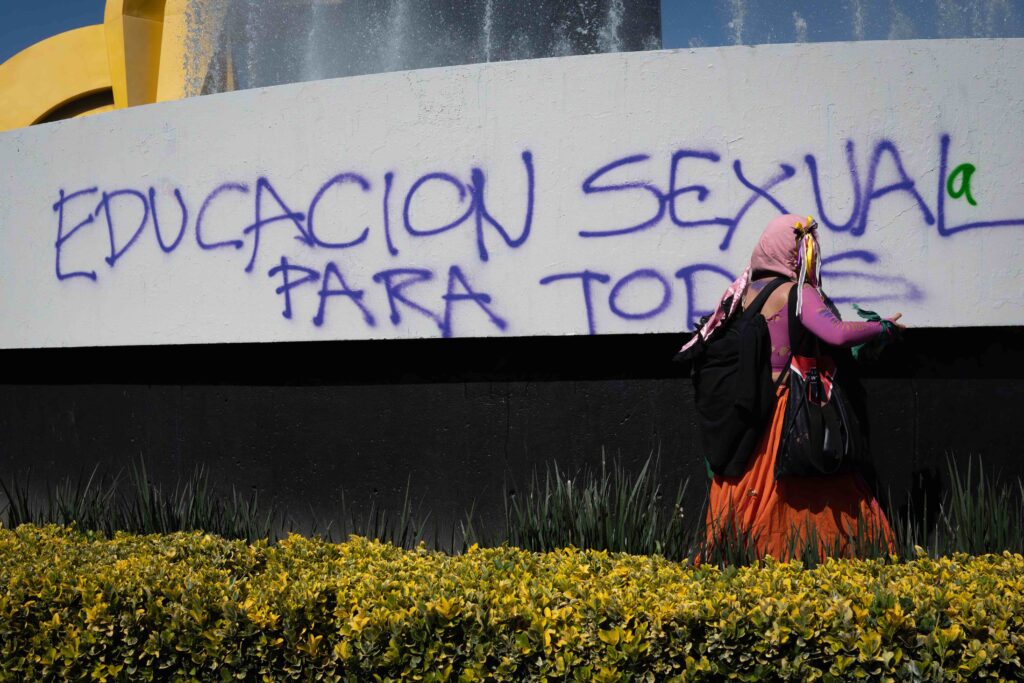
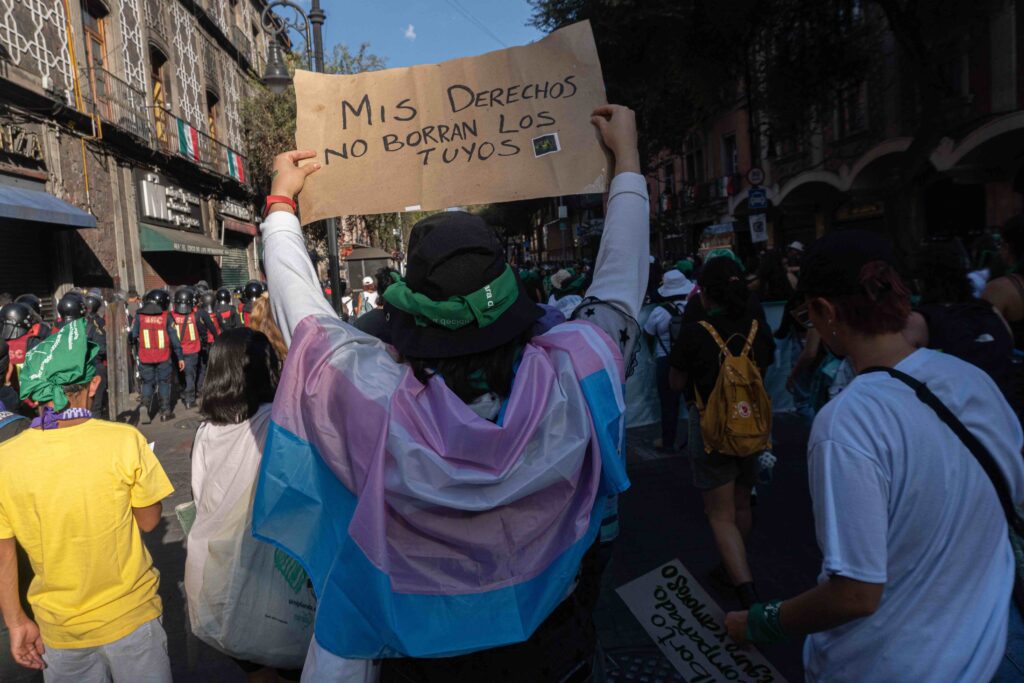
Other demands on September 28th had to do with access to comprehensive sex education and abortion protocols with a trans perspective.
Nathan Ambriz, from the Transmasculinities MX collective, commented on why a trans approach is necessary to ensure that access to abortion is free from discrimination towards pregnant people.
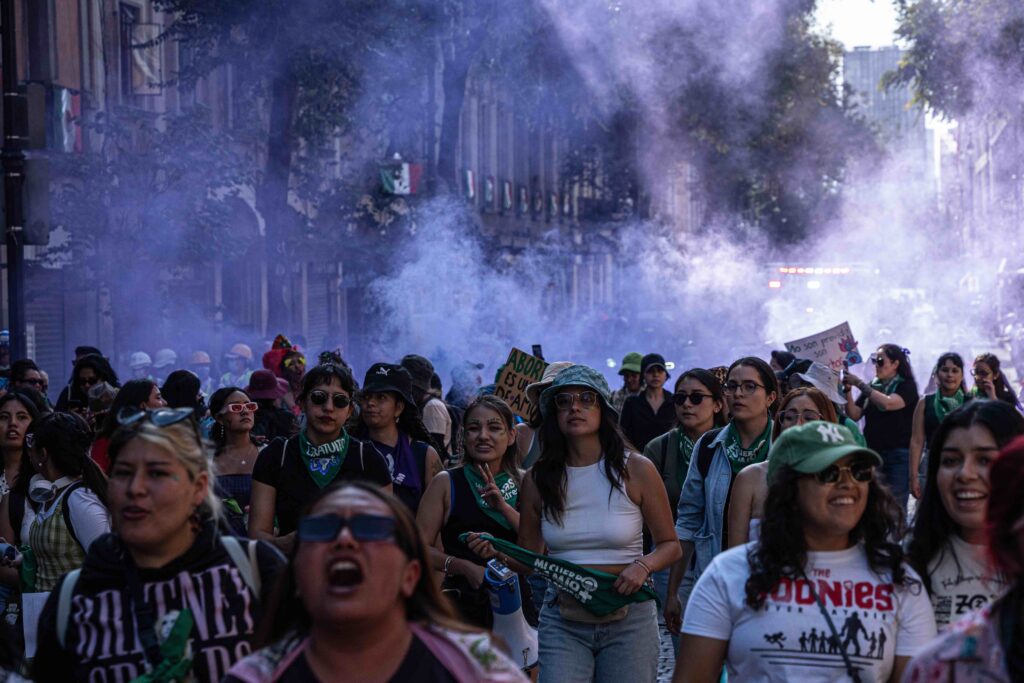
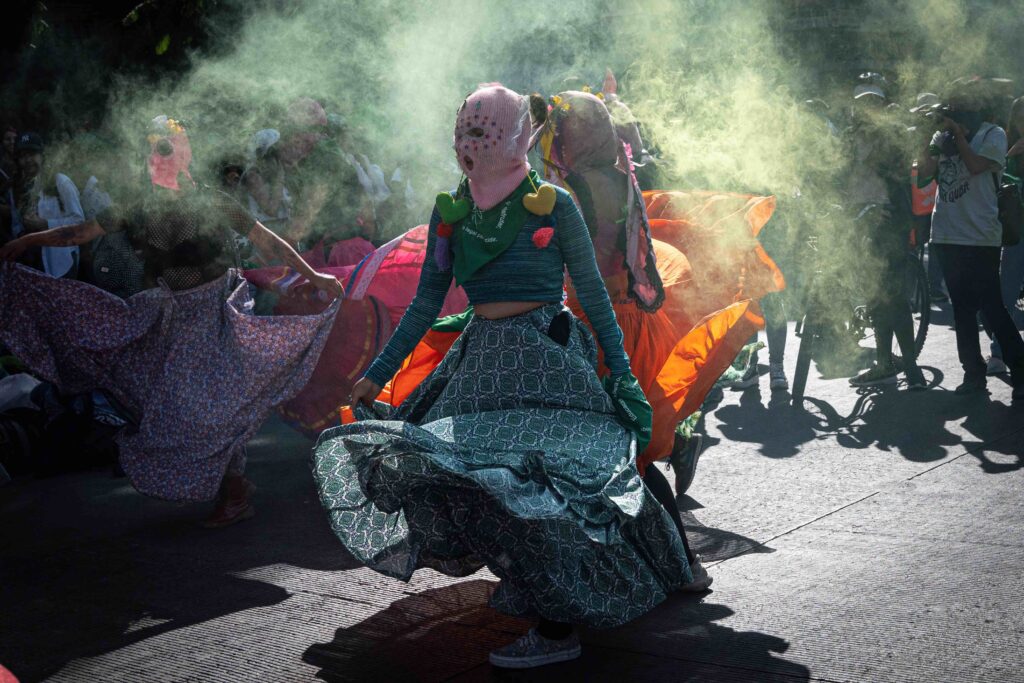
Mexico City. Photo: Ita Navajas
We are present
We are committed to journalism that delves into the territories and conducts thorough investigations, combined with new technologies and narrative formats. We want the protagonists, their stories, and their struggles to be present.
SUPPORT US

FOLLOW US
Related notes
We are present
This and other stories are not usually on the media agenda. Together we can bring them to light.