

“Magical Towns” in Mexico: an Afro-descendant and dissident neighborhood stands up against overtourism
Patio de la Estrella is a neighborhood in Córdoba, Veracruz, being pressured by authorities to vacate the property. The municipality has been designated a "Pueblo Mágico" (Magical Town) and is seeking to attract tourists.


Share

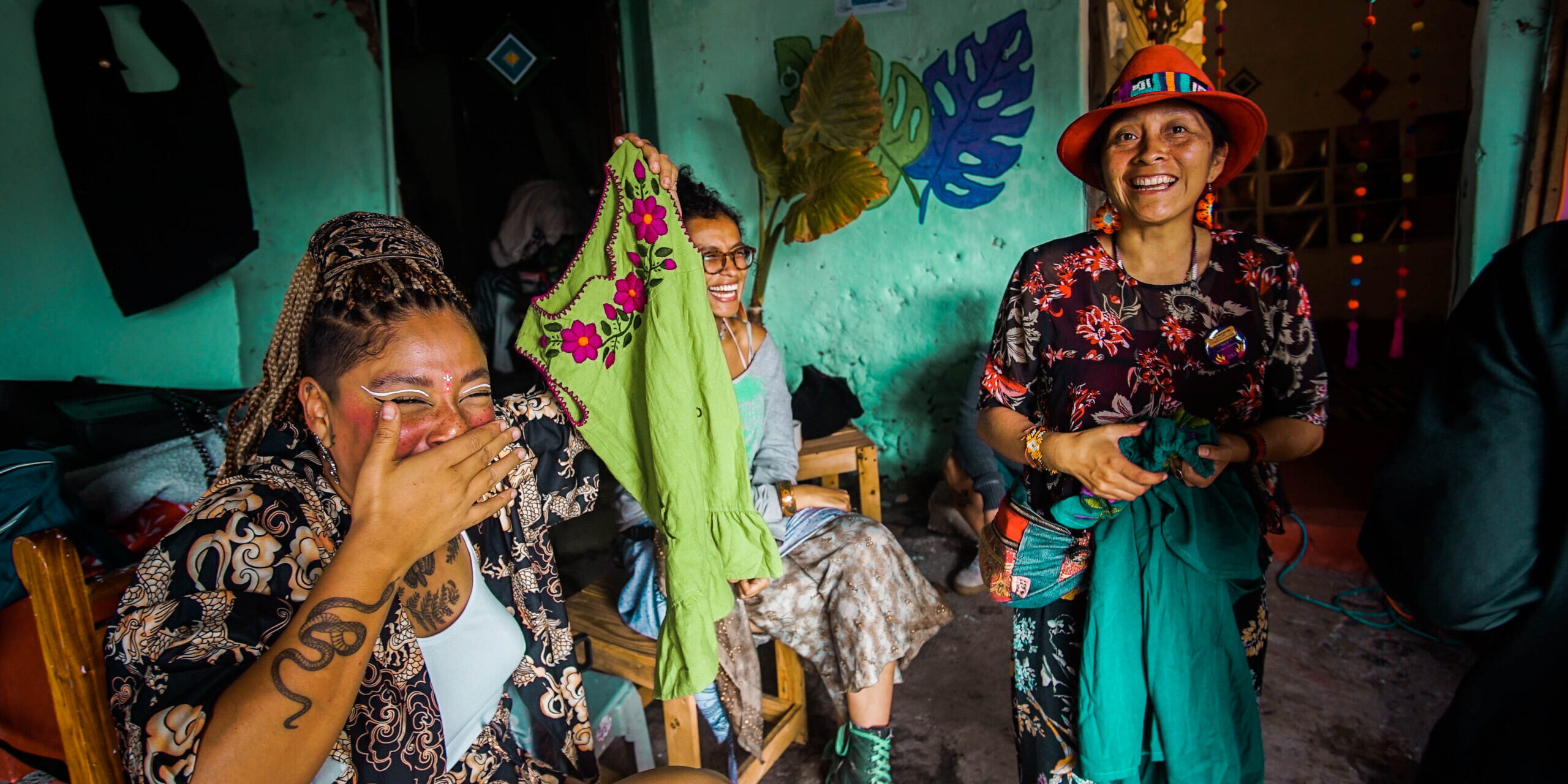
In the municipality of Córdoba, in the heart of the Mexican state of Veracruz, lies El Patio de la Estrella, a tenement inhabited and defended by Afro-descendant people, women, and LGBTQ+ individuals. Since 2016, they have resisted forced evictions and now also the processes of gentrification and over-tourism. The Ministry of Tourism has just designated Córdoba a "Pueblo Mágico" (Magical Town).
The residents of El Patio continue their resistance against police and institutional harassment from the Córdoba City Council. Through intimidation, lawsuits, bribery, and eviction attempts, the authorities are trying to force the families to leave so they can build a shopping center.
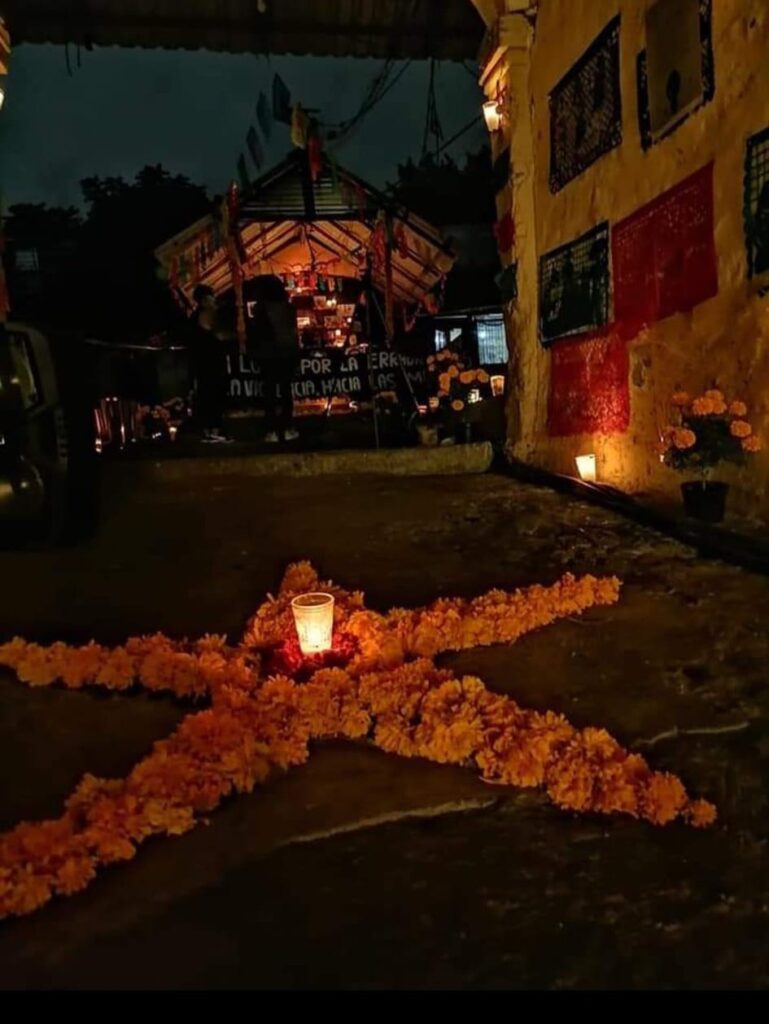
“We know that with their gentrification policies they are going to destroy this space that is my home, my port, the place where much of my personal, family and community identity has been built,” says Lx Santx, a resident of Patio de la Estrella.
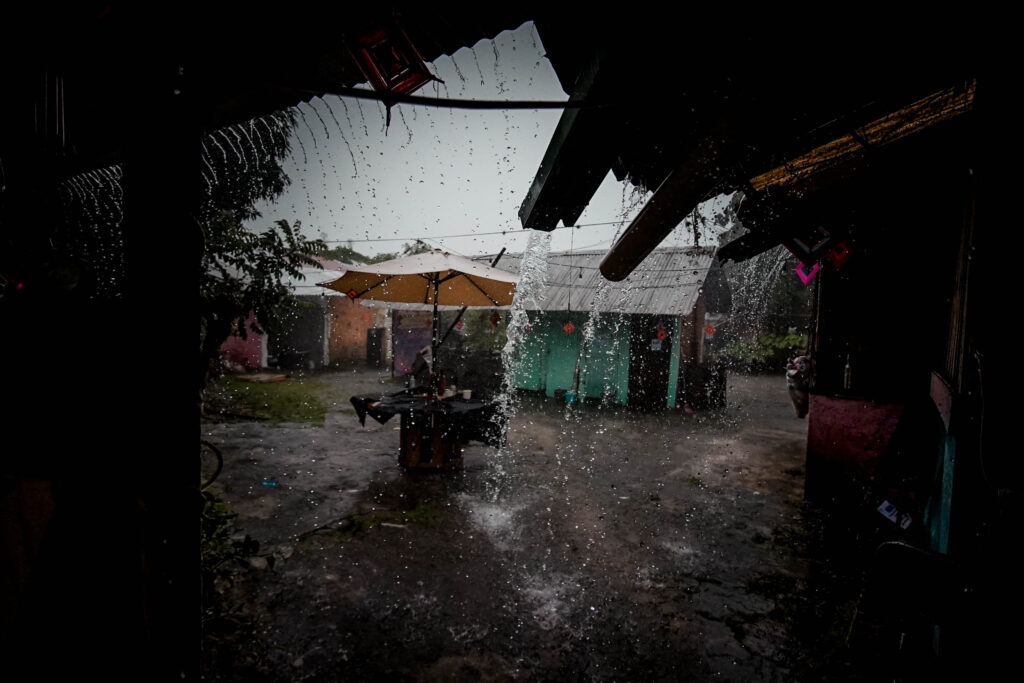
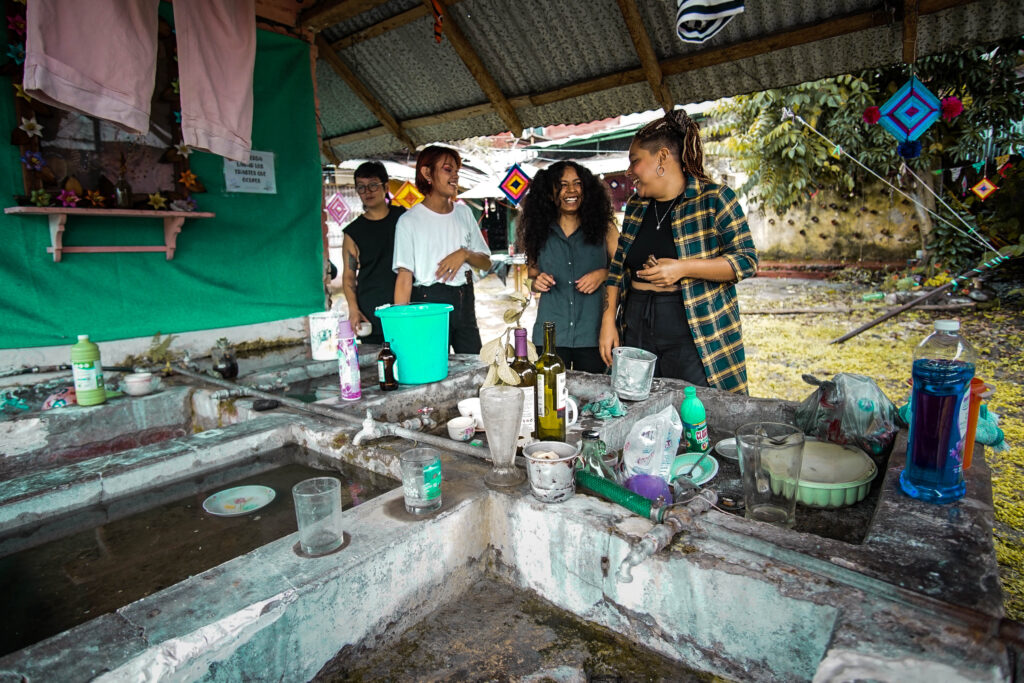
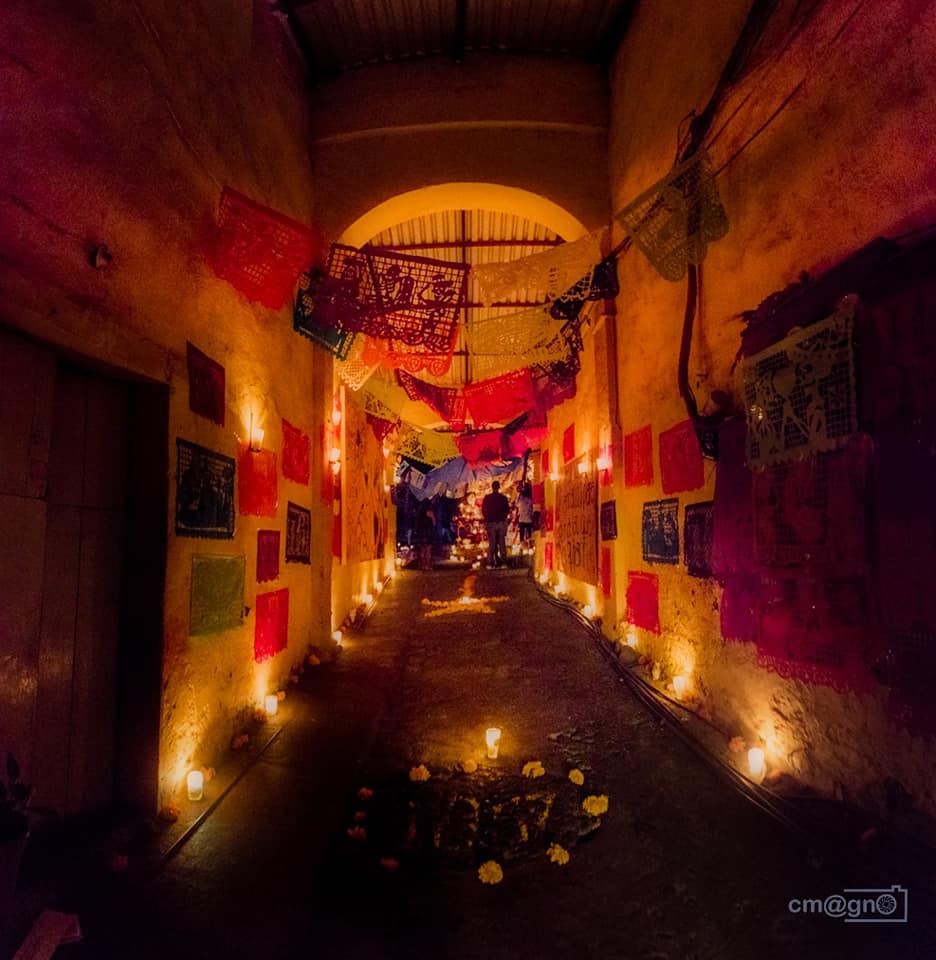
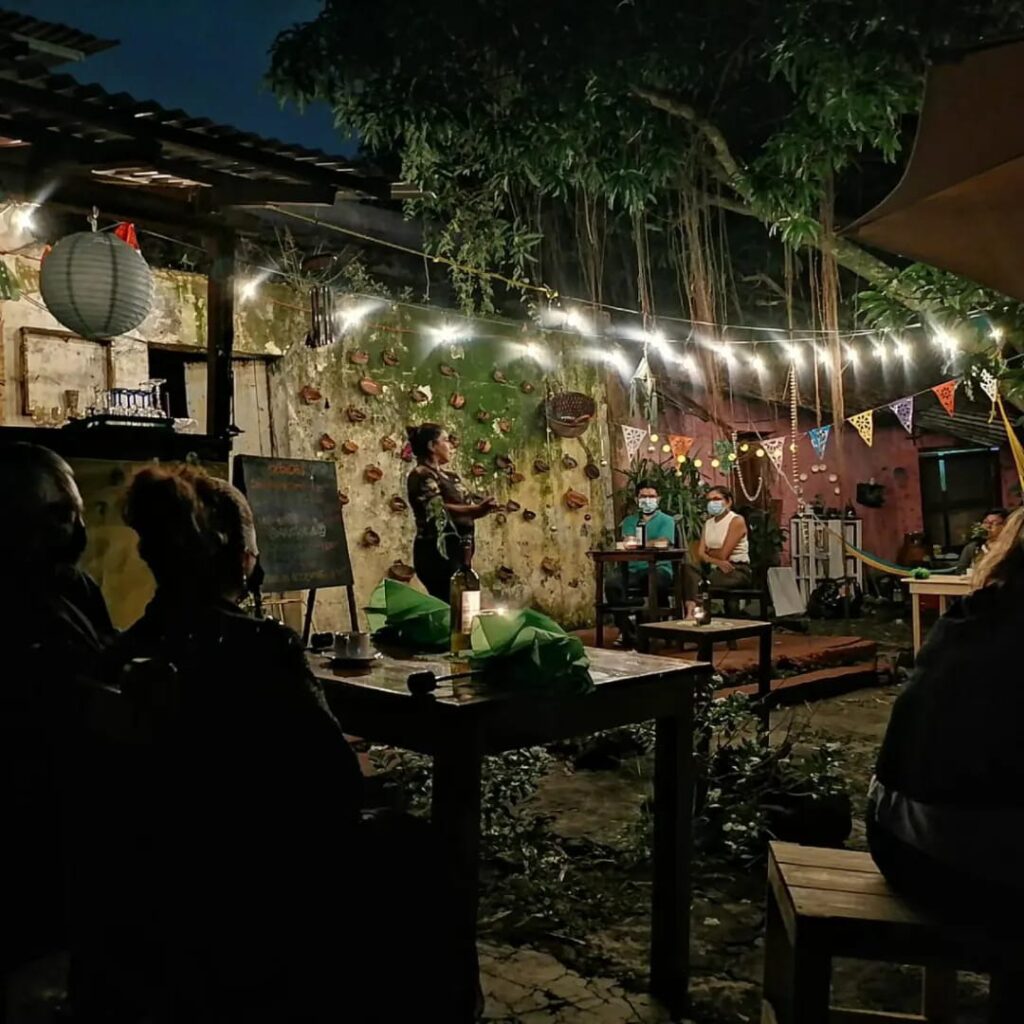
Currently, the Patio de la Estrella has a mixed use. It is home to families and also functions as a self-managed community cultural center; and as a refuge, especially for women and LGBT people who are victims of violence and are in need of shelter.
The Patio de la Estrella is also the only space in Córdoba that offers free cultural activities and provides opportunities for solidarity economy initiatives for producers facing precarious employment. Furthermore, it is the venue for gatherings of women and sexual dissidents, organized by the Afro-feminist, anti-racist, and Afro-trans feminist collective, Ko'olelm .
Magic for tourists
The municipality of Córdoba has just received the designation of "Pueblo Mágico" (Magical Town), a "brand of exclusivity and prestige" awarded by the Ministry of Tourism (Sectur). According to the Guide for the Incorporation and Maintenance of Magical Towns , the goal is "to achieve development objectives and for tourism to contribute to raising levels of well-being."
Each year, the governors of the Mexican states enter a competition and nominate municipalities to be considered "magical towns.".
“The main problem with the Pueblos Mágicos (Magical Towns) program is overtourism. It’s a process very similar to gentrification, but there are some differences. Among them is the fact that the priority is a market, an industry. The very concept of Pueblos Mágicos is based on the idea that there are areas that will be dedicated to tourism. Therefore, tourism is a priority, even over living there,” explains Carla Escoffié .
The Mexican government has designated 177 towns and villages as "Pueblos Mágicos" (Magical Towns). The list published by the Ministry of Tourism (Sectur) includes 132, but in June of this year, 46 more municipalities received this designation, including Córdoba. There are now eight "Pueblos Mágicos."
"Space is a product"
“The Pueblos Mágicos policy does not include analyses of eviction or gentrification mitigation. It only analyzes space as a product. The design of Pueblos Mágicos is a policy of touristification, and that can lead to forced evictions, displacement of communities, and disintegration of neighborhoods,” Escoffié adds.
The Ministry of Tourism is increasingly expanding these types of programs. Just in September 2022, it announced the "Magical Neighborhoods" program, focused on spaces "with charm, tradition, and mysticism" located in cities. Furthermore, in May of this year, they announced the "Kingdoms of Mexico" program. According to the head of the Ministry, this designation will be given to "developments inspired by other regions of the world." There are already two places in the country with this "brand .
But the defense of El Patio de la Estrella did not begin when Córdoba was named a “magical town”.
Evictions and police harassment
In 2016, the argument the Córdoba City Council gave to the residents of El Patio de la Estrella to force them to leave their homes was that "portions" of the property had been purchased. However, according to Ms. Batista, who is leading the legal battle for El Patio, the deeds presented by the City Council during a trial contain inconsistencies.
In 2016, the former mayor, Tomás Ríos Bernal, a member of the National Action Party (PAN), launched an operation in the early morning hours with three patrol cars and at least 25 police officers to evict the 19 families then living in the Patio de la Estrella neighborhood. The forced eviction failed because the women resisted, and furthermore, they were never presented with any document justifying the legality of the eviction.
Since 2016, the City Council has maintained a policy of harassment against the families. They have tried to bribe them with 50,000 pesos and offered them houses on the outskirts of Córdoba in exchange for leaving the area. Out of fear, at least 16 families left Patio de la Estrella. Those who remain resist institutional and police harassment, as well as the constant uncertainty of facing yet another forced eviction attempt.
Ms. Batista, Lx Santx's mother, who is leading the legal battle, was also sued by the City Council for the crime of "dispossession." She was formally charged and found guilty in a criminal trial that lasted seven years. She even lost her job as a result.
Furthermore, the newspaper El Buen Tono, a media outlet aligned with the government of Córdoba, has used its media power to publish personal data of the families.
“ In Mexico, the right to housing is not guaranteed.”
Lawyer Carla Escoffié comments that in Mexico housing is seen as a market commodity, not as a need and a right. “The right to housing is not guaranteed; in Mexico we don't have a public housing policy, but rather a real estate policy,” she says.
But then how should we understand housing? For Escoffie, housing itself is the right to have a place to live. To have measures in place to prevent forced evictions that are arbitrary, illegal, and unjustified; and even the right to non-discrimination in access to housing.
The harassment by the City Council of the families living in the Patio de la Estrella has caused them stress that has made them ill.
Escoffié also mentions that narratives about the “benefits of tourism” and “improving” certain areas of cities are a form of whitewashing through dispossession.
“What happens is that many times the improvements are linked to the issue of profiling people. That is, who is accepted, but also what practices are accepted. And precisely issues such as sex work, LGBT people, racialized people, migrants. They are seen as people who must be removed for the 'improvement' of the space. Many times this improvement of the space implies not only a spatial modification but also a demographic one.”.
slave center to tenement courtyard
The Patio de la Estrella is considered a historical landmark dating back to 1857 and is located in the historic center of Córdoba, Veracruz. This site was originally a place where enslaved Black people were bought and sold by slave owners, and over time it has had various uses, eventually becoming what is known as a tenement courtyard.
In Veracruz, more than 215,000 people identify as Afro-descendants, according to the National Institute of Statistics, Geography and Informatics ( INEGI ). This represents 2.7% of the total population in Mexico.
Currently in Mexico the word “vecindad” denotes a very specific type of housing and is historically related to being the place where precarious people live.
According to the INEGI Population and Housing Census (2020) in Veracruz there are 32,513 tenements or boarding houses where 83,889 people live.
“Since the 19th century, the poorest population groups have resorted to what are known as tenements. This housing option, located mainly in the central and deteriorated areas of the city, is the result of the transformation of the large mansions of bourgeois families,” explains Dr. María Teresa Esquivel Hernández, a researcher in urban studies.
But these spaces, by their very design, have fostered forms of community life and solidarity networks. This is rarely seen in apartment buildings or social housing units.
“This is the only openly women- and gender-diverse space in Córdoba. It is the only place that, through oral tradition with an anti-racist and decolonial perspective, seeks to dismantle and demystify the legends created by the Spanish colony. We build all of this collectively,” says Lx Santx.
We are present
We are committed to journalism that delves into the territories and conducts thorough investigations, combined with new technologies and narrative formats. We want the protagonists, their stories, and their struggles to be present.
SUPPORT US

FOLLOW US
Related notes


We are present
This and other stories are not usually on the media agenda. Together we can bring them to light.