
 Apoyanos
Copa Mundial Femenina de Fútbol: tarjetas amarillas y rojas para el periodismo
Las coberturas hablan más de la vida personal de las deportistas que del deporte. Falta de perspectiva de género y abundancia de sexismo.
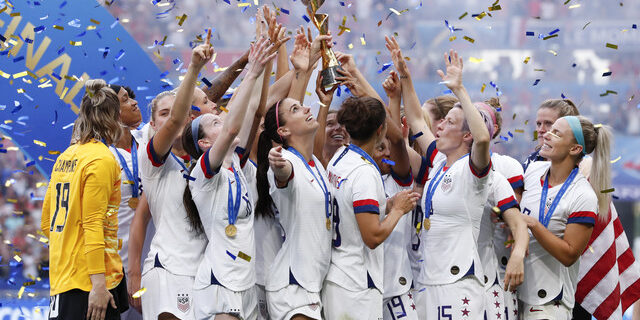


El certamen por la Copa Mundial Femenina de Fútbol de 2023 comenzó el 20 de julio (seguirá hasta el 20 de agosto) en Australia y Nueva Zelanda y ya dejó varias polémicas. Días previos a su inauguración la Organización de las Naciones Unidas (ONU) y la Federación Internacional de Fútbol Asociación (FIFA) estimaron una audiencia de dos millones de personas.
Pese al entusiasmo de la acción “Únete por la igualdad de género”, el entramado mediático exhibió —una vez más— su falta de interés, compromiso y profesionalismo para fortalecer las directrices internacionales en contra de la discriminación.
Semanas antes del enfrentamiento entre Nueva Zelanda y Noruega, los conglomerados del Norte Global transparentaron el que, al parecer, es el único motivo que encuentran para la promoción del deporte de mujeres y sexodisidencias: los beneficios monetarios.
Poca pantalla
En mayo, el presidente de la FIFA Gianni Infantino y el director de relaciones públicas Bryan Swanson informaron que televisoras de los cinco grandes del mercado europeo (Gran Bretaña, España, Italia, Alemania y Francia) no estaban dispuestas a pagar más de 1 o 10 millones de dólares por los derechos de transmisión. Las cantidades equivalen al 1% y 3% de lo que invirtieron para Qatar 2022.
En Latinoamérica, la advertencia del apagón fue más sutil en términos financieros, pero igual de violenta en el terreno simbólico. Sumado a la limitadísima oferta, las empresas privadas encargadas de las emisiones (TUDN y Vix) sobresalieron por una escasa —por no decir nula— promoción de los partidos.
Para esquivar la discusión y problematización de una cobertura diferenciada y expresiva de la cultura heteropatriarcal en el mundo futbolero, los actores involucrados recurrieron al argumento infalible en la economía política de los medios: las diferencias horarias como obstáculo para llegar a las audiencias.
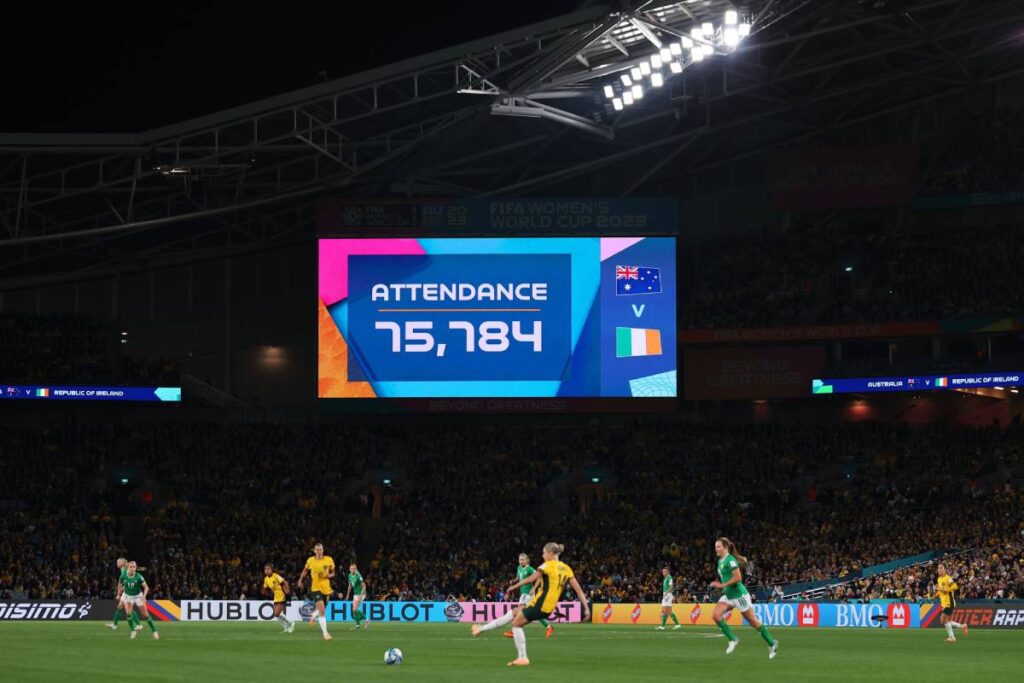
De fútbol no se habla
Sin embargo, las goleadas (muy sucias, por cierto) no sólo vienen por parte de los conglomerados televisivos. El “periodismo” deportivo no ha desaprovechado las oportunidades para marcar penales en una portería machirula.
Sitios web han centrado sus ¿esfuerzos? en hacer de la vida privada de las atletas el eje de uno de los recursos narrativos más añejos y sexistas de/en los medios: la confrontación, riña y enemistad entre mujeres.
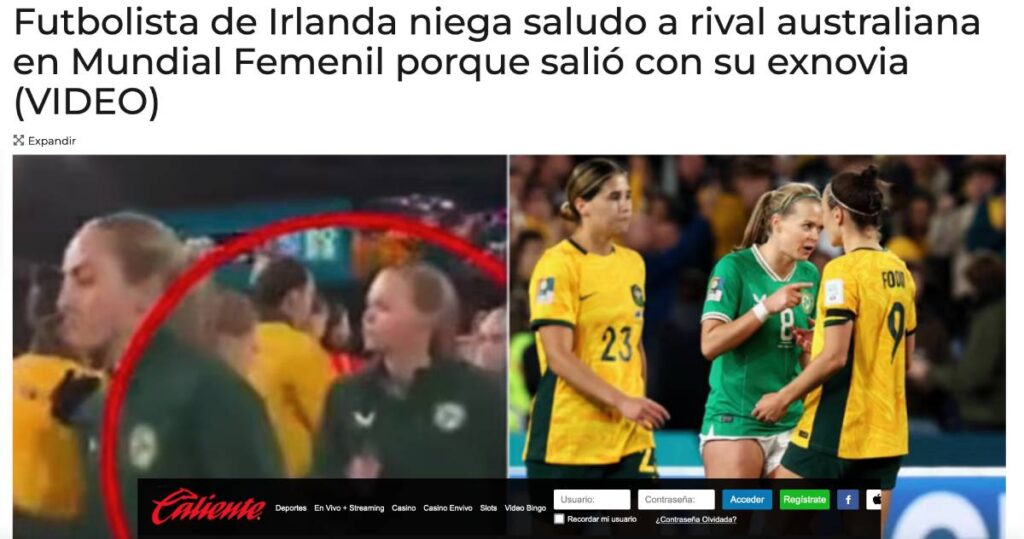
Sobre el partido entre Irlanda y Australia, Fox Sports Digital optó por calificar como “caso extradeportivo” el encuentro de las futbolistas Ruesha Littlejohn y Caitlin Foord.
Imagen: Captura de pantalla a sitio web de Fox Sports Digital
Esta fórmula tan común entre productoras y showrunners incapaces de ofrecer una representación digna y apegada a los derechos humanos se suma a la resistencia de “profesionales” de la comunicación o del deporte a llamarnos jugadoras, árbitras, entrenadoras y campeonas.
En sus primeros días, la cobertura de la Copa Mundial Femenil dejó al descubierto dos de las estrategias con las que la violencia mediática se hace presente: 1) el morbo y la espectacularización de las relaciones sexoafectivas; 2) La condescendencia que hay detrás de palabras como “guerreras” o “leonas”.
Estamos cansadas de que nuestra historia sea narrada desde el mito de la excepcionalidad. O desde términos que no incomoden a quienes nunca nos han querido —o querrán— en el terreno de juego.
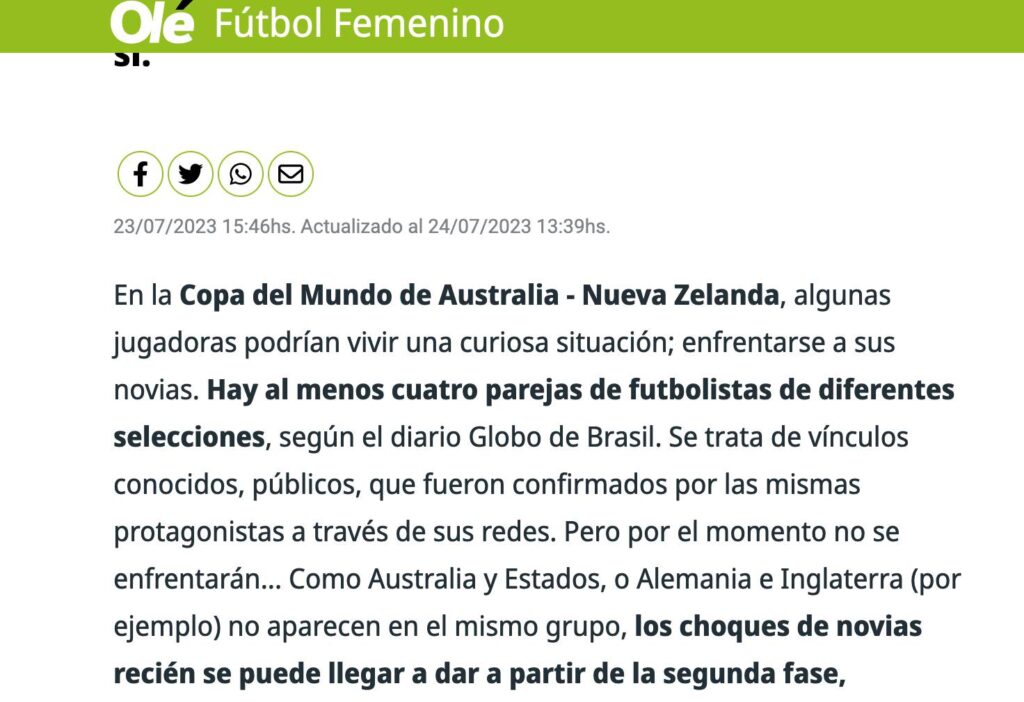
La prensa digital contribuye a una narrativa de espectacularización y dramatización de las relaciones sexoafectivas de las deportistas como estrategia de tráfico a los portales.
Este abordaje no se ve en la cobertura del fútbol de hombres.
Imagen: Captura de pantalla a sitio web de Olé
Los medios y su patriarcado
Del otro lado de la tribuna se esconden medios que evitan una tarjeta roja o amarilla. En una esquina se encuentran los portales que “rescatan” la carrera de la delantera Yamila Tamara Rodríguez (Selección femenina de fútbol de Argentina) a partir del acoso que ha enfrentado tras hablar sobre uno de sus tatuajes.
Es cierto: en las entrevistas son comunes y válidas las preguntas sobre las figuras que nos inspiran. Pero no pasemos de largo que a Yamila —como a muchas otras jugadoras— se le ha querido legitimar a partir de interrogantes como “¿Por qué Cristiano y no Messi?”.
A pocos segundos de que el marcador llegara a los 90 minutos es posible encontrar a quienes pretenden disfrazar su sexismo. Agradecemos a medios internacionales de renombre por hacer tests con los que recordamos la historia del fútbol femenil… Pero consideramos innecesaria —abrumadora y muy sexista— la necesidad de comparar — y medir— cada una de nuestras victorias con el desempeño de los jugadores.
Como diría une de mis amigues más querides, no basta con buenas intenciones.
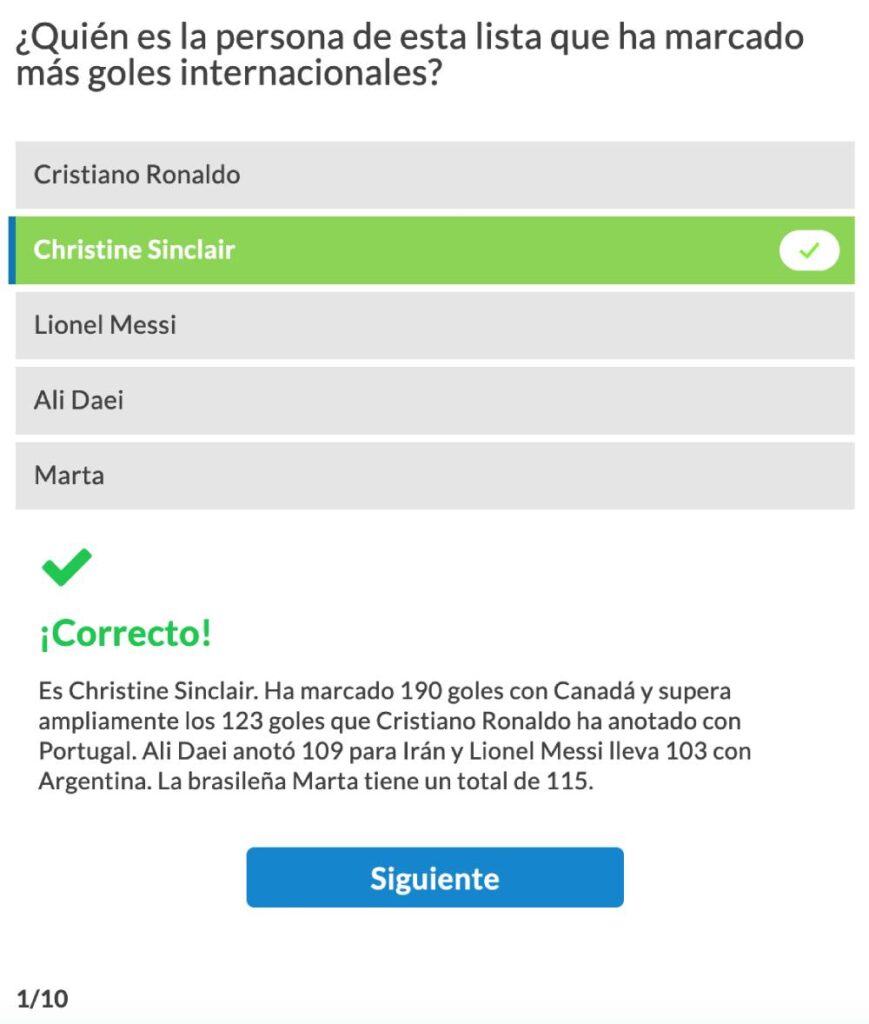
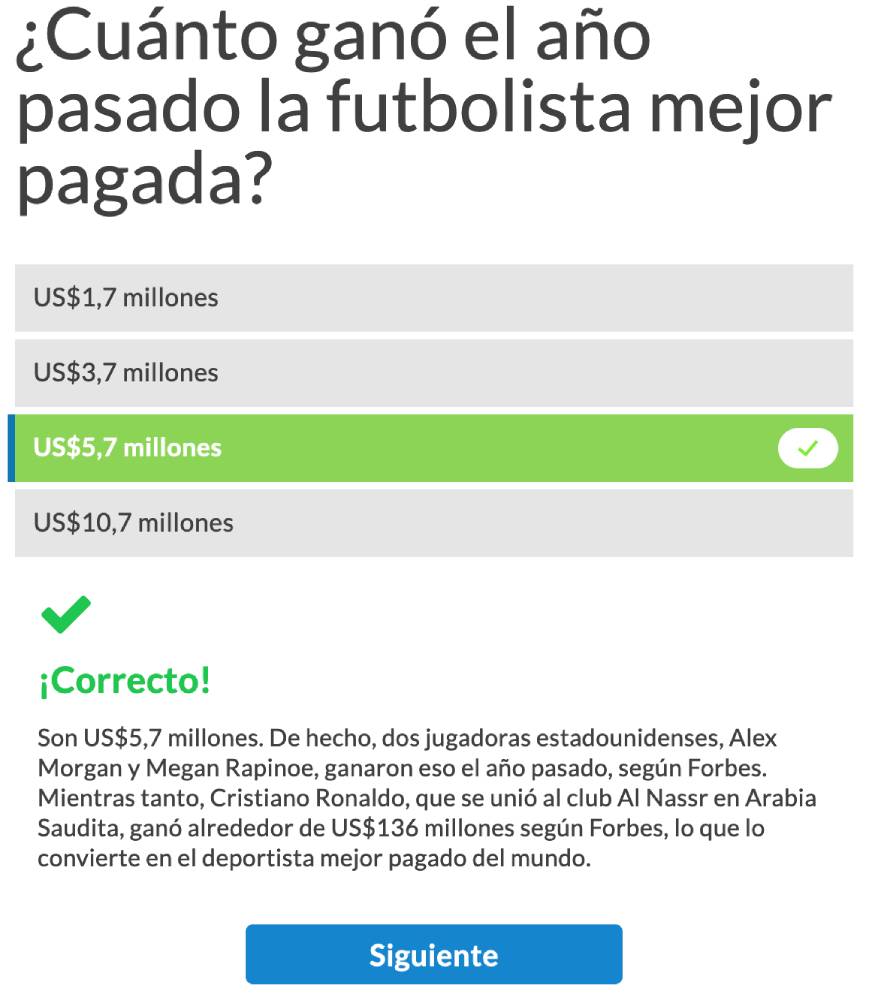
Imagen: Captura de pantalla de sitio web de la BBC
Aunque la FIFA se oponga a reconocer a la Copa Mundial Femenina de Fútbol de 1971 (15 de agosto-5 de septiembre, México) como parte de la historia de dicha disciplina, jugadoras, entrenadoras, directoras técnicas, periodistas deportivas y aficionadas continuaremos en la delantera.
Para muchas, la batalla contra el cis-heteropatriarcado empieza en la cancha.
Somos Presentes
Apostamos a un periodismo capaz de adentrarse en los territorios y la investigación exhaustiva, aliado a nuevas tecnologías y formatos narrativos. Queremos que lxs protagonistas, sus historias y sus luchas, estén presentes.
APOYANOS

SEGUINOS
Notas relacionadas
Estamos Presentes
Esta y otras historias no suelen estar en la agenda mediática. Entre todes podemos hacerlas presentes.