

Fierce repression in Jujuy: one seriously injured and more than 50 people arrested
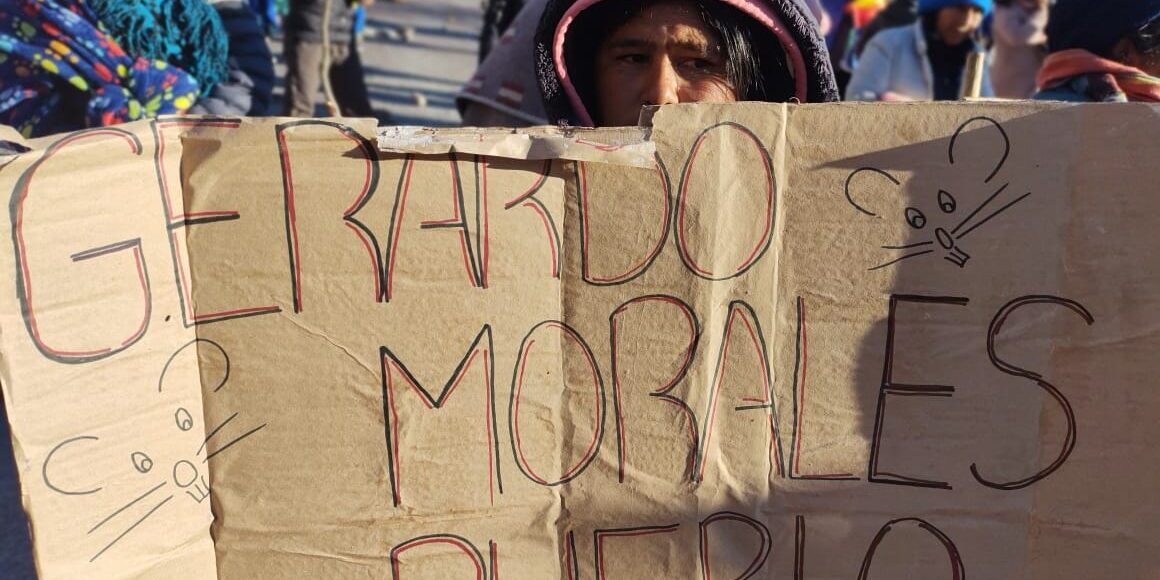
Governor Gerardo Morales ordered the repression of protesters at the provincial legislature. There are injuries and activists have been arrested.


Share

On Argentina's Flag Day, police in the province of Jujuy violently repressed protesters in San Salvador as they marched toward the provincial legislature. There, Governor Gerardo Morales and other officials swore in a new constitution. This reform was carried out without public consultation and represents a setback in rights.
The reform came amid a climate of widespread protest over teachers' and healthcare workers' salaries and the economic crisis. A broad social mobilization began in mid-May, joined by Indigenous communities following the constitutional reform. Morales had previously restricted the right to protest.

The repression began as soon as the governor left the legislature. Police in the province of Jujuy fired rubber bullets, launched tear gas, and even pelted the protesters with stones. The violence was so intense that a man was seriously injured by a tear gas grenade that exploded in his head. Fifty people have been arrested, one person is seriously injured, and 17-year-old Mijael Lian Lamas lost an eye.
Vicky Hilario, leader of the Cherenta Cabi community of the Guarani Nation, escaped the repression and told Presentes that they are trying to reorganize to hold a "people's assembly" right now to decide how to proceed. Vicky was still catching her breath when she spoke with this media outlet. "We've retreated in all directions, trying to escape the bullets and tear gas. There are teachers detained, there are brothers detained," she recounted.
The Inter-American Commission on Human Rights (IACHR) issued a statement calling on the State to respect the right to freedom of expression, the Inter-American standards on the use of force, and to carry out an effective, inclusive and intercultural dialogue process that respects the rights of trade unions and indigenous peoples.
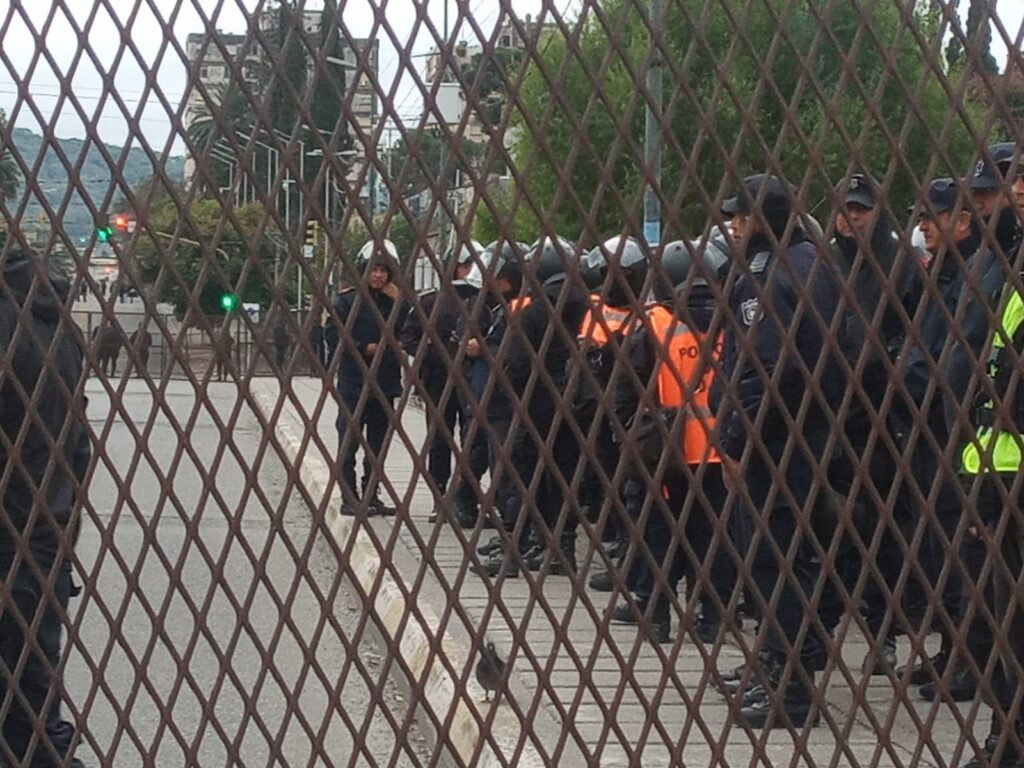
Human rights activists and indigenous leaders arrested
Some of those arrested were taken to different police stations, while others were held inside the Legislature building. A truck from the Provincial Penitentiary Service arrived there around 1 p.m. to transport them. Eyewitnesses indicate that members of the human rights organization HIJOS Jujuy are among those arrested. The detainees are Eva Arroyo, Carolina Luna, Néstor Mendoza, and Ana Uro.
Eva Arroyo and Ana Uro are protected witnesses in cases involving crimes against humanity. HIJOS Jujuy, in a statement, demands the immediate release of all four and condemns the repression.
They also arrested several leaders of the indigenous communities who have been playing a prominent role in the resistance to the new provincial Constitution, which, among other setbacks, criminalizes social protest.

“They are taking away our rights”
The indigenous peoples who inhabit the territory now called Jujuy oppose the constitutional reform because there was no prior, free and informed consultation, as mandated by Argentine law.
Among the reformed points, the provincial government's bill modified Article 36 of the Constitution, "right to private property." The text incorporated into the new Constitution is directed at Indigenous peoples, the vast majority of whom lack property titles, despite their ancestral occupation of their territory. In many cases, they endure pressure from individuals who never occupied the land but possess property titles.
The reform provides for the incorporation of “mechanisms and swift procedures to protect private property and restore any alteration in the possession, use, and enjoyment of property to its owner.” Furthermore, “unauthorized occupation” will be considered a “serious violation of property rights,” and “the conditions for eviction will be established so that the owner(s) of the affected property rights can immediately exercise their rights, even if those responsible for the unauthorized occupation claim to represent or exercise the rights of the people.”
We are present
We are committed to journalism that delves into the territories and conducts thorough investigations, combined with new technologies and narrative formats. We want the protagonists, their stories, and their struggles to be present.
SUPPORT US

FOLLOW US
Related notes
We are present
This and other stories are not usually on the media agenda. Together we can bring them to light.