

Mau Vila: Actor and ambassador for diverse childhoods
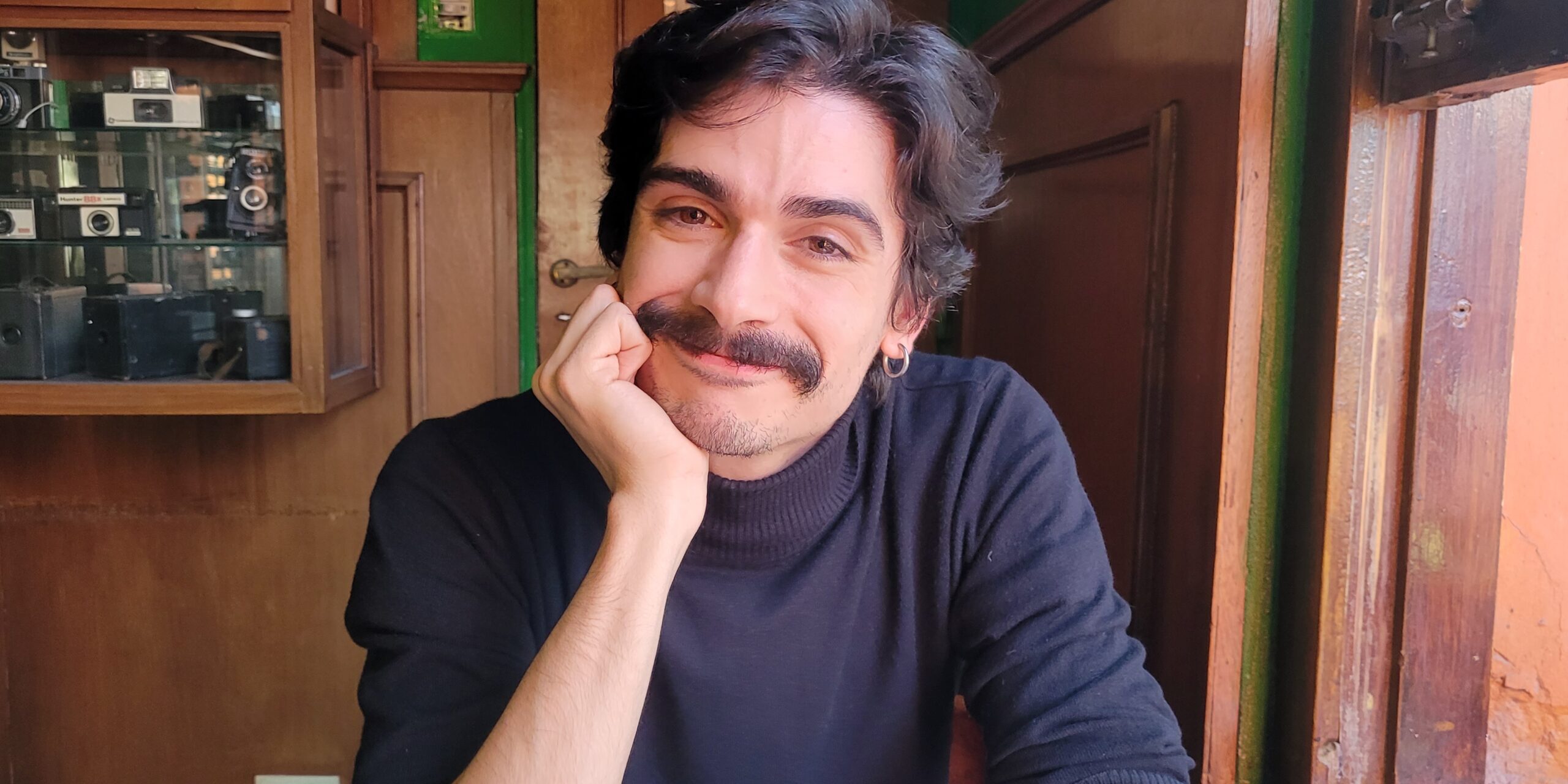
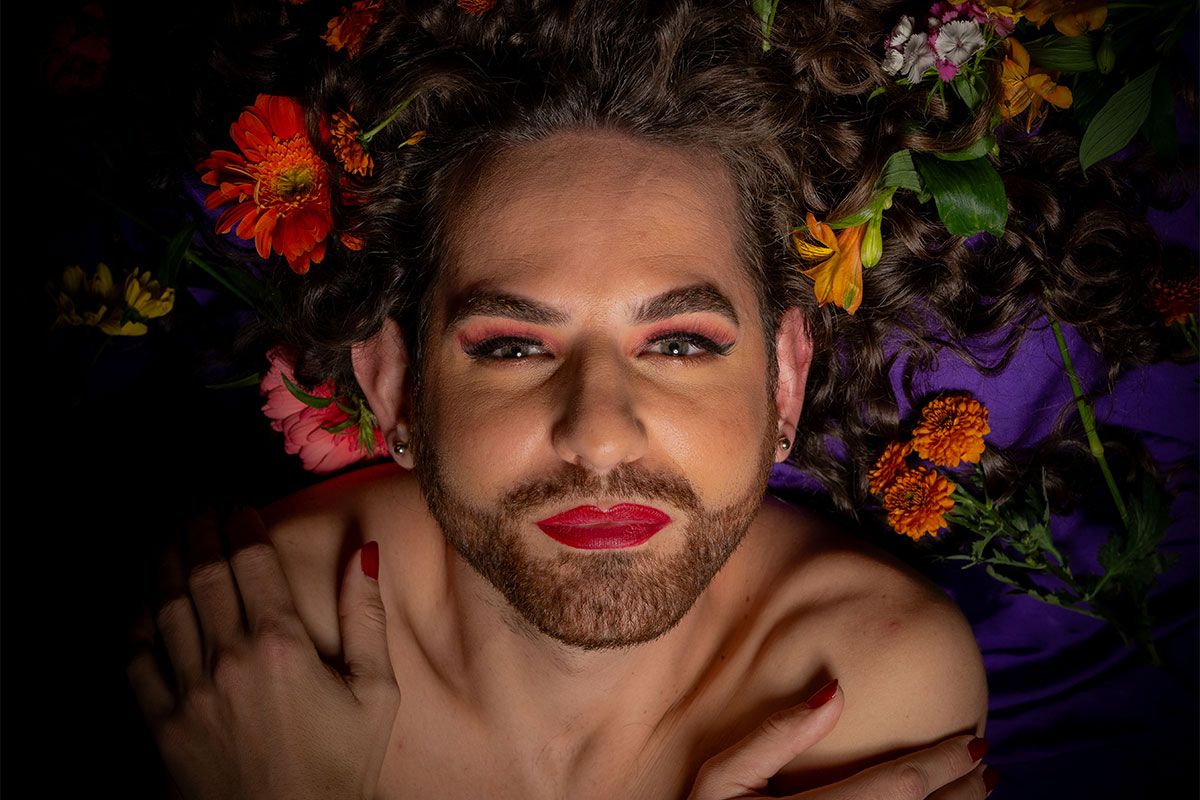
Mau Vila is an actor, puppeteer, and teacher. In Rogelio, the play he directs and stars in, he addresses the wounds of a childhood in Corrientes in the style of Alice in Wonderland. “I have a space where I can be the role model I would have wanted to have had in my childhood.”


Share

queer childhoods Mau Vila jokes about himself . An actor, puppeteer, and teacher, born in the capital of Corrientes, Argentina, he returns to his roots in the play Rogelio . In his words: a “tribute to friendship.” With tenderness, intimacy, and fascination, he embodies a queer boy—inspired by his own personal history—who questions love and struggles to understand the abuse he endures.
Mau loves the Corrientes siestas. For him, a siesta is the moment when everything stops. But in his childhood, it had a different meaning. "With my parents asleep, for me it was more than just rest; it was the chance that no one could see or hear me, to play and do whatever I wanted. It was the time to make dresses, play with towels, put on wigs. A kind of free time," he tells Presentes .
The magic well
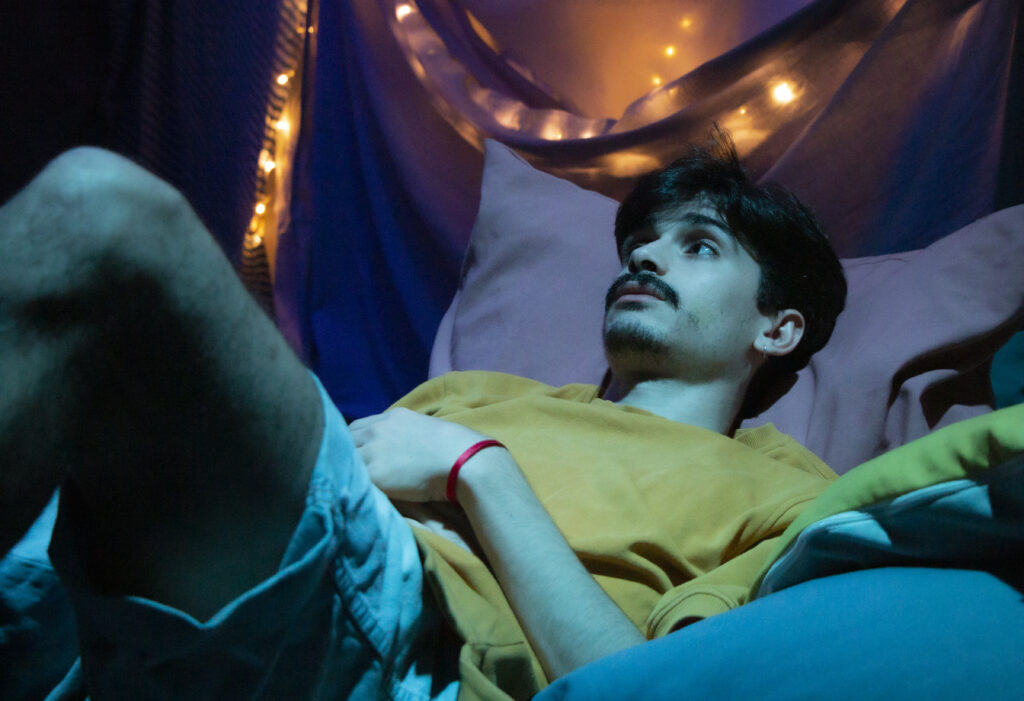
When thinking about Rogelio, he was inspired by Alice's Adventures in Wonderland by Charles Lutwidge Dodgson , better known as Lewis Carroll. He was moved by the thought of a little girl who, while dreaming during a nap, saw a white rabbit and followed it "just because" down a rabbit hole.
“The tunnel suddenly turned into a well. So suddenly that Alice didn’t even have time to stop and think that she was falling and falling,” Vila recites in his own words during the interview. And he emphasizes: “In the well, you can only let yourself fall, and Alice lets herself fall.” That image, of falling, brought back to him the white rabbits he followed throughout his childhood and adolescence: those clandestine affairs with older men, he said, by way of example.
Where I come from
At 17, fresh out of high school, Mau left the city and province where she grew up. "It was literally running away from my town. Probably with a lot of anger at the time because I think it's what happens to all of us as children and teenagers, especially those of my generation," she said. Corrientes is considered a hostile province for LGBTQ+ people, according to activists in the region. This is evidenced by the fact that, even today, 11 years after its enactment, it has still not adopted the Gender Identity Law or the 2021 Transgender Employment Quota Law .
Upon arriving in Buenos Aires, Mau erased all traces of his native Corrientes: his accent, his way of thinking, and the relationships he had built, in a process he remembers as painful. He felt that if he showed his roots, he wouldn't get work. "I became a porteño (a resident of Buenos Aires) because at that time that's what the acting industry demanded," he said.
She studied acting at the National University of the Arts and worked in advertising. This was shortly after arriving in the big city, but after a couple of years something started to bother her. "I realized I had lost my entire essence. When I started writing Rogelio, I began with the desire to reconnect with who I was, where I come from, and the bonds I built there," she says.
In the midst of that process, director Clarisa Navas invited him to be part of the cast of Las mil y una (One Thousand and One Nights). The film premiered in 2020 and deals with the lives of teenagers, one of them gay, in the "Las mil viviendas" (One Thousand Homes) neighborhood of Corrientes. "It was like embracing my identity, who I am, and paying homage to my adolescence," Vila describes.
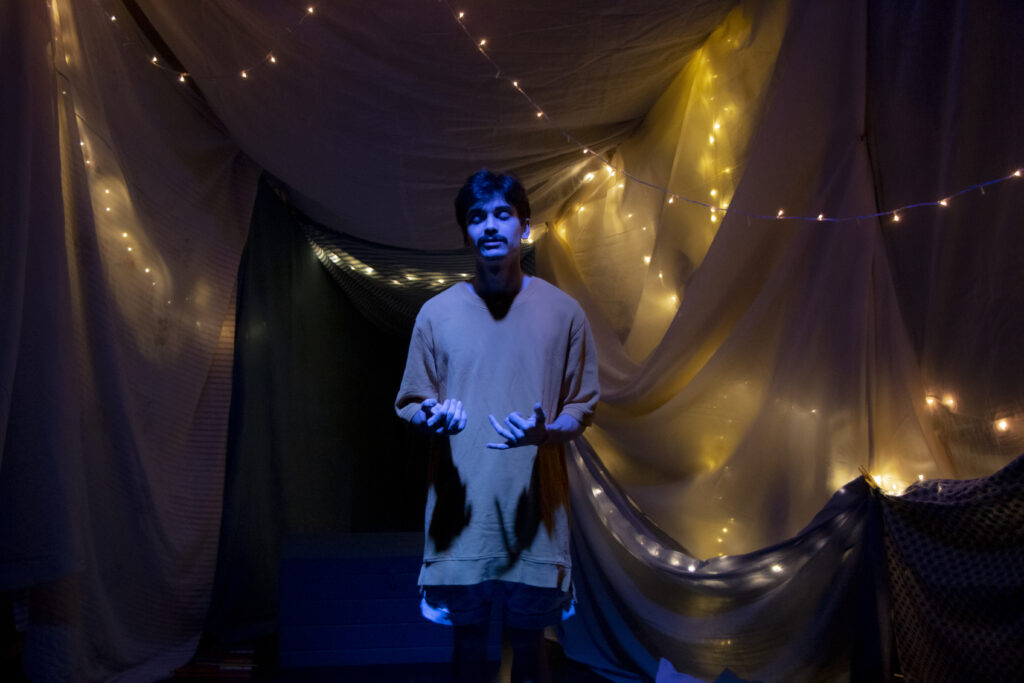
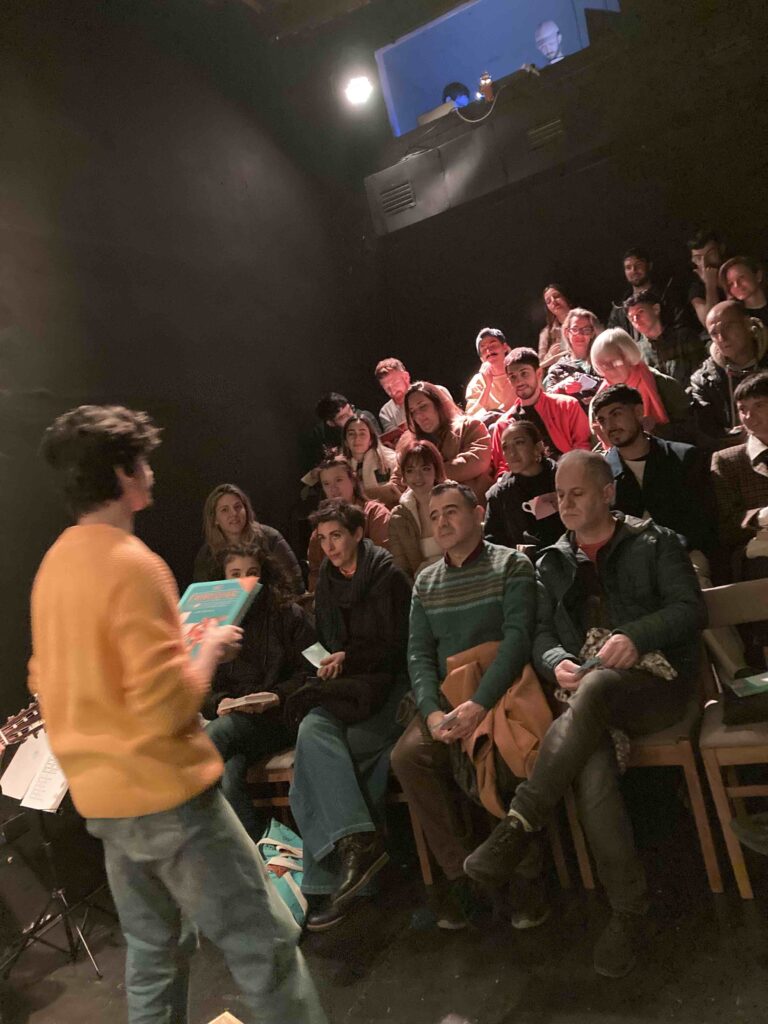
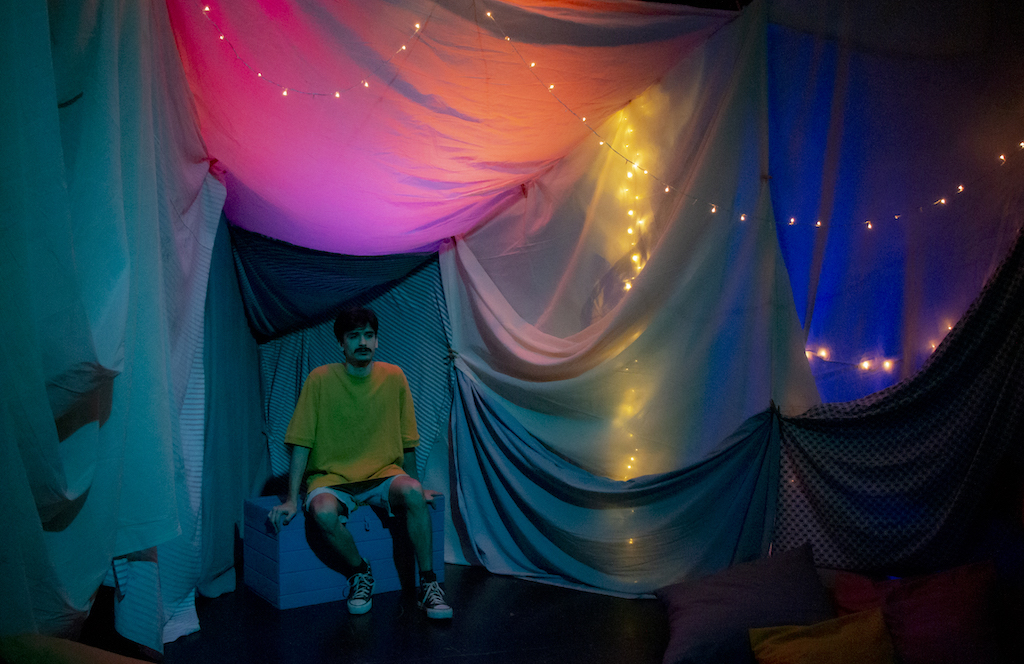
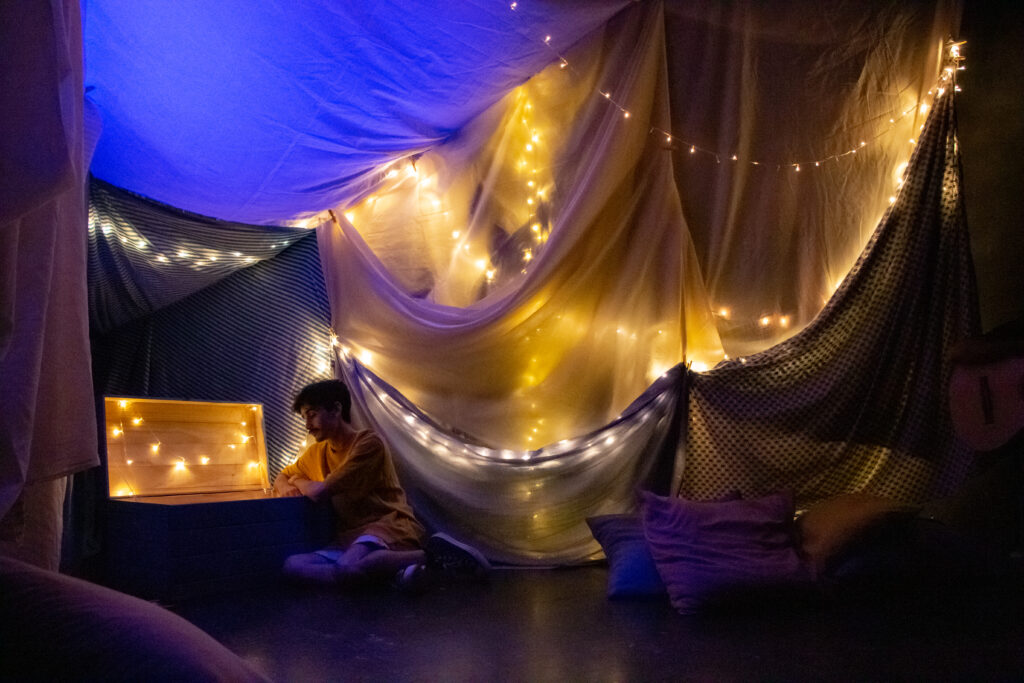
Among her current projects, Mau acts in and directs Rogelio , with music by Stevie Marinaro, a play that can be seen on Sundays at Espacio Savia (Buenos Aires). She is also part of the cast of Cuentos feroces (Fierce Tales), a play that recently premiered at the Teatro Metropolitan, a series of reimaginings of classic fairy tales that aim to eliminate “rescued princesses, predatory wolves, and a single model of family or love.”
“Theater is therapeutic from a human perspective.”
– How do you experience being a child again every Sunday?
“When I’m performing Rogelio, it’s like a time when I’m raw and exposed,” he says, becoming emotional . “It’s undeniable. It challenges me deeply, but it’s also very good for me. The feeling is like when you’ve hurt yourself and the wound gets infected, and the only way to heal it is to pick at it, clean it, and let it heal a little better. At this point, I truly experience it as a play: it challenges me as if I were performing Hamlet or Romeo and Juliet . And at every performance, the love of my life dies. I don’t experience it as if I’m talking about myself and doing therapy with the audience. I never would have wanted it to be like that. I believe that theater is therapeutic from a human perspective. for you to go through those emotions and engage with material that affects you deeply and makes you vulnerable. That’s always transformative.”
– At the end of the play you mention that creating it was a difficult time. And that carrying it out gave you the enthusiasm to continue acting.
– I was very distressed because the relationships I'd had recently revealed a pattern connected to all sorts of childhood wounds. Through therapy, it was like, "Ah, I had completely erased these events from my childhood." I had normalized them because, as a gay man, you're also taught to normalize certain situations: "He brought it on himself," "He wanted to be there," "He chose him ." And then you forget that you were 13 years old and that guy was 20 years older than you. You're a minor . When I became aware of that, it destroyed me. It was rock bottom.
The day I hit rock bottom was the first time in a long time that I allowed myself to cry like a child. I cried so loudly, and the crying was so guttural, that someone knocked on my apartment door. They slipped a note under it. The note said, "Hi, it's your upstairs neighbor. I have a birthday cake if you'd like." I washed my face, went upstairs, knocked on the door, and to this day he's my best friend and guardian angel.
Friendship saves lives
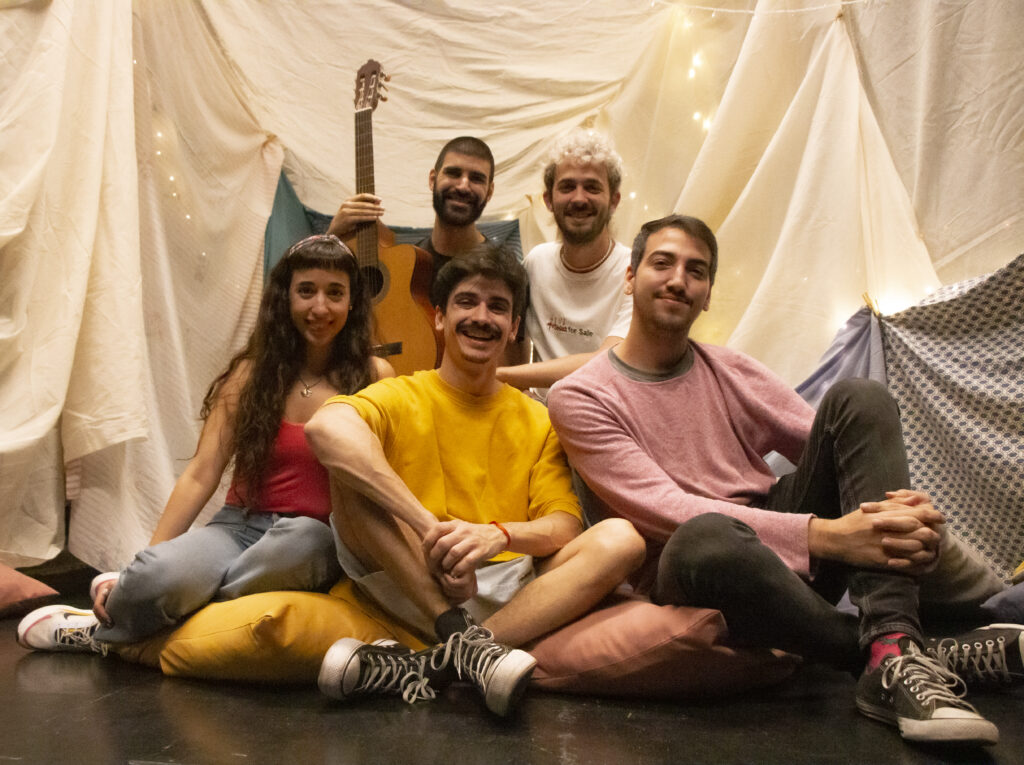
– Friends are a central part of Rogelio's life . What are your thoughts on friendship?
My childhood memories are all about wanting to be with my best friend, Flor, from the theater group. She was a refuge. Later, I understood the importance of emotional bonds because otherwise, I would have killed myself. She was like my witness during that whole period, the only one I could tell, "I'm scared," "I'm in love." The possibility of sharing those experiences is necessary and vital. It's the family we choose. I had the privilege of having it with a friend, and she saved my life.
It's the only space that hasn't been tainted by the whole culture of possession, of monogamy, of this whole structure that, while it sometimes replicates itself—because you'll always have jealous friends—at least I feel there's something in that relationship that's separate from any kind of structure, demand, or claim. Flor and I love each other, and I wish her absolute happiness by my side, far away from me, with new friends, with more friends.
More comprehensive sex education to combat childhood sexual abuse
– Following the cases involving Jay Mammón and Marcelo Corazza in Argentina, sexual abuse of LGBTQ+ children has gained more public attention. What message would you like to share on this topic?
– The first thing I think when these cases come out and when the issue is raised again is, first, to remember the importance of information and the implementation of Comprehensive Sexuality Education (CSE) from a very young age . It's crucial that talking about childhood abuse stops being a problem, that it stops being a taboo subject. There are many loving ways to talk about this . Like every time a child tells someone they were abused by an adult because they were taught about it at school. That's when you realize that information is power. If I had had that information in that context, I would have understood so much more.
During a live broadcast on the public channel Paka Paka, on his birthday in 2020, Mau decided to stop hiding part of his identity, and according to him, that changed his life. “I publicly made a wish: that in this country everyone can be who they want to be. That children can live without gender stereotypes, that they can love whomever they want to love and dress however they want to dress,” he says. He adds, “I have a space where I can be the role model I would have wanted to have had in my childhood .”
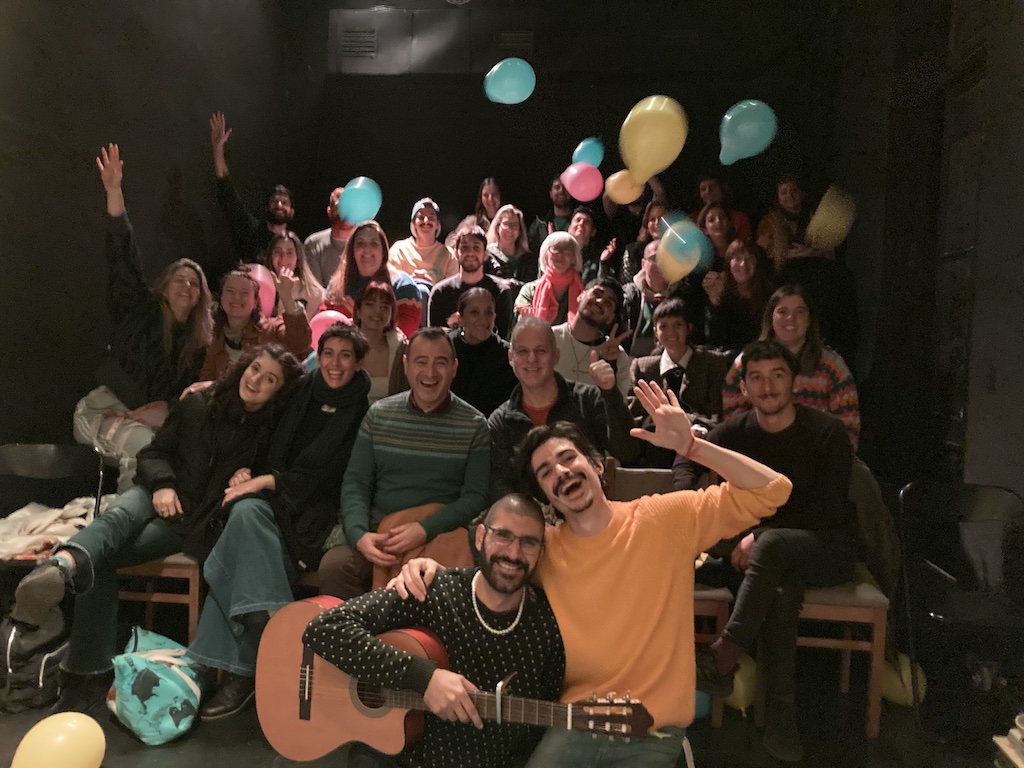
Author and performer: Mauricio Vila / Original music and musician on stage: Stevie Marinaro / Lighting design: Juan Zorraquin / Graphic design and photography: Julián Larroza / Production and assistant director: Sofia Moro / Co-director: Luca Ongarato / General direction: Mauricio Vila.
The play Rogelio can be seen from September 3rd to 24th, at 6pm in Espacio Savia, Jufré 127, Villa Crespo, City of Buenos Aires.
We are present
We are committed to journalism that delves into the territories and conducts thorough investigations, combined with new technologies and narrative formats. We want the protagonists, their stories, and their struggles to be present.
SUPPORT US

FOLLOW US
Related notes
We are present
This and other stories are not usually on the media agenda. Together we can bring them to light.